20 Baby in Bloom Centerpiece Ideas You’ll Want to Copy ASAP
Welcoming a new baby is such a magical moment, and every detail counts when celebrating this special arrival. One of the easiest ways to add charm and a personal touch to your baby shower is through beautiful centerpieces. From delicate floral arrangements to whimsical, themed designs, centerpieces can set the tone of your celebration and make the event feel extra special.
In this collection, we’ve gathered 20 Baby in Bloom centerpiece ideas that are perfect for creating a joyful, blooming atmosphere for your little one. Whether you’re looking for elegant, simple designs or playful, creative touches, there’s something here to inspire every style and theme.
This page may contain affiliate links. Purchases made through these links may earn me a small commission at no added cost to you.
Here 20 Baby in Bloom Centerpiece Ideas
1. Classic Pastel Rose Garden in Vintage Cradle
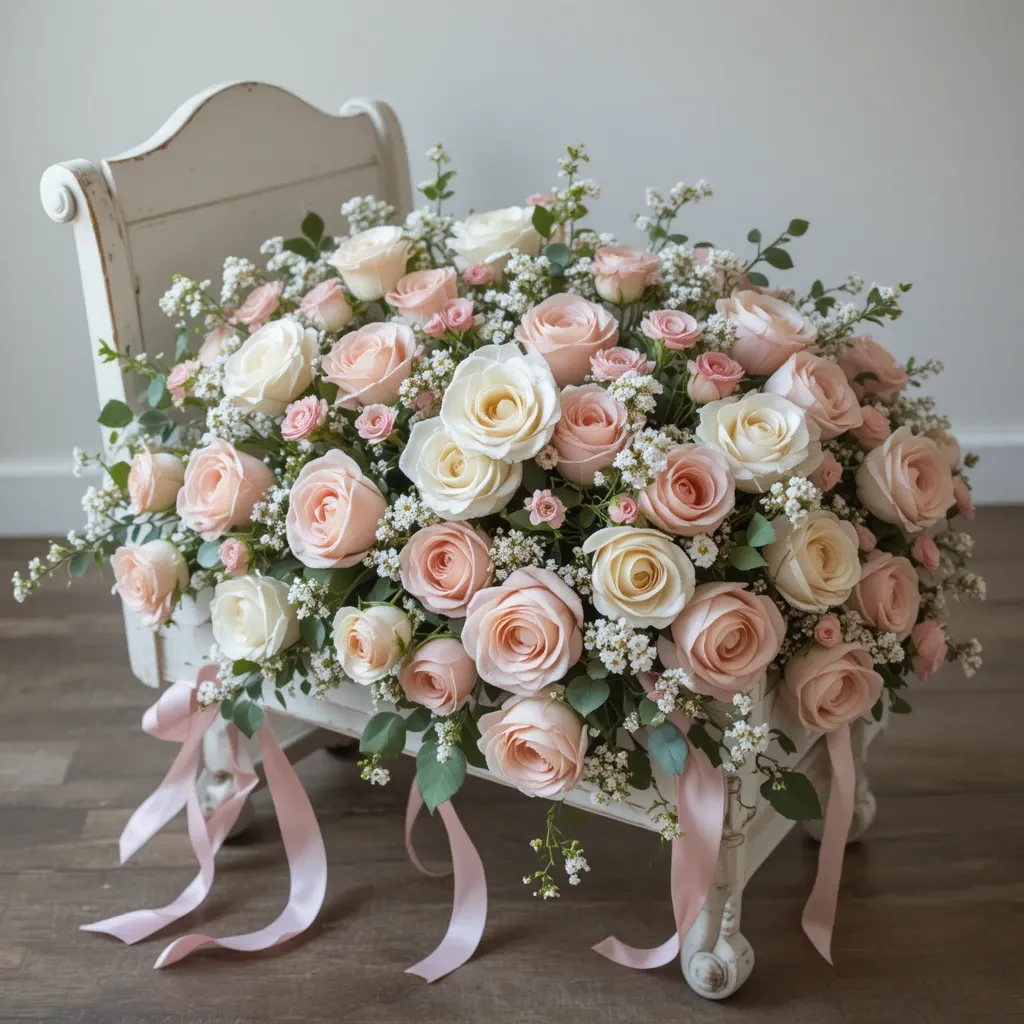
Picture a weathered white wooden cradle filled with soft pink, cream, and blush roses mixed with baby’s breath and delicate eucalyptus sprigs. The arrangement cascades gently over the sides, creating a cloud-like effect, while tiny satin ribbons in coordinating colors drape artfully from the handle. Shop on Amazon
Why It Works: This centerpiece instantly communicates “baby” without relying on cartoonish decorations, making it perfect for sophisticated showers. The cradle serves as both container and symbol, creating an emotional connection guests remember. It’s versatile enough to work with any color scheme by adjusting the rose shades.
How to Style It:
- Use a 12-16 inch cradle filled with water-soaked floral foam to keep roses fresh for 8-10 hours
- Layer 7-11 roses at varying heights from 6-10 inches above the rim for natural dimension
- Add baby’s breath at a 2:1 ratio (two roses to one cluster) to avoid overwhelming the arrangement
- Include 3-5 trailing eucalyptus stems extending 4-6 inches beyond edges to soften the silhouette
Where to Use It: Guest tables at formal baby showers, gift table as statement piece, dessert table backdrop, entryway welcome table
Pro Tip: Spray roses lightly with water mixed with a drop of glycerin one hour before guests arrive—this creates a dewy, just-picked look that photographs beautifully and keeps petals from wilting.
2. Wildflower Mason Jar Cluster with Baby Booties
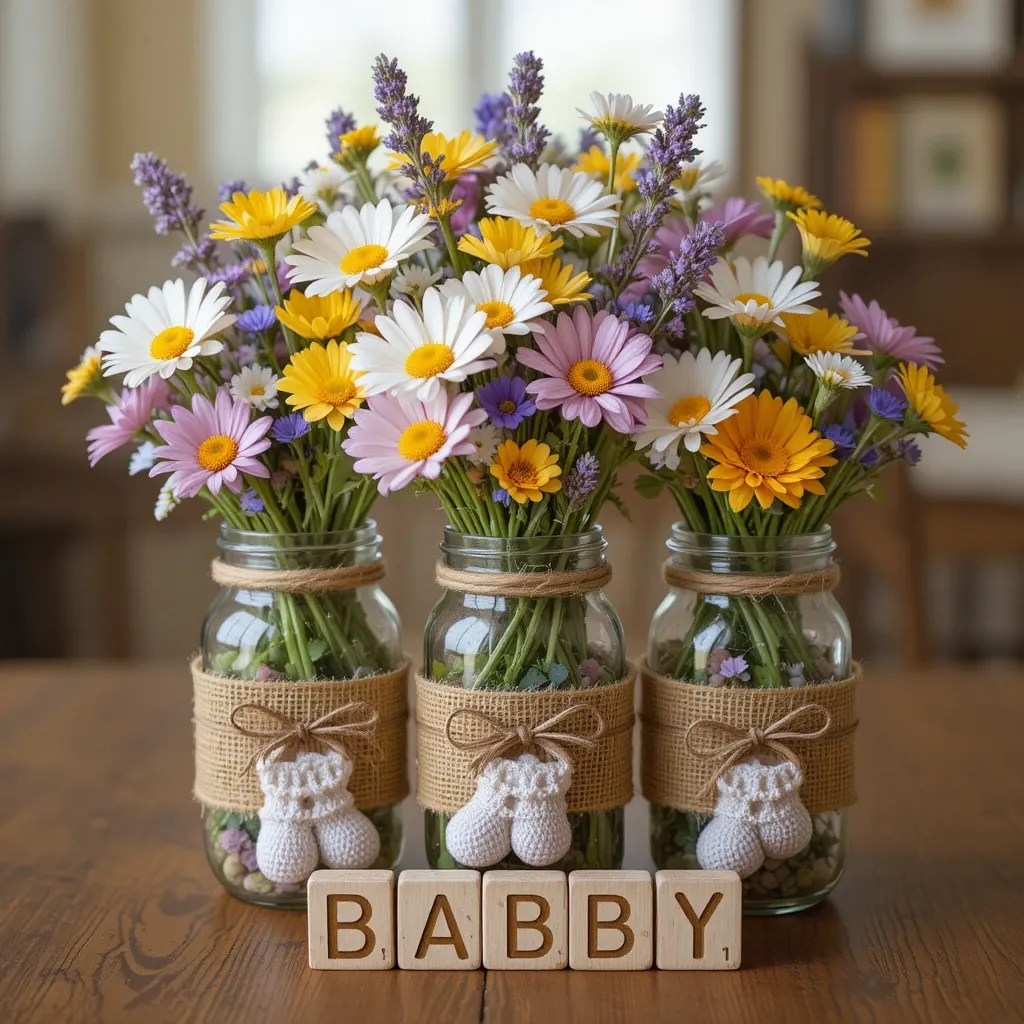
Imagine three to five mason jars of varying heights grouped together and filled with cheerful wildflowers—daisies, cornflowers, lavender, and buttercups—with tiny crocheted baby booties nestled among the jars. Each jar is wrapped with burlap and tied with twine, while small wooden letter blocks spelling “BABY” sit at the base. Shop on Amazon
Why It Works: This rustic-chic approach feels approachable and budget-friendly while looking intentionally designed. The wildflowers bring an organic, garden-party vibe perfect for outdoor or casual showers. Multiple jars create visual interest through height variation, and handmade booties add warmth that manufactured decorations can’t match.
How to Style It:
- Arrange jars in a triangular formation with tallest (10-12 inches) at back and shortest (6-8 inches) at front
- Fill jars with 2 inches of decorative stones to weight them down and prevent tipping
- Cut wildflower stems at different lengths (4, 6, and 8 inches above rims) for natural cascading
- Position booties at a slight angle leaning against the center jar so both are visible
Where to Use It: Buffet tables at casual showers, outdoor garden party tables, farmhouse-style venues, book-signing stations
Pro Tip: Use odd-numbered groupings (3 or 5 jars) rather than even numbers—this creates visual asymmetry that looks effortlessly arranged rather than overly staged.
3. Floating Peony Paradise in Glass Bowl
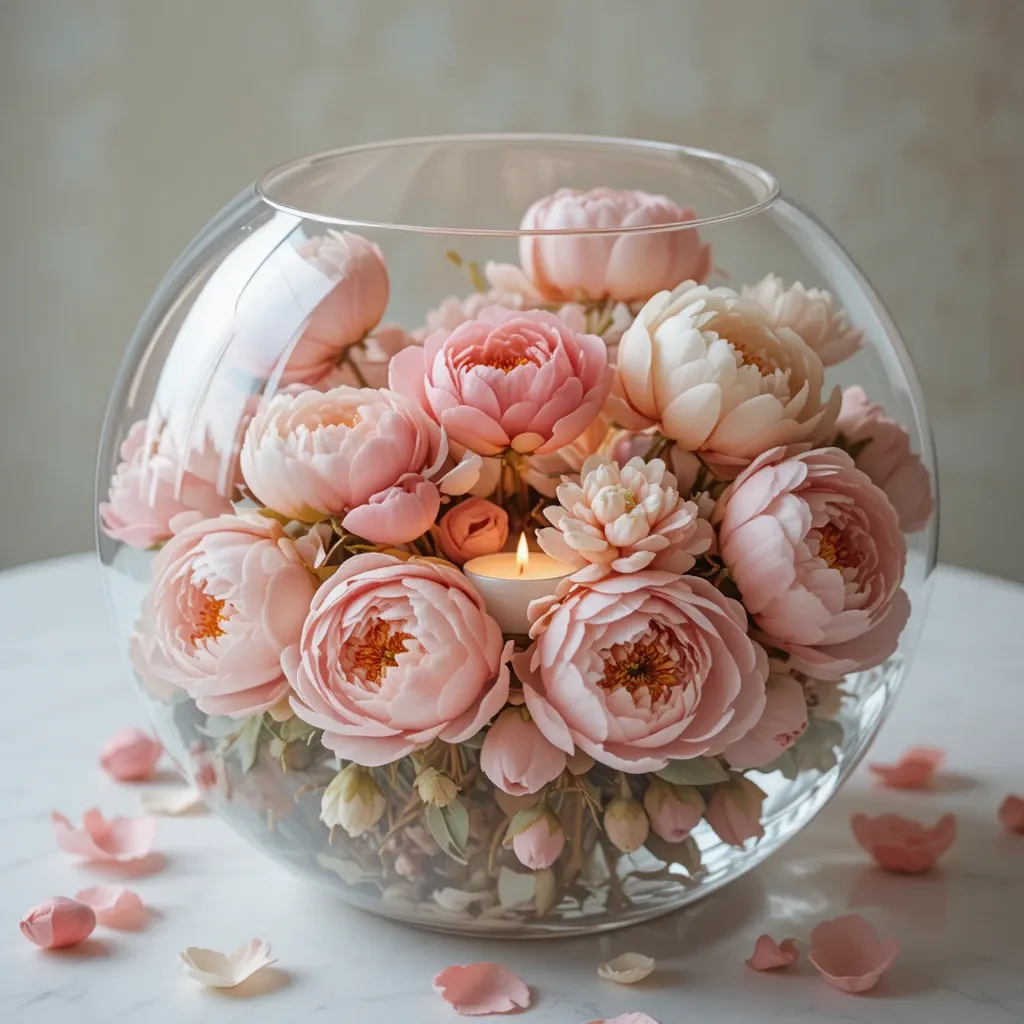
Envision a wide, shallow glass bowl (14-16 inches diameter) filled with water and floating peony blooms in various stages—from tight buds to fully unfurled flowers—in pale pink, white, and softest coral. Small floating candles nestle between blooms, and scattered petals on the water create a dreamy effect. Shop on Amazon
Why It Works: Peonies symbolize prosperity and good fortune, making them perfect for celebrating new family members. The floating presentation requires no floral foam or complex arranging, yet looks expensive and sophisticated. The low profile allows guests to converse easily across tables.
How to Style It:
- Fill bowls to within 1 inch of rim with room-temperature water and add 2 drops of bleach per quart
- Use 5-7 peony blooms per bowl, cutting stems to 2-3 inches so flowers float naturally
- Space 1.5-2 inch floating candles evenly between flowers (one candle per two peonies)
- Scatter 20-30 individual petals on the water surface around the perimeter
Where to Use It: Formal dining tables at upscale venues, head table at baby showers, spring or summer celebrations
Pro Tip: Add three drops of clear floral preservative and keep arrangements cool until 30 minutes before guests arrive—peonies open quickly in warmth, so timing their “bloom moment” creates maximum impact.
4. Succulent Garden in Wooden Crate with Soft Blooms
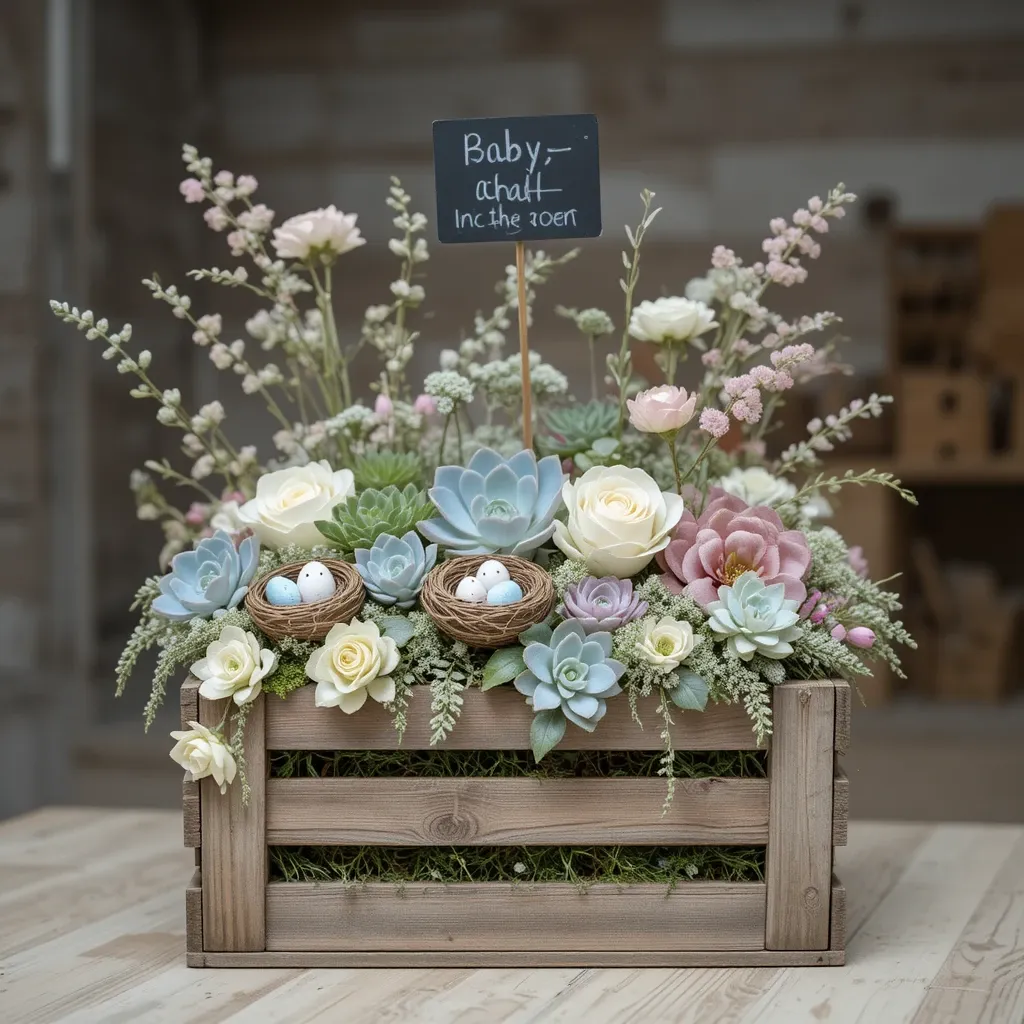
Picture a rustic wooden crate (10×10 inches) lined with moss and filled with blue-green succulents—echeveria, sedum, and jade plants—interspersed with white spray roses, dusty miller, and pink astilbe. Tiny decorative bird’s nests with faux eggs nestle among succulents, and a small chalkboard sign stakes into the arrangement. Shop on Amazon
Why It Works: Succulents can be arranged days in advance without wilting, making them ideal for stress-free planning. The living plants double as favors guests can take home and nurture. This style bridges rustic, modern, and botanical aesthetics, adapting to various themes.
How to Style It:
- Line crate with plastic sheeting, add 2 inches of succulent soil topped with preserved moss
- Plant 5-7 succulents in odd-numbered clusters, leaving 2-3 inch spaces for cut flowers
- Insert cut flower stems into water tubes before placing among succulents for 6-8 hour hydration
- Position bird’s nests asymmetrically, clustering on one side for organic appearance
Where to Use It: Outdoor garden parties, eco-conscious celebrations, gender-neutral baby showers, spring afternoon teas
Pro Tip: Choose succulents with various textures and heights (rosette-forming, trailing, and upright) to create depth—varied forms create a miniature garden effect that draws the eye.
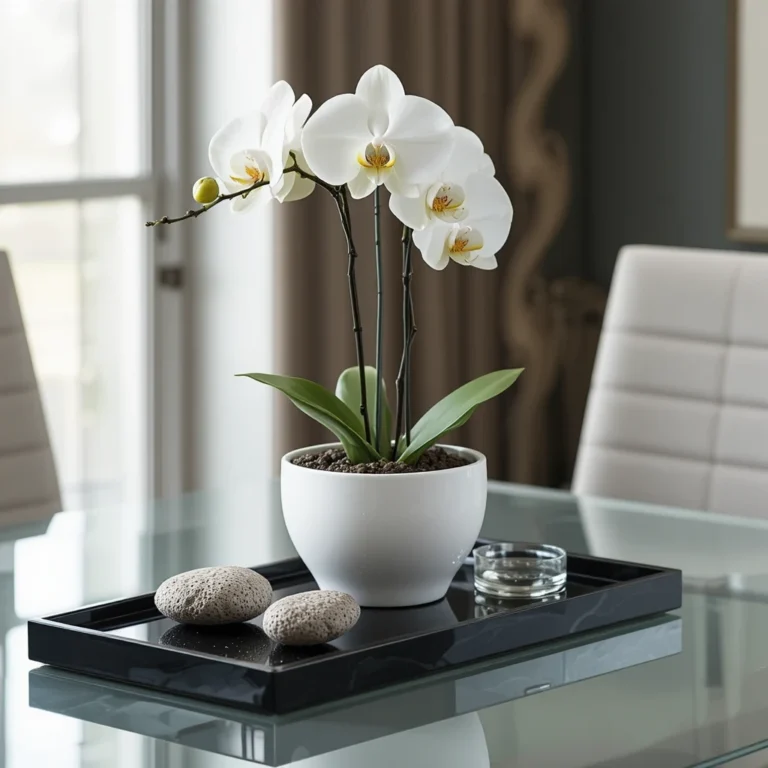
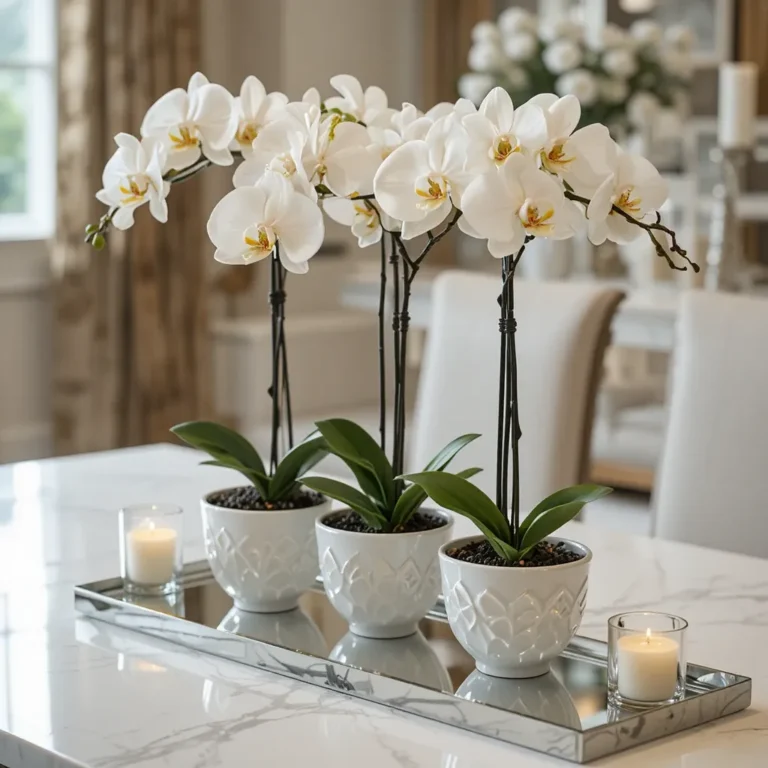
5. Cascading Orchid Elegance in Clear Cylinder Vase
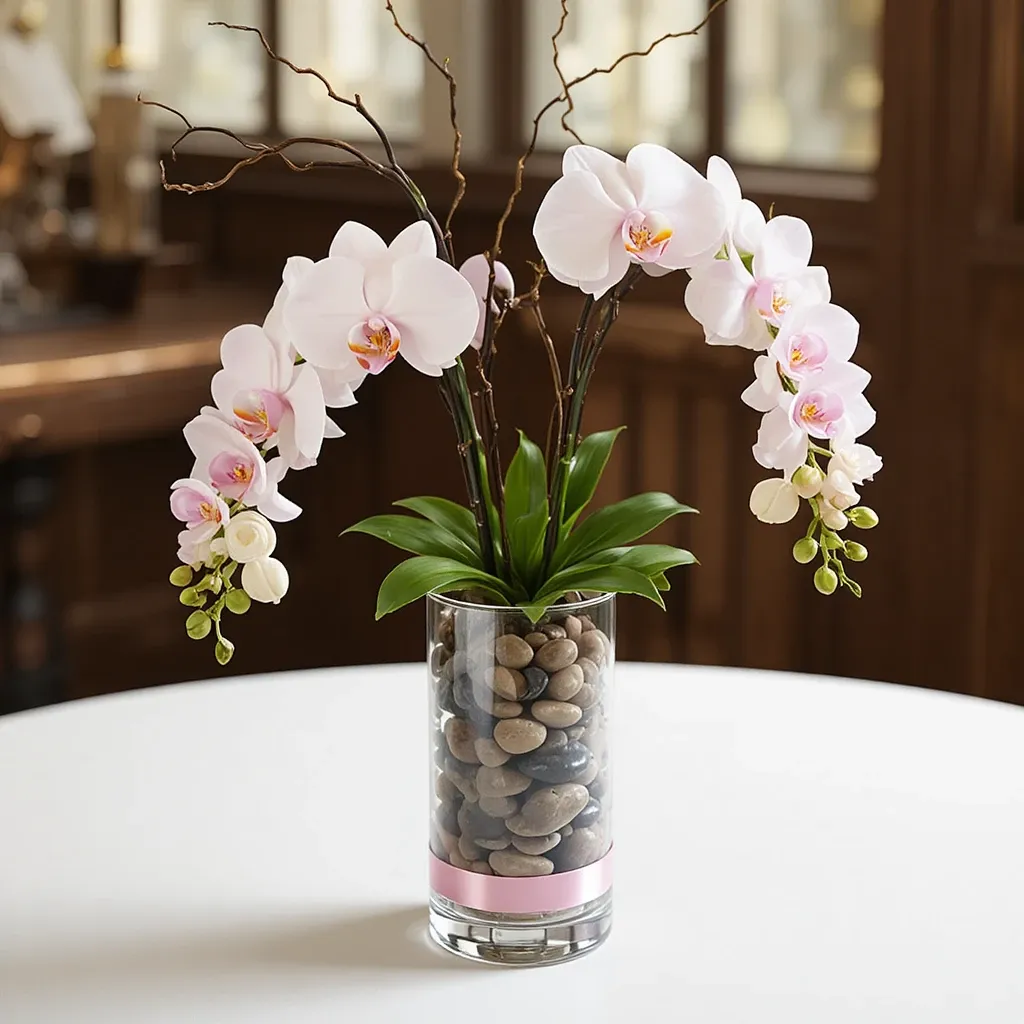
Imagine a tall clear cylinder vase (12-14 inches high) filled with layered river stones, then water showcasing two or three elegant phalaenopsis orchid stems in white or pale pink that curve gracefully outward. Delicate curly willow branches extend upward creating architectural elements, while a simple satin ribbon wraps the vase’s base. Shop on Amazon
Why It Works: Orchids exude luxury while being surprisingly hardy—they’ll last through lengthy celebrations without drooping. The transparent vase creates visual lightness, and the vertical emphasis draws the eye upward, making spaces feel more expansive. This minimalist approach feels contemporary and refined.
How to Style It:
- Layer 2-3 inches of river stones at vase bottom, then fill with water to 1 inch below rim
- Cut orchid stems at 45-degree angles underwater, position so blooms face outward at 45-degree angles
- Add 2-3 curly willow branches at varying heights (14, 18, and 22 inches) positioned asymmetrically
- Tie ribbon at the vase’s widest point in a simple knot rather than bow for streamlined aesthetic
Where to Use It: Modern venues with clean lines, formal luncheon baby showers, high-end hotel celebrations, cocktail-style receptions
Pro Tip: Change water daily if preparing in advance—orchids are sensitive to bacteria, and fresh water every 24 hours extends display life to 10-14 days.
6. Blooming Diaper Cake Centerpiece
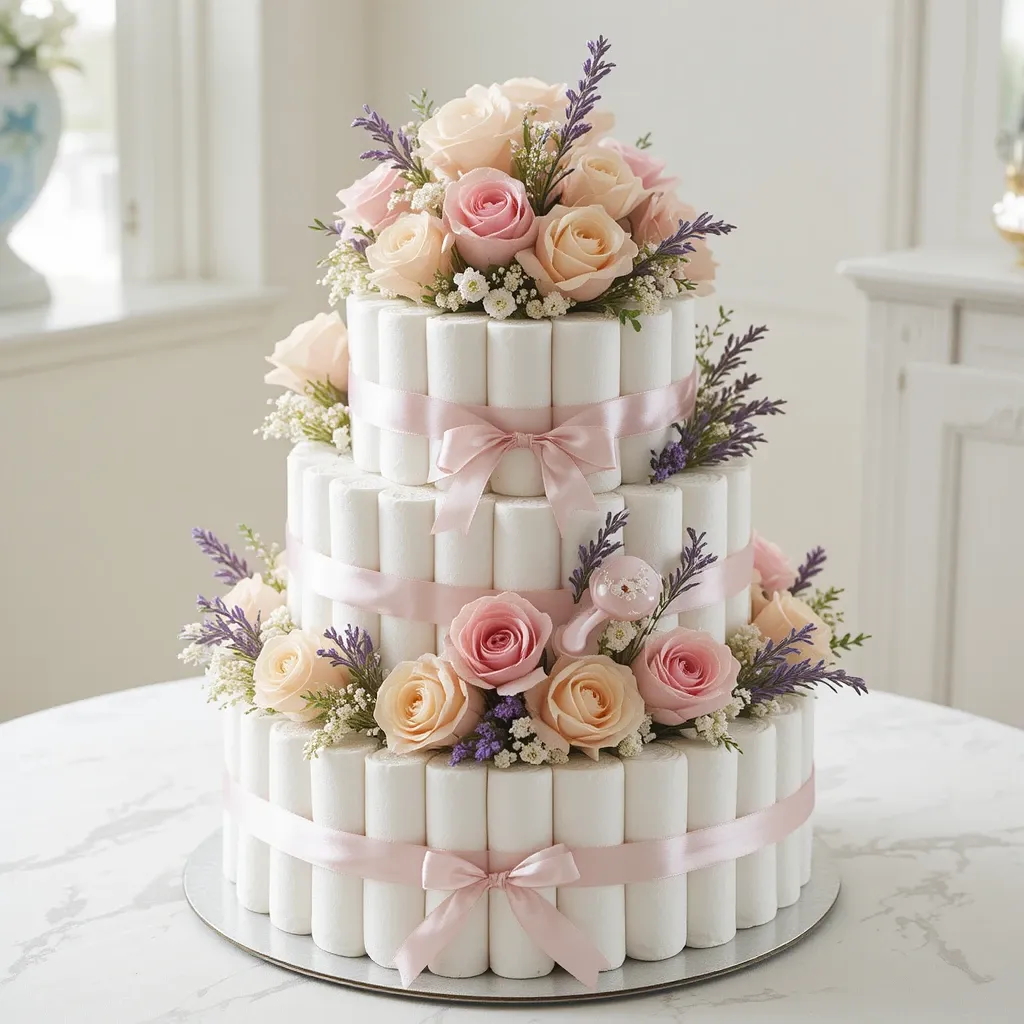
Visualize a three-tiered “cake” constructed from rolled white diapers, secured with clear elastic bands and decorated with fresh flower stems tucked between layers—soft pink ranunculus, cream garden roses, and lavender sprigs create a spiral pattern. Silk ribbon winds around each tier, and small decorative elements like pacifiers nestle among flowers. Shop on Amazon
Why It Works: This centerpiece is the ultimate dual-purpose decoration—stunning during the party, then completely practical for new parents afterward. It creates an interactive talking point, and the layered structure provides dimension without requiring complex floral arranging skills.
How to Style It:
- Use 50-60 size 1 diapers for three tiers measuring approximately 14 inches tall (20 bottom, 20 middle, 10-15 top)
- Insert fresh flower stems into water tubes before tucking into diaper gaps for 3-4 hour freshness
- Wrap 2-3 inch wide ribbon around each tier, securing with double-sided tape to keep diapers undamaged
- Position top tier slightly off-center rather than perfectly stacked for more dynamic appearance
Where to Use It: Gift table focal points, casual home-based showers, budget-friendly celebrations, dual baby shower and sprinkle events
Pro Tip: Use white or ivory diapers regardless of color scheme—printed diapers create visual chaos and distract from florals, while neutral diapers make flowers pop and photograph better.
7. Vintage Tea Cup Tower with Delicate Florals
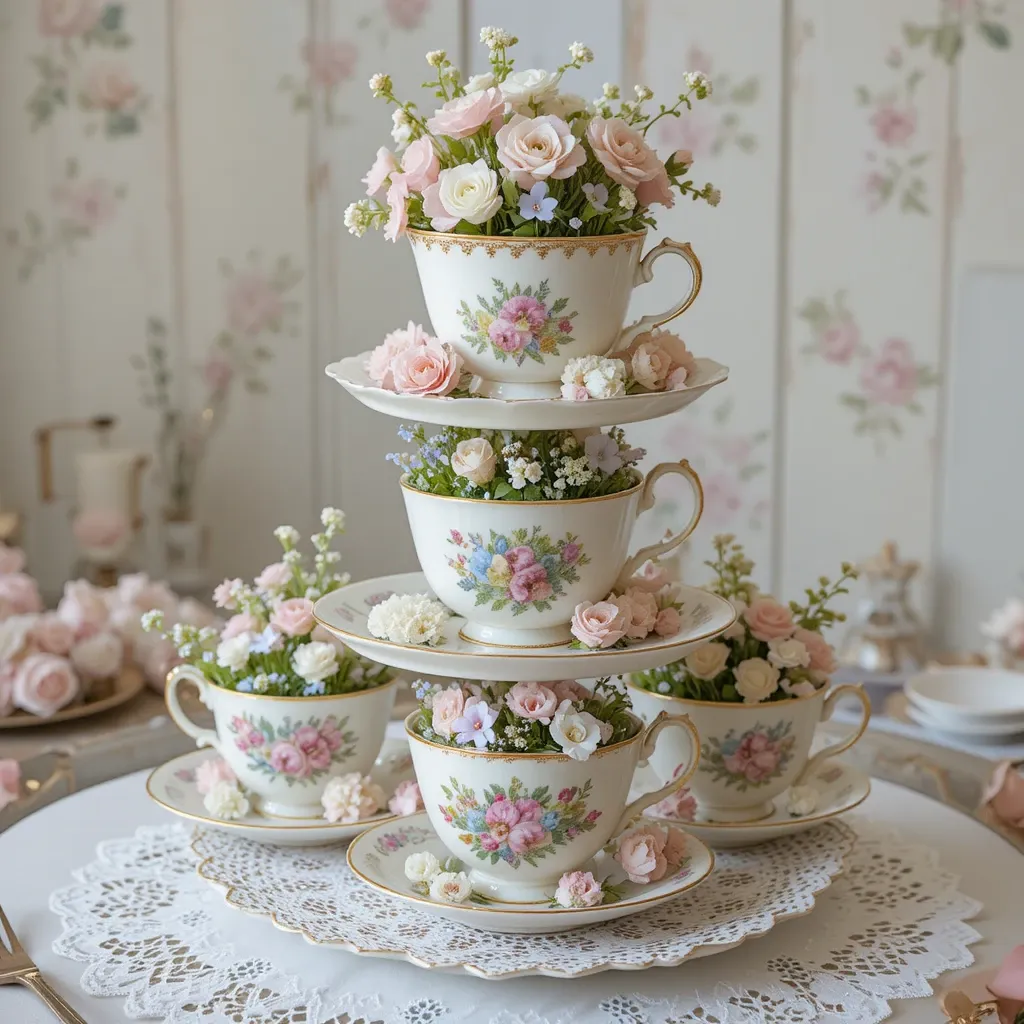
Picture a three-tiered cake stand displaying five to seven mismatched vintage china tea cups and saucers, each filled with miniature arrangements of sweet peas, lily of the valley, small roses, and forget-me-nots. The china patterns vary—floral chintz, delicate gold-rimmed white, and soft pastoral scenes. Lace doilies line each tier. Shop on Amazon
Why It Works: This nostalgic approach evokes traditional afternoon tea parties and grandmother’s cherished china, creating emotional resonance with multiple generations. The varied patterns add visual interest without requiring expensive matching sets, and vertical arrangement creates impressive height (18-24 inches) from small components.
How to Style It:
- Place water-saturated floral foam in each cup, cutting pieces to sit 1 inch above cup rim
- Fill each cup with 5-7 flower stems cut to 3-5 inches above rim, creating dome shapes
- Select china in a consistent color family (all warm or all cool tones) for visual cohesion
- Arrange cups with spouts facing outward at different angles to create movement
Where to Use It: Traditional afternoon tea baby showers, grandmother-hosted celebrations, vintage-themed parties, intimate gatherings
Pro Tip: Visit thrift stores 4-6 weeks before your event to collect mismatched china at $2-5 per cup—far more economical than renting and creates authentic vintage aesthetic.
8. Balloon and Flower Cloud Arrangement
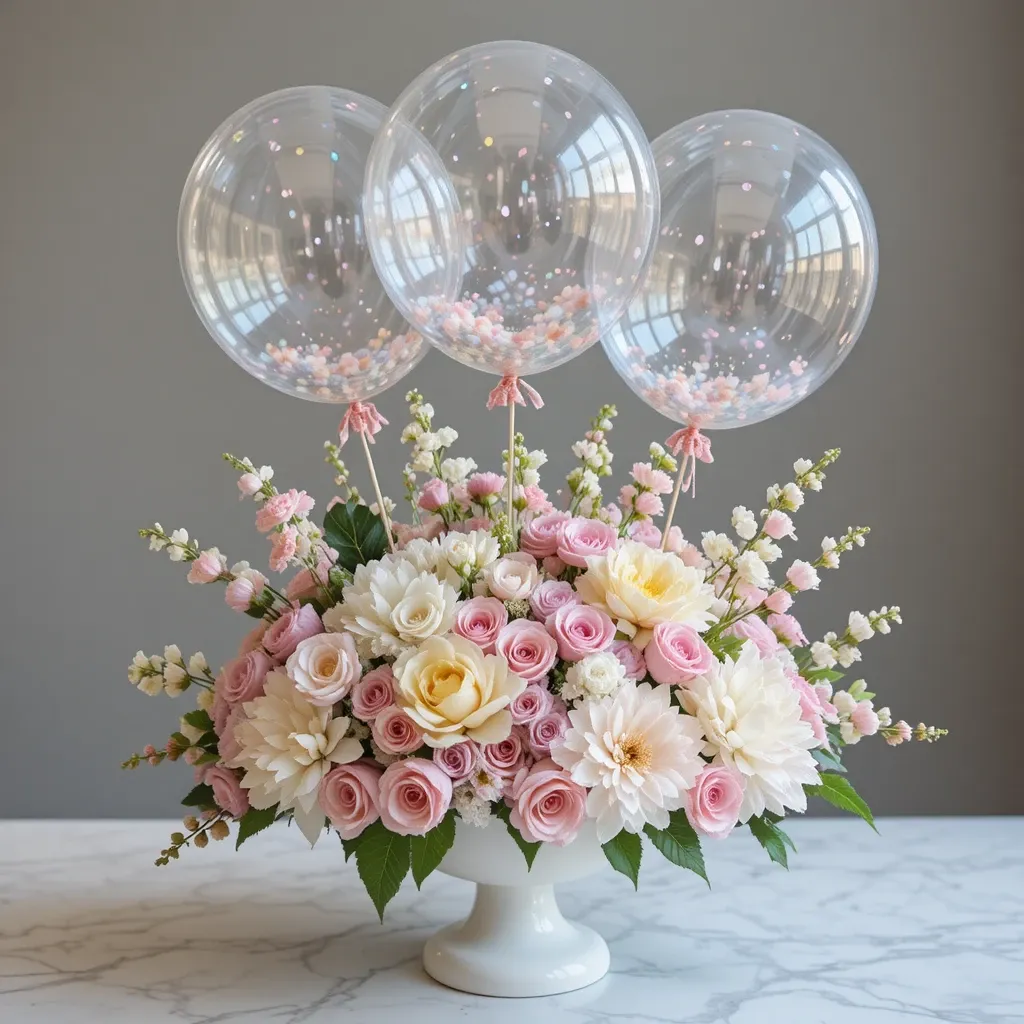
Envision a low floral arrangement in a white ceramic compote bowl filled with hydrangeas, garden roses, and stock flowers in soft pastels, with three clear balloons (11 inches each) attached to fishing line and anchored into the arrangement. The balloons contain confetti in complementary colors that swirls as air moves them.
Full Arrangement: Shop on Amazon
Balloons Only: Shop on Amazon
Flowers: Shop on Amazon
Why It Works: This design combines grounded elegance of fresh flowers with playful celebratory energy of balloons. The movement from balloons adds life and dimension, catching light across crowded rooms. Clear balloons feel modern and refined while confetti adds visual interest without childish associations.
How to Style It:
- Use a compote bowl (4-6 inches tall) to elevate flowers, creating visual separation between floral and balloon elements
- Fill bowl with floral foam extending 2 inches above rim, insert flowers densely to hide foam
- Attach balloons to 18-24 inch fishing line, securing ends to wooden skewers inserted deep into foam
- Add 2 tablespoons confetti per balloon before inflating using a funnel for optimal swirl effect
Where to Use It: Contemporary celebration spaces, gender reveal parties, combination baby shower and birthday celebrations, photography backdrops
Pro Tip: Inflate balloons with 90% air and 10% helium—this creates slight buoyancy making balloons float at attractive angles rather than hanging limp, and costs far less than pure helium.
9. Herb Garden Centerpiece with Edible Flowers
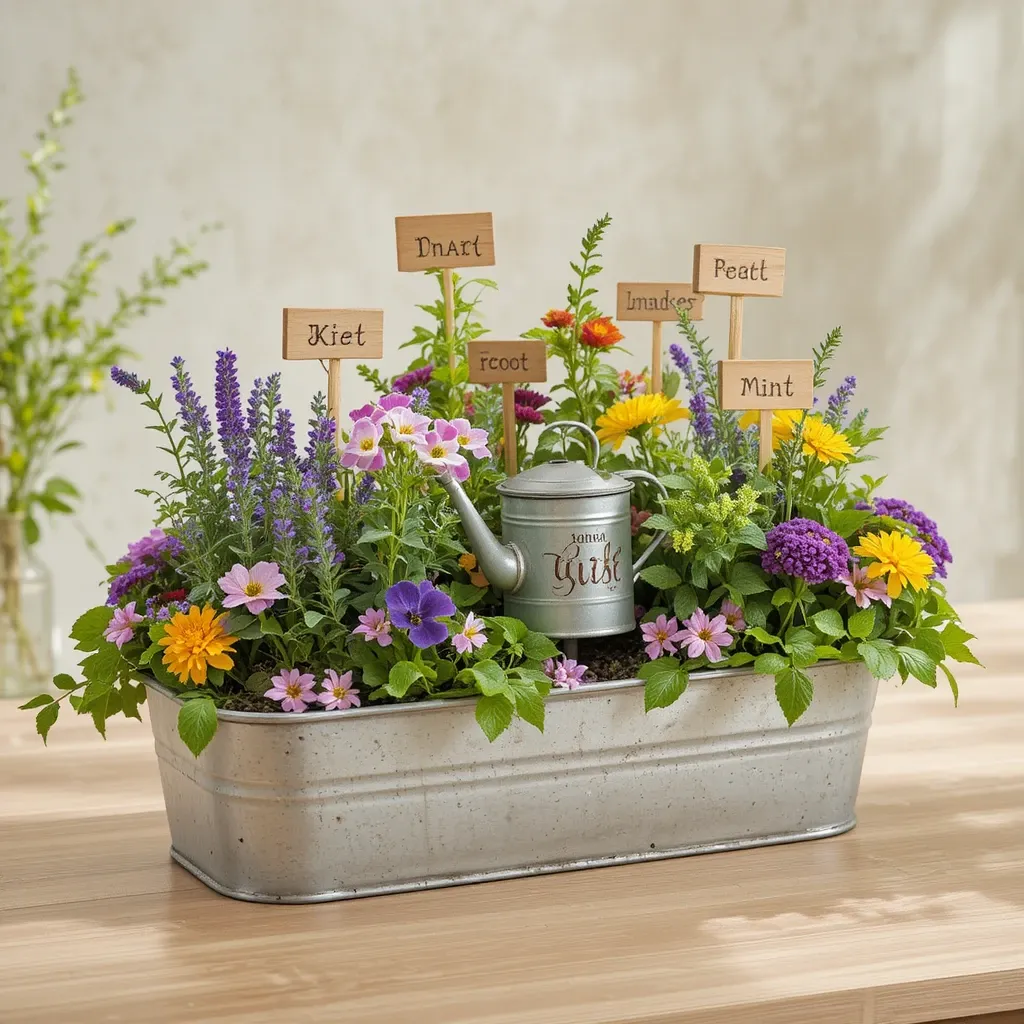
Picture a galvanized metal trough (12×6 inches) filled with potted herbs—rosemary, lavender, thyme, and mint—arranged with root balls intact, surrounded by edible flowers like pansies, nasturtiums, and calendula. Small wooden plant markers identify each herb, and a tiny watering can serves as decorative accent. Shop on Amazon
Why It Works: This functional centerpiece appeals to practical, eco-conscious hosts who appreciate usable gifts rather than disposable decorations. The aromatic herbs add subtle natural fragrance, and living plants can be divided as favors or used in baby’s nursery as air-purifying elements.
How to Style It:
- Select 4-inch potted herbs in odd numbers (3, 5, or 7) and leave in original containers, clustering within trough
- Fill gaps between pots with preserved moss to hide pot edges and create unified garden appearance
- Tuck fresh-cut edible flower stems into small water tubes positioned between herb pots
- Position taller upright herbs (rosemary, lavender) at back with trailing varieties (thyme) at edges
Where to Use It: Farm-to-table venues, outdoor garden showers, eco-friendly celebrations, cooking-themed baby showers
Pro Tip: Water herbs lightly 2-3 hours before the event so soil is moist but not soggy—overwatering creates heavy planters and potential leaks.
10. Monochromatic White and Green Botanical Display
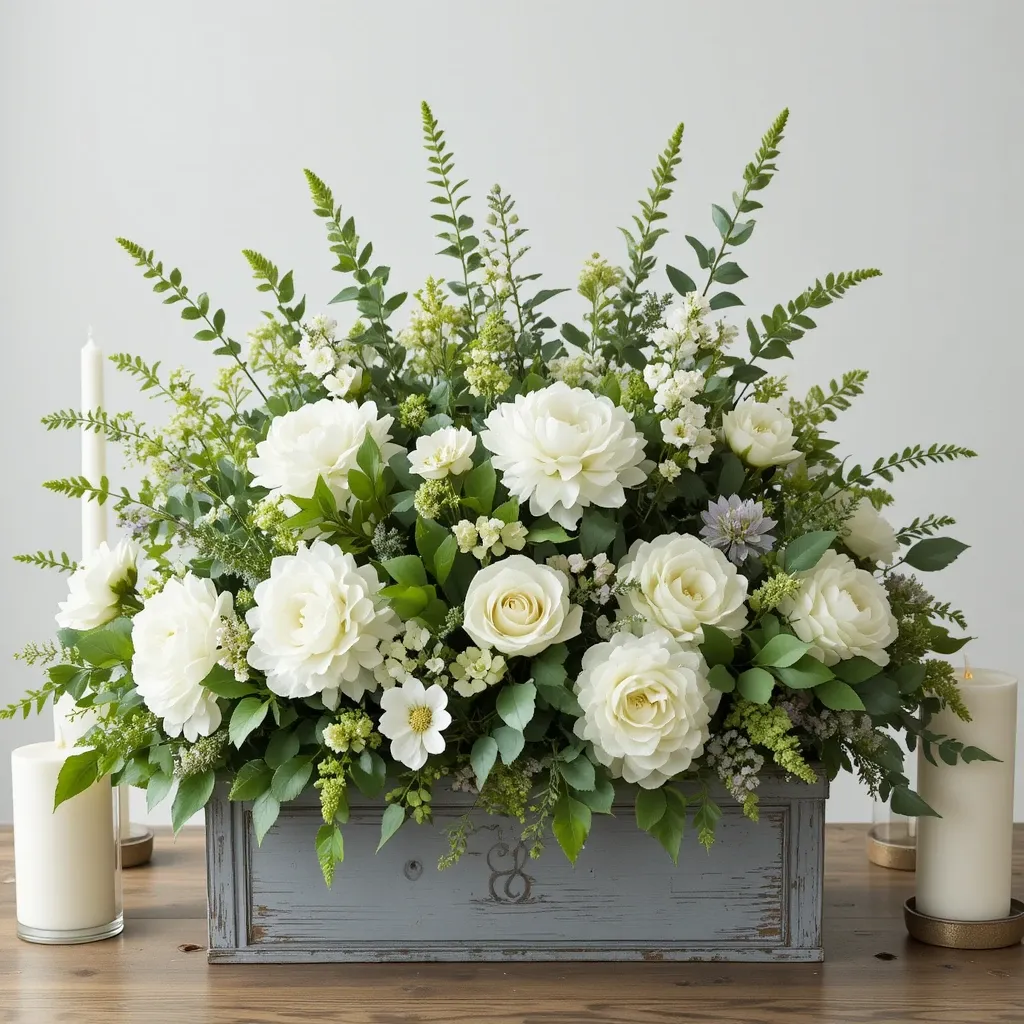
Imagine an all-white and green arrangement featuring white hydrangeas, ranunculus, and lisianthus mixed with varied greenery—variegated ivy, ferns, eucalyptus, and dusty miller—creating different textures and tones. The arrangement sits in a weathered gray wooden box lined with moss, flanked by white pillar candles of varying heights. Shop on Amazon
Why It Works: Monochromatic schemes read as inherently sophisticated, creating impact through texture and form rather than competing colors. This palette works seamlessly with any other decor elements. The white-and-green combination feels fresh, clean, and naturally elegant.
How to Style It:
- Pack floral foam tightly into wooden box so it sits 2 inches above rim, securing with waterproof tape
- Insert greenery first, creating a full base layer extending 4-6 inches beyond box edges
- Add white flowers in odd-numbered groups (clusters of 3 or 5), positioning larger blooms as focal points
- Place candles on small glass plates 6-8 inches from box on both sides, creating triangular composition
Where to Use It: Minimalist venues, black-and-white themed showers, elegant evening celebrations, events with colorful table linens
Pro Tip: Mist white flowers with water and lemon juice (1 teaspoon per cup) two hours before guests arrive—citric acid helps white petals stay bright under warm lighting.
11. Hanging Floral Mobile Above Low Greenery Base
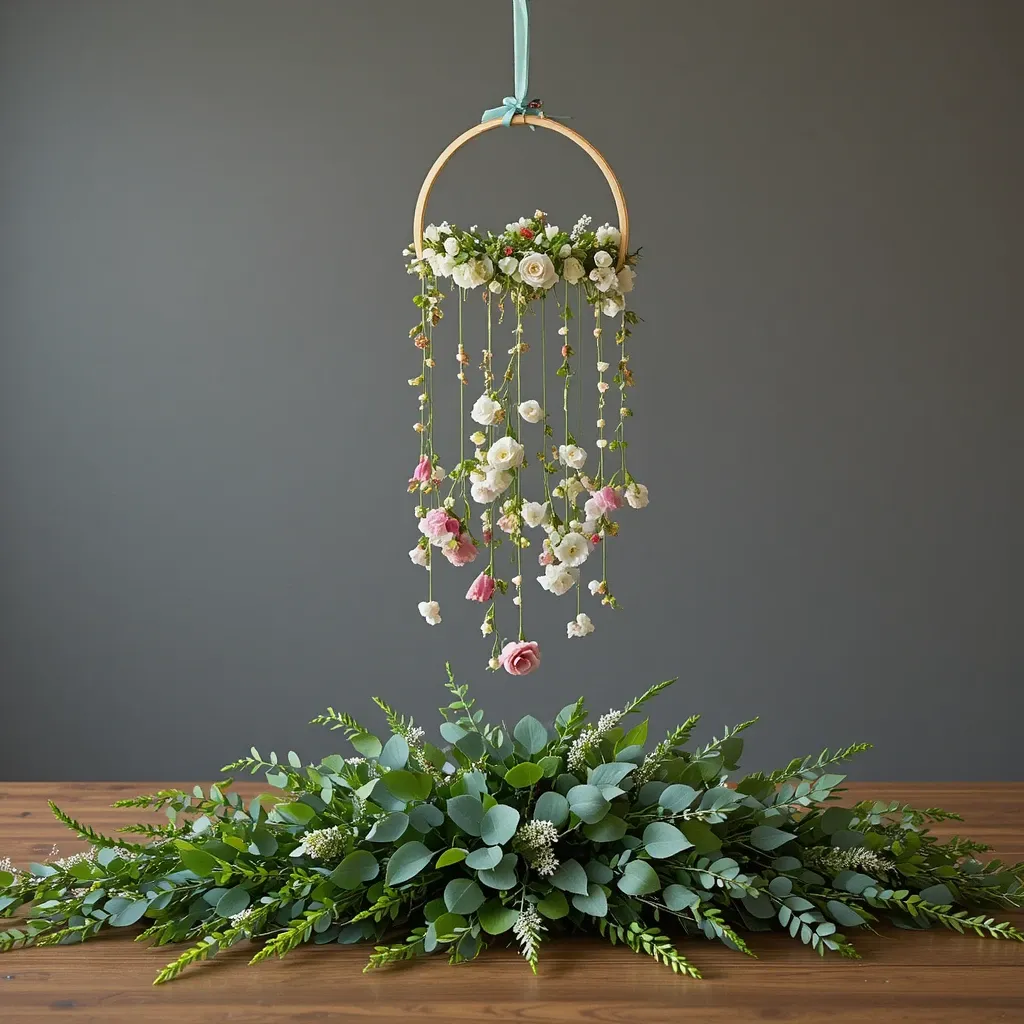
Visualize a low sprawling arrangement of eucalyptus, ivy, and fern fronds spread on the table surface as a greenery runner, with a delicate hanging mobile suspended 24-30 inches above center. The mobile features a wooden embroidery hoop (10-12 inches diameter) wrapped with ribbon and adorned with hanging flower stems at varying lengths, creating a floating garden. Shop on Amazon
Why It Works: This innovative design utilizes vertical space that’s typically unused, creating drama without crowding the table surface. The overhead element draws the eye upward making rooms feel more spacious, while low greenery provides grounding without blocking sight lines.
How to Style It:
- Create base greenery runner by laying branches directly on table or on kraft paper for easy cleanup
- Wrap embroidery hoop densely with 1-inch ribbon in overlapping spirals, securing with hot glue
- Attach flower stems to hoop using clear fishing line in varied lengths (8, 12, and 16 inches), spacing evenly
- Insert flower stems into water tubes before attaching to ensure hydration throughout event
Where to Use It: Long banquet tables, outdoor pavilion celebrations, rustic barns with exposed beams, modern loft spaces
Pro Tip: Suspend mobiles using adjustable picture-hanging wire so you can fine-tune height—aim for lowest flowers to sit 28-30 inches above table surface.
12. Blooming Letter or Initial Display
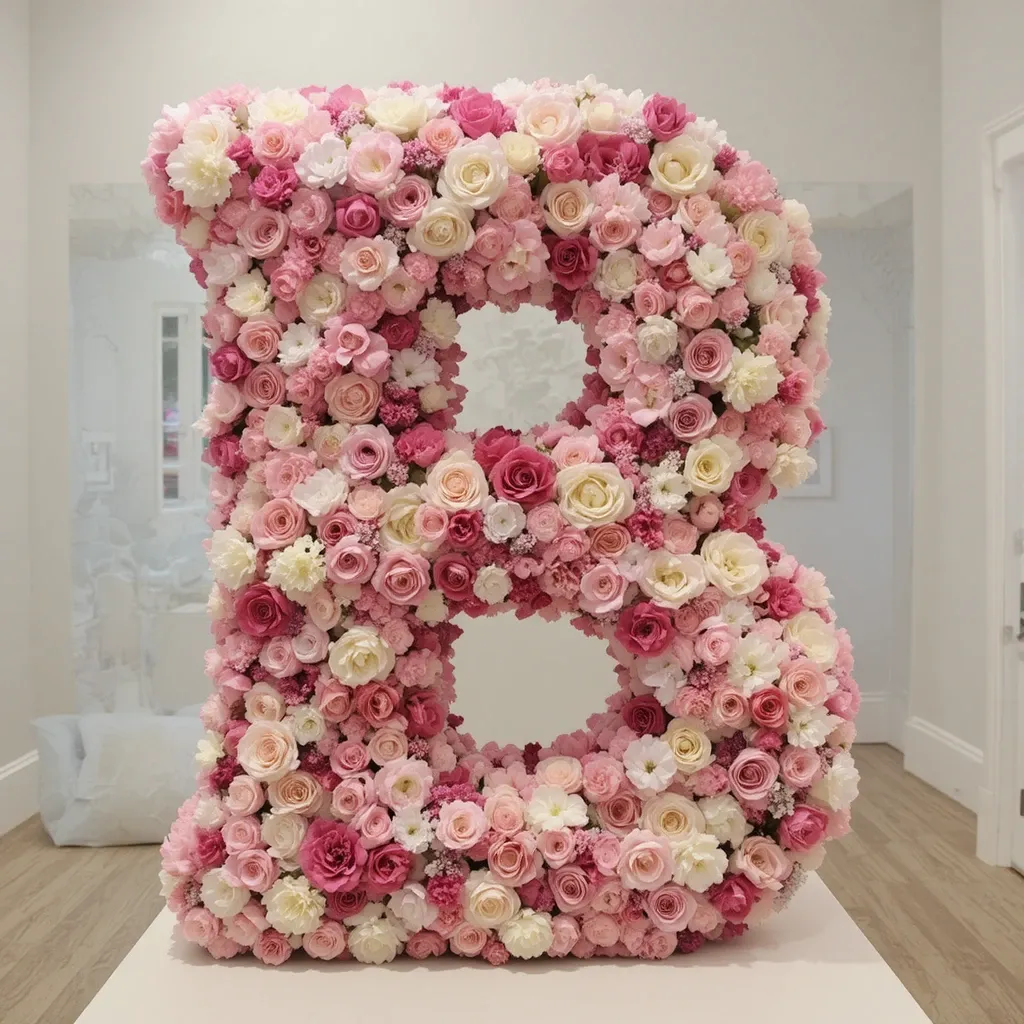
Picture a large wooden or foam letter (18-24 inches tall)—perhaps “B” for baby or the baby’s first initial—completely covered with fresh flowers in an ombré pattern from deep pink at the base transitioning through blush to white at top. Small spray roses, carnations, and button mums create dense, full coverage. Shop on Amazon
Why It Works: Personalized decor creates emotional connection and shows extra thought invested in celebrating this specific baby. The large-scale letter makes a bold statement serving as both centerpiece and photo backdrop. The ombré flower technique adds sophistication.
How to Style It:
- Purchase or cut letter from 3-inch thick floral foam, then soak completely in water for 30 minutes
- Cut flower stems to 2-3 inches and insert at slight angles, packing tightly so no foam shows
- Create ombré by dividing letter into thirds—darkest flowers in bottom third, medium middle, lightest top
- Secure letter to sturdy base using wooden dowels inserted through bottom for stability
Where to Use It: Gift tables, dessert table backdrops, entry statement pieces, photo booth props, mantel displays
Pro Tip: Work from bottom to top when inserting flowers and slightly overlap blooms as you ascend—this creates the illusion that flowers are “growing” upward.
13. Hanging Jar Garden with Trailing Flowers
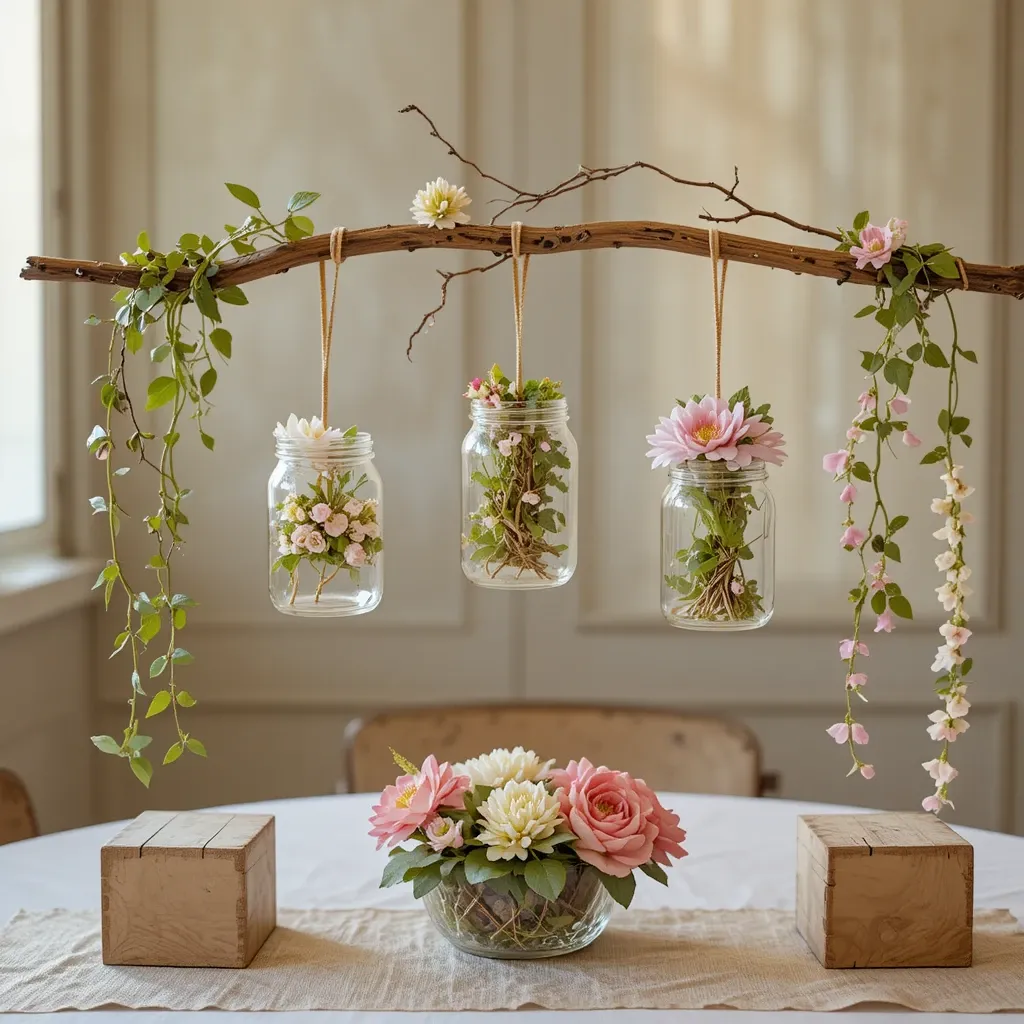
Envision three to five clear glass jars hanging at different heights (12, 16, and 20 inches) from a wooden branch spanning the table centerpiece area. Each jar contains trailing flowers—jasmine vine, ivy with flowers, trailing sweet peas, or hanging amaranthus—creating a suspended garden effect. The branch rests on wooden blocks at each end. Shop on Amazon
Why It Works: This unexpected presentation creates a gallery-like, curated feeling that makes simple flowers look artistic. The hanging elements add movement and dimension without taking up valuable table surface space. The rustic branch combined with delicate flowers strikes an appealing balance.
How to Style It:
- Use a weathered branch 36-48 inches long and 2-3 inches in diameter for adequate visual weight
- Wrap heavy-gauge wire around jar necks, attach to branch using S-hooks for easy height adjustment
- Fill each jar with 2-3 inches of water and insert 3-5 stems of trailing flowers
- Elevate branch on matching wooden blocks (4x4x12 inches) at each end, ensuring level and stable
Where to Use It: Long rectangular tables, buffet displays, outdoor garden party settings, bohemian or nature-inspired themes
Pro Tip: Gather branches from nature 2-3 weeks before and let dry completely indoors—fresh wood is too flexible, while dried branches maintain shape and won’t drip sap.
14. Nested Flower Crown Centerpiece with Candle
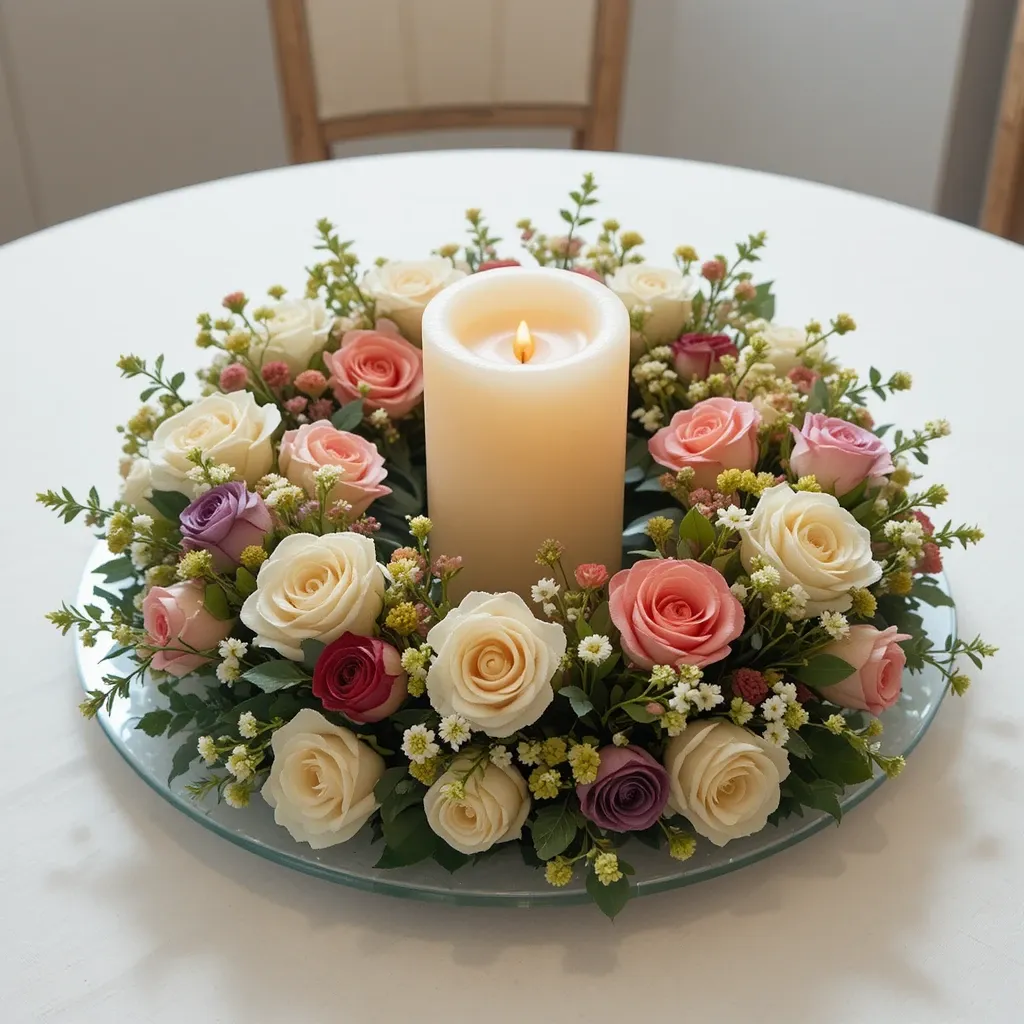
Picture a beautiful fresh flower crown (12-14 inches diameter) constructed from roses, wax flowers, and delicate greenery, laid flat on the table with a chunky pillar candle (3×6 inches) positioned in the center opening. The flowers create a perfect circular frame around the candle, and when lit, its glow illuminates petals. Shop on Amazon
Why It Works: The circular form symbolizes unity and completeness—meaningful for welcoming a new family member. This design requires minimal height, keeping sight lines clear while creating substantial impact. The flower crown can be worn by mother-to-be during photos, then displayed as centerpiece.
How to Style It:
- Construct crown on wire or grapevine base (12-14 inch diameter), attaching flowers with floral wire
- Create crown with slightly more flowers concentrated on one “front” side for best table display
- Choose unscented pillar candles to avoid competing with natural flower fragrances
- Place crown on decorative charger plate (16-18 inches diameter) to protect table surfaces
Where to Use It: Romantic vintage-themed showers, garden party celebrations, events featuring mother-to-be photo sessions, intimate gatherings
Pro Tip: Assemble crowns the morning of your event and store in large shallow boxes lined with damp paper towels, then refrigerate until 1 hour before display.
15. Terrarium Garden with Air Plants and Blooms
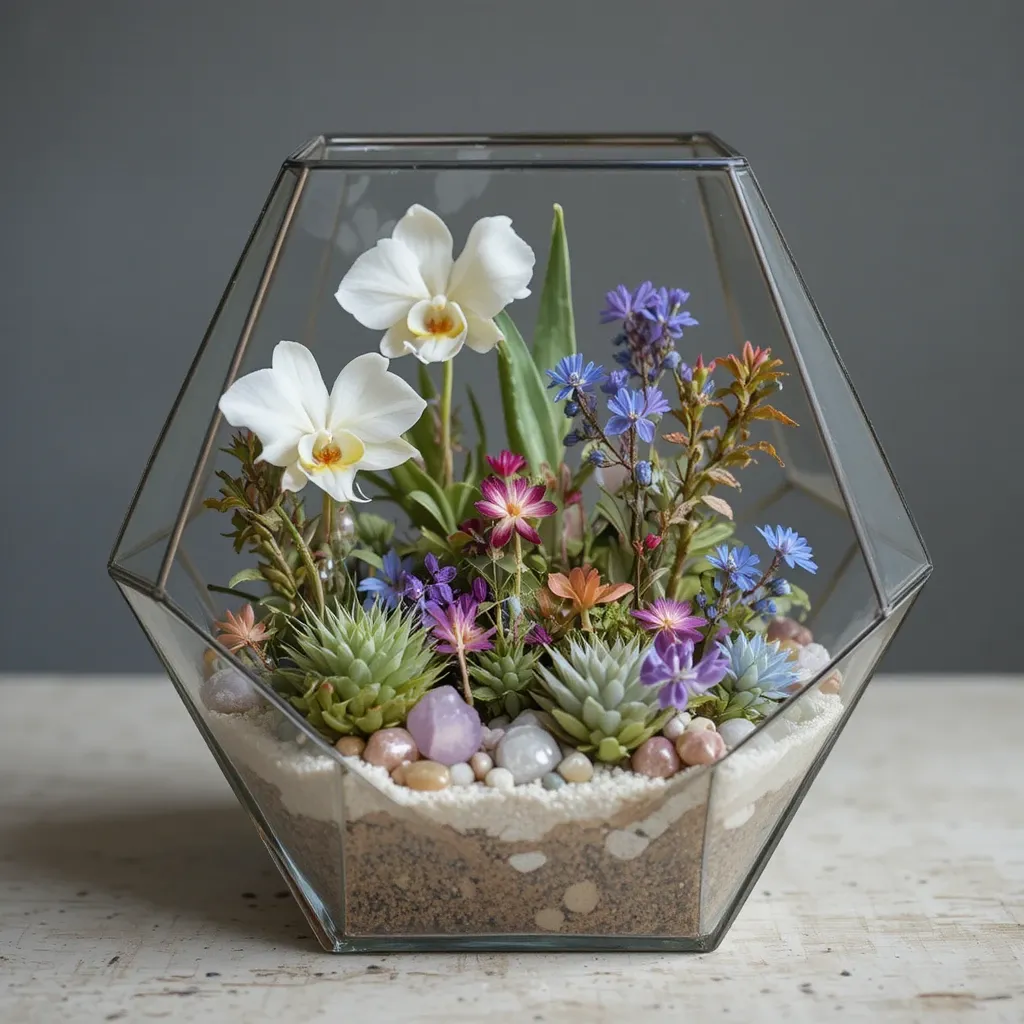
Imagine an open glass terrarium (geometric style, 10×10 inches) filled with layers of sand, pebbles, and preserved moss, with several air plants (tillandsia) of varying sizes positioned throughout. Fresh flower stems in water tubes nestle among air plants—delicate orchid stems, white freesia, and small blue delphiniums. Small decorative crystals add sparkle. Shop on Amazon
Why It Works: Terrariums tap into the popular succulent and air plant trend, feeling current and design-forward. The glass structure creates a miniature world that fascinates guests and serves as conversation starter. Air plants are nearly indestructible and continue living for months after the event.
How to Style It:
- Layer terrarium bottom with 1 inch decorative sand, then 0.5 inch pebbles, then preserved moss
- Position 3-5 air plants of varying sizes throughout, nestling into moss pockets where they rest naturally
- Insert fresh flower stems into miniature water tubes before placing among air plants, hiding tubes with moss
- Add 2-3 small crystal specimens (1-2 inches each) as accent elements that catch light
Where to Use It: Modern minimalist venues, desert-themed or southwestern showers, eco-conscious celebrations, small intimate gatherings
Pro Tip: Mist air plants 2-3 hours before guests arrive so they look plump and healthy, but allow time for water to evaporate—wet air plants photograph poorly.
16. Overflowing Watering Can with Cascading Flowers
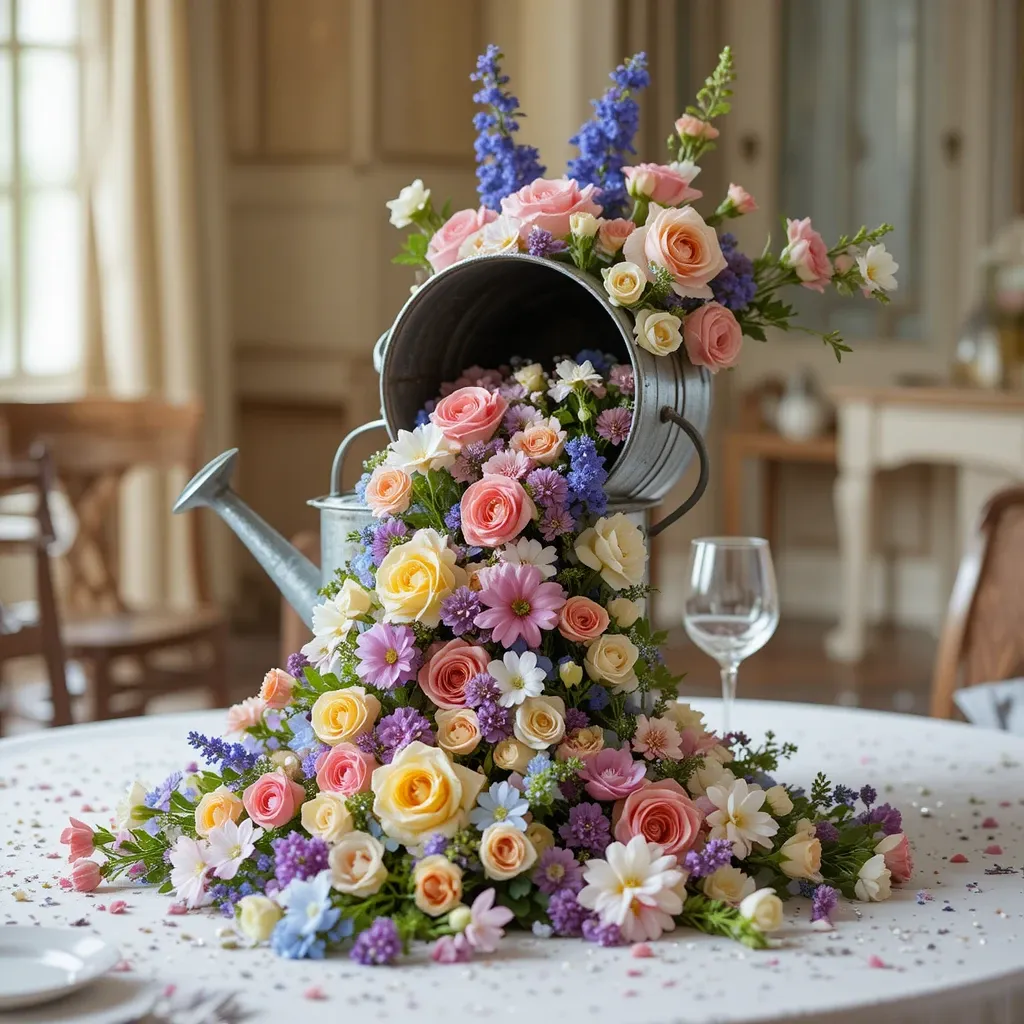
Visualize a vintage galvanized watering can (10-12 inches tall) tipped on its side as if pouring out a cascade of fresh flowers—roses, lisianthus, stock, and delphinium—that “spill” across the table surface. Additional blooms appear to tumble from the spout, creating the illusion that flowers are literally flowing like water. Shop on Amazon
Why It Works: This whimsical design tells a story and creates visual movement, making it far more interesting than standard upright arrangements. The garden tool reference reinforces the “baby in bloom” theme while feeling sophisticated. The horizontal spread creates impact without requiring expensive height.
How to Style It:
- Secure watering can on its side using museum putty, positioning at 45-degree angle rather than completely horizontal
- Place water-saturated floral foam inside and extending slightly from can opening, securing with waterproof tape
- Insert longest flower stems first (12-16 inches) creating the “flow” path, then fill in with shorter stems
- Position on wooden round (14-16 inch diameter) and scatter 30-40 loose petals along flower “stream” path
Where to Use It: Garden-themed showers, outdoor celebrations, rustic farm venues, spring and summer events
Pro Tip: Use a mix of flower sizes in your cascade—large blooms at spout opening, medium flowers in mid-section, and small delicate blooms at ends for natural flow.
17. Flower and Fruit Combination Centerpiece
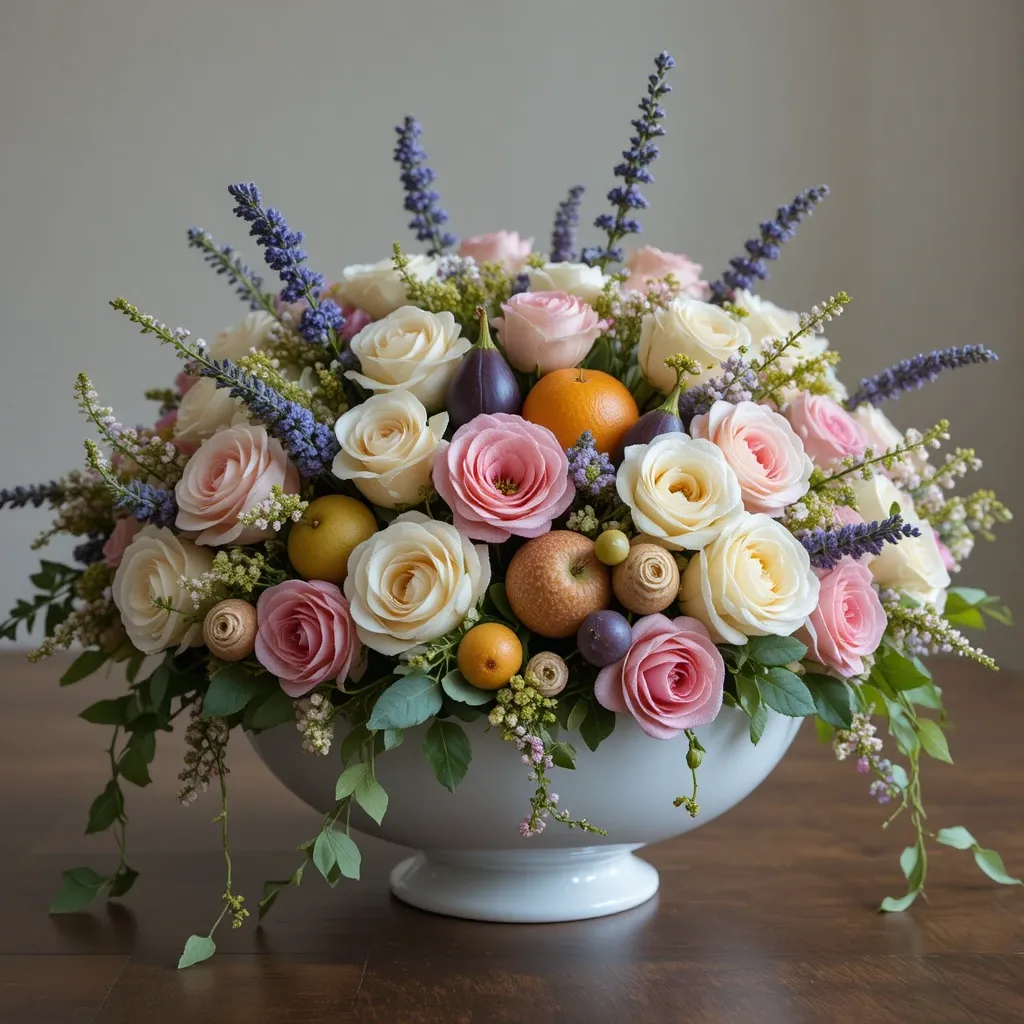
Picture a low, wide bowl (12-14 inches diameter) filled with a lush combination of fresh flowers and organic fruits—white roses, pink ranunculus, and lavender mixed with figs, small pears, grapes, and kumquats. The fruits nestle among flowers naturally, with some cut open to reveal interiors, and ivy trails over the bowl edge. Shop on Amazon
Why It Works: The unexpected combination of florals and fruit creates texture contrast and visual richness, while organic elements reinforce themes of growth, nourishment, and abundance. Fruit adds weight and substance, reducing flowers needed and lowering costs. This Dutch-master-painting aesthetic feels luxurious and artful.
How to Style It:
- Choose a compote bowl (4-6 inches tall) to elevate arrangement and improve visibility from seated positions
- Create floral foam base, then insert larger fruits first by skewering on wooden picks before securing
- Add flowers in clusters between fruits, using flower heads to hide mechanics
- Include some fruits with stems and leaves attached for natural texture, and cut 1-2 figs or pears in half
Where to Use It: Fall baby showers, harvest-themed celebrations, garden-to-table venues, sophisticated afternoon events
Pro Tip: Brush cut fruit surfaces with lemon juice immediately after cutting to prevent browning, and assemble no more than 4 hours before guests arrive.
18. Miniature Flower Arrangements in Baby Bottles
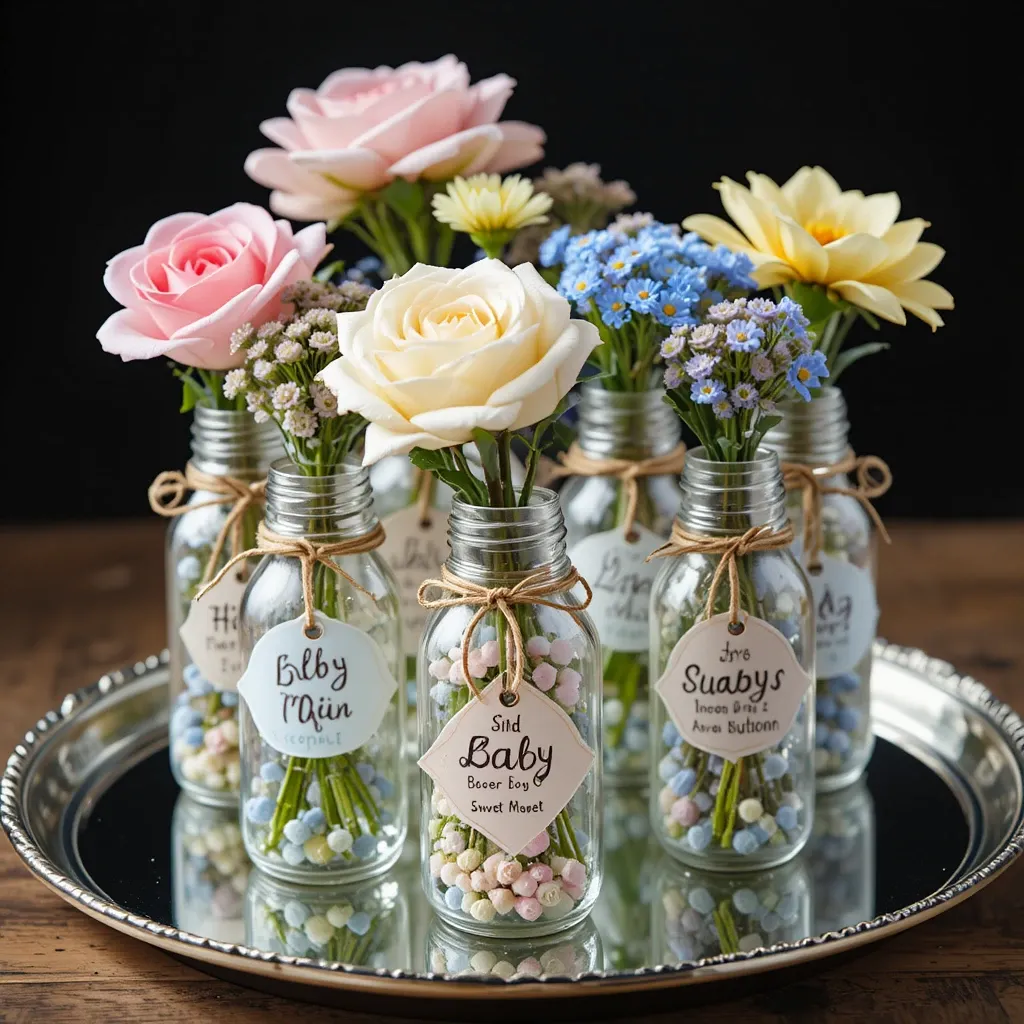
Envision five to seven clear glass baby bottles (4-6 ounce size) arranged in a cluster, each filled with a tiny bouquet—pink spray roses, white sweet peas, blue forget-me-nots, or yellow button mums. Each bottle features a different flower variety, and small tags tied with twine carry sweet messages. The bottles sit on a mirrored tray. Shop on Amazon
Why It Works: This adorable concept clearly communicates “baby” while maintaining sophistication through fresh flowers. Using multiple small containers creates flexibility for table sizes. Each bottle becomes a take-home favor, giving guests a personal keepsake. The theme integration feels intentional without being over-the-top.
How to Style It:
- Use standard baby bottles (4-6 ounce capacity) filled with water to within 0.5 inch of rim
- Create each mini bouquet with 5-7 stems cut to 4-5 inches above bottle rim, grouping similar flowers together
- Arrange bottles in odd-numbered clusters (5 or 7) in circular or triangular pattern on 12-14 inch base
- Add small paper tags (1.5×2 inches) tied with twine to bottle necks
Where to Use It: Baby shower gift tables, nursery-themed celebrations, gender reveal events, hospital-room welcome decorations
Pro Tip: Replace bottle nipples with plastic caps or corks to create cleaner lines and prevent the centerpiece from reading as too literal or childish.
19. Tiered Cake Stand with Floral and Decorative Elements
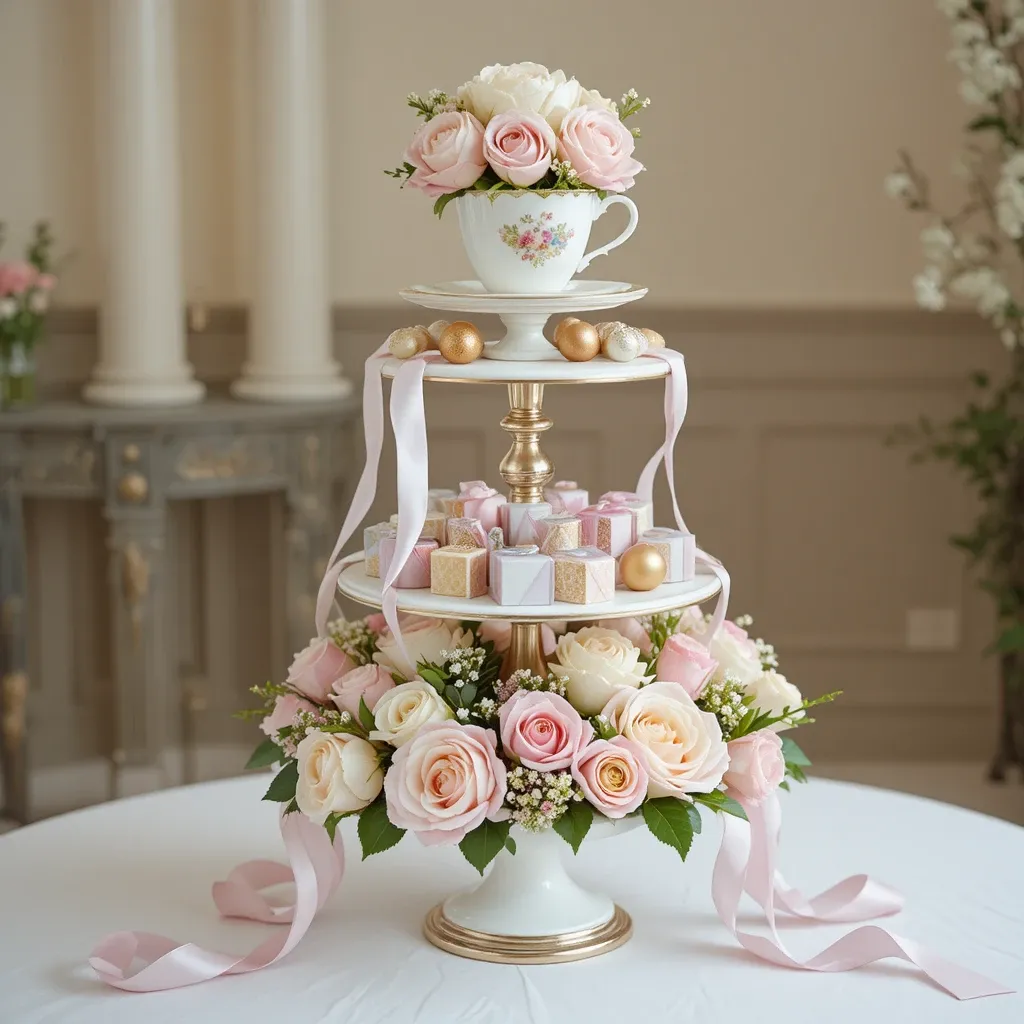
Picture a three-tiered white or metallic cake stand displaying combinations on each level—the bottom tier holds a ring of garden roses and peonies in a low vessel, the middle tier features wrapped chocolates or small gifts, and the top tier holds a small flower arrangement in a vintage tea cup. Ribbons and pearls cascade down the tiers. Shop on Amazon
Why It Works: This versatile design serves multiple functions—beautiful centerpiece, functional favor display, and architectural element. The varied height creates visual rhythm that draws the eye upward. Combining flowers with treats or favors adds practical value while maintaining aesthetic appeal.
How to Style It:
- Select a cake stand with tiers at 8, 12, and 16 inches tall for proper proportion and dramatic impact
- Use a low bowl (6-8 inch diameter, 3-4 inches tall) on bottom tier with floral foam for substantial arrangement
- Place wrapped favors in small decorative vessels on middle tier, avoiding height that blocks top tier
- Create miniature arrangement (5-6 inches tall) for top tier in small vessel that won’t topple
Where to Use It: Dessert tables, gift tables, guest tables at formal showers, dual-purpose displays
Pro Tip: Weight the base of your cake stand by placing a heavy plate or adhesive weights underneath the bottom tier before adding elements—tiered stands can become top-heavy and unstable.
20. Living Potted Plant with Fresh Flower Insertions
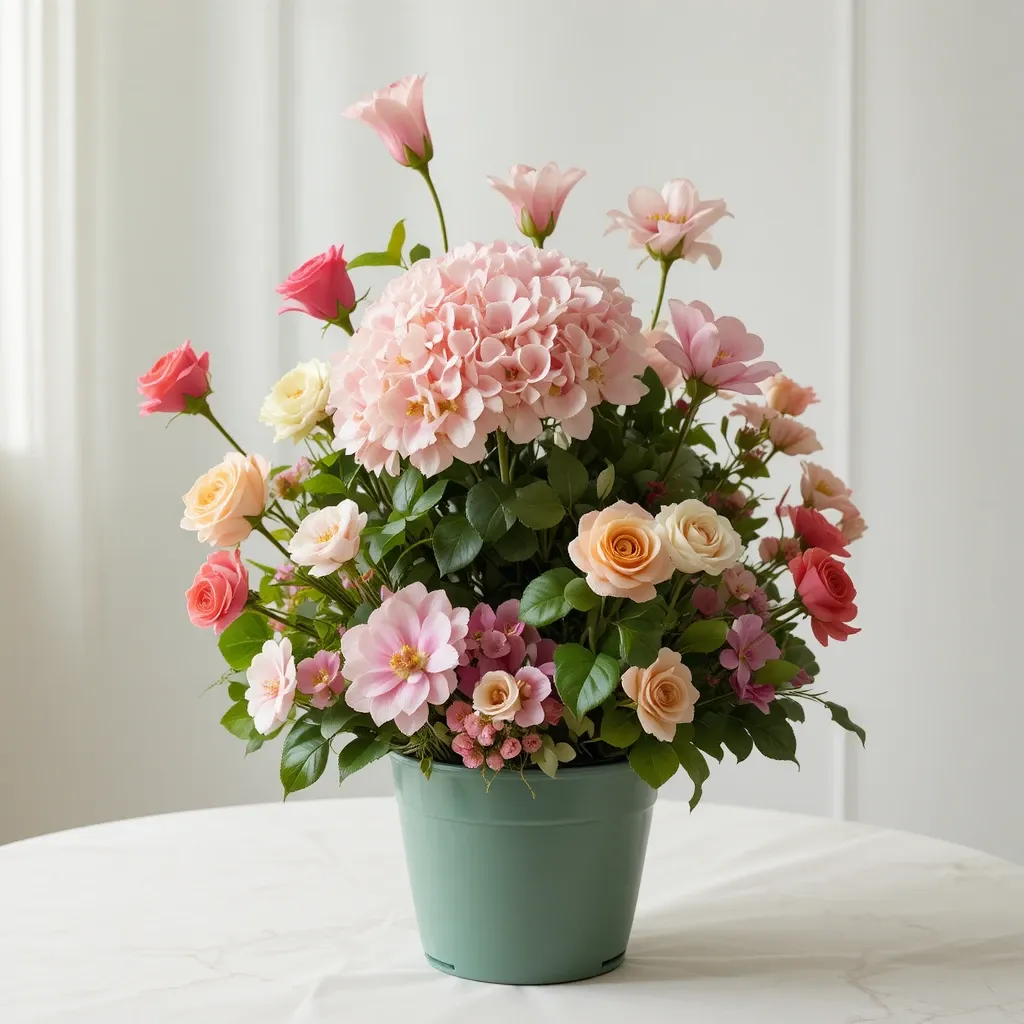
Imagine a beautiful potted hydrangea, azalea, or kalanchoe plant (8-10 inch pot) in full bloom, serving as the living base for additional fresh flower stem insertions tucked around the perimeter. Long-stemmed roses, snapdragons, or lilies in water tubes nestle into the potted plant’s soil, creating a lush, overflowing garden effect. Shop on Amazon
Why It Works: This cost-effective approach stretches your floral budget by using one living plant as foundation while adding just a few fresh cut stems. The potted plant survives long after cut flowers fade, either decorating baby’s nursery or transplanted into the garden as a lasting memory.
How to Style It:
- Choose a plant with full, lush foliage in 8-10 inch pot—hydrangeas, azaleas, kalanchoe, or miniature roses
- Insert 5-7 cut flower stems in individual water tubes positioned around plant’s perimeter, pushing into soil
- Select cut flowers that complement but don’t match plant blooms exactly for visual interest
- Place plant in decorative cache pot (10-12 inch diameter) or wrap plastic pot in burlap secured with ribbon
Where to Use It: Budget-conscious celebrations, eco-friendly events, casual home-based showers, events where long-lasting favors are desired
Pro Tip: Water the potted plant 24 hours before the event rather than day-of—this allows excess water to drain completely, preventing condensation and water stains on linens.
Common Mistakes to Avoid
1. Creating Centerpieces That Block Conversation
The most common failure is prioritizing height over functionality, resulting in arrangements so tall guests can’t see across the table. Arrangements over 14 inches obstruct sight lines unless on very tall pedestals, and anything wider than 18 inches crowds space needed for plates and glasses. A stunning centerpiece that prevents conversation becomes a barrier rather than enhancement.
2. Choosing Flowers That Won’t Last
Selecting temperamental flowers because they’re pretty, then watching them wilt during your event, creates disappointment and looks unprofessional in photos. Avoid delicate blooms like tulips, improperly conditioned hydrangeas, and certain orchids. Choose hardy varieties like roses, carnations, alstroemeria, and lisianthus that maintain beauty throughout lengthy celebrations.
3. Neglecting Proportion and Scale
Creating tiny arrangements for large tables or oversized centerpieces for intimate spaces throws off visual balance. Centerpieces should occupy about one-third of the table’s diameter—on 60-inch round tables, aim for 18-20 inches, while 8-foot rectangular tables need 24-30 inches. Consider ceiling height: 12-foot ceilings handle taller arrangements (18-24 inches), while 8-foot ceilings look overwhelmed by anything over 12 inches.
4. Mixing Too Many Colors or Styles
Including every color from your theme or combining incompatible aesthetics (rustic with glam, minimalist with maximalist) creates visual chaos. Successful centerpieces use 2-3 main colors plus white or green. Similarly, commit to one clear style—garden romantic, modern minimalist, or rustic farmhouse. If you’re struggling with too many ideas, remove elements until you have just enough.
5. Forgetting About Logistics and Venue Restrictions
Designing elaborate centerpieces without confirming venue policies leads to last-minute disasters. Many venues prohibit open flames, restrict flower types due to allergies, or have strict setup windows. Outdoor venues present challenges with wind and heat that wilt flowers. Always confirm venue rules, ask about climate control (rooms over 75°F shorten flower life), and build in adequate setup time.
6. Overlooking Water and Care Requirements
Assuming flowers will maintain themselves for 6-8 hours without checking water levels or proper conditioning results in drooping blooms. Floral foam and stems need adequate hydration time—assemble arrangements at least 3-4 hours before events. Check water levels 1 hour before guests arrive. Position arrangements away from direct sunlight, heating vents, and air conditioning that accelerate dehydration.
Frequently Asked Questions
How far in advance can I make baby shower centerpieces? Most fresh flower arrangements should be made 4-6 hours before your event for optimal freshness, though some hardy flowers like roses, carnations, and orchids can be arranged 12-24 hours ahead if kept refrigerated. Succulent and potted plant centerpieces can be created 2-3 days in advance.
For arrangements using floral foam, make them at least 3-4 hours ahead to allow proper water absorption. Store completed centerpieces in a cool room (65-70°F) away from direct sunlight until event time.
What’s the best height for baby shower table centerpieces? For centerpieces on guest dining tables, keep arrangements under 12-14 inches tall or use tall, narrow designs above 24 inches that allow sight lines underneath. The goal is ensuring guests can see and converse comfortably across tables.
For gift tables, dessert displays, or buffets where people won’t be seated, you can go taller (16-24 inches) for more dramatic impact. Low, sprawling designs (6-10 inches tall) work beautifully on any table and never block views.
How many centerpieces do I need for a baby shower? Plan for one centerpiece per guest table, plus additional arrangements for gift tables, dessert tables, and entryway displays. For a typical baby shower of 30-40 guests with tables seating 8-10 people, you’ll need 4-5 main centerpieces plus 2-3 supplementary arrangements. You can create variety by using different designs or sizes on each table while maintaining a cohesive color palette and style.
What flowers last longest for centerpieces? The longest-lasting flowers for centerpieces include roses, carnations, alstroemeria, chrysanthemums, orchids, lisianthus, and stock—these typically maintain their appearance for 8-12 hours without special care. Moderate-lasting options include hydrangeas (if properly conditioned), lilies, and sunflowers. Avoid short-lived flowers like tulips, poppies, sweet peas, and gardenias unless you have experience conditioning them or your event is under 4 hours.
Can I use artificial flowers for baby shower centerpieces? Yes, high-quality silk or realistic artificial flowers work beautifully for baby shower centerpieces, especially if you’re preparing weeks in advance or have budget constraints. Modern artificial flowers can look remarkably real in photographs. Consider mixing artificial flowers with real greenery or combining silk flowers with a few fresh focal blooms for the best of both worlds. Artificial arrangements can be made months ahead and used as nursery décor afterward.
How do I keep flowers fresh during an outdoor baby shower? For outdoor events, keep arrangements in shade whenever possible and mist flowers with water every 1-2 hours during hot weather. Use floral foam soaked in ice-cold water rather than room temperature water, and add floral preservative to extend life. Transport arrangements in coolers and set them up as close toevent time as possible. Choose heat-tolerant flowers like sunflowers, zinnias, dahlias, and roses rather than delicate blooms like hydrangeas or tulips.
Final Thoughts: Celebrate Your Way
Creating beautiful baby in bloom centerpieces isn’t about perfection—it’s about celebrating new life with flowers that bring joy, color, and meaning to your special day. Trust your instincts and choose designs that resonate with your style and the parents-to-be.
Your Next Step: Select two or three centerpiece ideas from this guide that speak to you, then gather samples of your chosen flowers and containers to test arrangements at home before the big day.
Remember: The most memorable baby showers aren’t the ones with the most expensive flowers—they’re the ones filled with love, laughter, and personal touches that celebrate the beautiful new bloom about to enter the world.