17 Cattle Panel Trellis Ideas for Simple DIY Garden Projects
Cattle panels are one of the best-kept secrets in garden design — rugged, affordable, and endlessly versatile. Originally built for livestock, these galvanized steel grids have been quietly taken over by savvy gardeners who discovered their true calling: as jaw-dropping trellises that support everything from climbing roses to heavy squash vines.
Whether you’re a seasoned gardener or just starting out, cattle panel trellis offer a blend of function and beauty that’s hard to beat. With just a few panels and some creative thinking, you can build structures that last for decades — no rotting wood, no flimsy plastic, just solid, lasting support for your garden dreams.
The 17 Best Cattle Panel Trellis Ideas
1. The Classic Garden Arch
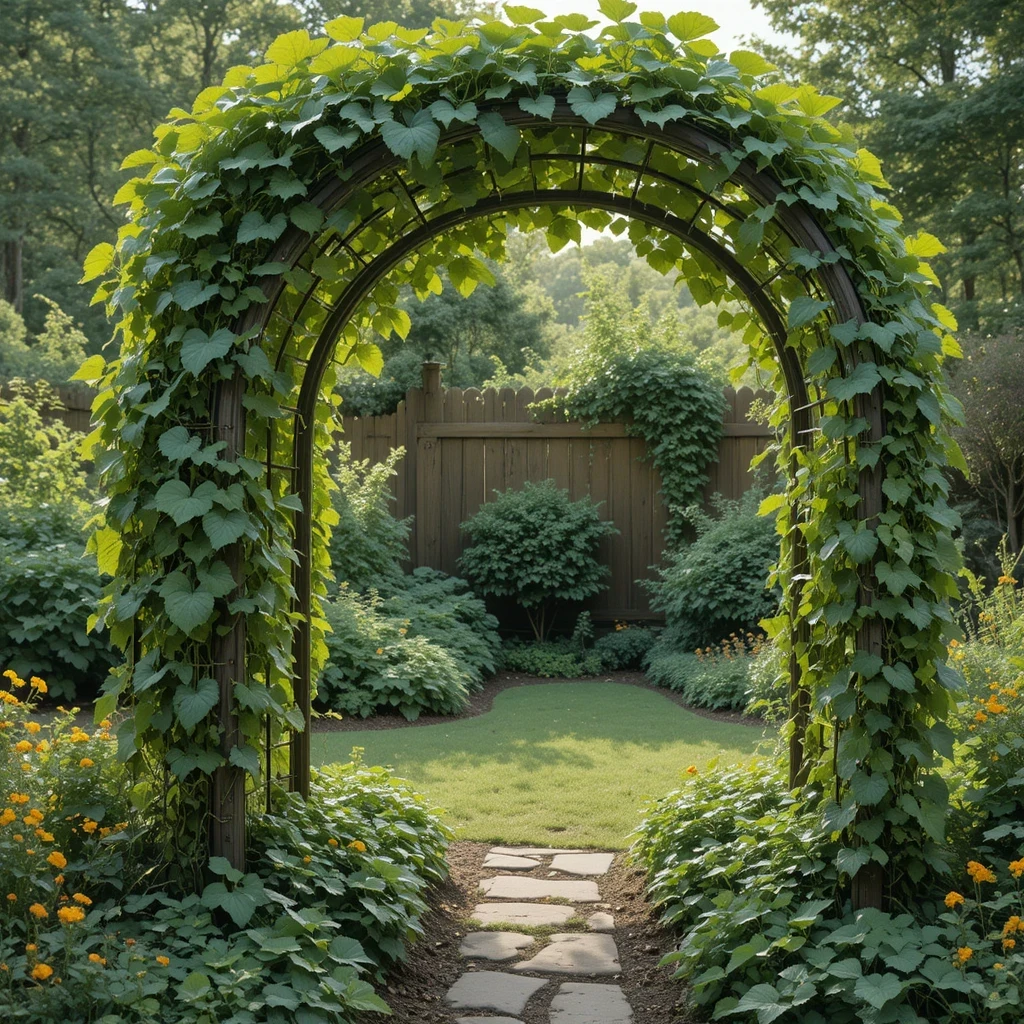
Bend a single 16-foot cattle panel into a graceful arch and anchor each end into the ground with rebar or T-posts. This iconic structure creates a living tunnel of greenery overhead. Plant cucumbers, pole beans, or climbing roses on both sides and watch them weave together at the top into a lush canopy. The arch becomes a garden focal point and a functional walkway all at once. Shop on Amazon
How to Style It:
- Paint the panel matte black or forest green before bending for a polished look
- Frame the base with raised bed edging or stone pavers
- Add solar fairy lights along the arch for evening ambiance
Where to Use It: Garden entryways, walkways, between garden beds, vegetable patches
Pro Tip: Use two T-posts hammered 18 inches deep at each end to keep the arch from spreading under the weight of heavy plants like squash or melons.
2. The Lean-To Trellis Wall
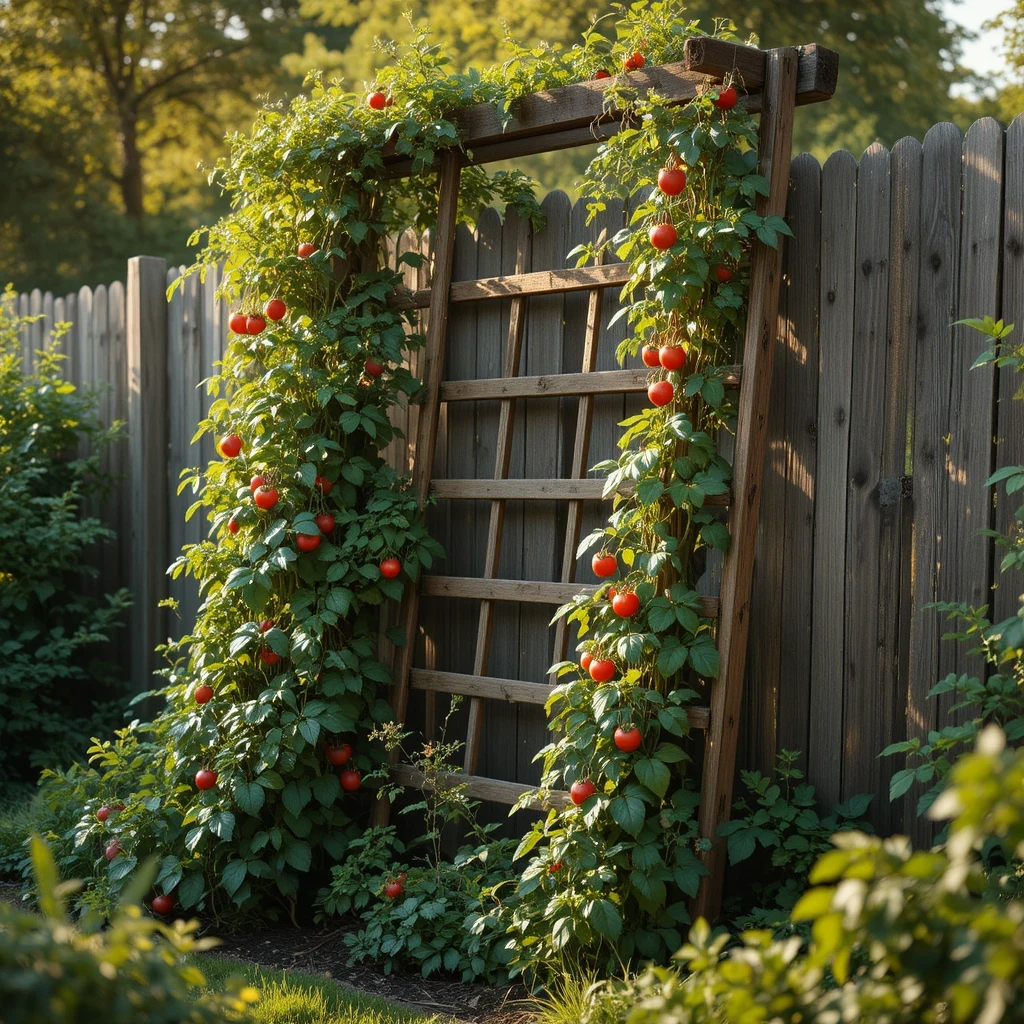
Lean a full cattle panel against a fence, barn wall, or shed at a slight angle and secure it with zip ties or wire. This creates an instant vertical growing wall that doesn’t require any digging or permanent installation. It’s perfect for renters or anyone who wants a moveable trellis solution. Grow tomatoes, peas, or climbing nasturtiums up the panel face for a living green wall effect. Shop on Amazon
How to Style It:
- Weave in dried botanicals or ribbon through the grid for seasonal decor
- Use the panel as a privacy screen covered in fast-growing annual vines
- Layer different plant heights — low herbs at the base, tall climbers at the top
Where to Use It: Against fences, shed walls, garage sides, raised bed borders
Pro Tip: Angle the panel at 70–80 degrees for best stability and so vines naturally fall forward toward sunlight.
3. The A-Frame Trellis Tent
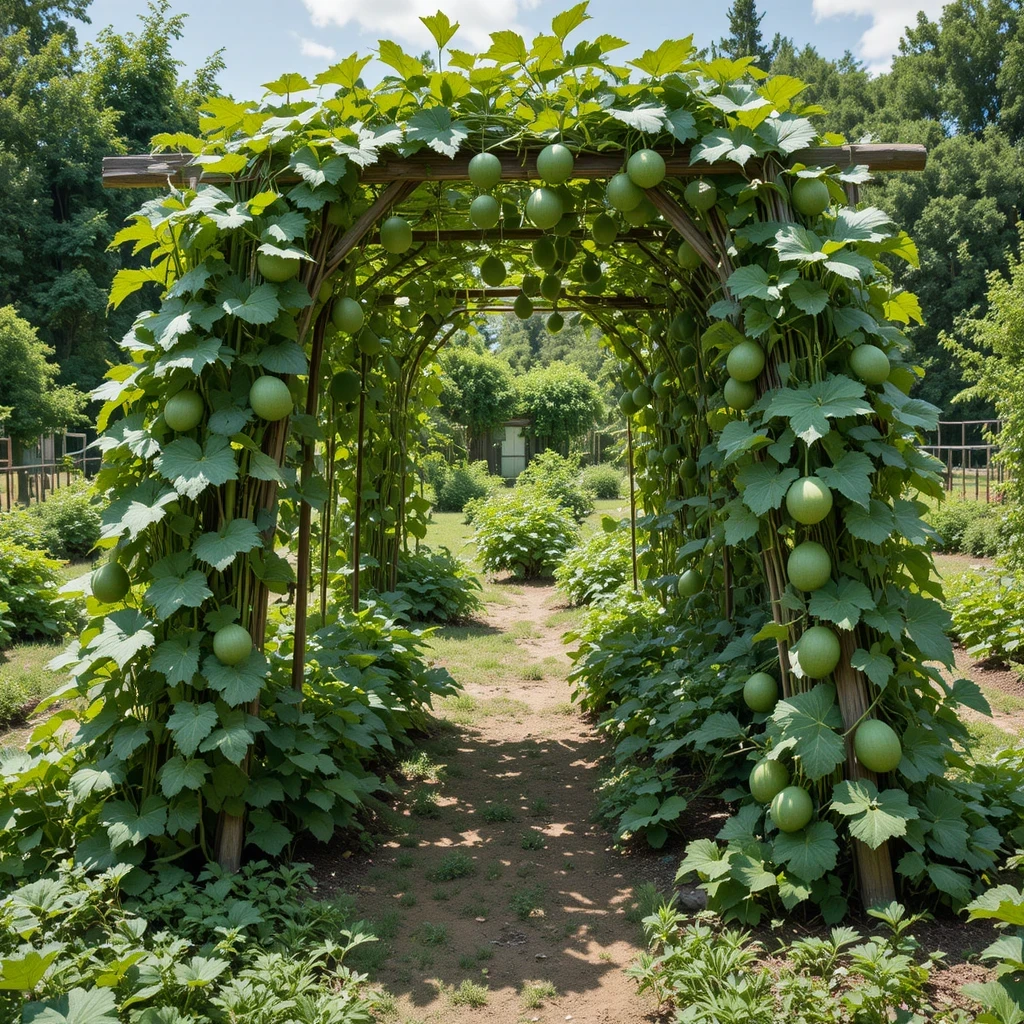
Join two cattle panels at the top with heavy-duty wire or hinges to form an A-frame structure. This creates a tent-like trellis that is remarkably strong and can support even the heaviest fruiting vines like pumpkins and watermelons. The space underneath the A-frame becomes shaded garden storage or a cozy nook for low-light plants like lettuce and herbs. Shop on Amazon
How to Style It:
- Hang small mesh bags from the top rail to support heavy fruits like melons
- Underplant the shaded interior with lettuce, spinach, or shade herbs
- Wrap the ridge joint with decorative rope or twine
Where to Use It: Vegetable gardens, community gardens, homesteads, children’s garden play spaces
Pro Tip: Drive T-posts at each foot of the A-frame for extra wind resistance — especially important in open garden spaces.
4. The Free-Standing Panel Divider
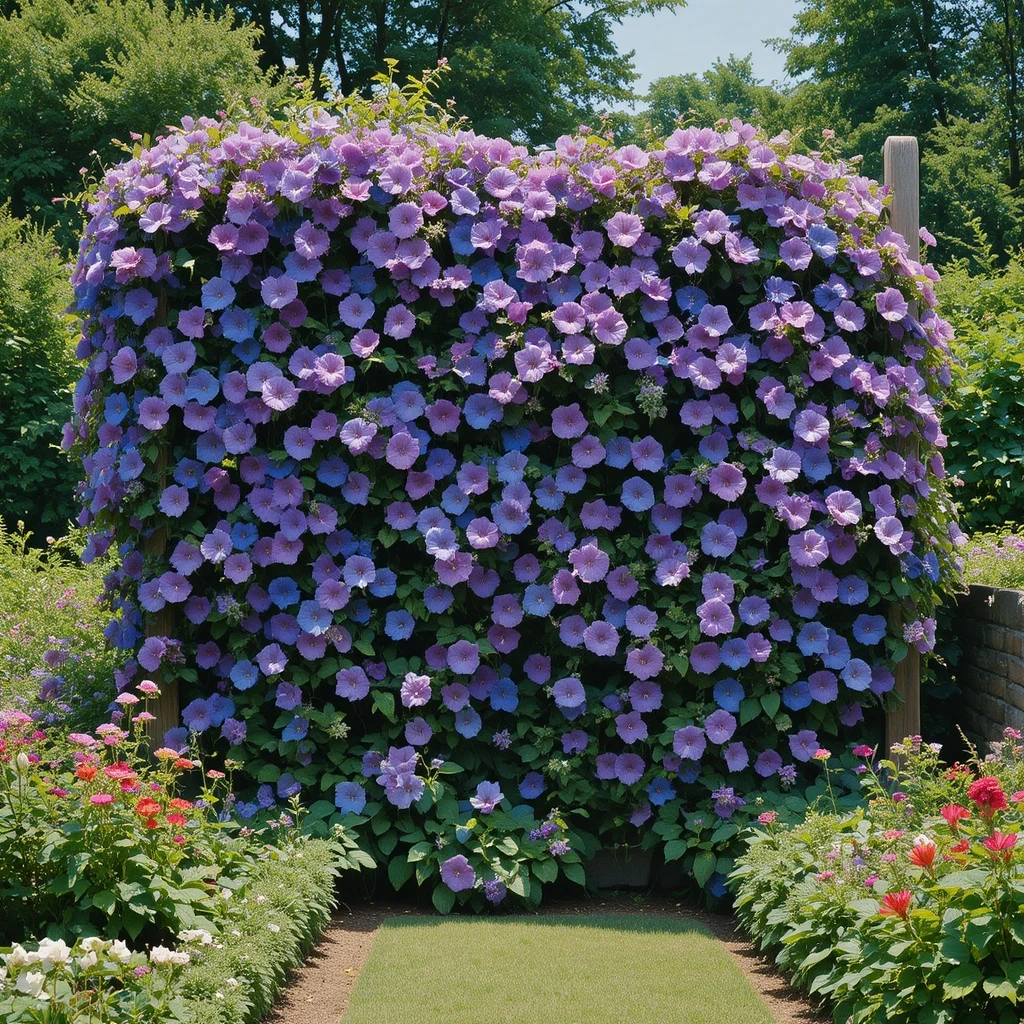
Stand a cattle panel upright between two sturdy fence posts to create a garden room divider. This defines separate zones in a large yard — separating the vegetable patch from the flower garden, or the compost area from the lawn. Train flowering vines like morning glory or sweet peas across the panel to make a soft, living privacy screen that blooms all season long. Shop on Amazon
How to Style It:
- Plant on both sides for a double-sided display
- Use as a backdrop for a garden bench or seating area
- Mix climbing vines with trailing flowers for layers of texture
Where to Use It: Large backyards, landscape zoning, separating utility and ornamental garden areas
Pro Tip: Set posts at least 24 inches deep in concrete for a panel that won’t lean or sway over time.
5. The Raised Bed Trellis Combo
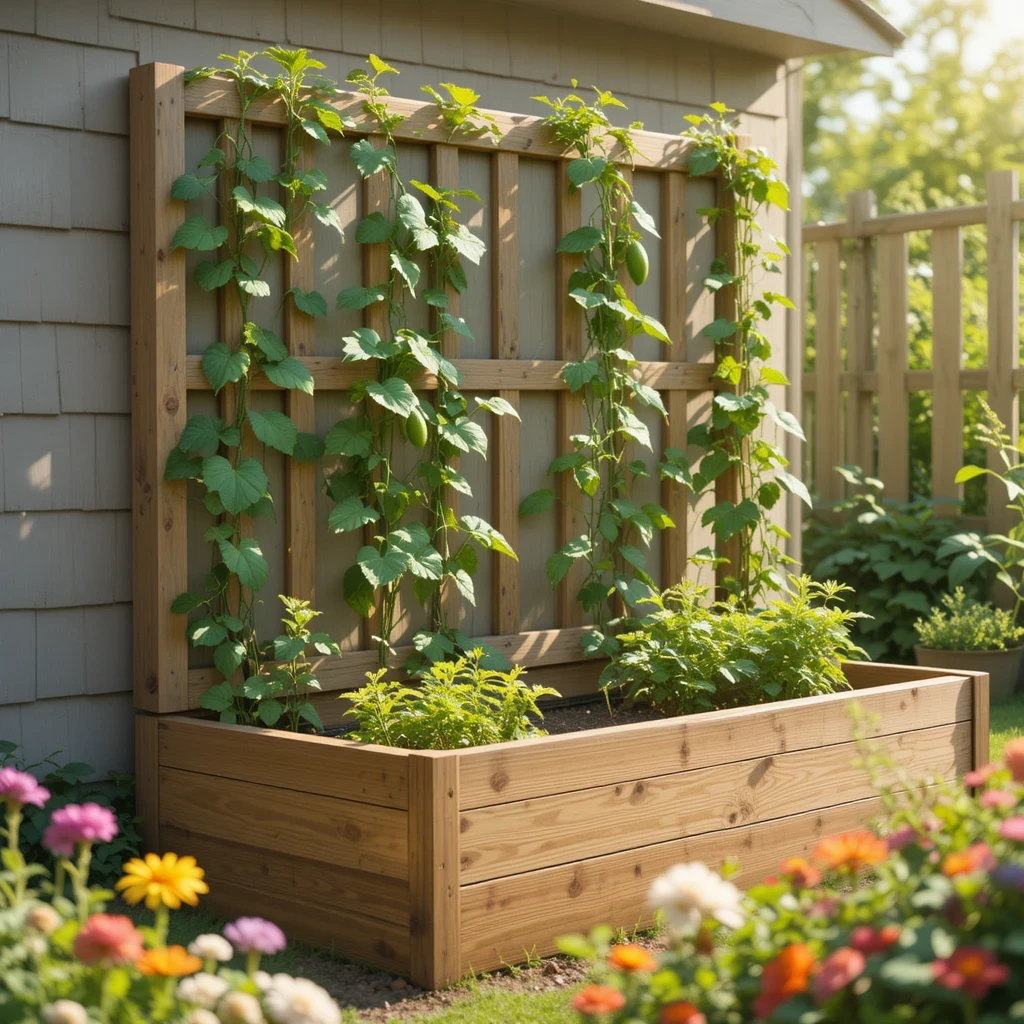
Description: Attach a cattle panel directly to the back end of a raised garden bed to create an integrated growing system. Bolt the panel to the bed’s wooden frame so it rises vertically from the back, allowing vertical crops to grow up while ground crops fill the bed below. This doubles your growing space without doubling your footprint — a game-changer for small gardens. Shop on Amazon
How to Style It:
- Paint the bed and panel matching colors for a cohesive look
- Grow vining crops at the back, compact crops at the front
- Add a drip irrigation line along the base for efficient watering
Where to Use It: Small yards, urban gardens, patio gardens, kitchen gardens
Pro Tip: Orient the trellis on the north side of the raised bed so it doesn’t cast shadows on the shorter plants in front.
6. The Circular Tomato Cage Tower
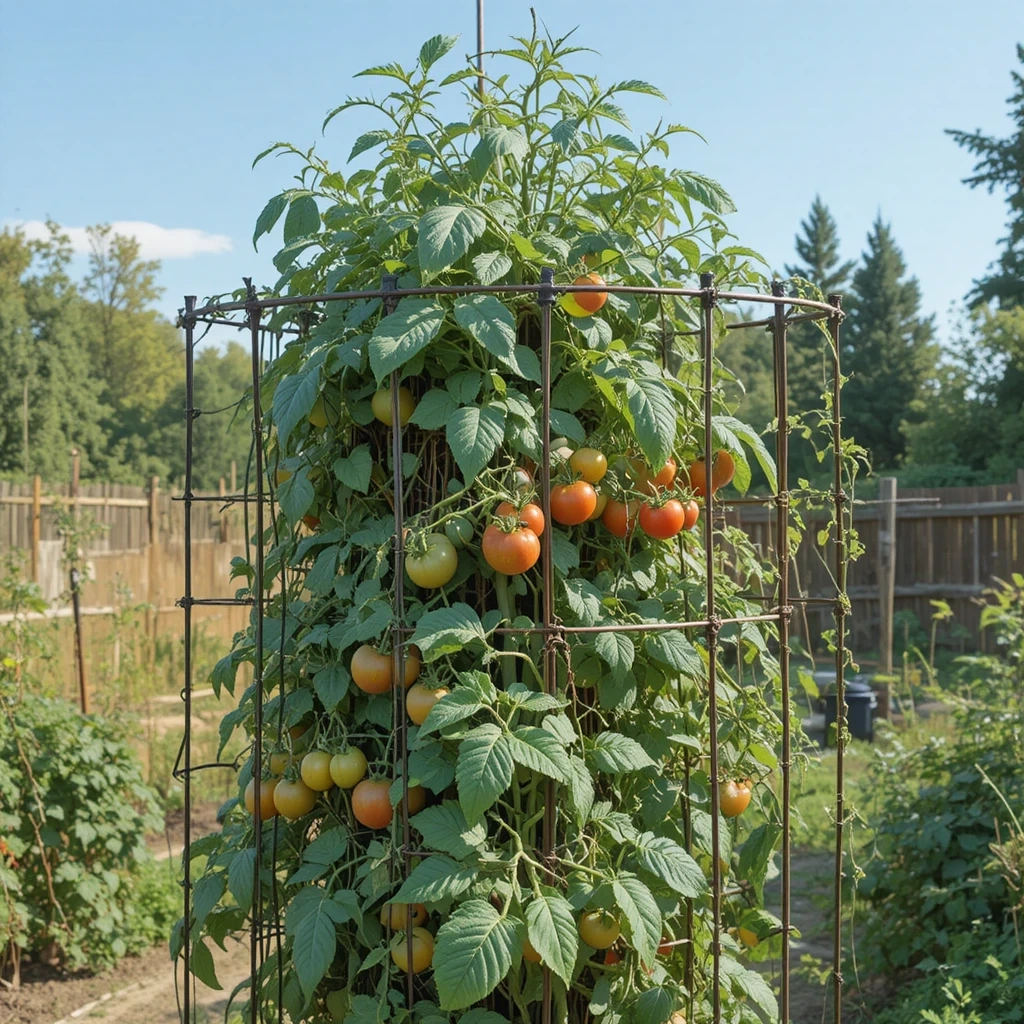
Bend a cattle panel into a large cylinder and fasten the ends together with wire to create the ultimate tomato cage. Unlike flimsy store-bought cages that tip over and bend, a cattle panel cylinder is tall, wide, and completely rigid. It supports even the most prolific indeterminate tomato varieties without any staking. Simply place it over a transplant in spring and let the plant grow up and through the grid. Shop on Amazon
How to Style It:
- Make multiple cylinders and line them up in a row for a uniform garden look
- Zip tie a stake through the center for extra stability in windy areas
- Label each cage with a chalkboard tag showing the tomato variety
Where to Use It: Vegetable gardens, homesteads, market gardens, raised beds
Pro Tip: Cut the panel so that the bottom wires form sharp points — push these directly into the soil like stakes for a cylinder that won’t move.
7. The Espalier Fruit Tree Frame
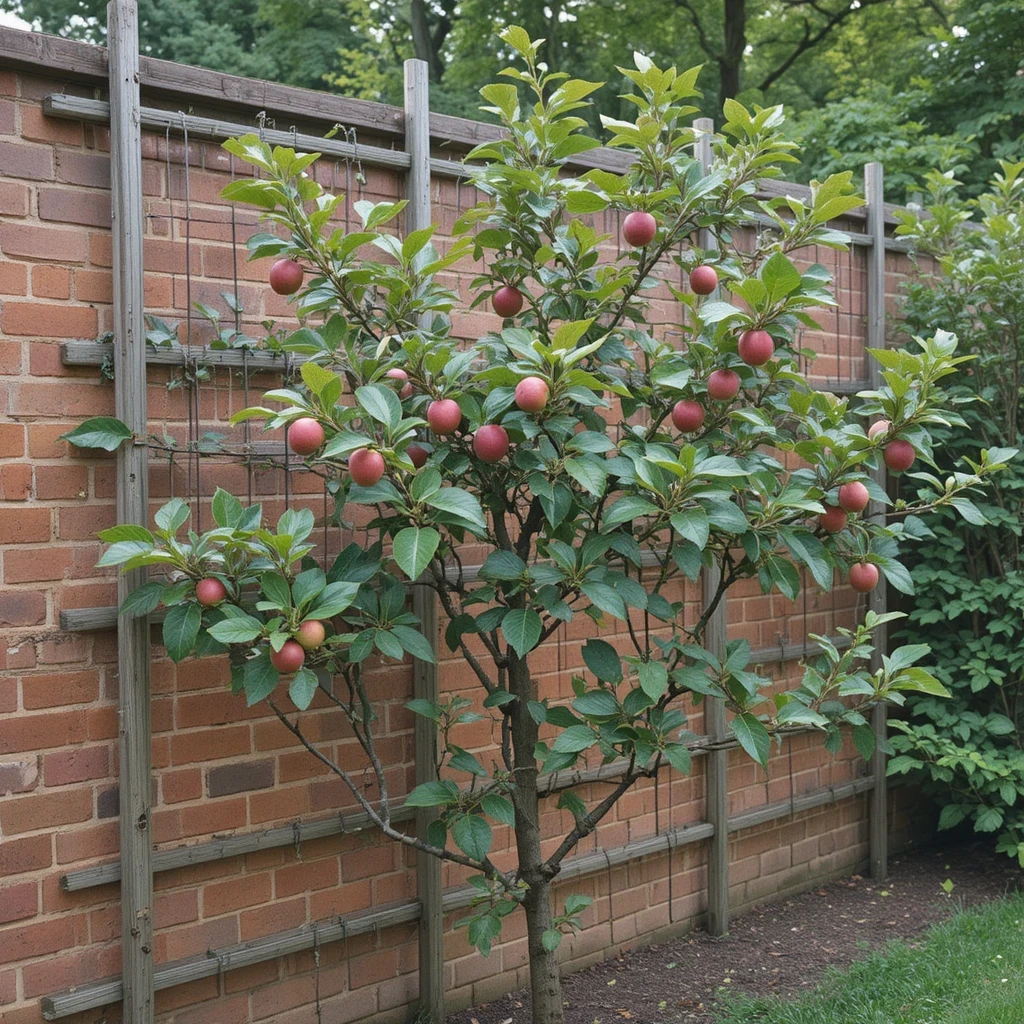
Mount a cattle panel flat against a south-facing fence or wall and train young fruit tree branches horizontally through the grid squares. This espalier technique maximizes sun exposure, improves fruit production, and creates a stunning living wall of fruit. Apple, pear, and fig trees respond especially well. The rigid panel provides the perfect framework for shaping branches year after year. Shop on Amazon
How to Style It:
- Tie young branches to the panel with soft garden twine in figure-eight knots
- Whitewash the wall behind for a crisp, formal look
- Underplant with low herbs or strawberries for a layered kitchen garden
Where to Use It: South-facing walls, kitchen gardens, formal garden spaces, small orchards
Pro Tip: Start training the tree in its first year — young branches are flexible and guide easily through the grid squares.
8. The Pergola Side Panel Screen
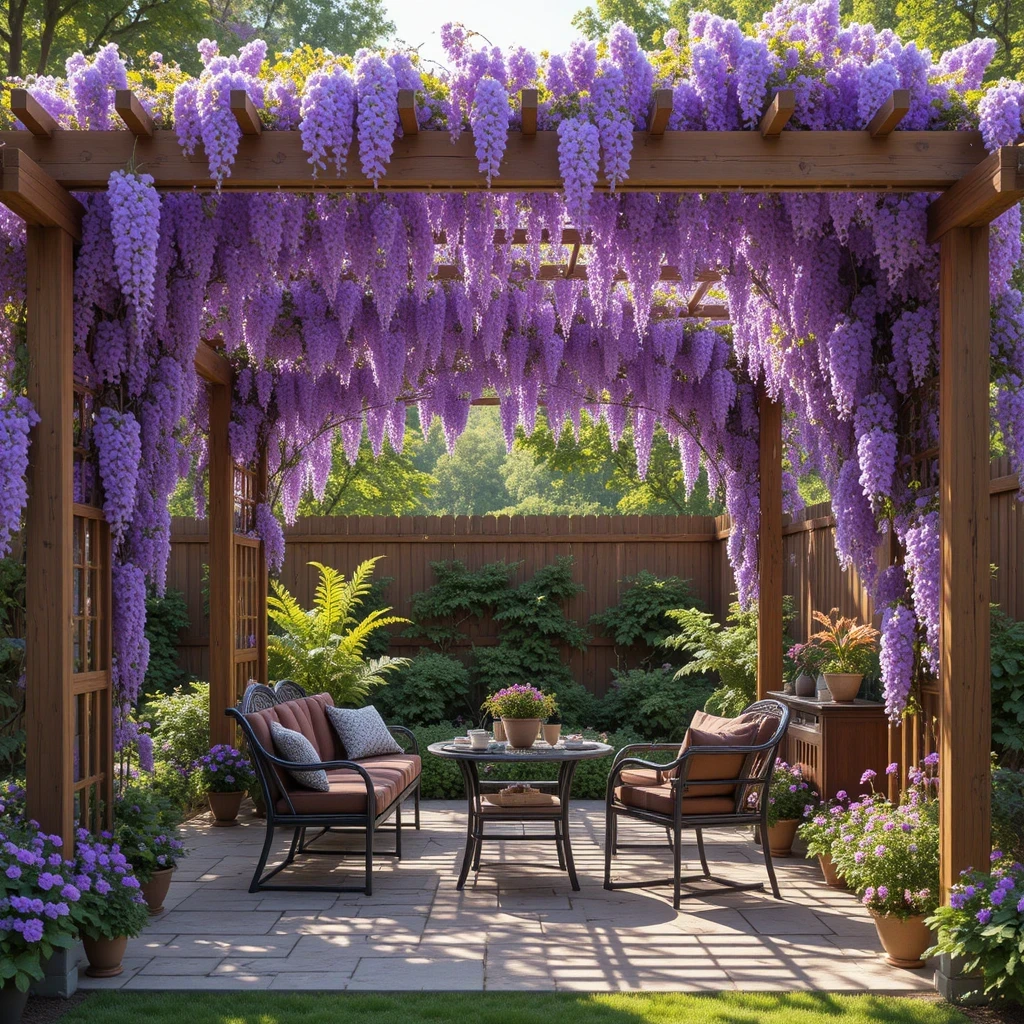
Attach cattle panels to the sides of an existing pergola or patio structure to fill in the open walls with a climbing plant screen. This adds privacy, wind protection, and shade without blocking light entirely.
Cover the panels with wisteria, climbing hydrangea, or grape vines for a lush outdoor living room effect. The grid also makes a perfect outdoor backdrop for hanging lanterns and planters. Shop on Amazon
How to Style It:
- Hang string lights, lanterns, or macramé planters from the grid
- Mix climbing plants with cascading potted plants for depth
- Paint the panels to match your pergola or exterior trim color
Where to Use It: Patios, pergolas, outdoor dining areas, deck privacy screens
Pro Tip: Use climbing roses on one panel and a fast annual vine like morning glory on an adjacent panel for layered seasonal interest.
9. The Cucumber Tunnel
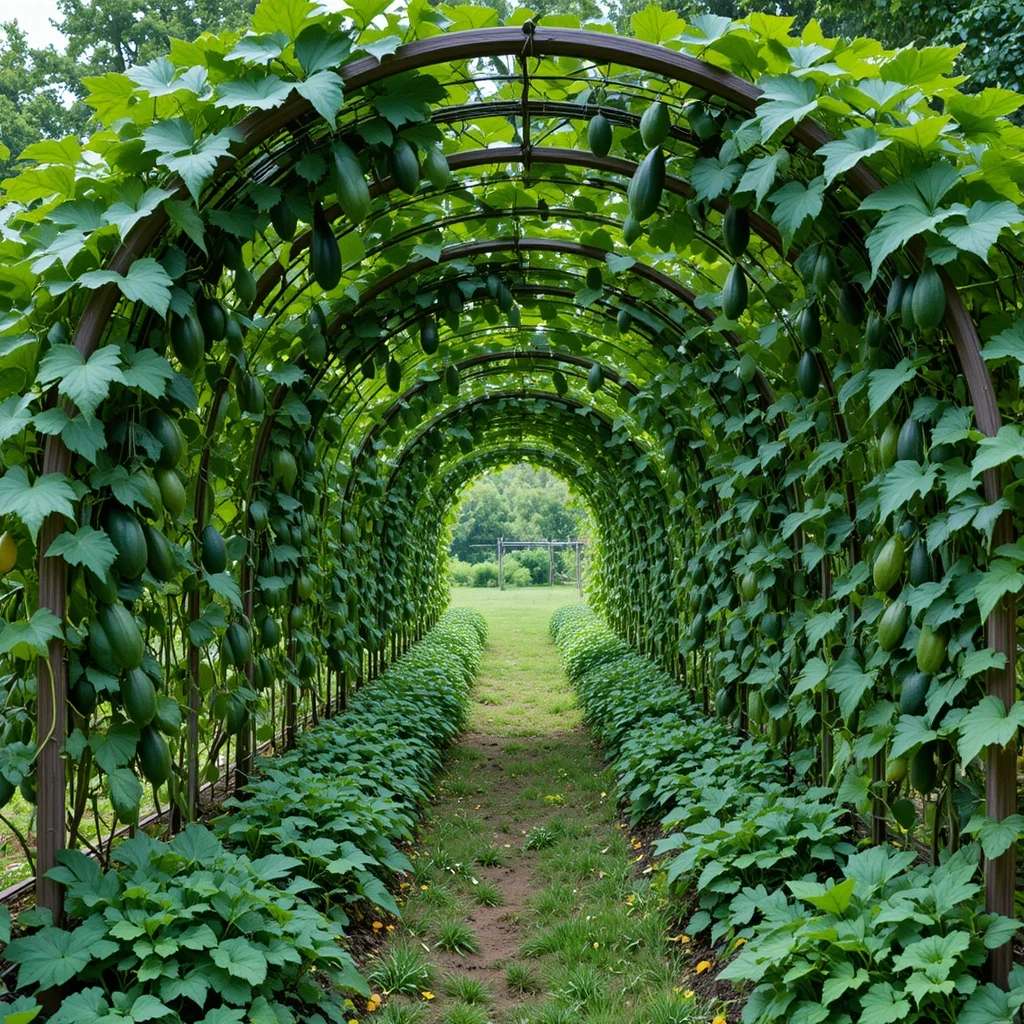
Build a low walk-through tunnel from two cattle panels bent and joined together over a garden path. Cucumbers and zucchini vines grown up and over the tunnel hang their fruits inside, making harvesting as easy as a stroll.
The tunnel structure also keeps cucumbers off the ground, reducing disease and producing straighter, cleaner fruit. It’s both a garden feature and a high-yield growing system. Shop on Amazon
How to Style It:
- Line the path inside the tunnel with bark mulch or gravel
- Grow nasturtiums along the base for color and pest control
- Add wood plank ends to frame the tunnel entrance
Where to Use It: Vegetable gardens, homestead gardens, u-pick farm displays
Pro Tip: Plant cucumbers every 12 inches along both sides of the tunnel base for full, even coverage by midsummer.
10. The Flower Cutting Garden Backdrop
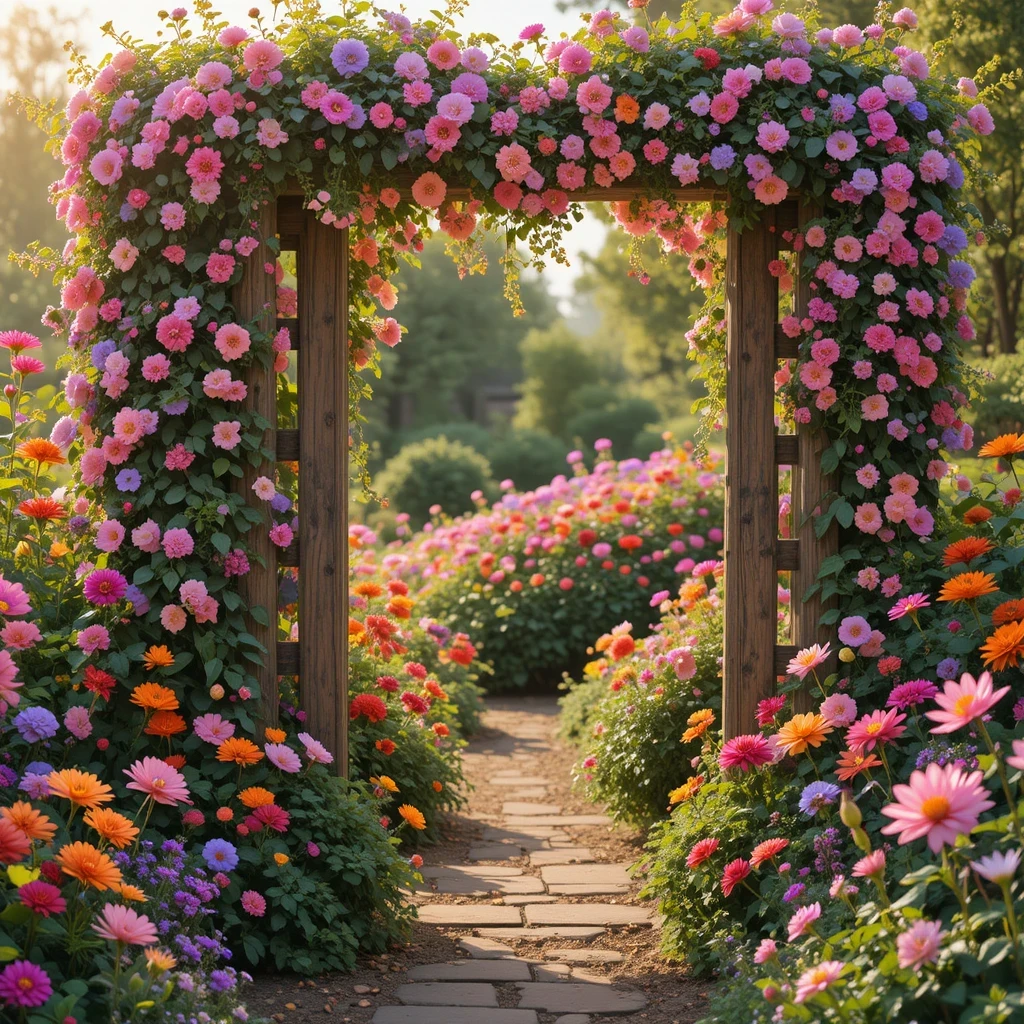
Erect a cattle panel as a tall backdrop behind a cutting flower garden bed and train climbing annuals and perennials through the grid. Sweet peas, zinnias, and climbing dahlias will weave through the squares creating a stunning tapestry of color. The panel gives vertical structure to what might otherwise be a flat flower border, adding drama and a sense of enclosure to the space. Shop on Amazon
How to Style It:
- Plant in drifts of complementary colors — pastels on one side, bold hues on the other
- Place a garden bench in front of the panel for a portrait-perfect garden seat
- Add annual sweet peas at the base for early season interest
Where to Use It: Cutting flower gardens, cottage gardens, photography backdrops, wedding gardens
Pro Tip: Weave tall dried seed heads like allium and poppy pods through the panel in autumn for off-season texture.
11. The Vertical Berry Wall
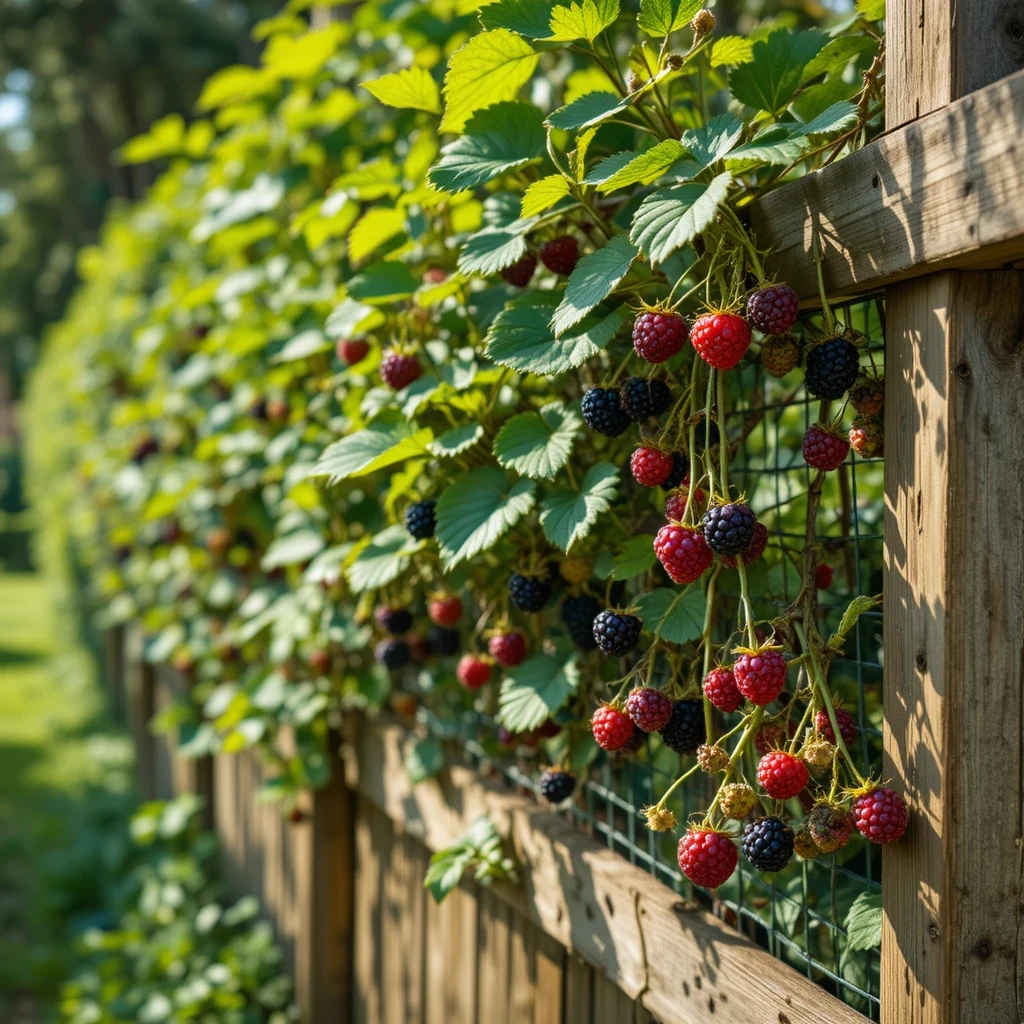
Fix a cattle panel to fence posts along a sunny wall or fence line and plant thornless blackberries, raspberries, or climbing strawberries along its base. Train the canes horizontally through the grid as they grow for a controlled, productive berry wall.
This keeps canes organized, improves air circulation to reduce disease, and makes berry picking effortless compared to a tangled bramble. Shop on Amazon
How to Style It:
- Tie canes to the grid with soft garden clips at 18-inch intervals
- Alternate blackberry and raspberry varieties for an extended harvest season
- Mulch the base heavily with wood chips to retain moisture
Where to Use It: Homestead gardens, food forests, along fence lines, edible landscapes
Pro Tip: Train new first-year canes vertically and bend second-year fruiting canes horizontally — this classic system maximizes fruit production.
12. The Hop Yard Trellis
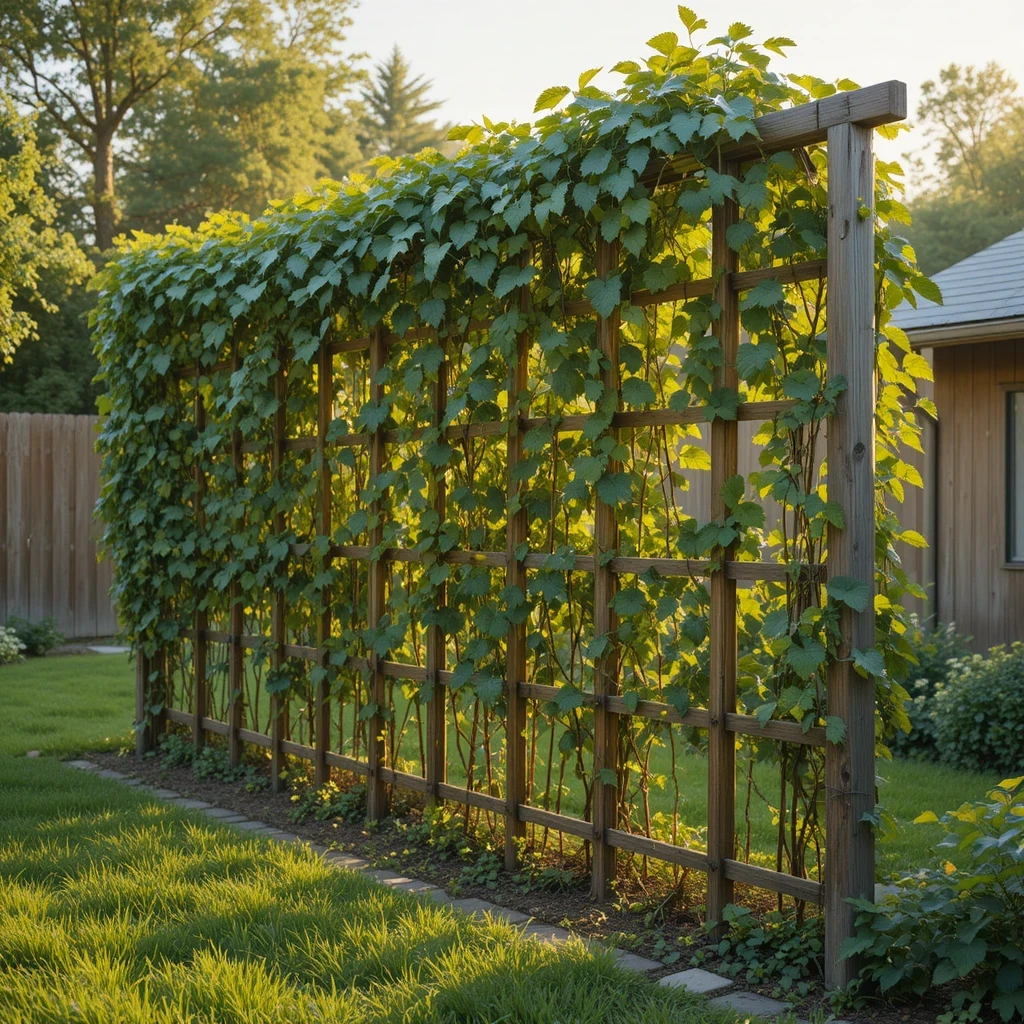
String a series of cattle panels end-to-end and secure them vertically between tall posts to create a commercial-style hop yard at home. Hops are vigorous climbers that can grow 20+ feet,
but a cattle panel gives them a sturdy base for the first several feet while twine extensions carry them higher. The result is a dramatic, fast-growing green wall that also produces hop cones for home brewing. Shop on Amazon
How to Style It:
- Run jute twine from the top of the panel to a high overhead wire for extra vertical space
- Plant hops 3 feet apart at the panel base for full coverage
- Label each rhizome variety with a metal stake tag
Where to Use It: Homebrewing gardens, farmhouse landscapes, large privacy screens
Pro Tip: Hops are perennial and return stronger each year — your cattle panel trellis will look better with every season.
13. Bean Teepee Tunnel
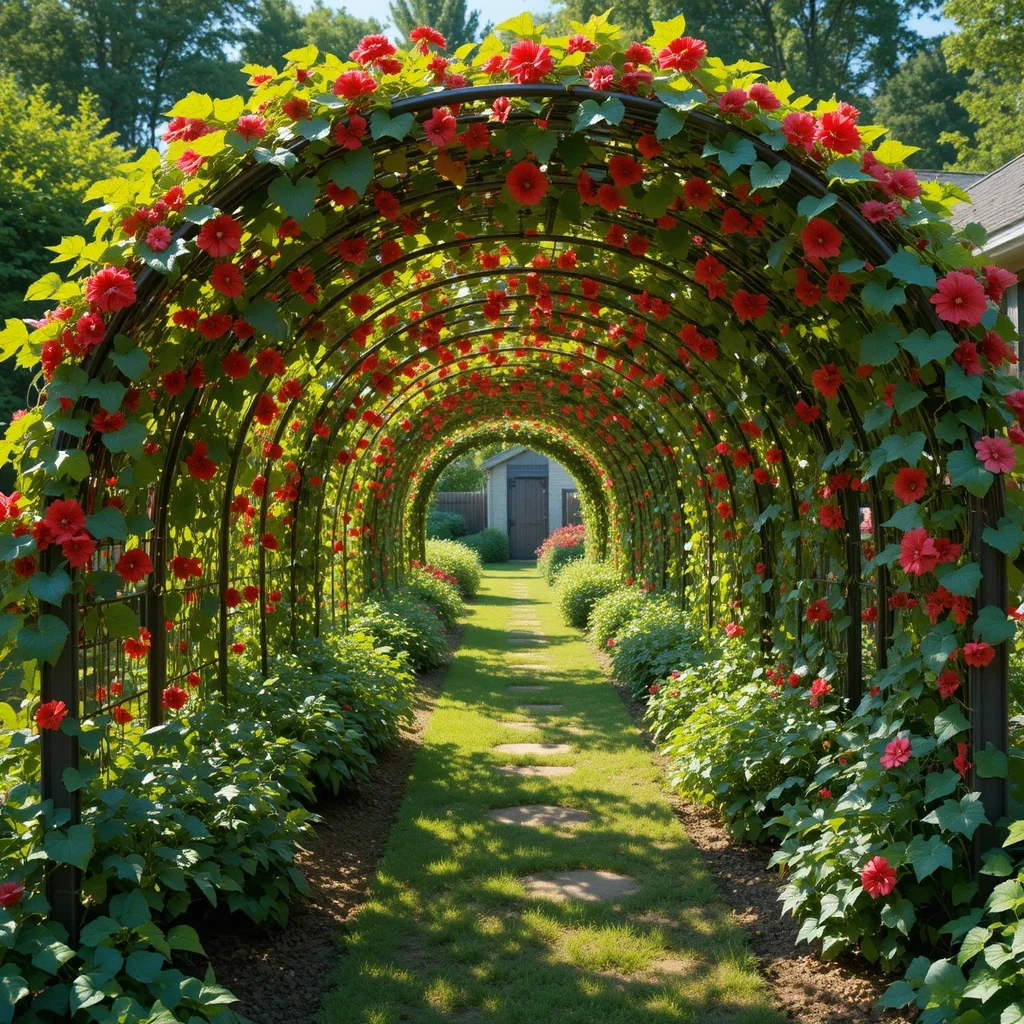
Arrange three or four cattle panel arches in sequence to form a long, child-height tunnel and plant scarlet runner beans or morning glory along each side. Children love the magical feeling of walking through a living green tunnel.
By midsummer, the beans create a thick colorful canopy that becomes a secret hideout. The pods are edible and the flowers attract hummingbirds, making this both enchanting and educational. Shop on Amazon
How to Style It:
- Lay stepping stones or bark mulch inside for a proper floor
- Hang a handmade wooden sign at the entrance reading “The Secret Garden”
- Add wind chimes or bird feeders at the apex of the arches
Where to Use It: Family gardens, school gardens, children’s garden spaces
Pro Tip: Scarlet runner beans germinate fast — kids can plant seeds directly in the soil and watch the tunnel come alive within just 2 weeks.
14. The Rose Pillar Cage
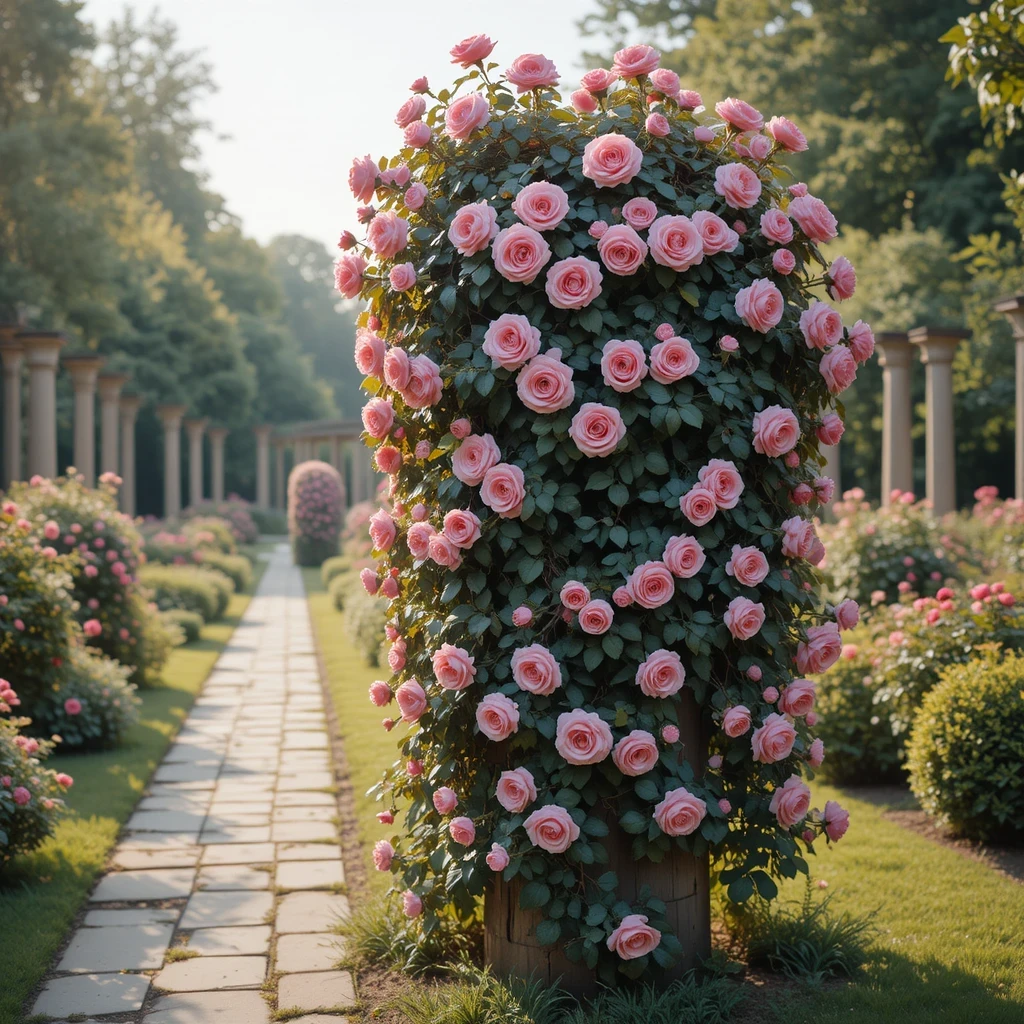
Form a cattle panel into a tall, narrow cylinder 12–18 inches in diameter and use it as a support pillar for a climbing or rambling rose. Unlike flat trellises, the 3D cylinder gives the rose branches something to wrap around from every direction, producing a lush column of blooms. Plant one rose per pillar and space several pillars along a path for a formal rose garden alley effect. Shop on Amazon
How to Style It:
- Paint the panel matte black before rolling for an elegant iron-pillar look
- Underplant each pillar base with lavender or catmint
- Tie rose canes in a gentle spiral around the cylinder for even bloom coverage
Where to Use It: Formal gardens, rose gardens, pathway borders, front yard displays
Pro Tip: Choose repeat-blooming climbers like ‘New Dawn’ or ‘Zephirine Drouhin’ for pillars that flower from June through frost.
15. The Pea and Bean Panel Row
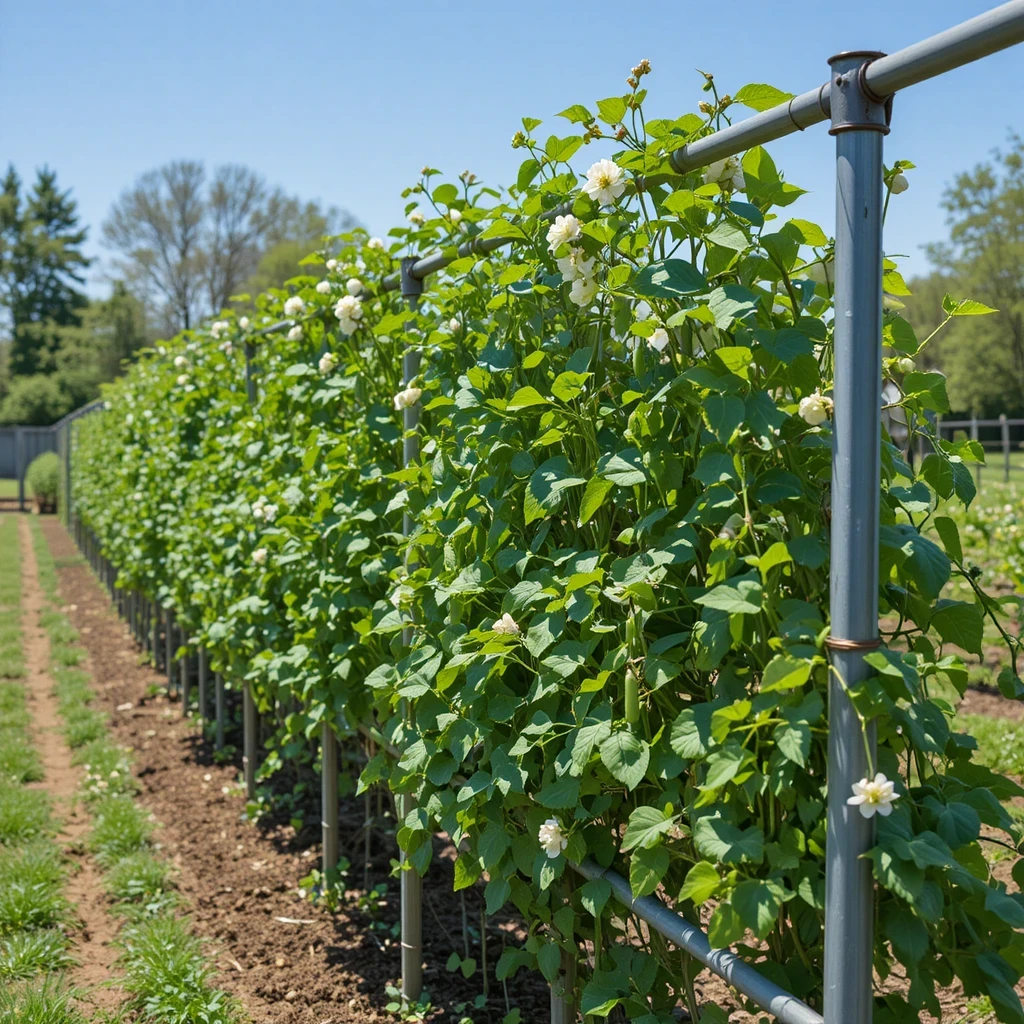
Drive T-posts into the ground every 8 feet along a garden row and zip tie a full-length cattle panel between them to create a long, straight growing wall for peas and beans.
This is the workhorse trellis of the vegetable garden — simple, effective, and fast to set up. A single row can grow dozens of plants and is easy to replant season after season without any maintenance to the structure. Shop on Amazon
How to Style It:
- Alternate peas (spring) with pole beans (summer) for year-round use from the same panel
- Use the panel both sides — one for climbing vines, one for tying up tall dahlias or sunflowers
- Add row cover clips to the panel base for frost protection in spring
Where to Use It: Vegetable gardens, market gardens, allotments, homestead rows
Pro Tip: Inoculate bean seeds with nitrogen-fixing rhizobia powder before planting along your panel — it supercharges growth and improves soil health naturally.
16. The Wall-Mounted Herb and Planter Grid
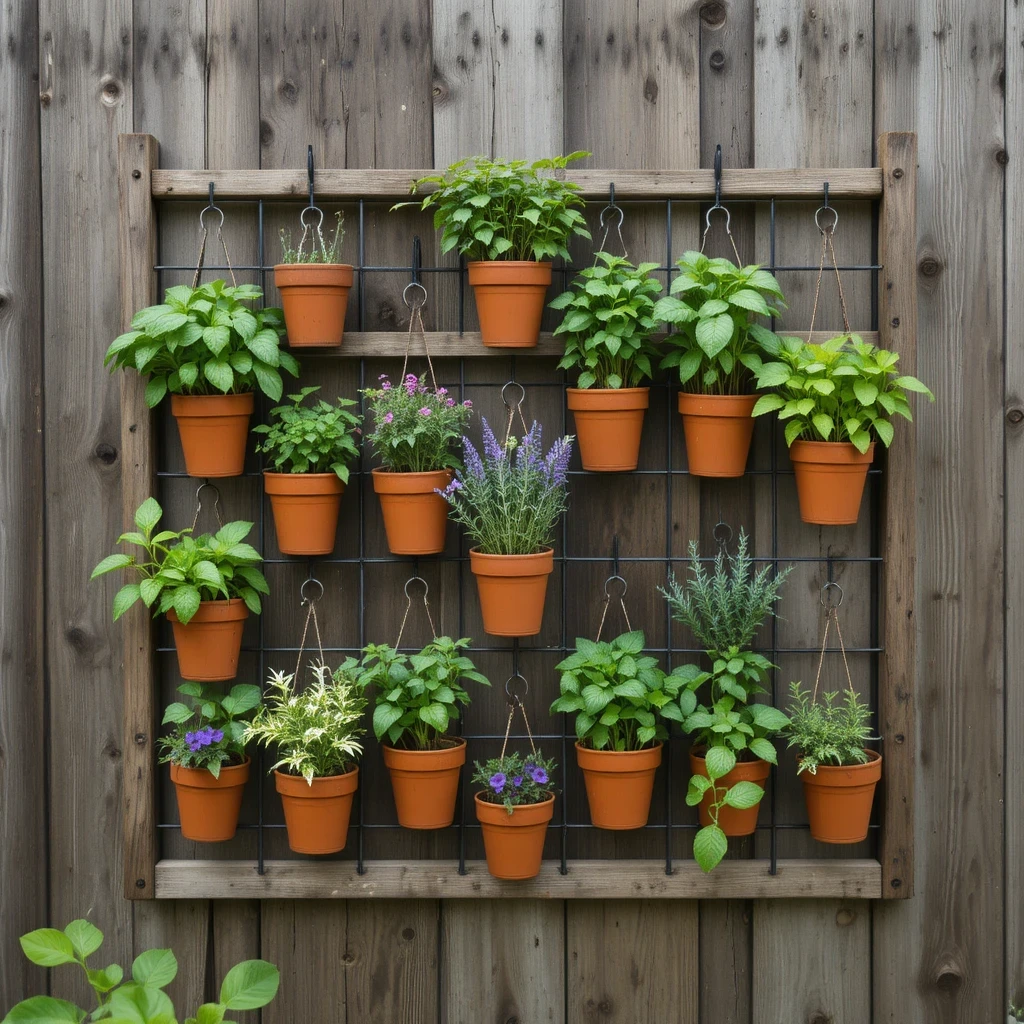
Mount a cattle panel flat to a fence, wall, or shed exterior using heavy-duty hooks and use the grid squares to hang an outdoor pantry of potted herbs, small planters, and garden tools.
The large grid squares fit standard 6-inch pots perfectly when S-hooks are used. This turns a bare exterior wall into a stunning vertical herb garden that’s both decorative and practical for everyday cooking. Shop on Amazon
How to Style It:
- Mix herb pots with small succulent planters and air plants for visual variety
- Hang vintage tin cans or enamel mugs as impromptu planters
- Add a chalkboard sign in the center of the grid with a seasonal kitchen quote
Where to Use It: Kitchen gardens, patios, apartment balconies, shed and barn walls
Pro Tip: Use coco-lined wire baskets instead of clay pots for lighter weight and better moisture retention in a wall-hung arrangement.
17. The Grape Vine Pergola Roof
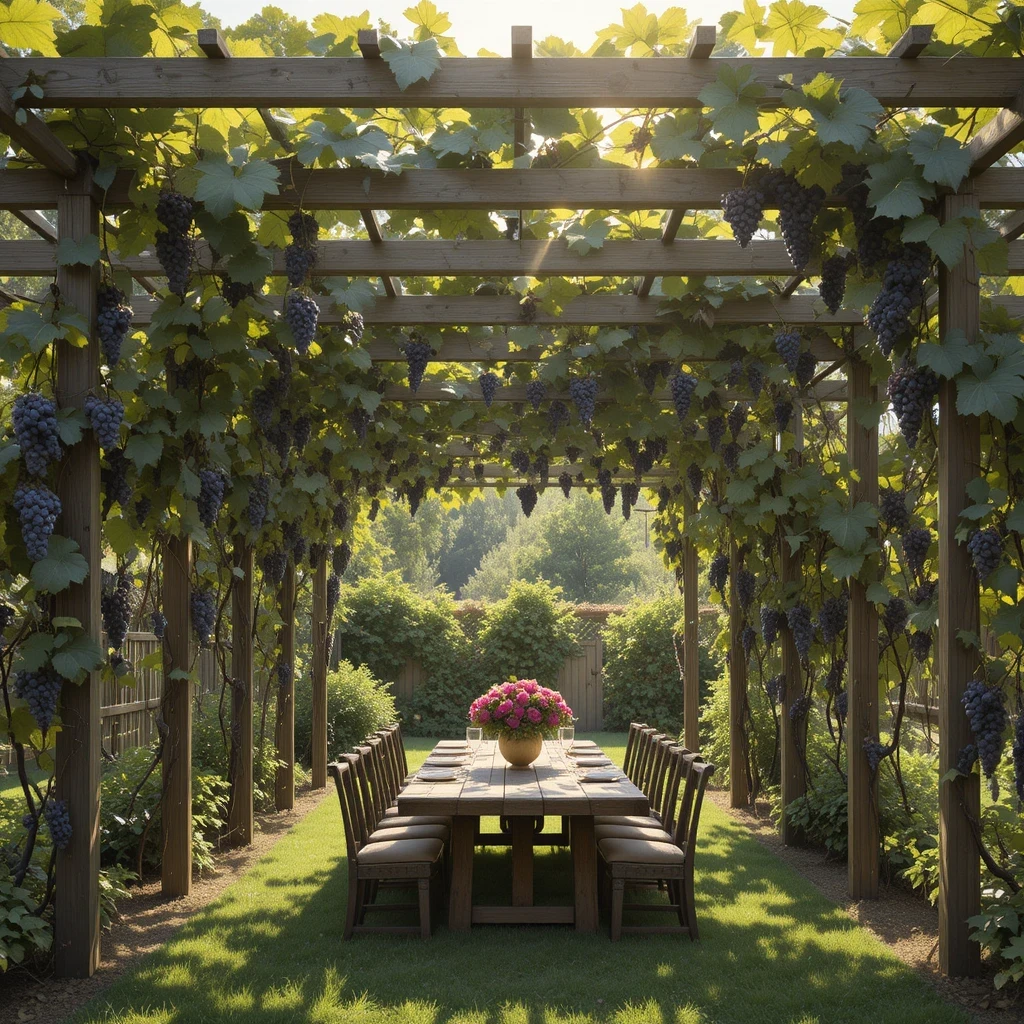
Lay two or three cattle panels horizontally across the top of a simple post frame to create a pergola roof structure for grape vines to grow across. Unlike traditional wood lattice, the rigid steel grid handles the enormous weight of mature grape vines without sagging.
Over several seasons, the vines fill in overhead to create a shaded outdoor dining space that also rewards you with a fruit harvest each year. Shop on Amazon
How to Style It:
- String Edison bulb lights below the panels for a glowing evening atmosphere
- Install the pergola near the kitchen door for easy grape harvesting
- Plant one vine per panel section — table grapes or wine varieties both work beautifully
Where to Use It: Outdoor dining spaces, patio shade structures, courtyard gardens, winery-inspired landscapes
Pro Tip: Choose a self-supporting grape variety like ‘Concord’ or ‘Reliance’ for reliable annual harvests with minimal pruning management.
Common Mistakes to Avoid
1. Using T-Posts That Are Too Short Many gardeners underestimate how deep T-posts need to be set. A post sunk only 6–8 inches will lean and eventually fall under the weight of a mature vine. Drive posts at least 18–24 inches into the ground.
2. Skipping Rust Protection at Cut Edges Standard cattle panels are galvanized but can still rust over time in wet climates, especially at freshly cut wire ends. A light coat of exterior spray paint or rust-inhibiting primer at those edges will dramatically extend their life.
3. Planting Too Close to the Panel Plants grown flush against the panel grid suffer poor air circulation and are harder to harvest. Plant at least 6 inches from the base and allow vines to weave through naturally rather than forcing them.
4. Choosing the Wrong Plants for the Structure Cattle panels are strong, but extremely heavy woody perennials like mature wisteria can eventually distort a panel over many years. For permanent heavy plantings, reinforce your panel with additional intermediate post support.
5. Not Planning for Harvest Access A trellis covered in productive cucumbers or beans is frustrating if you can’t reach the fruit. Always leave at least a 2-foot access path along at least one side of any panel trellis.
6. Trying to Bend a Panel After It’s Already Anchored It’s much easier to bend a cattle panel into an arch BEFORE you anchor it to posts. Attempting to bend an already-staked panel risks uneven curves and is significantly harder physically.
Frequently Asked Questions
Q: How long do cattle panel trellises last? A: When properly installed, galvanized cattle panels can last 20–30 years or more outdoors. They far outlast wood or plastic trellis alternatives.
Q: Can cattle panels support heavy fruits like squash and pumpkins? A: Yes! Cattle panels are one of the few trellis options strong enough for heavy fruiting vines. For very large fruits over 10 lbs, use small mesh support bags tied to the panel to cradle individual fruits as they develop.
Q: Are cattle panels safe for edible gardens? A: Standard galvanized cattle panels are generally considered safe for vegetable gardens and do not leach harmful chemicals into soil. Plastic-coated versions are also available if you prefer.
Q: Where do I buy cattle panels? A: Farm supply stores like Tractor Supply Co. and Rural King, home improvement stores, and online retailers all carry them. A standard 16-foot panel typically costs $25–$40.
Q: Can I cut cattle panels to a custom size? A: Yes. Use bolt cutters or an angle grinder to cut panels to any size you need. Always wear gloves and eye protection, and file or cap the cut wire ends to avoid injury.
Q: Do I need to weld cattle panels together or can I use wire ties? A: No welding needed. Heavy-duty zip ties, galvanized wire, or U-bolts work perfectly for joining and securing panels to posts. Most garden installations require no special tools whatsoever.
Q: What climbing plants work best on cattle panels? A: Cucumbers, pole beans, peas, tomatoes, roses, clematis, morning glory, sweet peas, hops, grapes, blackberries, and raspberries all thrive beautifully on cattle panel trellises.
Cattle panel trellises are proof that the best garden solutions are often the simplest ones. With a material that costs under $40 and lasts for decades, you can build garden structures that are more beautiful, more durable, and more functional than anything sold at a garden center. Whether you’re arching one over a garden path, leaning one against a fence, or bending one into a tomato tower — the cattle panel is ready to work as hard as you do.
Start with one idea from this list, and you’ll quickly find yourself planning the next one.