20 Stunning Coral Bells Ideas to Transform Your Garden
Coral bells (Heuchera) are one of the most versatile, low-maintenance perennials you can grow — beloved by beginner gardeners and seasoned landscapers alike. With foliage that spans the full color spectrum — from deep burgundy and midnight purple to lime green and peachy coral — these compact plants deliver year-round interest even when they’re not blooming.
Whether you’re designing a shady border, a container arrangement, or a drought-tolerant rock garden, there’s a coral bells variety perfectly suited for your vision. In this guide, we’re covering 20 of the most beautiful and creative coral bells ideas, complete with styling tips, placement advice, and image generation prompts so you can visualize each idea before you plant.
From classic woodland pairings to bold modern designs, these ideas will spark your creativity and help you get the most out of one of gardening’s most underrated superstars. Let’s dig in.
The 20 Best Coral Bells Ideas for Your Garden
1. Deep Burgundy Border Edging
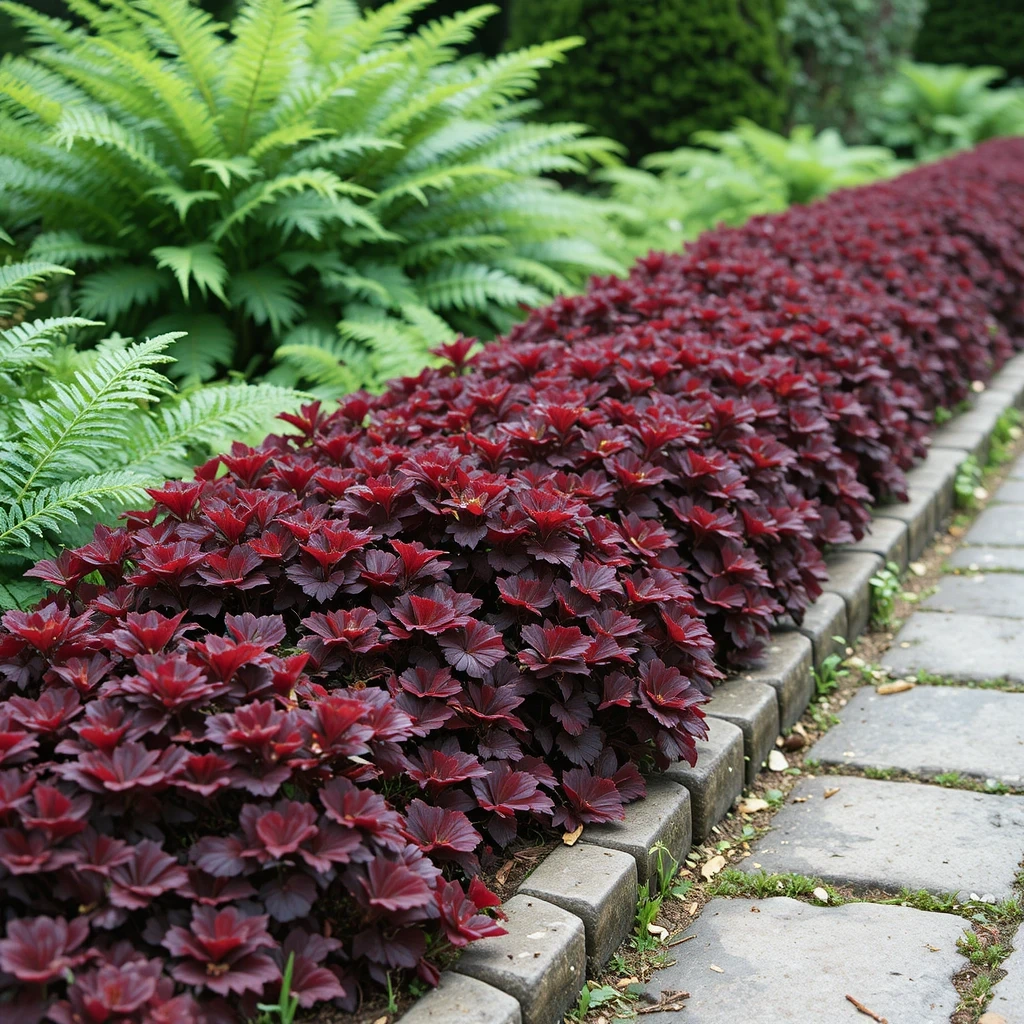
Coral bells in deep burgundy — like ‘Palace Purple’ or ‘Obsidian’ — create a dramatic, jewel-toned edge that makes every other plant pop. The richly colored foliage acts like a natural frame, drawing the eye along pathways and borders with effortless sophistication. Shop on Amazon
How to Style It:
- Pair with silver-leaved plants like artemisia or lamb’s ear for maximum contrast
- Plant in a single row 12–14 inches apart for a clean, formal look
- Add white or pale pink flowering perennials behind for a stunning backdrop
Where to Use It: Pathway borders, front garden beds, formal landscape designs
Pro Tip: Choose varieties with thicker leaves like ‘Obsidian’ for better slug resistance in moist climates.
2. Chartreuse and Lime Green Shade Garden
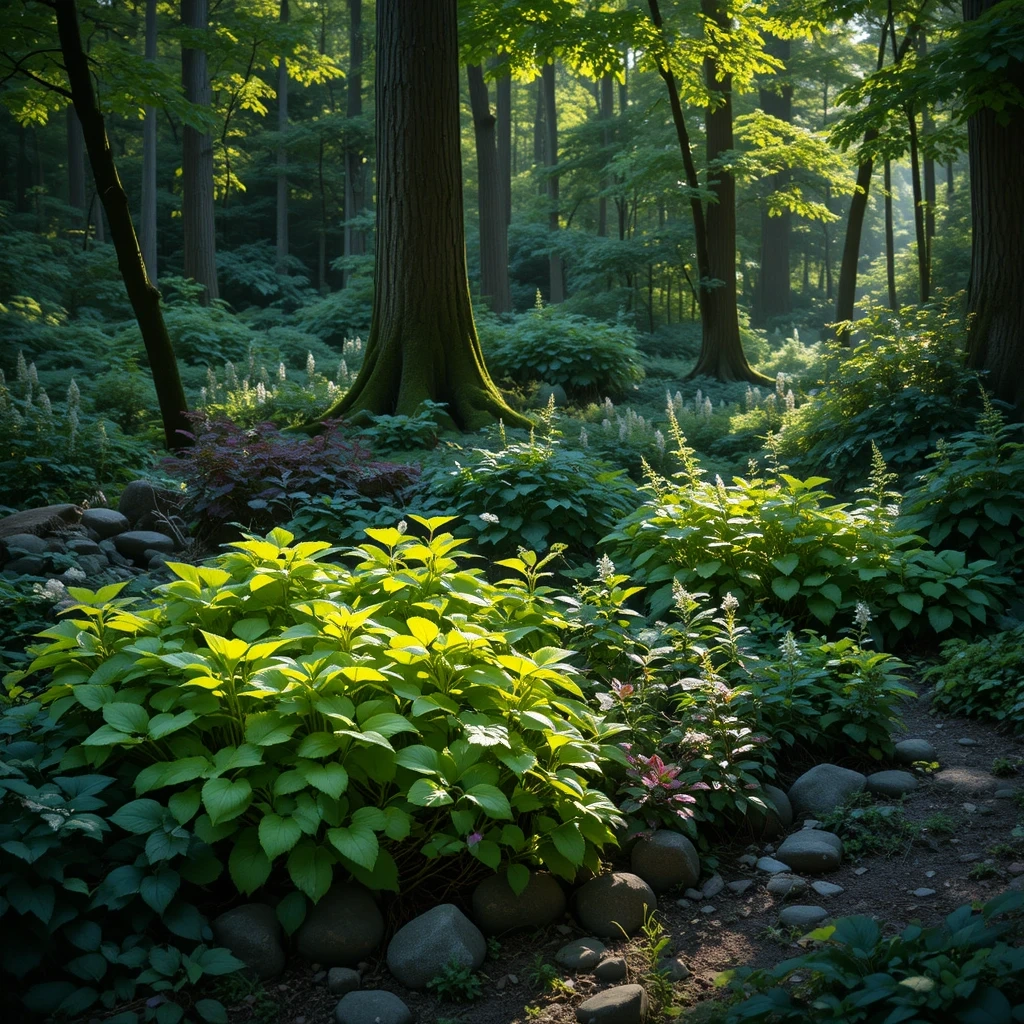
Lime-green coral bells are a revelation in shaded spaces — they act like natural lightbulbs, brightening dark corners where little else thrives. Varieties like ‘Lime Rickey’ and ‘Key Lime Pie’ are particularly luminous, transforming gloomy spots into garden highlights. Shop on Amazon
How to Style It:
- Combine with dark-leaved hostas for high-contrast drama
- Use alongside white-flowering astilbe or bleeding heart
- Layer in front of ferns for a tiered woodland look
Where to Use It: Under tree canopies, north-facing garden beds, shaded porches
Pro Tip: Even in deep shade, lime varieties hold their color better than most — perfect for those tricky dark spots.
3. Peachy-Pink Cottage Garden Clusters
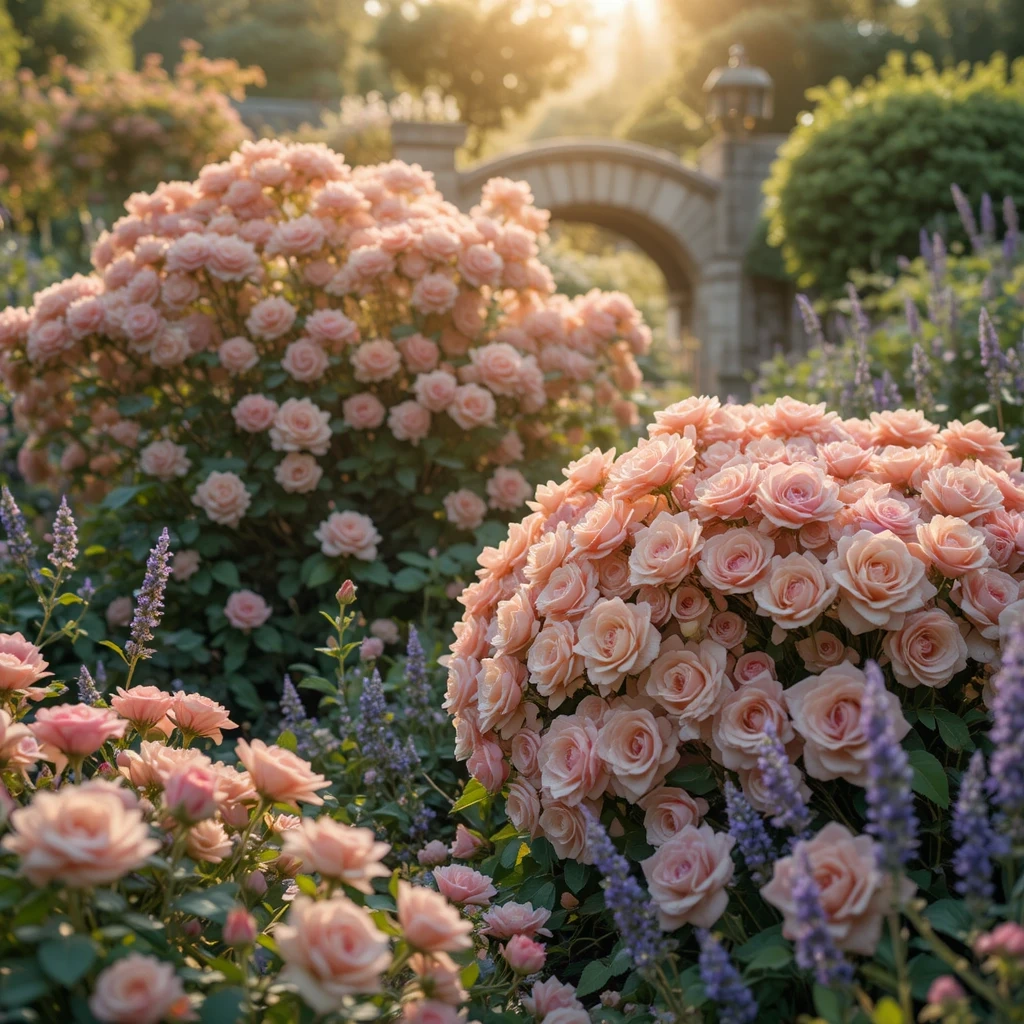
Warm peachy coral bells like ‘Peach Flambé’ and ‘Caramel’ blur the line between foliage and flower. Their sunset hues complement the soft romance of cottage gardens perfectly, weaving through roses and peonies with effortless charm. Shop on Amazon
How to Style It:
- Plant in clusters of 3–5 for natural drifts of color
- Pair with lavender, salvia, and old-fashioned roses
- Let them spill slightly over stone edging for an informal look
Where to Use It: Cottage gardens, flower borders, cutting garden edges
Pro Tip: ‘Peach Flambé’ turns deeper copper-red in fall — plant where you can enjoy the seasonal color shift.
4. Black and Silver Gothic Garden Design
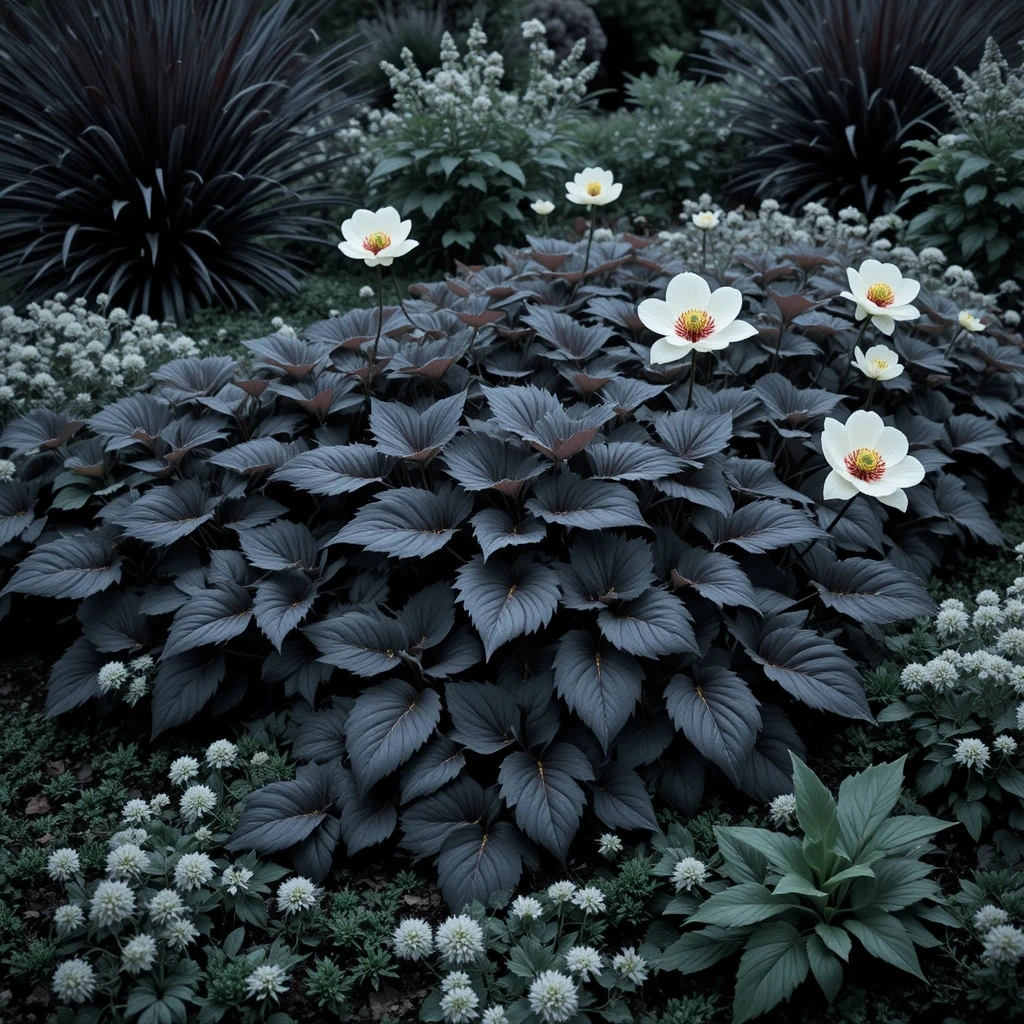
For gardeners who love drama, pairing near-black coral bells with silver and white plants creates a striking monochromatic palette that looks intentional and sophisticated. ‘Obsidian’ and ‘Black Beauty’ are the stars of this daring look. Shop on Amazon
How to Style It:
- Surround with silver dusty miller or artemisia
- Add white-flowering plants: white calamint, Japanese anemone, or white astilbe
- Use black mondo grass as a ground-level companion
Where to Use It: Modern gardens, bold statement beds, urban landscapes
Pro Tip: This palette photographs beautifully — ideal for Instagram-worthy garden spaces.
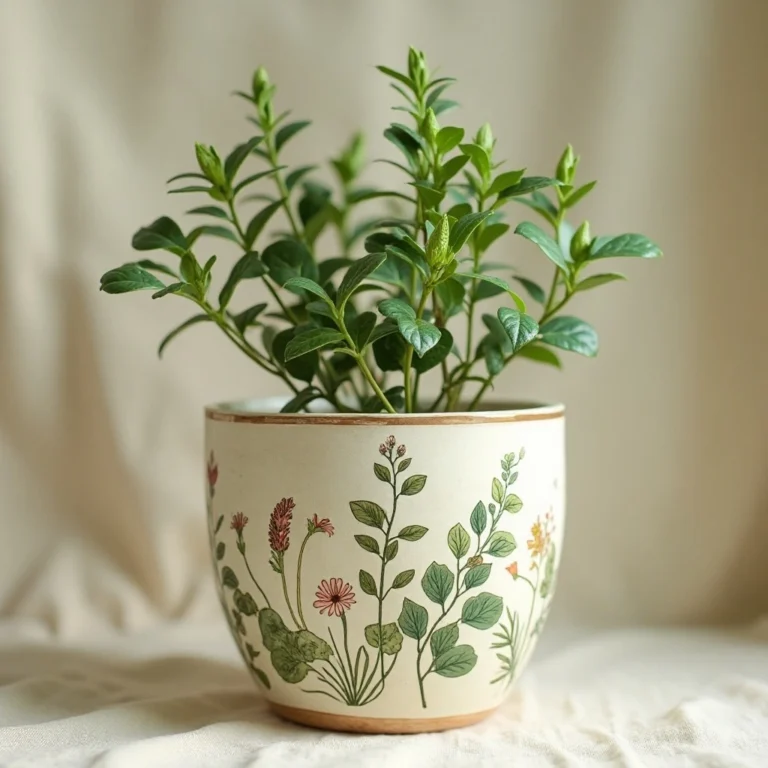
5. Mixed Container Arrangements on a Patio
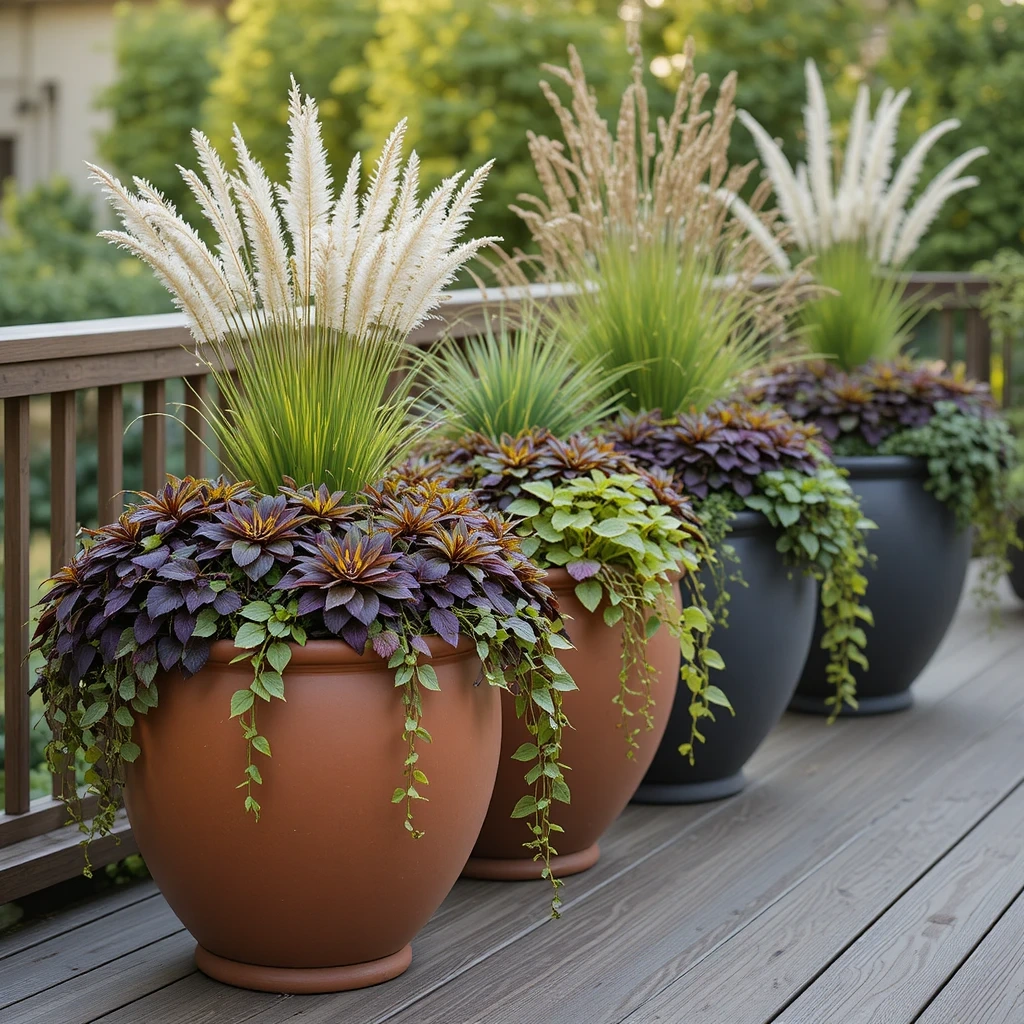
Coral bells thrive in containers and mix beautifully with trailing and upright companions. The classic “thriller, filler, spiller” formula works perfectly with Heuchera as the filler — grounding arrangements with lush, colorful foliage mounds. Shop on Amazon
How to Style It:
- Use as the “filler” — pair with tall grasses (thriller) and trailing sweet potato vine (spiller)
- Mix 2–3 contrasting Heuchera colors in one large pot
- Refresh soil every spring for best performance
Where to Use It: Patios, balconies, front door entrances, deck arrangements
Pro Tip: Terra cotta pots dry out faster — water container Heuchera more frequently in summer heat.
6. Blue and Purple Cool-Toned Bed Design
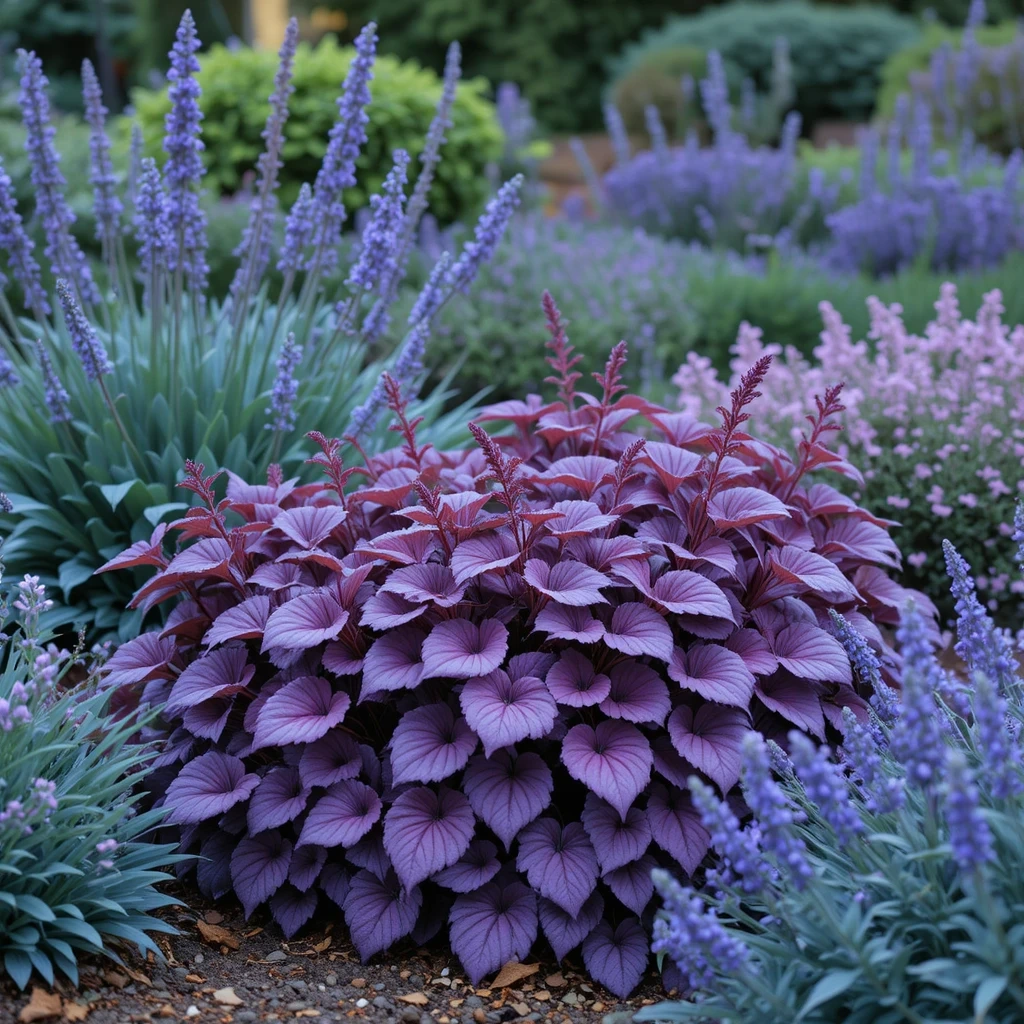
Cool purples and plum tones create a serene, meditative garden atmosphere. Varieties like ‘Plum Pudding’ and ‘Grape Expectations’ anchor blue-themed beds with rich, silvery-veined foliage that calms and soothes the eye. Shop on Amazon
How to Style It:
- Combine with blue-toned hostas and purple salvia
- Add lavender or catmint at the border edges
- Use slate or blue-gray stone mulch to enhance the cool palette
Where to Use It: Meditation gardens, spa-inspired outdoor spaces, formal beds
Pro Tip: Silver veining on purple varieties reflects light beautifully — position where morning sun catches the leaves.
7. Fall-Inspired Fiery Foliage Display
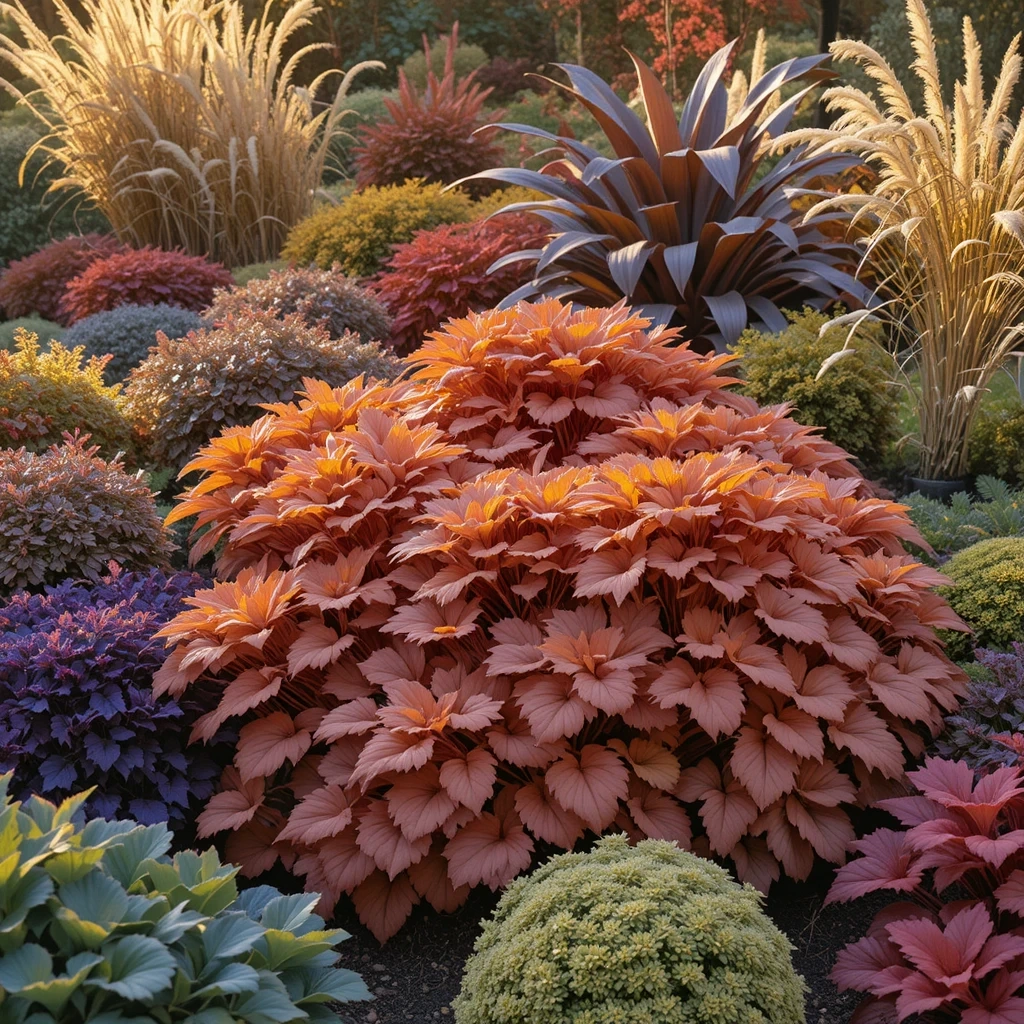
Some coral bells varieties perform their best in fall, deepening to copper, amber, and russet tones that echo the changing season. They extend the garden’s visual interest well past summer, carrying color right into November. Shop on Amazon
How to Style It:
- Combine with fall mums, ornamental kale, and ornamental grasses
- Place near trees with good fall color for a cohesive display
- Use in harvest-themed container arrangements alongside pumpkins
Where to Use It: Fall seasonal displays, entrance gardens, porch arrangements
Pro Tip: ‘Autumn Leaves’ literally changes with the season — green in spring, brilliant red in fall. Plant once, enjoy the show for years.
8. Rock Garden and Drought-Tolerant Design
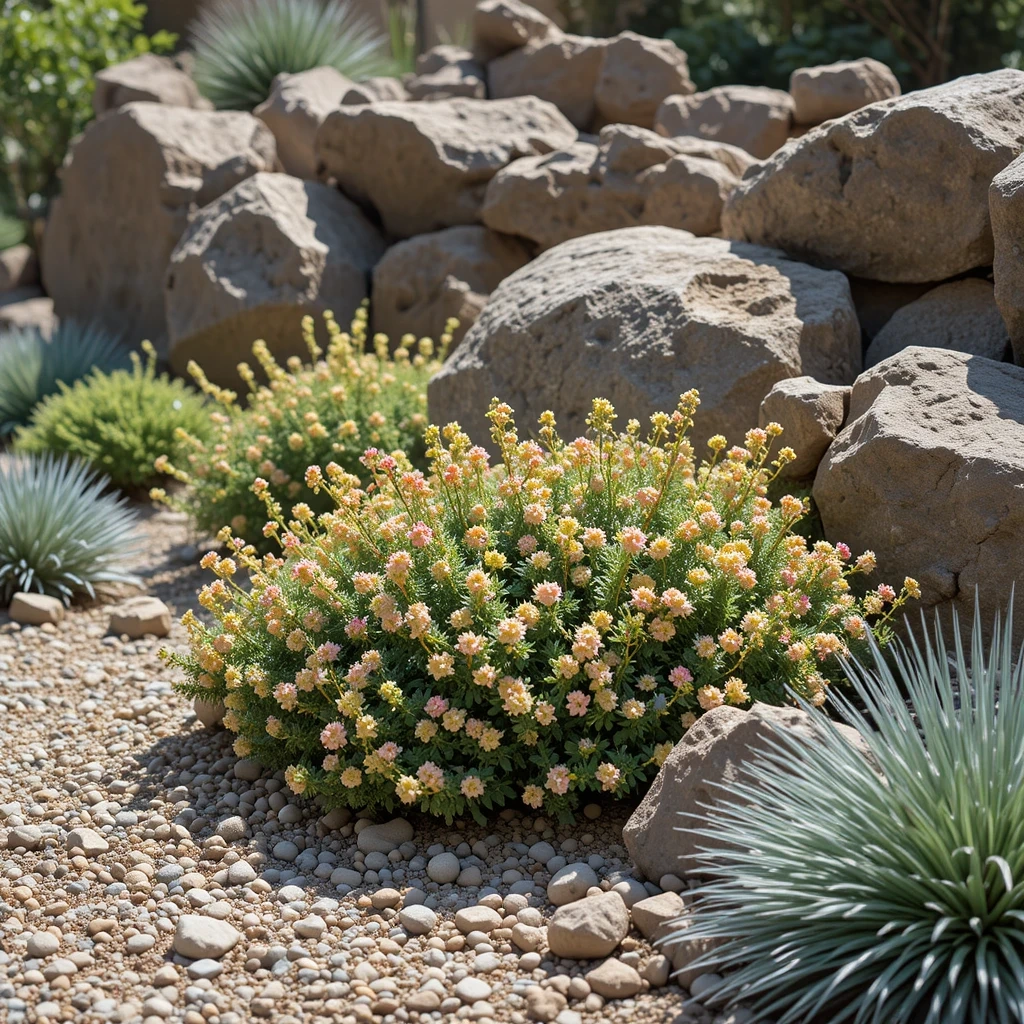
Despite loving shade and moisture, many coral bells cultivars are surprisingly drought-tolerant once established — making them excellent choices for rock gardens and xeriscape designs. Shop on Amazon
How to Style It:
- Tuck between rocks for a naturalistic “growing through crevices” effect
- Combine with sedum, thyme, and blue fescue
- Use gravel mulch instead of wood for better drainage
Where to Use It: Rock gardens, xeriscape beds, hillside slopes, drought-prone areas
Pro Tip: Avoid overwatering in rock gardens — Heuchera roots are prone to rot in consistently soggy soil.
9. Woodland Wildflower Naturalistic Planting
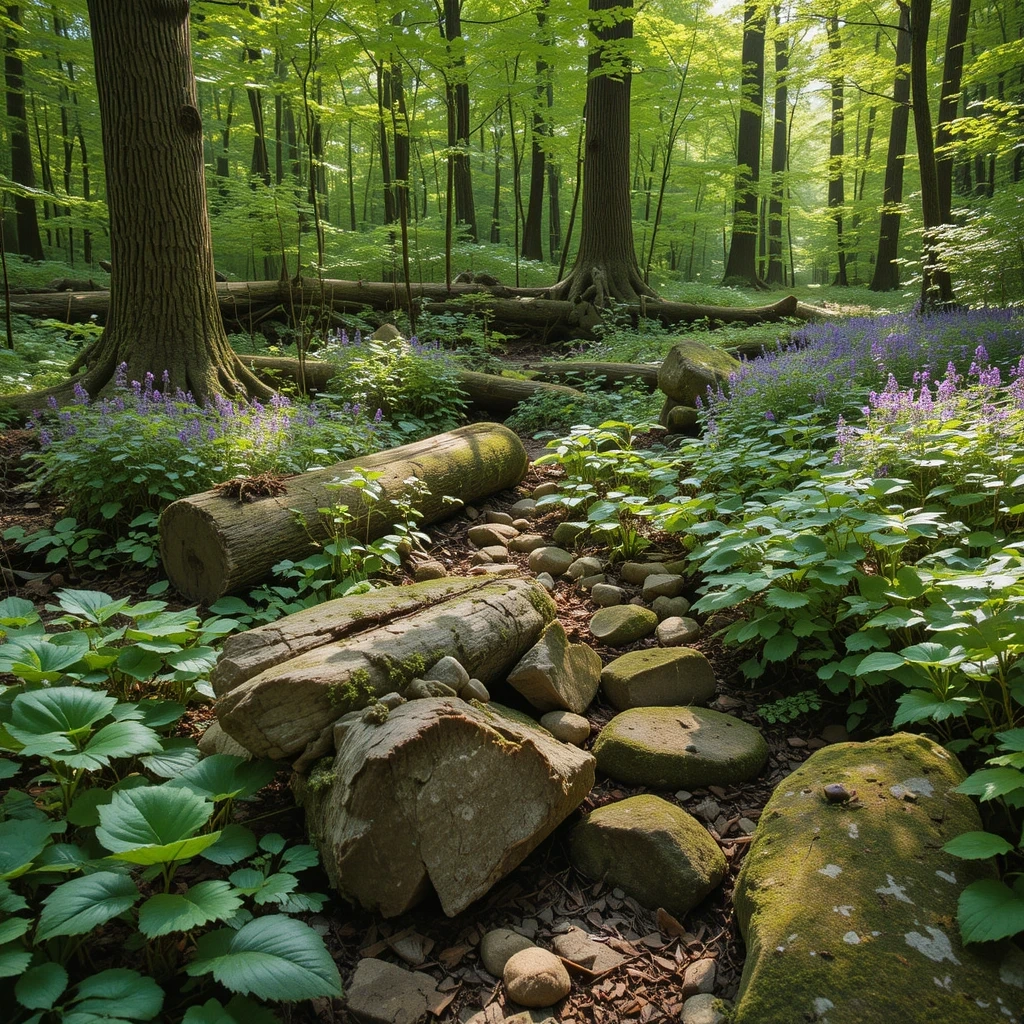
Native coral bells (Heuchera americana) look perfectly at home in naturalistic woodland gardens, where they can self-seed and spread gently among other native wildflowers in an organic, unhurried way. Shop on Amazon
How to Style It:
- Plant in irregular clusters, never rigid rows
- Allow leaf litter to mulch naturally around the base
- Combine with native ferns, wild ginger, and trillium
Where to Use It: Native plant gardens, woodland edges, naturalistic landscapes
Pro Tip: Native species are more adaptable to local conditions than hybrids — great for low-intervention gardening.
10. Coral Bells as a Living Mulch Under Trees
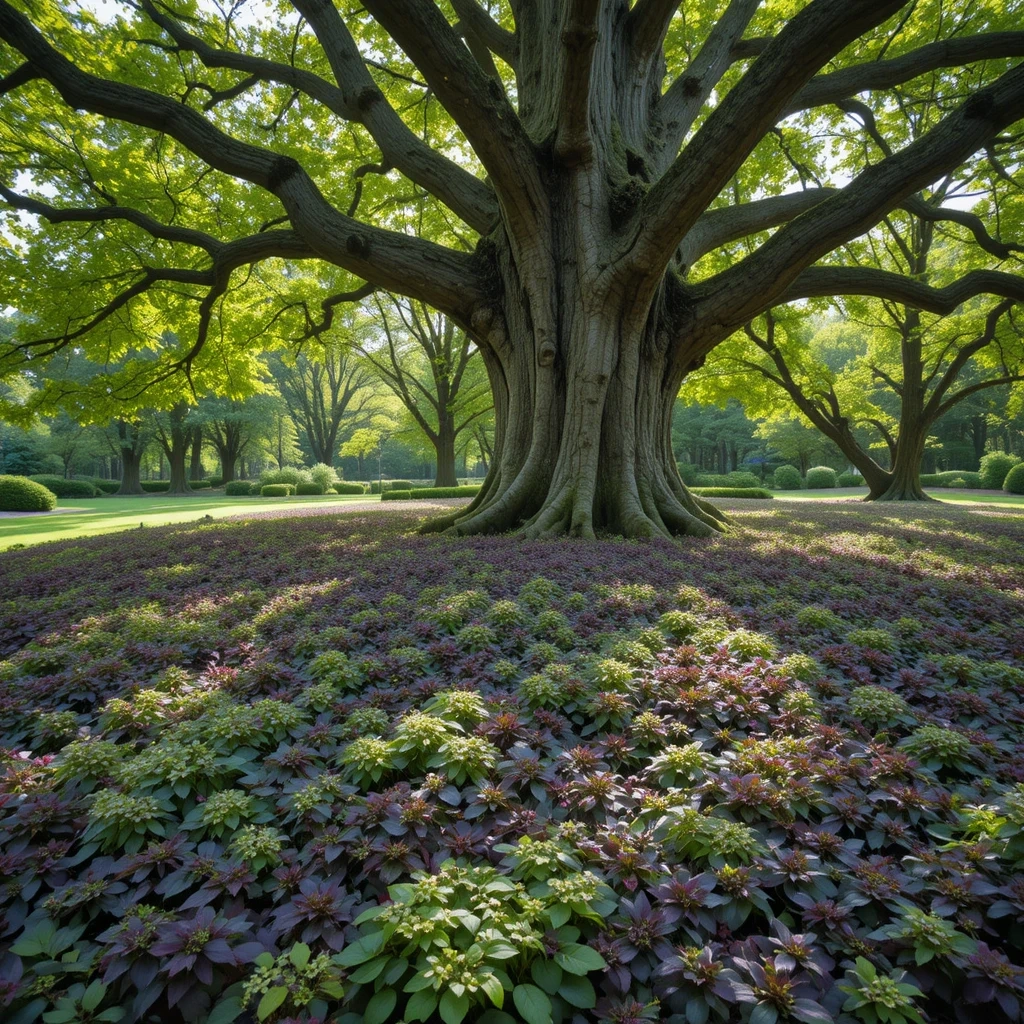
Instead of bare mulch under trees, a mass planting of coral bells creates a living carpet that suppresses weeds, retains moisture, and looks beautiful year-round. Shop on Amazon
How to Style It:
- Plant 12 inches apart in staggered rows for full coverage
- Mix 2–3 complementary foliage colors for visual interest
- Leave a bare ring of 18 inches around the trunk to protect roots
Where to Use It: Under mature trees, large shade beds, woodland garden floors
Pro Tip: Avoid planting too close to tree trunks — root competition can stress both plants over time.
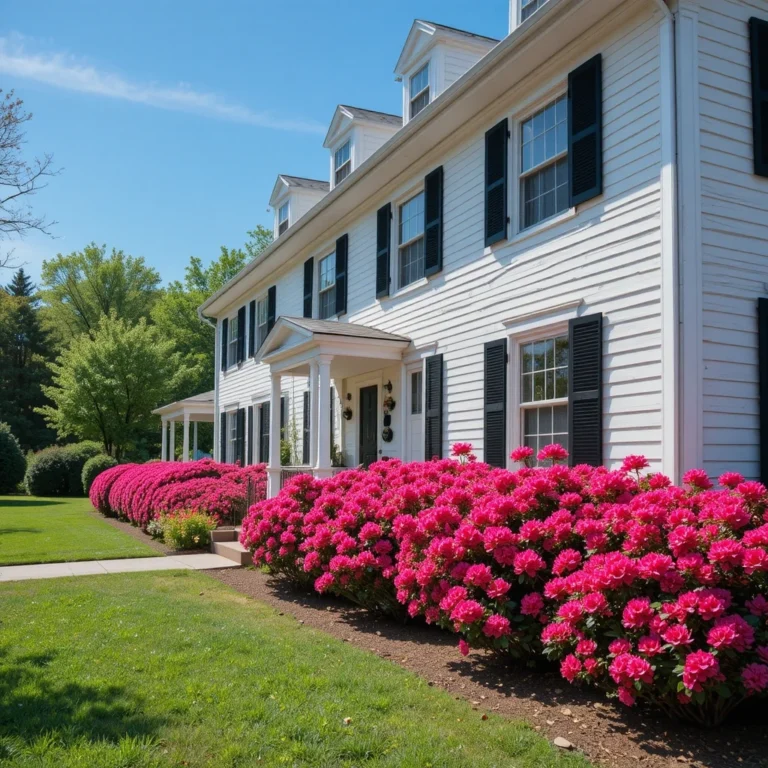
11. Front Yard Curb Appeal Planting
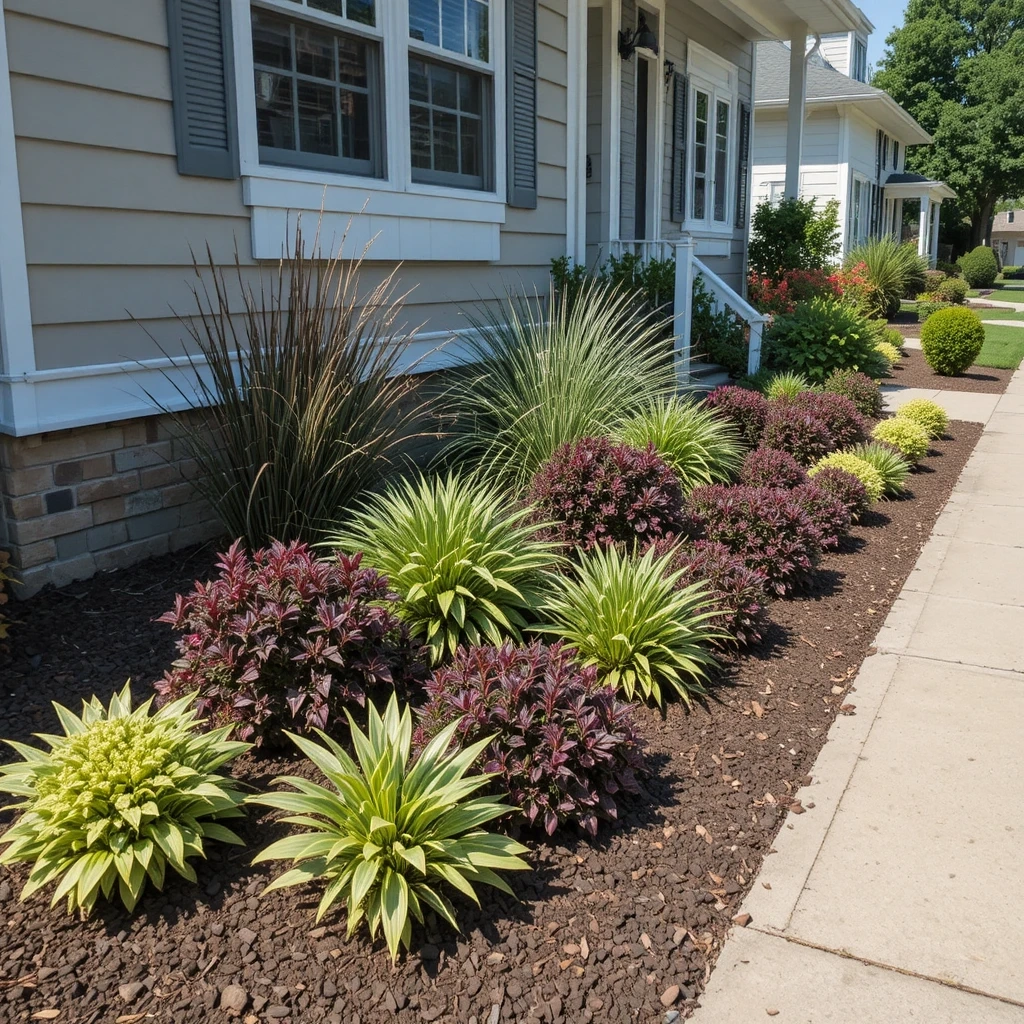
Coral bells are ideal for foundation plantings — they stay compact, need no constant trimming, and look polished in mixed beds along the front of a home year after year. Shop on Amazon
How to Style It:
- Anchor corners with taller ornamental grasses
- Use Heuchera as the mid-layer between ground covers and taller shrubs
- Choose 3 contrasting foliage colors for a designed-but-natural look
Where to Use It: Foundation beds, front door plantings, curb appeal gardens
Pro Tip: Choose semi-evergreen varieties — they’ll hold foliage through mild winters for year-round curb appeal.
12. Moonlight Garden with Silver and White Tones
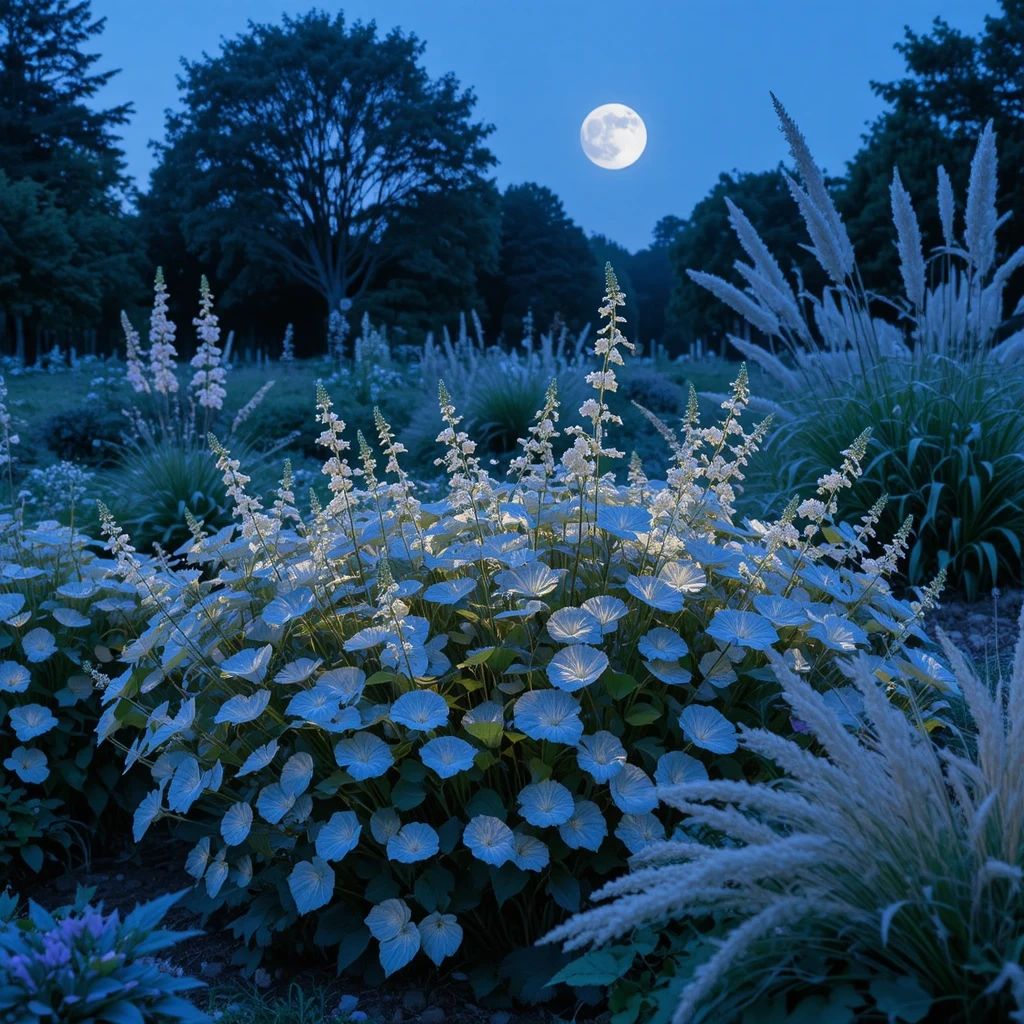
Silver-veined coral bells like ‘Silver Scrolls’ and ‘Frosted Violet’ practically glow at dusk, making them perfect for moonlight gardens designed to be enjoyed in the cool of the evening. Shop on Amazon
How to Style It:
- Pair with white-flowering night-fragrant plants like nicotiana
- Use white gaura and white astilbe as companions
- Install subtle pathway lighting to enhance the silver shimmer
Where to Use It: Evening garden areas, patios used at night, romantic garden retreats
Pro Tip: Silver varieties often have the most stunning veining detail — position them where light (sun or artificial) can catch the leaves.
13. Rainbow Mixed Heuchera Mass Planting
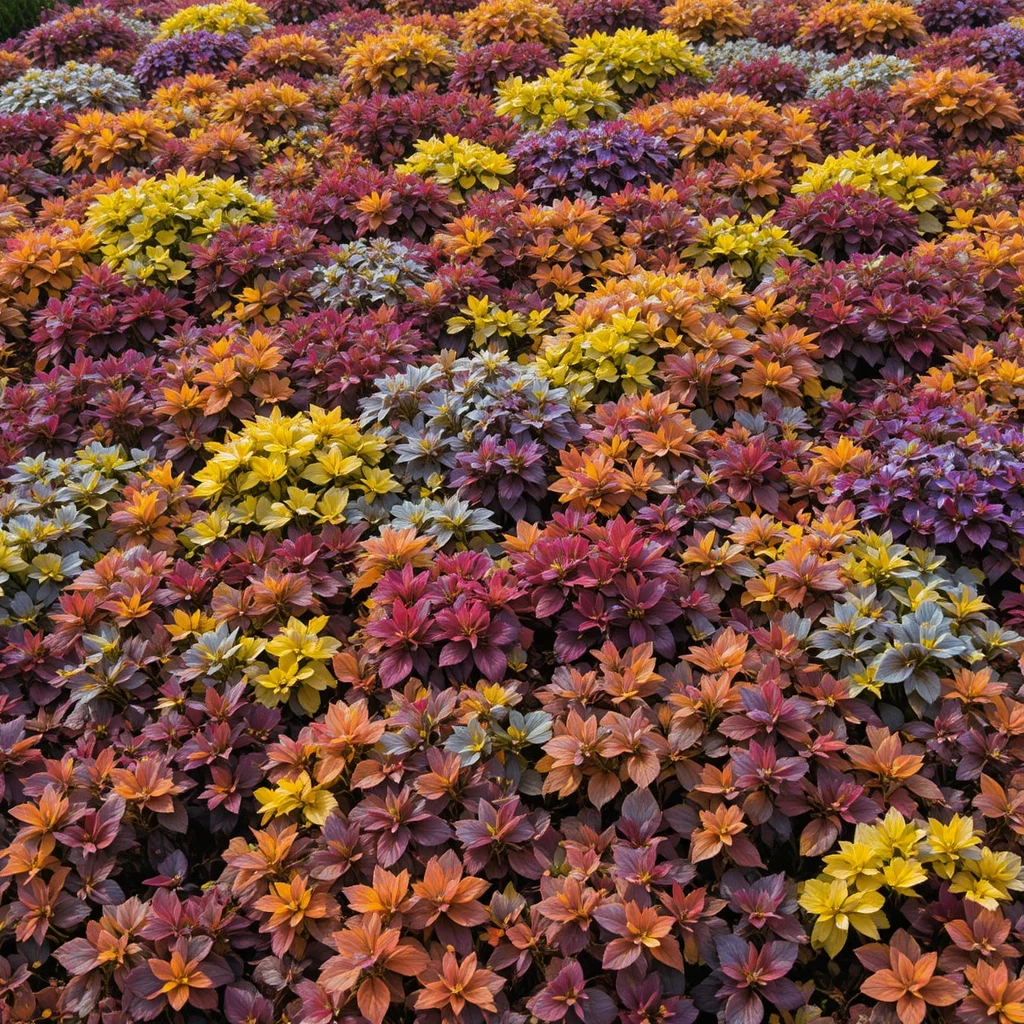
Why choose one color when you can have them all? A mass planting of mixed coral bells varieties creates a breathtaking tapestry of foliage color that evolves beautifully through all four seasons. Shop on Amazon
How to Style It:
- Plant in groups of 3 same-variety per color for drifts, not a checkerboard
- Transition colors naturally — deep tones into mid-tones into light
- Avoid overcrowding — allow air circulation between plants
Where to Use It: Large garden beds, public spaces, estate gardens, commercial landscaping
Pro Tip: Label each variety at planting — after a year, distinguishing similar cultivars becomes surprisingly tricky!
14. Ornamental Grass and Heuchera Duo
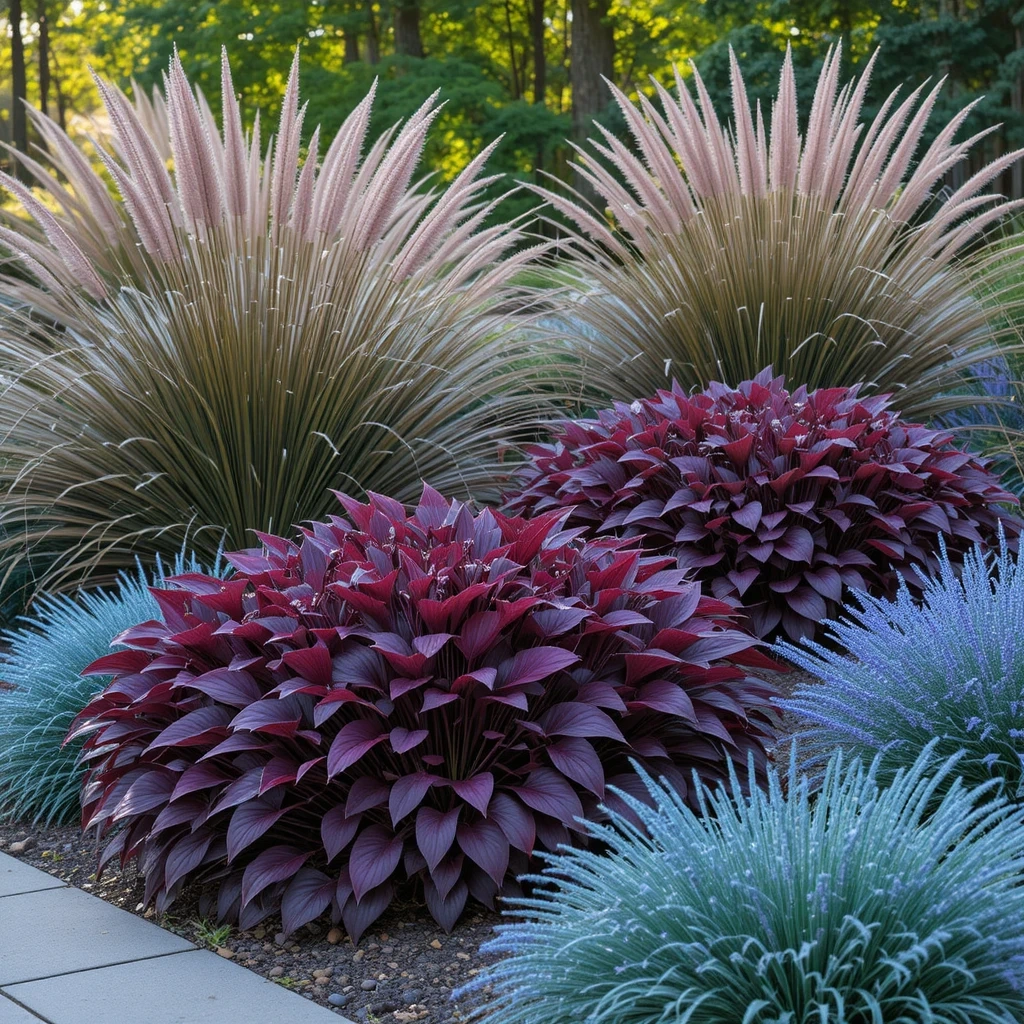
Pairing coral bells with ornamental grasses creates textural contrast that works in both modern and naturalistic styles — soft, rounded Heuchera mounds against the linear movement of swaying grasses. Shop on Amazon
How to Style It:
- Choose grass colors that contrast with your Heuchera — bronze grass with lime, or blue fescue with burgundy
- Plant in alternating sweeps rather than row-by-row
- Leave grasses untrimmed for winter structure
Where to Use It: Contemporary gardens, prairie-style plantings, large sunny-to-part-shade beds
Pro Tip: Grasses are drought-tolerant partners that match Heuchera’s low-maintenance character — a natural pairing.
15. Elegant Entryway Urn Planting
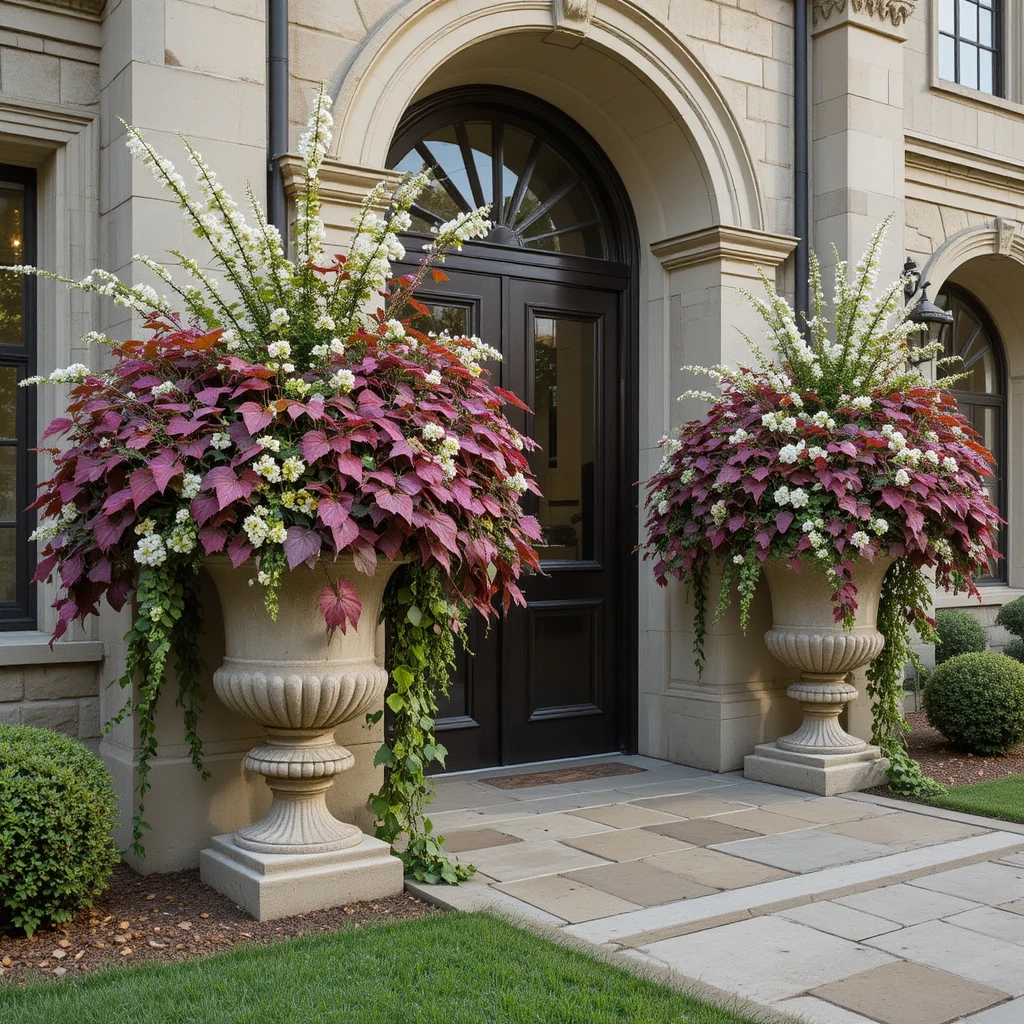
Symmetrical urn plantings flanking a front door or gate are a timeless design move — and coral bells lend themselves perfectly to the formal urn treatment, their rosette form spilling beautifully over the rim. Shop on Amazon
How to Style It:
- Use matching urns for symmetry — mirror the plant mix exactly on each side
- Add trailing ivy or creeping Jenny to spill over the edges
- Refresh annually with new Heuchera for consistent vigor
Where to Use It: Front door entrances, gated garden entrances, formal estate entrances
Pro Tip: Elevating coral bells in urns showcases their rosette form better than in-ground planting.
16. Children Sensory Garden Planting
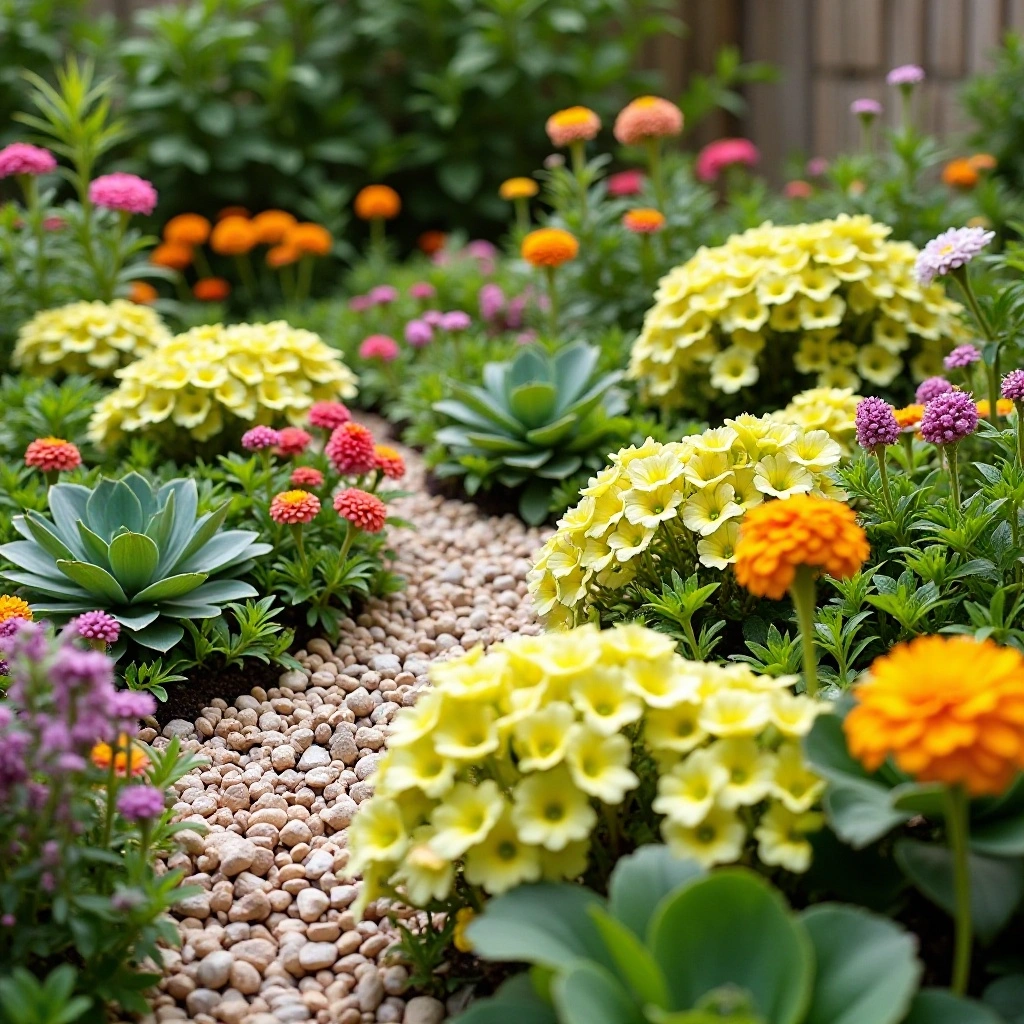
Coral bells are safe, non-toxic, and wonderfully tactile — their ruffled, sometimes velvet-textured leaves make them a fantastic addition to sensory gardens where children are encouraged to touch and explore. Shop on Amazon
How to Style It:
- Plant at child’s-eye height — in raised beds or low containers
- Mix with other tactile plants: lamb’s ear (soft), ornamental grasses (wispy)
- Choose bright, vivid colors that appeal to young eyes
Where to Use It: Children’s gardens, school gardens, sensory play areas
Pro Tip: Heuchera is listed as non-toxic by the ASPCA — safe for curious kids and pets exploring the garden.
17. Pollinator Garden Support Planting
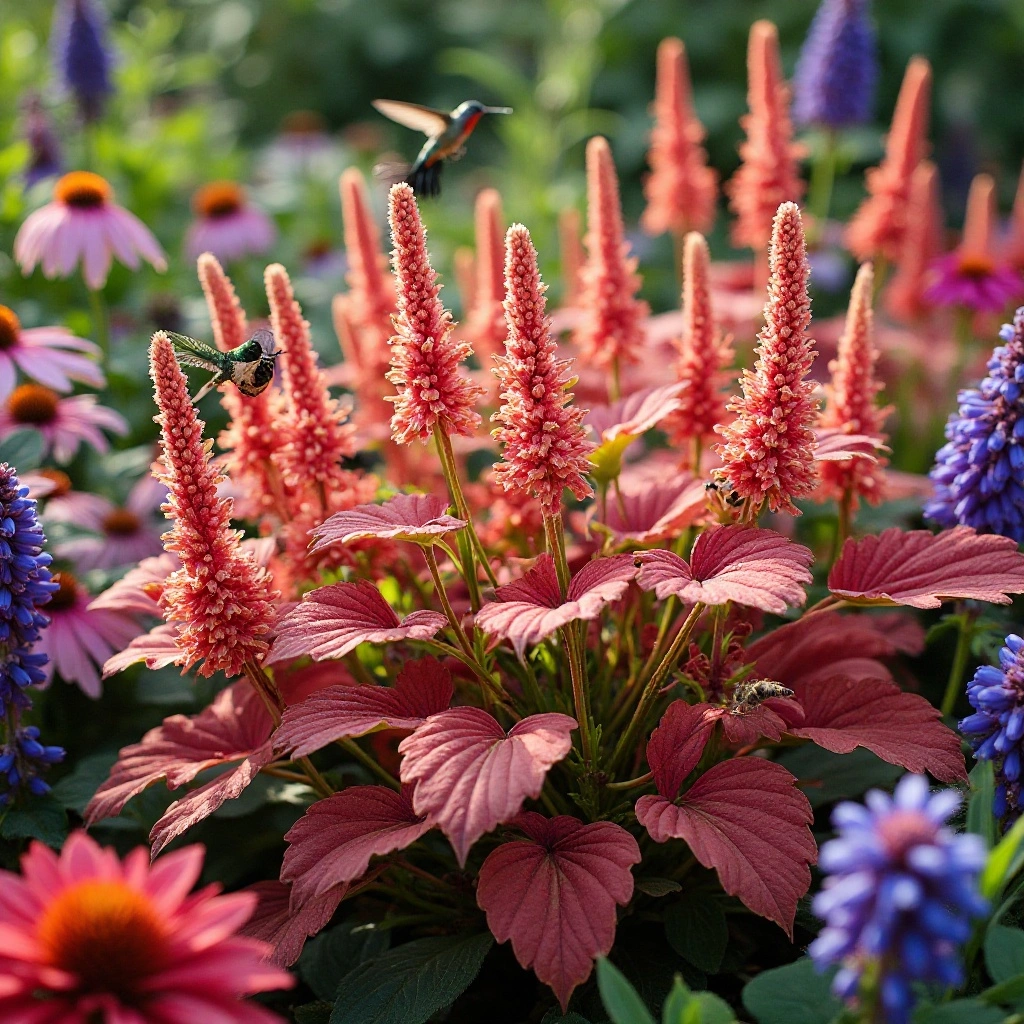
While coral bells are celebrated for foliage, their delicate wand-like flowers are beloved by hummingbirds and bees. Let them bloom freely in pollinator gardens for maximum wildlife value throughout the season. Shop on Amazon
How to Style It:
- Don’t deadhead — let flower wands go to seed for birds
- Surround with other pollinator favorites: echinacea, salvia, and agastache
- Include a water source nearby to attract hummingbirds
Where to Use It: Pollinator gardens, wildlife-friendly yards, naturalistic plantings
Pro Tip: Red and coral-flowered varieties like ‘Firefly’ are particularly irresistible to hummingbirds.
18. Modern Minimalist Grid Planting
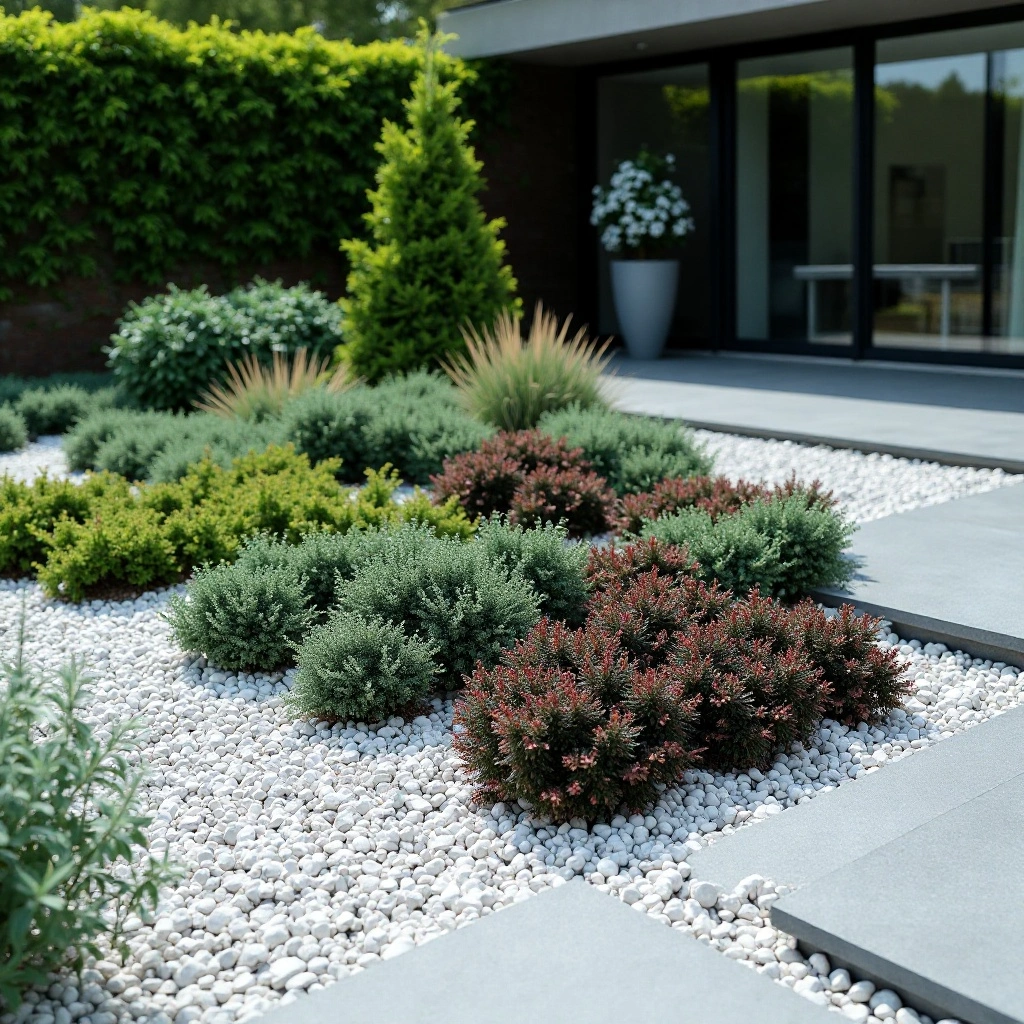
In minimalist modern gardens, less is more — a single variety of coral bells, planted in a precise grid or geometric pattern, becomes a bold design statement rather than just another plant. Shop on Amazon
How to Style It:
- Choose one bold variety and repeat it consistently with no mixing
- Use clean geometric spacing — grid or staggered rows
- Surround with gravel, steel, or concrete for a graphic, architectural look
Where to Use It: Modern homes, urban courtyard gardens, architectural landscapes
Pro Tip: ‘Obsidian’ and ‘Blackout’ work best for this look — their uniform, glossy leaves maintain a crisp appearance.
19. Layered Shade Bed with Ferns and Hostas
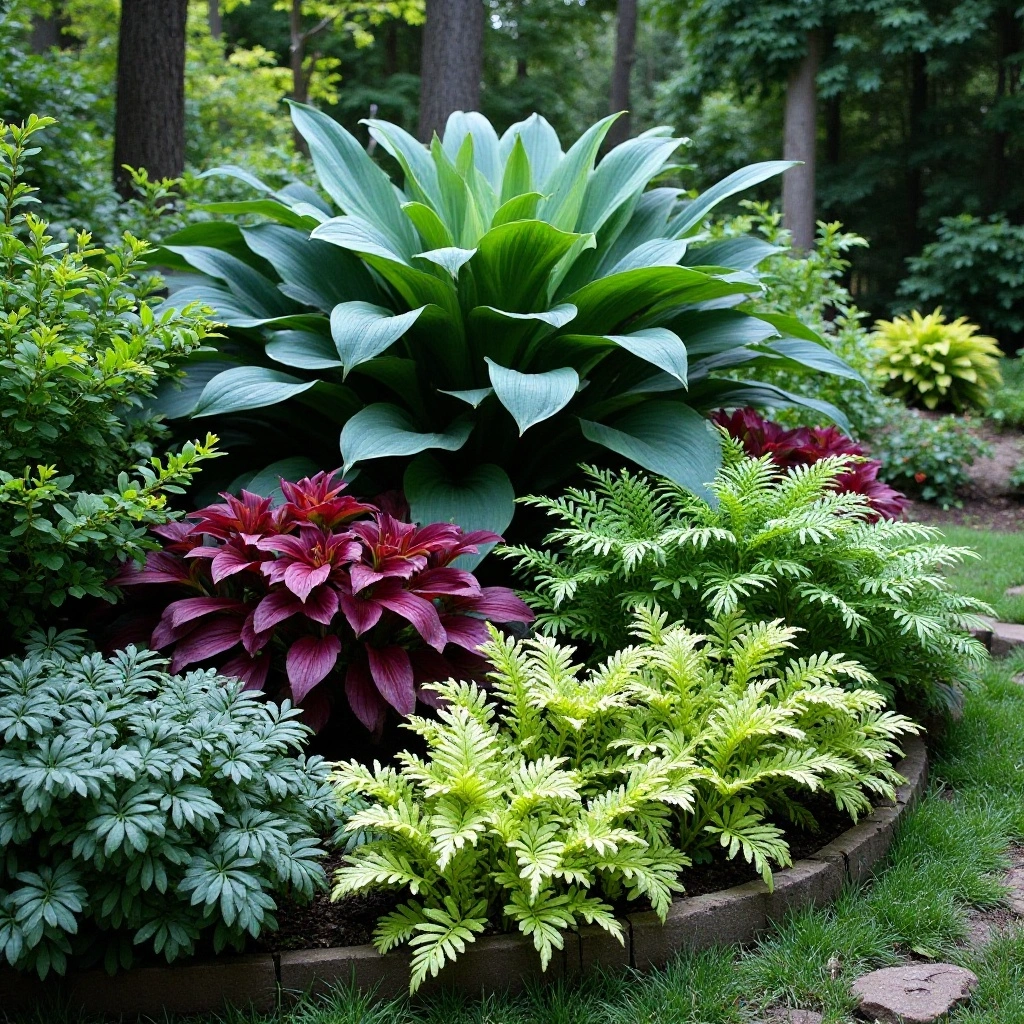
The classic layered shade bed becomes spectacular when coral bells play the essential middle role, bridging the visual gap between towering hostas and ground-level ferns with their compact, colorful mounds. Shop on Amazon
How to Style It:
- Back layer: hostas, astilbe, or taller ferns
- Middle layer: Heuchera in a contrasting foliage color to the hostas
- Front layer: maidenhair ferns, creeping Jenny, or ajuga
Where to Use It: Shade gardens, woodland borders, north-facing beds
Pro Tip: This three-layer structure ensures something interesting at every visual level — a hallmark of professional garden design.
20. Winter-Interest Evergreen Planting
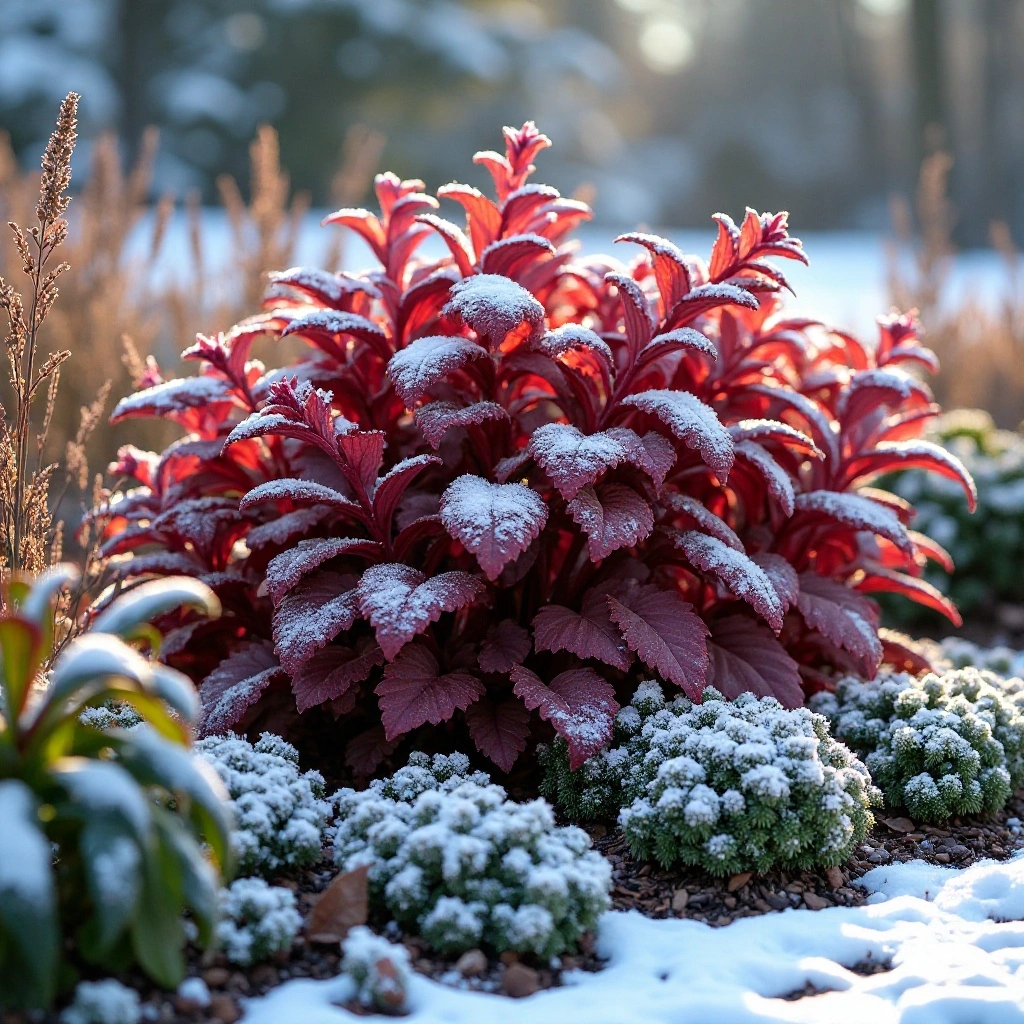
Many coral bells cultivars are semi-evergreen or evergreen in mild climates, providing precious color and structure in the winter garden when most other perennials have completely disappeared. Shop on Amazon
How to Style It:
- Pair with other winter-interest plants: hellebores, evergreen grasses, winterberry holly
- Position near windows or walkways where you can enjoy them in cold months
- Avoid heavy mulching over crowns — it can cause crown rot in wet winters
Where to Use It: Year-round gardens, winter gardens, mild climate landscapes
Pro Tip: In colder zones (Zone 4–5), semi-evergreen varieties will die back but return reliably in spring — mulch lightly to protect the crown.
Common Mistakes to Avoid with Coral Bells
Planting in Full Sun in Hot Climates — In zones 7+, afternoon shade is essential. Full sun scorches leaves and fades color dramatically.
Overwatering or Poor Drainage — Crown rot from waterlogged roots is the number one killer of coral bells. Always ensure well-draining soil.
Planting Too Deep — The crown must sit at or slightly above soil level. Deep planting causes rot and stunted growth.
Ignoring Division — After 3–4 years, divide in spring or fall to rejuvenate the plant and keep the center full.
Choosing Only for Flowers — Heuchera’s real strength is its foliage. Choose primarily for leaf color, texture, and seasonal interest.
Planting All the Same Variety — Mixing even 2–3 complementary varieties adds depth and seasonal interest that one variety alone can’t achieve.
Frequently Asked Questions About Coral Bells
Q: Do coral bells come back every year? Yes! They’re perennials, hardy in USDA zones 4–9, and many are semi-evergreen in mild climates.
Q: How much sun do coral bells need? Partial shade — about 2–4 hours of morning sun. In hot climates (zones 7–9), afternoon shade is essential.
Q: How often should I water coral bells? Once or twice a week during the growing season, allowing slight drying between waterings. Once established, they’re more drought-tolerant.
Q: When should I divide coral bells? Every 3–4 years in early spring or fall, when the center is dying out or the crown is heaving above soil.
Q: Can coral bells grow in containers? Yes — they thrive with good drainage. Water more frequently than in-ground plants, as containers dry out faster.
Q: What are the best coral bells for full shade? ‘Lime Rickey’, ‘Obsidian’, ‘Amber Waves’, and ‘Frosted Violet’ all perform well in deeper shade.
Q: Are coral bells deer resistant? Generally yes — a mild toxicity makes them unappealing to deer, though no plant is completely deer-proof.
Q: Why are my coral bells losing their color? Too much shade, overly rich soil, or heat stress. Check light levels and soil nutrition first.
Final Thoughts
Coral bells are one of the garden world’s most underestimated treasures. With 20 ideas to inspire you — from moonlight gardens to rock garden designs, pollinator plantings to elegant urn arrangements — there’s truly no limit to what you can create with Heuchera.
Start with two or three ideas that match your space and style, choose varieties suited to your climate zone, and let these remarkable plants do what they do best: deliver year-round beauty with surprisingly little fuss.
Ready to start planting? Save this guide, generate your inspiration images using the prompts above, and let your garden’s transformation begin.