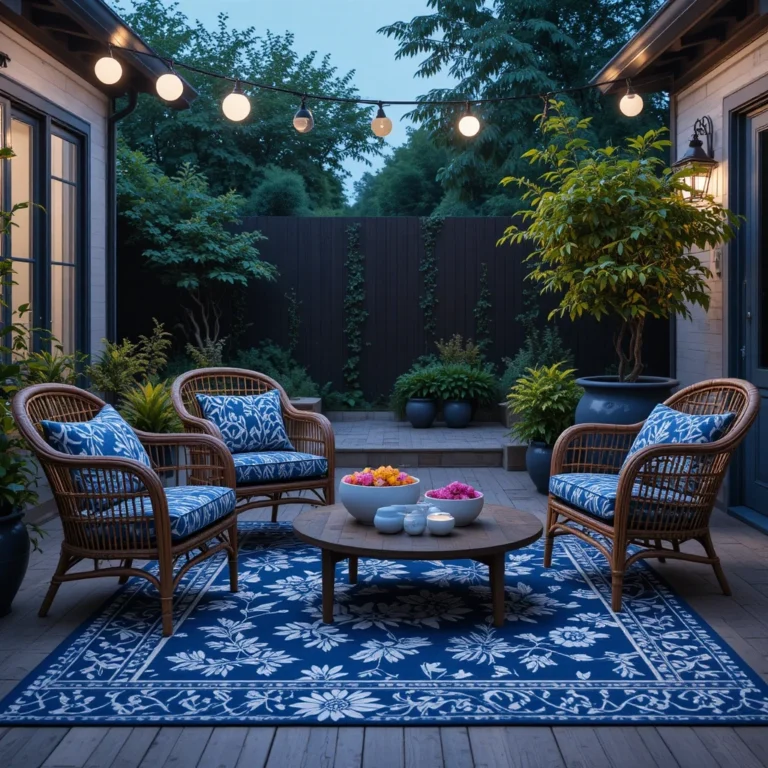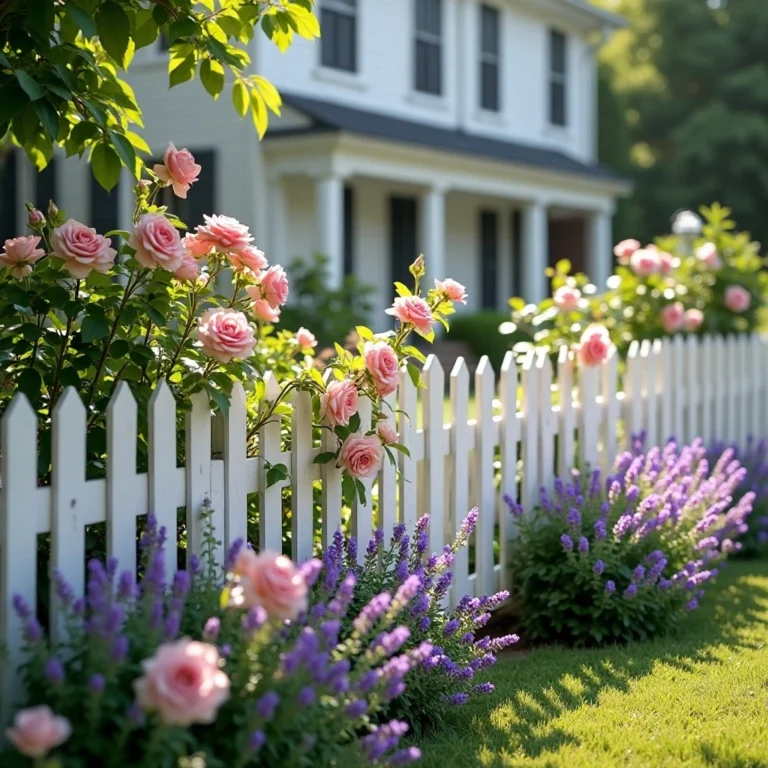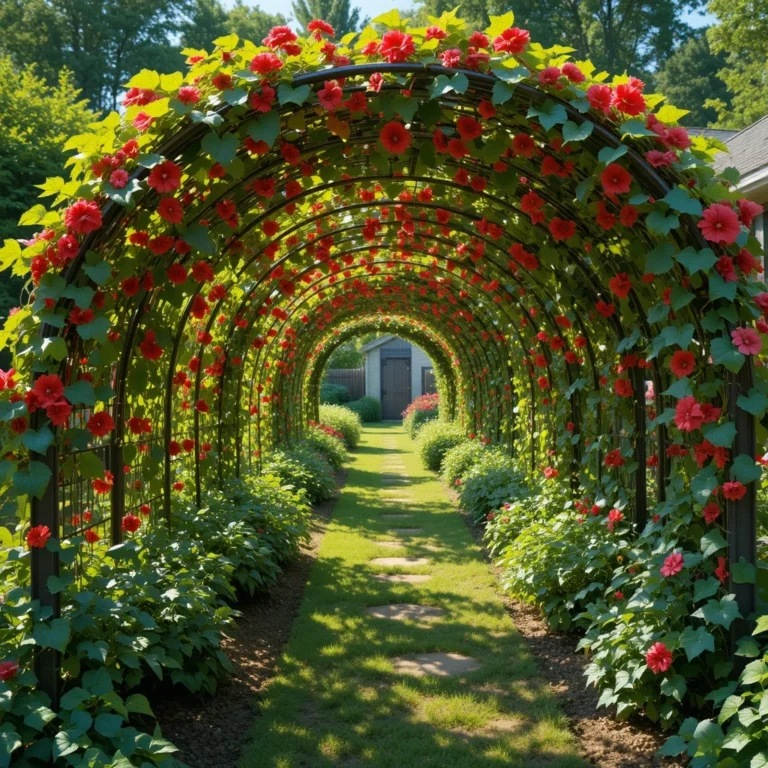
10+ Covered Patio Ideas for Stylish Outdoor Living
Dreaming of an outdoor space that’s both functional and beautiful? Whether you’re sipping morning coffee, hosting weekend dinners, or simply escaping the sun, a covered patio is the ultimate upgrade for any home. The right cover doesn’t just protect you from the elements — it defines your entire outdoor living experience.
In this guide, we’ve curated 12 stunning covered patio ideas, each with real design tips, image generation prompts, and pro insights so you can visualize, plan, and build your perfect space. From sleek pergolas to rustic wood beams, there’s an idea here for every style and budget.
1. Classic Wood Pergola
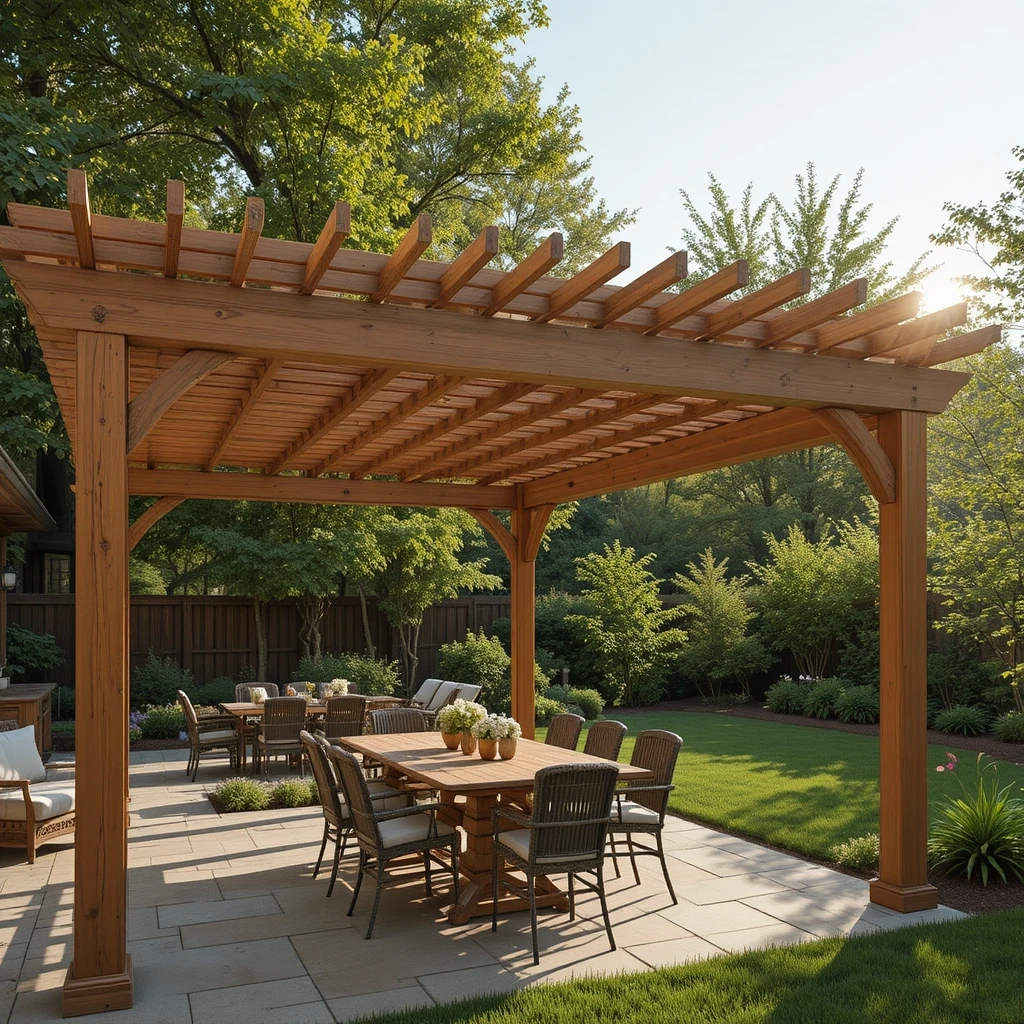
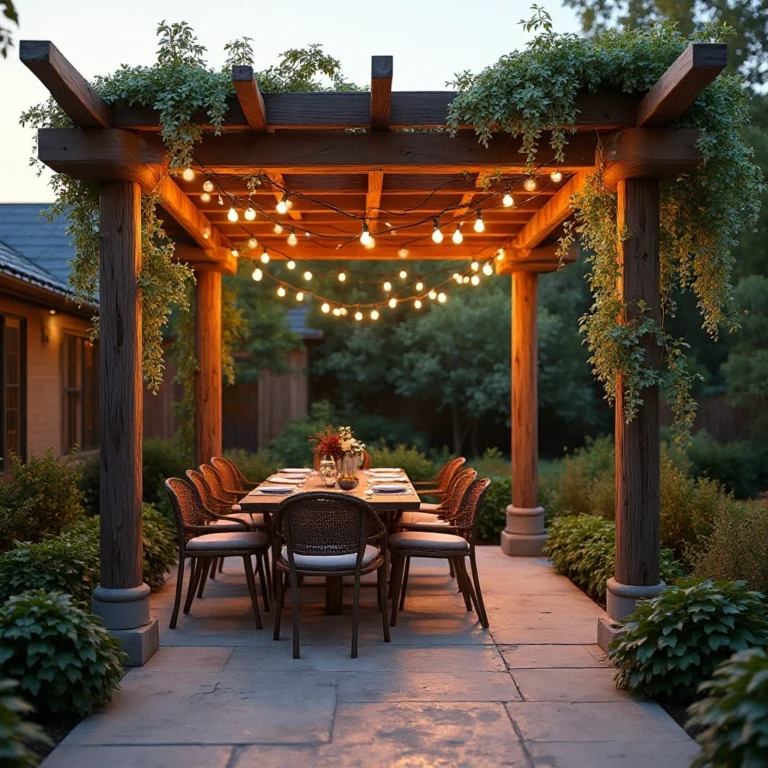
A timeless structure that never goes out of style. The classic wood pergola is the most loved covered patio solution for a reason — it blends warmth, craftsmanship, and just the right amount of shade. Built with stained or natural timber beams, it creates an open-lattice ceiling that filters sunlight beautifully throughout the day.
Perfect for homeowners who want character without sacrificing openness, the wood pergola anchors any outdoor space while giving you full freedom to dress it up with curtains, climbing plants, string lights, or outdoor furniture. It’s a blank canvas that grows with your taste. Shop on Amazon
How to Style It:
- Hang outdoor curtains from the beams for added privacy and a soft romantic look
- Add a ceiling fan to the center beam for airflow on hot days
- Use climbing roses or ivy to grow along the sides naturally
- Place a large farmhouse dining table and mismatched chairs underneath
- Install Edison bulb string lights along the beams for evening ambiance
Where to Use It:
Backyard dining areas, garden party spaces, pool surrounds, large suburban yards.
Pro Tip: Use pressure-treated cedar or redwood — both are naturally rot-resistant and hold stain beautifully for decades. Seal it every 2–3 years to preserve the color.
2. Modern Aluminium Pergola
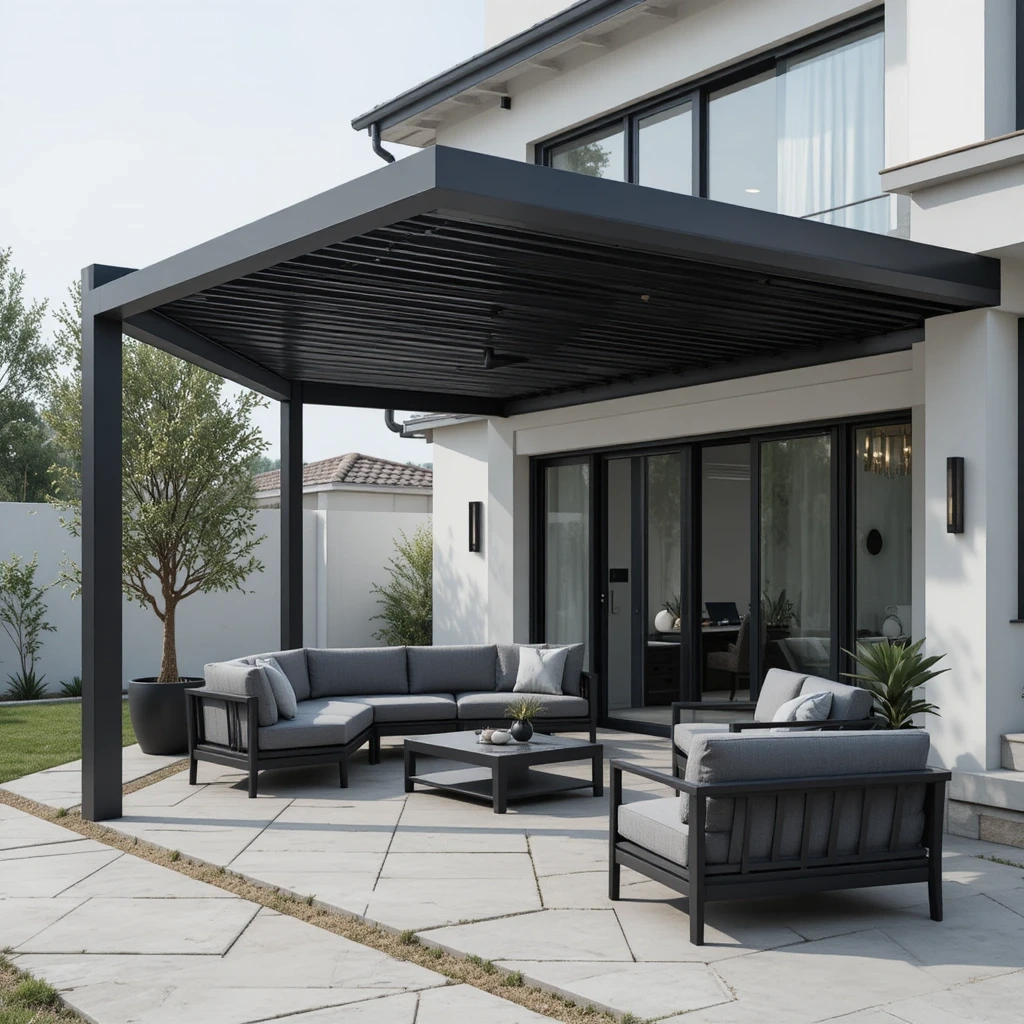
Sleek, low-maintenance, and built for the long haul. The modern aluminium pergola has surged in popularity because it delivers a contemporary aesthetic with virtually zero upkeep. Powder-coated in matte black, white, or warm grey, it becomes a sharp architectural feature of your home’s exterior.
Unlike wood, aluminium won’t warp, rot, or need annual sealing. It handles rain, UV rays, and humidity without complaint — making it ideal for coastal or humid climates. Pair it with clean-lined furniture and concrete planters for a magazine-worthy result. Shop on Amazon
How to Style It:
- Choose matte black frames with light-toned concrete or stone pavers for maximum contrast
- Add integrated LED strip lights inside the beams for a built-in glow effect
- Use large rectangular planters with architectural plants like ornamental grasses or agave
- Hang a weather-resistant pendant light as a focal point
- Pair with a minimalist modular sofa set in charcoal or cloud-grey
Where to Use It:
Modern and contemporary homes, narrow side yards, rooftop terraces, new-build properties.
Pro Tip: Look for aluminium pergolas with a built-in drainage channel system — rainwater routes through hollow posts instead of dripping on your furniture.
3. Retractable Awning Patio
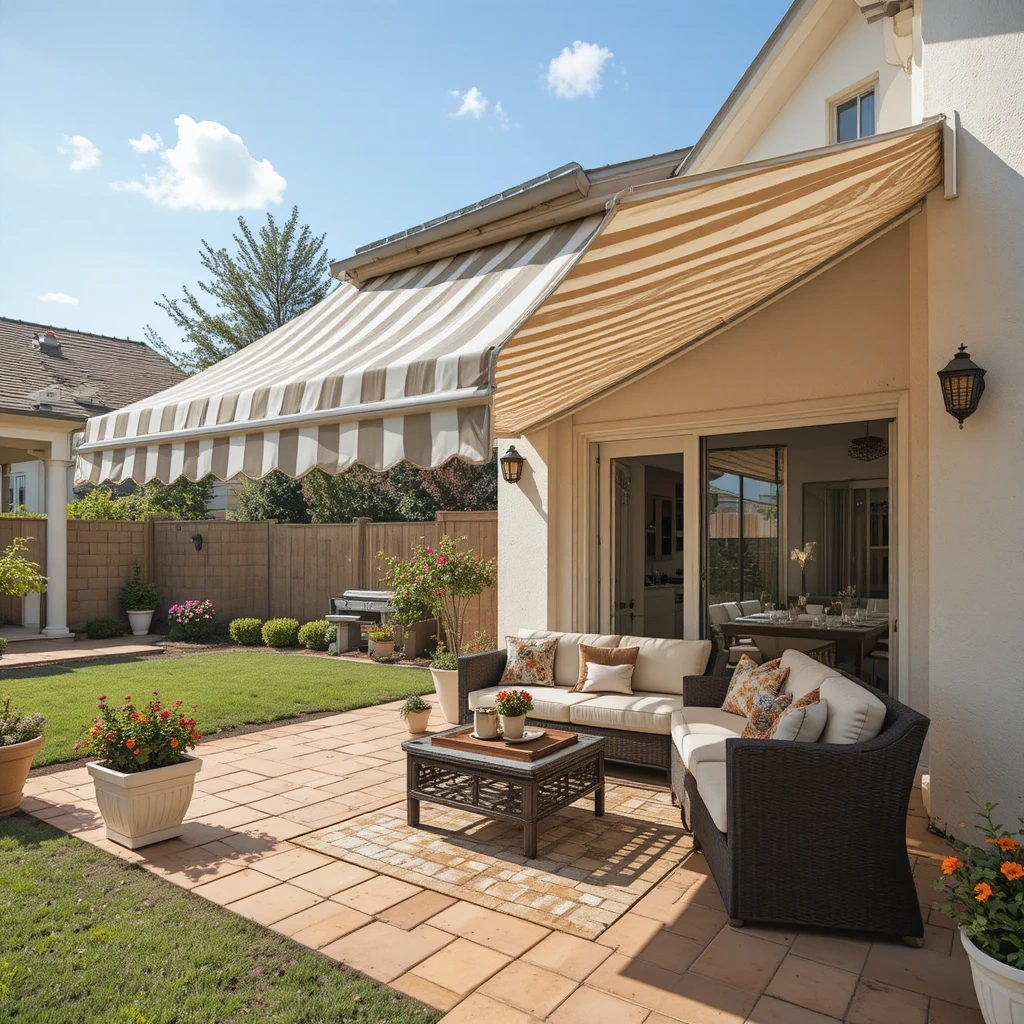
The ultimate flexibility: sun when you want it, shade when you need it. A retractable awning is the smart choice for patios where weather is unpredictable or you love the option to go from open sky to shaded retreat at the push of a button. Motorized versions can even retract automatically when wind sensors detect a gust.
Available in dozens of fabric colors and patterns, a retractable awning can be a design statement in itself. Stripes, solids, earthy tones — the awning sets the color mood for your entire outdoor area. It extends your usable outdoor time dramatically, particularly in spring and summer. Shop on Amazon
How to Style It:
- Choose a fabric tone that complements your home’s exterior paint color
- Add outdoor rugs and poufs beneath to define the ‘room’ under the awning
- Use wall-mounted planters on the house wall to frame the space beautifully
- Position a bistro table and chairs near the edge for a café-style corner
- Install an outdoor speaker under the awning for a complete entertainment setup
Where to Use It:
Attached patios, townhouses, apartments with balconies, homes with large back doors or bifold windows.
Pro Tip: Always opt for solution-dyed acrylic fabric (Sunbrella is the gold standard). It resists fading, mildew, and staining far better than polyester alternatives.
4. Solid Roof Patio Cover
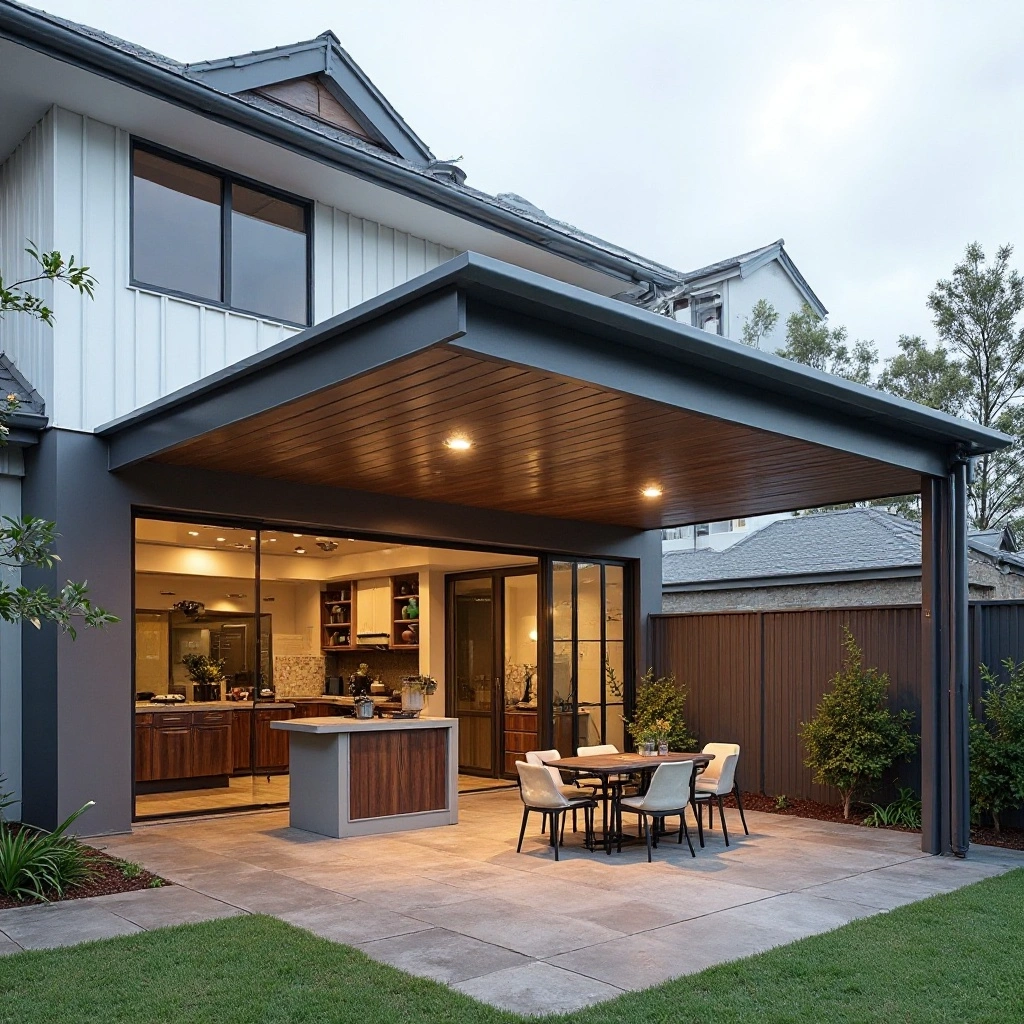
Rain or shine, you’re outside. A solid roof patio cover is the most weather-proof option on this list — essentially a permanent extension of your home’s roofline. Built from materials like Colorbond steel, corrugated iron, timber decking, or even terracotta tiles, it creates a true outdoor room you can enjoy year-round.
It also significantly increases your home’s value and usable square footage. Builders and architects often describe a solid patio cover as one of the best return-on-investment additions to any residential property. Add some exterior walls or screens and it becomes a full outdoor living room. Shop on Amazon
How to Style It:
- Install ceiling fans and recessed downlights for a fully functional living space
- Use composite timber look decking under foot for warmth against a steel roof
- Add outdoor blinds or screens to the open sides for wind and rain protection
- Build in an outdoor kitchen or BBQ bench along one wall
- Use potted palms or bamboo screening to soften the structural look
Where to Use It:
Homes in rainy or tropical climates, outdoor kitchens, large entertaining areas, alfresco dining spaces.
Pro Tip: Match the roof pitch and material to your existing home roofline so the patio cover looks like an intentional architectural extension, not an afterthought.
5. Sail Shade Canopy Patio
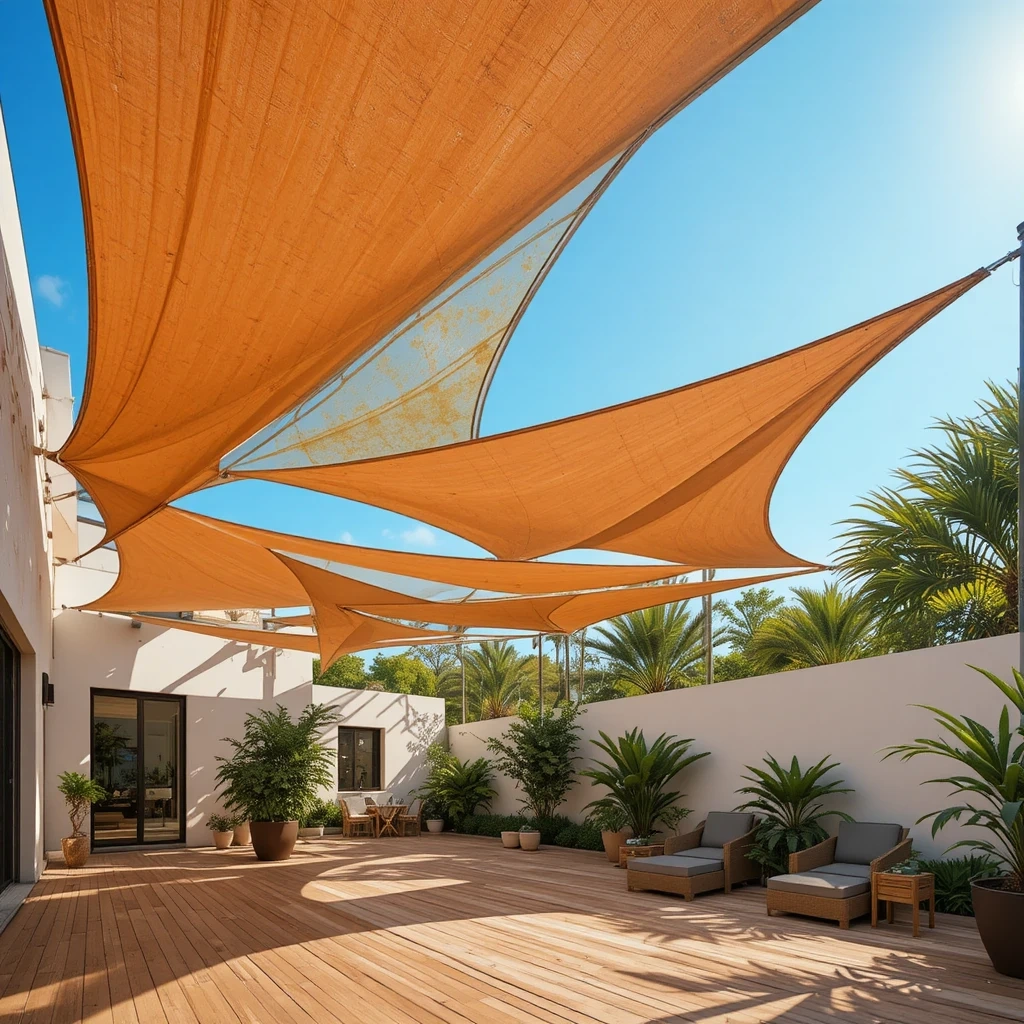
Sculptural, modern, and surprisingly effective. Shade sails have moved far beyond the plain triangles of the early 2000s. Today’s shade canopy designs layer multiple panels at different angles and heights, creating a dynamic, almost architectural overhead feature. They block 90–98% of UV rays while allowing air to flow freely. Shop on Amazon
They’re also one of the most affordable covered patio options available. A set of quality shade sails can transform a plain concrete slab into a stylish, sun-protected retreat for a fraction of the cost of a pergola or awning. Change them seasonally for a fresh look with minimal effort.
How to Style It:
- Layer two or three sails at varying heights and angles for visual depth
- Choose UV-stabilized HDPE fabric in earthy neutrals — sand, rust, terracotta, or olive green
- Mount sails to steel posts anchored in concrete for maximum tension and stability
- Place a hammock or hanging chair in the shaded zone for a resort feel
- Use large tropical planters (bird of paradise, monstera) as natural companions
Where to Use It:
Courtyards, pool areas, rooftop terraces, playgrounds, rental properties.
Pro Tip: Tension is everything with shade sails — a slack sail will collect water, tear at the attachment points, and look sloppy. Always install with tight, even tension across all corners.
6. Wisteria & Vine-Covered Pergola
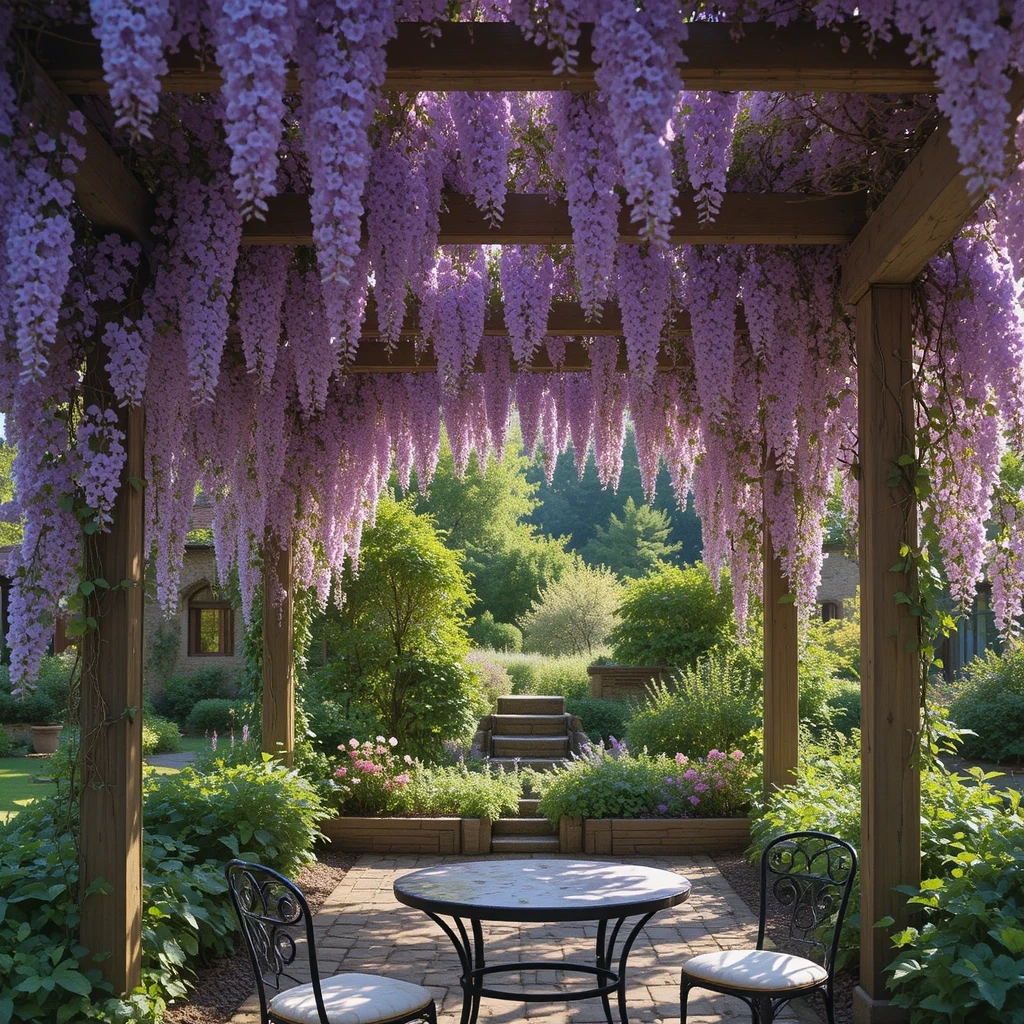
Nature’s own canopy — breathtaking when in bloom. A vine-covered pergola is one of the most romantic and photogenic outdoor spaces you can create. Wisteria, jasmine, bougainvillea, and climbing roses all transform a bare timber structure into a living, fragrant archway that improves with every passing season. Shop on Amazon
Patience is required — most climbers take 2–4 years to fully cover a pergola, but the result is extraordinary. In full bloom, a wisteria pergola becomes a destination in itself. It also provides dense natural shade and acts as a cooling microclimate for the area beneath it.
How to Style It:
- Plant wisteria or jasmine at each corner post and train them upward with wire guides
- Combine a fast-growing annual (like passionflower) with slower climbers to fill gaps in year one
- Use vintage or wrought iron furniture to match the romantic, organic aesthetic
- Add lanterns or candles beneath the vines for magical evening atmosphere
- Underplant with lavender, rosemary, or roses for a cohesive cottage garden feel
Where to Use It:
Cottage-style homes, garden walkways, private dining nooks, English or Mediterranean garden styles.
Pro Tip: Wisteria is vigorous — wonderfully so. Prune it twice a year (summer and late winter) to keep it manageable and to encourage more prolific flowering on the spurs.
7. Bioclimatic Louvered Pergola
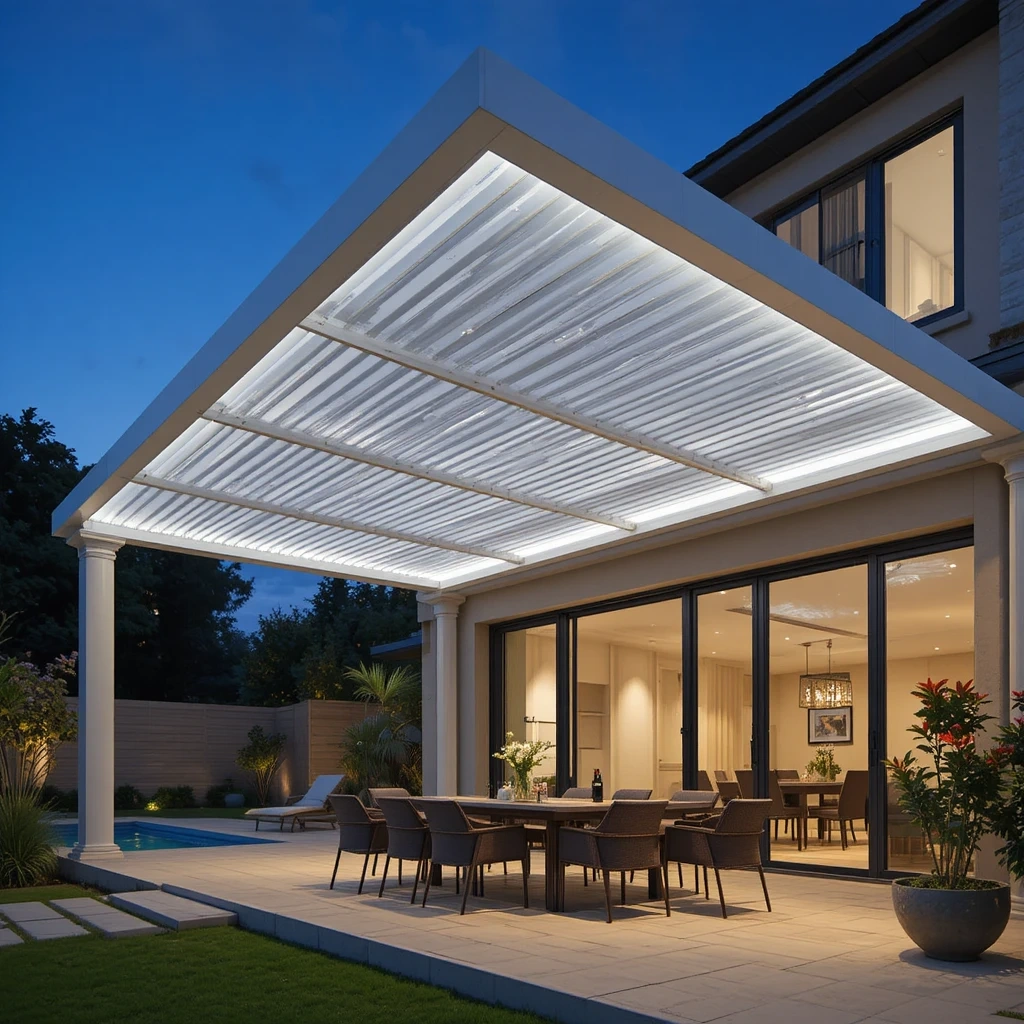
The pinnacle of outdoor technology. A bioclimatic louvered pergola features adjustable aluminium slats (louvers) that rotate up to 160 degrees via a remote or smartphone app. Tilt them open for sun, close them against rain, or angle them to direct airflow exactly where you want it. Some models integrate LED lighting, retractable screens, and heating strips directly into the structure. Shop on Amazon
This is the premium choice for serious outdoor entertainers who want a fully functional outdoor room that performs in any season. It’s an investment — but nothing else comes close to its versatility, weather resistance, and wow factor.
How to Style It:
- Pair with retractable side screens for a fully enclosed outdoor room in winter
- Use the integrated LED system in the louvers as your primary evening lighting source
- Choose white or warm grey powder-coat to keep the look crisp and architectural
- Position a linear fire pit or outdoor heater beneath for all-season use
- Furnish with weather-resistant luxury pieces — teak, powder-coated steel, or HDPE wicker
Where to Use It:
High-end homes, hospitality venues, coastal properties, year-round entertaining spaces.
Pro Tip: Brands like Vergola, Louvretec, and Renson lead the market in quality. Request a wind-rated certification for your local zone before purchasing — cheaper models fail in strong gusts.
8. Rustic Farmhouse Porch Cover
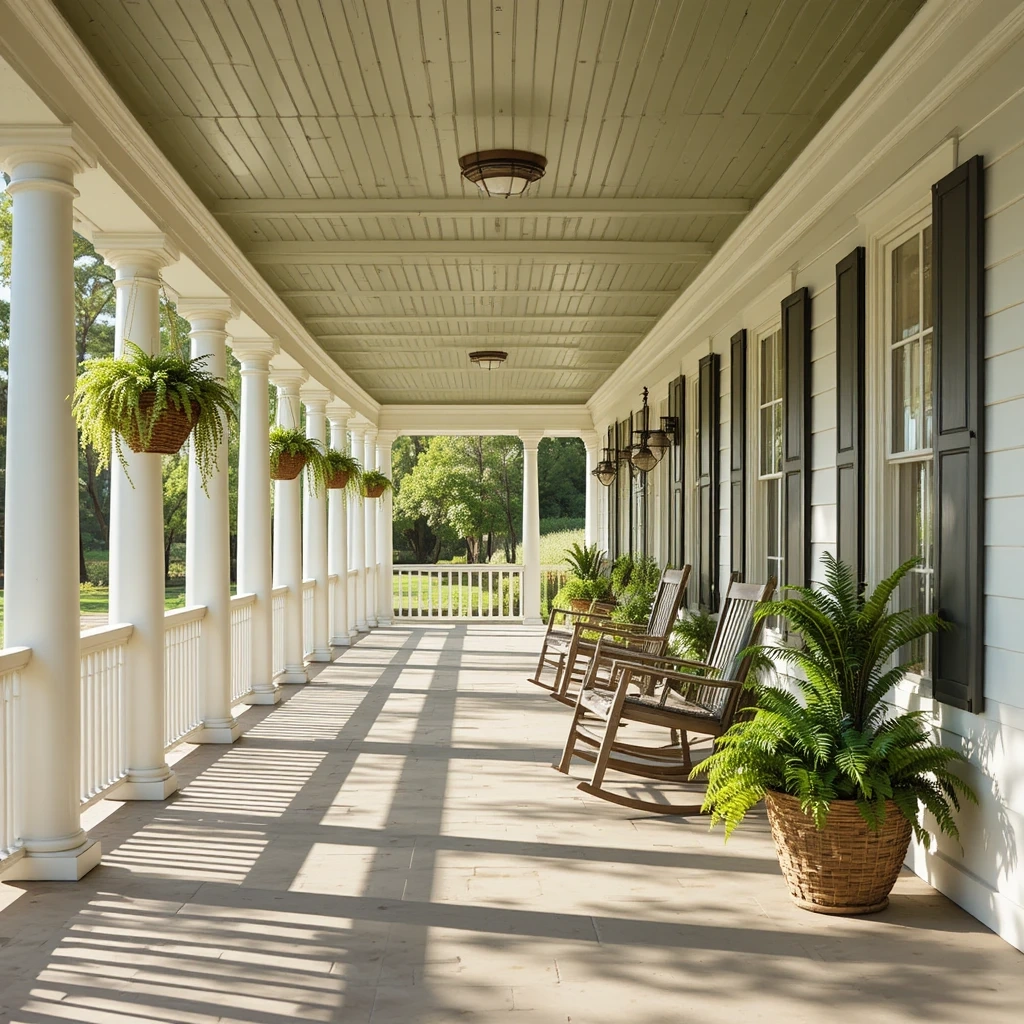
Warm, welcoming, and dripping with character. The farmhouse porch is an American classic — wide wraparound, or front-facing, covered by a gabled timber roof with exposed rafter tails, chunky posts, and a painted timber ceiling. It’s as inviting as a cup of sweet tea on a hot afternoon and works beautifully on both traditional and modern farmhouse exteriors. Shop on Amazon
The key to nailing this look is in the details: shiplap ceilings painted in pale blue or sage green (a Southern tradition for warding off insects), wide plank floors, and rocking chairs. Get these right and you’ve built a porch that tells a story.
How to Style It:
- Paint the porch ceiling haint blue or soft sage green for an authentic Southern farmhouse look
- Use wide-plank composite decking in a weathered grey or warm cedar tone for the floor
- Add rocking chairs, a porch swing, and a woven rug for classic layered comfort
- Hang potted ferns in baskets from the ceiling joists for lush greenery
- Frame the entrance with matching potted topiaries or lanterns on tall posts
Where to Use It:
Farmhouse-style homes, country properties, front porches, Southern-style architecture.
Pro Tip: Tongue-and-groove ceiling boards painted in a pale sky blue aren’t just pretty — they genuinely deter insects like mud daubers and wasps from nesting on the porch ceiling.
9. Polycarbonate Roof Patio
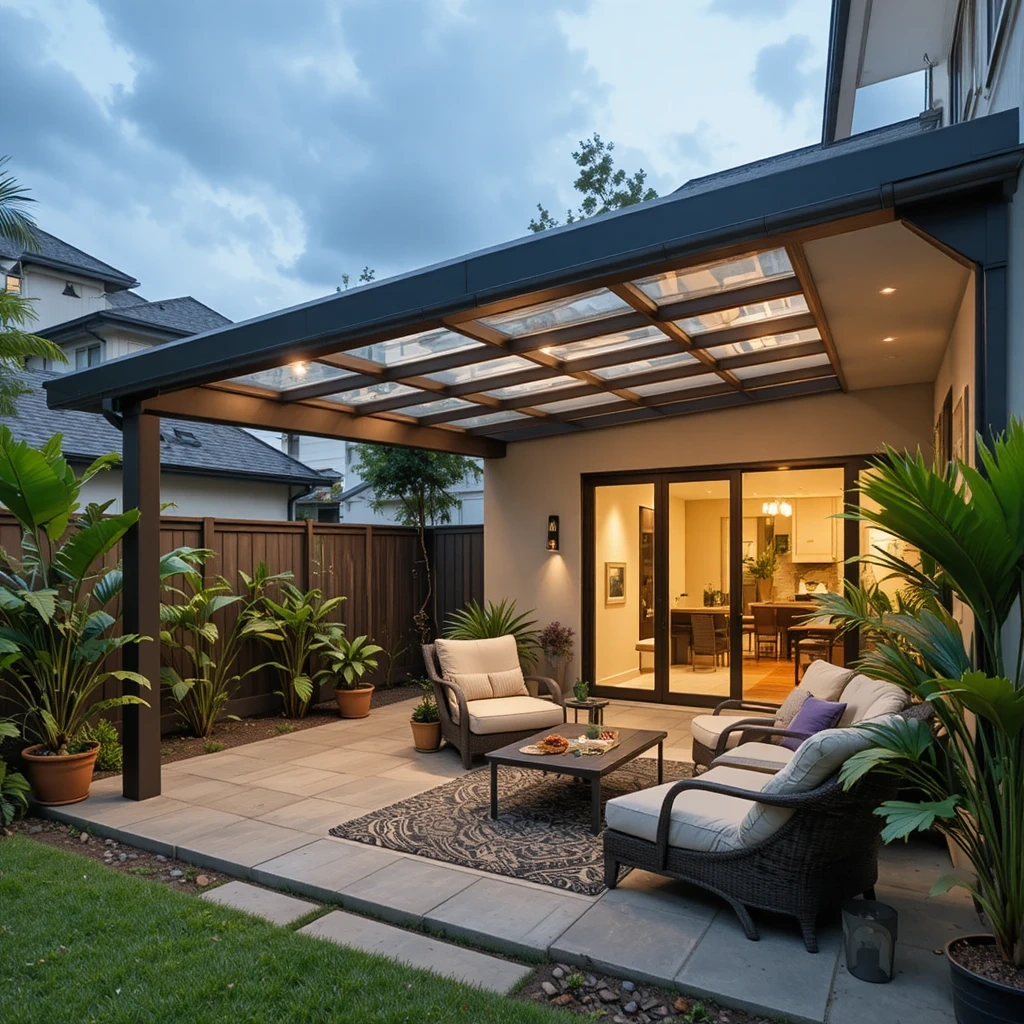
Maximum light, maximum weather protection. A polycarbonate roof patio cover is the ideal middle ground between a fully open pergola and a solid roof — it lets natural light flood in while keeping rain out completely. The multi-wall polycarbonate panels also provide excellent UV filtering (up to 99%) and some thermal insulation. Shop on Amazon
It’s one of the most cost-effective permanent covers available, and DIY-friendly enough for competent home improvers. Clear, bronze, opal, and tinted options let you control how much light and heat enters the space beneath — a critical consideration in hot climates.
How to Style It:
- Use opal or bronze-tinted panels to reduce glare and create a softer light quality beneath
- Edge the structure with climbing plants to soften the industrial feel of the roof panels
- Install pendant lights or a ceiling fan for evening use and hot day comfort
- Choose a tiled or composite timber floor to complement the bright, airy atmosphere
- Add privacy screening on one or two sides with laser-cut metal or timber battens
Where to Use It:
Attached patios, garden rooms, rear extensions, wet climates where light is precious.
Pro Tip: Twin-wall or multi-wall polycarbonate panels outperform single-layer sheet significantly — they’re stronger, better insulated, and muffle rain noise dramatically (a key complaint with cheap polycarbonate roofing).
10. Bohemian String Light Canopy
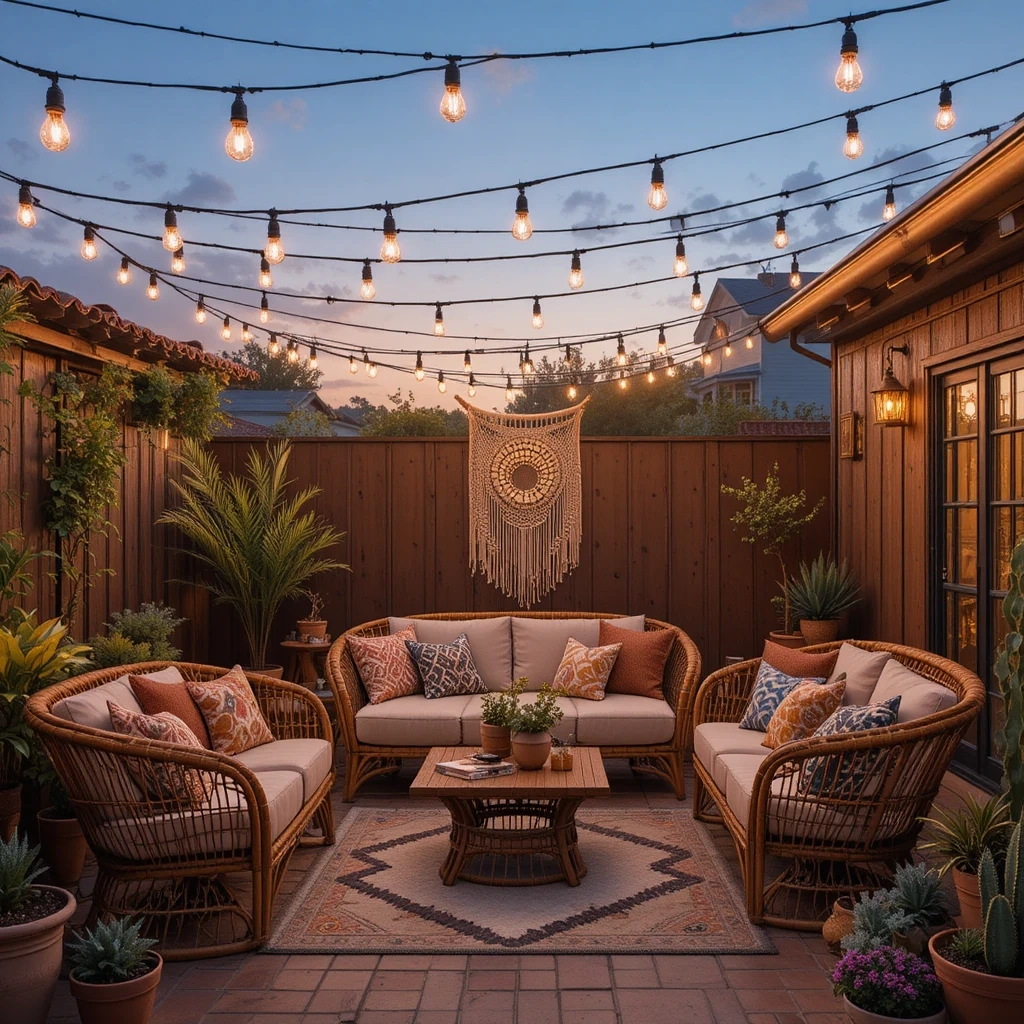
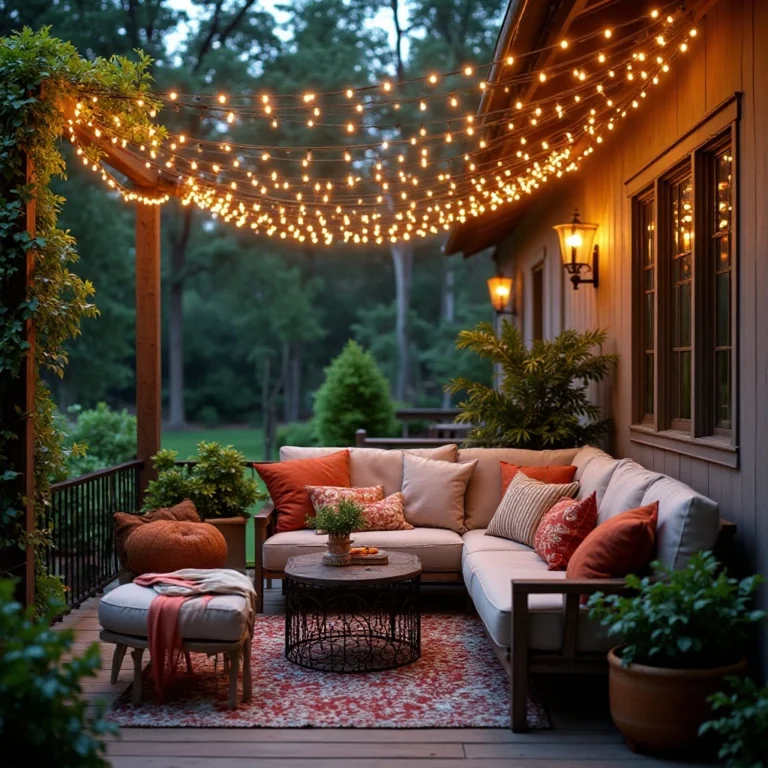
Dreamy, budget-friendly, and endlessly customizable. The boho string light canopy uses weatherproof Edison bulbs or fairy lights stretched across an overhead frame or wire grid to create a magical glowing ceiling. It doesn’t provide rain cover, but as a shade-and-atmosphere solution, nothing matches its warmth and charm for entertaining. Shop on Amazon
Layer it with fabric drapes, macramé wall hangings, rattan furniture, and an outdoor rug and you’ll have a patio space that feels like a hidden outdoor lounge. Perfect for renters or those who want transformation on a tight budget without drilling into walls or laying concrete.
How to Style It:
- String lights in a tight grid pattern from 4 anchor points — posts, pergola beams, or wall hooks
- Layer with sheer outdoor curtains or fabric panels for a canopy-within-a-canopy feel
- Use mismatched vintage or rattan furniture with colorful patterned cushions
- Add floor cushions, low poufs, and a Moroccan lantern cluster for a festival vibe
- Plant trailing vines (pothos, creeping fig) in hanging pots along the light grid
Where to Use It:
Rental homes, small urban courtyards, apartment balconies, garden party spaces.
Pro Tip: Use outdoor-rated Edison bulbs (IP44 or higher) and a proper waterproof string light strand — never repurpose indoor fairy lights outdoors. Invest in a smart plug so you can schedule or dim your lights with a phone app.
11. Gazebo-Style Covered Patio
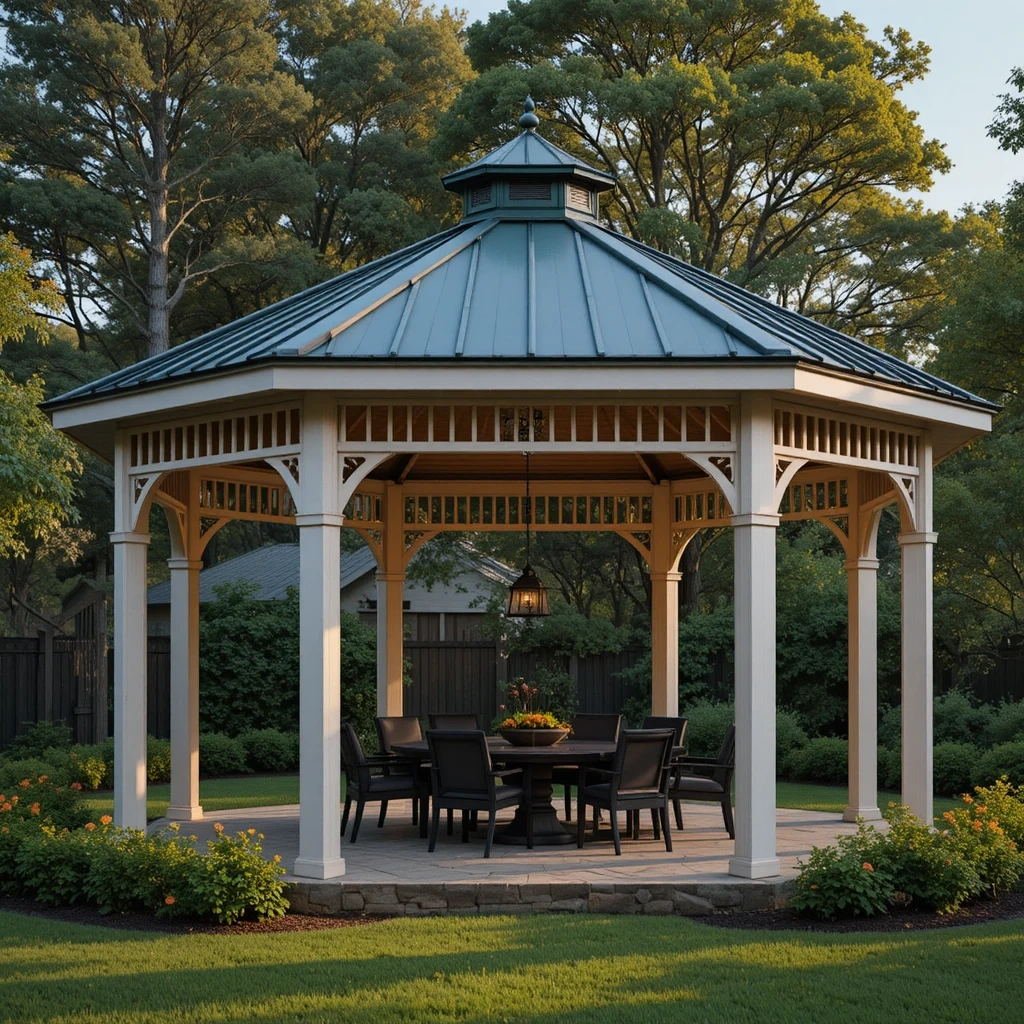
A standalone focal point that anchors your entire backyard. A gazebo-style patio cover is a freestanding structure — usually octagonal or rectangular — with a peaked or hipped solid roof, decorative posts, and often integrated railings or lattice screens. It creates a defined outdoor room within the garden, perfect as a dining pavilion, spa surround, or relaxation retreat. Shop on Amazon
Gazebos work brilliantly as a second entertaining zone away from the house — ideal for large properties where you want to draw guests deeper into the garden. Modern flat-roof gazebo styles are also popular for a more contemporary take on the classic form.
How to Style It:
- Hang outdoor curtains from all sides for privacy and to control wind
- Use large-scale lighting — a chandelier or statement pendant — hung from the peak
- Define the interior with an outdoor rug and a full dining or lounge set
- Edge the exterior with low hedging or flowering plants for a finished garden look
- Wrap the posts with fairy lights or install solar-powered accent lighting at the base
Where to Use It:
Large backyard gardens, pool areas, wedding venues, spa or hot tub surrounds.
Pro Tip: If using a gazebo as a permanent structure, anchor it properly to a concrete footing — wind can lift unsecured freestanding gazebos with alarming ease, even in moderate gusts.
12. Industrial Steel & Glass Patio
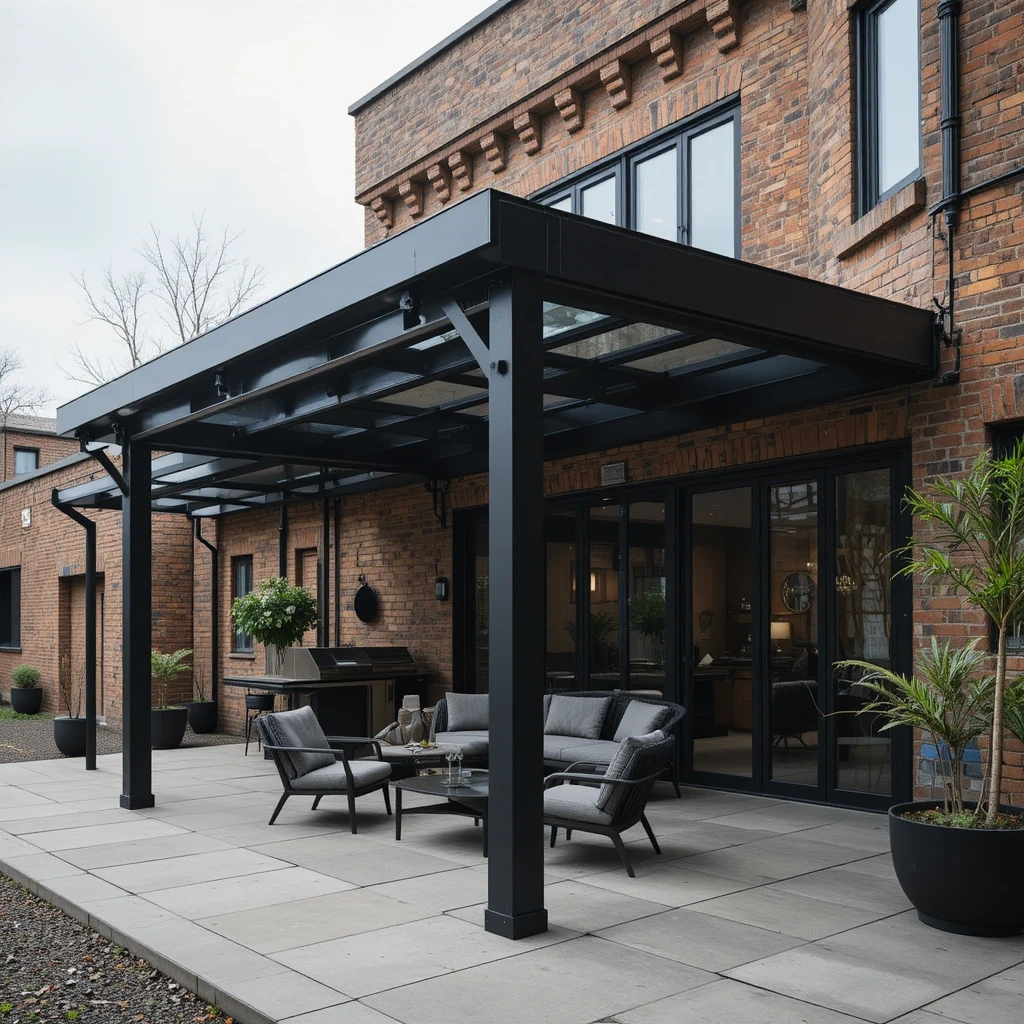
Architecture-grade outdoor living. The industrial steel and glass patio cover is bold, graphic, and completely uncompromising in its aesthetic. Black powder-coated steel frames hold panels of tempered safety glass, creating a fully weatherproof cover that maintains a seamless view of the sky above. It feels like bringing an interior room outside. Shop on Amazon
This design choice signals real architectural intent — and it pairs flawlessly with concrete floors, exposed brick walls, and statement furniture. It’s found at the top end of residential renovations and increasingly used in restaurants and hospitality as an all-weather terrace solution.
How to Style It:
- Pair with a polished concrete or large-format porcelain tile floor for cohesion
- Use matte black steel light fixtures — cage pendants or architectural spotlights
- Furnish with dark leather, stone, or metal furniture for an editorial look
- Add a wall-mounted gas fireplace or bioethanol burner for warmth and drama
- Keep plants structural — fiddle leaf figs, olive trees, or architectural cacti
Where to Use It:
Contemporary and industrial-style homes, rooftop terraces, urban townhouses, commercial hospitality.
Pro Tip: Use self-cleaning glass panels — the photocatalytic coating breaks down organic deposits in sunlight and rain rinses them away. In a covered-but-open environment, this keeps your glass roof looking spotless year-round.
Quick Reference: Covered Patio Ideas at a Glance
| Style | Best For | Maintenance | Approximate Cost |
|---|---|---|---|
| Classic Wood Pergola | Traditional & cottage homes | Medium | $$ |
| Modern Aluminium Pergola | Contemporary homes | Low | $$$ |
| Retractable Awning | Flexible shade needs | Low–Medium | $$ |
| Solid Roof Cover | Year-round outdoor living | Low | $$$$ |
| Sail Shade Canopy | Budget-friendly modern look | Low | $ |
| Vine-Covered Pergola | Cottage & garden lovers | Medium (pruning) | $$ |
| Bioclimatic Louvered | Luxury all-season outdoor rooms | Low | $$$$$ |
| Farmhouse Porch Cover | Traditional farmhouse style | Medium | $$$ |
| Polycarbonate Roof | Wet climates needing light | Low | $$ |
| Boho String Light Canopy | Renters & low-budget makeovers | Very Low | $ |
| Gazebo-Style | Standalone garden retreats | Low–Medium | $$$ |
| Industrial Steel & Glass | Architectural modern homes | Low | $$$$$ |
Common Mistakes to Avoid
1. Skipping the Building Permit Many permanent patio covers require a council or city permit. Skipping this step can lead to fines, forced removal, or complications when selling your home. Always check local building regulations before you build.
2. Choosing the Wrong Size A patio cover that’s too small feels cramped and leaves furniture in the sun or rain. As a rule of thumb: your covered area should comfortably fit your furniture with at least 1 metre of clearance on all sides.
3. Ignoring Drainage Flat or low-pitch roofs that drain toward the house can cause water pooling, rot, and even foundation issues. Always ensure slope drains away from the structure and towards an appropriate drainage point.
4. Buying the Cheapest Materials Outdoor structures endure years of UV exposure, temperature swings, rain, and wind. Cheap materials — thin steel, low-grade timber, unrated fabric — fail quickly and cost more to replace than they saved initially.
5. Forgetting About Lighting Most covered patios are used well into the evening. Designing the space without a lighting plan is a common regret. Plan conduit and power points during construction — retrofitting is always harder and more expensive.
6. Not Considering Wind Direction Open-sided covered patios can become wind tunnels depending on your site’s prevailing wind. Visit the space at different times of day before committing to a layout and add screens on the windward side if necessary.
7. Planting Aggressive Climbers on Lightweight Structures Wisteria and bougainvillea are beautiful but incredibly heavy once established. A pergola that isn’t engineered to handle that load can bow, split, or collapse. Make sure your structure is rated for the plant you intend to grow.
Frequently Asked Questions
Q: What is the cheapest covered patio option? Shade sails and bohemian string light canopies are the most affordable starting points — quality shade sail kits start from as little as $80–$200 for a medium-sized panel. A full DIY string light canopy can be done for under $150.
Q: Do I need a permit for a covered patio? In most countries and municipalities, any permanent structure — pergola, solid roof, or gazebo attached to or close to the house — requires a planning or building permit. Temporary or freestanding structures under a certain size are often exempt. Always verify with your local authority before building.
Q: Which covered patio material lasts the longest? Powder-coated aluminium and steel have the best longevity with the least maintenance, often lasting 25–40 years without significant deterioration. High-quality treated timber is a close second at 15–25 years with proper sealing. Fabric options (awnings, shade sails) have shorter lifespans of 5–15 years depending on quality.
Q: Can I add a covered patio to a rental property? If you rent, permanent structures are generally not allowed without landlord approval. However, freestanding options like shade sails with removable posts, string light canopy frames, and freestanding gazebos can often be installed and removed without damage — making them renter-friendly choices.
Q: What is a bioclimatic pergola? A bioclimatic pergola has adjustable louvered aluminium slats that can be tilted open or closed, allowing you to control sun, shade, ventilation, and rain protection from a remote or app. They are the premium tier of pergola technology and are popular for serious outdoor entertainers and hospitality venues.
Q: How do I maintain a wood pergola? Sand lightly every 2–3 years, clean with a mild timber cleaner, and reapply a quality timber oil or stain. Inspect annually for signs of rot, especially at post bases where they meet the ground or concrete footing. Elevating posts on steel post-bases rather than setting them directly in concrete extends their life significantly.
Q: Which covered patio is best for a small backyard? Retractable awnings, shade sails, and wall-mounted pergolas are the best choices for small spaces — they don’t require freestanding posts that eat into limited floor area. Vertical gardens and wall-mounted planters can add greenery without sacrificing square footage.
Q: How can I make my covered patio cozy? Layering is the secret: start with a large outdoor rug to define the zone, add comfortable weather-resistant cushions, install warm-toned lighting (Edison bulbs or warm LEDs), and bring in plants at varying heights. An outdoor heater or fire pit for cooler evenings makes the space genuinely four-season cozy.
Final Thoughts
A covered patio ideas is one of the most rewarding investments you can make in your home — it adds living space, improves daily quality of life, and increases property value all at once. Whether you’re drawn to the romance of a vine-covered pergola, the practicality of a solid roof cover, or the high-tech elegance of a bioclimatic louvered system, the perfect solution exists for your style, climate, and budget.
Use the image generation prompts in this guide to visualize your ideas before committing — seeing your concept rendered in a realistic image is the fastest way to confirm you’re on the right track. Then work with a local builder or landscape designer to bring it to life.
Your perfect outdoor retreat is closer than you think.