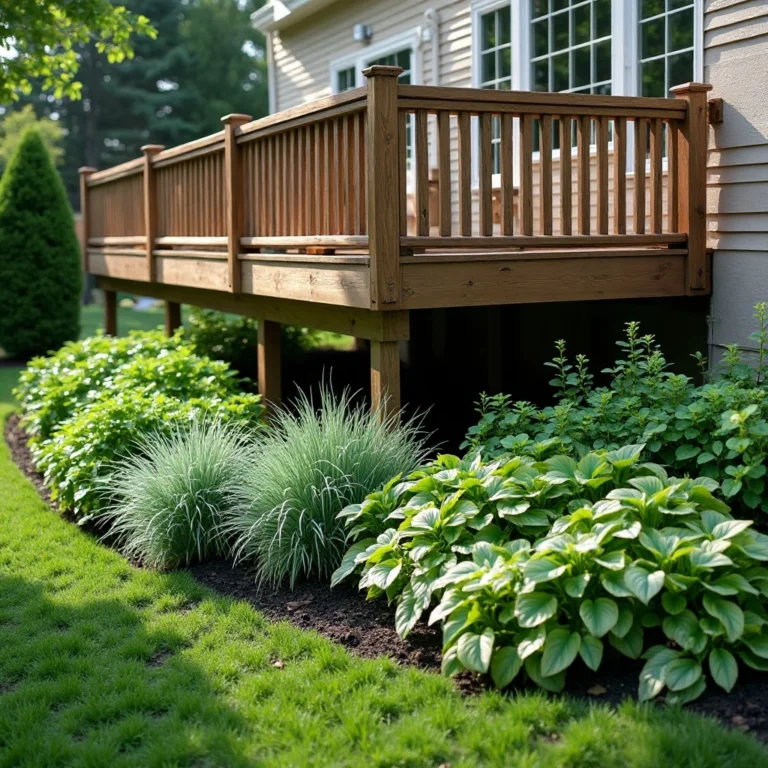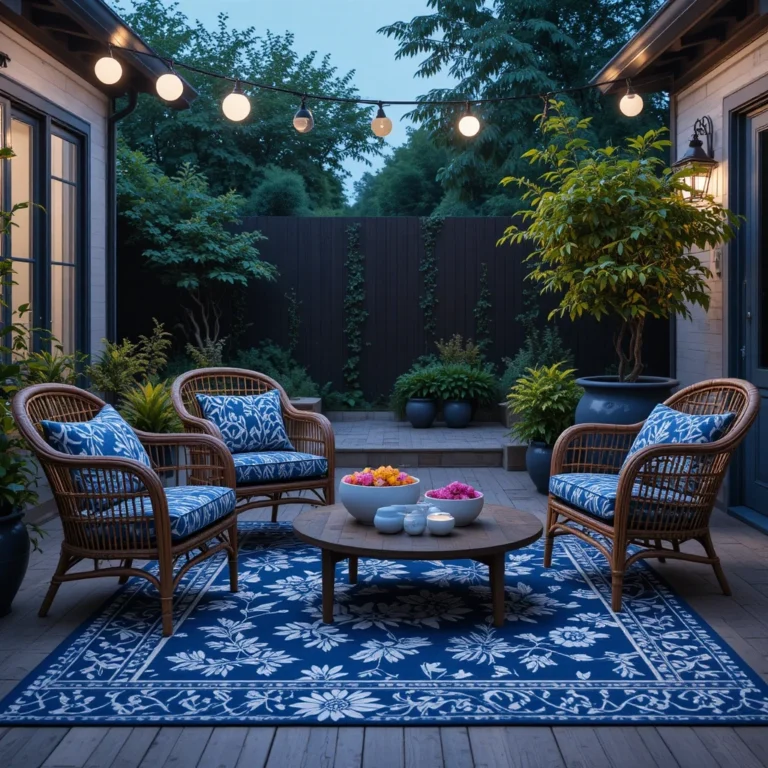
17 Deck Colors ideas Paint to Transform Your Outdoor Space
Your deck is the first outdoor space your guests experience — it sets the tone for every gathering, every summer morning, and every evening spent outside. The color you choose isn’t just aesthetic. It affects how hot the surface gets, how visible dirt and wear is, how your furniture looks against it, and how your entire property photographs.
This guide covers 17 deck colors ideas Paint, each with its own character, purpose, and personality. Whether you’re after timeless elegance, bold drama, coastal calm, or Zen minimalism — there’s a perfect deck color here for you.
1. Classic Teak Brown
Warm, Natural & Timeless
Color Palette: #8B6914 · #A0793D · #C4956A · #E8D5BC
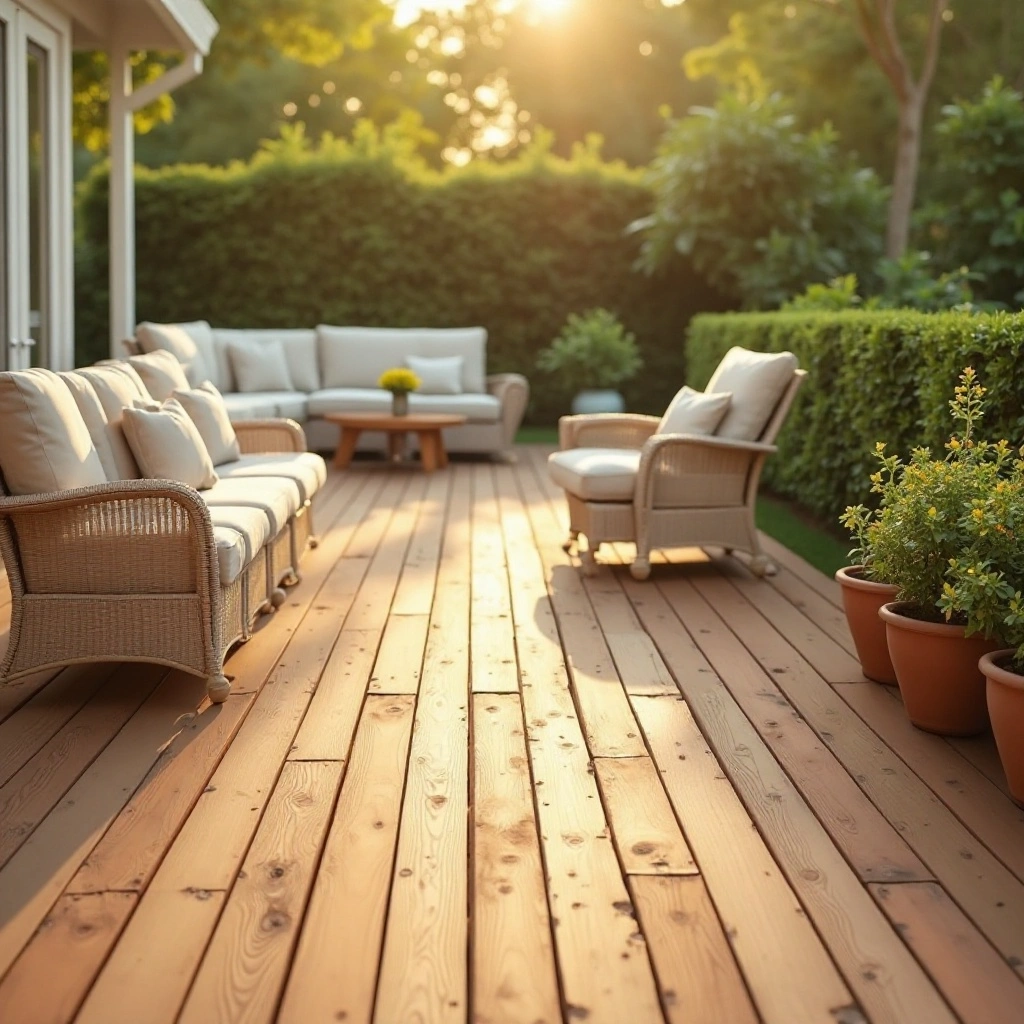
Teak brown is the gold standard of deck colors — it mirrors the natural richness of hardwood while hiding dirt and wear like a pro. This warm, honey-infused brown brings the outdoors in, creating a seamless connection between your home and garden. It’s the deck color that never goes out of style and works with virtually every architectural style from craftsman to colonial.
A very easy recommendation for those wanting that beautiful timeless teak brown deck color that mirrors the richness of natural hardwood while hiding dirt and wear like a professional. Shop on Amazon
How to Style It:
- Pair with white or cream furniture for a classic contrast
- Add navy blue throw pillows for a nautical coastal vibe
- Use copper or bronze lanterns and hardware accents
- Layer natural fiber rugs (jute or sisal) for texture
- Hang string lights overhead for evening ambiance
Where to Use It: Suburban homes, craftsman bungalows, colonial-style homes, homes with natural stone foundations
Pro Tip: Apply a UV-resistant semi-transparent stain over teak brown paint to maintain that wood-grain depth while protecting against sun fading for up to 5 years.
2. Charcoal Gray
Modern, Sleek & Sophisticated
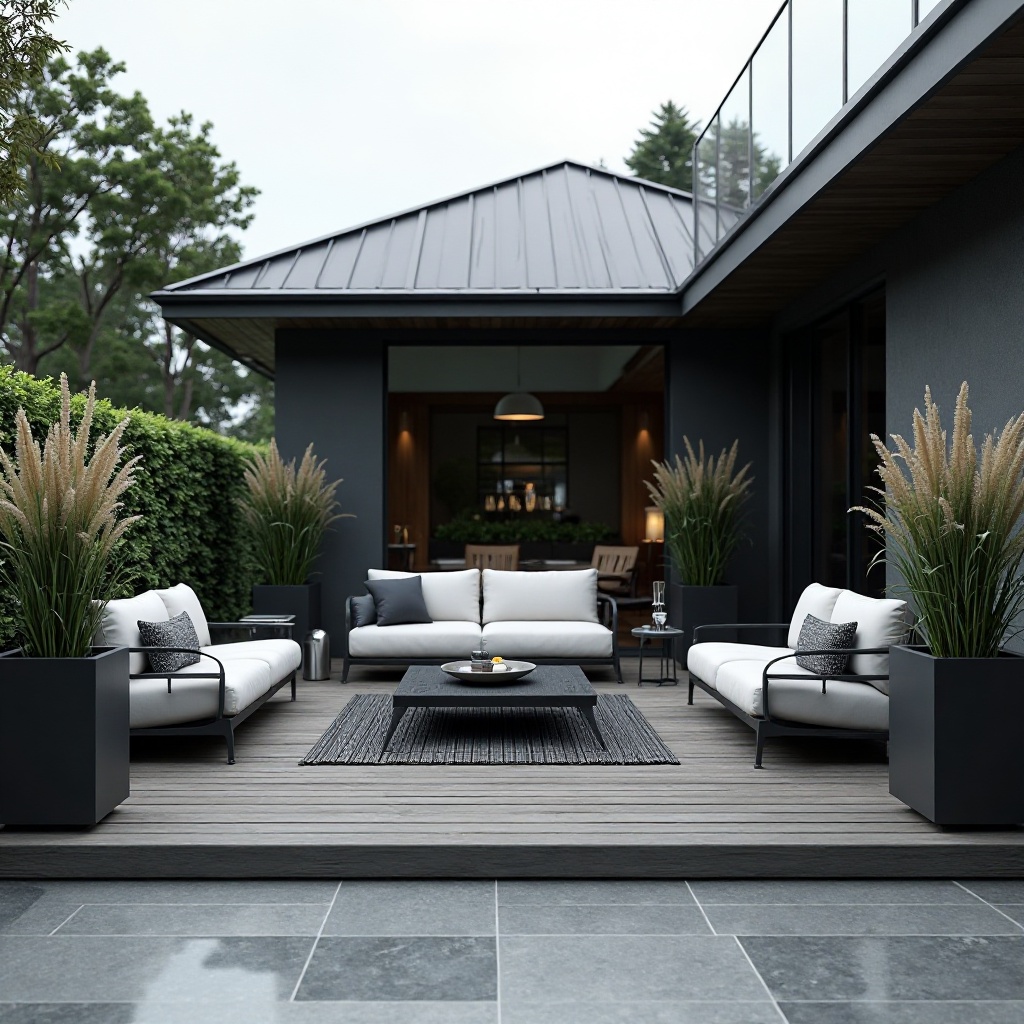
Charcoal gray has become the designer’s go-to deck color for a reason: it’s boldly modern, hides everyday grime, and makes any color of furniture pop against it. This sophisticated shade pairs beautifully with steel, glass, and concrete — the materials of contemporary outdoor design.
incredible value for the most massively trusted option on our list. An absolute no-brainer pick for modern or contemporary homes wanting that beautiful sleek charcoal gray deck that makes every furniture color pop and photographs beautifully. Shop on Amazon
It gives your deck a premium, intentional look that photographs beautifully and impresses guests before they even step outside.
How to Style It:
- White or concrete-look furniture creates a stunning contrast
- Add bold color through bright yellow or orange cushions
- Use matte black planters and accessories for cohesion
- Install horizontal railing in matching charcoal or black
- Try outdoor pendant lights with Edison bulbs for warmth
Where to Use It: Modern and contemporary homes, industrial-style properties, urban townhomes, homes with black window frames
Pro Tip: Choose a charcoal with slight warm undertones (not pure cool gray) — warm charcoal looks more intentional and inviting in outdoor lighting conditions.
3. Coastal White
Fresh, Bright & Airy
Color Palette: #F8F4EE · #EDE8E0 · #D4CFC6 · #B8B0A4
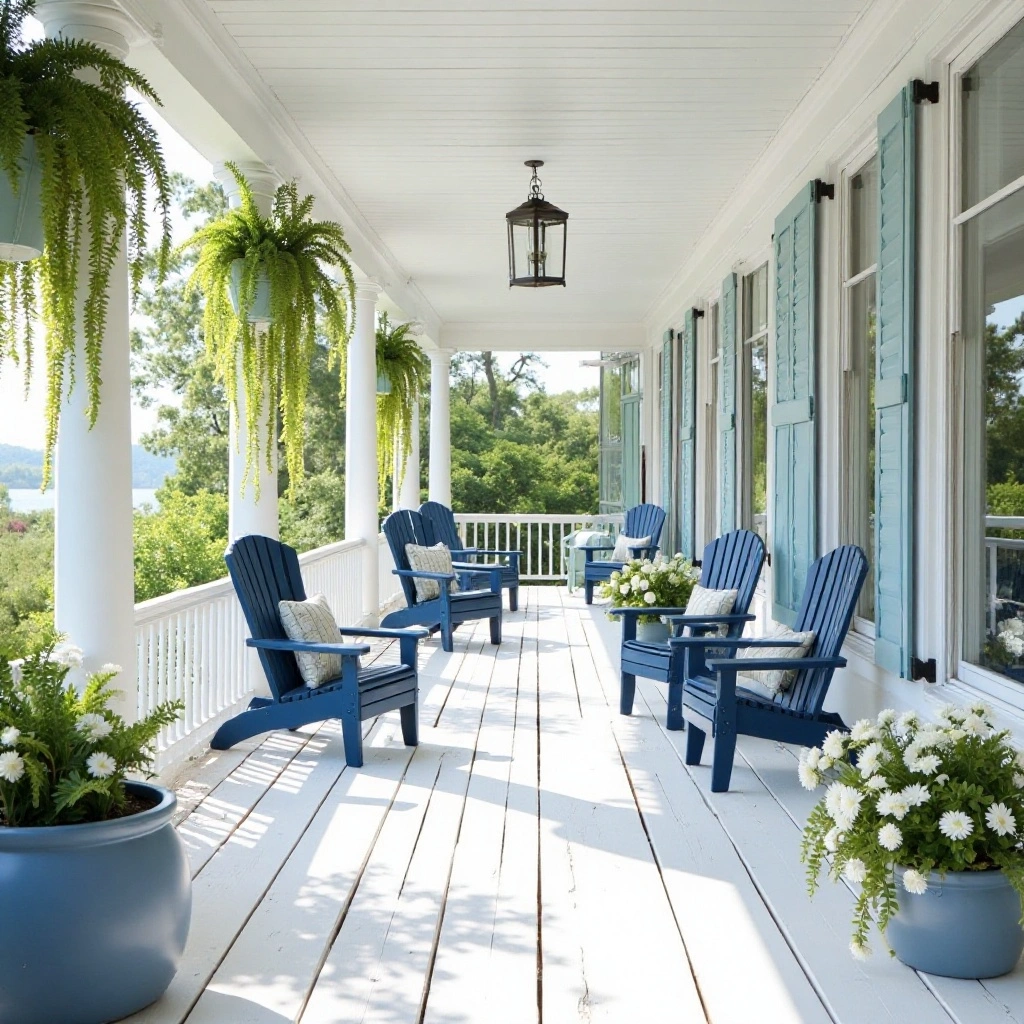
White decks evoke the effortless elegance of coastal cottages and beachside retreats. This is the color that makes your outdoor space feel expanded, open, and perpetually sun-kissed.
Coastal white reflects heat rather than absorbing it, keeping your deck cooler underfoot during summer. It’s the perfect backdrop for colorful furniture and vibrant garden beds, letting your styling choices take center stage.
A very reliable pick for beach houses or coastal cottages wanting that beautiful fresh bright coastal white deck that reflects heat, expands the space visually, and creates the perfect backdrop for colorful furniture. Shop on Amazon
How to Style It:
- Navy, teal, and coral accents bring the coastal feel to life
- Weathered driftwood furniture complements perfectly
- Add blue-and-white striped outdoor textiles
- Use rope or woven planters for texture
- Shutters or window boxes in sage green add a cottage charm
Where to Use It: Beach houses, coastal cottages, Cape Cod-style homes, white-exterior homes, lakeside cabins
Pro Tip: Use a masonry-grade exterior paint with a satin finish on white decks — flat white shows footprints and dirt; satin wipes clean effortlessly and holds its brightness longer.
4. Sage Green
Earthy, Calming & Botanical
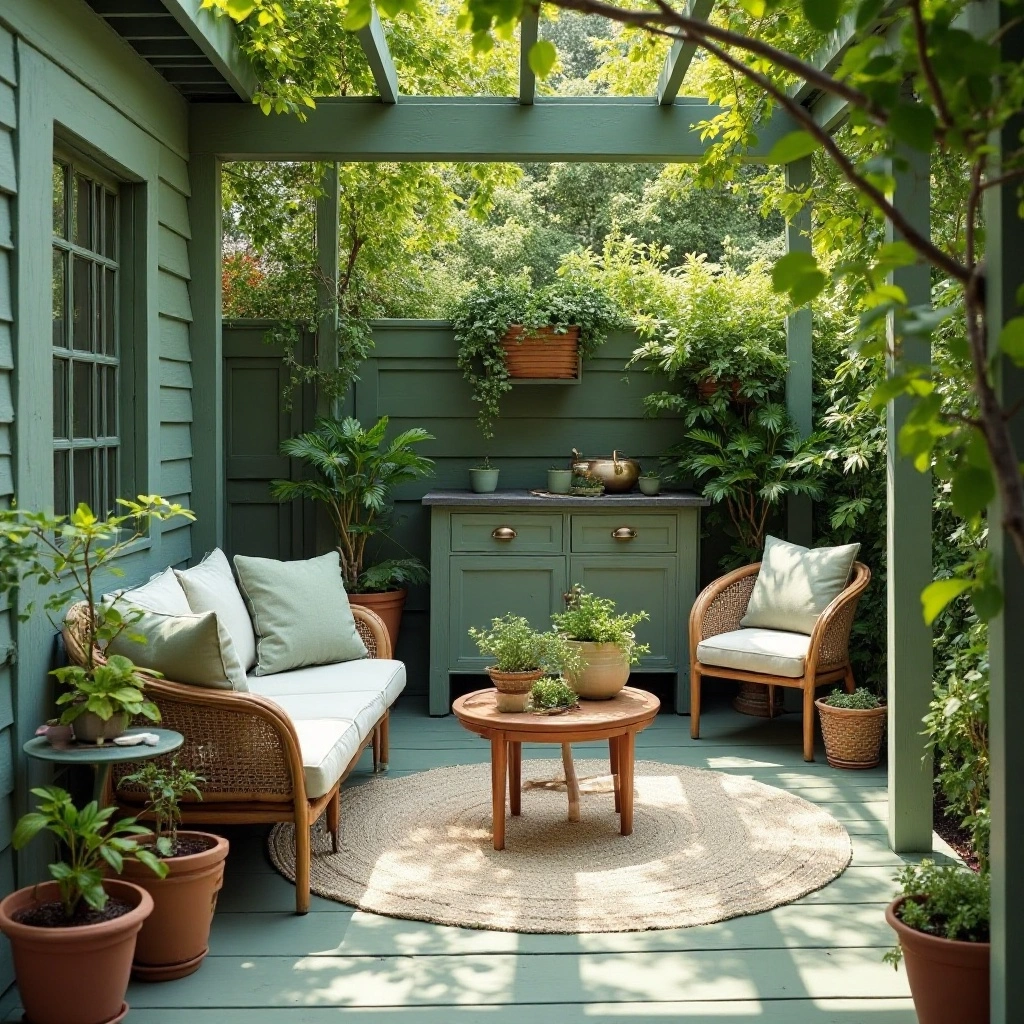
Sage green is nature’s neutral — it harmonizes with every plant and flower color in your garden while adding its own quiet, sophisticated charm. This muted, gray-green tone creates an immersive botanical experience, making your deck feel like it grew organically from the landscape.
It’s deeply trendy in 2024–2025 outdoor design yet timeless enough to feel classic in 10 years. The calming quality of sage green makes outdoor spaces feel like genuine retreats.
Excellent value for such a massively trusted product. A reliable pick for cottage or botanical garden homes wanting that beautiful calming sage green deck that harmonizes with every plant and flower while making the outdoor space feel like a genuine garden retreat. Shop on Amazon
How to Style It:
- Rattan, teak, and linen furniture feel totally at home
- Layer terracotta, rust, and dusty rose accessories
- Plant trailing vines along railings to blur boundaries
- Use raw wood or unfinished pine furniture for contrast
- Vintage or antique metal lanterns add patina and warmth
Where to Use It: Cottage gardens, Victorian homes, Mediterranean properties, homes surrounded by mature trees and plants
Pro Tip: Go one shade darker with sage green than you think you need — lighter sage can wash out in direct sunlight and read as pale mint instead of the sophisticated sage you intended.
5. Slate Blue
Moody, Refined & Distinctive
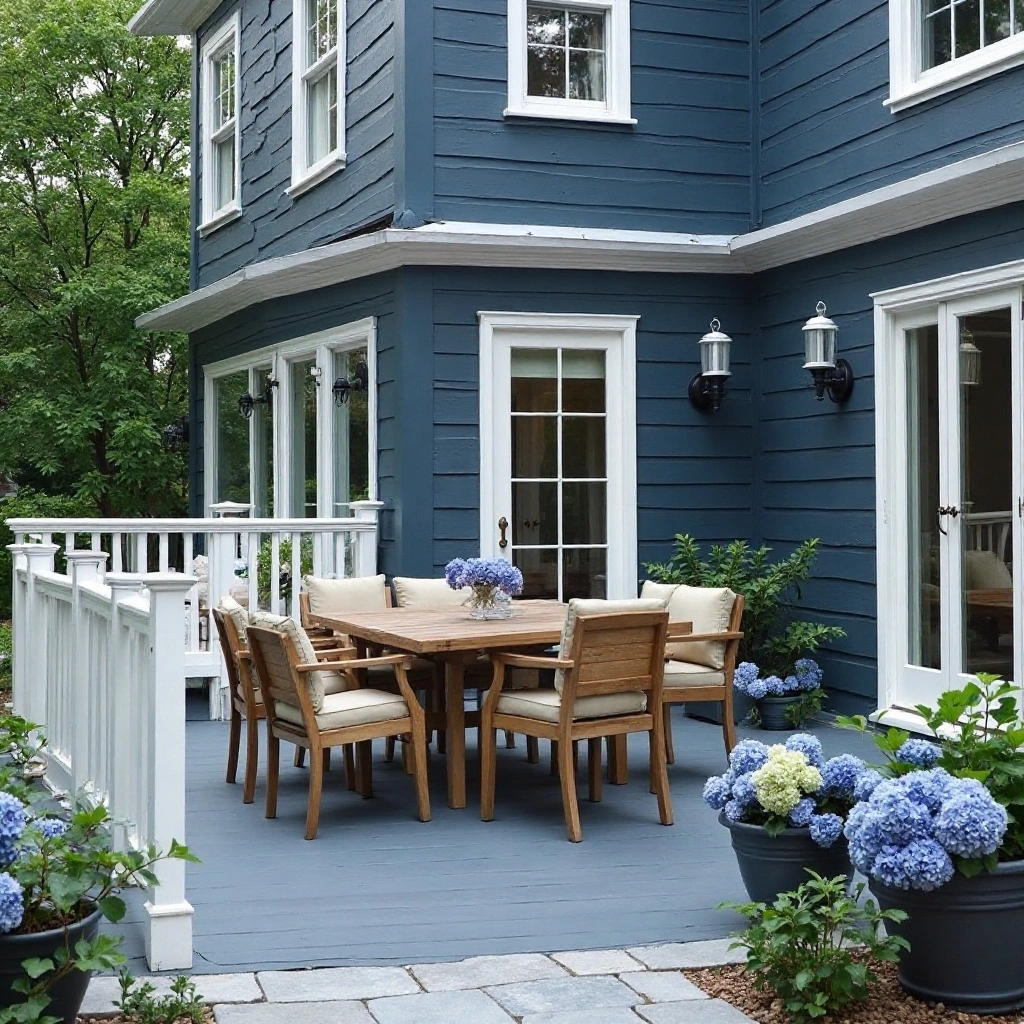
Slate blue sits at the perfect intersection of bold and serene — it’s distinctive enough to be a design statement but calm enough not to overwhelm. This cool, desaturated blue references the sky and sea without feeling overtly nautical.
It’s particularly stunning on elevated decks where it catches morning light beautifully. Slate blue has a historic quality that elevates older homes while looking cutting-edge on new construction.
A reliable pick for colonial or New England-style homes wanting that beautiful distinctive slate blue deck that sits perfectly at the intersection of bold and serene and catches morning light in a genuinely stunning way. Shop on Amazon
How to Style It:
- White railings and trim create a crisp, classic contrast
- Warm wood furniture in teak or cedar balances the cool tone
- Add brass or gold hardware details for a luxe touch
- Cream, sand, and warm white textiles soften the look
- Blue hydrangeas in white planters echo the color palette
Where to Use It: Colonial homes, New England-style properties, homes near water, blue-gray exterior homes
💡 Pro Tip: Test slate blue paint in both shade and direct sunlight — some versions read more purple in shade and more blue-green in sun. Find a formula that stays true across both conditions.
6. Redwood Red
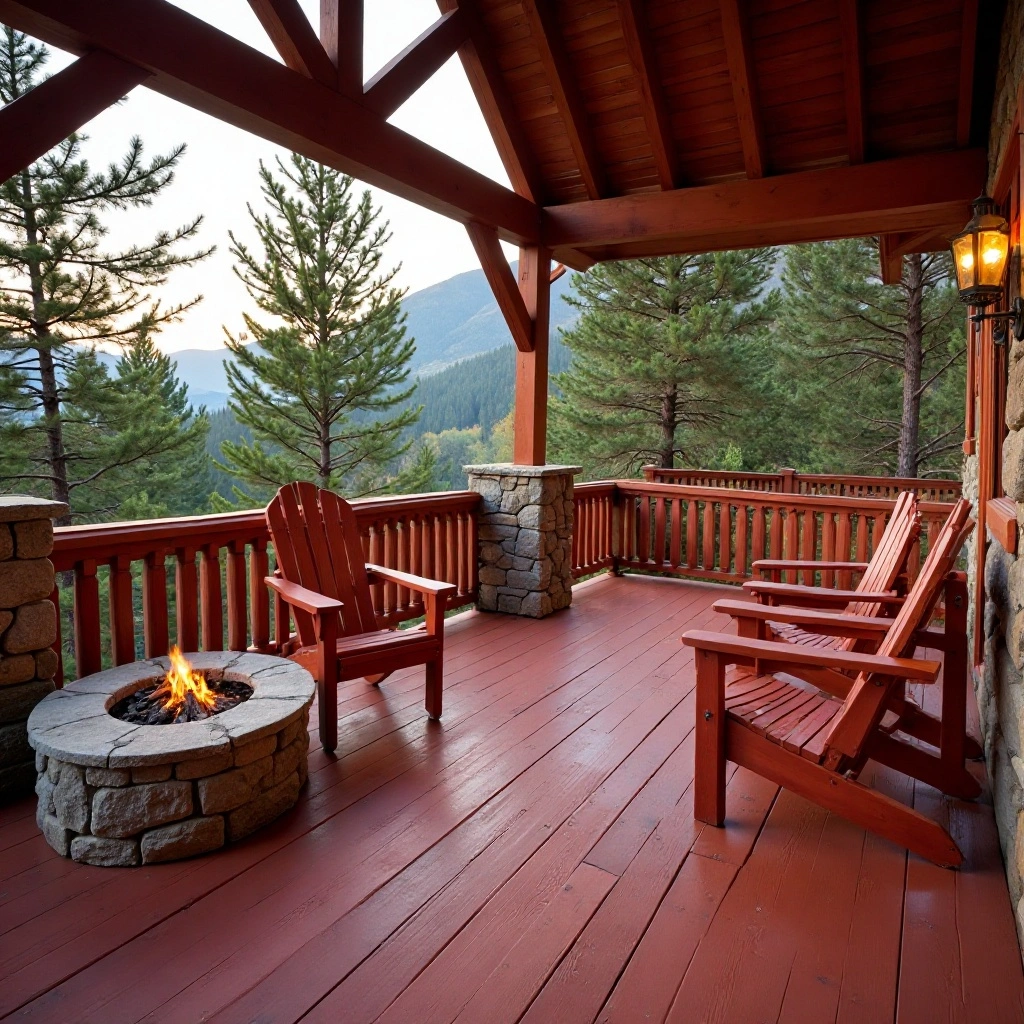
Bold, Rustic & Dramatic
Redwood red is the deck color of bold personalities and mountain getaways. This earthy, terracotta-influenced red connects your outdoor space to the grand tradition of American redwood architecture — think National Park lodges and Pacific Northwest cabins.
It’s a color that ages beautifully, develops a weathered patina, and looks better with every season that passes. The warmth of redwood red is unmatched for creating a cozy, gathering-place atmosphere.
Excellent value for such a widely trusted product. A very reliable pick for mountain cabins or rustic farmhouses wanting that beautiful earthy redwood red deck that ages magnificently, develops a gorgeous patina, and creates an unmatched cozy gathering-place atmosphere. Shop on Amazon
How to Style It:
- Natural cedar or pine furniture keeps the rustic spirit alive
- Cream and off-white cushions prevent the space from feeling dark
- Use antler, wrought iron, or hammered copper accents
- Incorporate wool or plaid outdoor throws for texture
- Stone, boulder, or flagstone pathways leading to the deck feel natural
Where to Use It: Mountain cabins, log homes, ranch-style properties, homes in forested settings, rustic farmhouses
💡 Pro Tip: Redwood red fades to a beautiful weathered rose if left untreated — if you want to maintain the original rich red, apply an oil-based penetrating stain every 2 years.
7. Navy Blue
Classic, Polished & Timeless
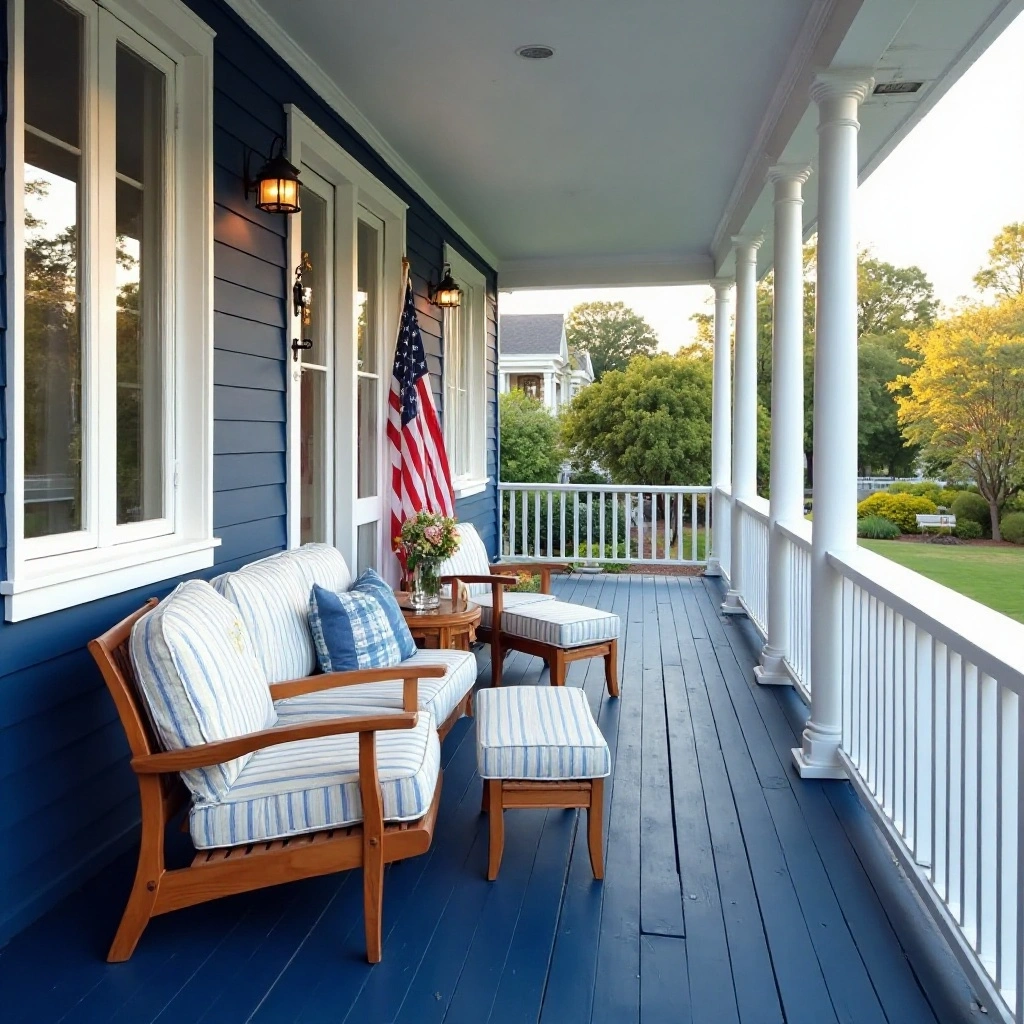
Navy blue is the Chanel suit of deck colors — eternally sophisticated, never wrong, and always impressive. It’s a color that whispers wealth and thoughtfulness, suggesting an owner who makes deliberate, confident choices. Navy transforms even modest decks into spaces that feel intentionally designed.
It’s particularly effective on wraparound porches and covered decks where the depth of the color can be fully appreciated without sun washing it out.
A very easy recommendation for colonial or traditional homes wanting that eternally sophisticated navy blue deck that always looks intentional, polished, and genuinely impressive to every guest. Shop on Amazon
How to Style It:
- Crisp white furniture and railings for a yachting aesthetic
- Rope details, brass fittings, and teak wood are perfect partners
- Red, white, and blue textiles feel patriotic not kitschy
- Navy pairs beautifully with natural unpainted wood
- Lantern-style lighting in aged brass or black iron
Where to Use It: Colonial and traditional homes, New England-style houses, properties with white exteriors, elevated second-story decks
Pro Tip: Navy blue requires excellent primer coverage and often 3 coats for full saturation on raw wood. Skipping primer causes blotchy, uneven color — prep work is everything with dark blues.
8. Warm Sand
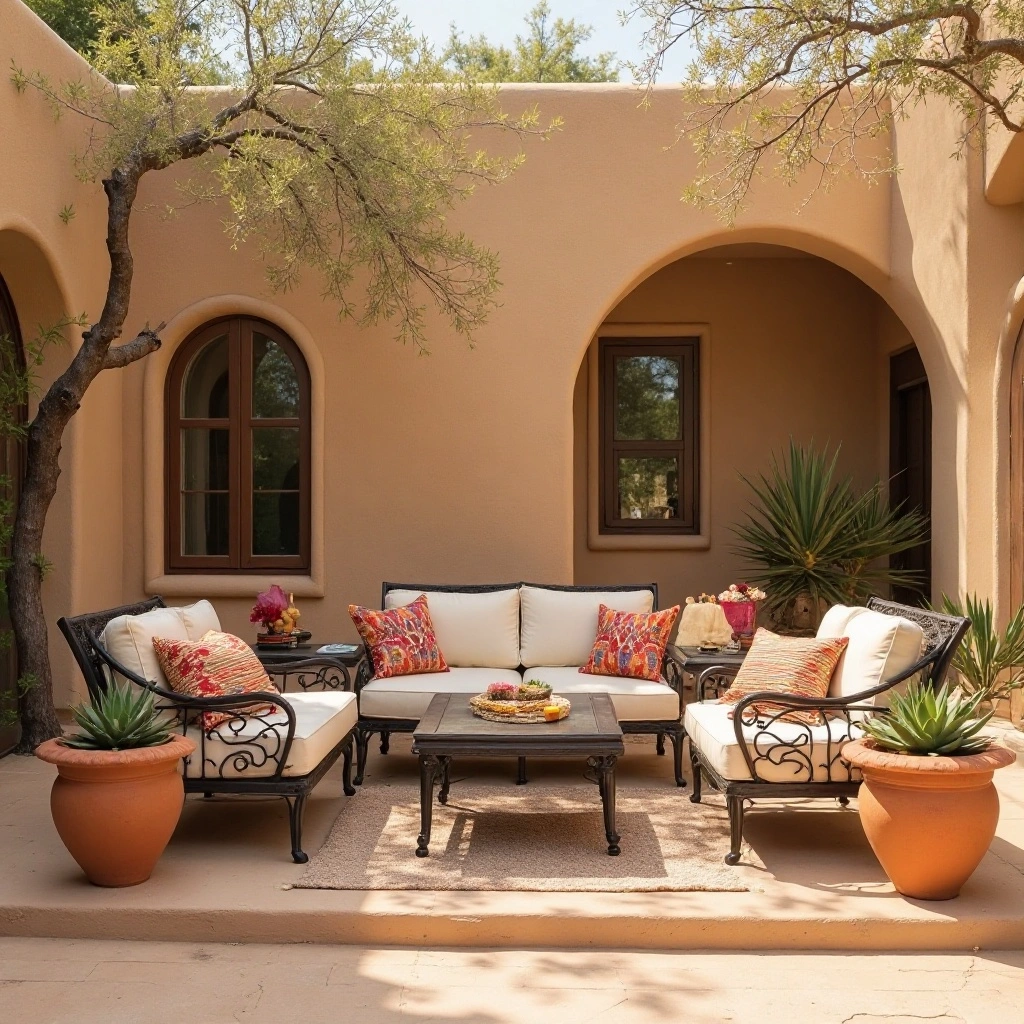
Neutral, Versatile & Sun-Baked
Warm sand is the great harmonizer of deck colors — it works with every architectural style, every furniture choice, and every garden palette. This golden-neutral tone feels sun-baked and warm, evoking Mediterranean terraces and desert haciendas.
Unlike cooler grays and whites, warm sand reads as perpetually welcoming even in cloudy weather. It’s the color for homeowners who want a statement without the commitment of something bold.
A reliable pick for ranch or Spanish-style homes wanting that beautiful sun-baked warm sand deck — the great harmonizer that works with every architectural style, furniture choice, and garden palette without ever feeling boring. Shop on Amazon
How to Style It:
- Any color furniture looks intentional on warm sand
- Go bold with Moroccan patterns and global textiles
- Succulents and cacti thrive visually against this warm tone
- Blue and turquoise accents create beautiful Mediterranean contrast
- Concrete, terracotta, and clay pots feel completely at home
Where to Use It: Ranch homes, Spanish-style properties, homes in warm climates, stucco exterior homes, Southwestern architecture
Pro Tip: Add fine sand aggregate to your deck paint when mixing for a non-slip, textured finish — it adds safety and makes the sand color feel even more authentic and tactile.
9. Forest Green
Rich, Immersive & Garden-Ready
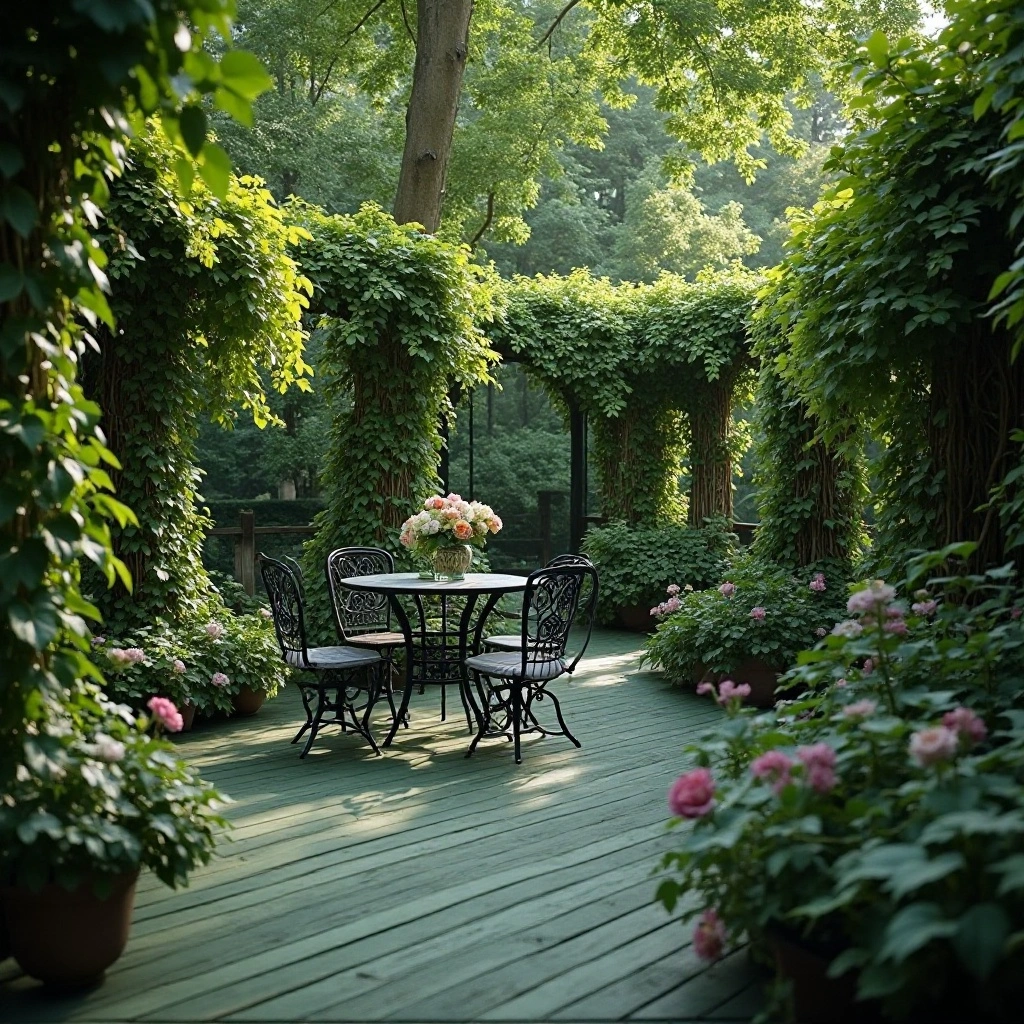
Deep forest green makes your deck disappear into the landscape — and that’s precisely the point. This immersive, jewel-toned green is the choice of serious garden enthusiasts who want their outdoor structure to support the garden, not compete with it. It references English walled gardens,
Victorian conservatories, and woodland retreats. Forest green deck boards create a lush, natural carpet that makes every potted plant look like it belongs to a curated botanical collection.
Excellent value for the most massively trusted option on our list. A very easy recommendation for homes surrounded by mature trees wanting that beautiful immersive forest green deck that disappears into the landscape and makes every plant look curated. Shop on Amazon
How to Style It:
- Black or dark iron garden furniture is the definitive pairing
- White or cream accessories create striking contrast
- Climbing plants trained on railings complete the botanical look
- Antique, patinated, or aged accessories feel at home
- Gold, bronze, and amber candle holders for evening warmth
Where to Use It: Homes surrounded by mature trees, English-style garden properties, Victorian homes, countryside settings
Pro Tip: Forest green hides dirt, algae, and mildew remarkably well — making it the most low-maintenance dark color choice. Add a mildewcide to your paint mix for even better long-term results.
10. Pale Gray Mist
Ethereal, Contemporary & Calming
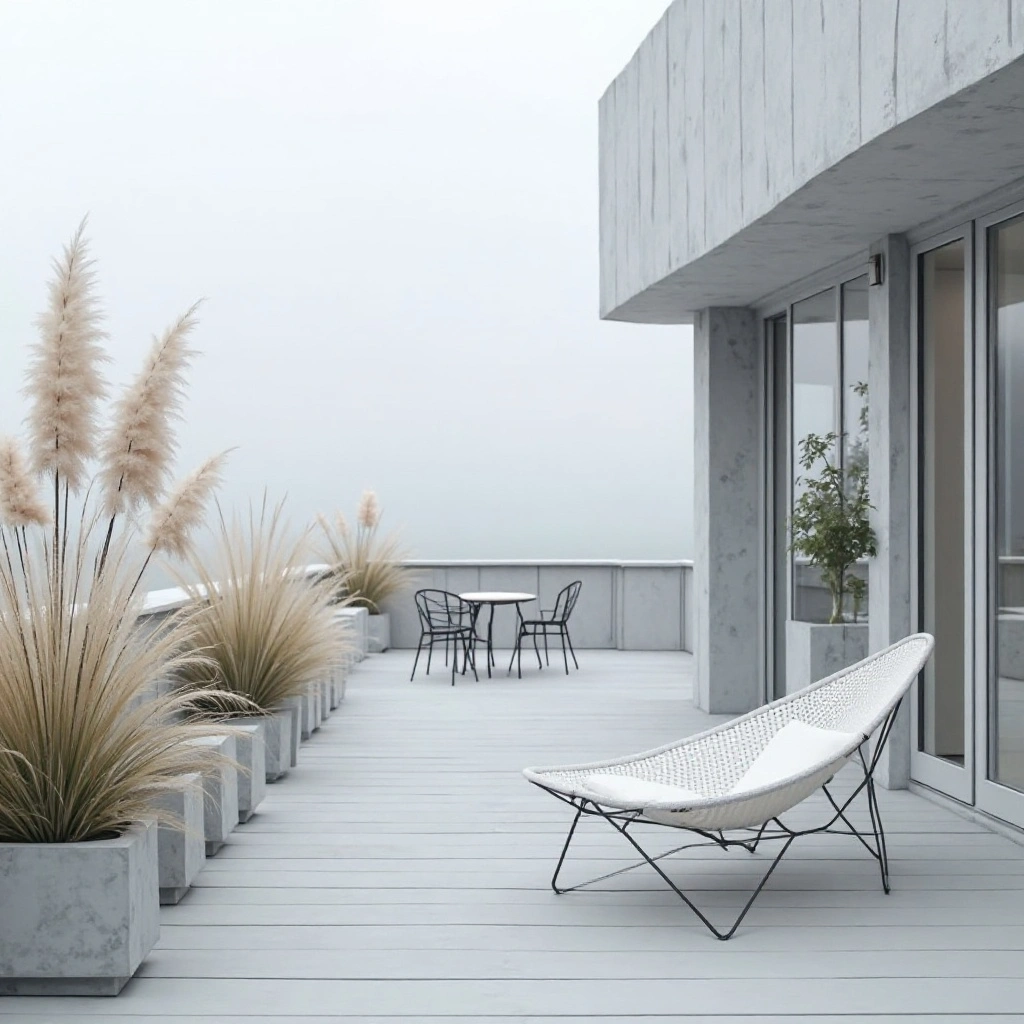
Pale gray mist is for those who believe less is more and white is too stark. This whisper-quiet gray sits beautifully between white and medium gray, creating a serene, spa-like outdoor atmosphere. It’s the deck color of Scandinavian design — understated, thoughtful, and quietly beautiful. Pale gray mist amplifies natural light rather than absorbing it, making compact decks feel significantly larger and airier.
A reliable pick for Scandinavian or contemporary homes wanting that beautiful ethereal pale gray mist deck that amplifies natural light, makes compact spaces feel significantly larger, and creates a genuinely spa-like outdoor atmosphere. Shop on Amazon
How to Style It:
- Monochrome styling in white, gray, and black is stunning
- Pale wood furniture in birch or ash complements the cool gray
- Single-color statement plants (all green or all white flowers)
- Low-profile, ground-level furniture suits the understated aesthetic
- Concrete or stone accessories in matching tones feel cohesive
Where to Use It: Scandinavian and Nordic-style homes, contemporary architecture, small urban decks, homes with gray or white exteriors
Pro Tip: Pale gray will show footprints more than darker colors — use a satin or semi-gloss finish which wipes clean easily and adds subtle light reflection that makes the color even lovelier.
11. Burnt Sienna
Artistic, Mediterranean & Warm
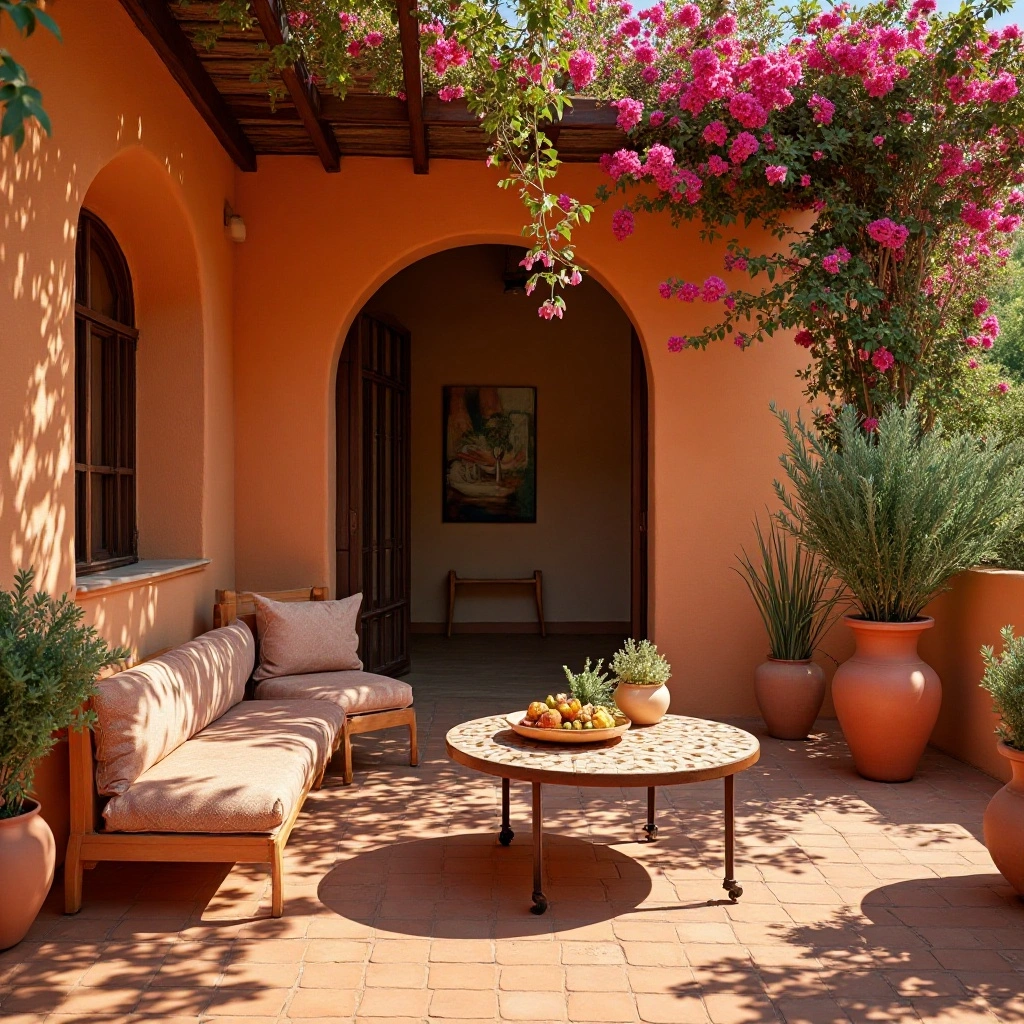
Burnt sienna brings the warmth of a Tuscan sunset to your backyard. This rich, red-orange tone is deeply earthy and incredibly photogenic, turning your deck into a Mediterranean escape. It’s a color that improves with age, developing a warm patina that references ancient plaster walls and sun-baked terracotta tiles. Burnt sienna pairs effortlessly with the blues, purples, and greens of Mediterranean planting schemes.
A very easy recommendation for Spanish or Mediterranean-style homes wanting that beautiful rich Tuscan burnt sienna deck that improves with age, develops a gorgeous warm patina, and looks extraordinary in photographs. Shop on Amazon
How to Style It:
- Lavender, olive, and bougainvillea create authentic Mediterranean scenes
- Blue mosaic or ceramic tile accents are stunning
- Wrought iron in matte black or aged bronze
- Colorful Moroccan or Ikat outdoor cushions work beautifully
- Ceramic pitchers, amphoras, and traditional clay pots
Where to Use It: Spanish-style homes, Italian villa aesthetics, stucco properties, Southwest and California climates, homes with terracotta roof tiles
Pro Tip: Seal burnt sienna with a clear polyurethane topcoat — this prevents the color from oxidizing and turning chalky orange over time, preserving that rich terracotta warmth for years.
12. Ebony Black
Dramatic, Luxurious & Daring
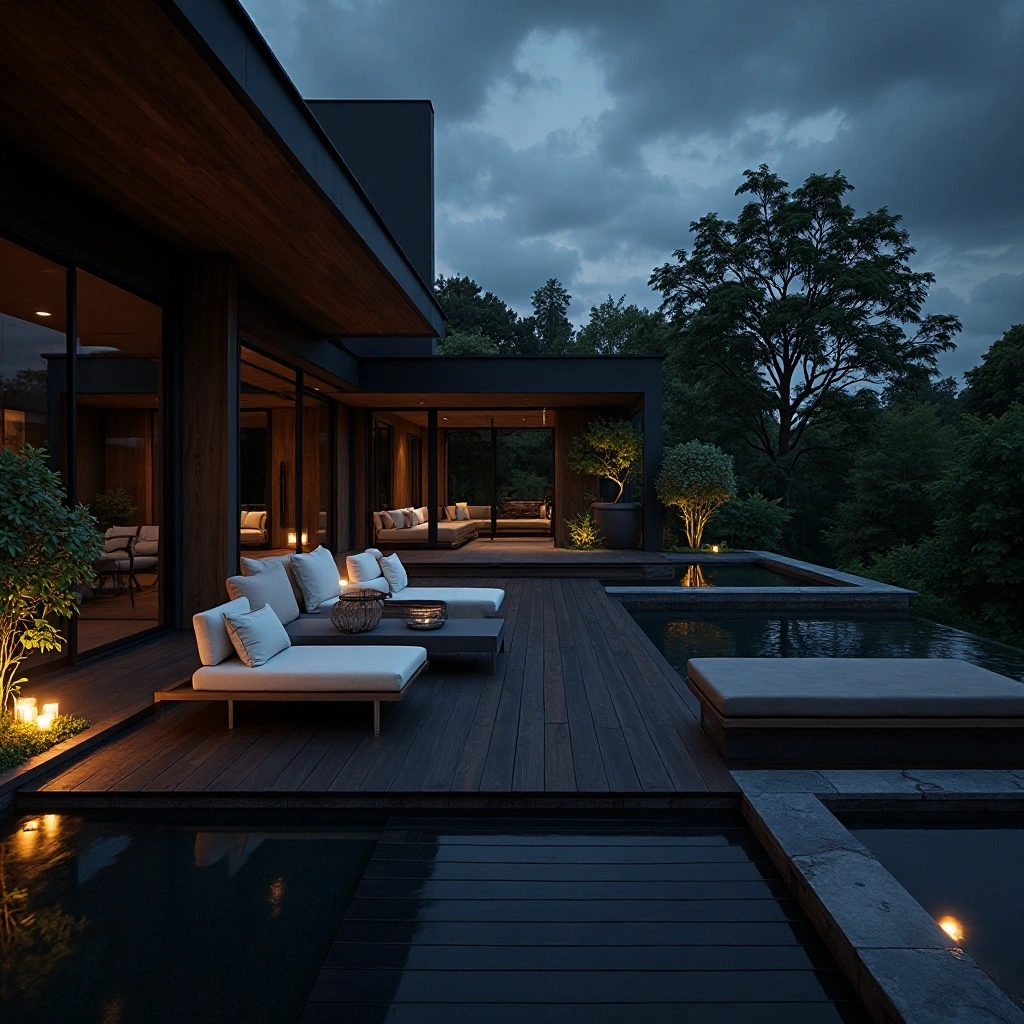
Black decks are not for the faint of heart — they’re bold, uncompromising, and absolutely stunning. An ebony black deck signals design confidence at the highest level, creating an outdoor room that feels more like an extension of a luxury hotel than a typical backyard.
Black makes every other color in your outdoor space more vivid and saturated, as if the whole scene is color-corrected to maximum intensity. At night, under warm lighting, a black deck is simply extraordinary.
Exceptional value for such a well proven product. A reliable pick for ultra-contemporary or architect-designed homes wanting that beautiful daring ebony black deck that makes every surrounding color more vivid and transforms the outdoor space into something genuinely extraordinary under warm evening lighting. Shop on Amazon
How to Style It:
- White or natural teak furniture creates the ultimate luxury contrast
- Architectural uplighting on plants and walls transforms evenings
- Chrome, brushed nickel, or polished stainless steel accents
- Bold graphic outdoor rugs in black and white or geometric patterns
- Single specimen plants as sculpture — a striking agave or architectural grass
Where to Use It: Ultra-contemporary homes, architect-designed properties, homes with pool areas, dark exterior homes, industrial lofts with outdoor space
💡 Pro Tip: Black decks become very hot in direct summer sun — plant overhead shade trees or install a pergola before committing to black. Use deck paint specifically formulated to reduce heat absorption.
13. Driftwood Gray
Coastal, Weathered & Organic
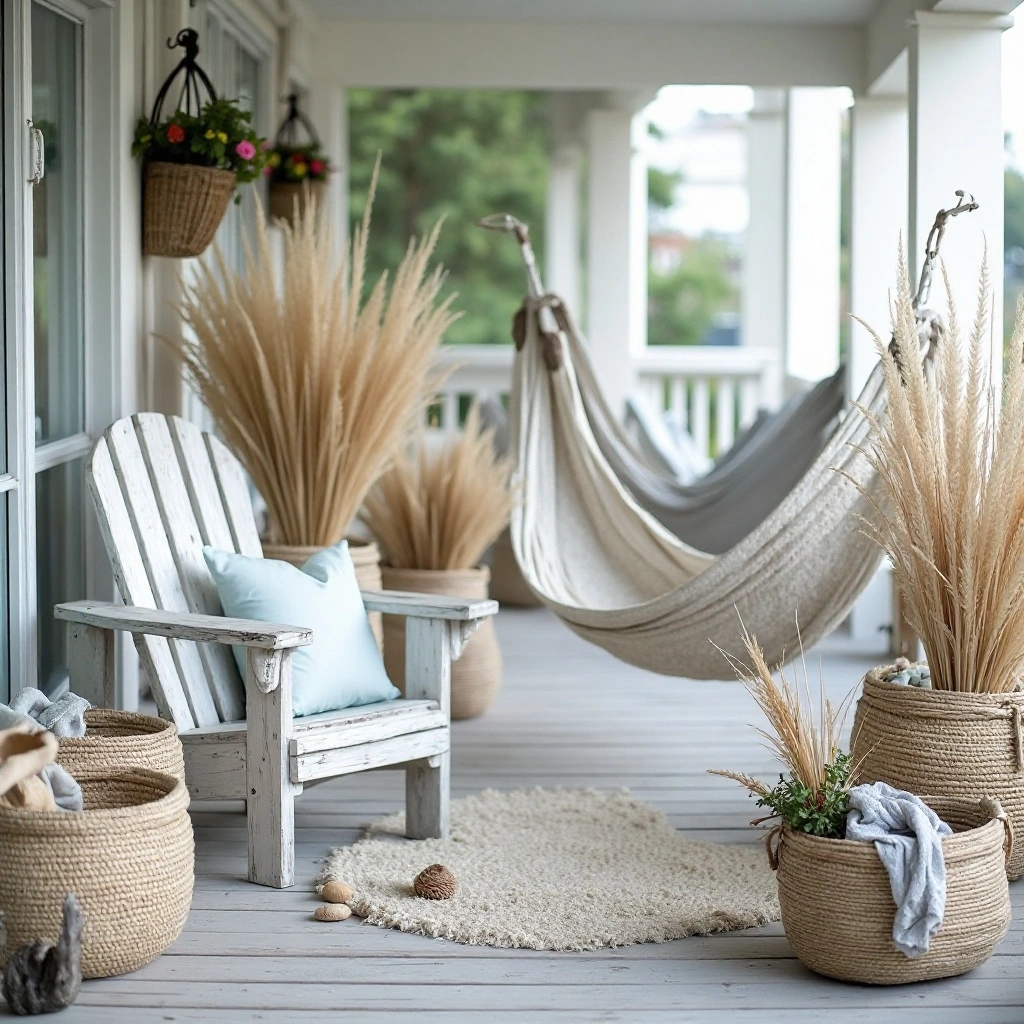
Driftwood gray mimics the beautiful natural aging process of wood left to weather by the sea — giving you the character of years of weathering without any actual deterioration. This soft, blue-gray-brown neutral is the most organic of all deck colors, feeling genuinely found rather than chosen. It works as a perfect backdrop for coastal and cottage styling, and its gentle warmth prevents it from reading as cold or clinical.
A reliable pick for coastal or lakeside homes wanting that beautiful organic driftwood gray deck that mimics years of natural weathering without any actual deterioration — giving instant character and a genuinely found, coastal aesthetic. Shop on Amazon
How to Style It:
- Natural, unfinished, or bleached wood furniture is perfect
- Rope, linen, and woven textures feel completely at home
- Blues and greens drawn from coastal nature feel authentic
- Sea glass, coral, and shell-inspired accessories
- Tall ornamental grasses and beach-adapted plants
Where to Use It: Coastal and beachside homes, lake cottages, Cape Cod-style properties, homes with weathered natural materials
💡 Pro Tip: To achieve authentic driftwood coloring, try a gray semi-transparent stain rather than solid paint — this allows wood grain to show through, maximizing the organic, weathered effect.
14. Olive Green
Sophisticated, Editorial & Grounded
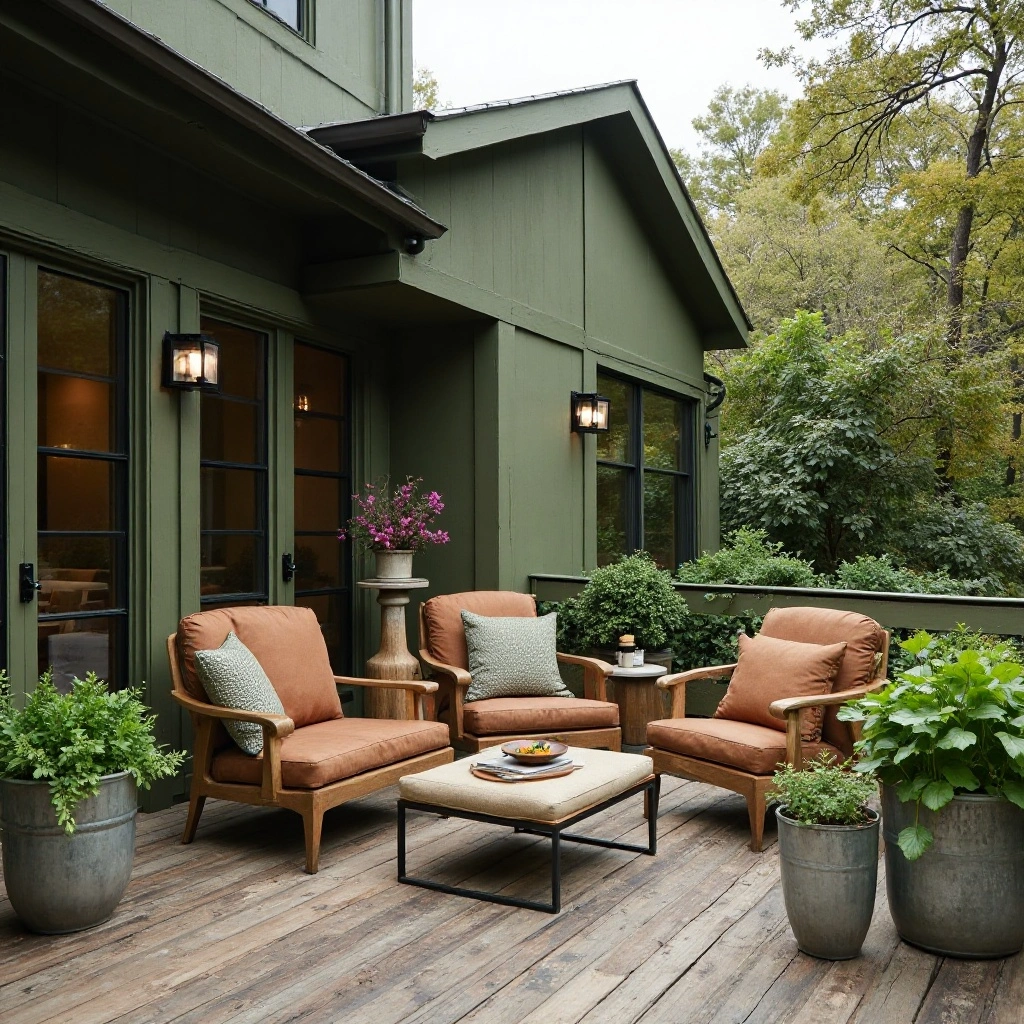
Olive green is the most sophisticated green on this list — deeper and more complex than sage, grittier than forest green, and unmistakably of-the-moment. This military-inspired hue bridges the gap between the natural world and industrial design, feeling equally at home with rustic farmhouse aesthetics and contemporary minimalism.
Olive green makes your deck feel intentional and editorial — like a backdrop from an Architectural Digest outdoor spread.
A reliable pick for modern farmhouses or craftsman homes wanting that beautiful editorial olive green deck that bridges the natural world and industrial design in the most sophisticated and intentional way possible. Shop on Amazon
How to Style It:
- Tan, cognac, and caramel leather and canvas furniture
- Galvanized steel and aged metal planters and containers
- Cream, linen, and canvas-colored textiles for contrast
- Productive herb and vegetable gardens look at home here
- Wood slice serving boards and natural material table settings
Where to Use It: Modern farmhouses, craftsman homes, industrial or loft-style properties, homes with natural materials exteriors
Pro Tip: Olive green is the sneaky best color for decks that face north or get limited direct sun — it looks rich and intentional in shade where other colors can appear dull and lifeless.
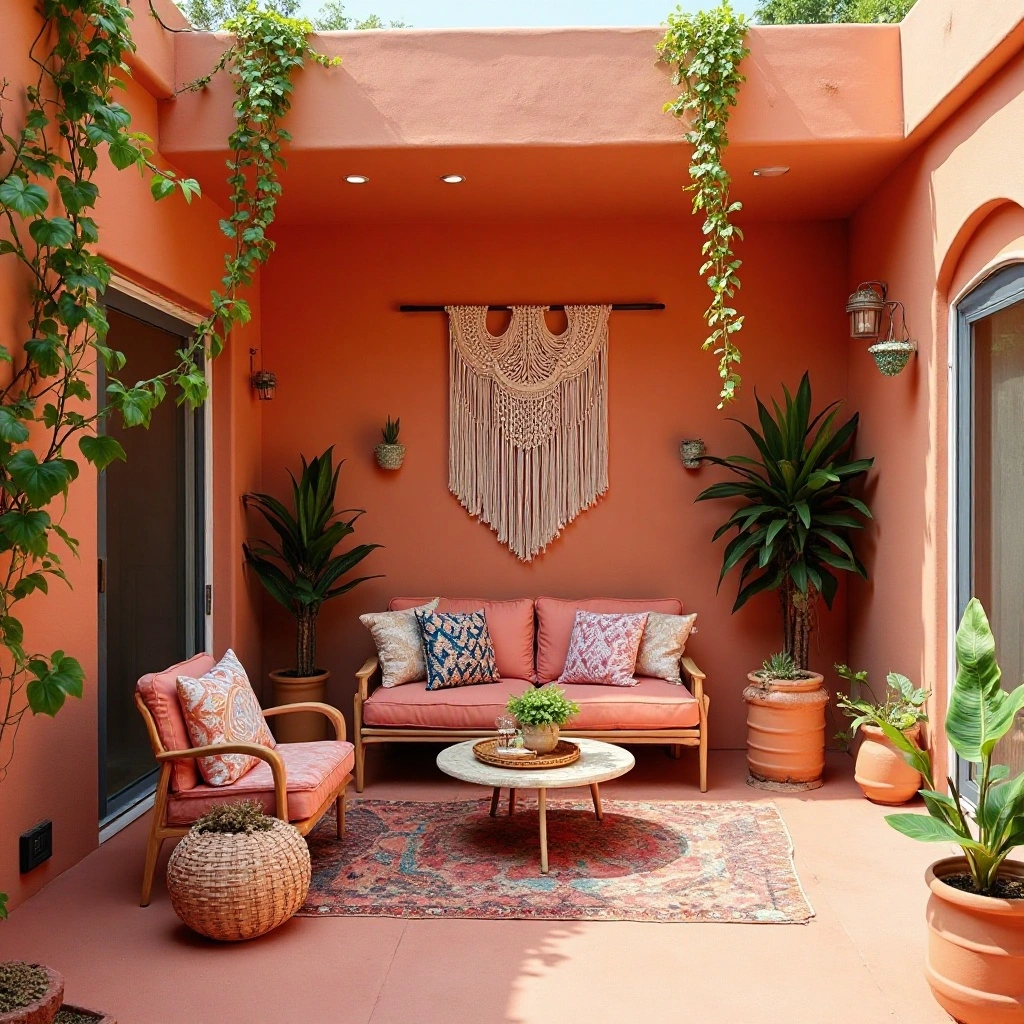
15. Terracotta Blush
Warm, Trendy & Joyful
Terracotta blush is the happiest deck color on this list — warm, joyful, and deeply photogenic. This trending coral-pink-orange hybrid sits beautifully between terracotta and blush, feeling bohemian without being childish and feminine without being overly sweet.
It brings a Californian optimism to any outdoor space and makes every gathering feel like a party. Terracotta blush becomes especially magical at golden hour when it glows with warm, saturated light.
Great value for creating that beautiful joyful terracotta blush deck. A reliable pick for California bungalows or boho-inspired homes wanting a warm coral-pink-orange deck that glows magnificently at golden hour and makes every outdoor gathering feel effortlessly festive. Shop on Amazon
How to Style It:
- Global and boho textiles in jewel tones complement perfectly
- Macramé, woven wall hangings, and fiber arts feel natural
- Trailing plants and hanging baskets add movement and life
- Mix metallic golds and bronzes with earthy woven textures
- Colorful Talavera ceramic pots and Moroccan lanterns
Where to Use It: California bungalows, boho-inspired homes, stucco houses, warm-climate properties, homes with colorful or eclectic interiors
Pro Tip: Terracotta blush shifts dramatically in different light — it can look orange in morning light, pink at midday, and almost rose at sunset. This shifting quality is a feature, not a bug — embrace it.
16. Midnight Blue-Gray
Moody, Introspective & Cinematic
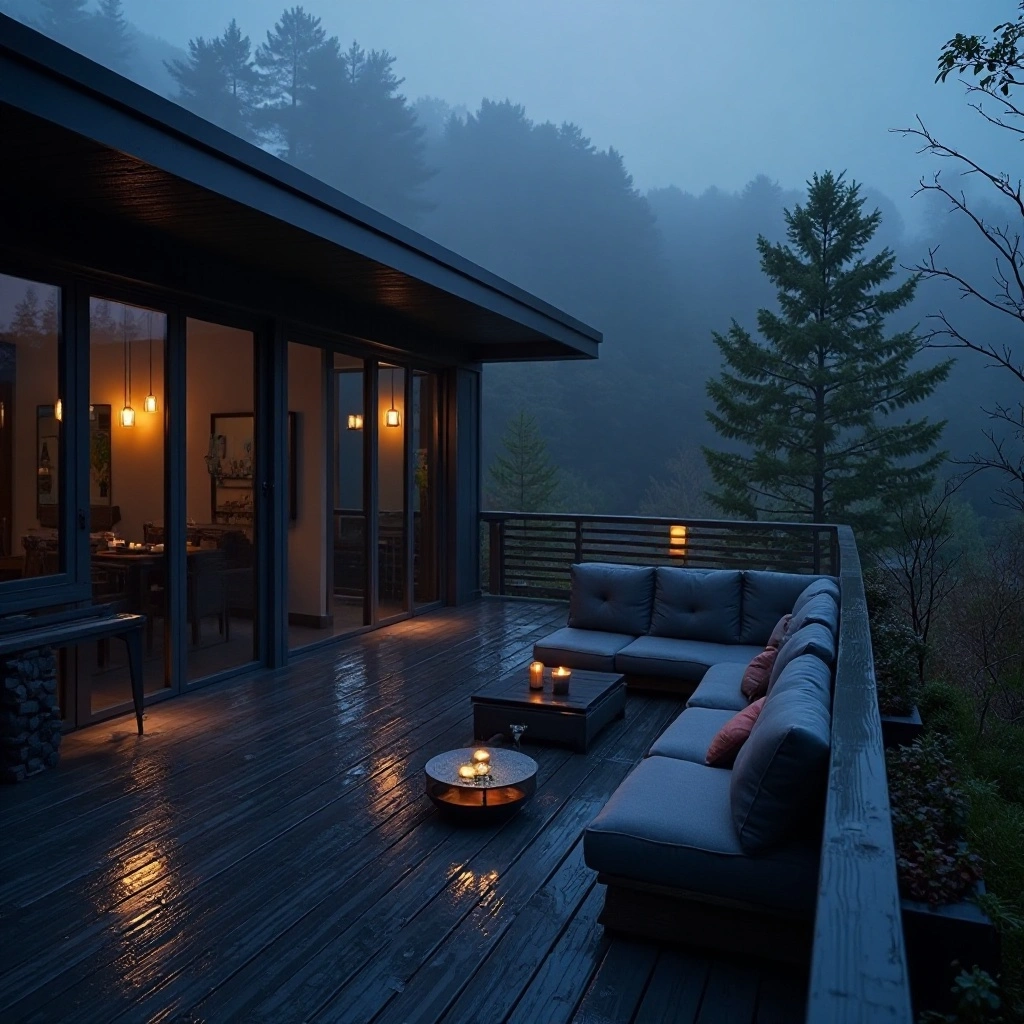
Midnight blue-gray is the most cinematic of all deck colors — it looks extraordinary in evening light, in photographs, and in rainy weather. This deep, complex tone sits between navy and charcoal, picking up blue tones from the sky and gray tones from stone and concrete.
It’s the deck color for those who spend most of their outdoor time in the evenings, as it positively glows against warm interior lighting seen through glass doors. In daylight it’s sophisticated; at night it’s absolutely stunning.
A reliable pick for contemporary homes with large windows or evening-focused outdoor living wanting that beautiful cinematic midnight blue-gray deck that is sophisticated by day and absolutely extraordinary under warm amber lighting at night. Shop on Amazon
How to Style It:
- Warm amber or gold lighting is essential and transformative
- Dark charcoal or black furniture maintains the moody drama
- Plants with silver or blue-gray foliage echo the color scheme
- Lanterns and candle holders in aged brass or bronze
- Sheer or linen curtains on pergola frames add romance
Where to Use It: Contemporary homes with large windows, homes used heavily in evenings, urban properties, homes near water, architectural showcase homes
Pro Tip: This color requires the most coats of any color on this list — expect 3 quality coats for full depth. The result is worth every extra hour of application time.
17. Bleached Bone White
Minimalist, Japanese & Zen
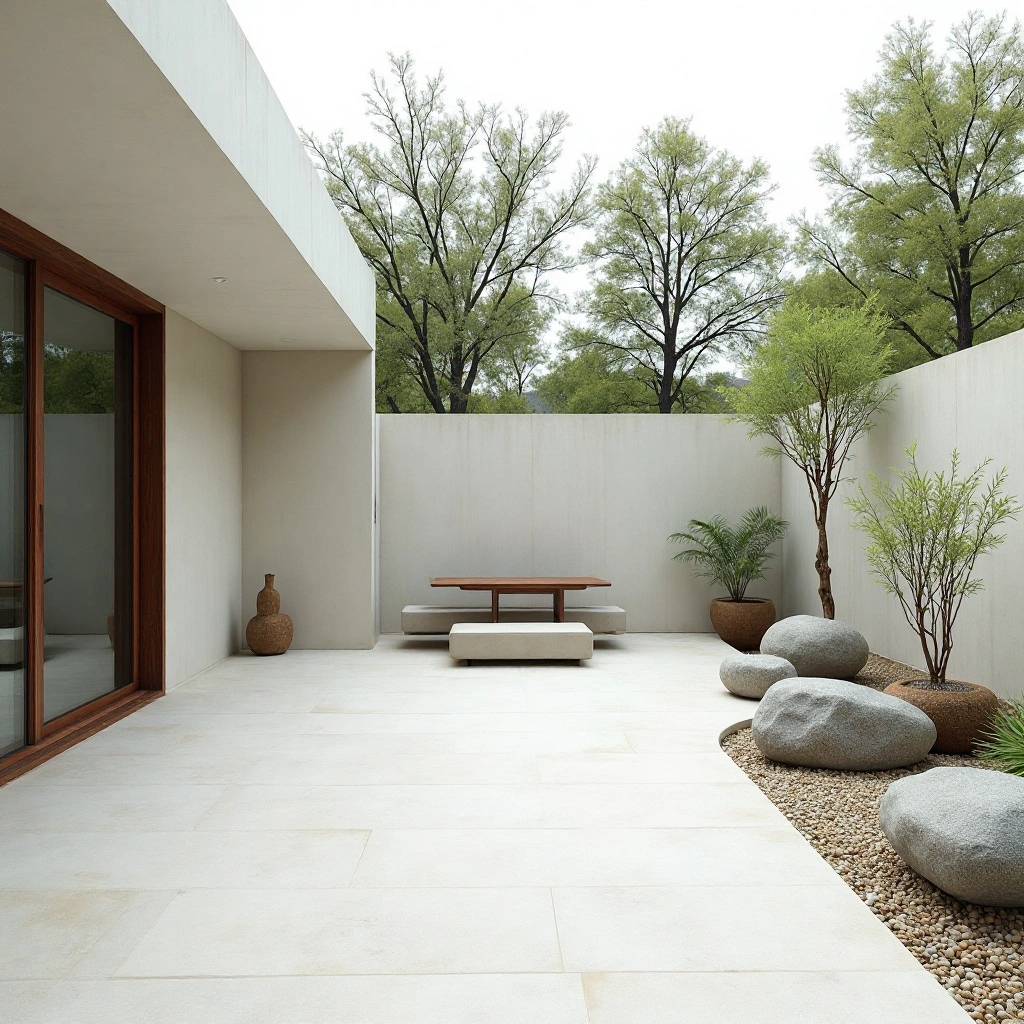
Bleached bone white is the most refined and considered color on this entire list. It’s not quite white and not quite beige — it’s the color of aged paper, weathered bone, and handmade pottery. This particular off-white has a warmth that pure white lacks and a neutrality that cream doesn’t achieve.
It’s deeply influenced by Japanese wabi-sabi aesthetics: the beauty found in imperfection, transience, and quiet simplicity. On a deck, bleached bone white creates an outdoor space that feels like a true sanctuary.
A very reliable pick for Japanese-inspired or Zen garden homes wanting that beautiful refined bleached bone white deck that captures the warmth pure white lacks and creates a true outdoor sanctuary of quiet, wabi-sabi simplicity. Shop on Amazon
How to Style It:
- Dark walnut, ebony-stained, or charcoal furniture creates beautiful tension
- Raked gravel, moss, and stone ground coverings feel appropriate
- Black or dark iron containers with architectural plants
- Single specimen trees: Japanese maple, olive, or gnarled pine
- Restraint is the design — fewer accessories, more intention
Where to Use It: Japanese-inspired homes, Zen garden properties, minimalist architecture, spa-like retreats, homes with meditation or yoga spaces
Pro Tip: The subtle warm tone of bleached bone hides fingerprints and foot smudges far better than pure white — it has all the brightness with a fraction of the maintenance stress.
Common Mistakes to Avoid
Even the most beautiful deck color choice can go wrong at the application stage. Here are the most costly and common mistakes homeowners make when painting their deck:
Skipping the Primer The single biggest cause of premature paint failure on decks. Raw wood absorbs paint unevenly without primer — always prime, especially on new or pressure-treated wood.
Not Testing in Natural Light Paint swatches look completely different indoors versus outside. Always test your chosen color on a large section of the actual deck and observe it in morning, midday, and evening light before committing.
Choosing Based on Trends Alone A color that’s hugely trendy today might feel dated in 3 years. Balance current trends with timeless choices that you’ll genuinely enjoy living with for the long term.
Ignoring Heat Absorption Dark deck colors (black, navy, deep green) absorb significantly more heat than light colors. In warm climates, a dark deck in full sun can become uncomfortably hot to walk on barefoot.
Using Interior Paint Outdoors Interior paint will peel, bubble, and fail within months outdoors. Always use exterior-grade deck paint or stain specifically formulated for foot traffic and weather exposure.
Painting Over Wet or Dirty Wood Moisture trapped under paint causes bubbling and peeling. Wood must be completely dry (wait 48–72 hours after rain). Clean all dirt, mildew, and old paint residue first.
Too Many Coats Too Quickly Applying the second coat before the first is fully dry causes surface wrinkling and poor adhesion. Follow manufacturer dry times precisely — rushing is the enemy of a lasting finish.
Ignoring the Surroundings Your deck color must harmonize with your home’s exterior, your landscaping, and your neighborhood context. Test the color against all surrounding elements before finalizing.
Frequently Asked Questions
What is the most popular deck color in 2025? Charcoal gray, warm sand, and sage green are dominating deck design trends in 2025. Charcoal appeals to modern minimalists, warm sand works universally, and sage green reflects the broader biophilic design movement toward natural, calming outdoor spaces.
How often do I need to repaint my deck? With proper prep and quality exterior deck paint, most decks need repainting every 3–5 years. Solid color paints last longer than semi-transparent stains. Annual inspection and touch-up of worn areas significantly extends the life of the full paint job.
Is it better to paint or stain a deck? It depends on your goal. Paint provides more color options, better coverage, and maximum protection but hides wood grain. Stain (especially semi-transparent) preserves natural wood character and is easier to reapply, but shows wood imperfections. New or damaged wood often performs better with paint.
What deck color hides dirt the best? Mid-tone colors with warm undertones — particularly teak brown, warm sand, charcoal gray, and driftwood gray — hide everyday dirt and footprints best. Avoid very pale colors (white, light gray) and very dark colors (black, navy) which both show different types of marks more visibly.
Can I paint pressure-treated wood? Yes, but timing matters. New pressure-treated lumber needs to dry fully before painting — this takes anywhere from 3 months to a full year depending on moisture content. Test by splashing water on the wood: if it beads up, the wood isn’t ready. If it soaks in, you’re good to proceed.
What finish should I choose for deck paint? Satin finish is the best all-around choice for most deck colors. It’s easier to clean than flat/matte, doesn’t show footprints as badly as gloss, and provides a slight sheen that looks professional. Semi-gloss works well for high-traffic decks. Avoid high-gloss which shows every imperfection and becomes slippery when wet.
How do I choose a deck color that works with my home’s exterior? Pull a color from your home’s existing palette — ideally 2–3 shades darker or lighter than your main exterior color. Your deck should complement, not compete. Alternatively, choose a neutral (warm gray, warm sand) that harmonizes with any exterior color. Always test large paint samples before committing.
Are dark deck colors a mistake in hot climates? Not necessarily, but they require more planning. In hot climates, dark decks (black, navy, deep green) can reach temperatures 10–20°F higher than lighter decks in direct sun. Mitigate this with overhead shade structures like pergolas or umbrellas, or choose a dark color specifically formulated to reflect infrared heat.