9 Living Room Corner Ideas That Transform Wasted Space
Living Room Corner Ideas often become forgotten zones—awkward spaces that collect dust or house a lonely plant. But these architectural angles hold incredible potential to elevate your entire living space.
Whether you’re working with a cozy apartment or a spacious home, the right corner treatment can add functionality, visual interest, and that designer touch that makes guests wonder if you hired a professional.
This post includes affiliate links. Clicking and purchasing through them may earn me a small commission at no additional cost.
This comprehensive guide presents over 9 expertly curated corner ideas, each with detailed descriptions that paint a clear picture of how to recreate these looks in your own home. From minimalist reading nooks to statement-making gallery walls, you’ll discover practical solutions that maximize every inch of your living room.
1. The Layered Reading Sanctuary
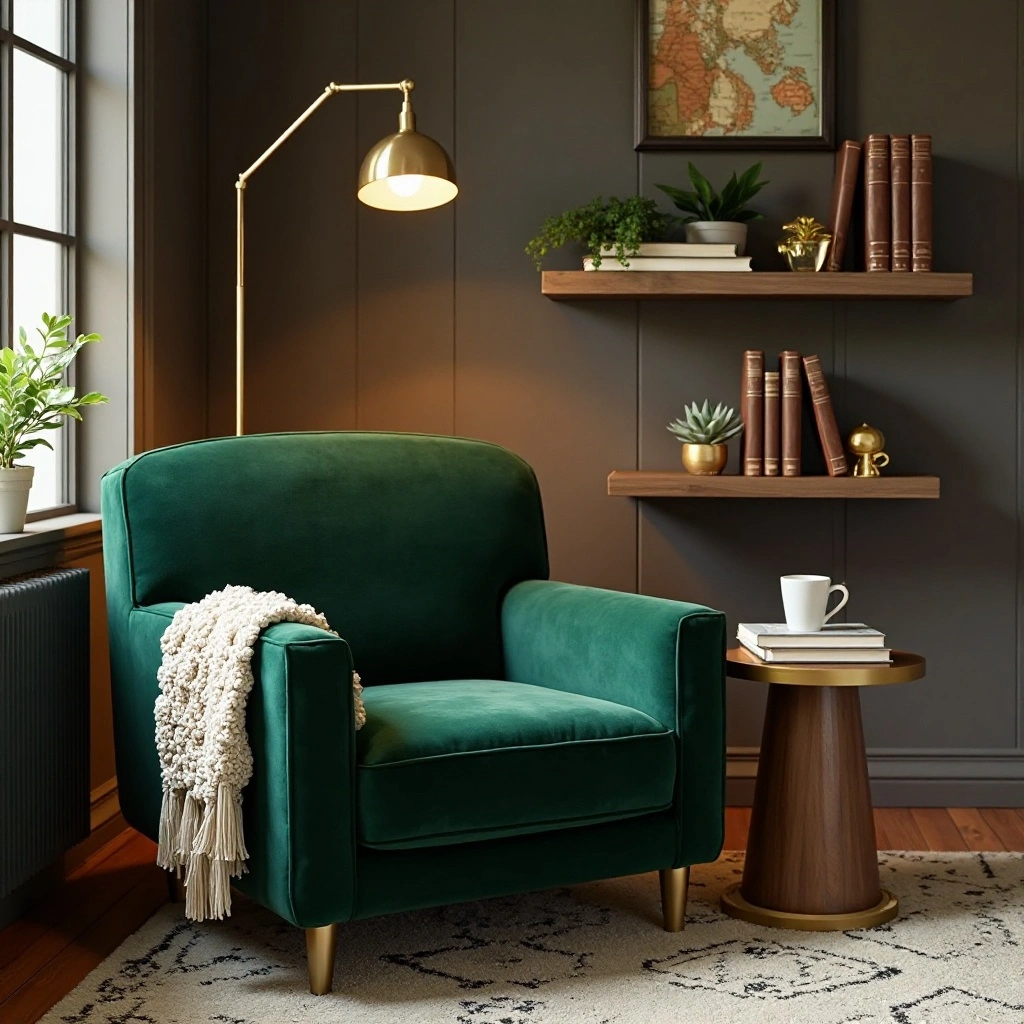
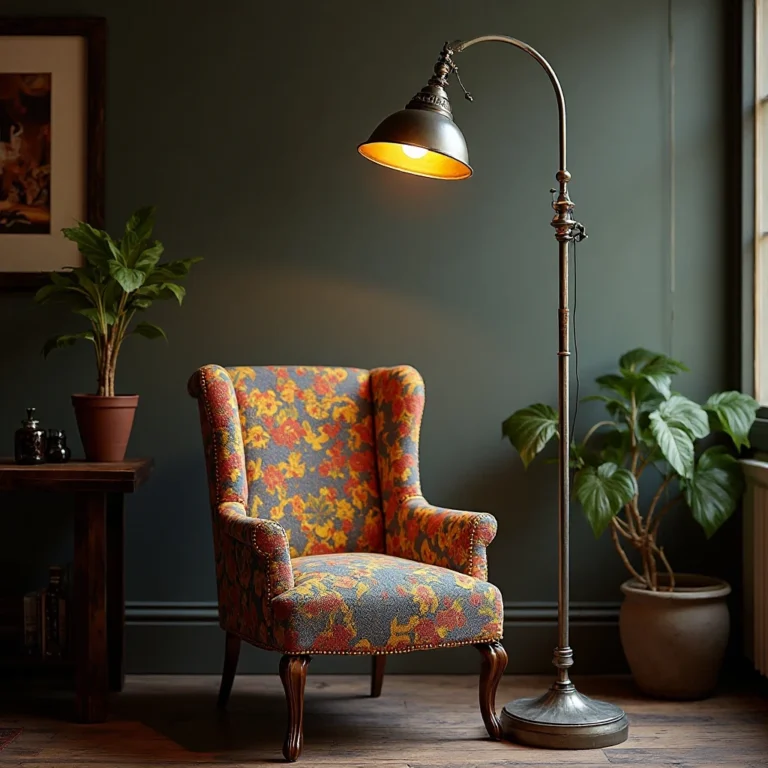
A plush velvet armchair in deep emerald green positioned at a 45-degree angle in the corner creates an inviting literary escape. A sleek brass floor lamp with an adjustable arm stands behind the chair, its warm light pooling perfectly over the reading spot.
A chunky knit throw blanket in cream drapes over the chair arm beside a small round side table in walnut wood holding a stack of hardcover books and a ceramic mug.
The corner wall features floating shelves staggered at different heights, displaying leather-bound books mixed with small potted succulents and a framed vintage map. A plush area rug in muted geometric patterns anchors the space, extending from beneath the chair. Shop on Amazon
Why This Works: Reading corners utilize vertical space while creating a dedicated purpose for an otherwise empty area. The angled chair placement naturally draws the eye and creates better traffic flow than furniture pushed flat against walls.
Styling Tips:
- Choose a lamp with a dimmer switch to adjust lighting for different times of day
- Ensure the chair height allows your feet to touch the ground comfortably for extended reading sessions
- Position the chair at least 18 inches from both walls to allow comfortable movement
- Select books with attractive spines in coordinating colors for visual cohesion
Best Room Placement: Living rooms with natural light, home libraries, master bedrooms, or quiet study areas
2. The Vertical Garden Oasis
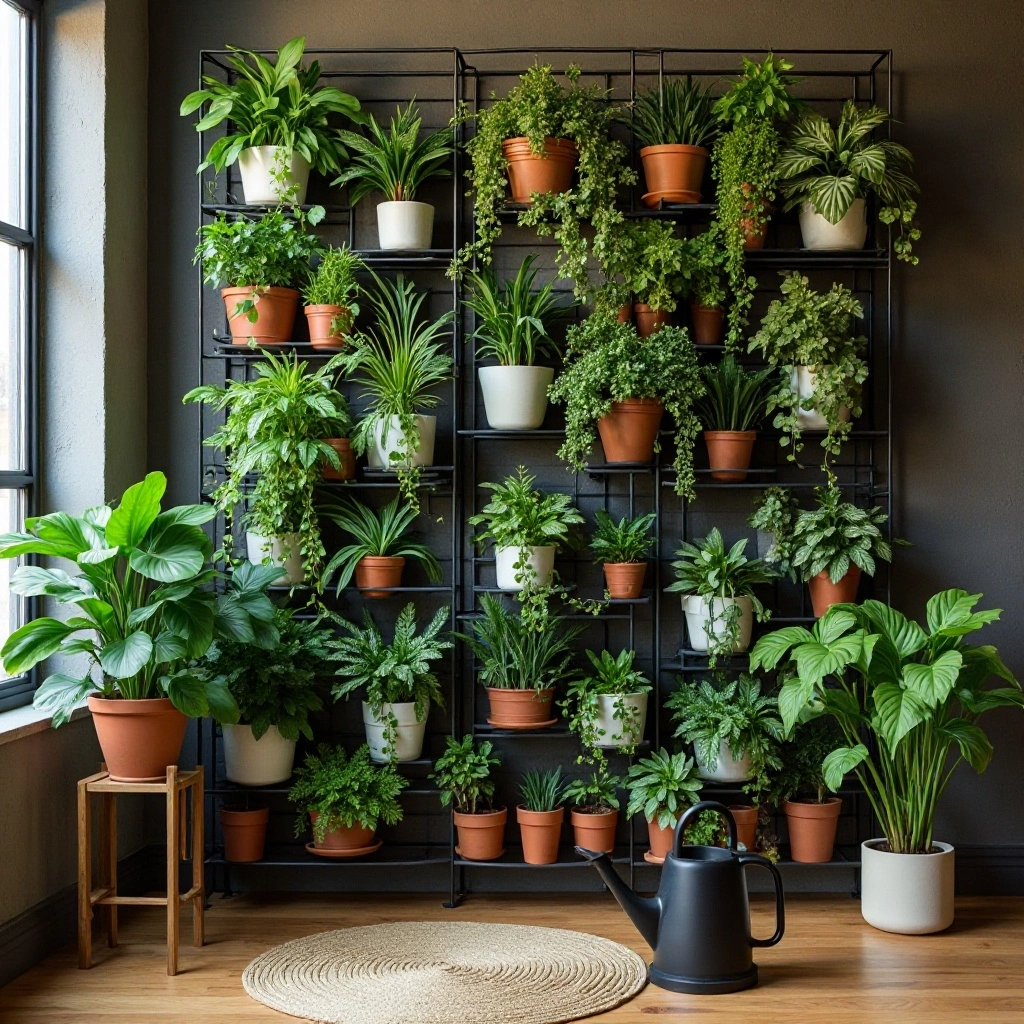
A living wall installation using a modular plant wall system with multiple tiers transforms a corner into a botanical showcase. Black metal grid panels mounted from floor to ceiling hold an array of potted plants in terracotta and white ceramic containers.
Trailing pothos with long cascading vines mix with architectural snake plants in varying heights and lush ferns that add volume. A small wooden plant stand sits at the base holding larger floor plants like a fiddle leaf fig and a bird of paradise.
Integrated grow lights on slim tracks illuminate the greenery, while a small wooden ladder leans decoratively against one wall, its rungs holding additional hanging plants. The floor beneath is protected by a natural jute rug, and a modern watering can in matte black sits ready nearby. Shop on Amazon
Why This Works: Vertical gardens make powerful design statements while improving air quality. Corner placement allows the plants to spread naturally in multiple directions without interfering with walking paths.
Styling Tips:
- Mix plant types with different care requirements only if they’re in individual pots
- Group high-maintenance plants at eye level where you’ll notice them daily
- Install a small shelf at the base for watering supplies and plant food
- Rotate plants quarterly to ensure even growth on all sides
Best Room Placement: Bright living rooms, sunrooms, plant-filled bedrooms, or boho-inspired spaces
3. The Floating Corner Desk Station
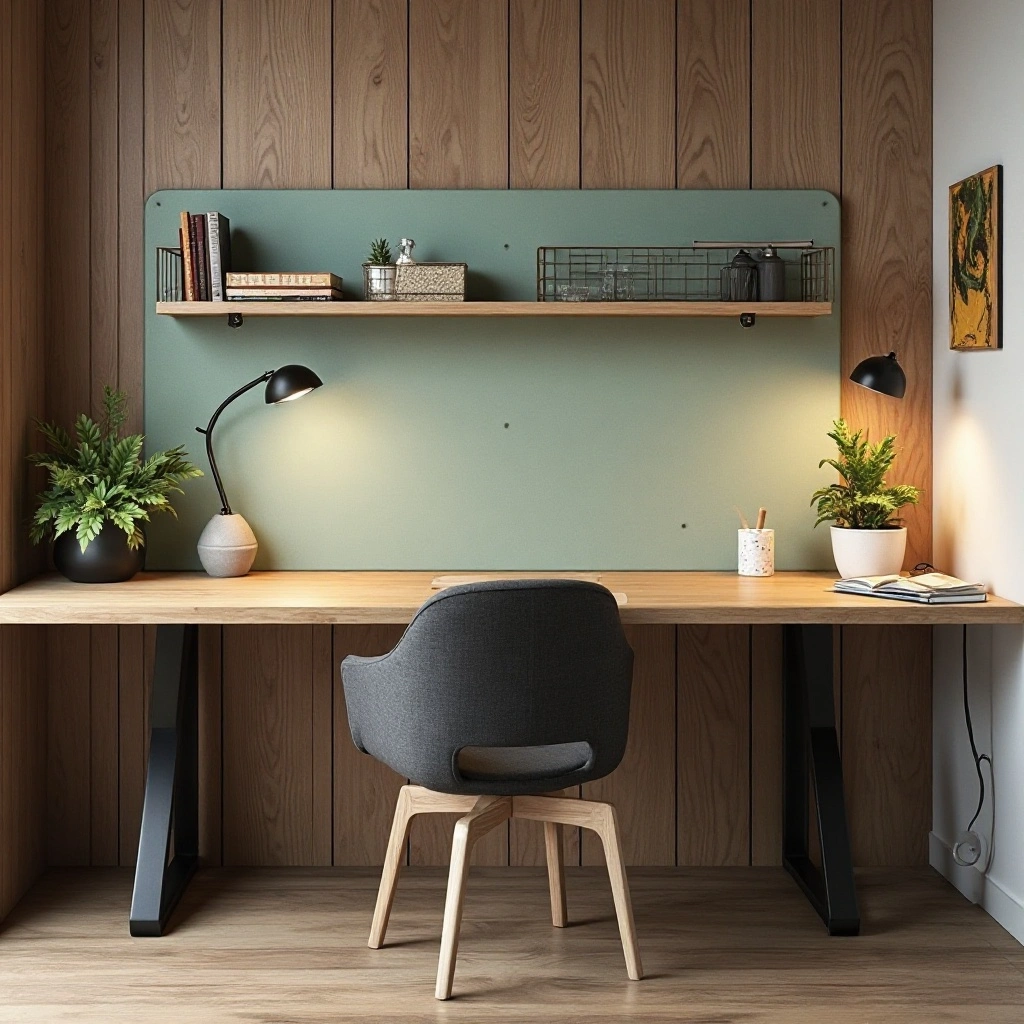
A seamless workspace features a custom corner desk that wraps around both walls, appearing to float without visible supports. The desktop is a continuous piece of white oak with a matte finish, extending 24 inches deep on each wall with sleek bracket supports recessed and barely visible. Shop on Amazon
A modern office chair in charcoal gray upholstery with wooden legs tucks neatly beneath. Above the desk, a pegboard system painted in soft sage green organizes desk supplies in copper wire baskets and wooden pegs.
A minimalist desk lamp with a concrete base provides task lighting, while a small potted cactus and a marble pen holder add personality. Cable management clips keep cords hidden along the wall edge.
Why This Works: Floating desks maximize floor space and create a lighter visual footprint than traditional desks. Corner placement uses often-wasted space while facing you toward the room rather than a wall.
Styling Tips:
- Install the desk at 29-30 inches high for optimal ergonomics
- Ensure the corner junction is reinforced properly to handle the desk’s weight
- Use wireless peripherals when possible to minimize cable clutter
- Add a small plant or personal photo to prevent the workspace from feeling sterile
Best Room Placement: Small apartments, multi-purpose living rooms, home offices, or bedroom work zones
4. The Gallery Wall Corner Cascade
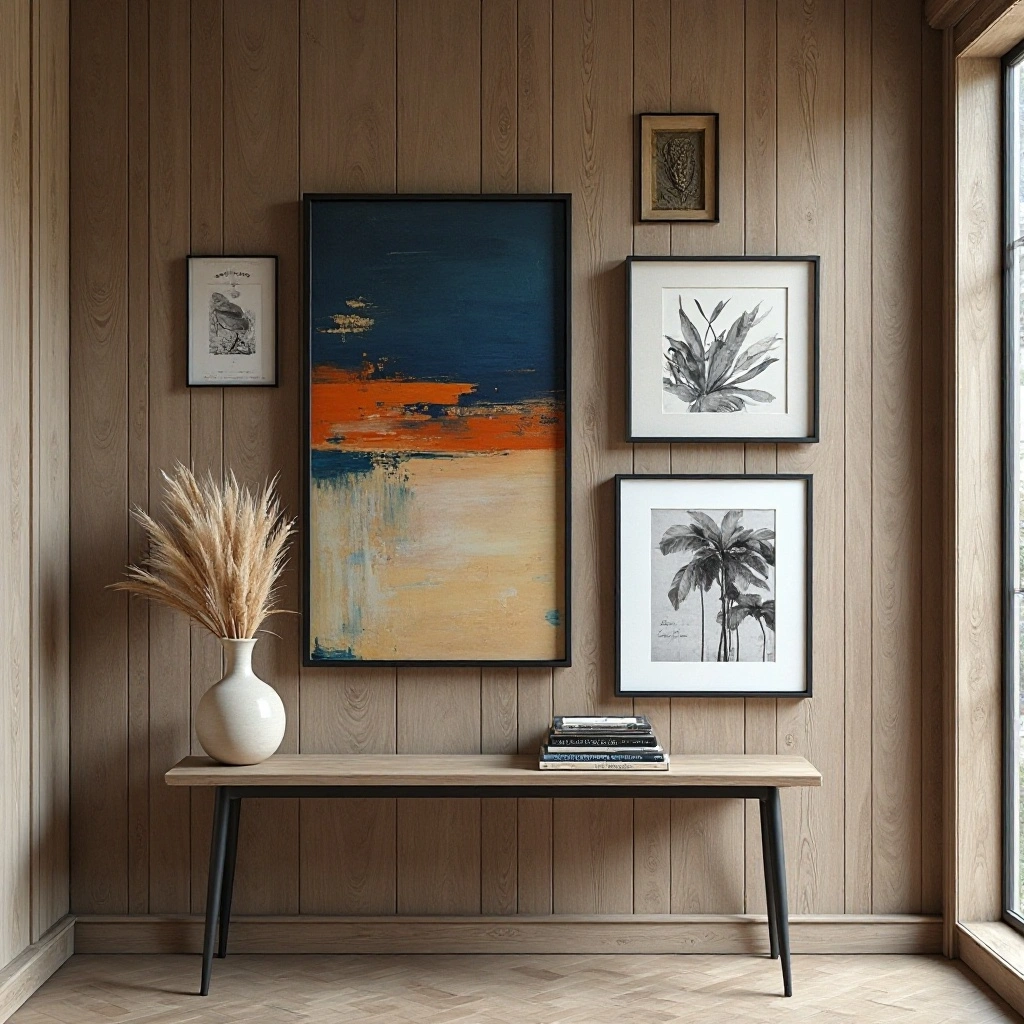
A dynamic art display flows around the corner from one wall to the other, featuring frames of varying sizes and styles. A large statement piece at eye level on one wall—an abstract painting with bold brushstrokes in navy, terracotta, and gold—serves as the anchor.
Smaller frames containing black and white photography, vintage botanical prints, and modern line drawings surround it. The arrangement cascades down and around the corner, with frames wrapped continuously onto the adjacent wall, creating visual movement.
Frame styles mix thin black metal, natural wood, and ornate gold. Below the arrangement, a narrow console table with tapered legs holds a sculptural ceramic vase with dried pampas grass and a small stack of art books. Shop on Amazon
Why This Works: Corner gallery walls create immersive viewing experiences and make small art collections feel more significant. The wraparound effect leads the eye naturally and makes corners feel intentional.
Styling Tips:
- Lay out your arrangement on the floor first, maintaining 2-3 inches between frames
- Start with your largest piece and build around it, mixing orientations for visual interest
- Use a paper template method to plan placement before hammering nails
- Ensure the arrangement extends at least 2/3 the width of the console below
Best Room Placement: Living rooms, hallways, dining rooms, or stairway landings
5. The Architectural Floor Lamp Statement
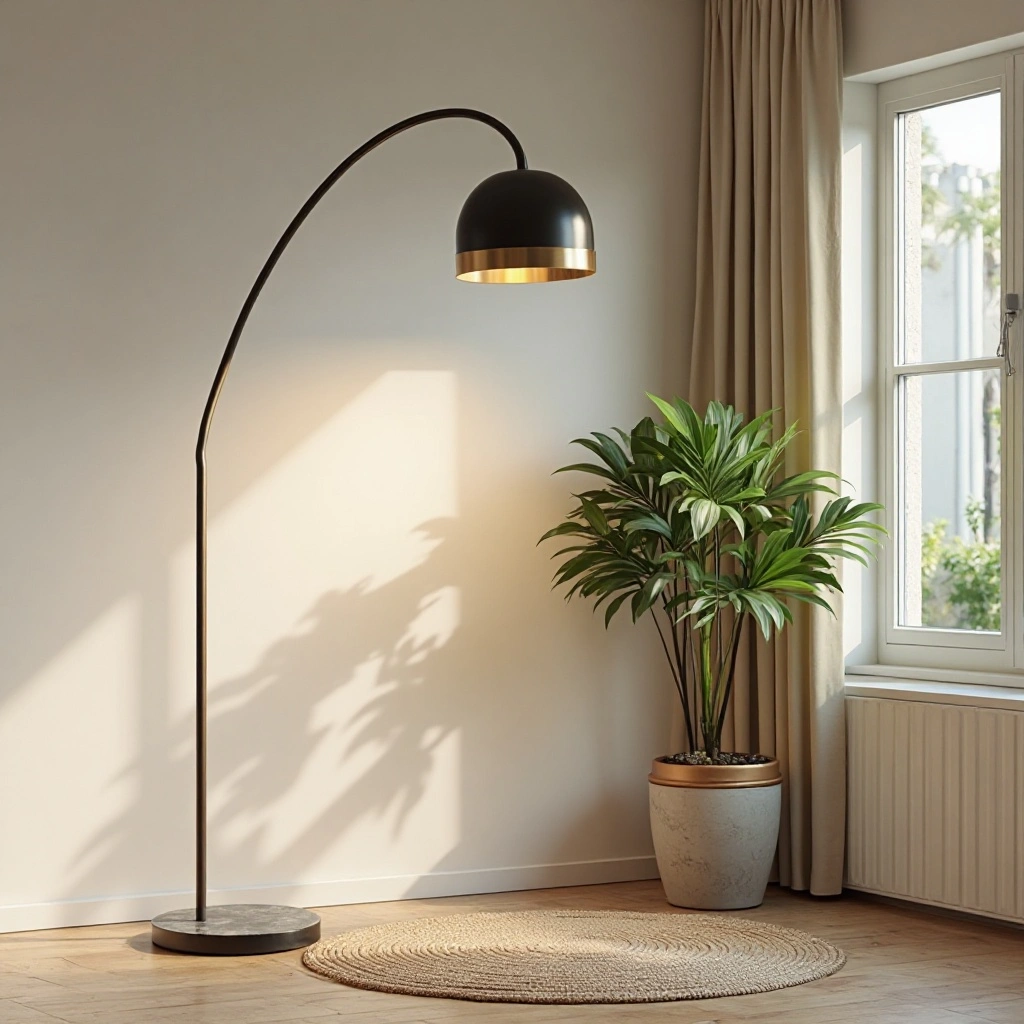
A dramatic arching floor lamp serves as the corner’s sole focus in a bold minimalist statement. The lamp features a marble base with a long curved arm extending outward into the room, topped with an oversized dome shade in brushed brass or matte black.
The lamp stands alone in the corner on a small round area rug in natural fiber, its dramatic arc creating a sculptural presence. The warm glow washes both walls, creating ambient lighting that enhances the entire room.
The corner remains otherwise minimal—perhaps just a small potted monstera plant at the base and clean white walls that let the lamp’s form take center stage. Shop on Amazon
Why This Works: Oversized floor lamps create vertical interest and ambient lighting while requiring minimal floor space. Their dramatic arcs make architectural statements that draw attention upward.
Styling Tips:
- Position the lamp so its arc extends 4-6 feet into the room
- Ensure the base is heavy enough to prevent tipping (at least 15 pounds)
- Use a warm white bulb (2700K) for cozy ambiance
- Leave at least 30 inches of clearance around the lamp base for safe passage
Best Room Placement: Modern living rooms, reading areas, beside sofas, or accent lighting zones
6. The Bohemian Hanging Chair Retreat
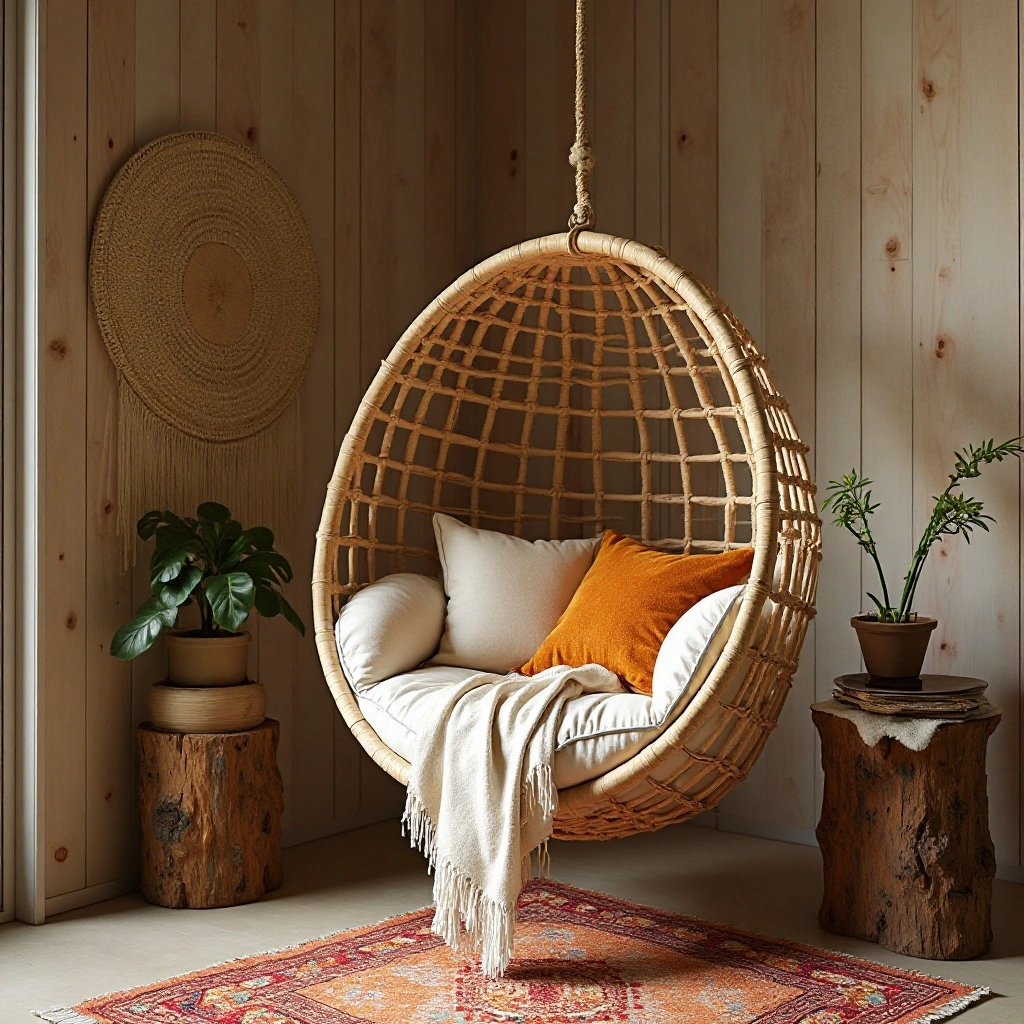
A rattan hanging chair suspended from a reinforced ceiling beam creates an instant bohemian focal point. The chair features a rounded pod shape in natural woven rattan with a thick cream cushion and multiple pillows in textured fabrics—macramé, velvet in burnt orange, and linen in natural tones.
The chair hangs from a heavy-duty ceiling hook with jute rope, positioned to gently sway. Below, a moroccan-style rug in warm reds and oranges layers with a sheepskin throw casually placed on the floor.
A small side table made from a tree stump holds a potted string of pearls plant cascading over the edge and a wooden bead garland. The corner wall features a large woven wall hanging in neutral tones. Shop on Amazon
Why This Works: Hanging chairs add playful personality and utilize vertical space without requiring floor space for chair legs. They create cozy nooks that feel separate from the main room.
Styling Tips:
- Ensure your ceiling joist can support 300+ pounds before installation
- Position the chair at least 18 inches from walls to allow comfortable swaying
- Hang at a height where your feet can touch the ground when seated
- Add a small side table within arm’s reach for drinks or books
Best Room Placement: Boho living rooms, teen bedrooms, sunrooms, or relaxation corners
7. The Floor-to-Ceiling Built-in Shelving
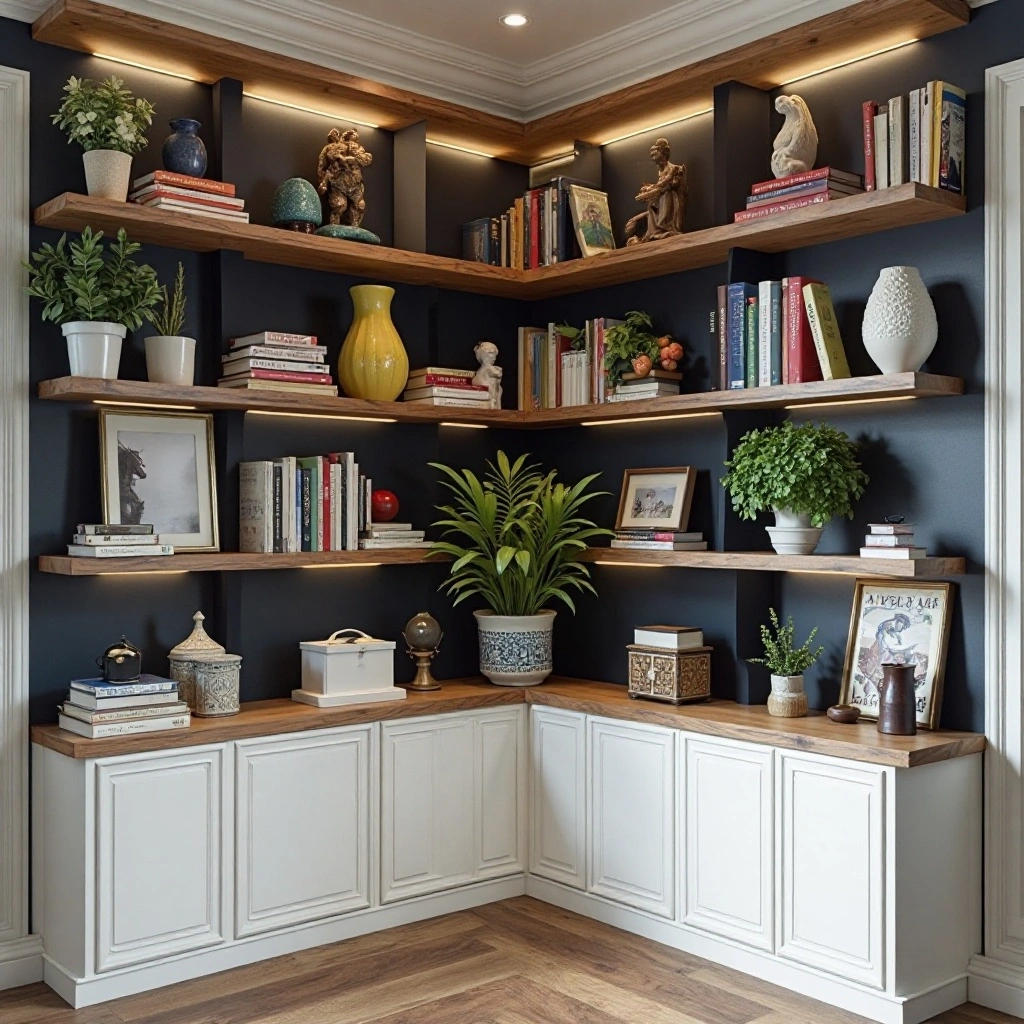
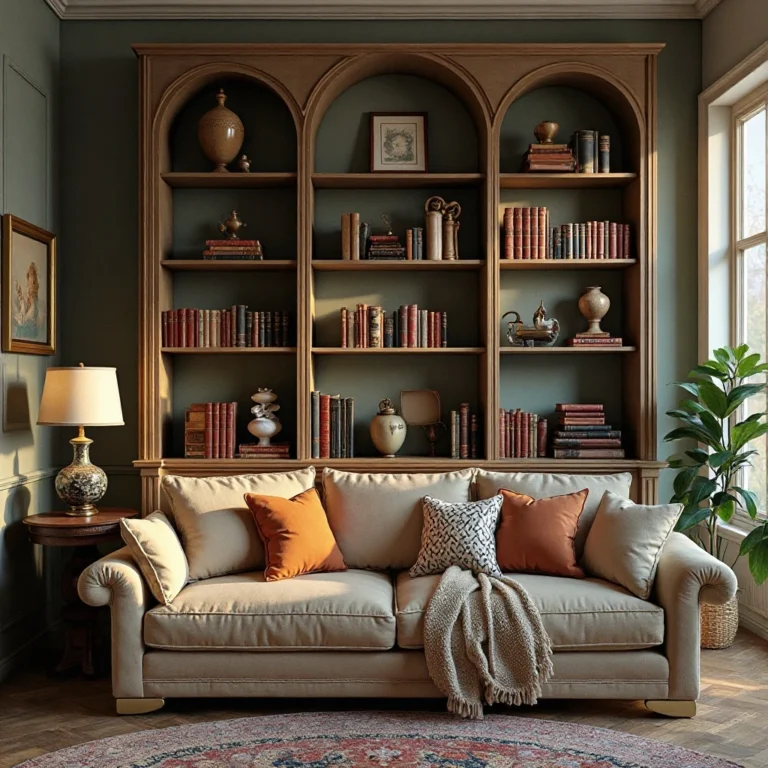
Custom built-in shelving wraps around the corner from floor to ceiling, creating a library-like presence. The shelving unit features multiple depths—deeper shelves at the bottom for oversized books and storage baskets, medium depths at eye level for regular books and decorative objects, and shallower shelves near the ceiling for displaying art and rarely-accessed items.
The interior backing is painted in deep navy blue while the shelves themselves remain crisp white. Styled shelves display a balanced mix: clusters of books both vertical and horizontal, framed family photos, small sculptures, potted plants at various heights, and decorative boxes concealing less attractive items. LED strip lighting under each shelf provides dramatic evening ambiance.
Why This Works: Built-ins add architectural character and significant storage while appearing intentional rather than added-on. Corner placement maximizes storage in typically underutilized areas. Shop on Amazon
Styling Tips:
- Follow the rule of thirds when styling—one-third books, one-third decorative objects, one-third negative space
- Group items in odd numbers (3 or 5) for visual appeal
- Vary the direction of books—some vertical, some horizontal stacks
- Leave some shelves completely empty for visual breathing room
Best Room Placement: Living rooms, home offices, libraries, or family rooms
8. The Cozy Window Seat Extension
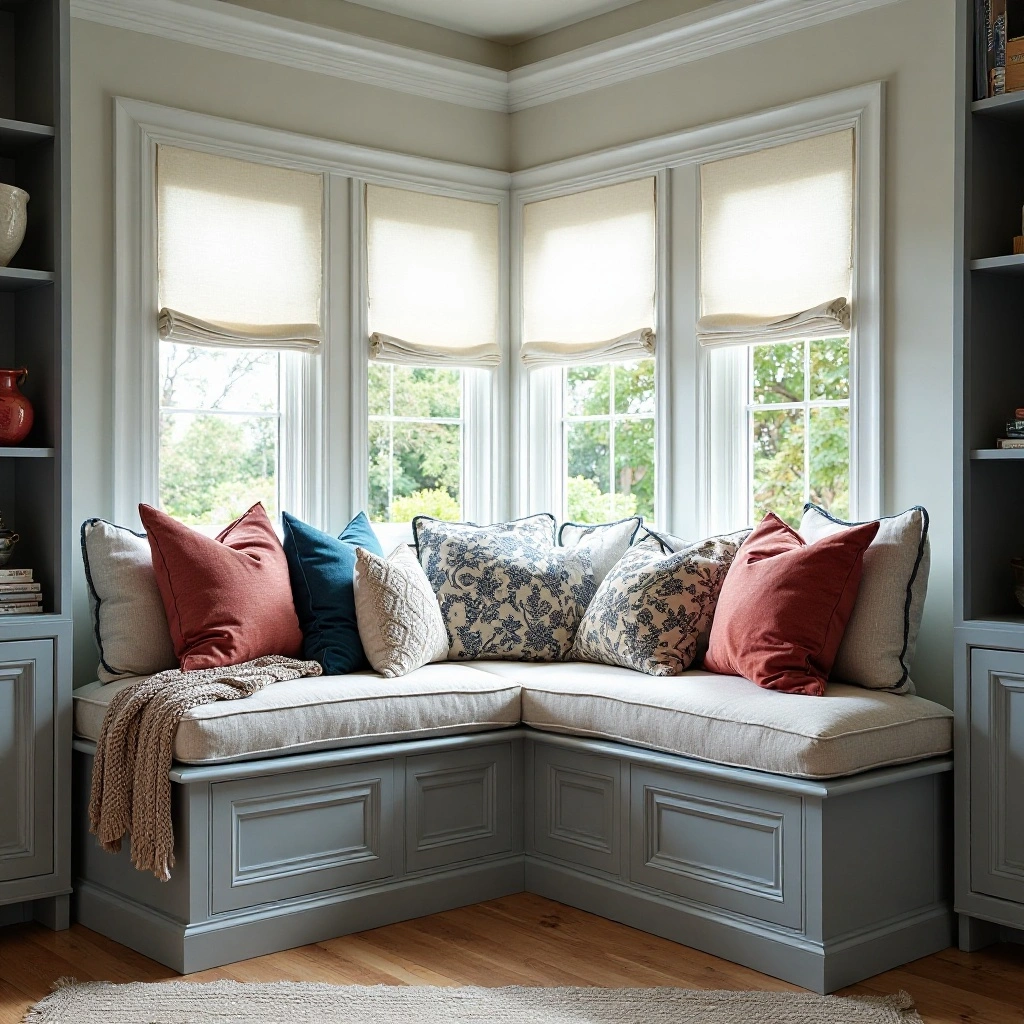
A custom window seat wraps around a corner window, creating an L-shaped bench that maximizes the view. The base is built with storage compartments beneath flip-up cushioned tops, painted in soft gray-blue.
A thick cushion in durable upholstery fabric tops the seat, piled with throw pillows in varying sizes mixing geometric prints, solid velvets in jewel tones, and pieces with decorative trim. The windows feature simple white Roman shades for privacy.
Built-in shelving or cabinets flank the window seat on both sides, providing spots for books, a reading lamp with a linen shade, and decorative objects. A knit throw blanket drapes casually over one corner. Shop on Amazon
Why This Works: Window seats add functional seating while maximizing natural light. Corner configurations create a more enclosed, den-like feeling that increases coziness.
Styling Tips:
- Make cushions at least 4 inches thick for comfort
- Ensure the seat height is 17-19 inches—the standard chair height
- Add storage dividers inside the base to keep items organized
- Include pillows with removable, washable covers for easy maintenance
Best Room Placement: Bay windows, corner windows, breakfast nooks, or bedroom reading areas
9. The Musical Instrument Display Corner
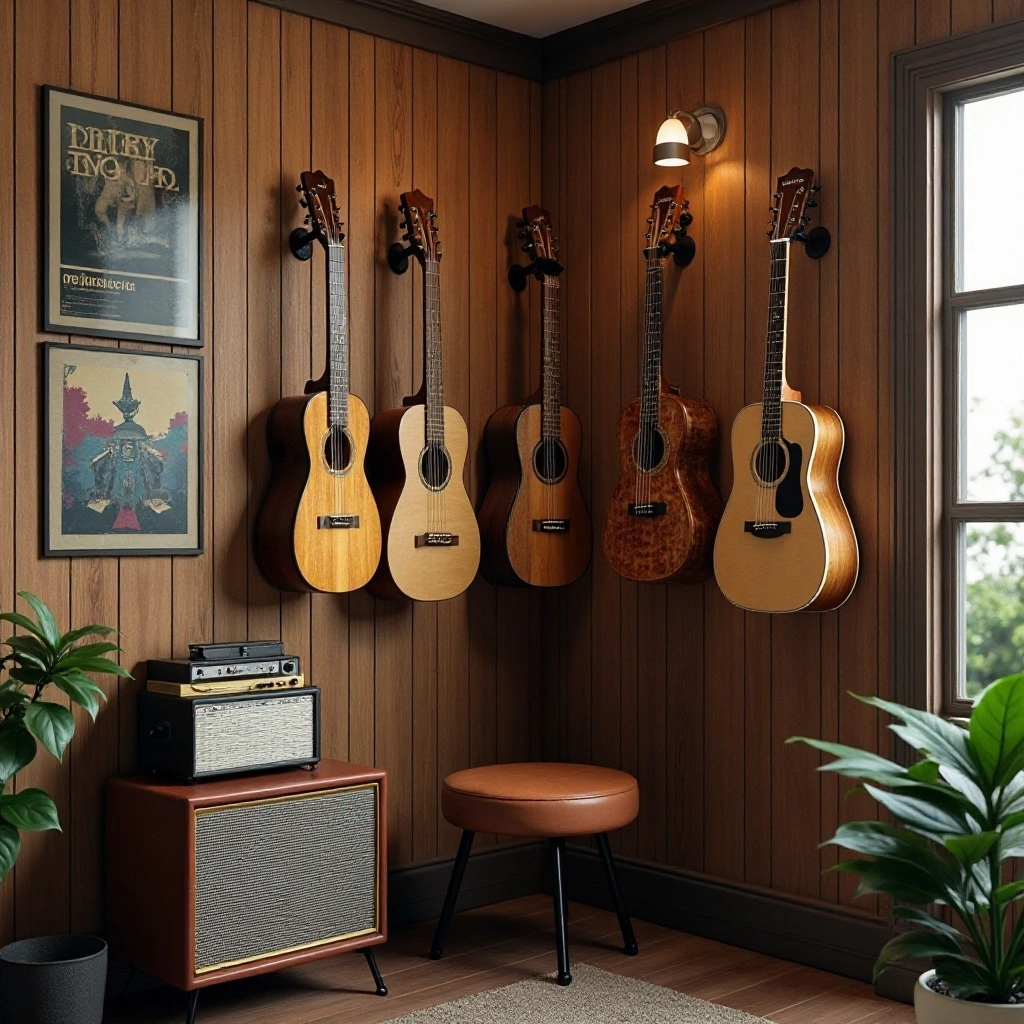
A dedicated instrument display corner celebrates musical passion with guitar wall hangers mounted on both corner walls in a staggered, asymmetric pattern, displaying 3-4 guitars or ukuleles that serve as functional art.
The instruments are chosen for their beautiful wood grains or unique colors that complement the room. Below, a vintage-style amplifier or a small credenza in mid-century modern design holds sheet music, a metronome, and a small potted plant. A comfortable stool sits ready for impromptu practice sessions.
The walls feature framed concert posters or music-themed artwork that reinforces the theme. A small accent light highlights the instruments from below, casting dramatic shadows on the walls. Shop on Amazon
Why This Works: Vertical instrument storage protects necks from warping while creating personalized decor that reflects your interests. Corners provide natural backing for display without instruments protruding into walkways.
Styling Tips:
- Install hangers into studs, not just drywall
- Position instruments at least 12 inches apart to prevent accidental bumps
- Keep instruments out of direct sunlight to prevent finish damage
- Add a small humidifier nearby if you live in a dry climate
Best Room Placement: Music rooms, creative studios, living rooms, or teen bedrooms
Common Mistakes to Avoid
1. Overcrowding the Corner
The biggest mistake is trying to fit too much into a corner space. Corners naturally feel more enclosed, so overfilling them creates claustrophobia rather than coziness. Leave breathing room around furniture and decor—a single statement piece often works better than multiple competing elements.
2. Ignoring Scale and Proportion
Placing furniture that’s too large for the corner or too small to make an impact throws off the room’s balance. A 6-foot bookshelf might work in a corner of a room with 10-foot ceilings but overwhelm one with 8-foot ceilings. Measure carefully and consider how pieces relate to ceiling height and adjacent walls.
3. Forgetting About Lighting
Corners are naturally darker than other areas since they’re furthest from windows and central lighting. Relying solely on overhead lighting leaves corners dim and uninviting. Always add dedicated corner lighting—floor lamps, wall sconces, or LED strips—to make the space functional and highlight your design choices.
4. Pushing Everything Against the Walls
While it seems intuitive, pushing all furniture flat against corner walls actually makes spaces feel smaller and less intentional. Angling pieces or pulling them slightly away creates better flow, makes corners more accessible, and adds visual interest through varying depths.
5. Neglecting Traffic Flow
A beautifully designed corner loses its appeal if people constantly bump into it or have to awkwardly navigate around it. Ensure at least 24-30 inches of clearance for walkways. Consider how people move through your living room and design corners that enhance rather than obstruct that natural flow.
6. Mismatching Styles
Creating a corner that clashes with your overall room aesthetic makes it feel disconnected and jarring. If your living room is minimalist Scandinavian, a heavily ornate baroque corner will stick out awkwardly. Your corner design should complement your existing style while potentially adding a fresh accent, not fight against the established theme.
7. Ignoring Vertical Space
Corners offer unique opportunities to draw the eye upward and make ceilings feel higher, yet many people only utilize the lower half of corner spaces. Floor-to-ceiling treatments—tall plants, vertical shelving, hanging elements, or stacked decor—maximize the corner’s impact and make rooms feel more spacious.
8. Overlooking Functionality
Beautiful corners that serve no purpose often collect dust and become clutter magnets over time. Design corners with specific functions in mind—reading, storage, display, work, entertaining—so they remain useful, maintained, and integrated into your daily life rather than becoming decorative afterthoughts.
9. Forgetting About Maintenance
Corners with elaborate plant arrangements, delicate fabrics, or hard-to-reach shelving need regular attention. Be realistic about your maintenance commitment and lifestyle. If you travel often or have limited time, choose low-maintenance solutions like artificial plants, wipeable surfaces, or easy-to-clean furniture.
10. Skipping the Foundation
Many people focus on furniture and decor but forget grounding elements like area rugs, which help define the corner space, add warmth, protect flooring, and create visual boundaries. A well-chosen rug anchors your corner design and makes it feel complete and intentional rather than random.
Frequently Asked Questions
How do I make a small living room corner feel bigger?
Use mirrors strategically to reflect light and create depth—position them to reflect windows or attractive views. Choose furniture with exposed legs rather than solid bases to maintain visual flow and show more floor space. Paint corners the same color as adjacent walls rather than creating contrast that emphasizes the corner. Incorporate vertical elements that draw the eye up, making ceilings feel higher. Use transparent materials like glass or acrylic when possible, and keep the color palette light and cohesive.
What’s the ideal furniture size for a living room corner?
Measure your corner carefully, accounting for any baseboards, molding, or architectural features. Generally, corner furniture should extend 24-36 inches along each wall for visual balance. Allow at least 18-24 inches of clearance from the furniture’s furthest point to any traffic pathways to prevent bottlenecks. For corners under 4 feet on each side, scale down to smaller accent pieces like a single chair or narrow shelving unit. Test measurements with cardboard cutouts before purchasing furniture.
Can I put a TV in the corner?
Yes, corner TV placement can work well with careful planning. Use a corner TV mount that allows angling toward your main seating area for optimal viewing. Follow the viewing distance rule: screen diagonal multiplied by 1.5-2.5 equals ideal distance. Mount the TV so the center is at eye level when seated—typically 42-48 inches from the floor. Corner TV placement works best in rooms where seating naturally faces that direction rather than forcing awkward neck-turning angles.
How do I hide cords and cables in a corner setup?
Use cable management boxes to conceal power strips and excess cord length—these boxes often look like decorative elements. Run cables along baseboards using adhesive cable clips in matching colors. For permanent installations like built-ins or wall-mounted desks, consider in-wall cable management systems that completely hide wires. Choose furniture with built-in cable management or pre-drilled holes for cords. Position outlets strategically during renovations, placing them where furniture will hide them.
What plants work best in dark corners?
Low-light tolerant plants include snake plants (Sansevieria), ZZ plants, pothos, philodendrons, peace lilies, cast iron plants, Chinese evergreens, and dracaenas. For very dark corners (less than 2 hours of indirect light daily), consider adding a grow light on a timer to supplement. Alternatively, use high-quality artificial plants—modern ones are remarkably realistic with varied leaf textures and natural imperfections. Rotate living plants between bright and dark spots monthly to maintain health.
How do I incorporate a corner into an open floor plan?
In open concepts, use corners to create subtle room division without walls or heavy barriers. A tall bookshelf can suggest separation between living and dining areas while maintaining sightlines. Corner seating arrangements naturally angle toward the main living space, creating cozy gathering spots within the larger room. Floor lamps or tall plants in corners define zones. Consider different flooring or area rugs to further delineate corner spaces within open layouts.
Should corner furniture match my other living room furniture?
Not necessarily—corner pieces can complement rather than match exactly. If your main furniture is modern with clean lines, your corner can introduce different textures (like a woven chair with your leather sofa) or accent colors (a blue reading chair in your neutral room) while maintaining similar proportions and overall aesthetic. The key is creating a cohesive overall look rather than perfectly matching every piece, which can feel showroom-like and impersonal.
How do I style a corner with awkward angles or soffits?
Embrace architectural quirks rather than fighting them—these features add character. Use custom solutions like built-in shelving that works with the angles, filling odd spaces efficiently. Highlight unusual features with accent lighting or a contrasting paint color that makes them look intentional. Add floating shelves at varying heights to work with slanted ceilings. Sometimes the “awkward” corner becomes the most interesting and memorable feature once you design around its unique character.
What’s the best way to light a corner reading nook?
Layer your lighting with multiple sources for flexibility. A floor lamp with an adjustable arm provides directed reading light (aim for 300-500 lumens for comfortable reading). Add a dimmer switch to control mood and brightness.
Consider a small table lamp for additional task lighting when needed. Use warm white bulbs (2700-3000K) to create cozy ambiance. Natural light is ideal during the day, so position reading nooks near windows when possible.
How often should I update my corner design?
Refreshing corner decor seasonally (4 times yearly) keeps your living room feeling current without major investment or effort. Swap out throw pillows, blankets, plants, and small decorative objects.
Every 2-3 years, consider more significant updates like repainting walls, changing larger furniture pieces, or reimagining the corner’s function entirely. However, invest in quality, timeless designs that won’t feel dated quickly, reducing the need for frequent overhauls.
Can I create multiple functional zones in one corner?
Yes, with smart, multipurpose furniture choices. A desk that doubles as a console table serves work and display functions. Storage ottomans provide seating and hidden storage. A bar cart can move when not in use, freeing the corner for other purposes. Murphy desks fold up when not needed. The key is keeping the corner from feeling cluttered—choose pieces that serve 2-3 purposes efficiently but don’t try to cram too many functions into one space.
What’s the most cost-effective way to transform a corner?
Start with paint—an accent color or removable wallpaper on corner walls creates significant impact for under $100. Add a single statement piece like a dramatic floor plant ($50-150), an oversized floor lamp ($100-300), or a large piece of artwork ($50-200). DIY floating shelves cost $50-100 in materials and tools. Rearrange existing furniture at zero cost by angling a chair you already own into the corner with a side table and lamp, creating a new vignette instantly.
How do I prevent corners from collecting clutter?
Design corners with specific, regularly-used purposes. A reading nook you use daily stays tidy because you’re constantly there. Include closed storage like baskets, cabinets, or ottomans with lids for corralling necessary items out of sight.
Implement a weekly corner refresh as part of your cleaning routine—dedicate 5 minutes to tidying and fluffing. Make corners so attractive and functional that you’re motivated to maintain them properly. If a corner consistently collects clutter, it may need a function redesign.
Final Thoughts
Living room corner represent untapped potential in nearly every home. Whether you choose a dramatic floor-to-ceiling solution or a simple statement piece, transforming your corners from forgotten zones into functional, beautiful spaces elevates your entire living room. The key is selecting an approach that matches both your aesthetic preferences and practical needs.
Start with one corner. Measure carefully, consider your lifestyle honestly, and implement a solution that excites you. You’ll be amazed how addressing previously neglected spaces makes your whole living room feel more intentional, designed, and complete. These aren’t just decorating tips—they’re strategies for maximizing every square foot of your home while creating spaces that truly enhance your daily life.
Remember, the best corner design is one you’ll actually use and maintain. Choose function over fleeting trends, invest in quality pieces that will last, and don’t be afraid to evolve your corner as your needs change over time.
Your living room corners are waiting to become the features that make guests ask, “Where did you get that idea?”—and now you have the knowledge to create those conversation-worthy spaces.