15 Stunning Planter Box Ideas – Transform Any Space
Whether you have a sprawling backyard or a tiny apartment balcony, the right planter box can completely change the way your space looks and feels. Planter boxes are one of the most versatile and affordable ways to bring life, color, and personality to any area — indoors or out. From rustic wood to sleek modern metal, there is a style for every taste and budget.
This guide walks you through 15 of the most inspiring planter box ideas, complete with styling tips, placement advice, and pro secrets that even seasoned gardeners swear by. Whether you’re a beginner or a plant enthusiast, you’ll find ideas here that spark your creativity and help you build something truly beautiful.
The 15 Best Planter Box Ideas
1. Classic Cedar Wood Planter Box
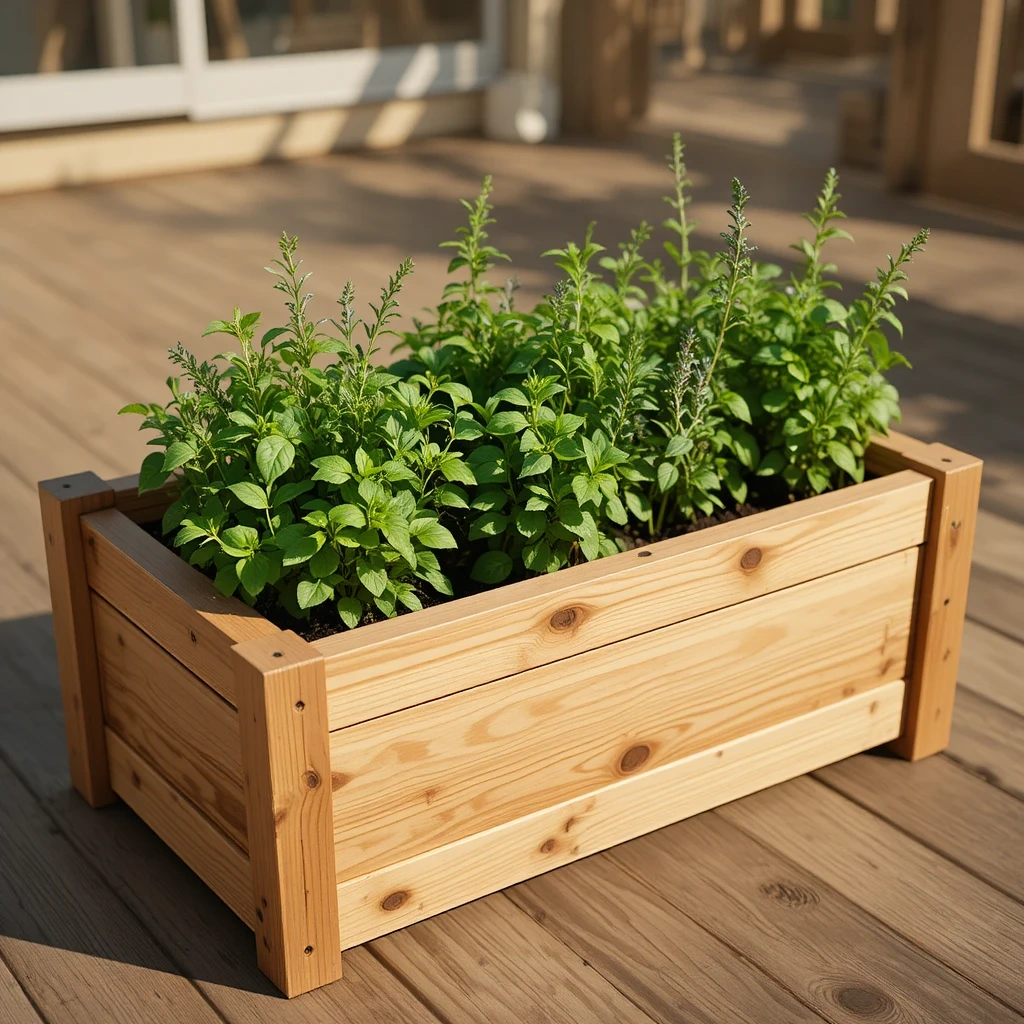
What It Is: The cedar wood planter box is the timeless backbone of garden design. Known for its natural resistance to rot and insects, cedar ages beautifully — going from a warm honey tone to a silvery gray over time. It’s beginner-friendly, easy to build or buy, and works in almost any setting. Shop on Amazon
Cedar’s natural oils protect it from moisture without the need for chemical treatments, making it one of the safest options for growing vegetables and herbs. A well-made cedar box can last 10–20 years with minimal upkeep, making it as practical as it is beautiful.
How to Style It:
- Stack two or three boxes at different heights for a tiered herb garden
- Leave the wood natural or apply a teak oil finish for a richer look
- Use copper plant markers for a farmhouse-chic aesthetic
- Pair with terracotta pots nearby for an earthy, cohesive feel
Where to Use It: Decks, patios, backyard borders, vegetable gardens, and kitchen windowsills (smaller versions).
💡 Pro Tip: Line the inside with landscape fabric before filling with soil — this protects the wood from direct soil contact and extends its lifespan by years.
2. Raised Vegetable Garden Planter Box
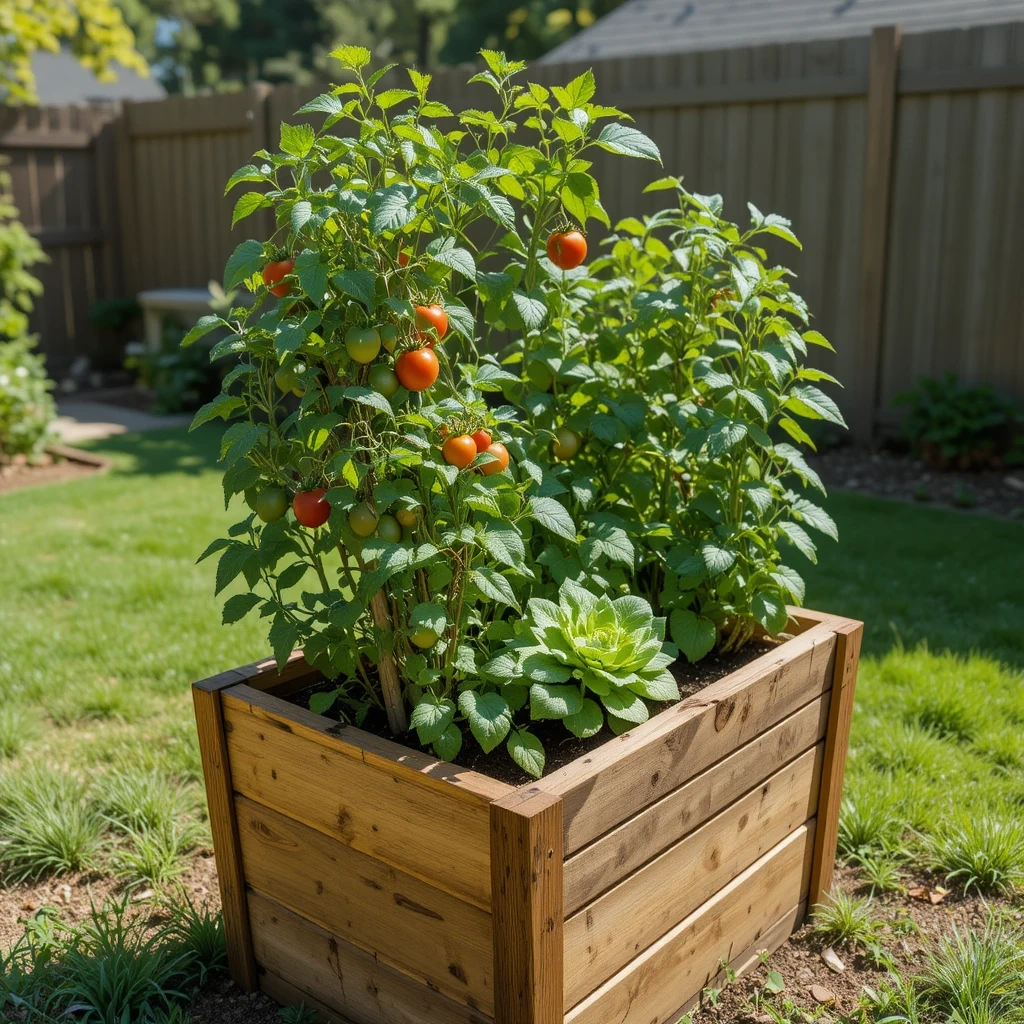
What It Is: The raised vegetable garden planter box is the ultimate functional garden feature. Elevated off the ground, it gives you full control over soil quality, drainage, and pest management. Gardeners love raised boxes because they warm up faster in spring, meaning earlier harvests and longer growing seasons. Shop on Amazon
These boxes are typically 8–24 inches tall, making them ideal for those with back problems or limited mobility. You can grow everything from tomatoes and peppers to lettuce and carrots — all in a compact, manageable space.
How to Style It:
- Use a mix of tall plants (tomatoes) at the back and low-growing ones (lettuce) at the front
- Add a simple trellis on one end for climbing vegetables like beans or cucumbers
- Paint the exterior in a muted sage green or charcoal for a modern look
- Install drip irrigation for low-maintenance watering
Where to Use It: Backyards, community gardens, school gardens, and side yards with good sun exposure.
💡 Pro Tip: Fill the bottom third of a deep box with straw or wood chips before adding soil — this improves drainage, reduces weight, and saves money on potting mix.
3. Vertical Wall Planter Box
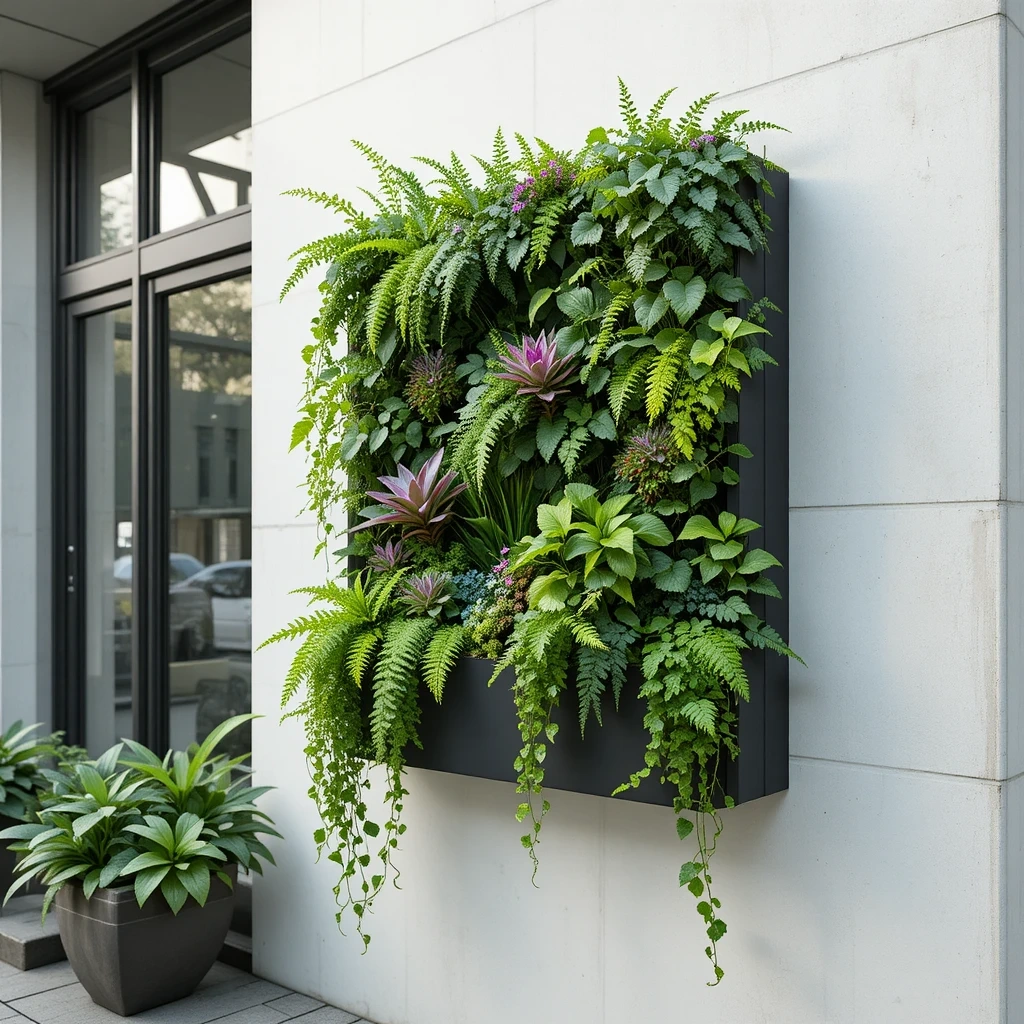
What It Is: The vertical wall planter box turns any bare wall or fence into a living piece of art. These stacked or mounted boxes are designed to grow plants in a vertical arrangement, making them perfect for small spaces where ground area is limited. From succulents and ferns to strawberries and herbs, the possibilities are nearly endless. Shop on Amazon
Vertical planters are especially popular in urban environments where balcony or patio space is tight. They double as privacy screens and natural insulation for exterior walls, making them as functional as they are stunning.
How to Style It:
- Alternate between trailing plants (ivy, string of pearls) and upright ones (lavender, rosemary) for visual rhythm
- Use a neutral-colored box to let the plants take center stage
- Mount at eye level so the arrangement can be fully appreciated
- Add small LED strip lights along the frame for nighttime ambiance
Where to Use It: Balconies, exterior walls, privacy fences, indoor accent walls, and narrow side yards.
💡 Pro Tip: Install a self-watering reservoir at the top of the vertical system so gravity does the watering for you — this prevents overwatering lower tiers and keeps maintenance minimal.
4. Modern Concrete Planter Box
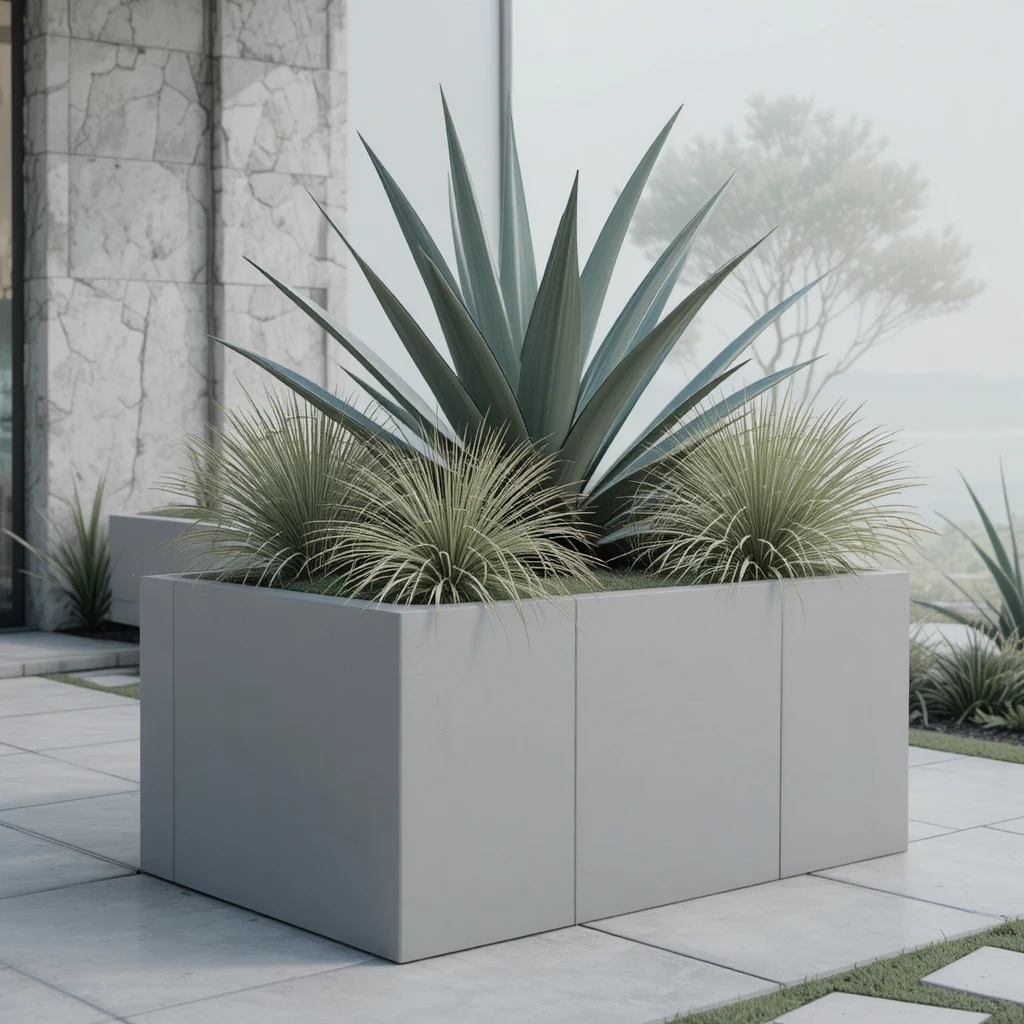
What It Is: The concrete planter box has taken the design world by storm. Its raw, industrial texture creates a bold contrast with soft, lush greenery — giving any space a high-end, gallery-like feel. Concrete planters are extremely durable, weather-resistant, and surprisingly lightweight when made with modern hypertufa or fiber-reinforced mixes. Shop on Amazon
They are available in sleek rectangular forms, geometric shapes, and even custom-cast designs. Concrete’s neutral gray tone pairs beautifully with architectural plants like agave, snake plants, and ornamental grasses.
How to Style It:
- Group three different-sized concrete boxes together for a modern sculptural display
- Plant architectural specimens like snake plants, agave, or bird of paradise
- Leave pots unpainted for an industrial look, or seal with a matte black coat for drama
- Use white gravel as a top dressing for a clean, finished appearance
Where to Use It: Modern patios, rooftop terraces, building entrances, minimalist interiors, and urban courtyards.
💡 Pro Tip: Seal the inside of concrete planters with a waterproof masonry sealer before planting — this prevents moisture from seeping out and cracking the concrete in freeze-thaw cycles.
5. Window Box Planter
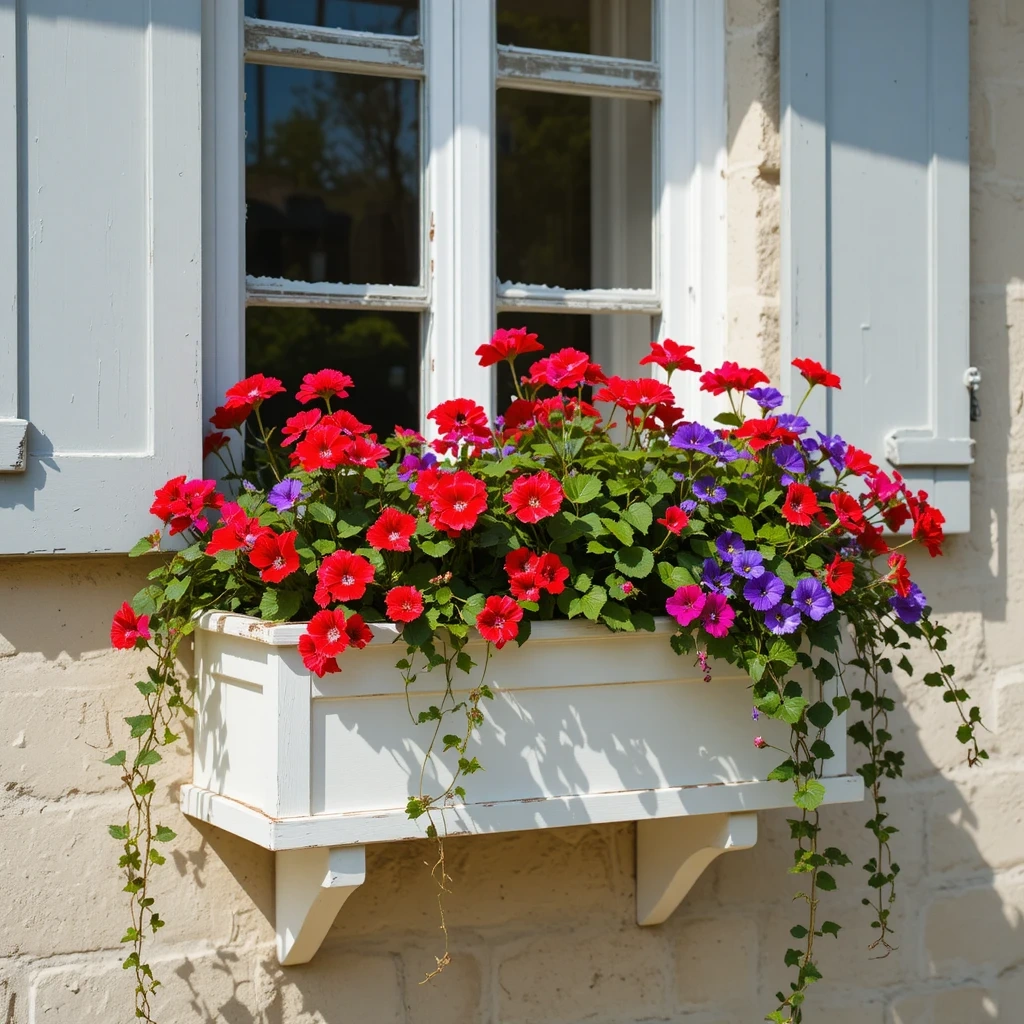
What It Is: The window box planter is one of the most charming and classic ways to dress up a home’s exterior. Mounted just below windowsills, these long, narrow boxes spill over with colorful flowers, herbs, or trailing plants, adding instant curb appeal and a storybook quality to any facade. Shop on Amazon
Window boxes are beloved across Europe — particularly in Switzerland, France, and Austria — where virtually every window overflows with blooms. They are easy to install, affordable, and can be changed seasonally to keep your home looking fresh year-round.
How to Style It:
- Combine a “thriller” (tall, focal plant), “filler” (bushy plant), and “spiller” (trailing plant) for a professional florist look
- Match the box color to your window trim or shutters for a cohesive look
- Swap plants seasonally: pansies for spring, geraniums for summer, ornamental kale for fall
- Add small fairy lights woven through the plants for evening charm
Where to Use It: Home exteriors, apartment balcony railings, indoor windowsills, and porch railings.
💡 Pro Tip: Always use a liner inside window boxes — this protects the wood and makes it easy to swap out entire plant arrangements seasonally without disturbing the box.
6. Galvanized Metal Trough Planter
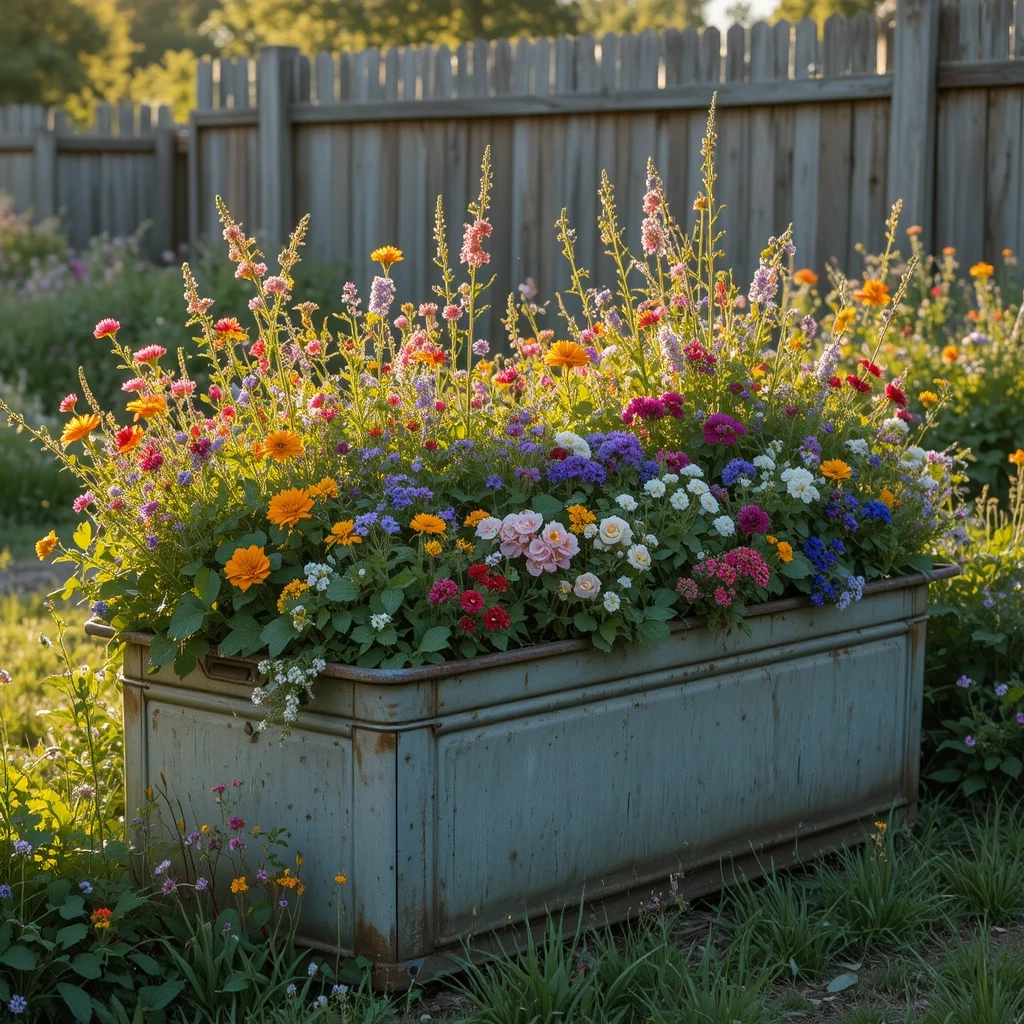
What It Is: Repurposed from the farm and ranch world, the galvanized metal trough planter has become a favorite in rustic and farmhouse-style gardens. These zinc-coated steel containers are virtually indestructible, naturally pest-resistant, and develop a beautiful aged patina over time. Their long, rectangular form is perfect for herb gardens, flower rows, and even small vegetable beds. Shop on Amazon
The contrast of shiny or weathered metal against soft, colorful plants creates a striking visual tension that feels both nostalgic and fresh. They are available in a range of sizes — from small tabletop versions to full-length livestock troughs.
How to Style It:
- Drill drainage holes in the bottom and elevate on bricks for airflow underneath
- Distress the surface with steel wool or vinegar for an instant aged look
- Combine with reclaimed wood elements for a cohesive farmhouse aesthetic
- Use as a focal centerpiece in a gravel or pea stone garden area
Where to Use It: Farmhouse gardens, rustic patios, country-style driveways, barn entrances, and market gardens.
💡 Pro Tip: Metal conducts heat — in hot climates, line the interior walls with burlap or bubble wrap insulation to protect plant roots from overheating during peak summer months.
7. Herb Garden Windowsill Planter Box
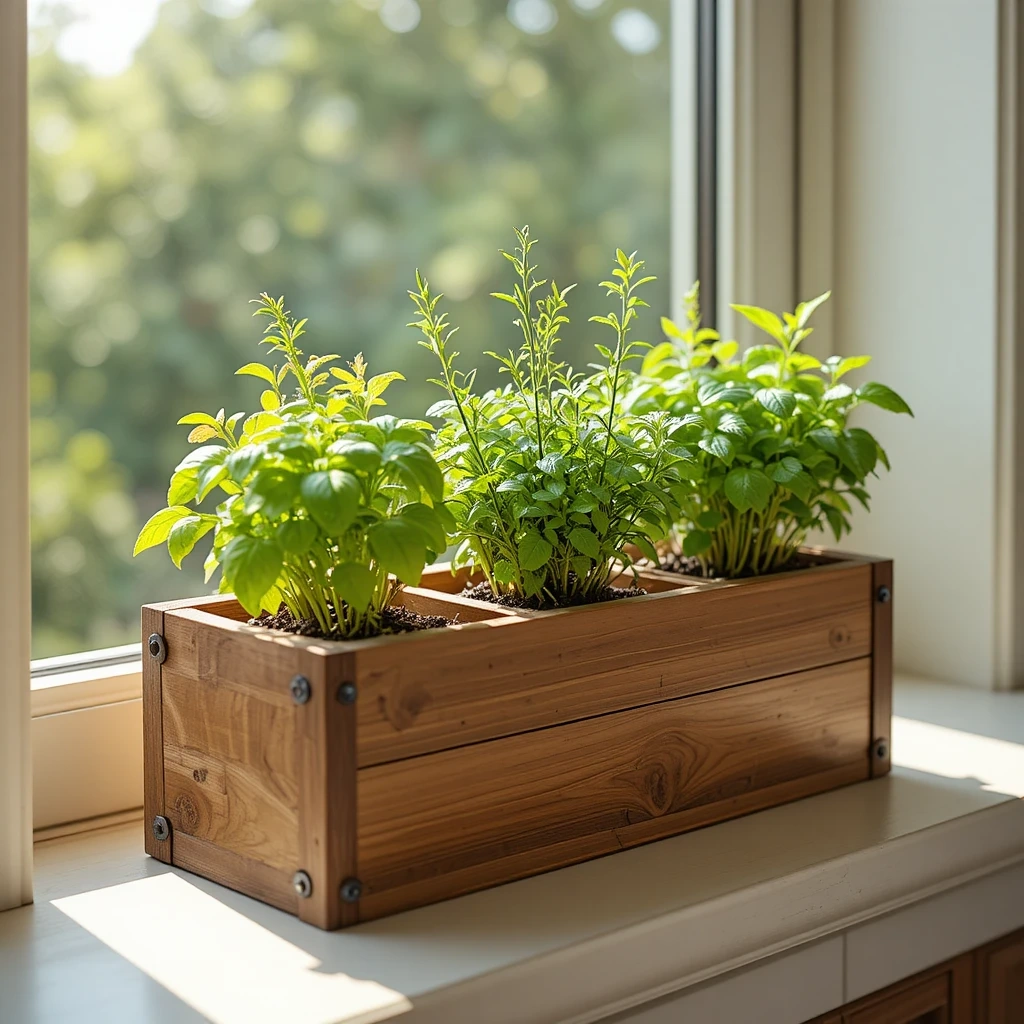
What It Is: The herb garden windowsill planter box is the most practical planter idea on this list. Sitting right on your kitchen or living room windowsill, it puts fresh basil, mint, parsley, and thyme within arm’s reach while you cook. It brings greenery indoors without taking up floor space, and the fragrance of fresh herbs makes your home feel alive and vibrant. Shop on Amazon
These compact planters are perfect for apartments and small homes where outdoor gardening isn’t an option. A well-maintained herb box is also an excellent gift idea and a great introduction to gardening for beginners.
How to Style It:
- Use individual terra cotta inserts in a wooden tray for a clean, separated look
- Add small hand-lettered chalkboard plant tags for a charming, artisan feel
- Choose a box that matches your kitchen cabinetry for a built-in look
- Keep scissors or snips nearby — regular trimming encourages bushier, healthier growth
Where to Use It: Kitchen windowsills, home offices, studio apartments, bathroom windows (for moisture-loving herbs like mint), and home bars.
💡 Pro Tip: Plant mint in its own isolated container — it spreads aggressively and will crowd out every other herb if given the chance to share root space.
8. Tiered Pyramid Planter Box
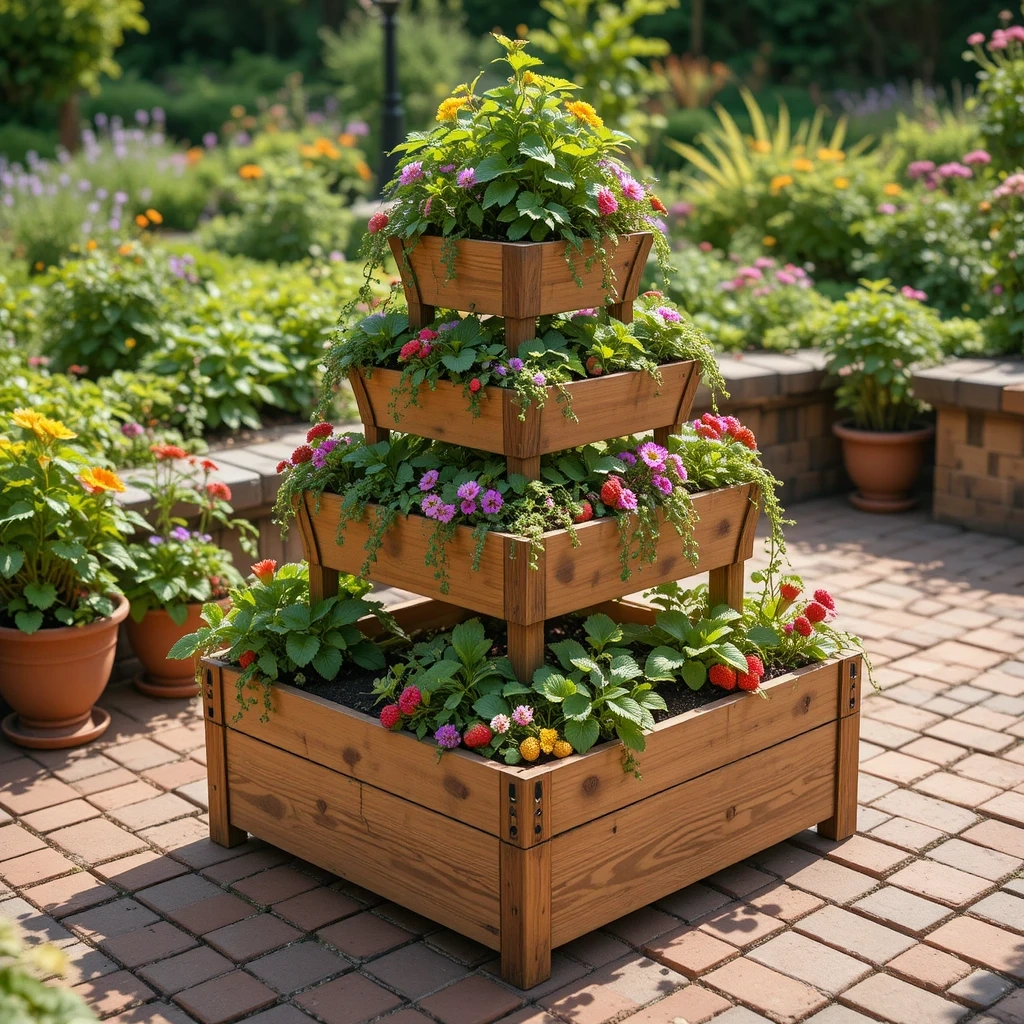
What It Is: The tiered pyramid planter box stacks multiple levels of planting space in a compact footprint — making it a brilliant solution for small gardens, patios, or anyone who wants to grow a lot without sprawling outward. Each tier narrows as it goes up, creating a visually pleasing pyramid or staircase effect that draws the eye upward. Shop on Amazon
These structures are especially popular for strawberries and herbs, where each level gets excellent sun exposure and airflow. They can be built from wood, reclaimed pallets, or purchased as modular systems.
How to Style It:
- Plant trailing strawberries to cascade over each tier’s edge for a lush waterfall effect
- Use a color gradient of flowers from dark at the base to pale at the top for visual impact
- Paint each tier a different shade of the same color for a playful, modern touch
- Top the highest tier with a tall structural plant as a focal point
Where to Use It: Compact patios, corner garden spots, entryways, front yard focal points, and community gardens.
💡 Pro Tip: Fill each tier with a slightly different soil mix tailored to what you’re planting — herbs prefer a sandier, well-drained mix while flowering annuals thrive in richer compost-heavy soil.
9. Recycled Pallet Planter Box
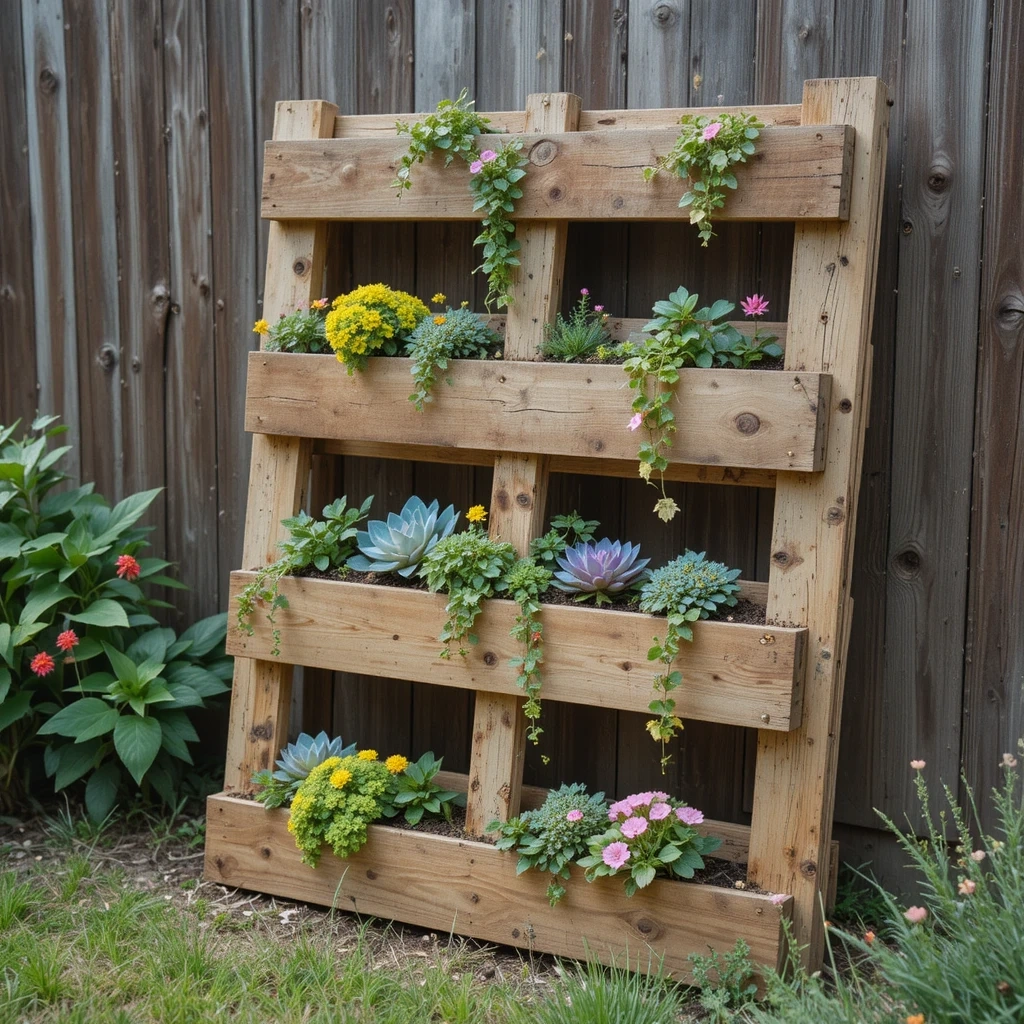
What It Is: The pallet planter box is the ultimate upcycling project. Old wooden shipping pallets — available free or cheaply from hardware stores, nurseries, and warehouses — can be transformed into stunning planter boxes with a few hours of work and minimal cost. Standing vertically or laid flat, pallets create instant, rustic charm and keep waste out of landfills. Shop on Amazon
Pallet gardens have exploded in popularity thanks to social media, and for good reason — they are endlessly customizable, beginner-friendly, and have a warmth and character that new lumber simply can’t replicate.
How to Style It:
- Line each pallet slot with landscape fabric stapled in place before adding soil
- Sand and stain the pallet in a walnut or ebony finish for a more polished look
- Mix edible herbs and decorative flowers together for a functional and beautiful arrangement
- Lean multiple pallets at slight angles for a dynamic gallery-wall effect
Where to Use It: Fences, garden walls, small patios, balconies, rental properties (they’re easy to remove), and community garden plots.
💡 Pro Tip: Only use pallets stamped with “HT” (heat treated) — avoid any marked “MB” (methyl bromide treated), as those pallets have been treated with chemicals unsafe for edible plants.
10. Long Rectangular Privacy Planter Box
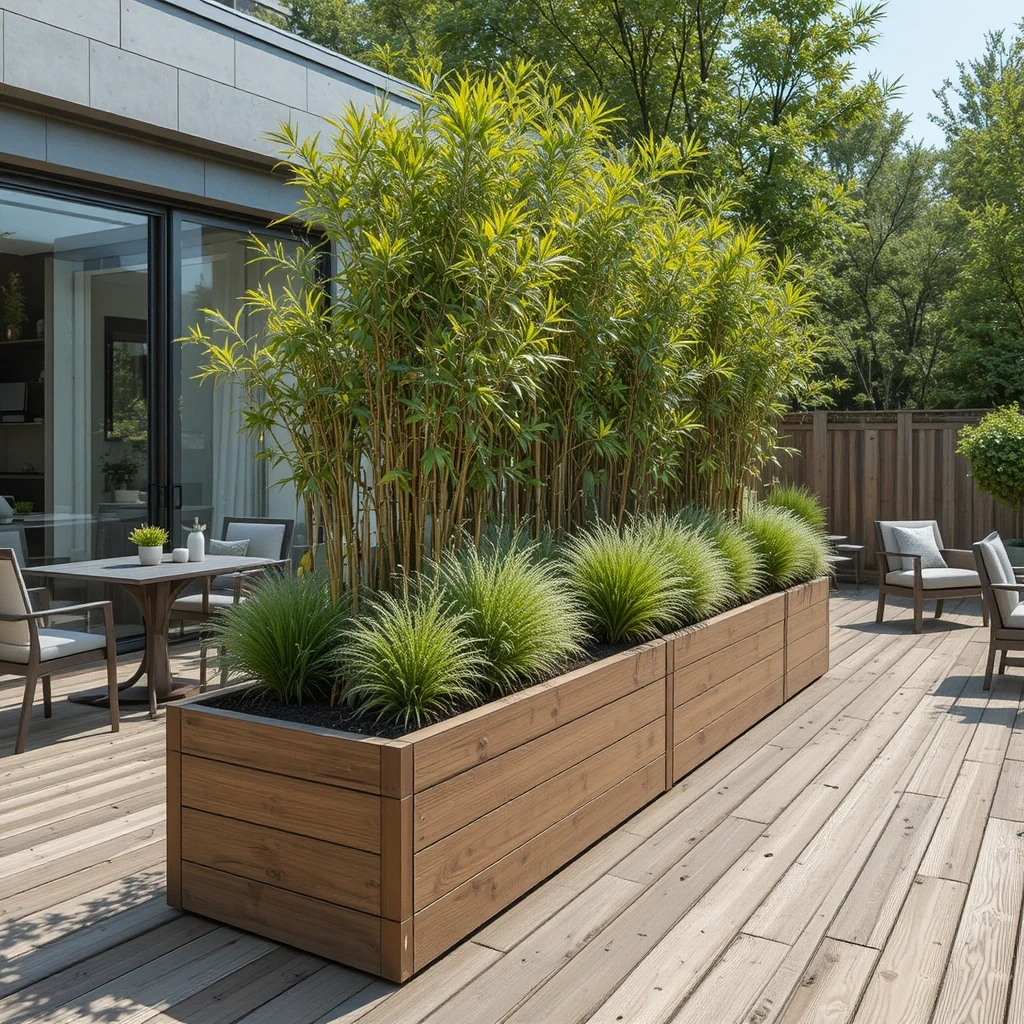
What It Is: The long rectangular privacy planter box combines beautiful landscaping with practical screening. Typically placed along property lines, decks, or patios, these oversized boxes are planted with tall grasses, bamboo, evergreen shrubs, or ornamental trees that grow up to create a natural living fence. Shop on Amazon
They are a far more attractive alternative to wooden privacy fences and offer the added benefit of sound dampening, wind reduction, and wildlife habitat. Placed on casters, they can even be moved seasonally to provide shade or redirect sightlines.
How to Style It:
- Plant a mix of tall grasses, bamboo (clumping variety), and broad-leaf shrubs for layered density
- Paint or stain the box to match your deck or fence for a seamless, integrated look
- Add solar post cap lights on the corners of the box for evening ambiance
- Underplant with low-growing herbs or ground cover to fill out the bottom
Where to Use It: Deck edges, patio perimeters, property boundaries, pool surrounds, rooftop terraces, and urban balconies.
💡 Pro Tip: Always choose clumping bamboo, not running bamboo — running varieties can escape the box and spread aggressively into your garden and beyond.
11. Self-Watering Planter Box
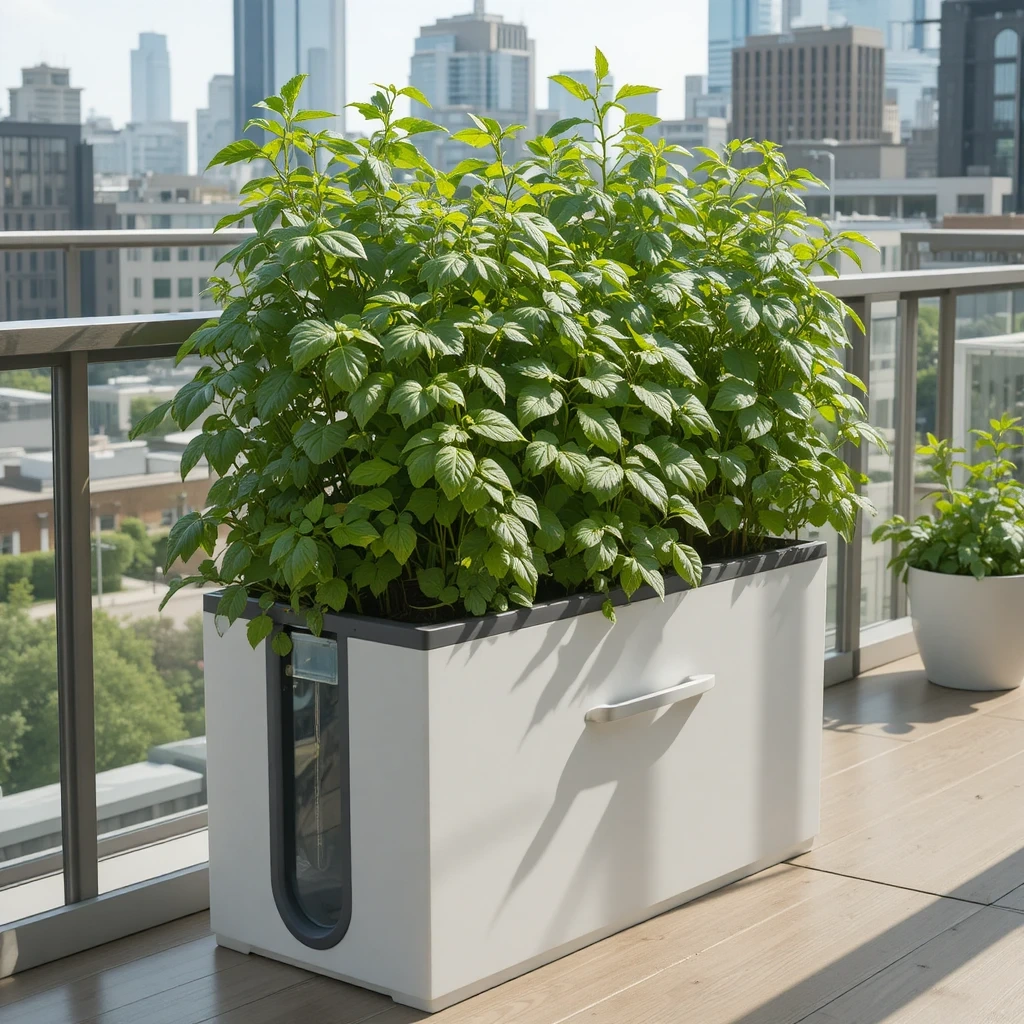
What It Is: The self-watering planter box is a game-changer for busy plant lovers, frequent travelers, or anyone who has ever killed a plant by forgetting to water it. These boxes feature a built-in reservoir at the bottom that holds a supply of water, which plant roots draw from as needed through wicking action — ensuring consistent moisture without the risk of overwatering or underwatering. Shop on Amazon
Self-watering planters dramatically reduce maintenance time and are especially effective for vegetables and herbs that have consistent moisture needs. They are available in wood, plastic, and composite materials.
How to Style It:
- Choose a box with a visible water level indicator so you always know when to refill
- Use these for moisture-loving crops like tomatoes, peppers, and lettuce
- Group several self-watering boxes together for a productive container vegetable garden
- Opt for a wood-wrapped version to get the aesthetic benefits of wood with the function of plastic
Where to Use It: Apartments, balconies, vacationers’ homes, offices, rooftop gardens, and urban container vegetable plots.
💡 Pro Tip: In the first week after planting, water from the top as normal to establish roots — only switch to reservoir-only watering once plants have settled and rooted downward into the moisture zone.
12. Colorful Painted Planter Box
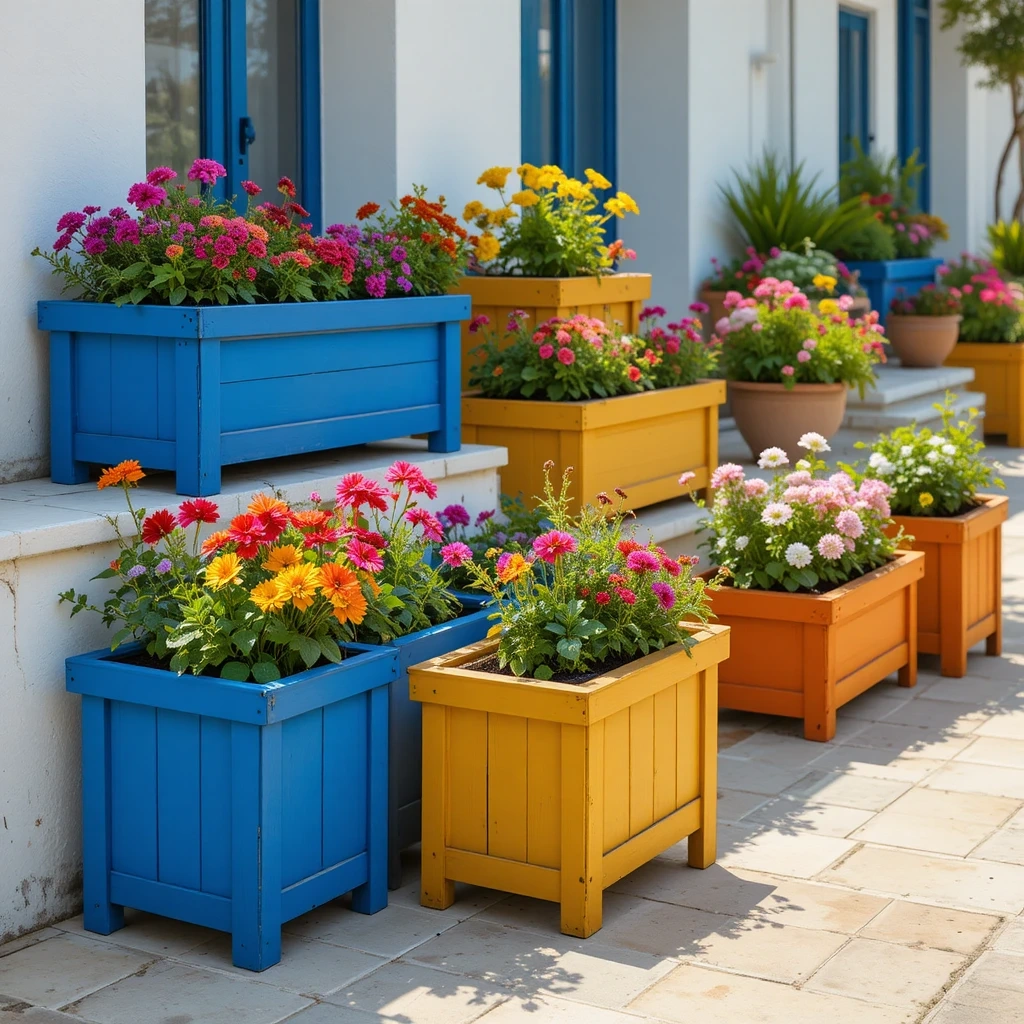
What It Is: A painted planter box is one of the easiest and most affordable ways to inject personality and color into any outdoor or indoor space. Whether you go bold with cobalt blue and sunshine yellow or subtle with muted sage and dusty rose, a well-painted planter can become a true statement piece that defines the character of your whole garden or patio. Shop on Amazon
Painted boxes work particularly well in eclectic, bohemian, or Scandinavian-inspired settings. They are also a great weekend project for families and a perfect way to involve children in the garden.
How to Style It:
- Use exterior-grade chalk paint for a beautiful matte finish that doesn’t chip easily
- Coordinate your box colors with your outdoor cushion covers or front door for a designed, intentional look
- Try color-blocking two tones on a single box for a modern graphic effect
- Seal with an outdoor varnish to protect the paint from weather and fading
Where to Use It: Patios, balconies, front porches, children’s gardens, market stalls, and event spaces.
💡 Pro Tip: Paint the inside of the box with a waterproof sealant in a neutral color — the decorative exterior paint alone isn’t sufficient to protect the wood from prolonged moisture exposure.
13. Corner Planter Box
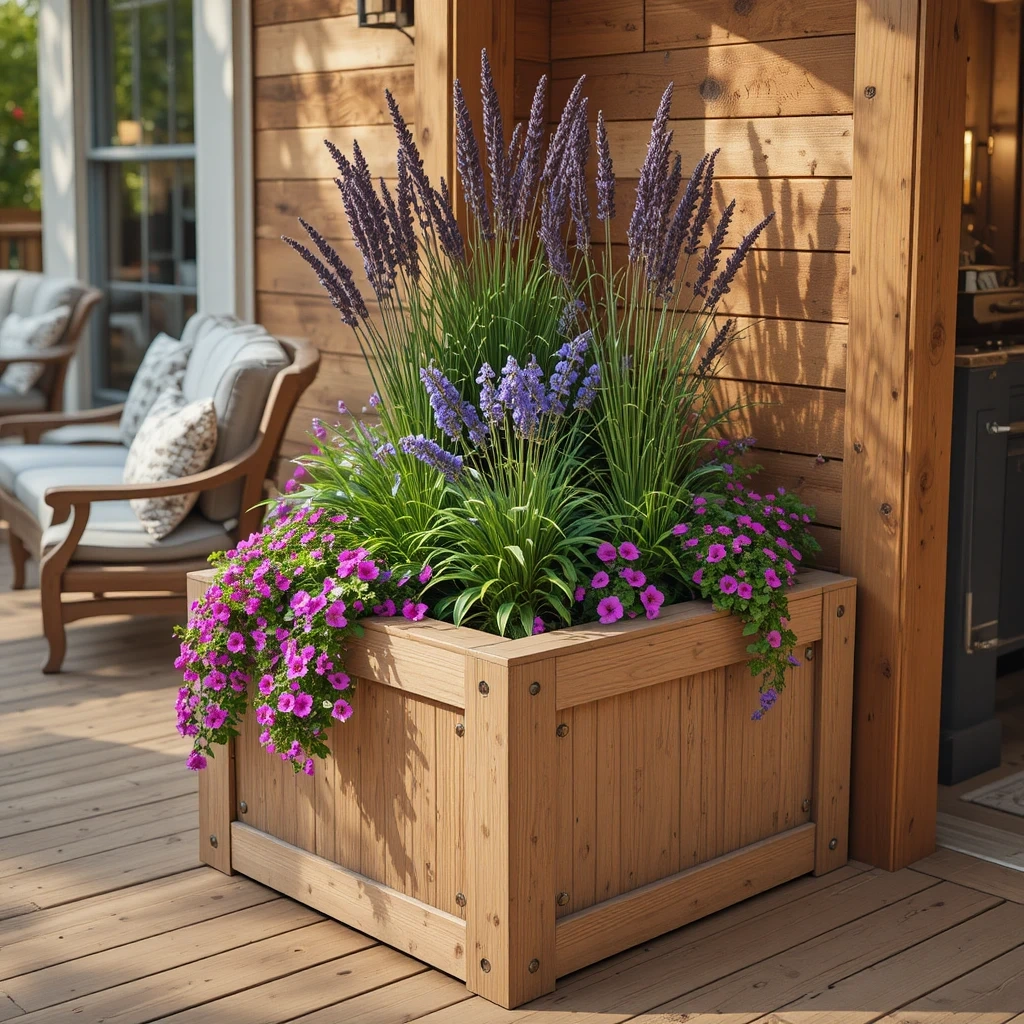
What It Is: The corner planter box is designed specifically to fit snugly into the 90-degree angles of decks, fences, patios, and garden edges. These triangular or L-shaped boxes make use of often-wasted corner space, transforming dead zones into lush, productive planting areas. Shop on Amazon
They are especially popular in smaller outdoor areas where every square foot counts. Corner planters can anchor a seating area, soften harsh architectural angles, or create a natural boundary between different zones of your garden.
How to Style It:
- Use tall, dramatic plants to draw the eye upward and make the corner feel intentional
- Build in a bench or seating ledge alongside the corner box for a multifunctional feature
- Choose plants in a gradient from tall at the back to low at the front for depth
- Incorporate solar stake lights among the plants for a magical nighttime effect
Where to Use It: Deck corners, patio edges, fence intersections, raised garden bed corners, and interior room corners (for large indoor plants).
💡 Pro Tip: Corner planters have less overall soil volume than rectangular ones — water them more frequently in summer and add a layer of mulch on top to slow moisture evaporation.
14. Hanging Planter Box
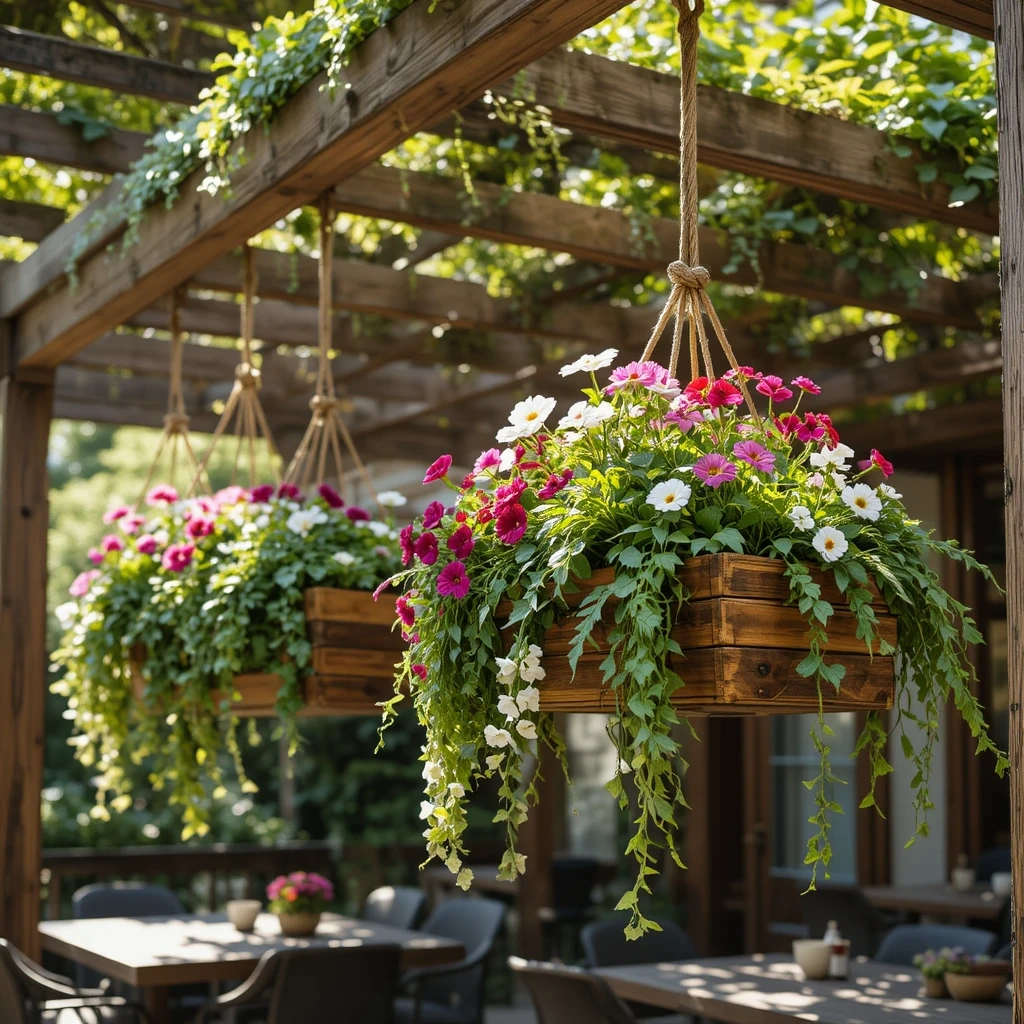
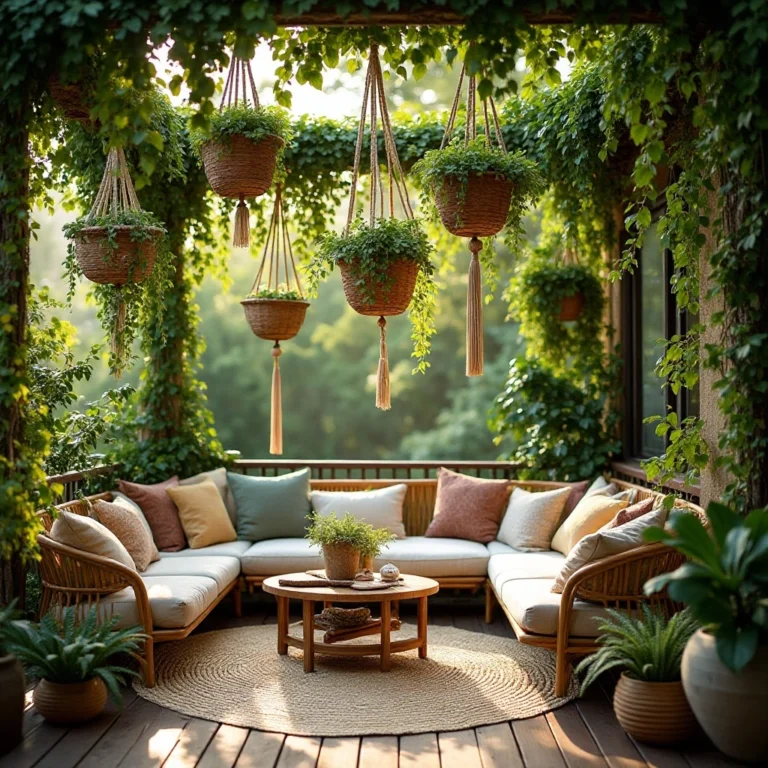
What It Is: The hanging planter box suspends your plants in mid-air, freeing up ground and surface space while adding a dramatic, floating quality to your décor. These boxes are typically mounted to walls, ceiling beams, pergola rafters, or porch ceilings and are filled with trailing, flowering, or lush foliage plants that cascade downward in a living curtain of color. Shop on Amazon
Hanging planter boxes are ideal for porches, pergolas, and covered outdoor areas. They create intimacy and enclosure without blocking light or airflow, making any outdoor seating area feel like a private garden retreat.
How to Style It:
- Hang at varied heights for a layered, dynamic look
- Mix foliage-only plants with flowering plants for year-round interest
- Use thick jute or rope hangers to add to the rustic or coastal aesthetic
- Pair hanging boxes with potted plants on the ground below for a full, immersive look
Where to Use It: Pergolas, covered patios, porch ceilings, interior ceiling beams, greenhouse rafters, and market display stands.
💡 Pro Tip: Hanging planters dry out much faster than ground-level ones because they are exposed to air on all sides — check moisture daily in summer and consider adding moisture-retaining crystals to the soil mix.
15. Integrated Bench Planter Box
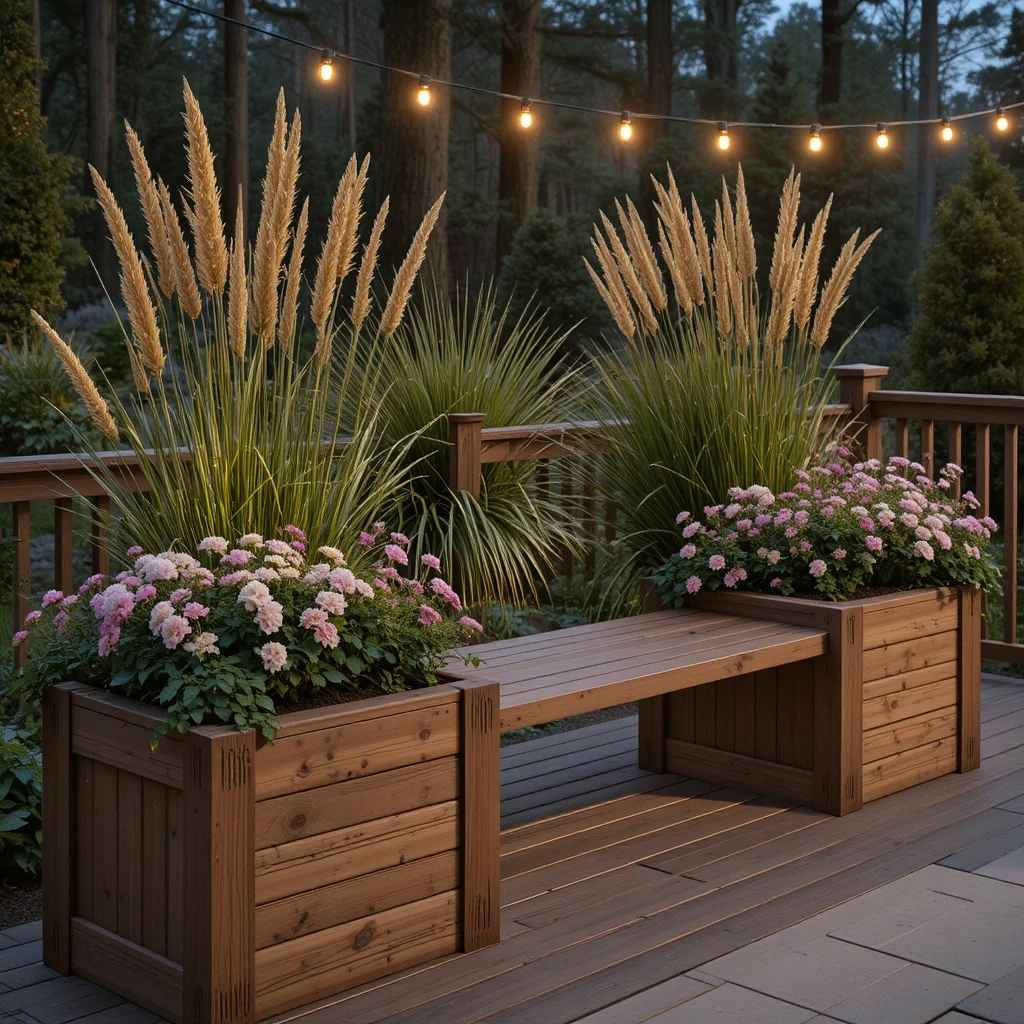
What It Is: The integrated bench planter box is arguably the most functional planter idea on this entire list — it is furniture and garden feature in one. These clever designs combine a built-in bench seat with planter boxes at either end (or along the back), creating a seating area that is framed by lush greenery on all sides. Shop on Amazon
They are perfect for defining an outdoor seating zone, creating a cozy conversation corner, or lining a deck perimeter. When designed well, they become the centerpiece of an entire outdoor living space and add significant property value.
How to Style It:
- Plant fragrant species like lavender, jasmine, or rosemary at either end so the scent envelops anyone seated between them
- Add cushions in weather-resistant fabric that coordinate with the planter colors
- Install the bench along a fence or wall to double as a privacy screen
- Add a hidden storage compartment under the seat for garden tools or cushions
Where to Use It: Decks, patios, garden borders, public seating areas, rooftop terraces, and backyard entertainment zones.
💡 Pro Tip: Ensure the planter boxes at the ends are deep enough for the plants you choose — at least 12 inches for ornamental grasses and 18 inches for shrubs or small trees.
Common Mistakes to Avoid
1. Skipping Drainage Holes No matter how beautiful your planter looks, without drainage holes, roots will sit in standing water and rot. Always drill at least 3–4 holes in the base of any box, or line the bottom with a layer of gravel before adding soil.
2. Using the Wrong Soil Regular garden soil is too dense for containers — it compacts over time and suffocates roots. Always use a high-quality potting mix formulated for containers, and refresh or replace it every 1–2 seasons.
3. Overcrowding Plants It’s tempting to fill every inch of your planter, but crowding plants together leads to poor airflow, competition for nutrients, and increased disease risk. Follow spacing guidelines and resist the urge to overplant — they will fill in naturally.
4. Choosing the Wrong Wood (Untreated) Pine and cheap softwoods will rot within a season when used as outdoor planters. Always use naturally rot-resistant woods like cedar, redwood, or teak — or use pressure-treated lumber that is rated safe for garden use.
5. Ignoring Sun Requirements Placing a sun-loving vegetable box in a shaded corner (or a shade-loving fern box in direct afternoon sun) is one of the most common and costly mistakes. Always match plant choice to the light conditions of the placement spot.
6. Forgetting to Water Consistently Planter boxes dry out far faster than in-ground beds. In peak summer, some boxes need daily watering. Consider self-watering inserts, drip irrigation, or moisture-retaining soil additives to make maintenance more manageable.
7. Neglecting Fertilization Nutrients in potting soil deplete much faster than in garden beds due to regular watering flushing them out. Feed container plants with a balanced liquid fertilizer every 2–4 weeks during the growing season for best results.
Frequently Asked Questions
Q: What is the best wood for outdoor planter boxes? Cedar is the top choice for most gardeners — it is naturally rot-resistant, pest-resistant, and ages beautifully without chemical treatment. Redwood and teak are excellent alternatives, though they are more expensive. Avoid pine unless it is properly sealed.
Q: How deep should a planter box be? It depends on what you’re growing. Herbs and lettuce need just 6–8 inches. Tomatoes, peppers, and most flowers need 12 inches. Root vegetables like carrots and potatoes need at least 18–24 inches of depth for proper development.
Q: Can I use any planter box indoors? Yes, but make sure it has a waterproof tray or liner underneath to protect floors and surfaces from drainage water. Self-watering boxes and those with built-in reservoirs are ideal for indoor use.
Q: How often should I replace the soil in a planter box? Refresh potting soil every 1–2 seasons. Signs it needs replacing include compaction, poor drainage, visible salt buildup on the soil surface, or consistently struggling plants despite proper care.
Q: What plants grow best in planter boxes? Herbs (basil, rosemary, mint, parsley), flowers (petunias, geraniums, marigolds), salad greens, cherry tomatoes, strawberries, and succulents all thrive in planter boxes. Choose plants that match the box depth and light conditions of your space.
Q: How do I protect a wooden planter box from rotting? Use naturally rot-resistant wood (cedar, redwood), line the interior with landscape fabric, ensure good drainage, elevate the box slightly off the ground for airflow, and apply a teak oil or exterior wood sealant every 1–2 years.
Q: Can planter boxes be left outside in winter? It depends on the material and climate. Cedar and concrete boxes can generally handle frost well. Empty wooden boxes and store them under cover in harsh winters. In extreme cold, protect any remaining plants with burlap wrapping or bring boxes into a garage or shed.
Final Thoughts
Planter boxes are one of the most rewarding investments you can make in your home and garden. They are endlessly adaptable — changing with the seasons, evolving with your taste, and growing more beautiful with time. Whether you choose a simple cedar herb box for your kitchen windowsill or a grand integrated bench planter for your deck, the key is to start.
Pick one idea from this list that excites you most, gather your materials, and begin. The best planter box is the one you actually build, plant, and enjoy. Happy gardening.
Article crafted to help homeowners, renters, and garden enthusiasts of every skill level create beautiful, functional outdoor and indoor spaces with planter boxes.