10+ Creative Privacy Fence Ideas That Look Amazing
Whether you’re tired of nosy neighbors, want a safe play zone for kids and pets, or simply crave a peaceful outdoor retreat, the right privacy fence makes all the difference. The good news? Privacy fences have come a long way from plain wooden boards — today’s options blend beauty, function, and personality into one stunning structure.
In this guide, we’ve curated 10+ of the best privacy fence ideas for every style, budget, and yard. Each idea comes with real design tips, placement advice, and a visual prompt so you can generate the perfect inspiration image — because seeing is believing when it comes to outdoor design.
Why Privacy Fencing Is Worth the Investment
A great privacy fence doesn’t just block views — it adds value. Studies show that well-designed fencing can increase home resale value by up to 5–10%, while dramatically improving your quality of outdoor life. From reducing noise pollution to creating a defined outdoor “room,” the benefits go far beyond privacy alone.
Before you pick a style, ask yourself: What do I want to feel when I step into my backyard? Peaceful? Tropical? Rustic? Modern? Your answer will guide everything — from materials to height to plant pairings.
The 10+ Best Privacy Fence Ideas
1. Classic Cedar Wood Privacy Fence
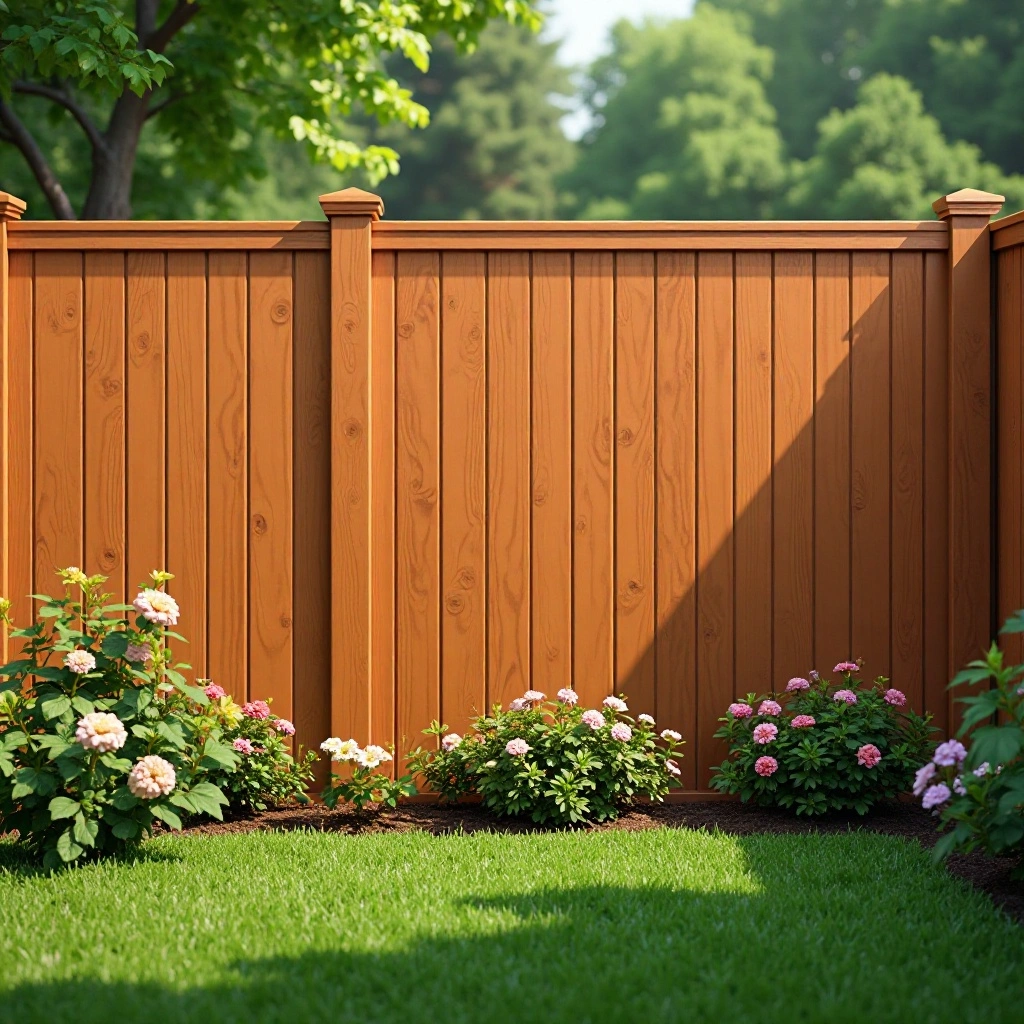
The timeless choice that never goes out of style.
Cedar is the gold standard of wooden privacy fencing — naturally resistant to rot, insects, and warping. Its warm reddish-brown tones age beautifully to a silvery gray if left untreated, or hold their rich color when stained. This is the fence that says “established home, well cared for.” Shop on Amazon
How to Style It:
- Pair with climbing roses or jasmine vines for a cottage-garden look
- Use a dark walnut stain for a more contemporary, dramatic effect
- Add post caps (flat, pyramid, or solar-lit) for a finished, polished appearance
- Space boards tightly (no gaps) for maximum privacy
Where to Use It: Ideal for suburban backyards, pool surrounds, and side yards where you want full coverage with warm aesthetics.
Pro Tip: Apply a UV-resistant sealant every 2–3 years to prevent fading and cracking. Cedar left untreated will silver beautifully but become more prone to surface checking over time.
2. Modern Black Metal Privacy Screen
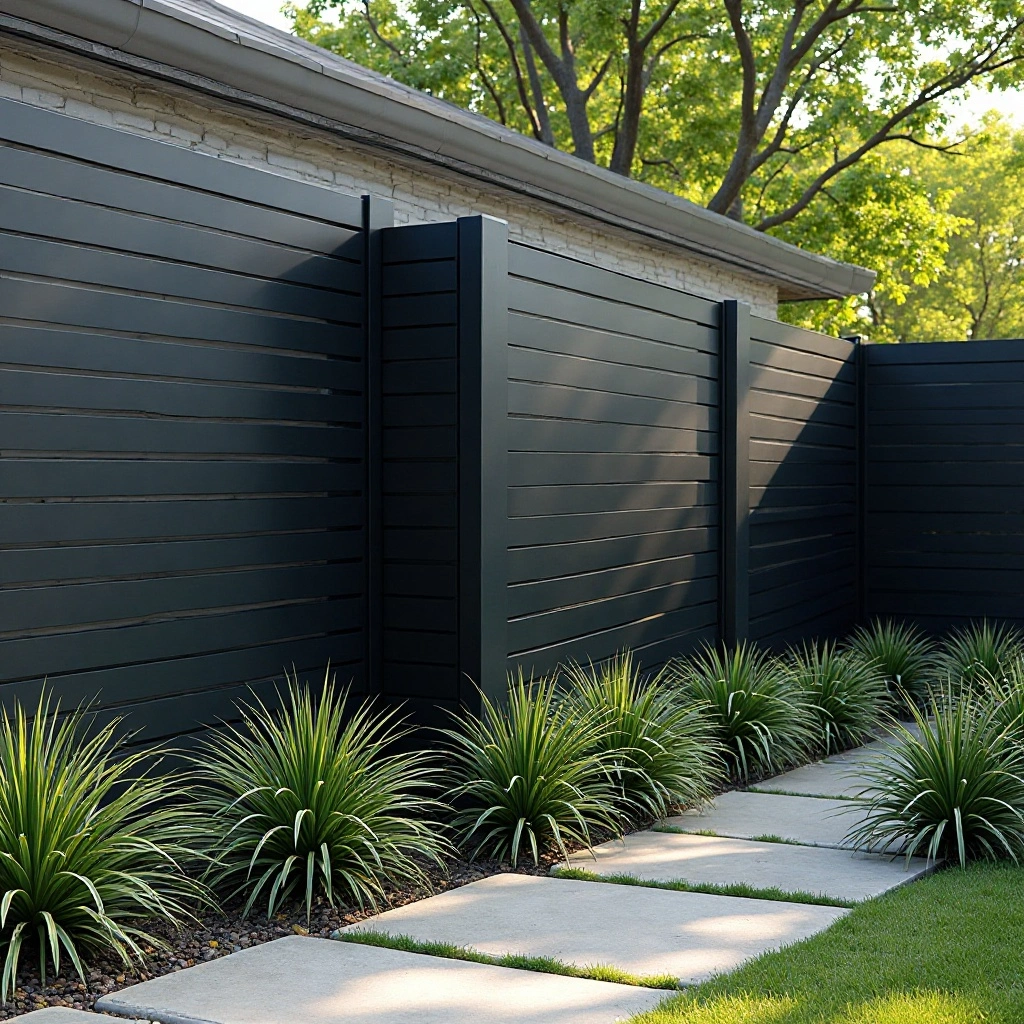
Clean lines. Bold statement. Zero compromise on style.
Black powder-coated aluminum or steel panels give a sleek, architectural look that pairs perfectly with modern and minimalist homes. Unlike wood, metal won’t warp, rot, or require staining — making it one of the lowest-maintenance privacy solutions available. Shop on Amazon
How to Style It:
- Pair with ornamental grasses, agave, or succulents for a desert-modern vibe
- Combine with warm wood accents (like teak coping or a cedar pergola) to soften the look
- Use horizontal slats for a more contemporary feel vs. vertical for traditional
- Light from below with ground-level uplights for stunning nighttime drama
Where to Use It: Perfect for modern homes, urban rooftop terraces, pool areas, and anywhere you want a high-end, architectural statement.
Pro Tip: Choose aluminum over steel in coastal or high-humidity areas — it’s rust-proof and will last decades without a single coat of paint.
3. Bamboo Privacy Fence
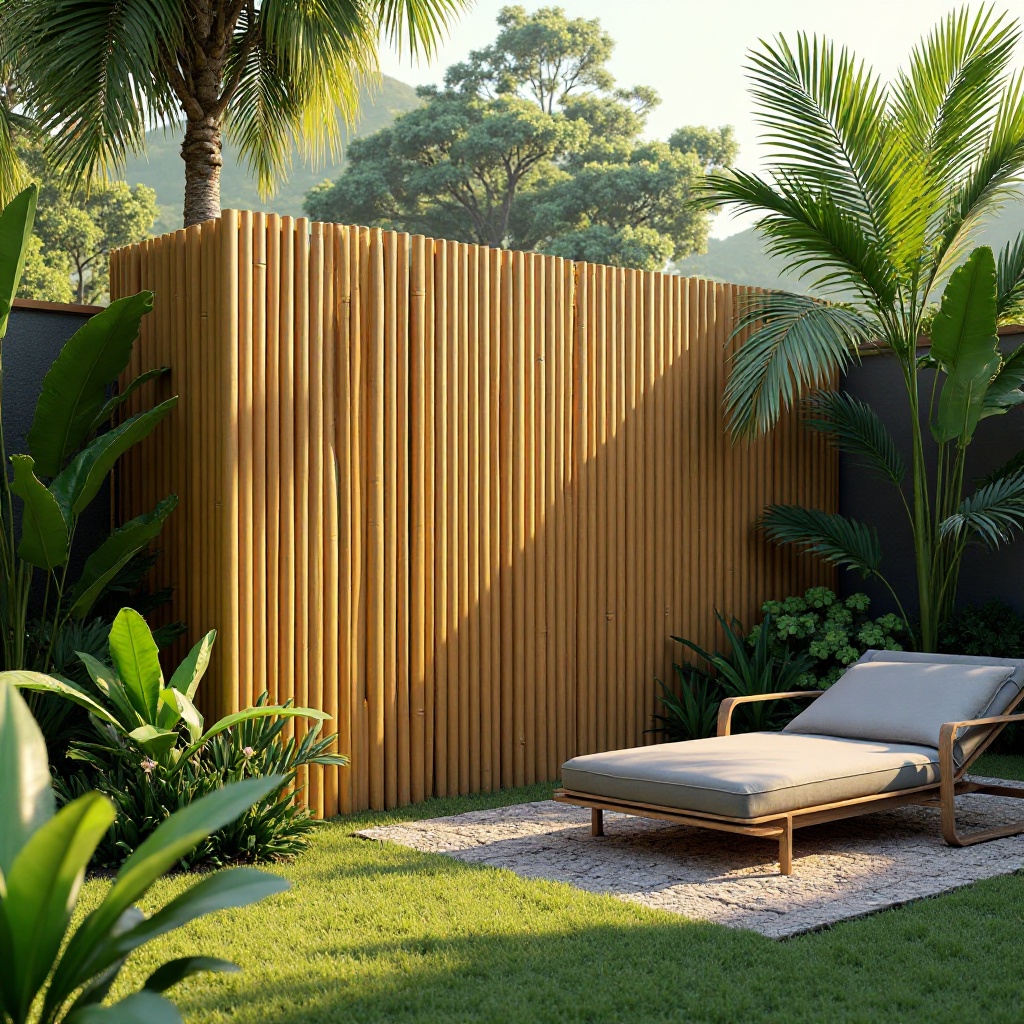
Tropical escape vibes — surprisingly durable and eco-friendly.
Bamboo is one of the most sustainable fencing materials on the planet, growing up to 3 feet per day. Bamboo roll fencing installs in hours, creates instant privacy, and brings a natural, zen-like atmosphere to any outdoor space. It’s the quick fix that looks intentional and beautiful. Shop on Amazon
How to Style It:
- Layer with tropical plants (bird of paradise, banana trees, ferns) for a resort look
- Attach to an existing chain-link fence for an instant visual upgrade
- Use natural twine or black zip ties to fasten to posts — both look clean
- Combine with string lights overhead for magical evening ambiance
Where to Use It: Ideal for rental properties (easy install/removal), pool surrounds, patios, and anywhere you want a quick, affordable privacy upgrade.
Pro Tip: Treat bamboo panels with linseed oil or a bamboo sealer annually to dramatically extend their lifespan — untreated bamboo outdoors typically lasts 2–5 years; treated can last 10+.
4. Concrete Block or CMU Privacy Wall
The fortress of privacy fences — built to last generations.
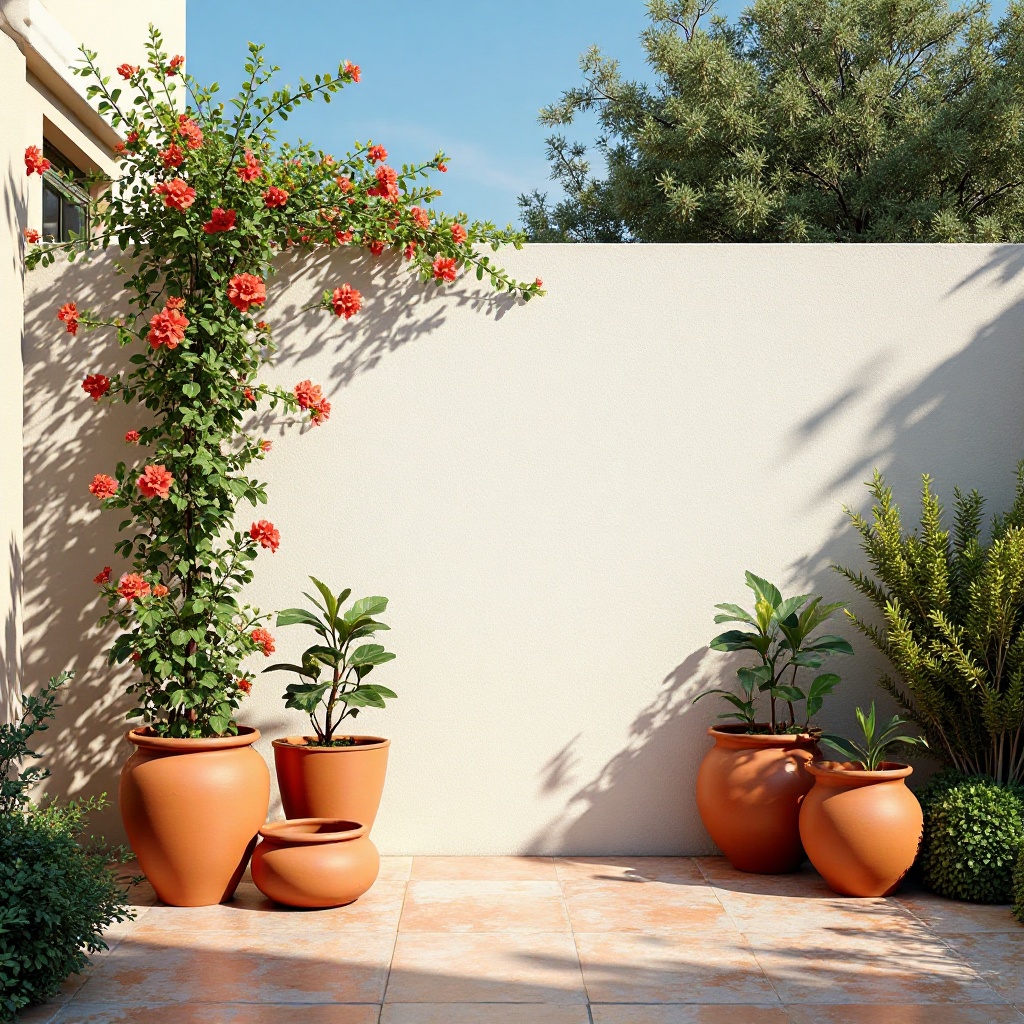
Concrete masonry unit (CMU) walls offer unmatched permanence, noise reduction, and security. Often used in Mediterranean, Spanish colonial, and Southwestern-style homes, a well-designed concrete wall becomes an architectural feature — not just a barrier. Add stucco, stone veneer, or tile accents to elevate it from utilitarian to stunning. Shop on Amazon
How to Style It:
- Finish with textured stucco and paint in warm earth tones for a Southwest feel
- Add built-in planters or niches for decorative displays
- Cap the top with stone, brick, or terracotta tile coping
- Install wall sconces or lanterns directly into the concrete for integrated lighting
Where to Use It: Best for permanent installations in hot, dry climates; properties near busy roads (excellent sound barrier); and luxury home applications.
Pro Tip: A 6-foot CMU wall reduces traffic noise by up to 10 decibels — a near-silent transformation for homes near highways or busy streets.
5. Living Privacy Fence (Hedge Row)
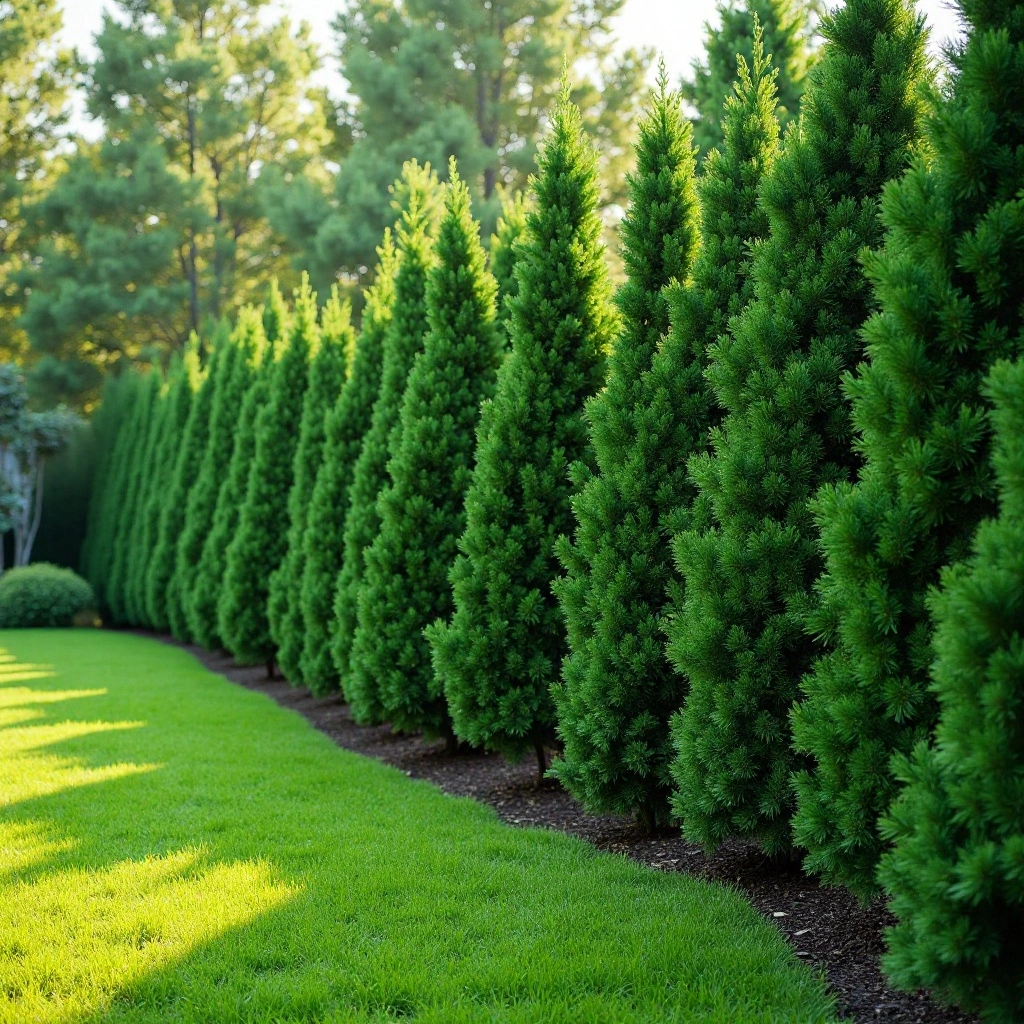
Nature does the work — and it gets better every year.
A living fence made from dense shrubs or trees is the most natural privacy solution available. Options like Leyland cypress, arborvitae, boxwood, or privet grow into lush, full screens that muffle noise, filter air, and support wildlife. Unlike a built fence, a living fence improves with time. Shop on Amazon
How to Style It:
- Use Emerald Green Arborvitae for narrow spaces (stays 3–4 ft wide, grows 10–15 ft tall)
- Mix species (e.g., holly + privet + ornamental grasses) for a layered, wildlife-friendly hedge
- Plant in a staggered double row for faster full coverage
- Edge with a low boxwood border for a formal, manicured look
Where to Use It: Perfect for large lots, rural properties, and homeowners who want a long-term, eco-friendly privacy solution that enhances curb appeal.
Pro Tip: Plant arborvitae in fall for best root establishment. Water weekly for the first season — once established, they’re remarkably drought-tolerant.
6. Horizontal Wood Slat Fence
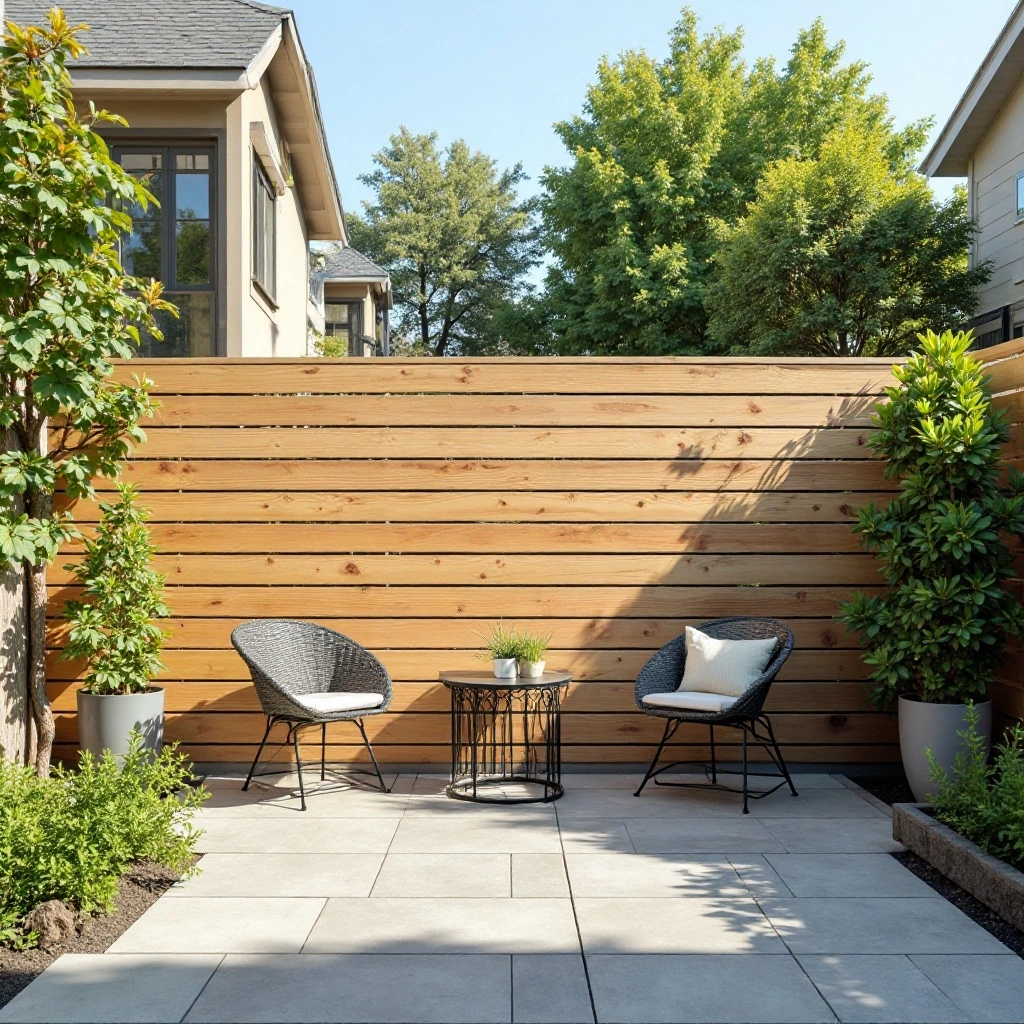
The contemporary wood fence that designers love.
Where traditional vertical boards feel old-fashioned, horizontal slats feel fresh, architectural, and modern. The sideways orientation draws the eye along the fence line, making narrow yards feel wider. Cedar, redwood, or composite boards all work beautifully in this style. Shop on Amazon
How to Style It:
- Leave small uniform gaps (½ inch) between boards for airflow and a “breathing” visual effect
- Alternate wide and narrow boards for a custom, designer look
- Pair with black steel post hardware for a high-end industrial-modern contrast
- Paint in matte charcoal or white for a bold statement
Where to Use It: Ideal for modern and contemporary homes, urban backyards, and pool enclosures where style is just as important as function.
Pro Tip: Run boards horizontally across fewer posts, but make sure posts are set in concrete at least 1/3 of their total length — horizontal fences catch significantly more wind load than vertical ones.
7. Gabion Stone Wall Fence
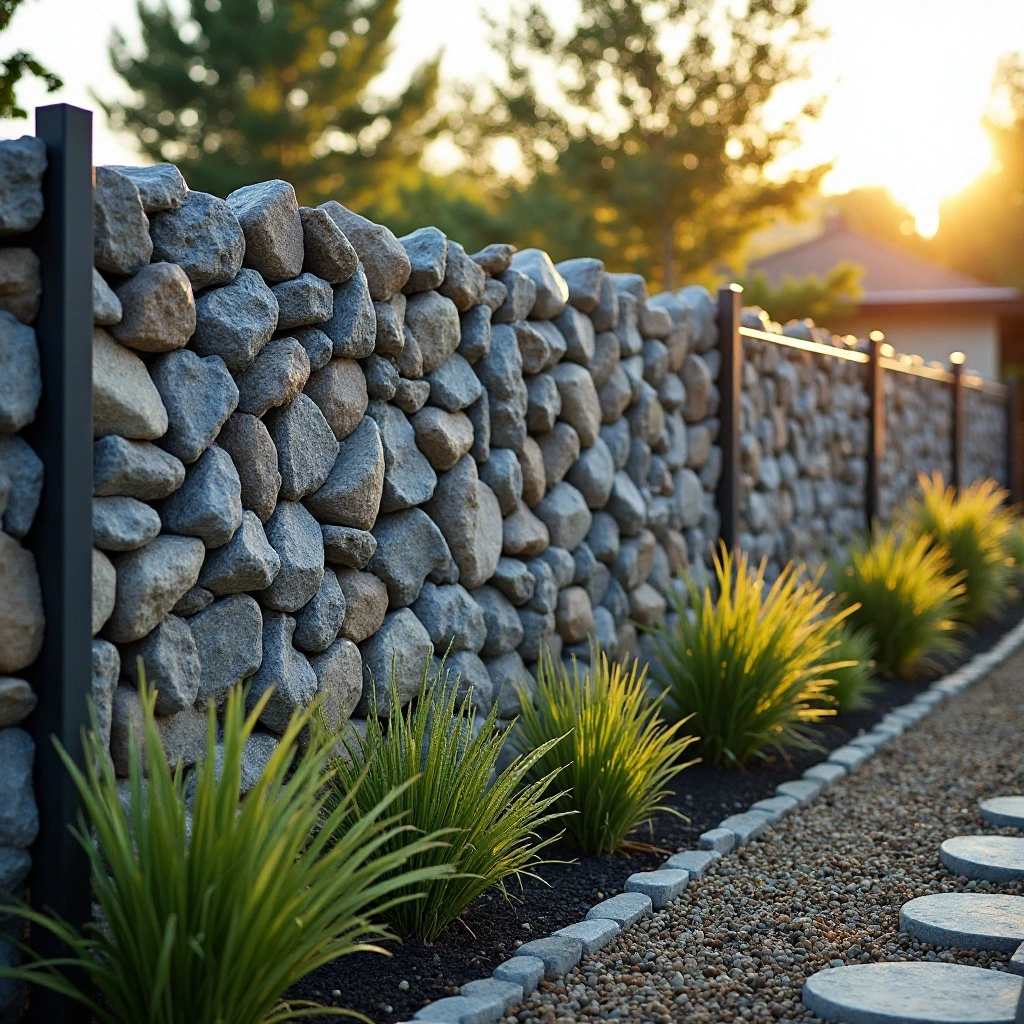
Industrial-meets-natural — the fence that tells a story.
Gabion walls are wire mesh cages filled with stones, rocks, or even recycled glass. Originally used in civil engineering, they’ve become a darling of landscape architects for their raw, textural beauty. They’re durable, drain naturally, and create a genuinely unique focal point in any outdoor space. Shop on Amazon
How to Style It:
- Fill with river rock for a natural look, or use angular slate for something more geometric
- Top with a flat wood or steel cap to create a finished, intentional edge
- Plant ornamental grasses or lavender at the base to soften the industrial texture
- Use as a retaining wall + privacy fence combo on sloped lots
Where to Use It: Perfect for sloped yards, xeriscaped properties, contemporary homes, and anyone who wants a truly one-of-a-kind fence.
Pro Tip: Gabion walls are self-draining, making them ideal for areas with heavy rainfall — water flows right through the stones, eliminating erosion pressure that destroys traditional fences.
8. Painted Wood Privacy Fence with Bold Color
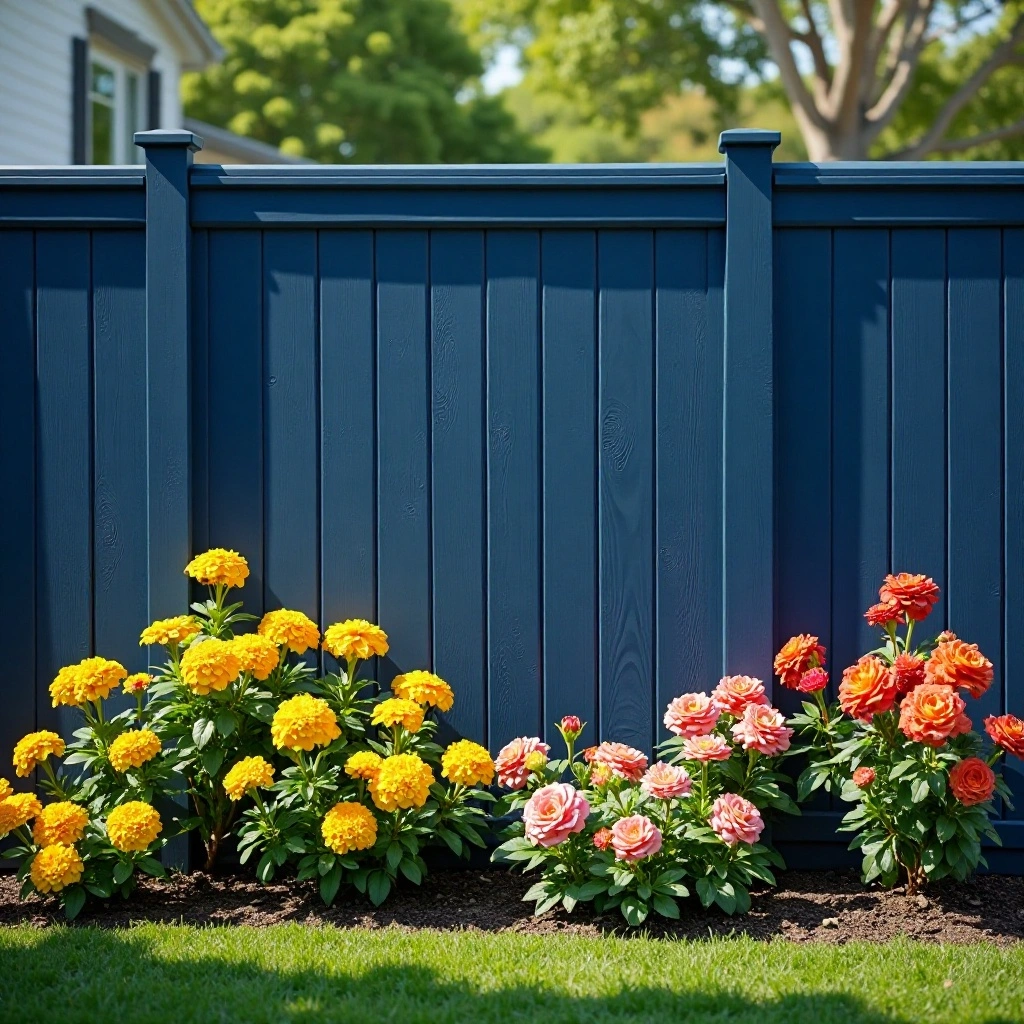
Turn your fence into a design feature — not just a boundary.
Who says a fence has to be brown or white? A bold painted privacy fence becomes the backdrop of your entire outdoor space — defining the mood, amplifying plant colors, and making the yard feel like a curated room. Navy, forest green, terracotta, and matte black are all having major moments right now. Shop on Amazon
How to Style It:
- Deep navy: pairs with white furniture and silver-leafed plants for a coastal feel
- Forest green: blends into the landscape, makes plants pop dramatically
- Terracotta/rust: warm and earthy, perfect for Southwestern or bohemian yards
- Matte black: ultra-modern, makes greenery look impossibly lush
Where to Use It: Any backyard — especially small spaces where the fence serves as a “feature wall” backdrop for plants, art, or seating areas.
Pro Tip: Use an exterior paint with a built-in primer and mildew inhibitor. Sand the wood lightly before painting — a properly prepped painted fence can look fresh for 5–7 years.
9. Trellis + Vine Privacy Screen
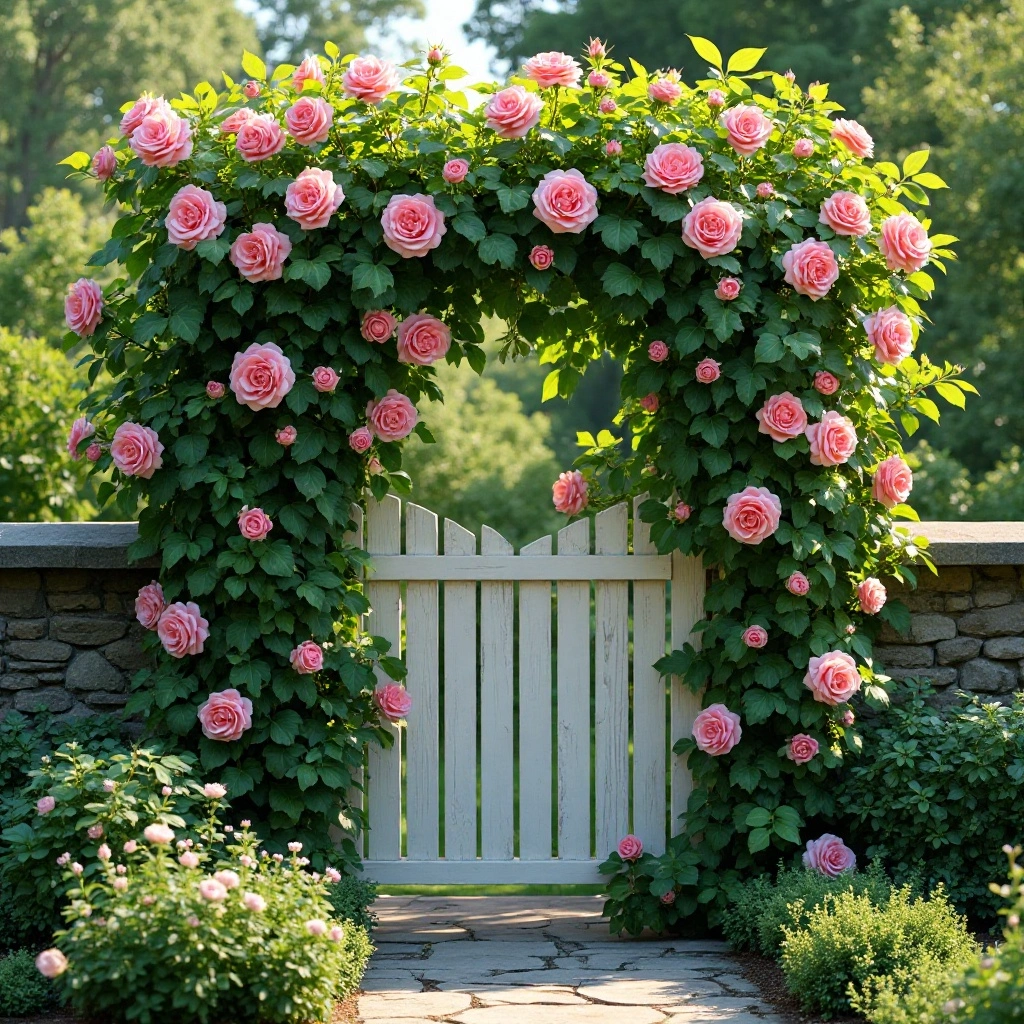
The fence that blooms — functional art for your backyard.
A trellis panel topped with climbing vines creates a living privacy screen with seasonal color and fragrance. This works as a standalone fence, an extension above an existing fence, or a creative divider within the yard itself. The result is lush, romantic, and endlessly photogenic. Shop on Amazon
How to Style It:
- Fast growers: Clematis, Virginia creeper, or trumpet vine for quick coverage
- Fragrant options: Jasmine, wisteria, or honeysuckle for sensory luxury
- Evergreen coverage: English ivy or creeping fig for year-round privacy
- Pair with climbing roses for the ultimate romantic garden aesthetic
Where to Use It: Great for adding height to a shorter existing fence, creating privacy on a deck or patio, or adding a lush garden divider between zones.
Pro Tip: Choose a trellis with at least 4-inch grid openings — vines grip and weave through larger openings far more successfully than fine mesh designs.
10. Composite Privacy Fence (Low-Maintenance Luxury)
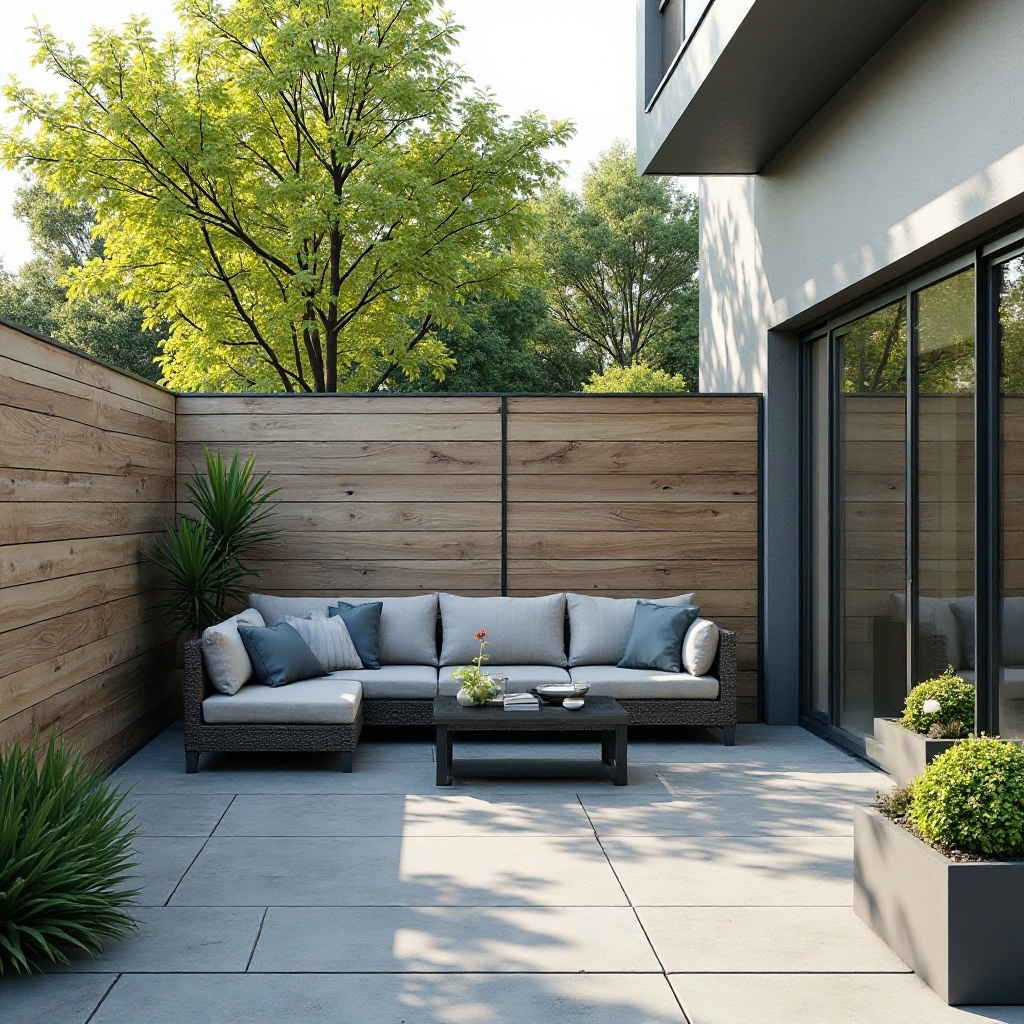
The look of wood. The durability of plastic. The best of both worlds.
Composite fencing is made from a blend of recycled wood fibers and plastic, giving you the warm, natural look of wood without the maintenance nightmare. No staining, no sealing, no warping, no rot — just a beautiful, consistent fence that looks brand new years later. Shop on Amazon
How to Style It:
- Choose warm tones (cedar, redwood, teak) for a traditional feel
- Go with gray or charcoal for a cool contemporary look
- Pair with metal post hardware and caps for a high-end custom finish
- Combine with integrated planters for a “fence-to-garden” design
Where to Use It: Ideal for busy homeowners, rental properties, vacation homes, and coastal environments where wood quickly deteriorates.
Pro Tip: Composite fencing costs 20–30% more upfront than cedar, but over a 10-year period typically costs less when you factor in zero maintenance materials — no stain, no sealer, no replacement boards.
11. Slatted Screen Panel Fence with Integrated Lighting
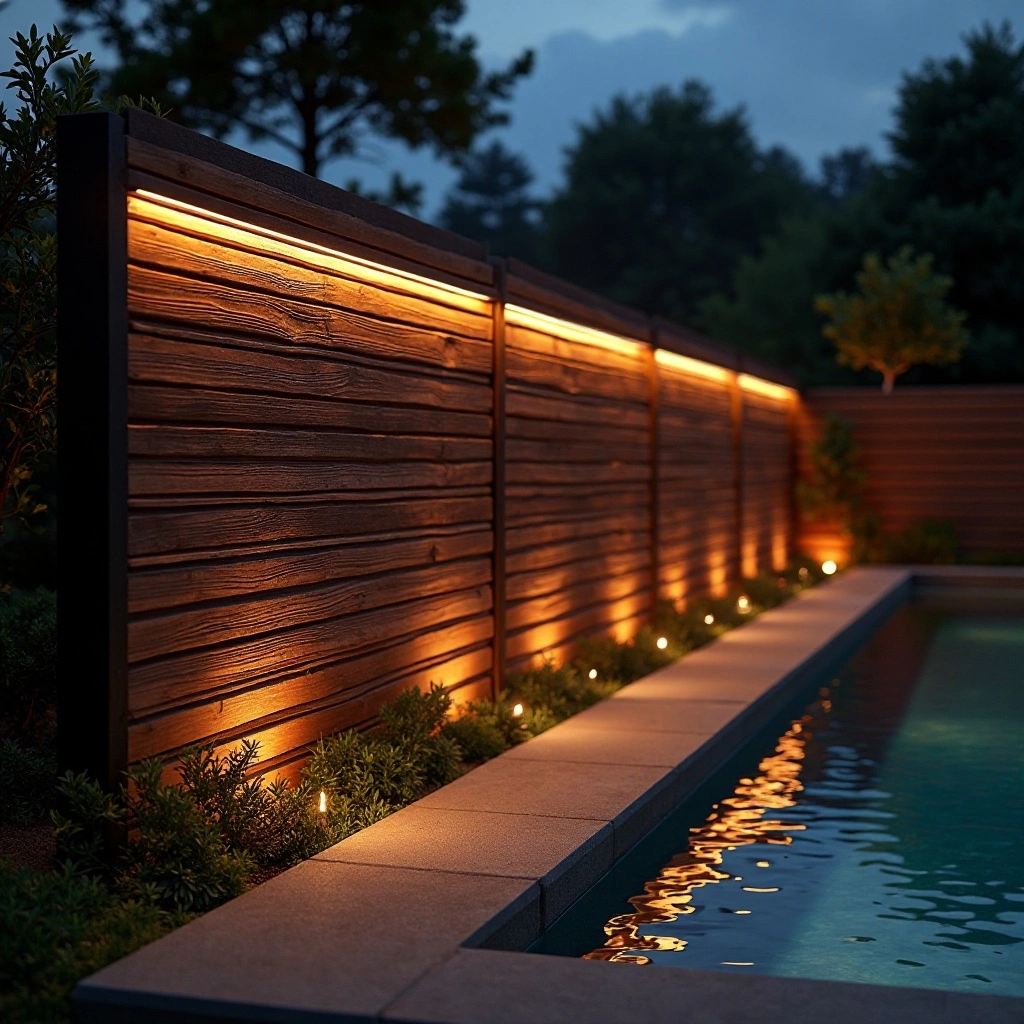
Privacy + ambiance = the outdoor space of your dreams.
Slatted screen panels — usually in aluminum, wood composite, or PVC — create a modern privacy barrier while allowing light and air to pass through partially. The real magic happens when you integrate lighting directly into the design: LED strip lights behind the slats create a glowing, dramatic effect that transforms your yard after dark. Shop on Amazon
How to Style It:
- Install warm white LED strips behind horizontal slats for a glowing wall effect
- Use solar post cap lights at each panel junction for energy-free ambiance
- Combine with uplighting at the base for layered, dramatic illumination
- Choose wider slat spacing for more light pass-through, tighter for more privacy
Where to Use It: Perfect for entertaining spaces, pool surrounds, outdoor dining areas, and any backyard where nighttime ambiance matters as much as daytime privacy.
Pro Tip: Use smart LED strips (Govee or Philips Hue Outdoor) so you can change colors and brightness from your phone — sunset orange for dinner parties, cool blue for a late-night pool atmosphere.
12. Reclaimed Wood Privacy Fence
Character-rich, eco-friendly, and utterly one-of-a-kind.
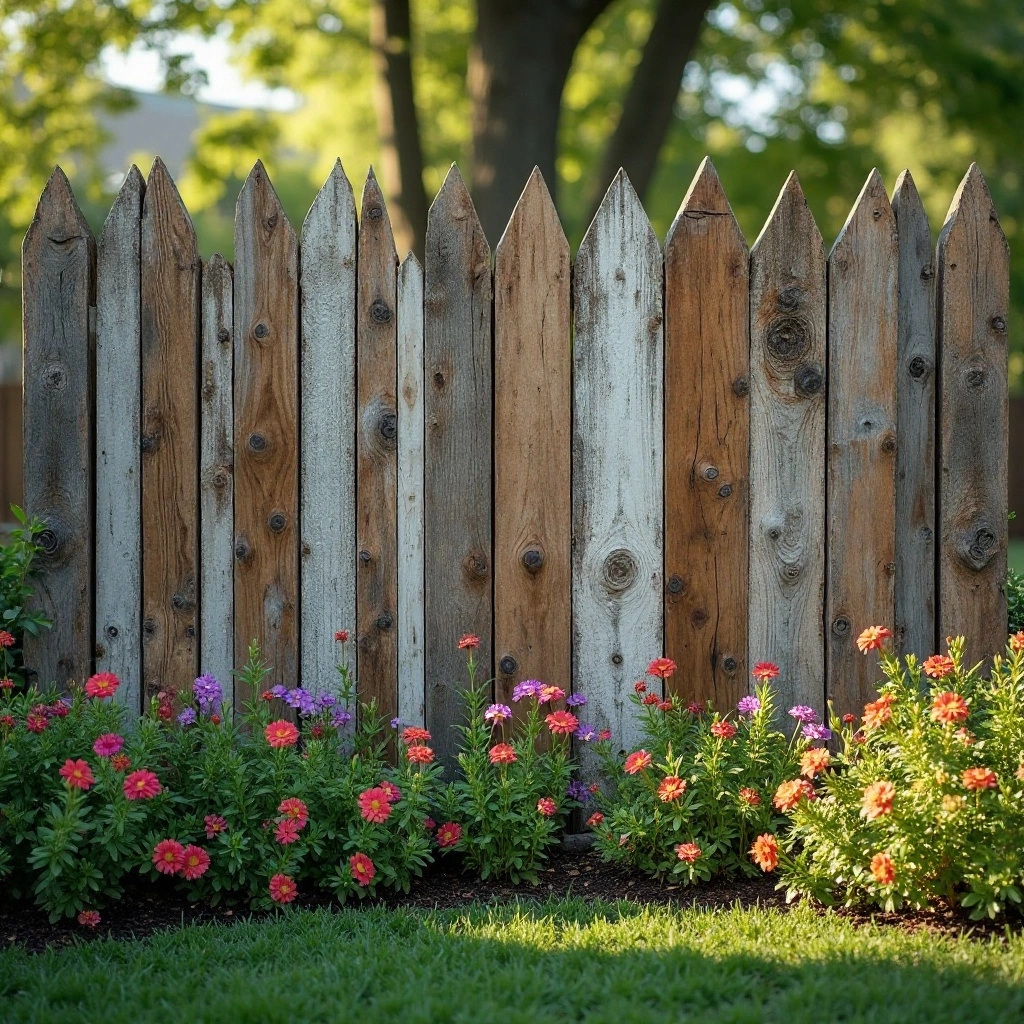
Reclaimed wood fences — built from salvaged barn wood, old pallets, or deconstructed buildings — bring raw texture, history, and soul to your outdoor space. No two boards are alike, which means your fence is completely unique. It’s the most sustainable fencing option and often the most visually interesting. Shop on Amazon
How to Style It:
- Mix wide and narrow boards for an eclectic, collected-over-time feel
- Leave the wood untreated for a naturally weathered look, or seal for longevity
- Hang vintage metal signs, planters, or wall art directly on the fence face
- Plant wildflowers at the base for a cottage-meets-farmhouse aesthetic
Where to Use It: Ideal for farmhouse, rustic, bohemian, or cottage-style properties. Also great for urban garden spaces that want an industrial-raw aesthetic.
Pro Tip: Before using reclaimed wood, inspect carefully for nails, staples, and any signs of treated lumber. Source from reputable salvage yards that can confirm material history.
Common Mistakes to Avoid
Even the most beautiful privacy fence can become a headache if you skip key planning steps. Here’s what experienced landscapers see homeowners get wrong — so you don’t have to learn the hard way.
1. Not checking local codes before building Most municipalities require a permit for fences over 6 feet, and many HOAs have strict rules on materials, colors, and height. Always confirm with your local building department before breaking ground.
2. Ignoring property lines Installing a fence even a few inches over your property line can result in costly legal disputes and mandatory removal. Always get a property survey before installation.
3. Choosing style over function A beautiful open-slat fence may look stunning in photos but won’t give you the privacy you actually need. Define your privacy goals first, then find a style that achieves them.
4. Skipping proper post depth The #1 cause of fence failure is improperly set posts. Posts should be buried at least 1/3 of their total length (ideally 2 feet minimum) and set in concrete for stability.
5. Underestimating maintenance requirements Natural wood requires staining/sealing every 2–3 years. If you’re not up for that, choose composite, aluminum, or vinyl from the start — not after your first cedar fence turns gray and starts checking.
6. Planting trees too close Tree roots are the silent killers of fence foundations. Keep large trees and fast-growing shrubs at least 3–5 feet from fence posts to prevent root heave and structural damage.
7. Forgetting about gates A beautiful fence with a poorly designed gate defeats the purpose. Budget for quality gate hardware — self-closing hinges and a proper latch — from day one.
Frequently Asked Questions
Q: What is the cheapest privacy fence option? Bamboo roll fencing is typically the most affordable, starting at $1–$3 per linear foot for materials. Chain-link with privacy slats is another budget-friendly option. DIY wood panel fences are mid-range cost but high in labor time.
Q: How tall should a privacy fence be? Most homeowners find 6 feet provides sufficient privacy from standing neighbors. If you’re near a raised deck or second-story windows next door, consider 8 feet. Check local codes — many areas cap residential fences at 6 or 8 feet without a special permit.
Q: What is the most low-maintenance privacy fence? Aluminum and composite fences require the least maintenance — occasional cleaning with soap and water is typically all that’s needed. Vinyl is also very low-maintenance but can look less premium over time.
Q: Can I build a privacy fence myself? Yes — many fence styles are DIY-friendly, especially wood panel, bamboo roll, and trellis designs. Concrete, masonry, and heavy metal installations typically require professional contractors for structural safety.
Q: What privacy fence adds the most home value? Well-built wood, composite, and ornamental metal fences consistently show the best return on investment. A clean, attractive fence in good repair can increase perceived home value by 5–10%.
Q: How long does a wood privacy fence last? Cedar and redwood: 15–30 years with proper maintenance. Pressure-treated pine: 20–30 years. Composite: 25–50 years. Bamboo: 2–5 years untreated, up to 10–15 years when properly sealed.
Q: What grows fastest for a living privacy fence? Leyland Cypress grows 3–4 feet per year and is the fastest-growing privacy hedge. Emerald Green Arborvitae is slower (6–9 inches/year) but stays narrower — better for tight spaces. Both are evergreen for year-round coverage.
Final Thoughts: Building the Backyard You Deserve
Your privacy fence is more than a boundary — it’s the foundation of your entire outdoor living space. The right fence sets the tone, frames the view, and gives you the freedom to truly relax, entertain, and enjoy every inch of your yard.
Whether you go timeless with cedar, dramatic with black metal, lush with a living hedge, or magical with integrated lighting, the best privacy fence is the one that fits your life, your style, and your space. Use the image generation prompts throughout this guide to visualize each option before you commit — because the best design decisions start with being able to picture exactly what you want.
Now go build your sanctuary.
Found this guide helpful? Bookmark it, share it with a neighbor planning a yard upgrade, or pin your favorite fence style for your next home project.