10 Stunning Vegetable Garden Design Ideas That Look Amazing
Growing your own vegetables is one of the most rewarding things a family can do together. Whether you have a sprawling backyard or a small corner of outdoor space, a well-designed vegetable garden makes growing food fun, easy, and truly beautiful. With the right layout, even beginner gardeners can enjoy a thriving, productive harvest all season long.
These 10 vegetable garden design ideas are perfect for families, kids, and anyone who wants to bring more life, color, and fresh food into their home. From raised beds to themed gardens, there is a style here for every space and every skill level — so get your gloves ready and let’s dig in!
1. Classic Raised Bed Garden
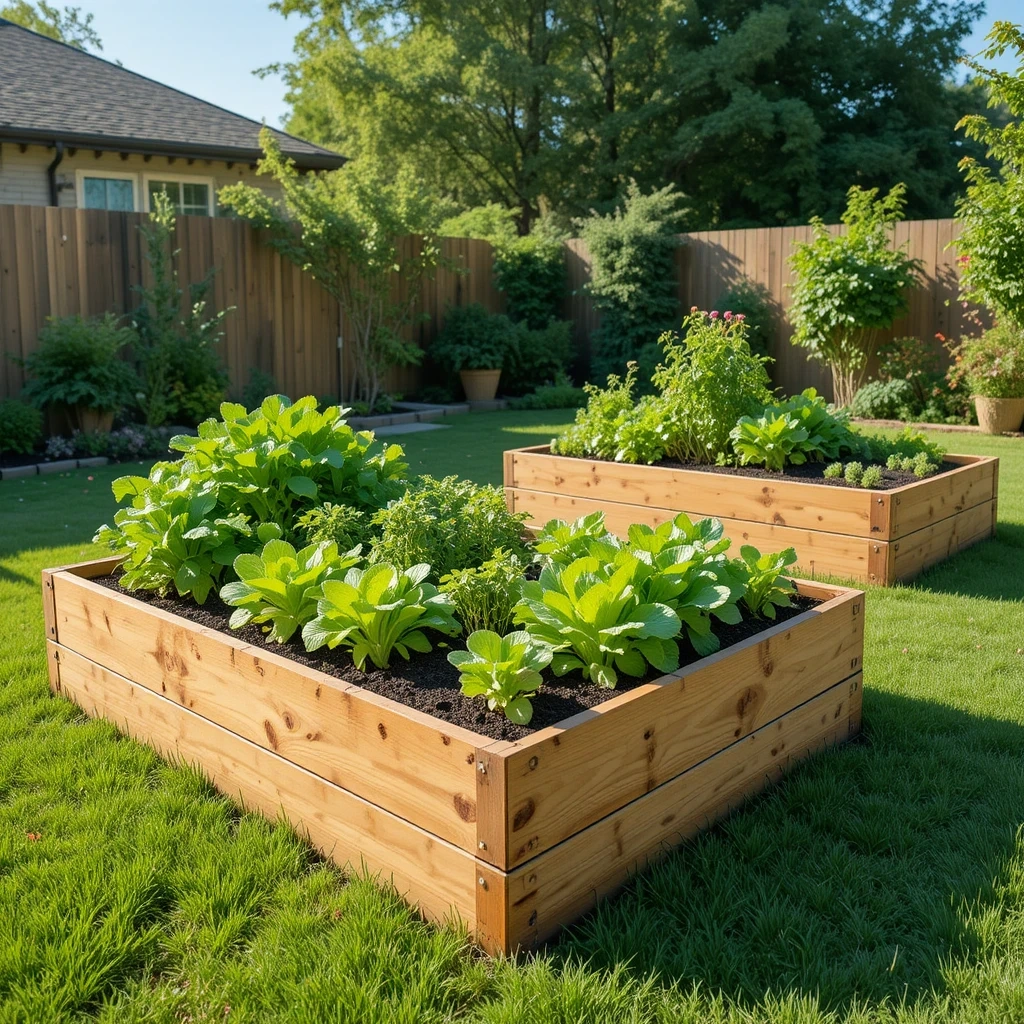
A raised bed garden is the most popular vegetable garden design for good reason — it is clean, organized, and easy for everyone in the family to maintain. Wooden frames filled with rich soil sit elevated off the ground, making planting and harvesting a comfortable, back-friendly task. Shop on Amazon
How to Style It:
- Use cedar or redwood boards for a natural, long-lasting look
- Paint or stain the frames in white, green, or earthy tones to match your yard
- Add a small chalkboard sign at each bed labeling what is planted
- Place gravel or mulch paths between beds for easy walking access
- Include a child-sized raised bed so kids can have their own growing space
Where to Use It: Flat backyard spaces, patios, side yards, or sunny kitchen garden areas near the back door.
Pro Tip: Fill raised beds with a mix of topsoil, compost, and perlite for the best drainage and nutrient-rich growing environment. This makes a huge difference in how fast and healthy your vegetables grow!
2. Square Foot Garden Layout
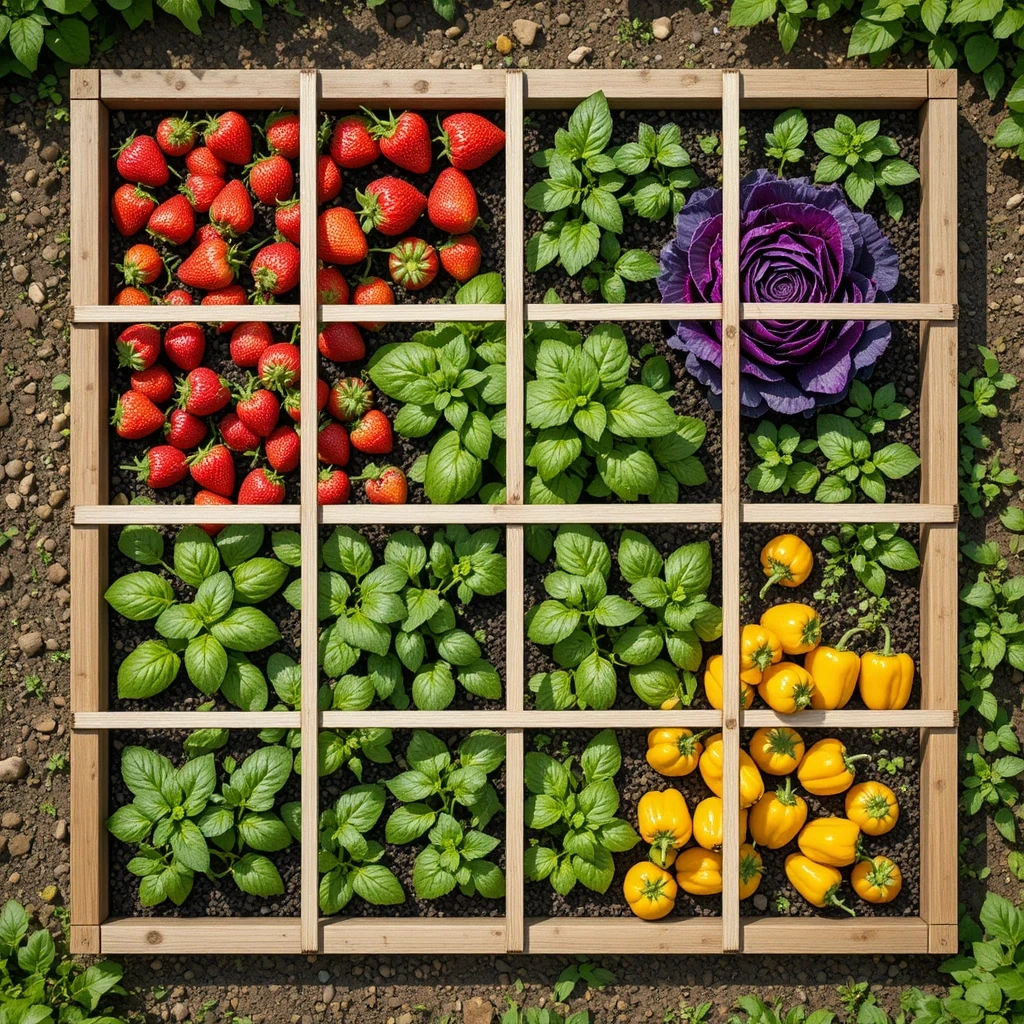
Square foot gardening is a smart, space-saving technique where the garden bed is divided into a grid of one-foot squares, with a different vegetable planted in each square. It is ideal for small yards and great for teaching kids about planning and organization. Shop on Amazon
How to Style It:
- Use a 4×4 or 4×8 foot raised bed and divide it with wooden lath strips into a grid
- Assign each square one type of vegetable based on spacing needs (e.g., 1 tomato or 9 radishes per square)
- Use colorful plant markers for each square to make the garden look playful and educational
- Add a printed or hand-drawn garden map so kids can track what is growing where
Where to Use It: Small backyards, urban gardens, school gardens, or as a starter garden for beginners.
Pro Tip: Follow the square foot spacing chart to maximize yield — fast-growing crops like radishes and lettuce can be replanted as soon as one crop is harvested, keeping your garden productive all season!
3. Vertical Vegetable Garden
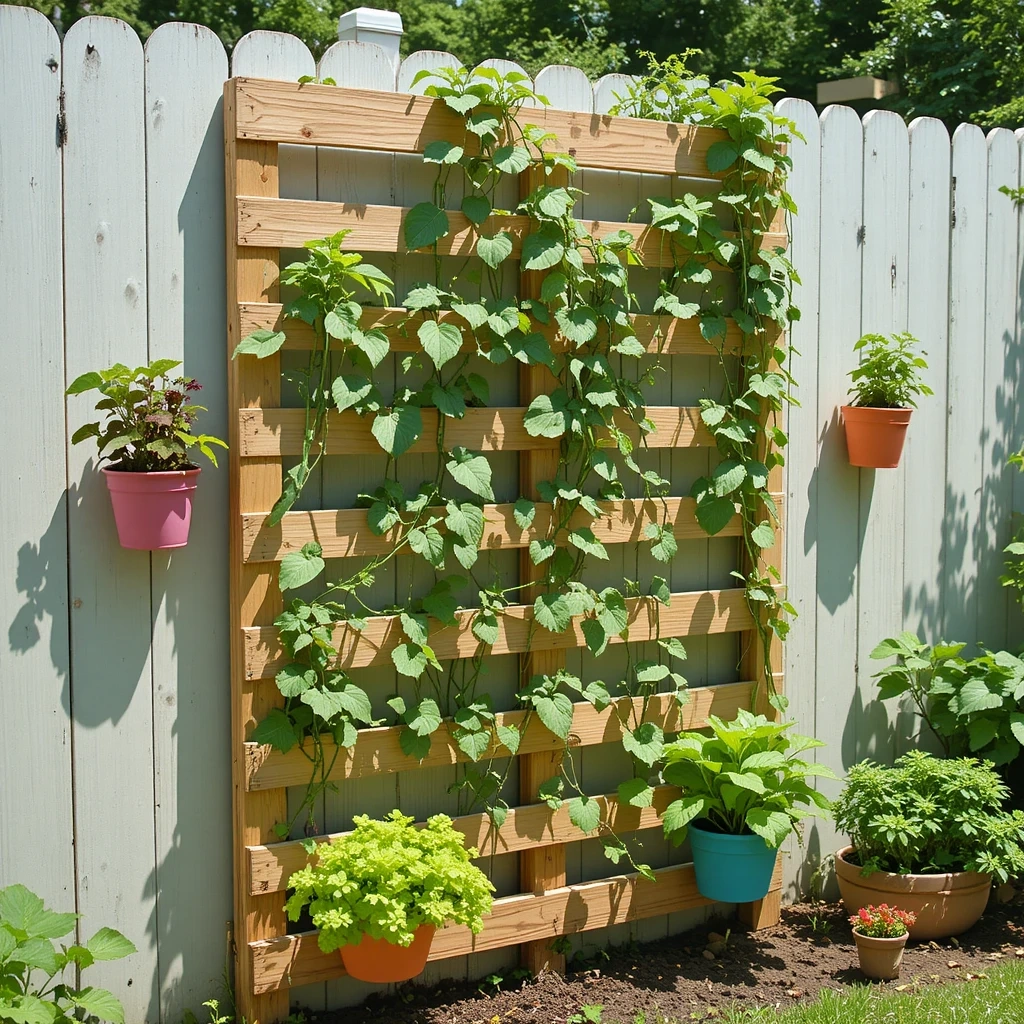
When ground space is limited, growing upward is the perfect solution. A vertical vegetable garden uses trellises, wall panels, pallets, or hanging planters to grow vegetables on a fence or wall. It looks stunning and saves a lot of space. Shop on Amazon
How to Style It:
- Mount a wooden trellis or cattle panel against a sunny fence for climbing vegetables like beans, peas, and cucumbers
- Use a repurposed wooden pallet as a vertical planter for strawberries or herbs
- Hang fabric pocket planters on a wall and fill them with salad greens
- Paint the backing wall or fence a cheerful color for a pop of personality
Where to Use It: Fences, exterior walls, balconies, patios, or narrow side yards with good sunlight.
Pro Tip: Choose vegetables that naturally like to climb — pole beans, cucumbers, and peas thrive on vertical support and actually produce more fruit when they have room to grow upward!
4. Cottage-Style Kitchen Garden (Potager Garden)
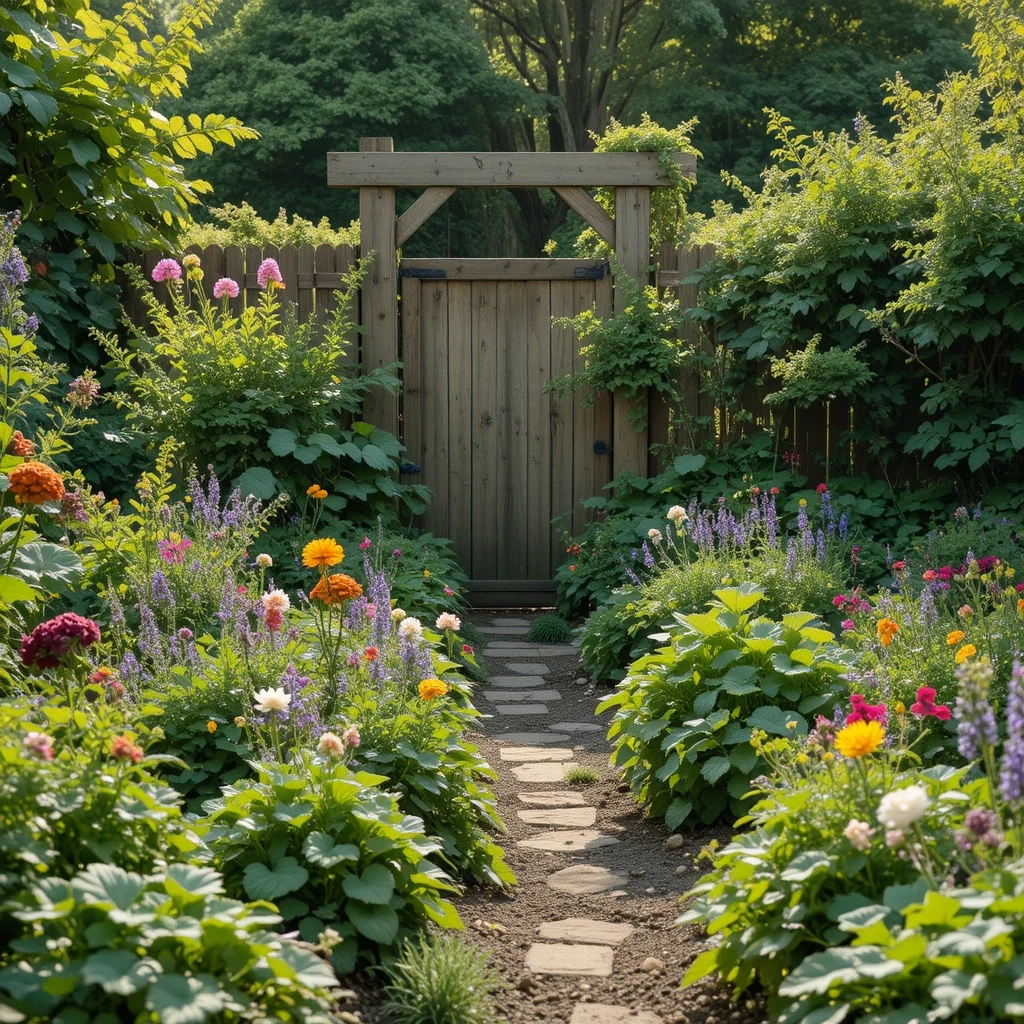
A potager garden is a beautiful French-style kitchen garden that mixes vegetables, herbs, and flowers together in an artistic, lush layout. It turns your vegetable garden into a decorative feature of your backyard that looks as good as it produces. Shop on Amazon
How to Style It:
- Mix vegetables with edible flowers like marigolds, nasturtiums, and calendula for color and pest control
- Use low boxwood hedges or herb borders to define the beds
- Add a decorative centerpiece — a birdbath, sundial, or climbing rose arch — as a focal point
- Arrange plants by height with tall tomatoes or corn at the back and low herbs at the front
Where to Use It: Large backyards, farmhouse-style homes, country properties, or any garden where beauty and function go hand in hand.
Pro Tip: Marigolds are a gardener’s best friend in a potager garden — they repel pests naturally and add gorgeous bursts of orange and yellow color throughout the growing season!
5. Kids’ Rainbow Vegetable Garden
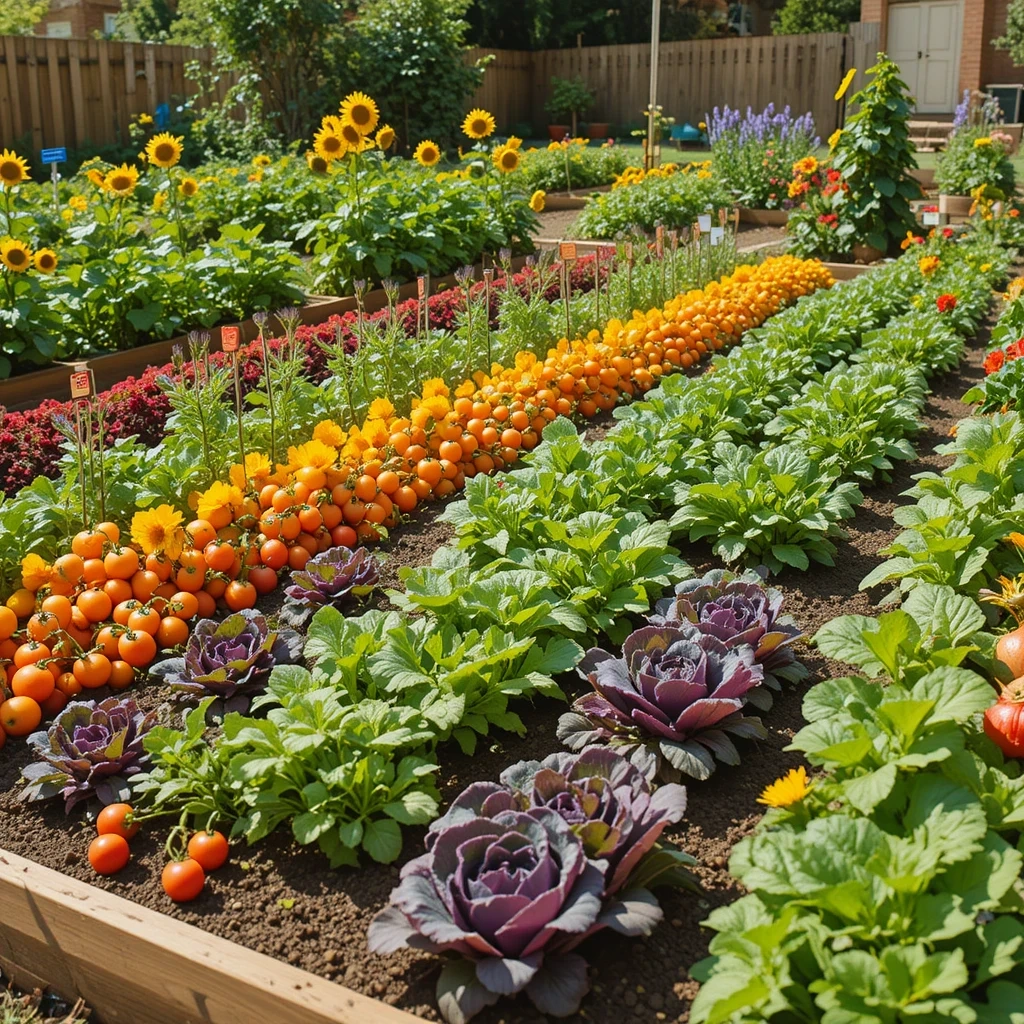
A rainbow garden is one of the most exciting vegetable garden designs for families with children. Vegetables are arranged by color to create a rainbow effect in the garden — red tomatoes, orange carrots, yellow peppers, green beans, and purple cabbage all planted in colorful rows. Shop on Amazon
How to Style It:
- Plan your rainbow rows from one end of the bed to the other: red → orange → yellow → green → blue/purple
- Use colorful vegetable varieties: red tomatoes, orange sweet peppers, yellow squash, green beans, purple kale
- Add a fun painted wooden sign that says “Our Rainbow Garden”
- Let kids decorate their own plant markers with waterproof paint
Where to Use It: Backyards, school gardens, community gardens, or any family-friendly outdoor space.
Pro Tip: Plant quick-growing crops like radishes and lettuce in the rainbow rows so kids see results fast — nothing keeps a child excited about gardening like watching something grow in just a few days!
6. Container Vegetable Garden
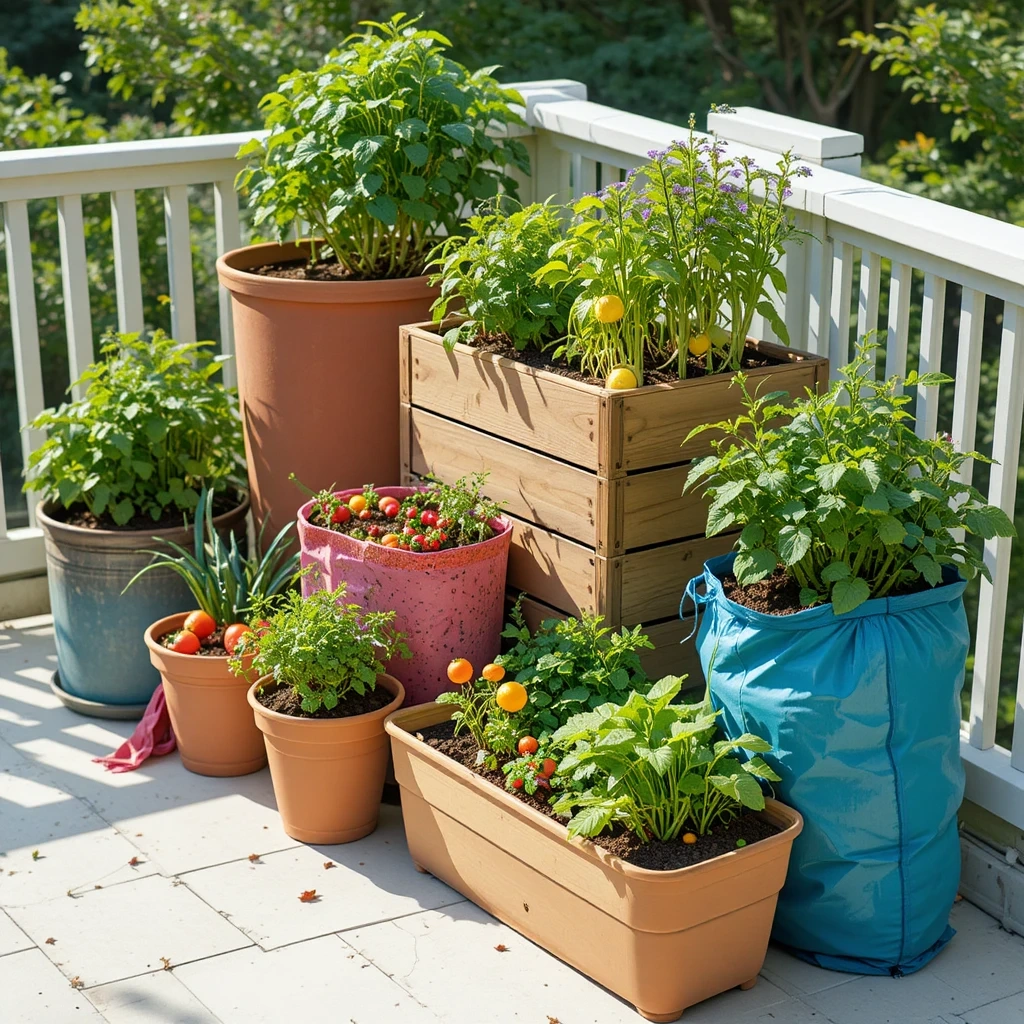
Not everyone has garden beds or a big lawn, but that does not mean you cannot grow vegetables! A container vegetable garden uses pots, buckets, grow bags, and planters to grow food on patios, decks, balconies, or driveways. It is flexible, movable, and incredibly versatile. Shop on Amazon
How to Style It:
- Group containers of different sizes and heights for a layered, intentional look
- Use terracotta pots, wooden crates, or colorful fabric grow bags to mix textures
- Place tall tomatoes or peppers in large 5-gallon containers and herbs in smaller terracotta pots
- Add a drip tray under each pot and arrange on a waterproof outdoor mat for a tidy look
Where to Use It: Balconies, patios, driveways, decks, or any paved outdoor area with at least 6 hours of sunlight.
Pro Tip: Self-watering containers are a game changer for container gardens — they hold a reservoir of water at the bottom so plants can drink when they need it, reducing watering frequency and keeping plants healthier!
7. Circular or Mandala Garden
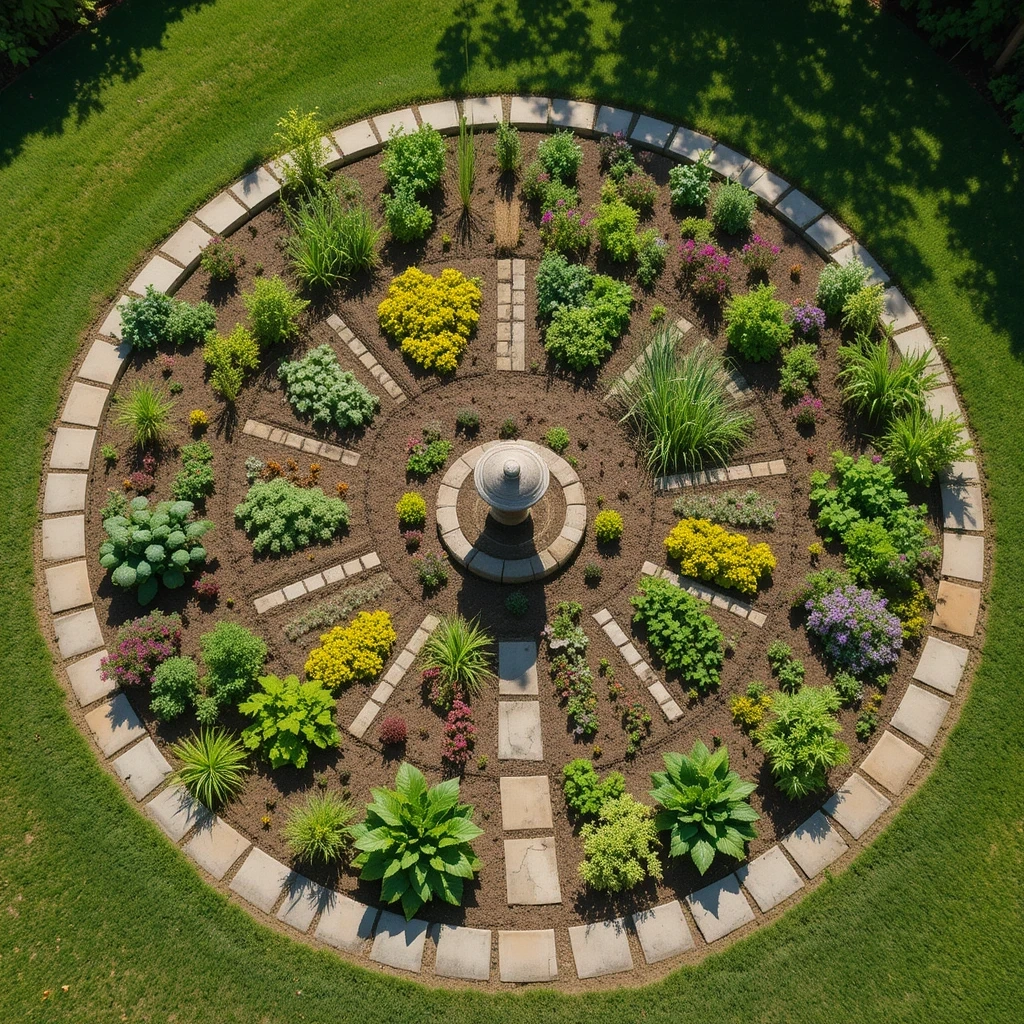
A mandala garden is a stunning circular vegetable garden design inspired by traditional permaculture principles. The circular layout creates beautiful symmetry, makes efficient use of space, and allows easy access to all plants from the center or outer paths. Shop on Amazon
How to Style It:
- Design the garden in concentric circles or pie-shaped sections radiating from a central focal point
- Use a birdbath, decorative urn, or tall herb plant as the center piece
- Fill each section with different vegetables, alternating color and height for visual interest
- Create gravel or stepping stone paths between sections for easy access
Where to Use It: Large flat backyards, community gardens, or any space where you want a dramatic garden centerpiece.
Pro Tip: Plant companion plants in neighboring sections — for example, place basil next to tomatoes, and plant marigolds along the outer ring to naturally repel pests while looking gorgeous!
8. Straw Bale Vegetable Garden
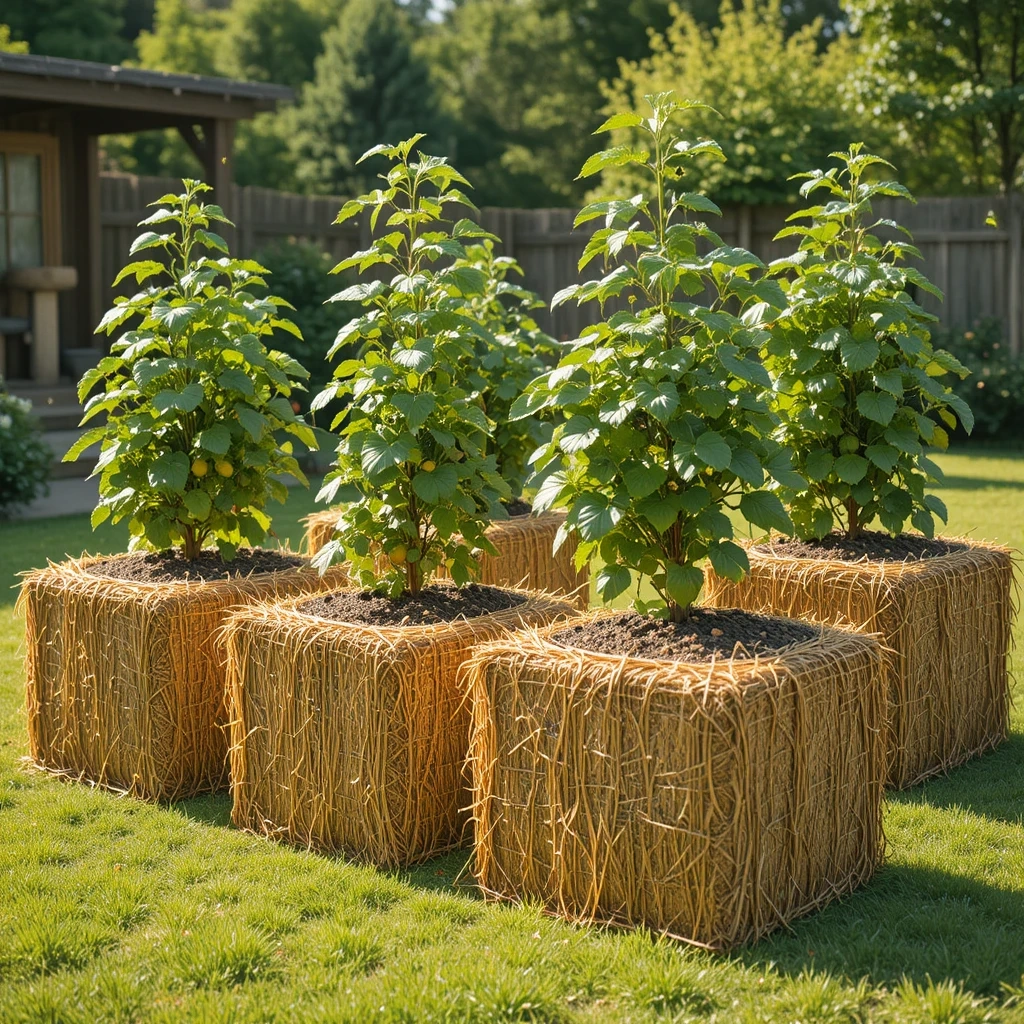
Straw bale gardening is a brilliant and budget-friendly technique where vegetables are planted directly into conditioned straw bales instead of the ground. It is perfect for poor soil areas, concrete spaces, or anyone who wants a no-dig garden setup. Shop on Amazon
How to Style It:
- Arrange bales in a row or U-shape in a sunny spot with at least 6–8 hours of light
- Condition bales with nitrogen-rich fertilizer for 10–14 days before planting to start the composting process inside
- Plant transplants directly into holes filled with potting mix on top of each bale
- Add a drip irrigation line along the tops of the bales for easy, consistent watering
Where to Use It: Lawns, concrete areas, driveways, or any ground where soil quality is poor or digging is not possible.
Pro Tip: Straw bales naturally warm up from the inside as they decompose, acting like a self-heating planter — this means you can often start planting 2–3 weeks earlier than you would in a traditional garden bed!
9. Three Sisters Garden (Native American Method)
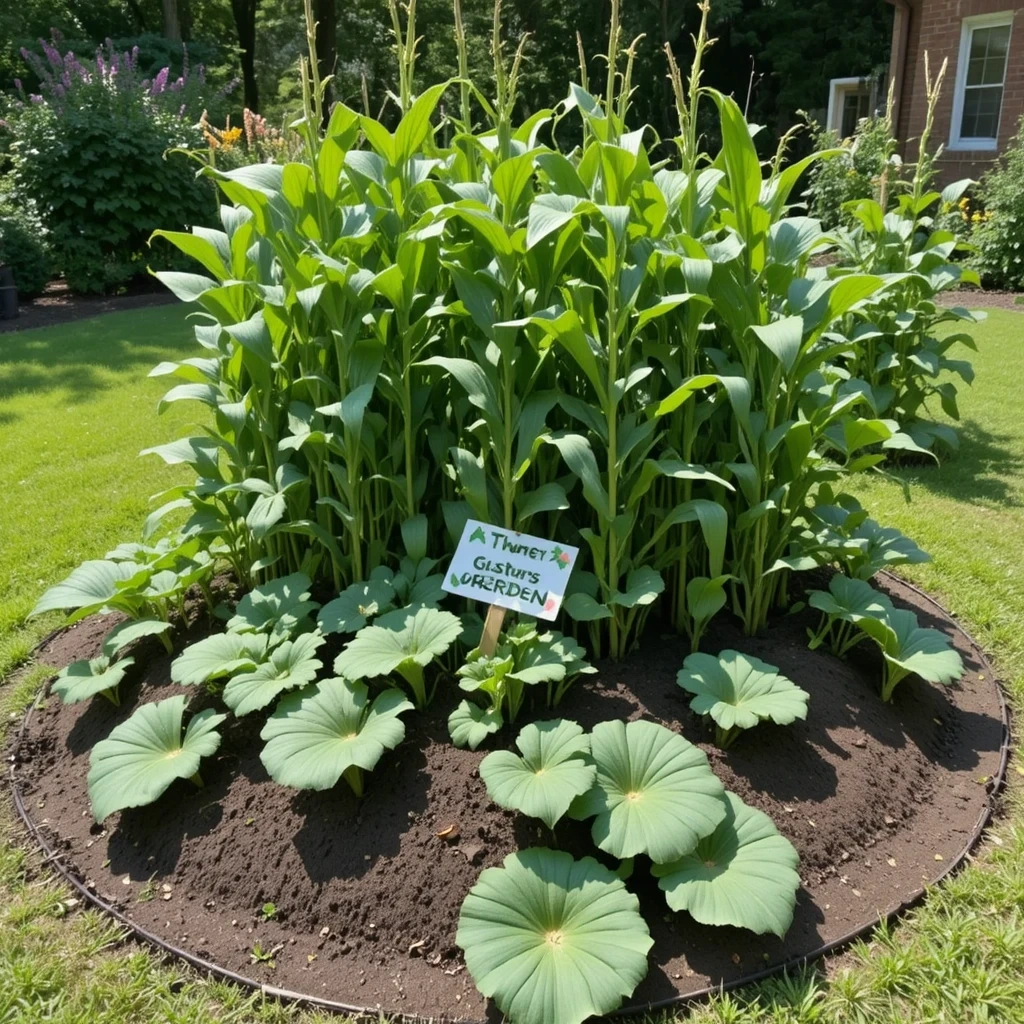
The Three Sisters garden is a traditional Native American planting method that grows corn, beans, and squash together in a mutually beneficial way. Each plant supports the others — corn provides a pole for beans, beans fix nitrogen in the soil, and squash leaves shade the ground to retain moisture. It is a wonderful way to teach kids about gardening wisdom from history. Shop on Amazon
How to Style It:
- Build a raised mound of soil about 12 inches high and 18 inches wide to plant the trio
- Plant corn in the center, then beans around the corn once it reaches 6 inches tall, then squash around the outer edge
- Add a decorative educational sign explaining the history and purpose of the Three Sisters
- Use heirloom or heritage varieties of all three plants for a traditional, colorful display
Where to Use It: Backyard gardens, school gardens, nature and heritage education spaces.
Pro Tip: This planting method is a perfect hands-on science project for kids — it demonstrates companion planting, ecosystems, and sustainable agriculture all in one small garden space!
10. Herb Spiral Garden
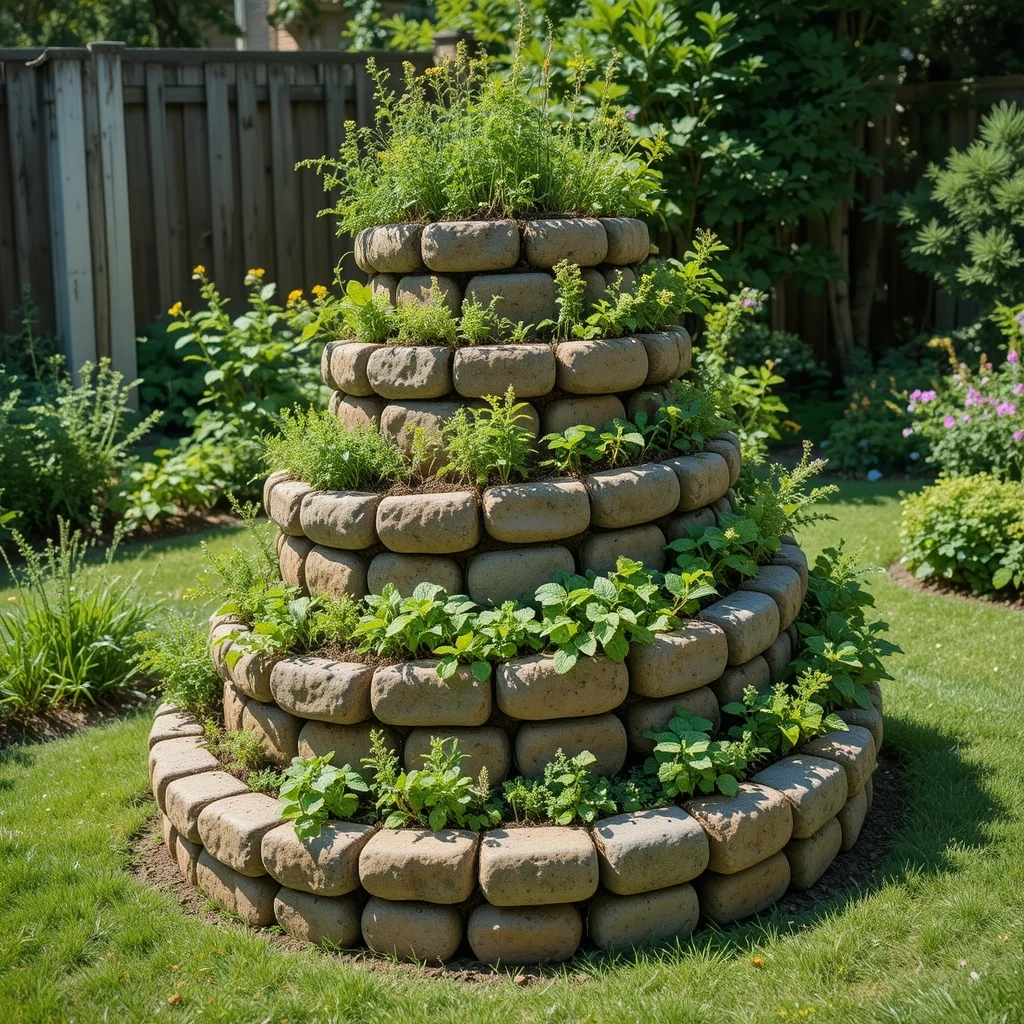
An herb spiral is a clever, space-efficient vertical garden structure built from stones, bricks, or wood in a spiral shape. It creates multiple micro-climates — dry and sunny at the top, shaded and moist at the base — allowing you to grow a wide variety of herbs in a small footprint. Shop on Amazon
How to Style It:
- Build the spiral using natural stone, reclaimed bricks, or landscape blocks in a clockwise spiral
- Plant drought-tolerant herbs like rosemary and thyme at the top where it is warmest and driest
- Place moisture-loving herbs like mint, parsley, and chives at the lower, shadier base
- Add a small decorative sign listing each herb variety at each level
Where to Use It: Any backyard corner, kitchen garden space, or patio area — the spiral takes up only about 4–6 square feet of ground space!
Pro Tip: Position your herb spiral so the top faces south (in the Northern Hemisphere) to maximize sun exposure for heat-loving herbs at the top while keeping the north-facing base naturally cooler and more moist for shade-tolerant varieties!
Quick Comparison: Which Vegetable Garden Design Is Right for You?
| Garden Design | Space Needed | Best For | Difficulty Level |
|---|---|---|---|
| Classic Raised Bed | Medium | All families | Beginner |
| Square Foot Garden | Small–Medium | Beginners & kids | Beginner |
| Vertical Garden | Very Small | Balconies & fences | Beginner |
| Cottage Potager | Large | Decorative yards | Intermediate |
| Kids’ Rainbow Garden | Small–Medium | Families with children | Beginner |
| Container Garden | Any (patio/balcony) | Renters & small spaces | Beginner |
| Mandala Garden | Large | Feature gardens | Intermediate |
| Straw Bale Garden | Small–Medium | Poor soil areas | Beginner |
| Three Sisters Garden | Medium | Educational & heritage | Beginner |
| Herb Spiral | Very Small | Herb lovers | Intermediate |
Common Mistakes to Avoid
1. Choosing a Shady Spot Most vegetables need 6–8 hours of direct sunlight every day. Placing your garden under a tree or beside a tall fence will result in weak, unproductive plants. Always observe your yard before deciding where to build.
2. Overwatering Your Plants More plants are killed by too much water than by too little. Always check the soil moisture before watering — stick your finger 2 inches into the soil, and only water if it feels dry at that depth.
3. Planting Too Many Things at Once Starting with a huge garden is exciting, but it often leads to overwhelm. Begin with 3–5 of your favorite vegetables and expand each year as you gain confidence and knowledge.
4. Skipping Soil Preparation Poor soil leads to poor results. Always enrich your garden soil with compost before planting. Good soil is the single most important investment you can make in your vegetable garden.
5. Forgetting to Label Plants Seedlings all look similar when they are young! Use plant markers from the very beginning so you — and your kids — always know what is growing where.
6. Ignoring Companion Planting Some plants help each other grow, while others compete. Learn basic companion planting rules — like basil with tomatoes, or marigolds as a natural pest barrier — to get the most from your garden.
7. Planting at the Wrong Time Every vegetable has its ideal planting season. Always check the seed packet for your hardiness zone and frost dates before planting to avoid losing seedlings to unexpected cold snaps.
Frequently Asked Questions
What is the easiest vegetable garden design for beginners? The raised bed garden and square foot garden are the two easiest designs for beginners. Both offer excellent control over soil quality, manageable maintenance, and clear organization that makes gardening less overwhelming for first-timers.
How much sunlight does a vegetable garden need? Most vegetables thrive with 6–8 hours of direct sunlight per day. Leafy greens like lettuce and spinach can manage with 4–6 hours, but fruiting vegetables like tomatoes, peppers, and squash need the full 6–8 hours to produce well.
What vegetables are best for growing with kids? Radishes, cherry tomatoes, beans, sunflowers, strawberries, and lettuce are fantastic for kids because they grow quickly and are rewarding to harvest. The rainbow garden design works especially well for engaging children in the growing process.
How do I keep pests away without chemicals? Plant marigolds around the borders of your garden — they are a natural pest deterrent. You can also use row covers, companion planting (basil near tomatoes, dill near carrots), and hand-picking as effective, family-safe pest management strategies.
Can I grow vegetables in a small space? Absolutely! Container gardens, vertical gardens, and herb spirals are all designed specifically for small spaces. Even a single sunny balcony or patio can support a productive container vegetable garden with tomatoes, peppers, herbs, and leafy greens.
How often should I water my vegetable garden? Most vegetable gardens need about 1 inch of water per week. During hot summer months, you may need to water every 1–2 days. Always water at the base of plants in the morning to reduce evaporation and prevent fungal disease on leaves.
What is companion planting and why does it matter? Companion planting means growing certain plants together because they benefit each other. For example, basil repels aphids near tomatoes, marigolds deter a wide range of pests, and beans add nitrogen to the soil that benefits neighboring plants. It is a natural, chemical-free way to improve your garden’s health and productivity.
Do I need to fertilize my vegetable garden? Yes, vegetables are heavy feeders and benefit from regular fertilization. Start with a rich compost-amended soil at planting time, then feed with a balanced organic fertilizer every 4–6 weeks during the growing season for the best results.