12 Unique boxwood landscaping ideas That Transform Any Yard
Boxwood shrubs are the secret weapon of every gorgeous, well-kept garden. With their dense evergreen leaves, classic shape, and year-round greenery, boxwoods bring structure, elegance, and a timeless charm to any outdoor space. Whether you have a sprawling backyard or a cozy front porch, these versatile plants can be shaped, trimmed, and arranged in countless creative ways.
In this guide, we’re sharing 12 stunning boxwood landscaping ideas perfect for families, beginners, and seasoned gardeners alike. From classic hedges to playful topiaries, you’ll find inspiration to make your home’s curb appeal shine while creating a safe, beautiful space for the whole family to enjoy.
Why Boxwood Is a Family-Friendly Landscaping Favorite
Boxwood shrubs are low-maintenance, non-toxic to handle, and incredibly durable, making them a wonderful choice for households with children and pets running around the yard. They’re also forgiving for beginner gardeners since they tolerate pruning mistakes and bounce back beautifully season after season.
Best of all, their soft, rounded shapes and lush green color create a calm, welcoming atmosphere that feels just as good in a quiet reading nook as it does framing a lively backyard play area.
12 Boxwood Landscaping Ideas
1. Classic Boxwood Hedge Border
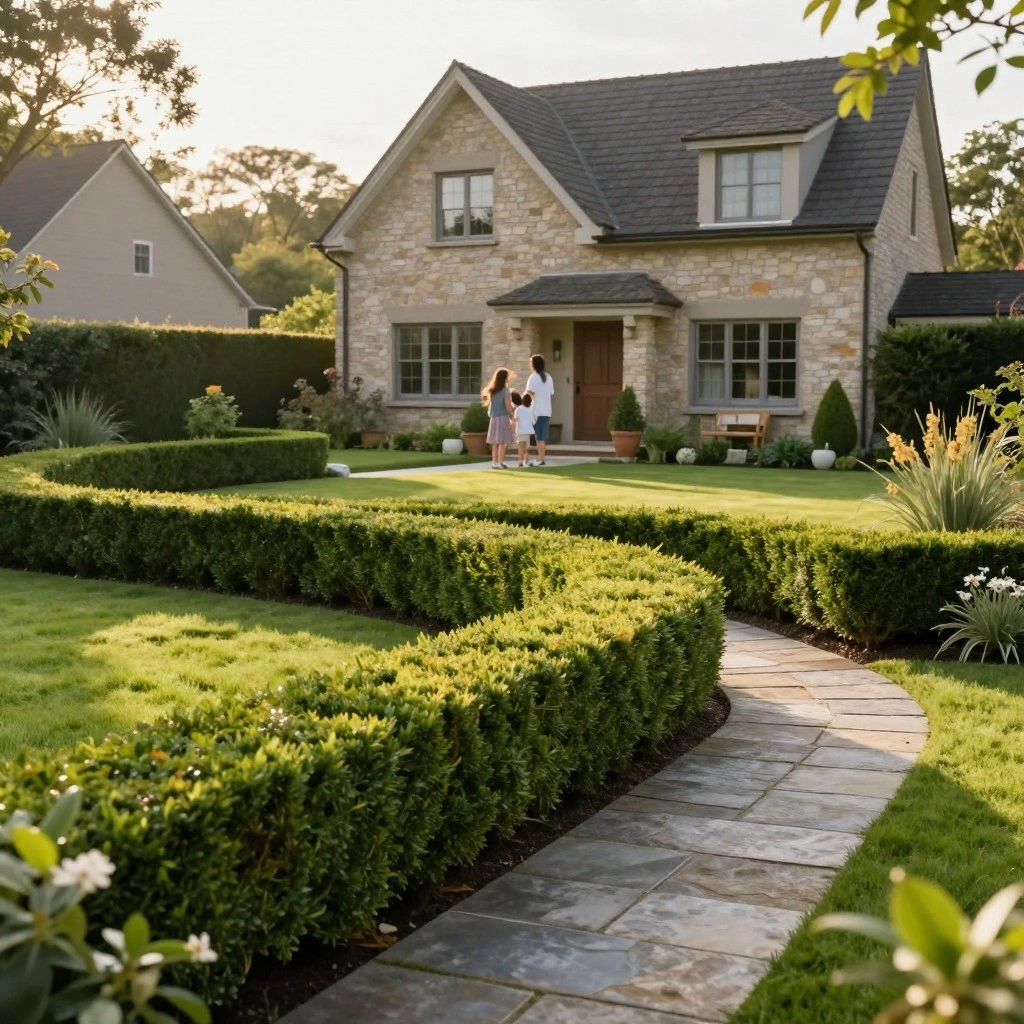
A neatly trimmed boxwood hedge along your walkway or property line instantly adds structure and a polished, manicured look to your home’s exterior. Shop on Amazon
How to Style It:
- Keep the hedge at a uniform height of 18–24 inches for a clean border look
- Trim into soft, rounded edges rather than harsh straight lines for a gentler feel
- Pair with light-colored gravel or brick pathways for contrast
Where to Use It: Along front walkways, driveway edges, or as a boundary between the lawn and flower beds.
Pro Tip: Trim hedges early in the morning on a cool day to reduce stress on the plant and help it heal faster.
2. Boxwood Topiary Balls in Pots
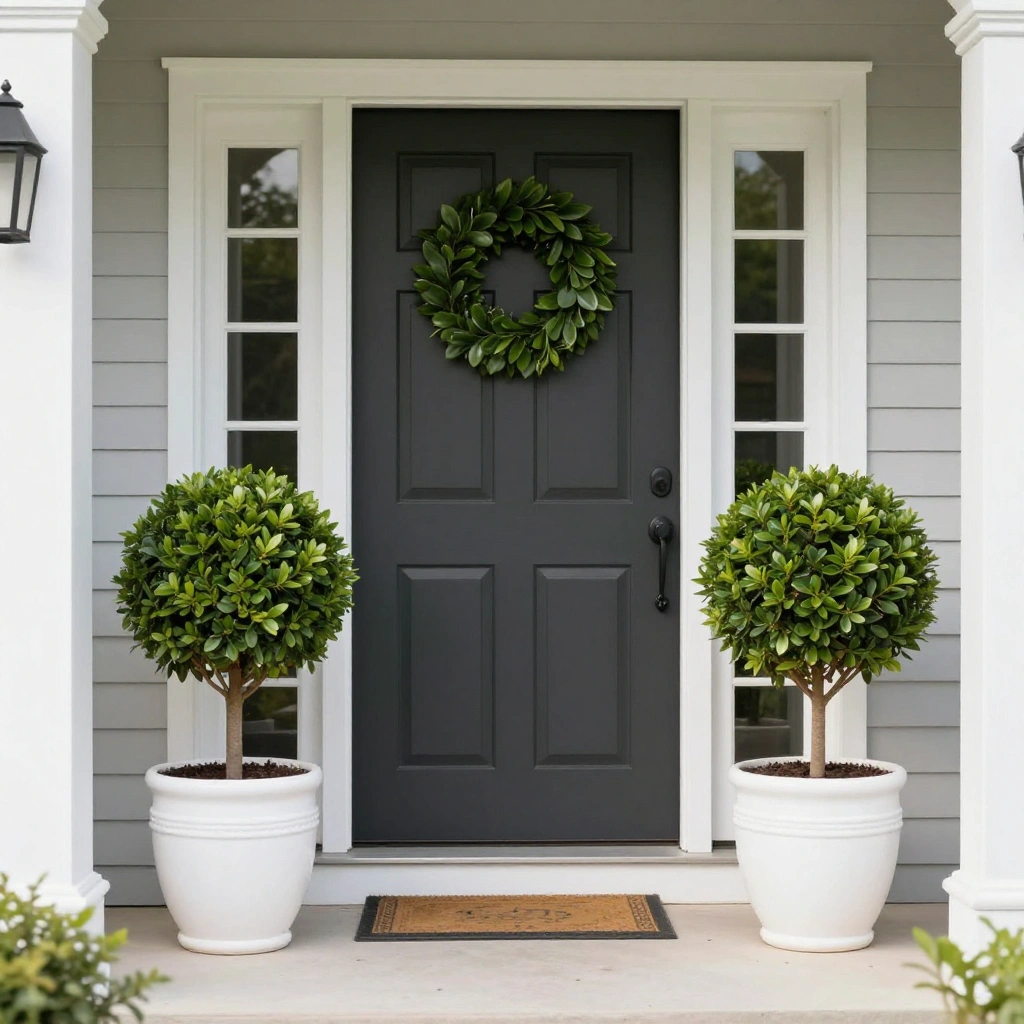
Round, sculpted boxwood balls in decorative planters add a touch of elegance to entryways and patios without requiring a lot of space. Shop on Amazon
How to Style It:
- Choose matching ceramic or stone pots for symmetry
- Place pots in pairs on either side of doors or steps
- Refresh the topdressing with light mulch for a tidy finish
Where to Use It: Front porches, entryways, or flanking patio doors.
Pro Tip: Rotate potted boxwoods every few weeks so all sides receive even sunlight and grow uniformly.
3. Boxwood Knot Garden
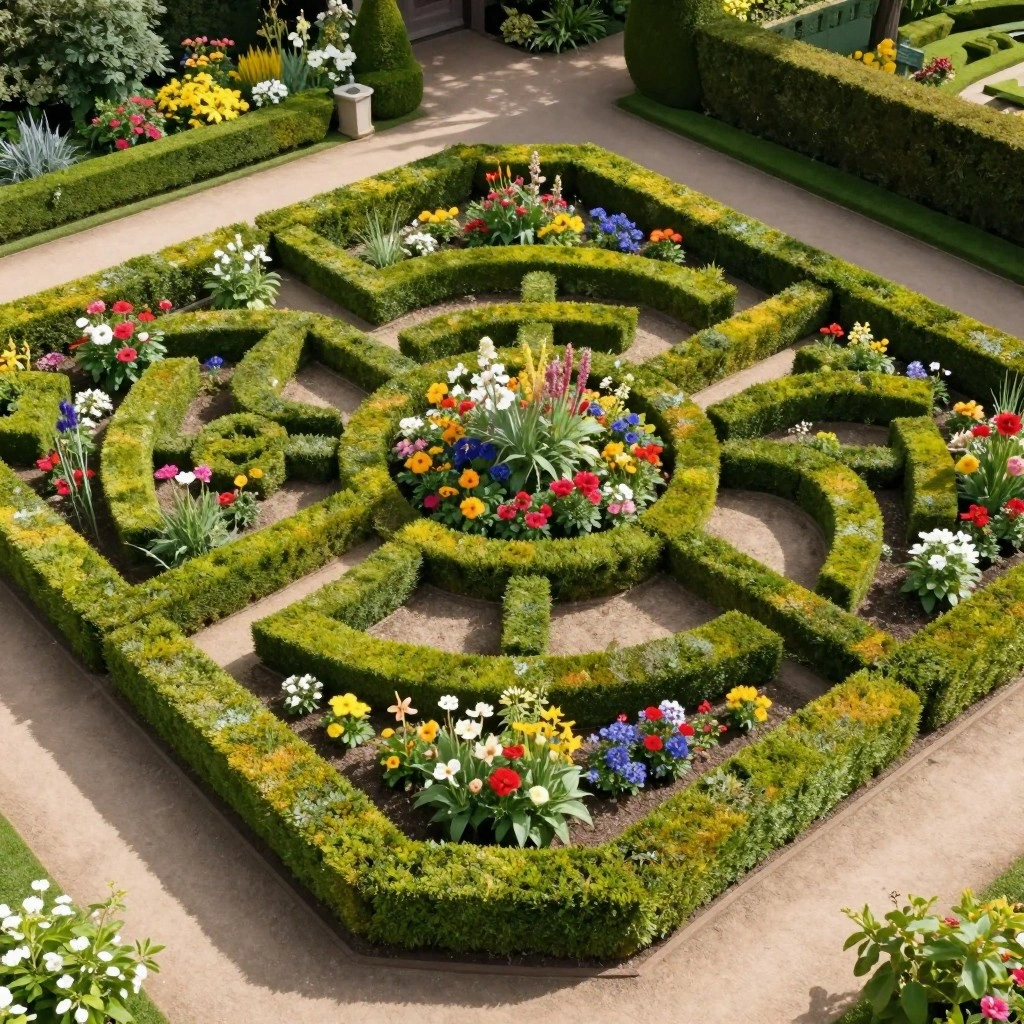
A knot garden uses low boxwood hedges arranged in interlocking patterns to create a beautiful, intricate design that looks like a living tapestry. Shop on Amazon
How to Style It:
- Plan a simple geometric pattern like a square, diamond, or interlocking loops
- Fill the spaces between hedges with colorful flowers or mulch
- Keep hedges low (under 12 inches) so the pattern stays visible
Where to Use It: Formal garden areas, courtyards, or as a centerpiece in a larger lawn.
Pro Tip: Sketch your pattern on paper first and mark it out with string before planting to keep lines crisp and even.
4. Boxwood Privacy Screen
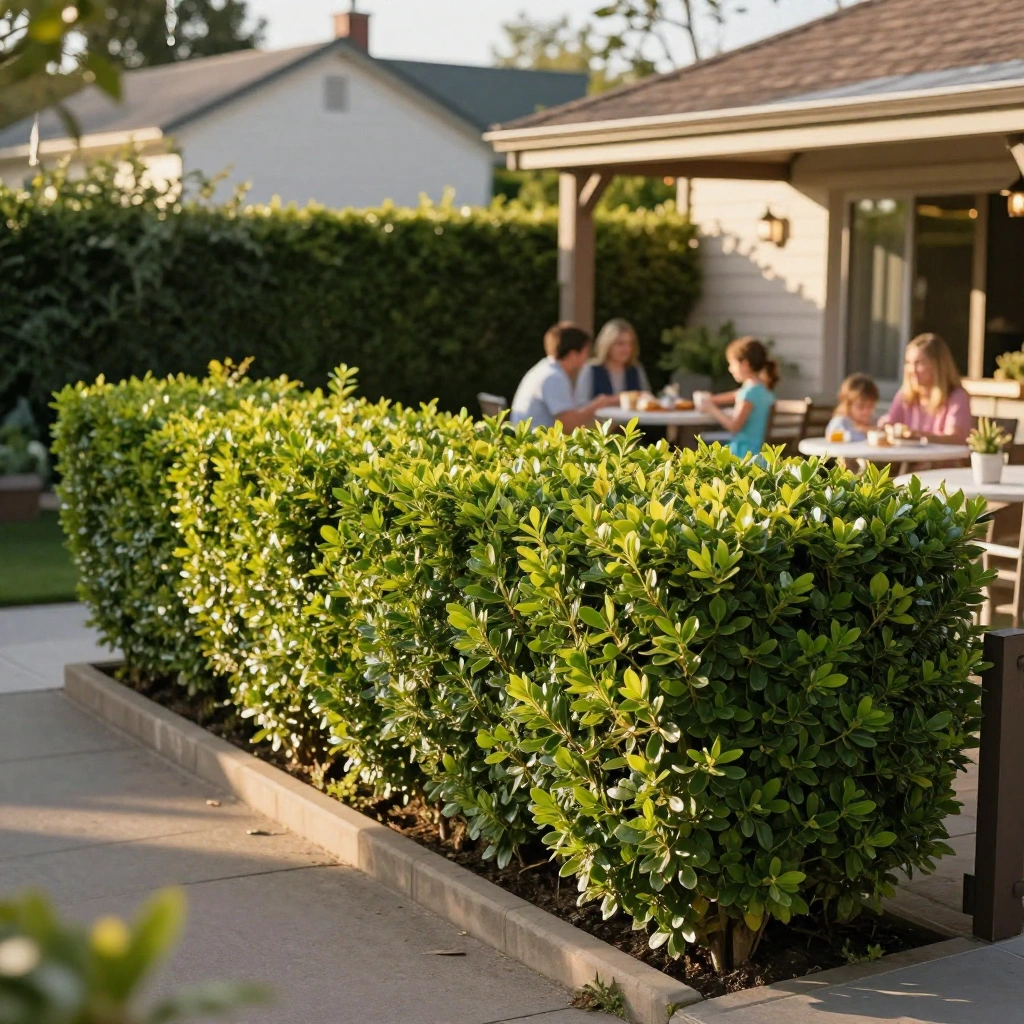
Tall, dense boxwood shrubs planted in a row create a natural privacy wall that’s softer and greener than a fence. Shop on Amazon
How to Style It:
- Space plants 2–3 feet apart for a dense, continuous screen
- Allow shrubs to grow to 4–6 feet for full privacy
- Trim the top flat for a tailored look or leave naturally rounded for a softer feel
Where to Use It: Along property lines, around patios, or to block views of a street or neighboring yard.
Pro Tip: Plant a double row in a staggered pattern for extra-thick coverage in just a few growing seasons.
5. Boxwood Spiral Topiary
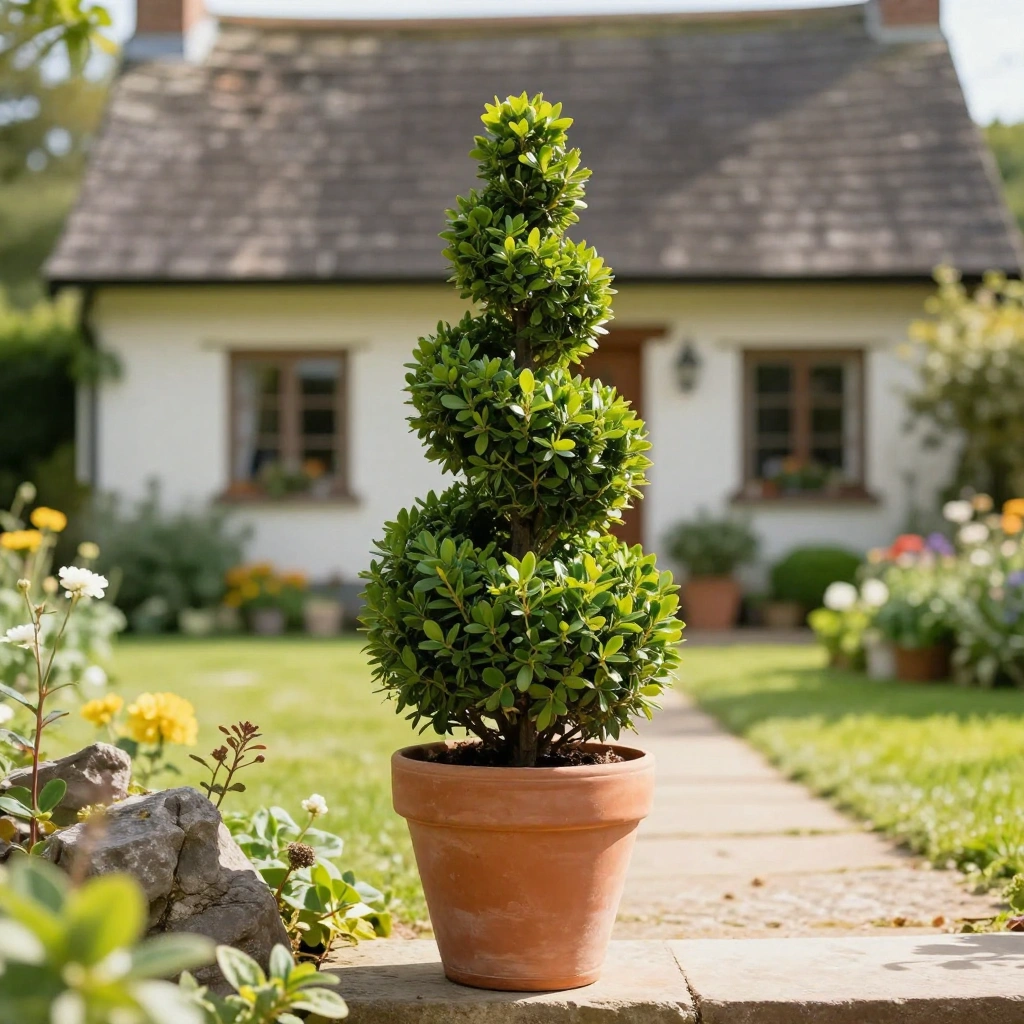
Spiral-shaped boxwoods are a fun, eye-catching way to bring playful sophistication to your garden design. Shop on Amazon
How to Style It:
- Start with a young, narrow boxwood and shape gradually over a year or two
- Use a wire spiral guide for the first trimming to keep proportions even
- Place in a decorative pot for a portable accent piece
Where to Use It: Near front doors, on garden steps, or as a focal point in a small courtyard.
Pro Tip: Trim spirals lightly every few weeks during growing season rather than one big cut, which helps maintain the shape longer.
6. Boxwood Garden Bed Edging
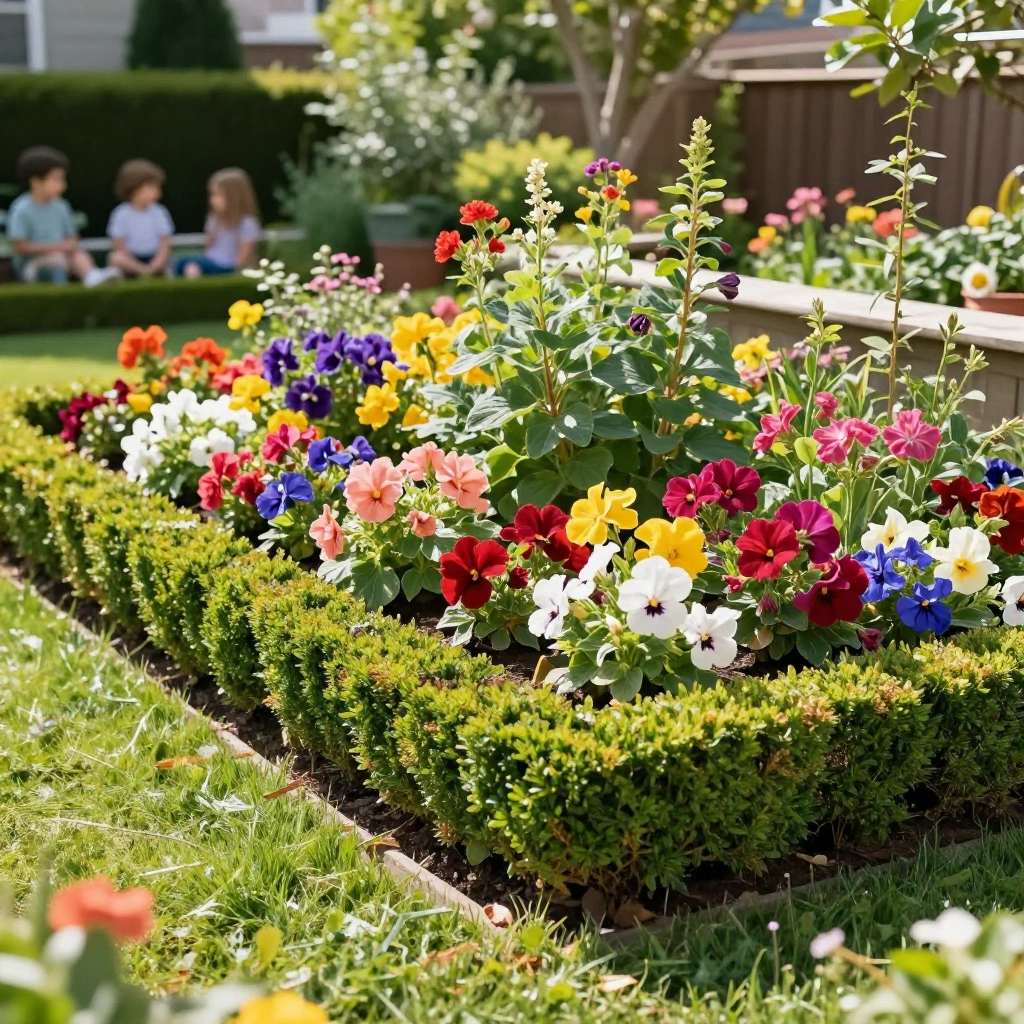
Low boxwood borders around flower beds give a tidy, professional finish that keeps mulch and plants contained. Shop on Amazon
How to Style It:
- Keep edging height between 8–12 inches
- Plant in a single continuous line following the bed’s curves
- Combine with colorful seasonal flowers inside the border
Where to Use It: Around rose beds, vegetable gardens, or mixed flower borders.
Pro Tip: Use a string line when planting to keep your edge perfectly straight or smoothly curved.
7. Boxwood Foundation Planting
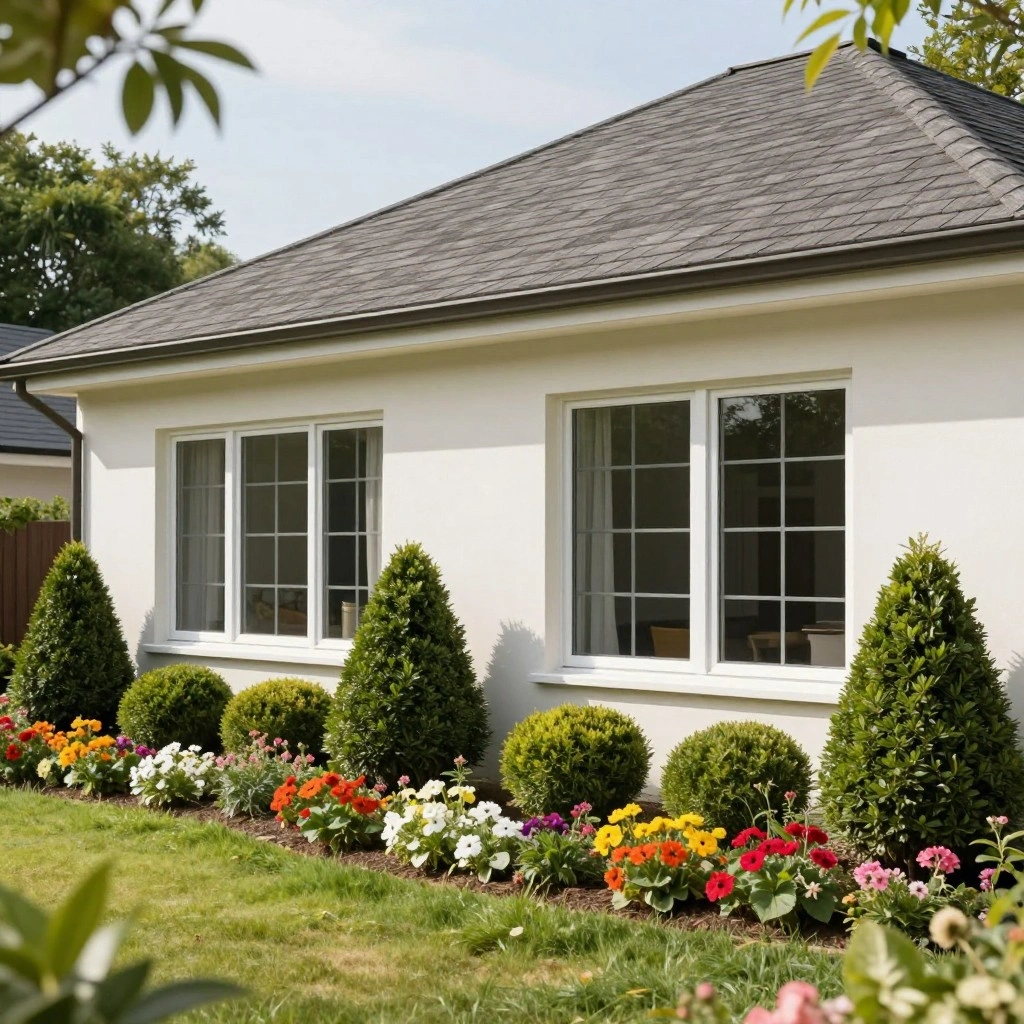
Planting boxwoods along the base of your home softens hard architectural lines and adds year-round greenery. Shop on Amazon
How to Style It:
- Choose a compact variety that won’t block windows as it matures
- Space plants evenly along the foundation for a balanced look
- Mix in seasonal flowers in front for added color
Where to Use It: Along the front of the house, beneath windows, or near porch columns.
Pro Tip: Leave at least 12–18 inches between the shrub and the house wall to allow for airflow and growth.
8. Boxwood Garden Maze for Kids
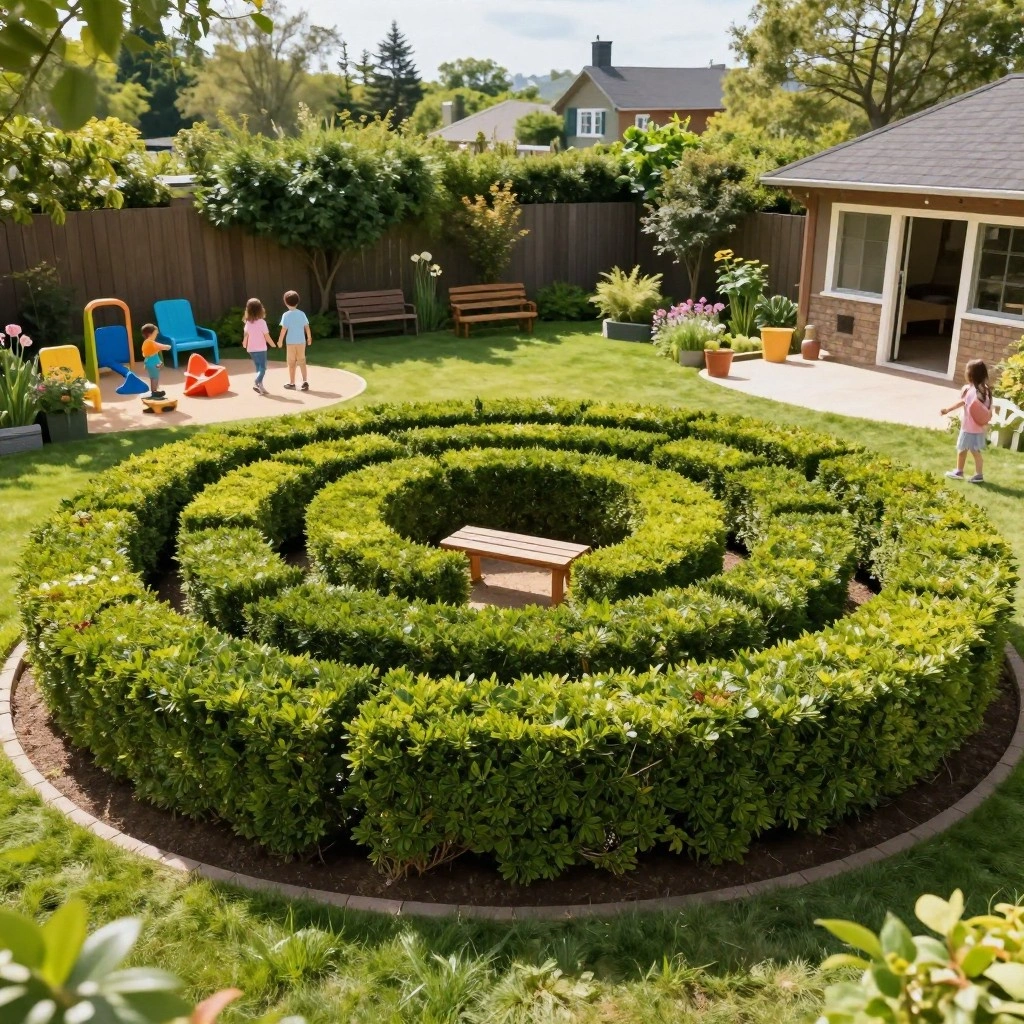
A mini boxwood maze is a magical, interactive feature that turns your backyard into an adventure zone for children. Shop on Amazon
How to Style It:
- Use low hedges (under 24 inches) so adults can still supervise easily
- Design simple, winding pathways with a few dead ends for fun
- Add a small surprise at the center, like a bench or birdhouse
Where to Use It: Large backyards, family gardens, or play areas.
Pro Tip: Keep pathways at least 3 feet wide so little feet can comfortably walk and turn around.
9. Boxwood and Stone Pathway Combo
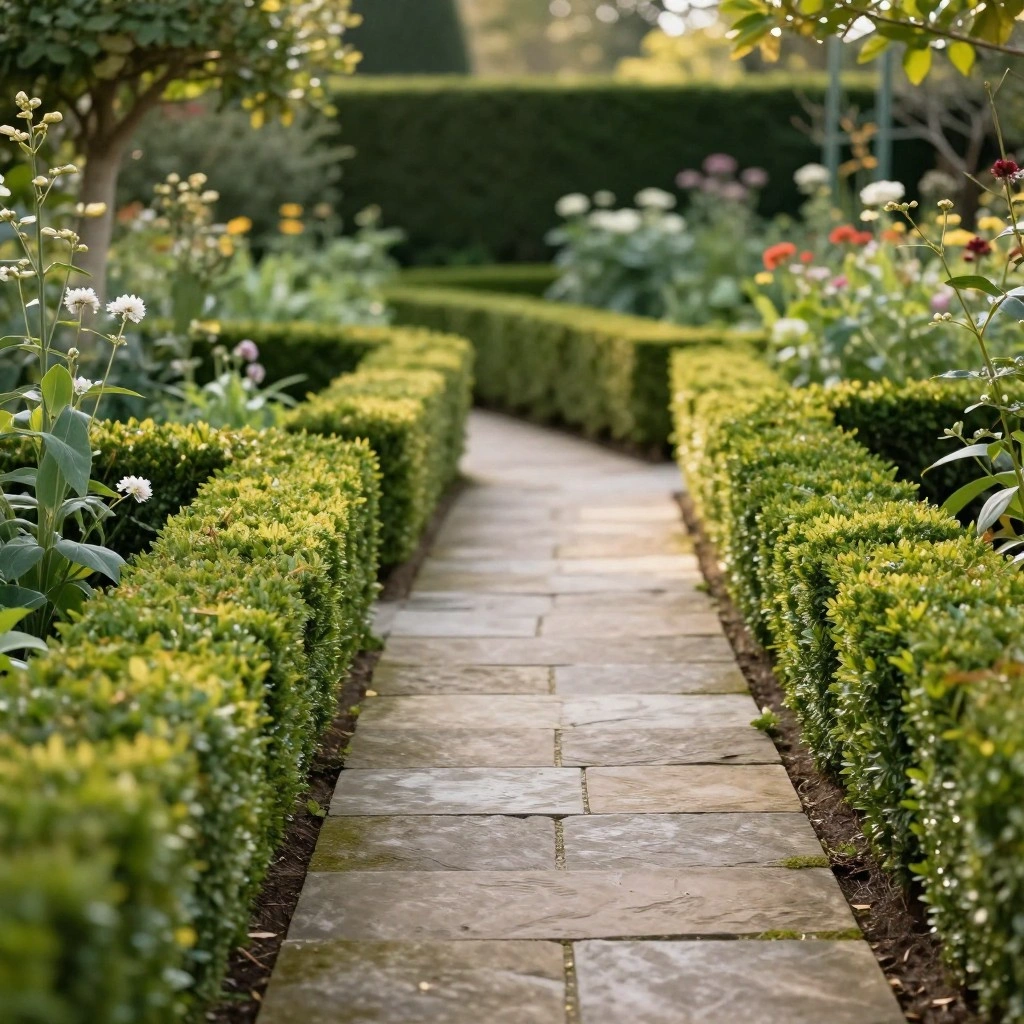
Pairing boxwood hedges with a stone or paver pathway creates a charming, storybook-style walkway. Shop on Amazon
How to Style It:
- Plant low boxwood hedges on both sides of the path
- Use natural stone, gravel, or brick pavers for the walkway surface
- Add solar lanterns along the edges for evening charm
Where to Use It: Garden entrances, side yard walkways, or paths leading to a backyard seating area.
Pro Tip: Leave a small gap between the hedge and pathway edge to prevent branches from overgrowing onto the walking surface.
10. Boxwood Cloud Pruning (Niwaki Style)
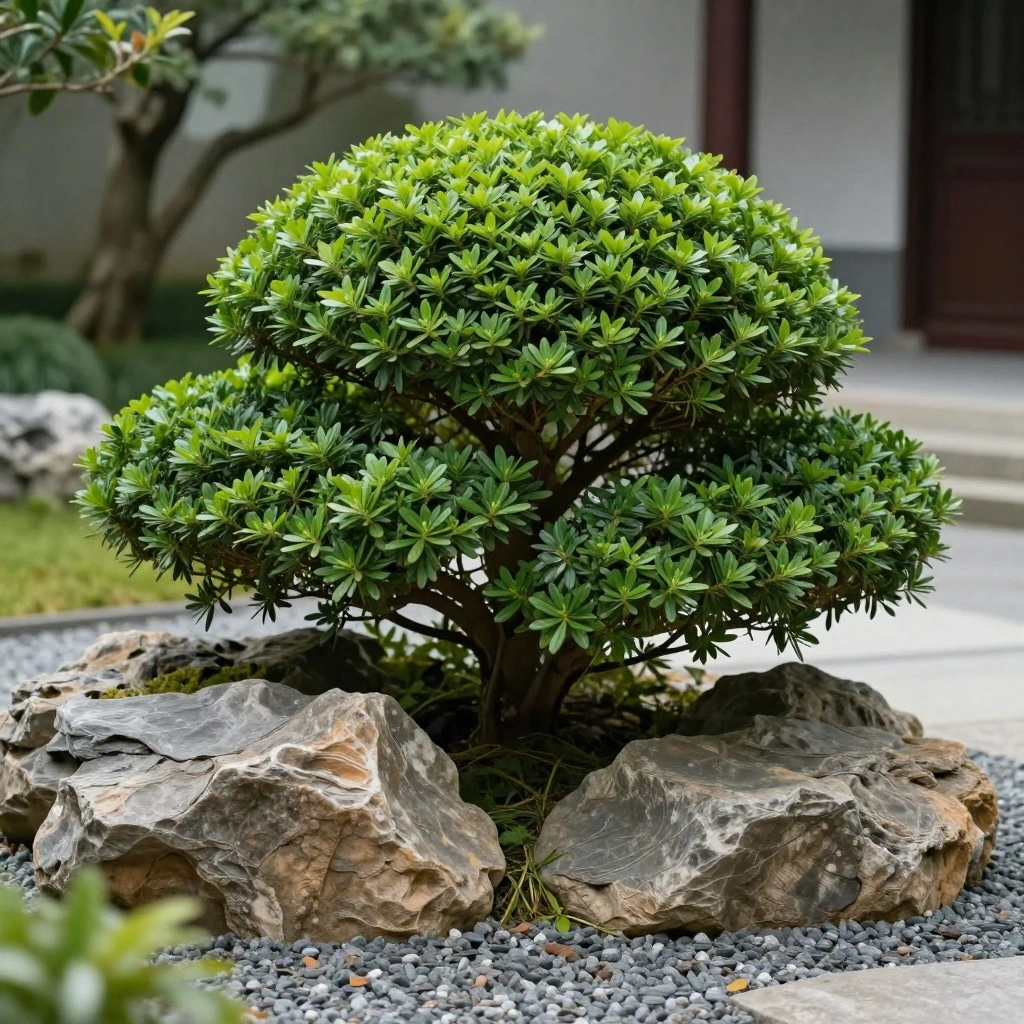
Cloud-pruned boxwoods, shaped into soft, rounded “cloud” forms, bring an artistic, zen-inspired touch to any garden. Shop on Amazon
How to Style It:
- Remove inner branches to expose the trunk and create separation between “clouds”
- Shape remaining foliage into smooth, puffy rounds
- Plant near rocks or gravel for a serene, balanced look
Where to Use It: Zen gardens, meditation corners, or as a striking standalone feature.
Pro Tip: Start cloud pruning gradually over multiple seasons — removing too much at once can stress the plant.
11. Boxwood Window Box Accents
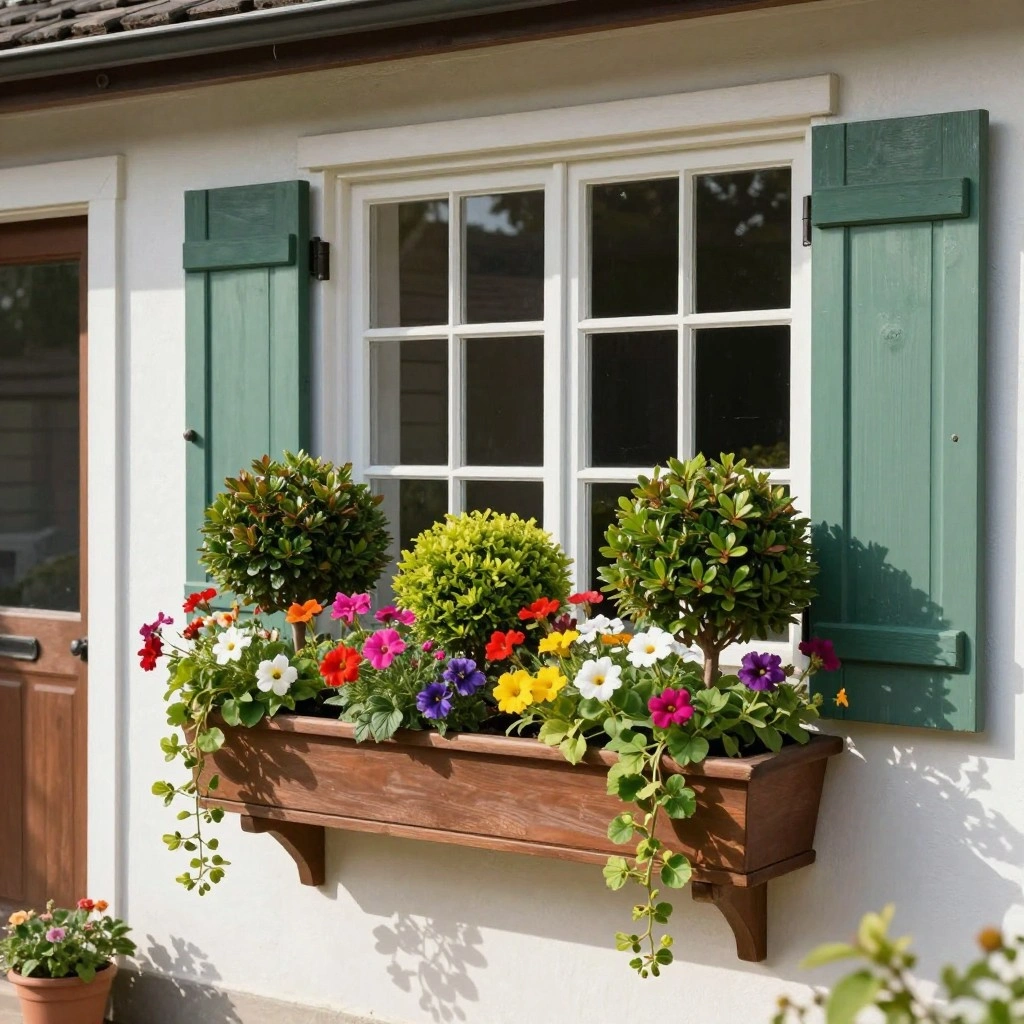
Small boxwood shrubs in window boxes add lush, year-round greenery right outside your windows. Shop on Amazon
How to Style It:
- Choose a dwarf or slow-growing boxwood variety
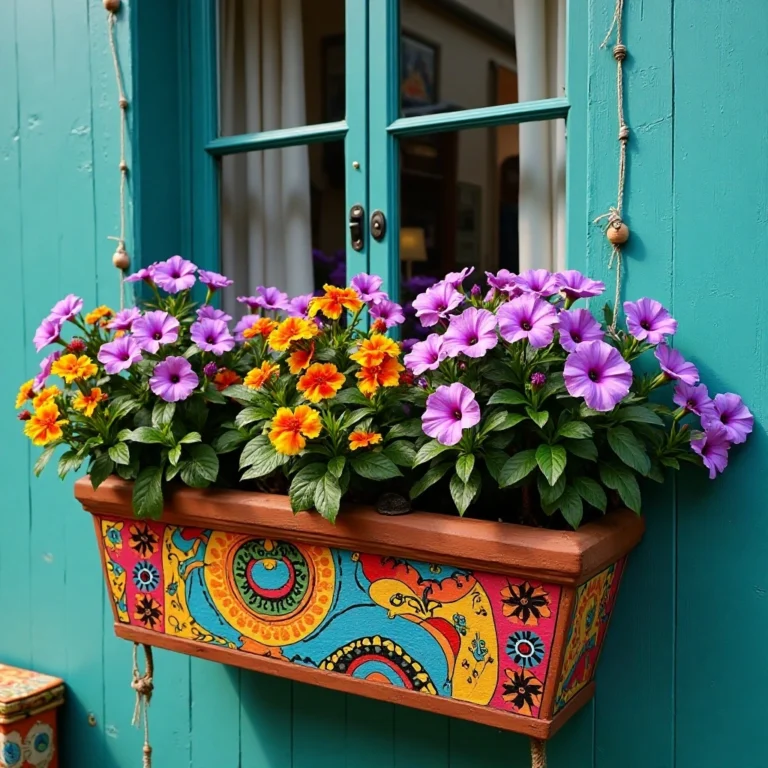
- Pair with trailing flowers like petunias for color and texture
- Trim into a soft mound shape to fit the box neatly
Where to Use It: Beneath front-facing windows, on porch railings, or balcony ledges.
Pro Tip: Make sure window boxes have drainage holes to prevent root rot from excess watering.
12. Boxwood Circle Garden Centerpiece
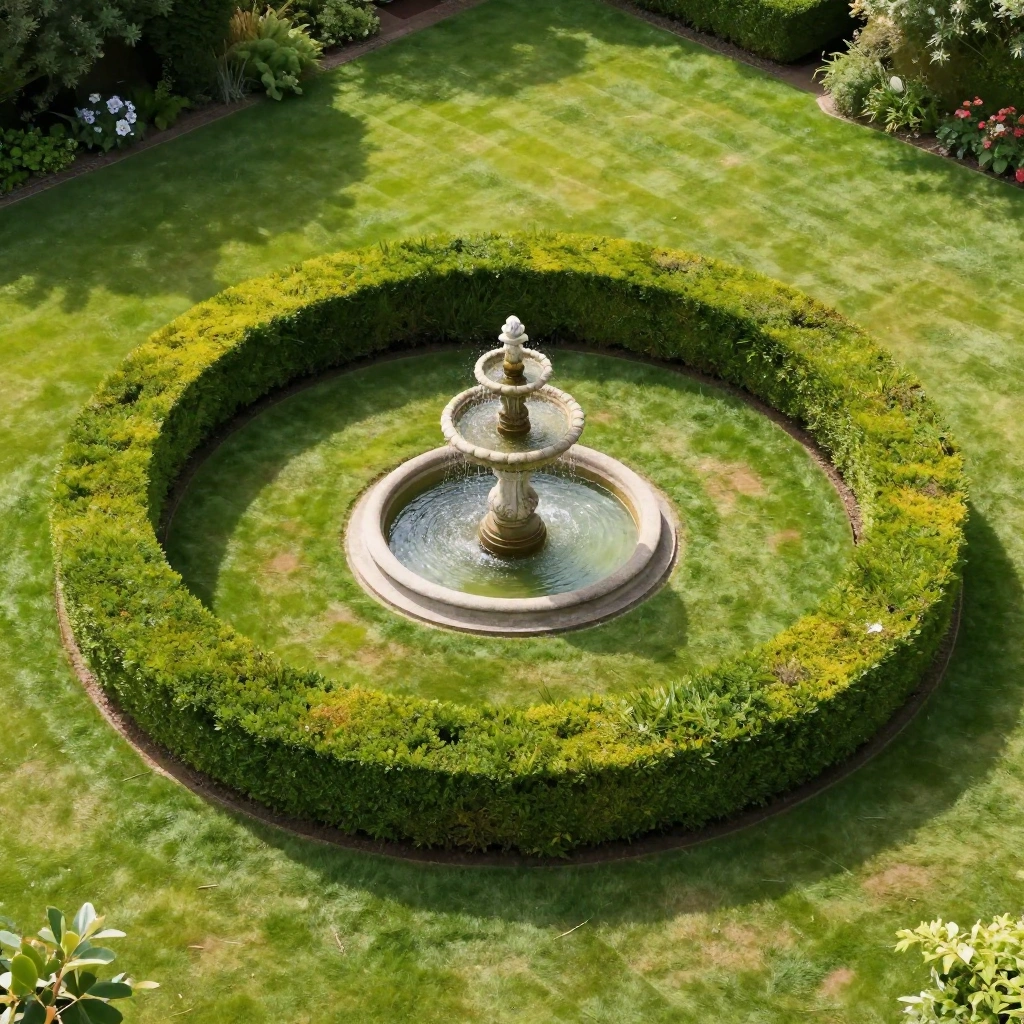
A circular arrangement of boxwood shrubs creates a stunning focal point in the middle of a lawn or garden.
How to Style It:
- Plant boxwoods in a perfect circle around a central feature like a tree, fountain, or flower bed
- Keep the circle symmetrical for a formal, balanced look
- Add a ring of mulch or stone between the hedge and the centerpiece
Where to Use It: Large lawns, garden entrances, or as a focal point visible from the house.
Pro Tip: Use a stake and string to mark a perfect circle before planting to keep spacing even all the way around.
Common Mistakes to Avoid
- Overwatering: Boxwoods prefer well-drained soil — soggy roots can lead to disease and root rot.
- Pruning at the wrong time: Avoid heavy trimming during extreme heat or right before a frost, as this can stress the plant.
- Planting too close together: Give boxwoods enough space to grow into their mature size to avoid overcrowding and poor airflow.
- Ignoring sunlight needs: Most boxwood varieties do best in partial to full sun — too much shade can lead to thin, patchy growth.
- Skipping mulch: A layer of mulch helps retain moisture and regulate soil temperature, especially in hot summers or cold winters.
Frequently Asked Questions
1. Are boxwood shrubs safe to have around children and pets? Boxwood shrubs are generally considered safe to be around in a garden setting, but as with most plants, it’s best to discourage children and pets from eating the leaves. Always supervise young children in the garden and teach them not to put plant parts in their mouths.
2. How often should I trim my boxwood shrubs? Most boxwoods only need trimming once or twice a year — typically in late spring and again in late summer — to maintain their shape.
3. Do boxwoods need a lot of sunlight? Boxwoods thrive in partial to full sun, though many varieties also tolerate light shade. Aim for at least 4–6 hours of sunlight daily for the healthiest growth.
4. How long does it take for boxwood hedges to grow tall and full? Depending on the variety, boxwoods typically grow 1–2 inches per year, so a full, dense hedge may take several years to reach maturity. Patience pays off with these long-lasting shrubs!
5. Can boxwoods survive cold winters? Yes! Many boxwood varieties are quite cold-hardy and can survive winter temperatures well below freezing, especially with a layer of mulch to protect the roots.
6. What’s the easiest boxwood landscaping idea for beginners? A simple garden bed edging or foundation planting is a great place to start — both require minimal shaping and are very forgiving for new gardeners.
Boxwood shrubs truly are one of the most versatile, family-friendly landscaping options out there. Whether you’re dreaming of a formal knot garden or a playful hedge maze for the kids, there’s a boxwood idea on this list to fit every yard, every budget, and every level of gardening experience. Happy planting!