10 Beautiful Apartment Garden Ideas for Balcony Transformations
If you live in an apartment, you might think having a lush, beautiful garden is out of reach — but that couldn’t be further from the truth. With a little creativity and the right approach, even the tiniest balcony, windowsill, or corner of a room can be turned into a thriving garden that brings life,
color, and calm into your home. Apartment gardening is one of the most rewarding hobbies for urban dwellers, and it’s easier to start than you think.
Whether you’re a total beginner or a seasoned plant lover looking to make the most of your limited space, these 10 apartment garden ideas will inspire you to grow something beautiful no matter where you live. From vertical walls bursting with greenery to charming herb corners in your kitchen, there’s a style and setup for every taste, budget, and skill level.
1. Vertical Wall Garden
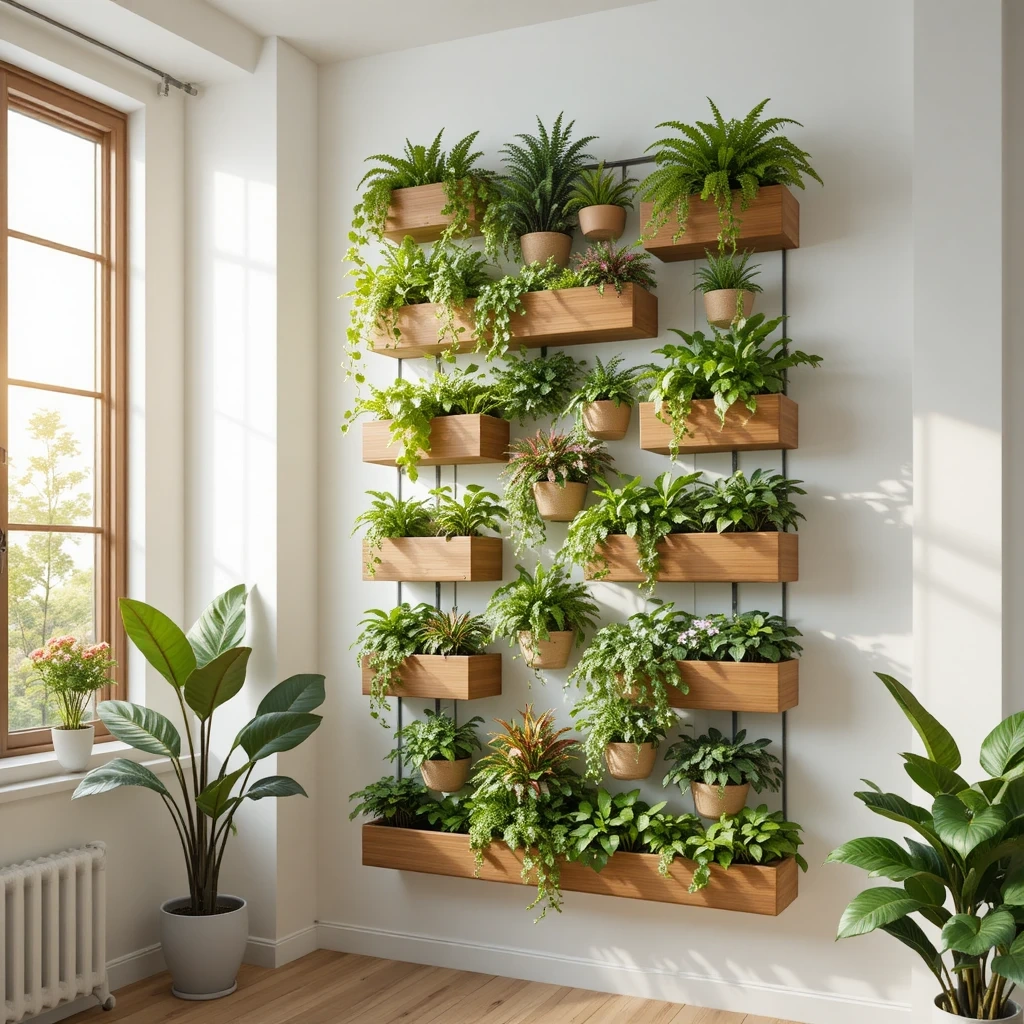
A vertical wall garden is one of the smartest ways to maximize space in a small apartment. Instead of spreading out, you grow up — turning a bare wall into a stunning living tapestry of plants, herbs, and flowers that doubles as natural décor. Shop on Amazon
How to Style It:
- Use a modular pocket planter system mounted with sturdy wall anchors
- Mix textures: pair trailing plants like pothos with upright plants like snake plants
- Add a small shelf row at the bottom for pots and watering supplies
- Keep a neutral color palette on the wall to let the greenery stand out
- Frame the vertical garden with fairy lights for a magical evening atmosphere
Where to Use It:
A blank living room wall, the space behind a sofa, a hallway feature wall, or a shaded balcony wall with indirect sunlight.
Pro Tip:
Choose plants with similar water needs for the same wall section so you’re not overwatering one plant while underwatering another. Pothos, ferns, and peace lilies all thrive with moderate watering and low-to-medium light.
2. Balcony Herb Garden
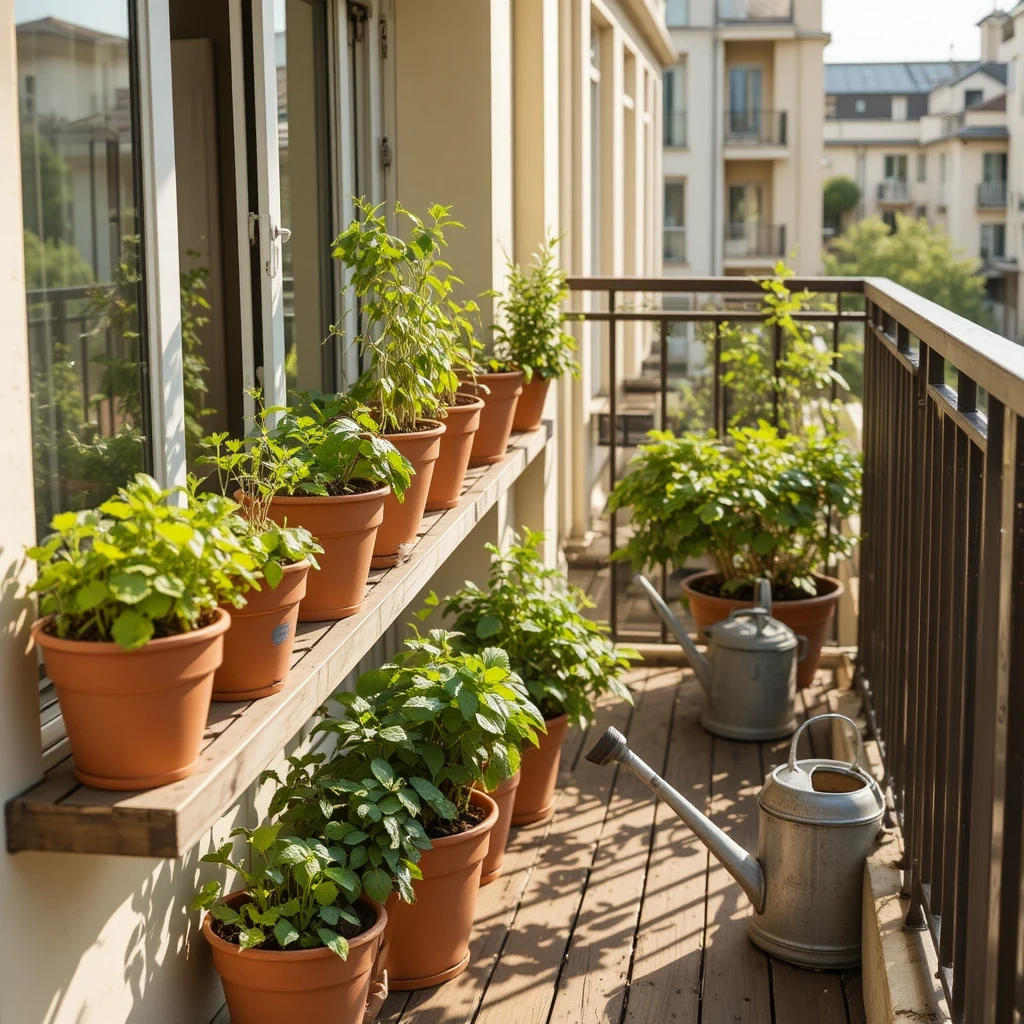
A balcony herb garden is both beautiful and incredibly practical. Imagine stepping outside to snip fresh mint for your tea, basil for your pasta, or parsley for your salad — all grown just steps from your kitchen. It’s the perfect blend of function and beauty for any apartment outdoor space. Shop on Amazon
How to Style It:
- Group herbs in terracotta pots of varying heights for a layered, rustic look
- Label each pot with small handwritten chalkboard tags
- Use a tiered wooden ladder shelf to stack pots and save floor space
- Add a window box planter along the railing for trailing herbs like thyme
- Mix herbs with small edible flowers like marigolds for color and pollinator support
Where to Use It:
Balconies with at least 4–6 hours of direct sunlight are ideal. South-facing or east-facing balconies work best for most herbs.
Pro Tip:
Herbs like basil and cilantro bolt quickly in heat — grow them in partially shaded spots during summer and harvest the top leaves regularly to keep them producing longer.
3. Windowsill Succulent Garden
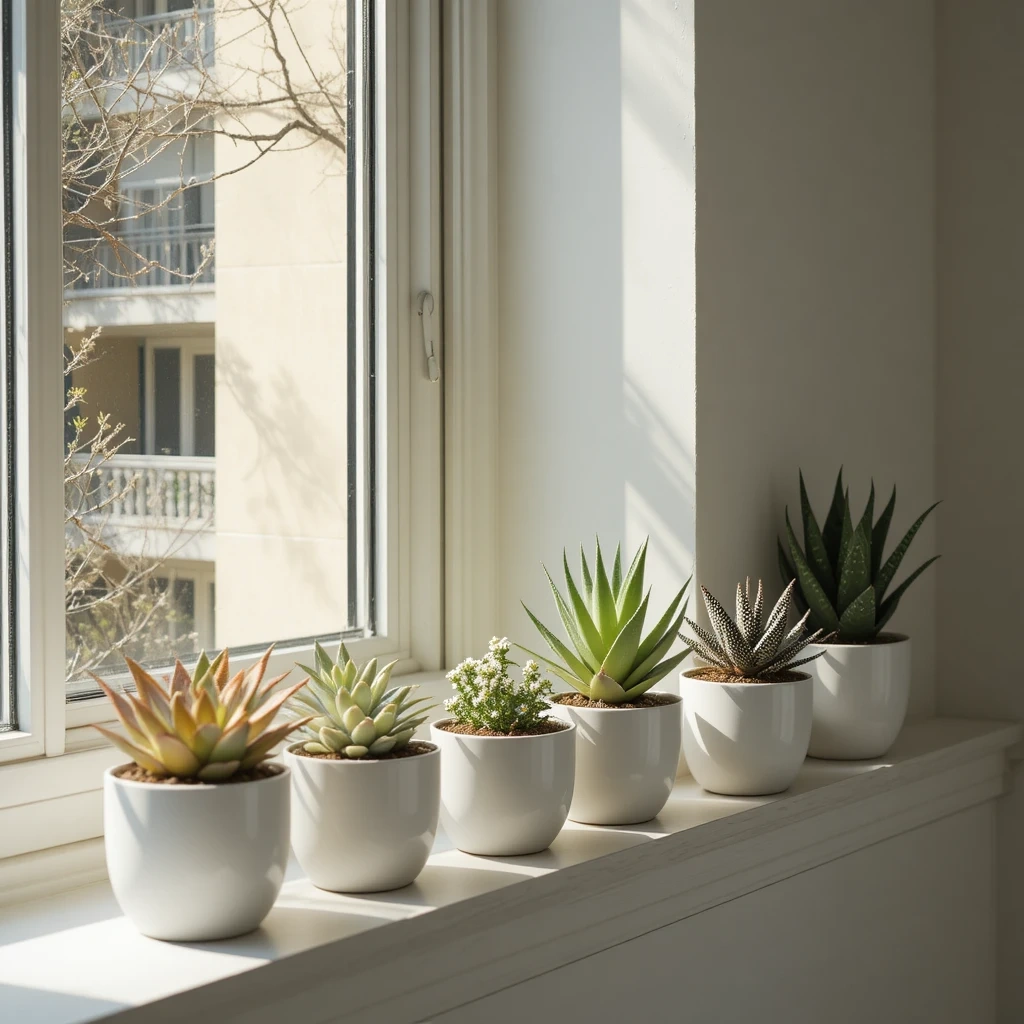
Succulents are the ultimate apartment plant — they’re low-maintenance, endlessly varied in shape and color, and look absolutely stunning on a sunny windowsill. A curated windowsill succulent garden adds a modern, polished touch to any room with barely any effort required. Shop on Amazon
How to Style It:
- Choose a cohesive pot collection (all white, all terracotta, or mixed earth tones) for a designer look
- Vary plant heights and shapes — tall columnar cacti next to low rosette echeverias
- Add a layer of decorative sand or small pebbles on top of the soil for a polished finish
- Group odd numbers of pots (3, 5, or 7) for a visually balanced arrangement
- Include one trailing succulent like string of pearls to soften the edge of the windowsill
Where to Use It:
South-facing or west-facing windowsills that receive 4–6+ hours of direct sunlight are perfect. Also works on kitchen counters and bathroom windows with good light.
Pro Tip:
Succulents rot easily from overwatering. Use the “soak and dry” method — water thoroughly, then let the soil dry out completely before watering again. In winter, water even less.
4. Indoor Raised Bed Vegetable Garden
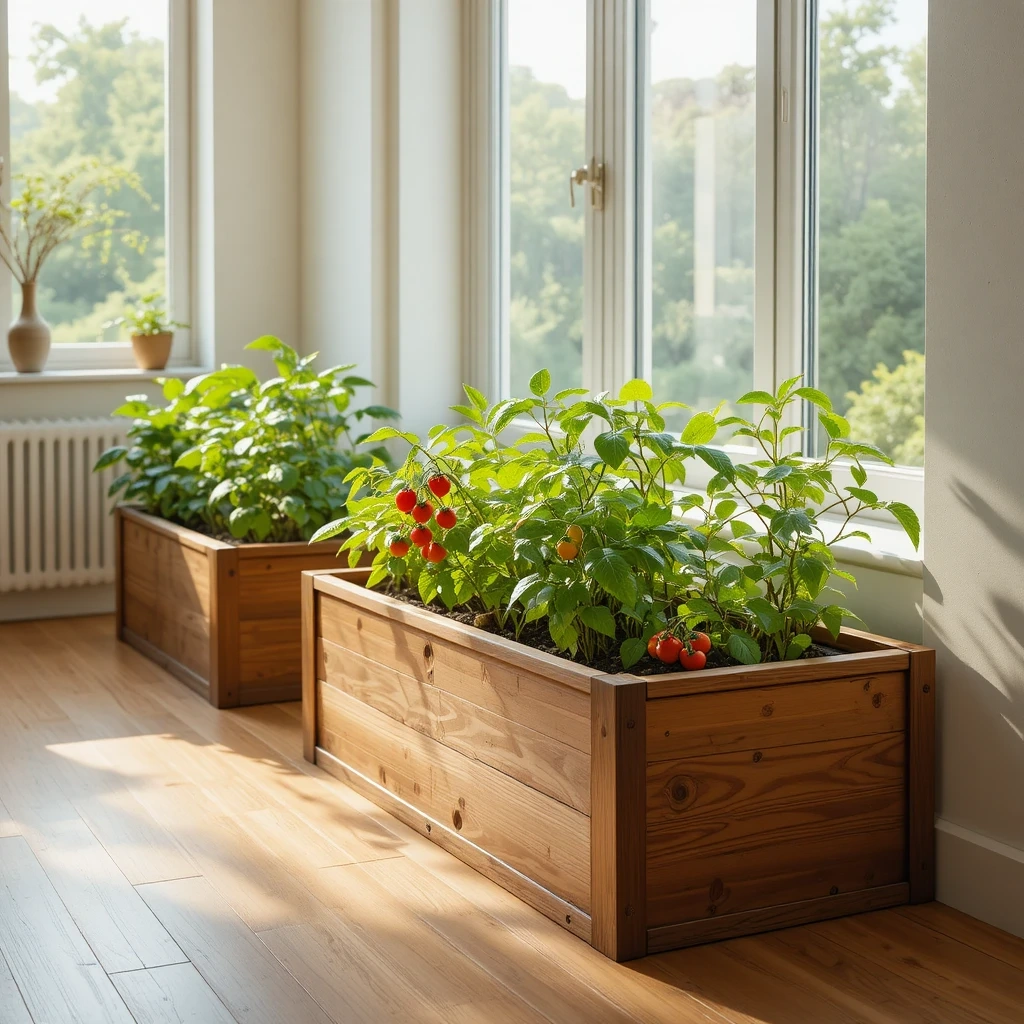
Who says you need a backyard to grow your own vegetables? With the right containers and setup, you can grow tomatoes, lettuce, peppers, and more right inside your apartment. An indoor raised bed or large container vegetable garden is a fantastic family project that teaches kids where food comes from. Shop on Amazon
How to Style It:
- Use large, deep wooden planter boxes (at least 12 inches deep) to accommodate root vegetables
- Place planters directly in front of the largest, sunniest window in your home
- Add a grow light above planters to supplement sunlight in north-facing apartments
- Use a drip tray system beneath each container to protect your floors
- Keep a small chalkboard nearby to note planting dates and harvest schedules
Where to Use It:
Near large south-facing windows or any room where you can add full-spectrum grow lights. Spare rooms, sunrooms, and bright living rooms work well.
Pro Tip:
Start with fast-growing, compact varieties that are bred for container growing, such as “Tiny Tim” tomatoes, “Tom Thumb” lettuce, and “Patio” peppers. They’re more forgiving for beginners and take up far less space.
5. Hanging Macramé Plant Holders
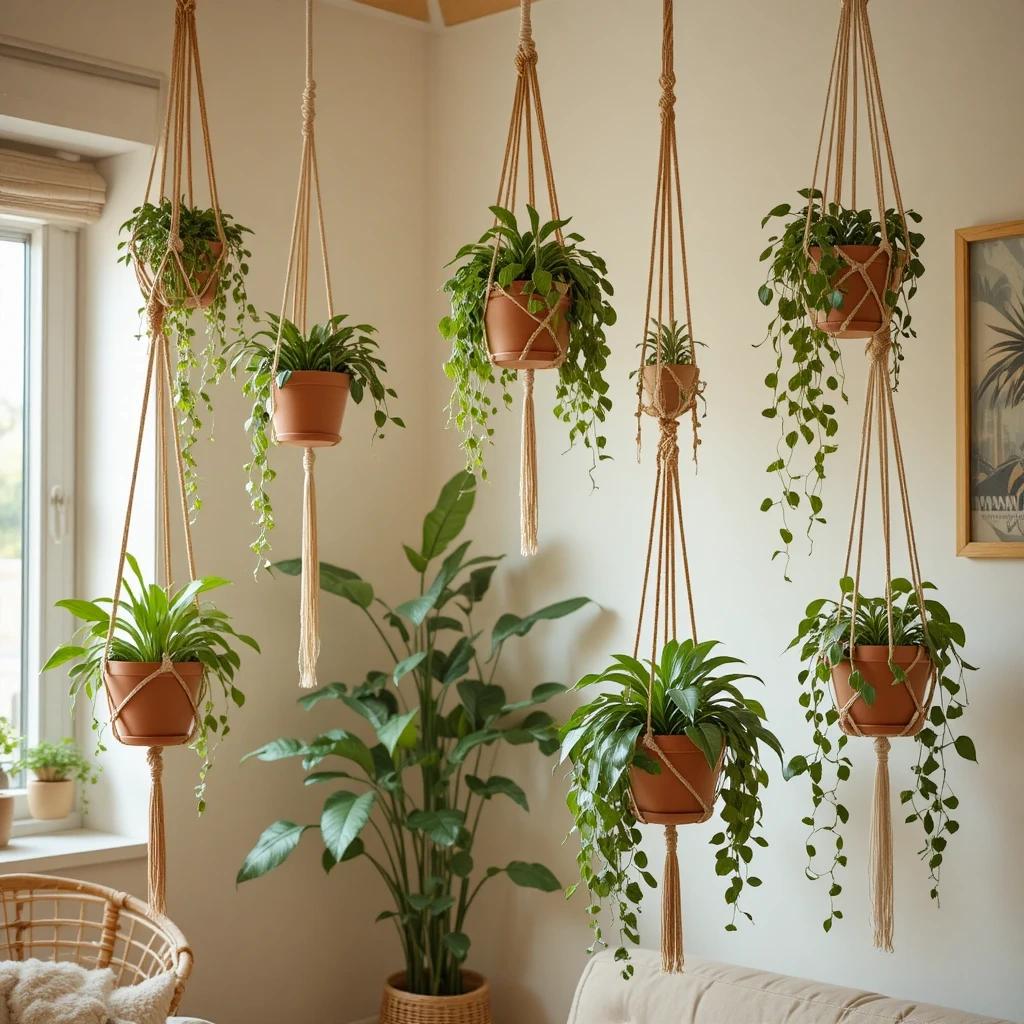
Hanging plants in macramé holders turn any apartment into a bohemian jungle paradise. This style is especially popular in living rooms and bedrooms where floor and shelf space is at a premium. It adds warmth, texture, and a handmade charm that no piece of furniture can replicate. Shop on Amazon
How to Style It:
- Hang planters at three different heights to create a cascading, layered effect
- Mix macramé textures: thick rope for large pots, delicate knots for small terracotta pots
- Choose trailing plants that will grow downward beautifully over time
- Cluster 3–5 hangers in a single corner for a dramatic jungle-corner effect
- Coordinate pot colors with room tones — terracotta for warm spaces, white for minimal rooms
Where to Use It:
Living room corners, near windows, above reading nooks, in bedrooms next to natural light sources, or on covered balconies.
Pro Tip:
Always check your ceiling anchor strength before hanging — use proper ceiling hooks rated for the weight of a fully watered plant, which can be heavier than expected. A 6-inch pot with wet soil can weigh 3–5 lbs.
6. Balcony Container Flower Garden
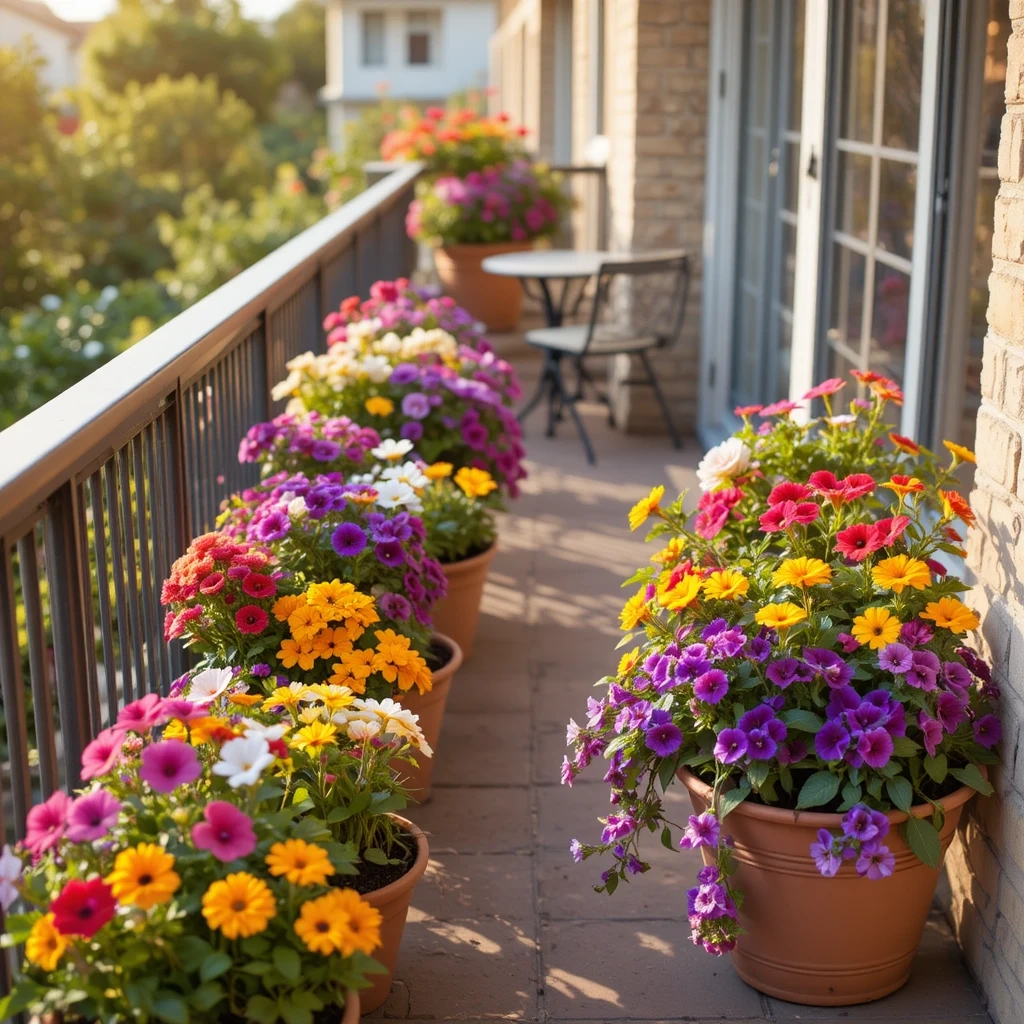
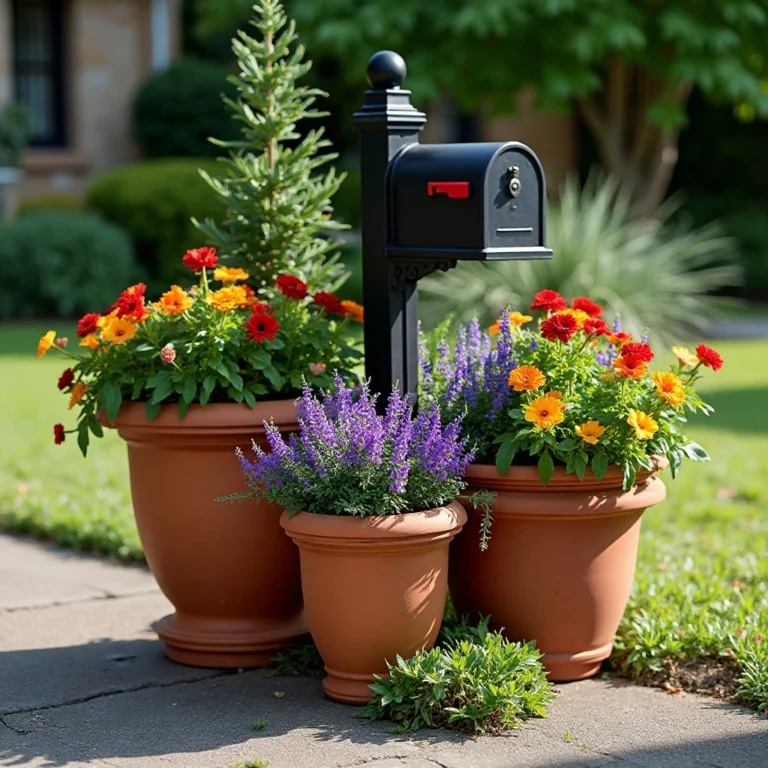
A container flower garden on the balcony transforms your outdoor space into a colorful, fragrant retreat. Whether you prefer romantic roses, cheerful marigolds, or cascading petunias, a flower garden brings joy to your daily routine and creates a beautiful backdrop for relaxing outdoors with family. Shop on Amazon
How to Style It:
- Mix thriller (tall, upright), filler (mounding), and spiller (trailing) plants in each large container
- Use matching containers in varying sizes for a coordinated, intentional look
- Layer flower heights: tall grasses or lavender at the back, mid-height blooms in the middle, trailing flowers at the edge
- Add a window box along the railing overflowing with colorful annuals
- Change seasonal plantings: cool-season pansies in spring, bright petunias in summer
Where to Use It:
Any sunny or partially sunny balcony. Even a 4×6 ft balcony can hold 6–8 containers with careful planning.
Pro Tip:
Balcony plants dry out much faster than in-ground plants because containers heat up and wind increases evaporation. In summer, you may need to water daily. Add slow-release fertilizer pellets to the soil at planting time to keep blooms going all season.
7. Kitchen Countertop Herb Garden With Grow Lights
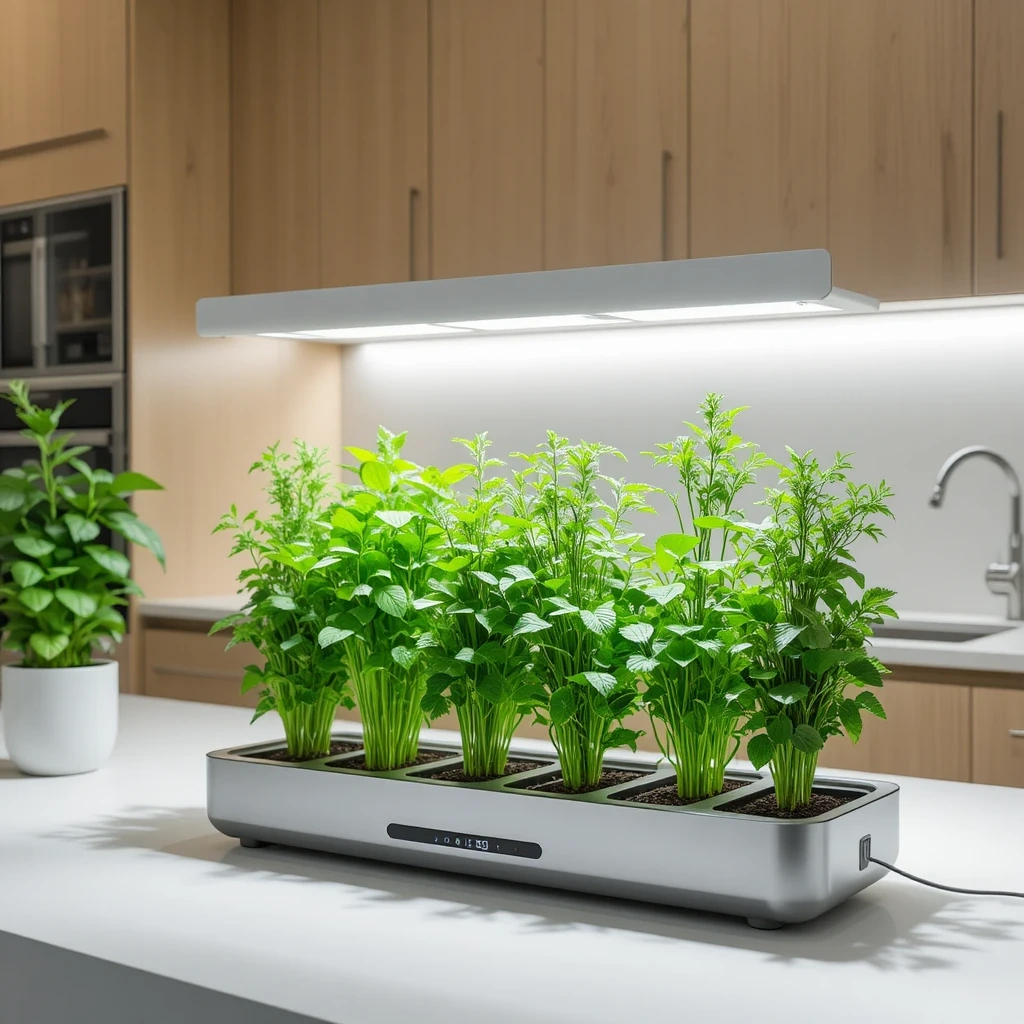
No balcony? No problem. A smart countertop herb garden with built-in grow lights sits right in your kitchen and gives you fresh herbs year-round, regardless of your apartment’s natural light situation. It’s one of the most functional and visually sleek apartment garden ideas available today. Shop on Amazon
How to Style It:
- Choose a self-contained pod system with an integrated LED light for the cleanest look
- Line up individual small pots in a row with a matching tray beneath them if you prefer a more natural look
- Label each herb with small wooden stakes for a farmhouse-style feel
- Place the garden on the kitchen island or counter near the stove for easy access while cooking
- Mix culinary herbs (basil, parsley) with calming ones (lavender, chamomile) for variety
Where to Use It:
Kitchen countertops, kitchen islands, or small kitchen shelves. Works in any apartment regardless of natural light levels when paired with a grow light.
Pro Tip:
Pinch off flower buds on basil and cilantro the moment they appear. Once herbs flower (“bolt”), their leaves turn bitter and the plant focuses energy on seed production instead of leaf growth. Regular harvesting also keeps plants bushy and productive.
8. Zen Indoor Bamboo and Moss Garden
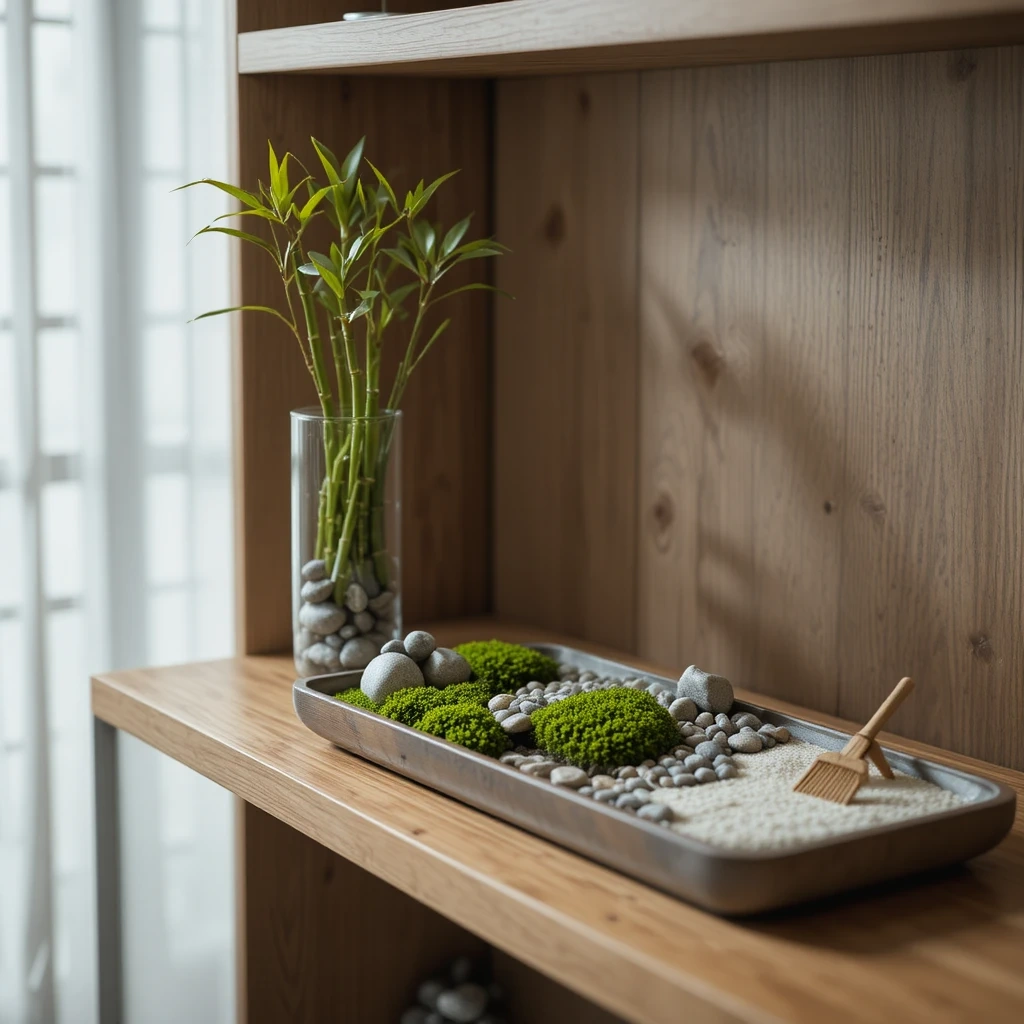
A Zen-inspired indoor garden featuring bamboo, moss, and smooth river stones creates a calming, meditative atmosphere in any apartment. This type of garden is especially wonderful for small spaces because it requires almost no maintenance and brings a sense of peace and focus to your living environment. Shop on Amazon
How to Style It:
- Use a shallow wooden tray or ceramic dish as the base for your Zen arrangement
- Layer fine white or grey sand and create gentle wave patterns with a small rake
- Add smooth river stones in clusters of 3, 5, or 7 (odd numbers feel more balanced)
- Place lucky bamboo stalks in a narrow glass vase filled with clean pebbles and water
- Incorporate a small sheet moss section at the edge of the tray for organic contrast
Where to Use It:
Bedroom nightstands, office desks, meditation corners, living room coffee tables, or entryway consoles.
Pro Tip:
Lucky bamboo doesn’t actually need soil — it thrives in clean water with a few pebbles. Change the water every 2–3 weeks and add a drop of liquid fertilizer once a month to keep it vibrant green. Keep it away from direct harsh sunlight, which can yellow the leaves.
9. Repurposed and Upcycled Container Garden
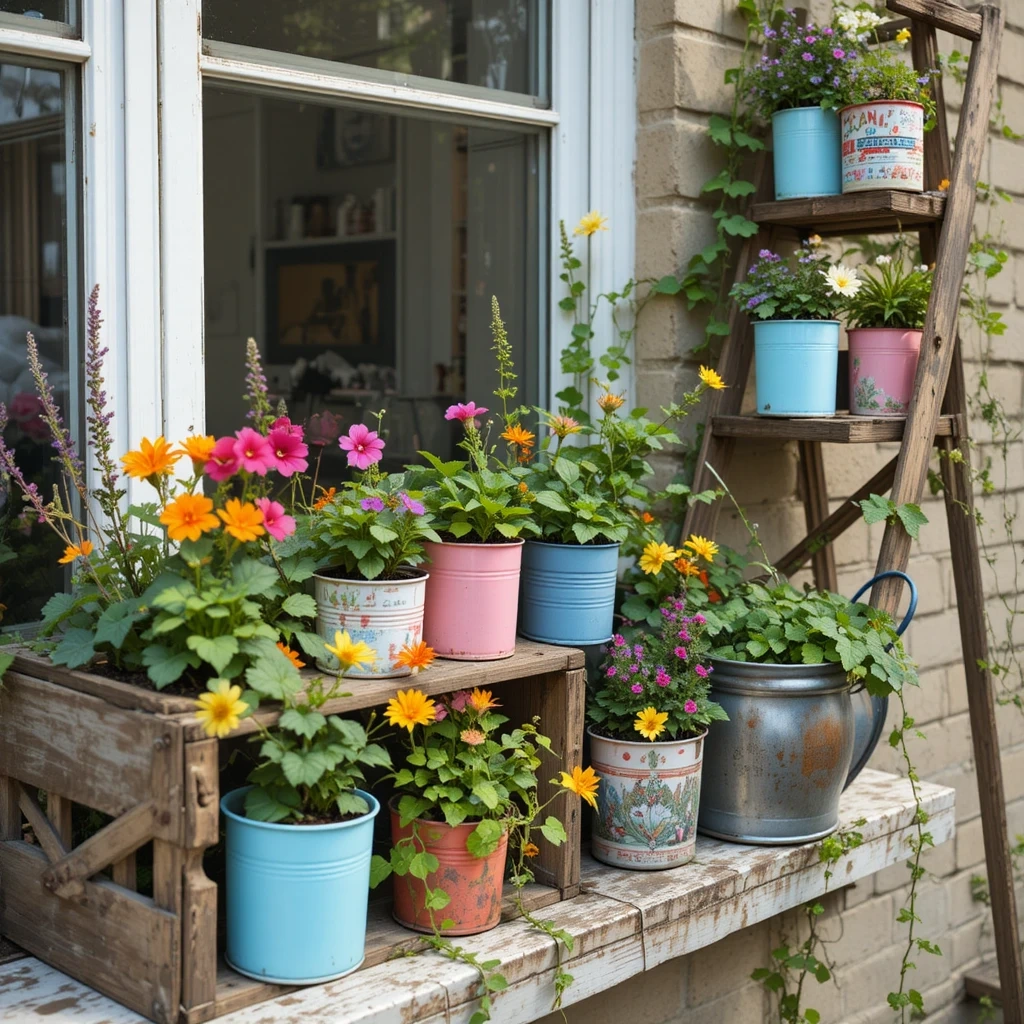
One of the most creative and budget-friendly apartment garden ideas is growing plants in repurposed or upcycled containers. Old wooden crates, tin cans, vintage teapots, colanders, or even worn-out boots can become charming planters that give your space a unique, story-filled personality. Shop on Amazon
How to Style It:
- Drill or punch drainage holes in the bottom of every repurposed container before planting
- Paint tin cans in a cohesive color palette (e.g., all pastels or all earthy tones) for a curated look
- Mix container materials: wood, metal, ceramic, and glass for eclectic visual interest
- Use a vintage wooden ladder as a plant shelf to display multiple upcycled pots at once
- Include a “story” container — something personally meaningful like a grandmother’s old teapot
Where to Use It:
Balconies, windowsills, kitchen shelves, bedroom corners, or entryway ledges. This style works beautifully indoors and outdoors.
Pro Tip:
Before using metal containers, coat the inside with a layer of non-toxic waterproof sealant or use a plastic liner. This prevents rust from leaching into the soil and protects the container from moisture damage, extending its life significantly.
10. Kids’ Mini Apartment Garden
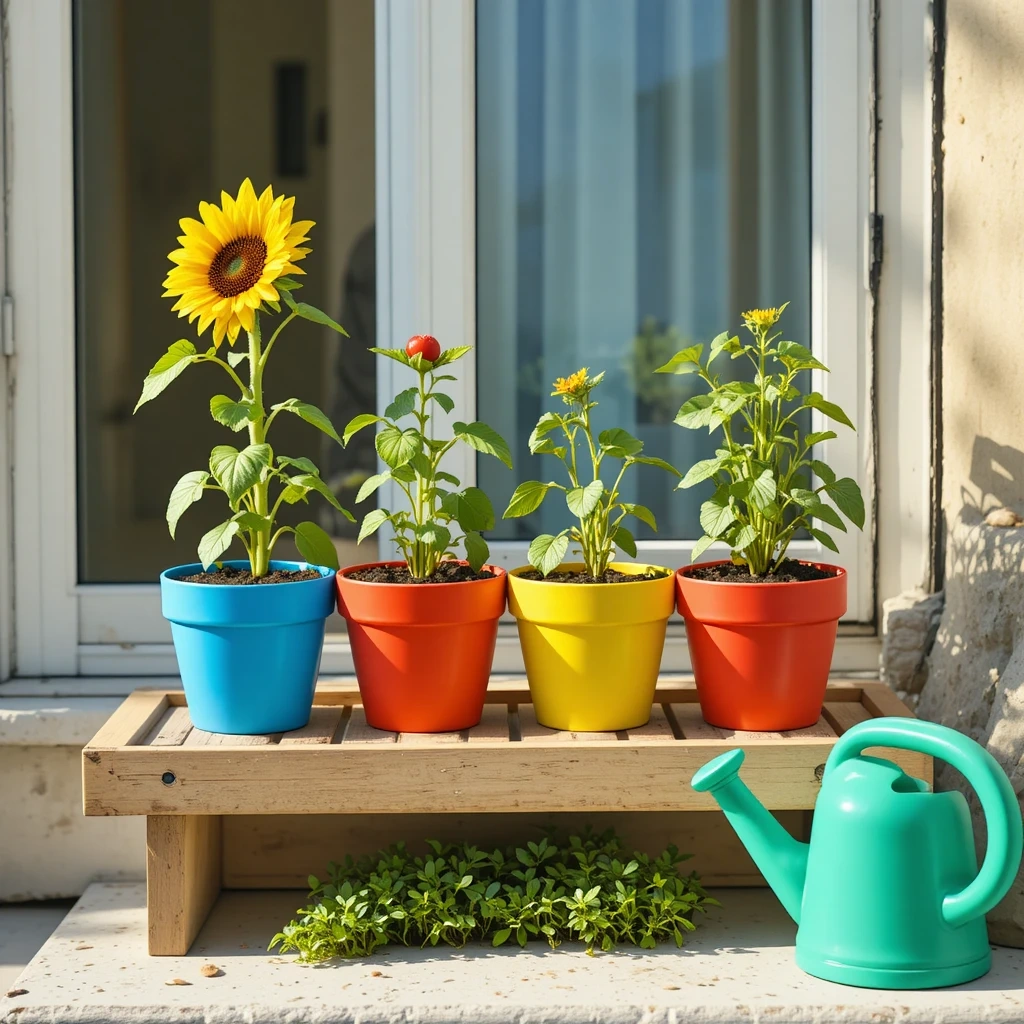
Gardening with children is one of the most rewarding family activities — and it’s entirely possible in an apartment. A dedicated kids’ mini garden gives little ones their own patch of responsibility, teaches them about nature and food, and creates lasting memories. Keep it bright, fun, and full of fast-growing plants they can be proud of. Shop on Amazon
How to Style It:
- Set up a low wooden shelf or table so children can reach their plants comfortably
- Use brightly colored pots in playful shapes — stars, animals, or their favorite colors
- Label each plant with their name and a drawing to build ownership and pride
- Keep a small gardening kit nearby: child-sized gloves, a little trowel, and a watering can
- Add a growth chart on the wall to track how tall the sunflowers grow alongside the kids
Where to Use It:
Balconies, sunny rooms, or near any large window. Indoors works perfectly with fast-growing easy plants like cress, bean sprouts, and small sunflowers.
Pro Tip:
Start with the fastest-growing plants to keep kids engaged: cress sprouts in 3–5 days, radishes in 3–4 weeks, and cherry tomatoes are thrilling to watch develop. Instant results build excitement and make children want to keep gardening.
Quick Comparison: Which Apartment Garden Is Right for You?
| Garden Idea | Space Needed | Sunlight Required | Difficulty | Best For |
|---|---|---|---|---|
| Vertical Wall Garden | Wall space | Low–Medium | Beginner | Any apartment |
| Balcony Herb Garden | Small balcony | Full sun | Beginner | Cooking lovers |
| Windowsill Succulents | Windowsill only | Full sun | Very Easy | Low-maintenance fans |
| Indoor Raised Bed | Large window area | Full sun + grow light | Intermediate | Food growers |
| Macramé Plant Holders | Ceiling anchor | Low–Medium | Beginner | Boho decor lovers |
| Balcony Flower Garden | Balcony | Full sun | Beginner | Color and beauty |
| Countertop Herb Garden | Counter space | Grow light OK | Very Easy | No-balcony apartments |
| Zen Bamboo Garden | Shelf space | Low | Very Easy | Calm, minimal spaces |
| Upcycled Container Garden | Any space | Varies | Easy | Creative, budget-friendly |
| Kids’ Mini Garden | Small area | Medium | Easy | Families with children |
Common Mistakes to Avoid
1. Overwatering your plants. This is the number one killer of apartment plants. Most people water too often. Always check the soil with your finger — if the top inch is still moist, wait. When in doubt, underwater rather than overwater.
2. Choosing the wrong plants for your light conditions. Before buying any plant, assess your apartment’s light honestly. A north-facing apartment won’t support sun-loving herbs or vegetables without a grow light. Match plants to your actual light, not the light you wish you had.
3. Skipping drainage holes. Every container must have a drainage hole. Without it, water pools at the bottom, roots suffocate, and rot sets in quickly. If you love a pot without drainage, use it as a decorative outer sleeve with a plastic pot with holes inside.
4. Using the wrong soil. Regular garden soil is too dense for containers — it compacts, prevents drainage, and suffocates roots. Always use a quality potting mix designed for containers. For succulents and cacti, use a specific cactus and succulent mix with added perlite.
5. Neglecting to fertilize. Container plants use up nutrients in their limited soil much faster than in-ground plants. Feed your plants with a balanced liquid fertilizer every 2–4 weeks during the growing season to keep them healthy and thriving.
6. Placing plants in spots that look nice but have no light. A beautiful dark corner of your living room may seem like the perfect plant spot aesthetically — but if there’s no natural light, most plants will slowly decline. Place plants where they get the right light first, then style the space around them.
7. Overcrowding containers. It’s tempting to pack many plants into one pot, but crowded roots compete for water and nutrients and plants struggle. Give each plant enough room to grow, and divide or repot as needed.
Frequently Asked Questions
Q: Can I really grow vegetables in an apartment without a balcony? Yes! With a good grow light and large containers placed near your biggest window, you can successfully grow leafy greens, herbs, cherry tomatoes, peppers, and even small cucumbers indoors. Full-spectrum LED grow lights make it entirely possible regardless of your apartment’s natural light.
Q: What are the easiest plants to start with for a beginner apartment gardener? Pothos, snake plants, succulents, spider plants, and ZZ plants are nearly indestructible and perfect for beginners. For edibles, start with herbs like mint, basil, and chives, and fast-growing greens like lettuce and spinach.
Q: How do I prevent my balcony from getting messy or dirty from plant soil and water? Use drip trays under every container to catch excess water. Place a waterproof mat or deck tiles on the balcony floor to protect the surface. Use a self-watering pot system to minimize overflow, and sweep regularly to keep the space tidy.
Q: Is apartment gardening expensive to start? It doesn’t have to be. You can start a beautiful herb garden for under $20 using seeds and repurposed containers. Invest gradually — start small, grow your collection as your confidence and space allow. Upcycled containers, propagated cuttings from friends, and seed swaps are all budget-friendly ways to grow your garden.
Q: How do I keep my apartment plants healthy when I go on vacation? Use self-watering pots or wicking systems (a cotton rope leading from a water reservoir into the soil) for trips of 1–2 weeks. For longer trips, ask a neighbor or family member to water. Group plants together so they benefit from each other’s humidity, and move them away from direct sun to slow moisture loss while you’re away.
Q: Are apartment gardens safe and suitable for children? Absolutely! Apartment gardening is a wonderful activity for children of all ages. Stick to non-toxic plants when young children are around — avoid plants like pothos if small children tend to put things in their mouths. Edible gardens with tomatoes, herbs, and flowers like nasturtiums are ideal family-friendly options.
Q: How often should I repot my apartment plants? Most plants need repotting every 1–2 years when you notice roots coming out of the drainage hole, the plant drying out faster than usual, or stunted growth. Move to a pot only 1–2 inches larger in diameter — too large a pot can cause overwatering issues.
Apartment gardening is proof that you don’t need a sprawling backyard to experience the joy and calm that comes from nurturing living plants. Start with one idea from this list, build your confidence, and before long your apartment will feel like the green, vibrant sanctuary you always imagined. Every leaf you grow is a little piece of nature that’s entirely yours.