12 Stunning Deck Railing Design Ideas for Safety and Style
Your deck railing is not just a safety feature — it is one of the most powerful design elements of your entire outdoor living space. The right railing can frame a gorgeous view, define your home’s personality, and create a welcoming environment where families can relax, kids can play safely, and memories are made.
Whether you are building a brand-new deck or refreshing an existing one, choosing the right railing design is one of the best investments you can make.
From classic wood to sleek cable systems, modern glass panels to charming farmhouse styles, there is a railing design for every taste, budget, and lifestyle. This guide walks you through 12 of the most popular and beautiful deck railing Design ideas — each one packed with styling tips, placement advice, and a ready-to-use image prompt so you can visualize exactly what your dream deck could look like.
A Quick Note Before You Start
Safety always comes first, especially when little ones are around. Before choosing any railing style, check your local building codes — most require railings to be at least 36 inches high (42 inches for elevated decks) with balusters no more than 4 inches apart to prevent children from slipping through.
All 12 designs in this guide are compatible with family-safe installation standards, so you can have beauty and peace of mind at the same time.
12 Stunning Deck Railing Design Ideas for a Modern Outdoor Look
1. Classic Wood Railing
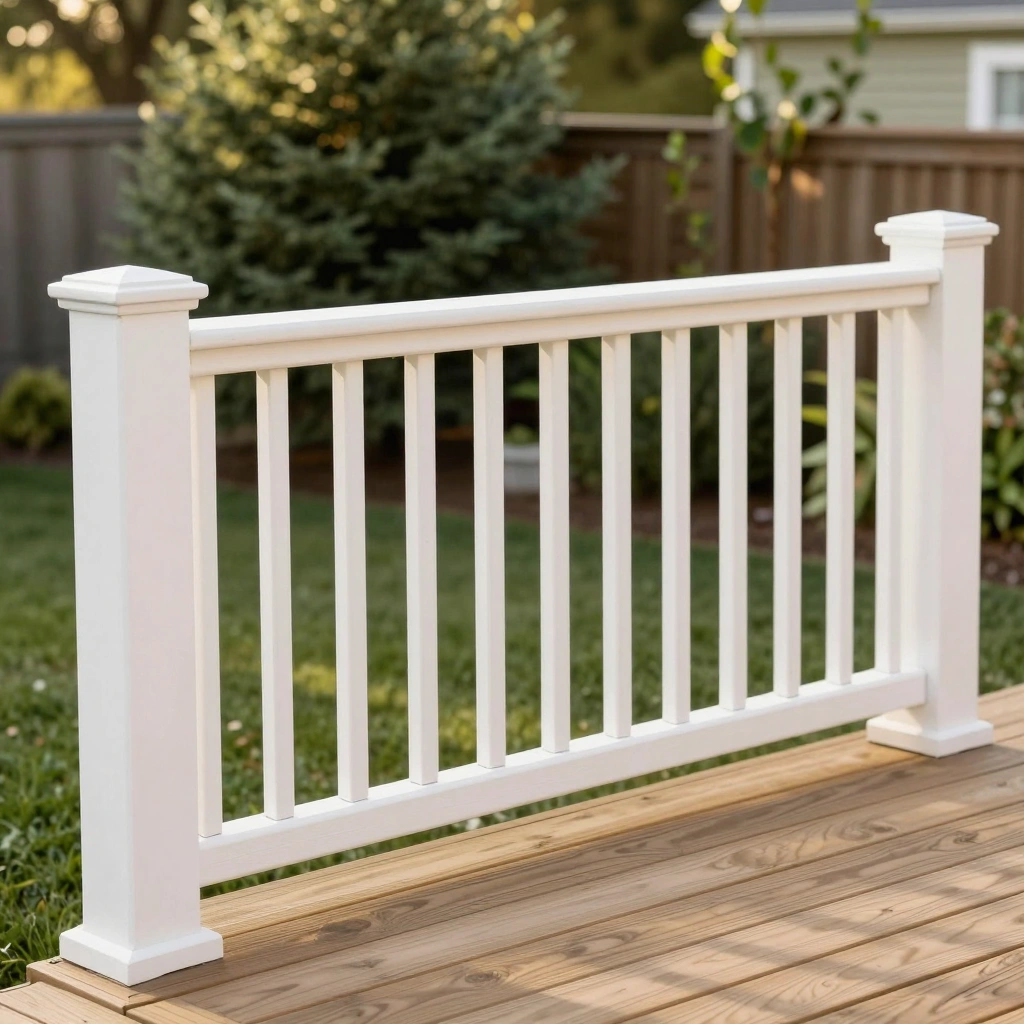
Classic wood railings are timeless, warm, and endlessly versatile. Built from pressure-treated lumber, cedar, or redwood, they bring a natural, organic feel to any deck.
Whether painted in crisp white, stained in rich walnut, or left in natural grey weathered tones, wood railings blend effortlessly with traditional homes, cottages, and craftsman-style houses. They are easy to customize and repair, making them a practical and beautiful long-term choice. Shop on Amazon
How to Style It:
- Paint it bright white for a crisp, clean coastal look
- Stain it dark walnut or mahogany for a rich, traditional feel
- Add a flat or round top cap rail for a finished, polished appearance
- Mix painted posts with stained balusters for visual contrast
Where to Use It: Ideal for traditional, craftsman, farmhouse, and cottage-style homes. Works beautifully on front porches, wraparound decks, and second-floor balconies.
✅ Pro Tip: Use cedar or redwood if you live in a wet climate — they are naturally resistant to rot and insects, and they hold stain beautifully for years without major upkeep.
2. Cable Railing
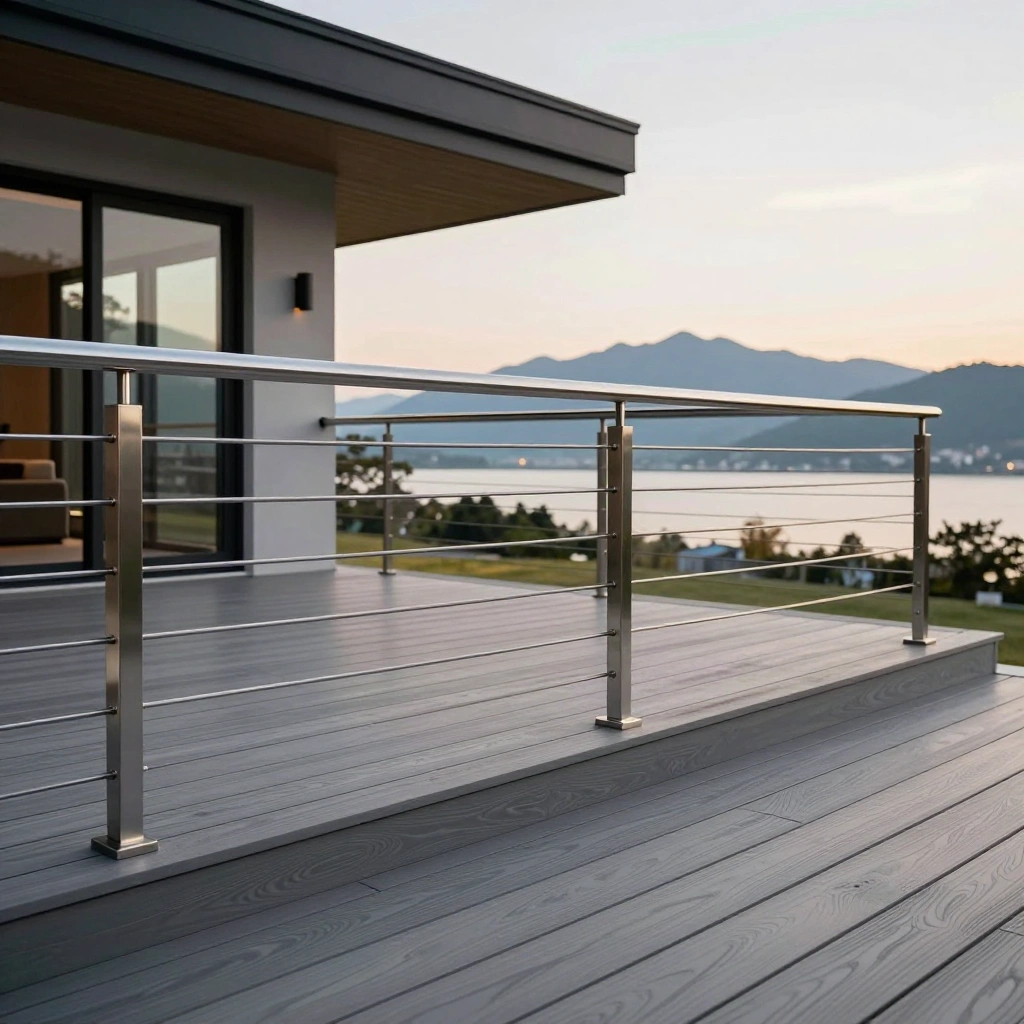
Cable railings are the go-to choice for homeowners who want an open, contemporary look without sacrificing structural strength. Horizontal stainless steel cables are stretched between sturdy posts — usually made of metal or wood — creating a sleek, minimalist appearance that virtually disappears into the landscape.
Cable railings are incredibly durable, low-maintenance, and perfect for homes with scenic views like mountains, water, or sweeping countryside. Shop on Amazon
How to Style It:
- Pair with dark powder-coated steel posts for an industrial-modern feel
- Use warm wood posts for a softer, transitional look
- Keep post spacing tight (no more than 4 feet apart) to maintain proper tension
- Add LED post cap lights for stunning evening ambiance
Where to Use It: Best suited for modern, contemporary, and coastal homes. Excellent choice for elevated decks, hillside properties, or anywhere a panoramic view deserves to shine through.
✅ Pro Tip: Stainless steel cables (Grade 316) are the most corrosion-resistant option — essential if you live near the ocean or in a high-humidity environment.
3. Glass Panel Railing
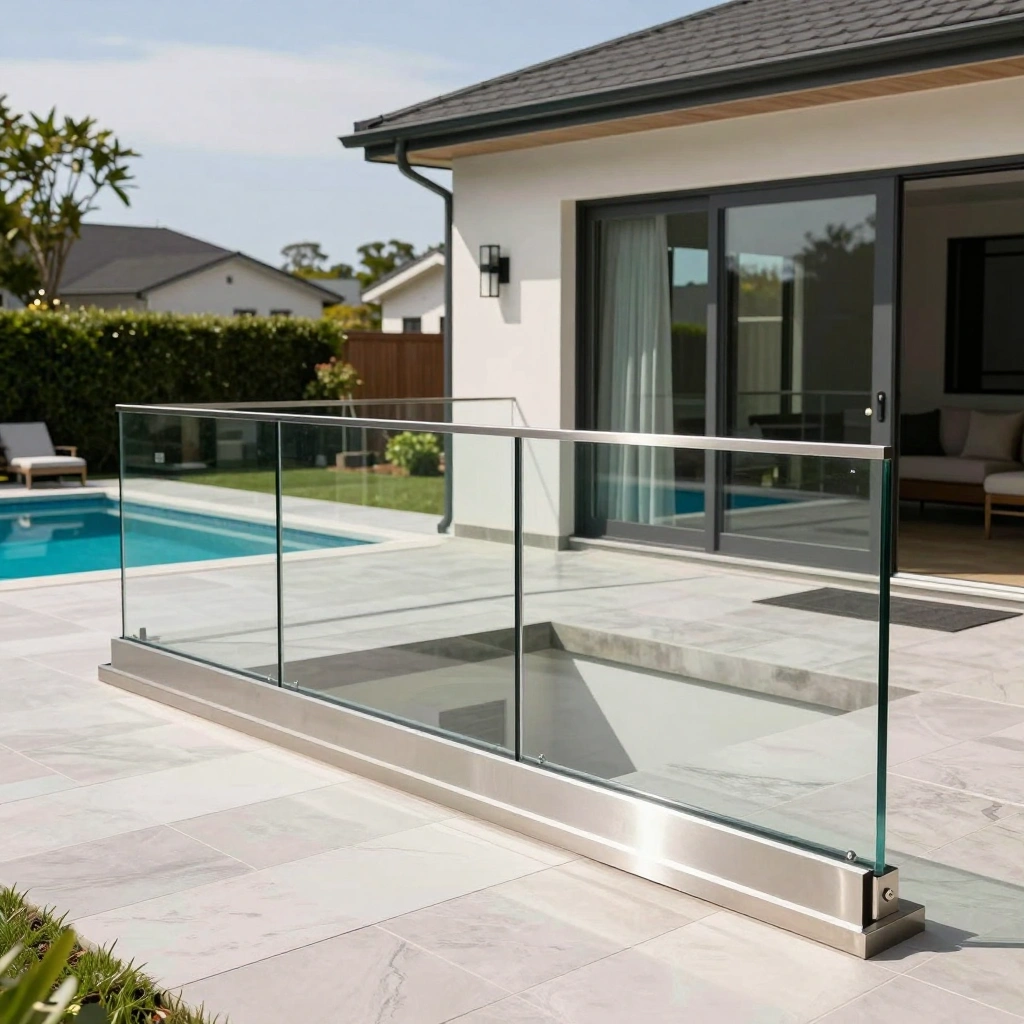
Glass panel railings deliver an almost invisible barrier that keeps your deck completely open to the surrounding scenery. Thick tempered or laminated safety glass panels are mounted between posts or within sleek aluminum or stainless steel frames.
The result is a breathtaking, resort-style outdoor space that feels expansive and luxurious. Glass railings are incredibly child-safe when properly installed — no gaps, no climbing hazards, and no sharp edges. Shop on Amazon
How to Style It:
- Go frameless for a completely unobstructed view
- Choose frosted or tinted glass for added privacy on urban decks
- Combine with thin stainless steel top rails for a refined, polished finish
- Install near the pool or hot tub to create a seamless indoor-outdoor flow
Where to Use It: Perfect for elevated decks, pool surrounds, rooftop terraces, and any space where maximizing the view is the top priority.
✅ Pro Tip: Clean glass panels with a simple squeegee and mild soap solution every few weeks to keep them crystal clear and streak-free — it takes just minutes!
4. Metal Baluster Railing (Wrought Iron Style)
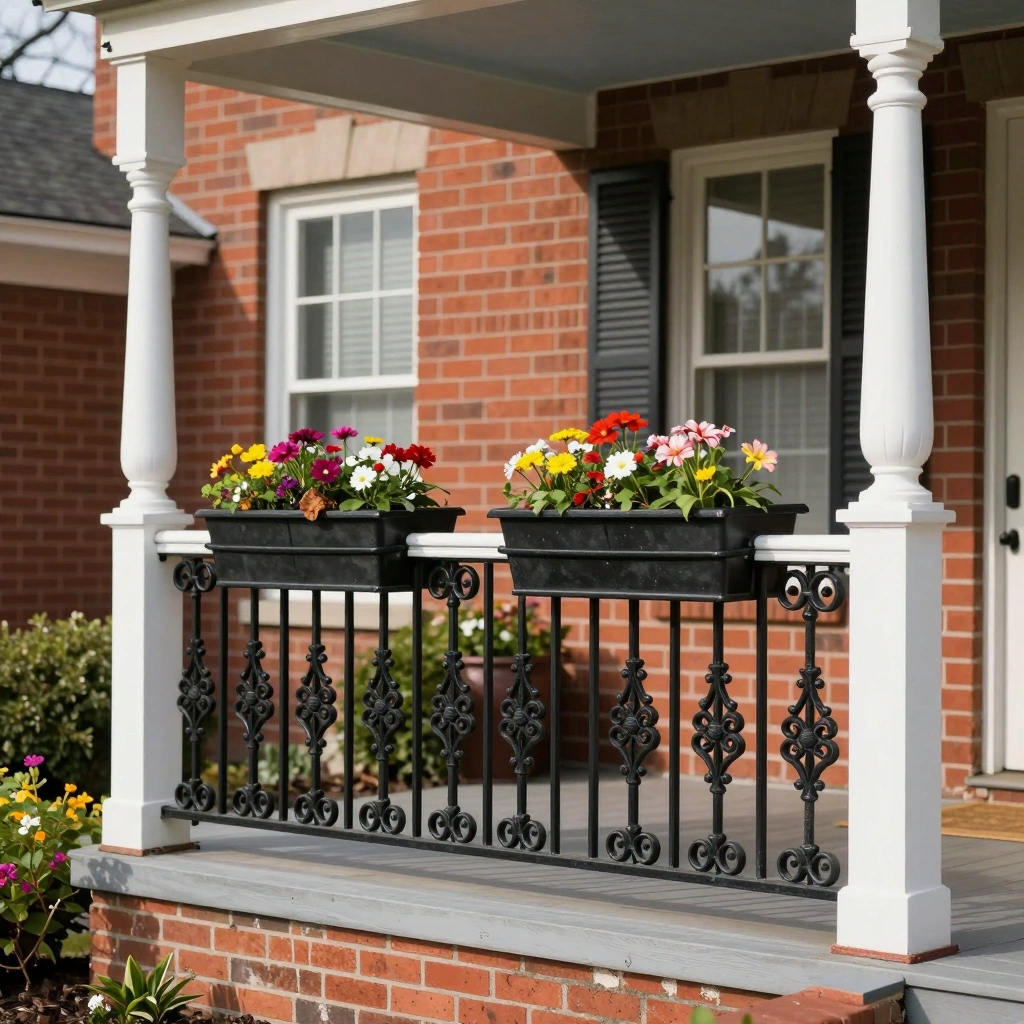
Metal baluster railings bring a sense of elegance, permanence, and old-world craftsmanship to any deck or porch. Whether you choose ornate scrollwork, or decorative twisted designs, these railings make a bold visual statement.
Typically made from aluminum (which won’t rust) or steel, they can be powder-coated in black, bronze, oil-rubbed bronze, or even custom colors to match your home perfectly. Shop on Amazon
How to Style It:
- Choose classic straight balusters for timeless simplicity
- Opt for twist or scroll patterns to add decorative flair
- Pair with white wood posts for a beautiful black-and-white contrast
- Add hanging flower baskets or planters along the top rail for a cottage feel
Where to Use It: Ideal for traditional, colonial, Victorian, and farmhouse-style homes. Looks stunning on front porches, wraparound verandas, and elevated decks.
✅ Pro Tip: Always choose aluminum balusters over steel if you live in a humid or coastal area — aluminum is naturally rust-proof and requires virtually no maintenance.
5. Horizontal Wood or Composite Board Railing
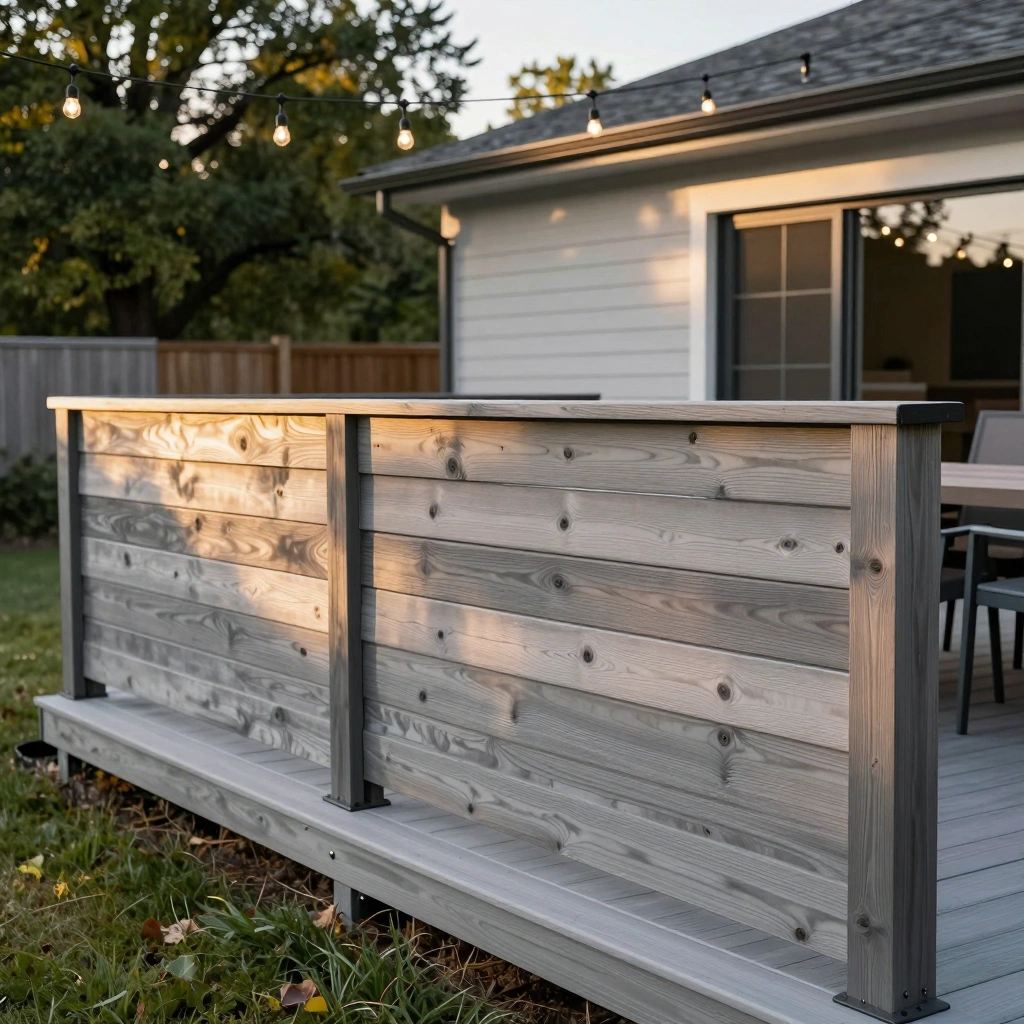
Horizontal board railings have surged in popularity thanks to their fresh, modern-farmhouse aesthetic. Instead of vertical balusters, wide horizontal boards are stacked between posts, creating a bold, fence-like look that adds privacy while still feeling stylish and intentional.
This design works equally well in natural wood, painted wood, or low-maintenance composite materials, giving homeowners plenty of flexibility in both color and texture. Shop on Amazon
How to Style It:
- Space boards 3–4 inches apart to maintain safety code compliance while allowing airflow
- Stain in natural grey or whitewash for a Scandinavian farmhouse vibe
- Use composite boards in charcoal or black for a sleek, modern contrast
- Alternate wide and narrow boards for an interesting rhythm and texture
Where to Use It: Works beautifully on ground-level or low-elevated decks, privacy screens, rooftop terraces, and modern farmhouse exteriors.
✅ Pro Tip: Always check local building codes — some municipalities have specific rules about horizontal railings, particularly regarding child climbability. Space boards thoughtfully and choose a top rail height of at least 36 inches.
6. Mixed Materials Railing (Wood + Metal)
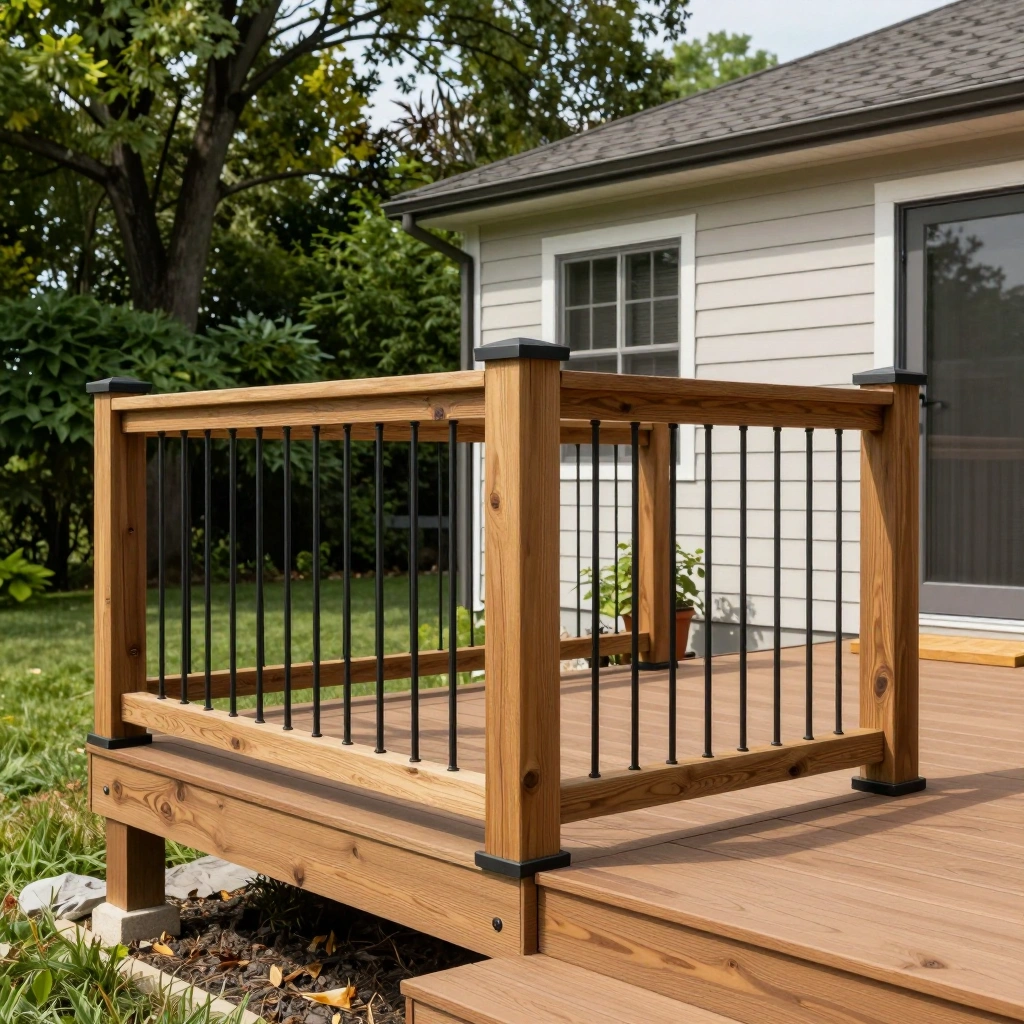
Mixed materials railings combine the warmth of wood with the strength and sophistication of metal to create a look that is truly one of a kind. Imagine rich cedar or mahogany posts paired with sleek black steel cable or rod balusters — the contrast is visually striking and deeply satisfying.
This hybrid approach lets homeowners enjoy the best of both worlds: natural warmth and modern edge, all in one unified design. Shop on Amazon
How to Style It:
- Use wide wood posts (4×4 or 6×6) with thin metal balusters for maximum contrast
- Match metal finishes to other hardware on your home (door handles, light fixtures)
- Stain the wood a warm honey or teak tone to pop against matte black metal
Where to Use It: Excellent for craftsman, transitional, contemporary, and modern farmhouse homes. Works on decks of all heights and sizes.
✅ Pro Tip: Pre-drill all your metal baluster holes before staining the wood — it prevents chipping and gives you a perfectly clean, professional finish every time.
7. LED-Lit Railing
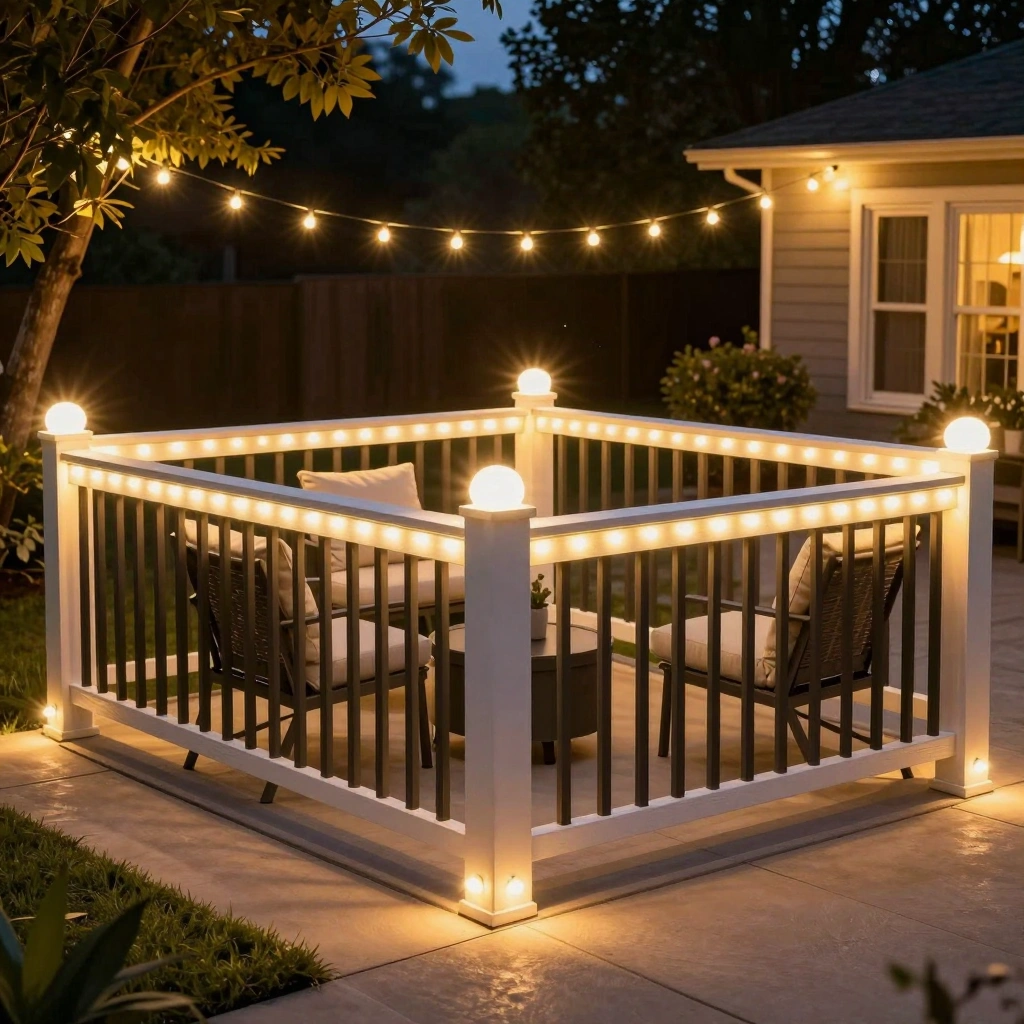
LED-lit railings transform your deck into a magical, glowing outdoor room after dark. Rope lights, strip LEDs, or built-in post cap lights can be integrated into almost any railing material — wood, composite, metal, or glass. Beyond their stunning visual effect,
LED lights dramatically improve deck safety at night, helping family members and guests navigate steps, corners, and edges without any risk. They are energy efficient, long-lasting, and available in a wide spectrum of colors. Shop on Amazon
How to Style It:
- Install warm white LED strip lights under the top cap rail for a soft, elegant glow
- Add solar-powered or wired LED post cap lights for a polished, finished look
- Use color-changing smart LEDs for festive holiday or party lighting
- Combine with stair riser lighting for a cohesive, fully illuminated deck system
Where to Use It: Perfect for any deck or outdoor space that is used regularly after sunset — entertainment areas, hot tub surrounds, poolside decks, and rooftop terraces.
✅ Pro Tip: Choose warm white LEDs (2700K–3000K) rather than cool white or blue-toned options — warm light creates a cozy, welcoming atmosphere that feels natural and relaxing outdoors.
8. Coastal / Nautical Rope Railing
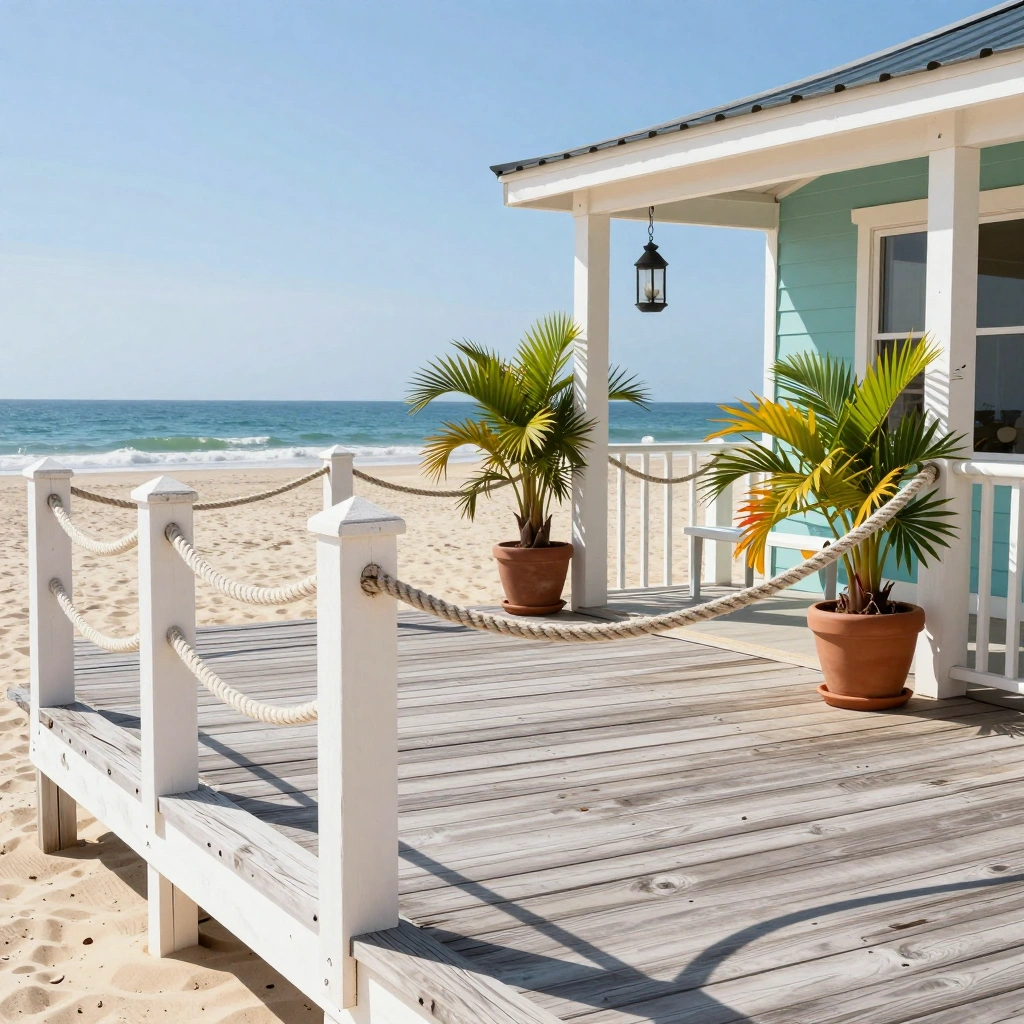
Rope railings bring the laid-back charm of the seaside directly to your deck. Thick natural manila or synthetic nautical rope is threaded through or wrapped around posts, creating a casual, breezy look that instantly evokes warm summer days, salty air, and ocean adventures.
This style is particularly popular in beach houses, lake cottages, and vacation homes, but it can work beautifully in any home where a relaxed, whimsical touch is desired. Shop on Amazon
How to Style It:
- Use thick 1.5–2 inch manila or polypropylene rope for a bold, authentic look
- Thread rope through pre-drilled holes in wood posts and seal the ends with heat
- Pair with weathered white, driftwood grey, or navy blue painted posts
- Add cleats, anchor motifs, or brass hardware for extra nautical character
Where to Use It: Best for beach houses, lake homes, vacation properties, and any backyard with a water view or tropical garden vibe.
✅ Pro Tip: If your deck is in a sunny, rainy climate, choose UV-resistant synthetic rope over natural manila — it holds its color longer and won’t rot or mildew over time.
9. Craftsman-Style Railing
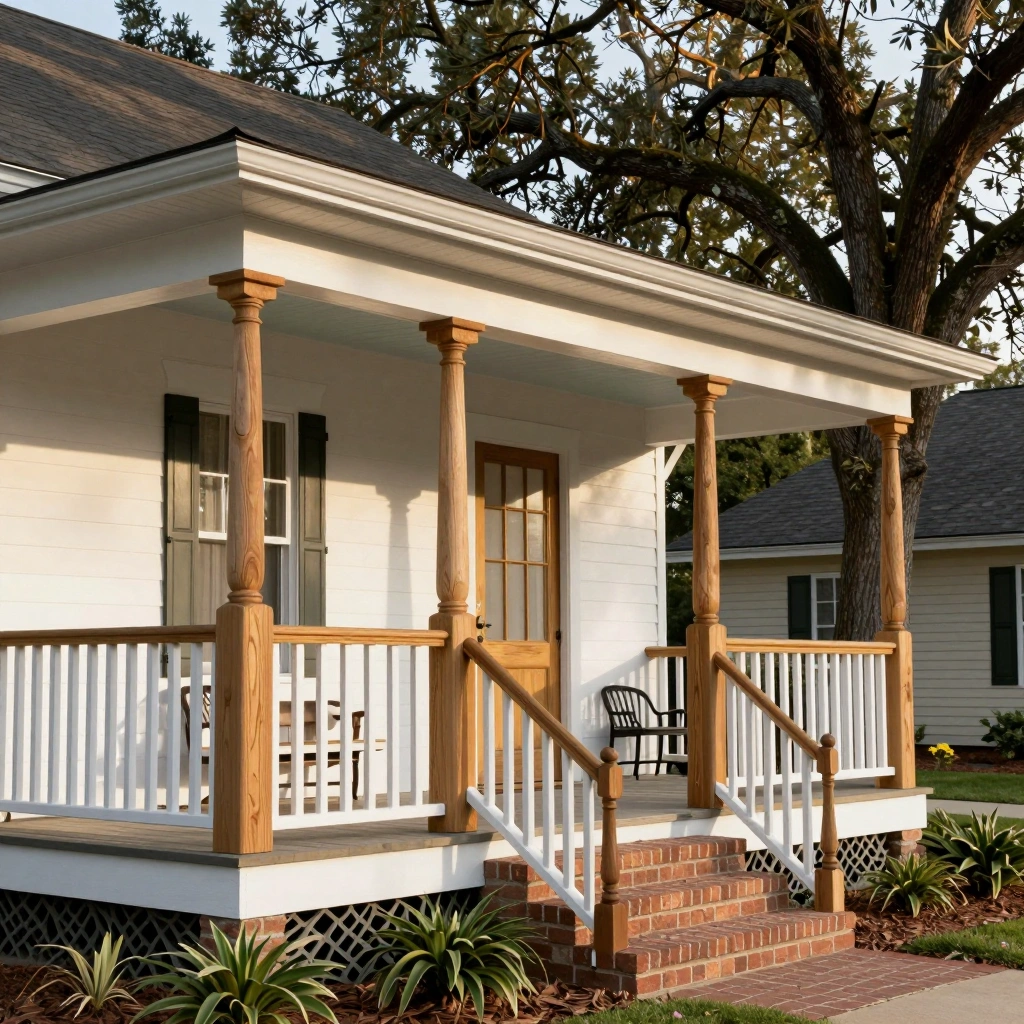
Craftsman railings are defined by their strong, horizontal lines, substantial square or tapered posts, and clean, handcrafted detailing. Rooted in the American Arts and Crafts movement, this style celebrates quality materials, honest construction, and architectural integrity.
Wide, flat top caps, grouped balusters, and decorative post brackets are hallmarks of this look. Craftsman railings communicate solidity, craftsmanship, and a deep respect for natural materials. Shop on Amazon
How to Style It:
- Use tapered or battered (slightly angled) post profiles for authentic craftsman character
- Group balusters in pairs or clusters rather than even spacing for a traditional look
- Add a wide, flat top cap rail — at least 3–4 inches wide — for a substantial, finished profile
- Paint the entire railing system white and add stained wood accents for a classic contrast
Where to Use It: The definitive choice for craftsman, bungalow, prairie, and Foursquare-style homes. Also works beautifully on traditional ranches and transitional homes.
✅ Pro Tip: Tapered posts are the single most recognizable element of authentic craftsman style — they are wider at the base and narrower at the top, giving the railing a sense of weight and stability from the ground up.
10. Composite Railing System
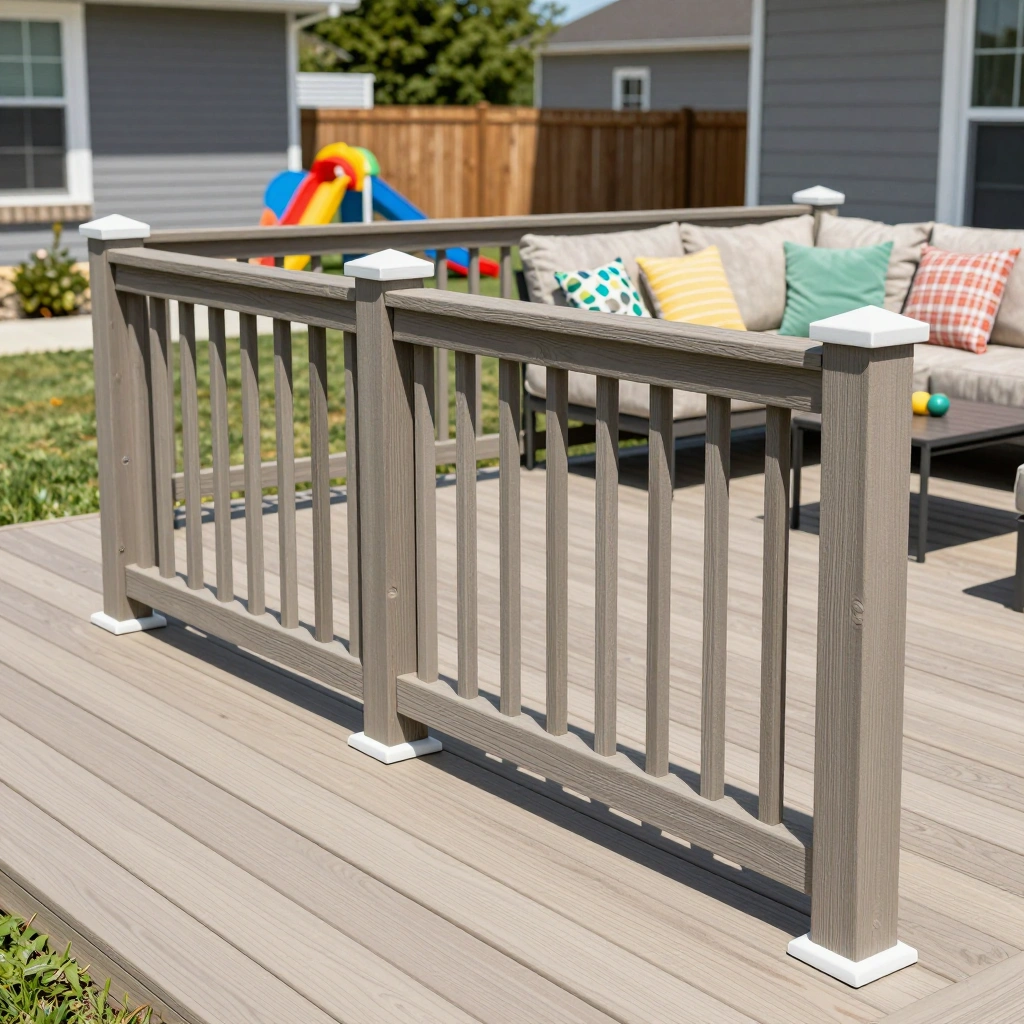
Composite railings are engineered from a blend of wood fiber and recycled plastic polymers, giving them the beautiful look of wood with virtually none of the maintenance headaches. They won’t splinter, rot, warp, or fade, and they never need painting or staining.
Available in dozens of colors and textures — from smooth contemporary profiles to realistic wood-grain finishes — composite systems are a dream come true for busy families who want a beautiful deck without endless upkeep. Shop on Amazon
How to Style It:
- Match the railing color exactly to your decking boards for a seamless, unified look
- Choose contrasting colors — dark railing with light decking — for bold visual impact
- Add aluminum post sleeves over the structural posts for a clean, integrated finish
- Select a system with hidden fasteners for a smooth, splinter-free surface kids will love
Where to Use It: Works on virtually any home style — from suburban ranch houses to modern contemporaries. The ideal solution for families with young children or homeowners who simply want more weekend time.
✅ Pro Tip: Buy your composite decking and railing from the same manufacturer — coordinated color collections are designed to look perfect together and ensure seamless warranty coverage.
11. Living Greenery Railing
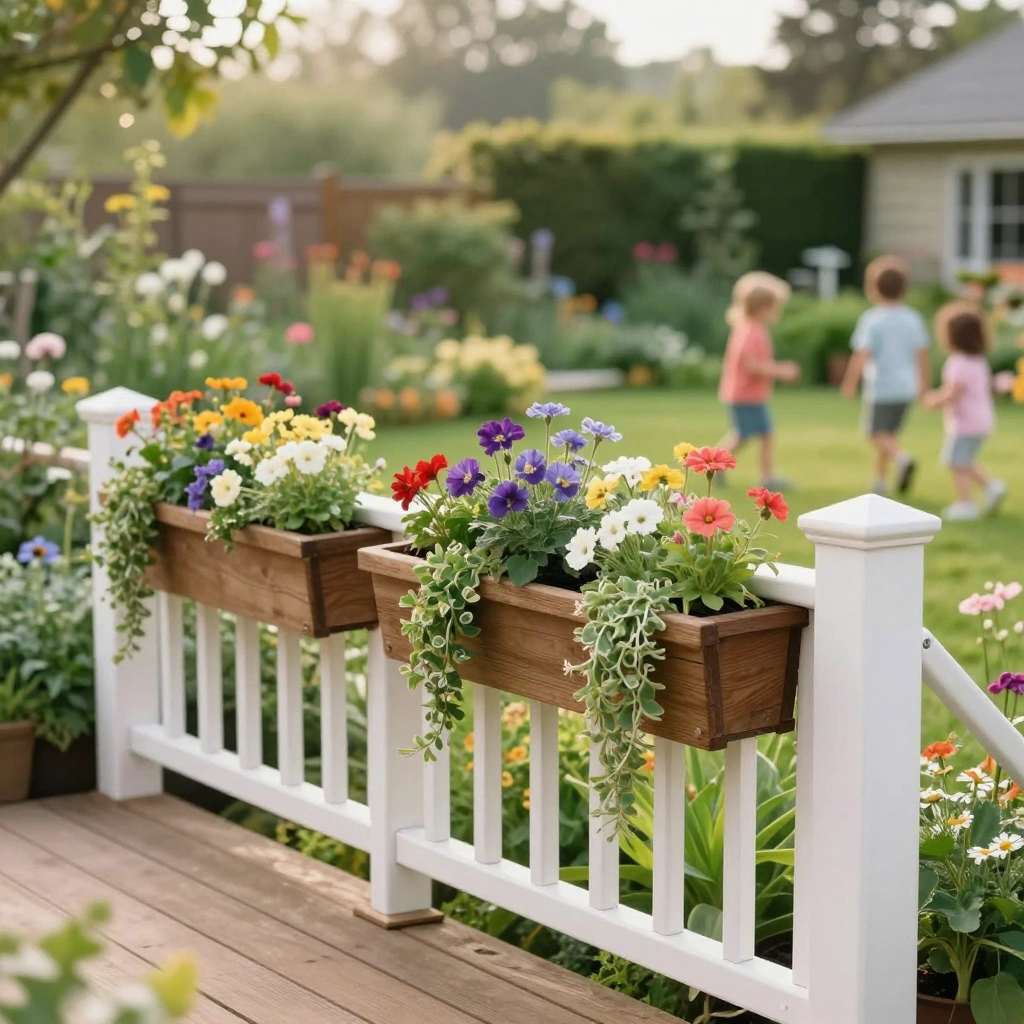
A living greenery railing is the most creative and nature-forward option on this list. Instead of traditional baluster infills, climbing plants, built-in planter boxes, or vertical garden panels are incorporated directly into the railing structure.
Imagine lush ivy cascading over the top rail, colorful flowers spilling from post-mounted planters, or a neat row of potted herbs lining the lower rail. This design blurs the line between architecture and garden in the most enchanting way. Shop on Amazon
How to Style It:
- Install cedar planter boxes directly onto the top rail or between posts
- Choose low-maintenance plants like succulents, lavender, petunias, or trailing ivy
- Use self-watering planter inserts to reduce the frequency of watering
- Add a drip irrigation line along the railing for a fully automated garden system
Where to Use It: Ideal for cottage gardens, farmhouse homes, and urban decks where greenery is needed to add life and color. Also a brilliant solution for adding privacy to a ground-level deck.
✅ Pro Tip: Choose lightweight plastic liner inserts inside your wood planter boxes — they protect the wood from moisture, dramatically extending the life of both the planters and the railing.
12. Modern Industrial Black Steel Railing
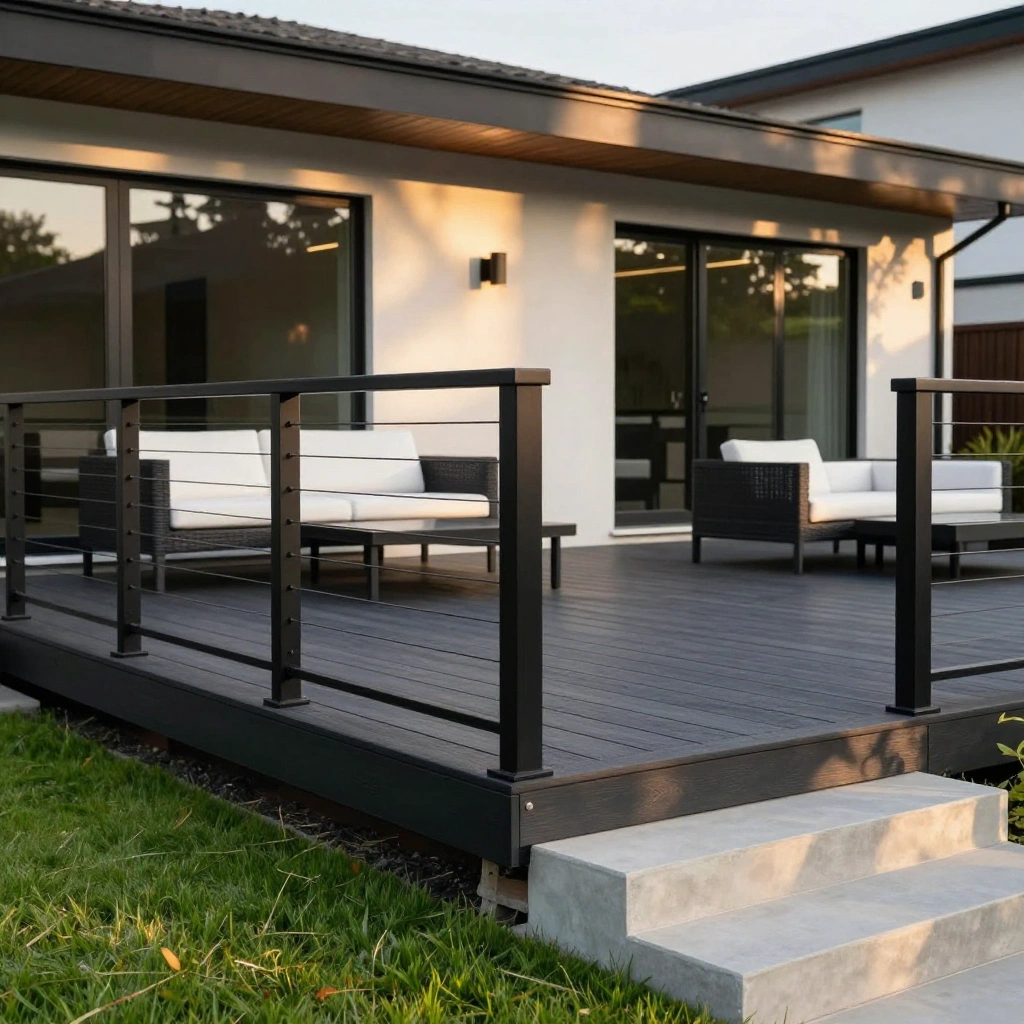
Black steel railings are bold, dramatic, and unmistakably modern. Thick square or round steel posts, a matte black powder-coat finish create a look that is simultaneously sleek and powerful. Industrial railings pair beautifully with dark composite decking, concrete patios, exposed brick, and modern wood accents.
They are the architectural equivalent of a strong statement — the kind of deck that stops people in their tracks. Shop on Amazon
How to Style It:
- Pair with ultra-dark charcoal or ebony composite decking for a striking monochromatic look
- Introduce warm wood tones (teak chairs, a cedar bench) to soften the industrial edge
- Add brushed stainless steel or brass hardware details for a touch of luxury
Where to Use It: Made for modern, contemporary, industrial, and loft-style homes. Also works beautifully as a contrast feature on transitional homes where a bold focal point is desired.
✅ Pro Tip: Matte black powder coat is far more durable than painted black finishes — it resists chipping, scratching, and UV fading far better, and it has a sophisticated texture that paint simply cannot replicate.
Common Mistakes to Avoid
Choosing a railing design is exciting, but a few common missteps can turn your dream deck into a frustrating (and expensive) headache. Here is what to watch out for:
1. Ignoring Local Building Codes Every city and county has specific requirements for railing height, baluster spacing, post strength, and load capacity. Always check with your local building department before purchasing materials or starting installation. Non-compliant railings can mean costly tear-outs and rebuilds.
2. Choosing Style Over Safety It is tempting to prioritize aesthetics, but always make sure your chosen design is safe for children. Horizontal boards and cables can become climbing ladders for curious kids — always consider the full safety picture and consult local codes about child-climbable designs.
3. Underestimating Maintenance Needs Natural wood railings are beautiful but require regular sanding, staining, or painting every 2–3 years. If you know you won’t keep up with it, consider composite, aluminum, or vinyl options that require minimal care.
4. Mismatching the Home’s Architecture An ultra-modern glass railing on a Victorian farmhouse can look jarring and out of place. Always choose a railing style that complements your home’s existing architecture, exterior colors, and design language.
5. Poor Post Spacing and Anchoring Posts that are spaced too far apart or anchored improperly can result in a wobbly, unsafe railing system. Most codes require posts no more than 6–8 feet apart, and posts should always be anchored to the structural framing of the deck — not just the decking surface.
6. Forgetting About Lighting A beautiful railing that is invisible (and potentially dangerous) after dark is a missed opportunity. Plan your deck lighting early and consider whether to integrate it directly into your railing system for safety and ambiance.
7. Buying the Cheapest Option Without Research Budget materials can save money upfront but cost far more in repairs, replacements, and frustration over time. Research durability ratings, warranty terms, and real-world reviews before committing to any railing system.
Frequently Asked Questions
Q: What is the safest railing style for a deck with young children? A: Glass panel railings and composite systems with close-spaced vertical balusters are among the safest options for families with young children. They offer no footholds for climbing, no gaps large enough for small bodies to pass through, and no splinters. Always ensure baluster spacing is 4 inches or less to meet safety codes.
Q: How tall does a deck railing need to be? A: In most regions, railings on decks 30 inches or more above the ground must be at least 36 inches high. For decks higher than 6 feet above grade, 42 inches is typically required. Always verify your specific local code requirements before building.
Q: What is the most low-maintenance railing material? A: Aluminum and composite railings are the top choices for low-maintenance decks. They won’t rot, splinter, rust, or require painting, and they hold their color beautifully for decades with just occasional cleaning.
Q: Can I mix and match railing styles? A: Absolutely! Mixed-material railings — like wood posts with cable infill or metal posts with wood top caps — are very popular and can create beautiful, custom results. Just make sure all components meet structural and code requirements.
Q: How much does a deck railing typically cost? A: Costs vary widely depending on material, size, and complexity. Wood railings are typically the most budget-friendly at $15–$30 per linear foot installed. Cable and glass systems can range from $50–$200+ per linear foot. Composite and aluminum systems fall in the $30–$80 range and offer excellent long-term value.
Q: Do cable railings pass building code for homes with kids? A: Yes — properly installed cable railings meet most building codes. However, because horizontal cables can be climbed like a ladder, some jurisdictions have additional restrictions. Always check local codes and discuss child safety with your installer if young children will be using the deck regularly.
Q: What railing style adds the most home value? A: Glass panel railings and cable railings consistently rank highest for perceived home value in real estate surveys, particularly in homes with scenic views. Composite railing systems also score very well due to their durability and low maintenance appeal to buyers.
Q: How do I choose a railing style that matches my home? A: Start with your home’s architectural style — traditional homes look best with wood or wrought iron styles, while modern homes shine with cable, glass, or black steel. Next, consider your view (is it worth preserving?), your maintenance tolerance, your budget, and how the railing will interact with your landscaping and outdoor furniture.
Final Thoughts
Your deck railing is so much more than a safety barrier — it is a design statement, a frame for your outdoor view, and a daily touchpoint for your family’s outdoor life. Whether you dream of a breezy coastal rope railing, a sleek glass system that opens up a stunning view, or a warm wood craftsman design that whispers of Sunday mornings and lemonade, there has never been a better time to invest in a railing that truly reflects who you are.
Take your time, explore the options, use the image prompts in this guide to visualize each style in your space, and most importantly — build something you and your family will love for years to come. The perfect railing is out there. Happy building!