10 Beautiful Lattice Alternatives Under Decks
The area beneath your deck is one of the most overlooked spaces in any backyard. Most homeowners default to plain lattice panels — but there’s a whole world of creative, stylish, and family-friendly options that look better, last longer, and actually serve a purpose.
Whether you want to hide storage, create a shaded play zone for the kids, or simply boost your home’s curb appeal, the right under-deck treatment can completely transform your outdoor living experience. And the best part? Many of these ideas are DIY-friendly and budget-conscious. let Jump to 10 Lattice Alternatives Under Decks
What to Consider Before Choosing a Lattice Alternative
Before diving into your project, a few quick things to keep in mind so you make the right choice for your family and home.
Every deck is different — height, sun exposure, drainage, and how you use your yard all play a role. Think about whether you need airflow, waterproofing, pet and child safety, or low maintenance. The ideas below cover all of these needs, so there’s genuinely something here for everyone.
10 Lattice Alternatives Under Decks
1. Horizontal Wood Slat Panels
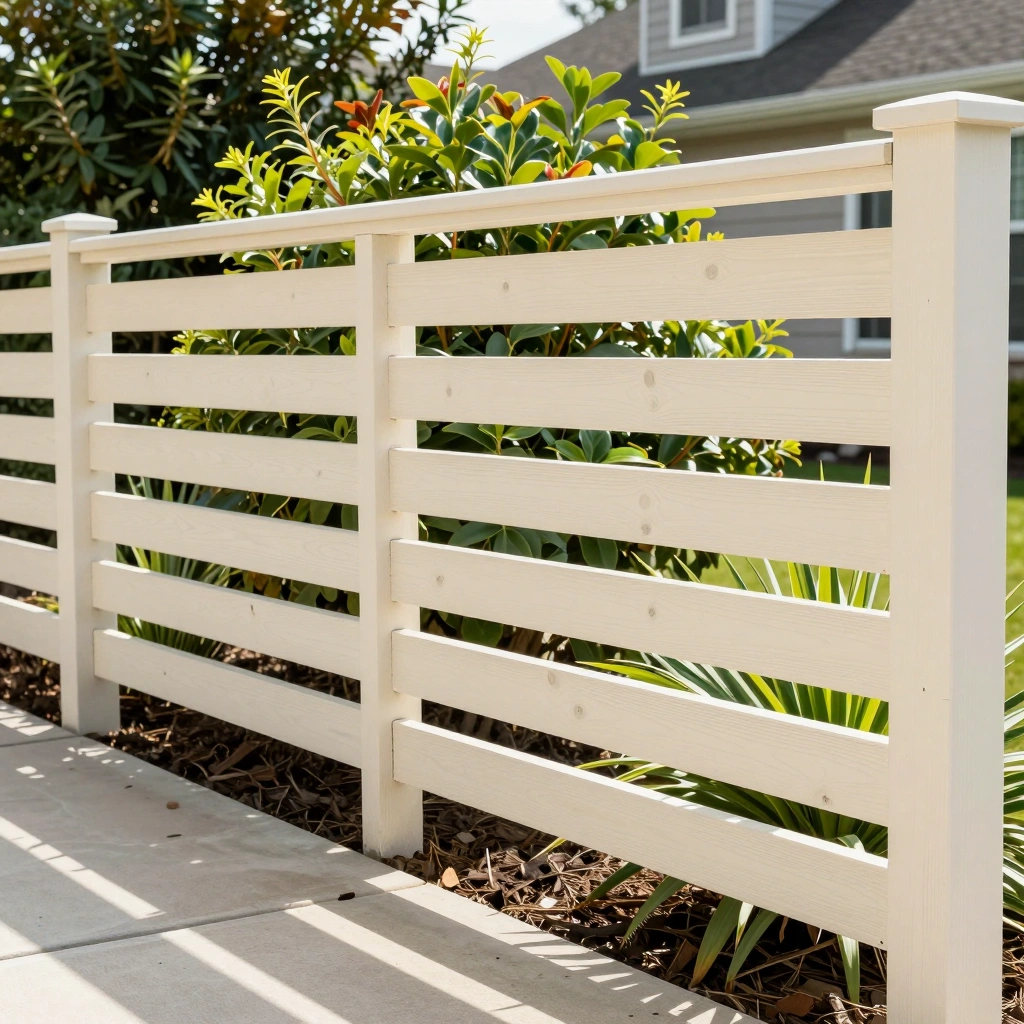
Horizontal wood slat panels are one of the most popular and modern-looking lattice alternatives available today. Instead of the diamond or square grid pattern of traditional lattice, these panels use clean, parallel boards running left to right — giving your deck a sleek, contemporary look that instantly upgrades your home’s exterior style. Shop on Amazon
How to Style It:
- Paint slats in crisp white, charcoal grey, or natural cedar tones
- Leave slight gaps (1.5–2 inches) for airflow and a light, airy look
- Add outdoor string lights along the top rail for evening ambiance
- Plant climbing vines like jasmine in front for a cottage-garden feel
Where to Use It: Best for decks with 2–4 feet of clearance. Works beautifully on raised ranch homes, modern farmhouses, and contemporary builds. Great for front-facing decks where curb appeal matters most.
💡 Pro Tip: Use pressure-treated or cedar wood to resist rot and insects naturally. Pre-paint or pre-stain all four sides of each board before installing — it dramatically extends the life of the wood and prevents warping.
2. Stacked Stone or Faux Stone Veneer
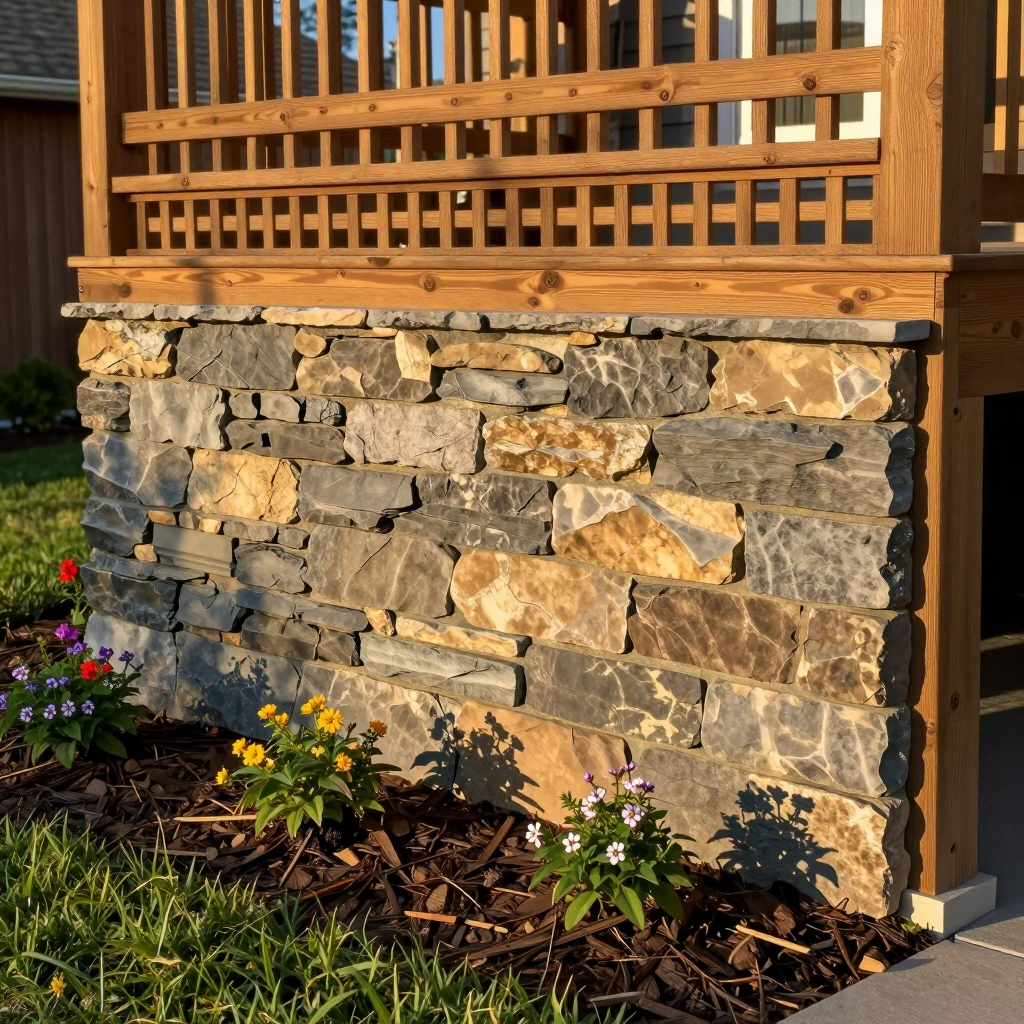
If you want your deck’s underpinning to look like it belongs to a luxury outdoor living space, stacked stone or faux stone veneer is your answer. These panels mimic the look of real stone walls and create a permanent, solid, upscale appearance that holds up beautifully in all weather conditions. Shop on Amazon
How to Style It:
- Choose lighter stone tones (cream, sand, grey) to brighten the space
- Frame the panels with simple wood or metal trim for a polished finish
- Add landscape lighting at the base pointing upward for a dramatic evening effect
- Pair with matching stone pavers or stepping stones nearby
Where to Use It: Ideal for ground-level or low-clearance decks where a permanent, sealed look is desired. Excellent for homes with a craftsman, Tudor, or rustic exterior style. Also great for completely hiding storage areas.
💡 Pro Tip: Faux stone panels weigh a fraction of real stone, are far easier to install, and are virtually indistinguishable from a few feet away — at a fraction of the cost.
3. Solid Board Skirting (Board & Batten Style)
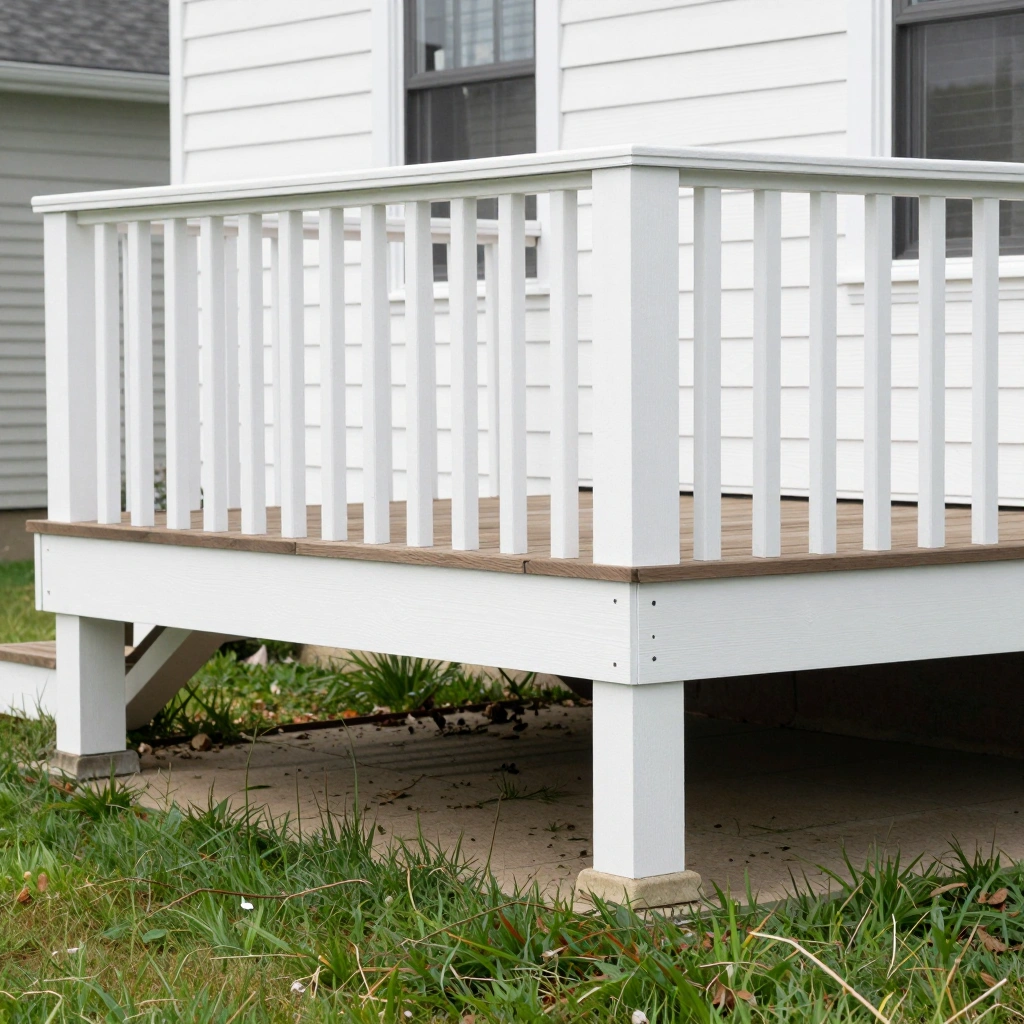
Board and batten skirting gives your deck a classic, cottage-style charm that looks intentional and built-in. By alternating wider boards with narrow batten strips over the seams, you create a solid, finished wall beneath the deck that looks like it was always meant to be there. Shop on Amazon
How to Style It:
- Paint in classic white or soft sage green for a traditional farmhouse look
- Add a small access door panel painted to match for storage entry
- Hang a simple window box planter on the front for flowers or herbs
- Use black hardware (hinges, handles) for contrast and detail
Where to Use It: Perfect for decks attached to cottage-style homes, farmhouses, or any home with a traditional exterior. Works especially well when the deck is close to the ground (under 18 inches). Also a great choice for hiding crawl space vents neatly.
💡 Pro Tip: Always leave a small gap at the very bottom (about half an inch above grade) to allow airflow and prevent moisture from wicking into the boards.
4. Bamboo Screening Panels
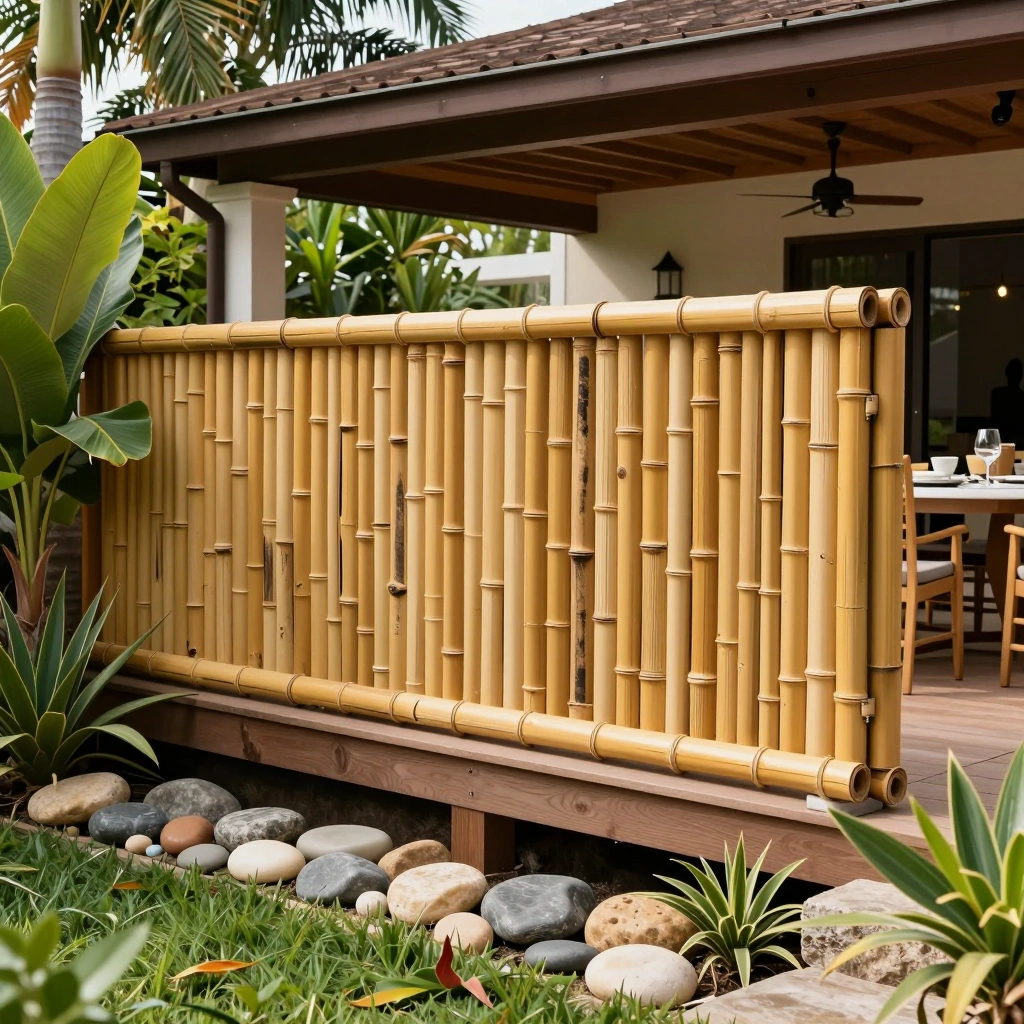
Bamboo screening panels bring an instant warm, natural, and slightly exotic feel to the space under your deck. They’re eco-friendly, lightweight, easy to install, and genuinely beautiful — especially in backyards with a tropical, coastal, or zen garden theme. Shop on Amazon
How to Style It:
- Pair with potted tropical plants (bird of paradise, elephant ears) in front
- Add a small bamboo water fountain feature nearby for a calming effect
- Use dark-stained bamboo for a more modern, sophisticated look
- Line the base with smooth river rocks or black pebble ground cover
Where to Use It: Ideal for backyard decks in warmer climates or sheltered spots. Especially fitting for homes with a beach, tropical, or Asian-inspired garden style. Works great as a temporary or seasonal option that’s easy to swap out.
💡 Pro Tip: Seal your bamboo panels with an outdoor UV-protective sealant once installed. This doubles their lifespan and keeps the warm golden color from fading to grey over time.
5. Metal & Steel Mesh Panels
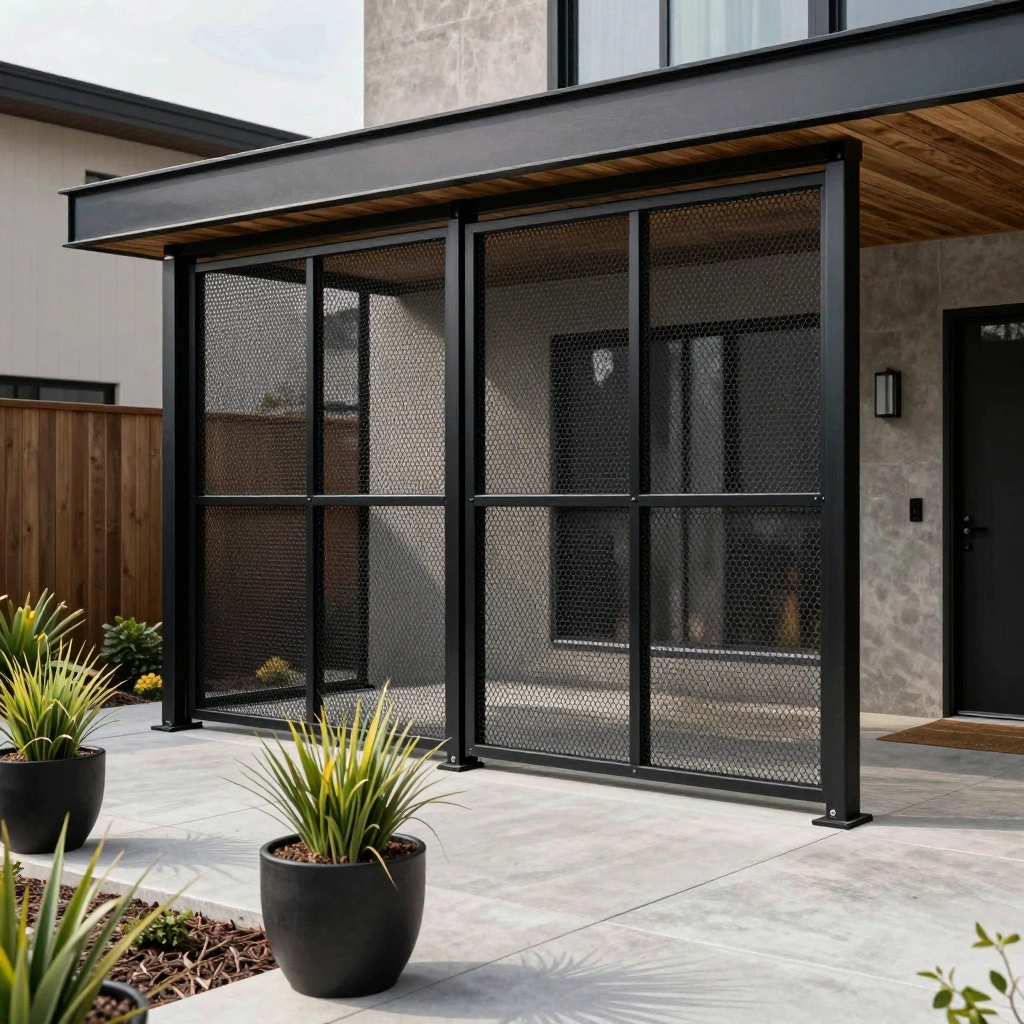
For homeowners who want a truly modern, industrial-chic look, metal mesh or perforated steel panels are an outstanding lattice alternative. They’re incredibly durable, virtually maintenance-free, and give any deck a bold, architectural edge that stands out in the neighborhood. Shop on Amazon
How to Style It:
- Choose matte black or dark bronze for maximum visual impact
- Keep surrounding landscaping minimal and structured (ornamental grasses, boxwood)
- Combine with concrete pavers or composite decking for a cohesive modern palette
- Backlight the panels with hidden LED strip lights for a dramatic night look
Where to Use It: Best suited for modern, contemporary, or industrial-style homes. Excellent for high-traffic areas or commercial properties. Also a top choice for pet owners — animals can’t chew through metal the way they can wood.
💡 Pro Tip: Powder-coated steel is far more weather-resistant than painted metal. Always specify powder-coat finish when ordering, and touch up any chips immediately to prevent rust.
6. Under-Deck Drainage Ceiling System
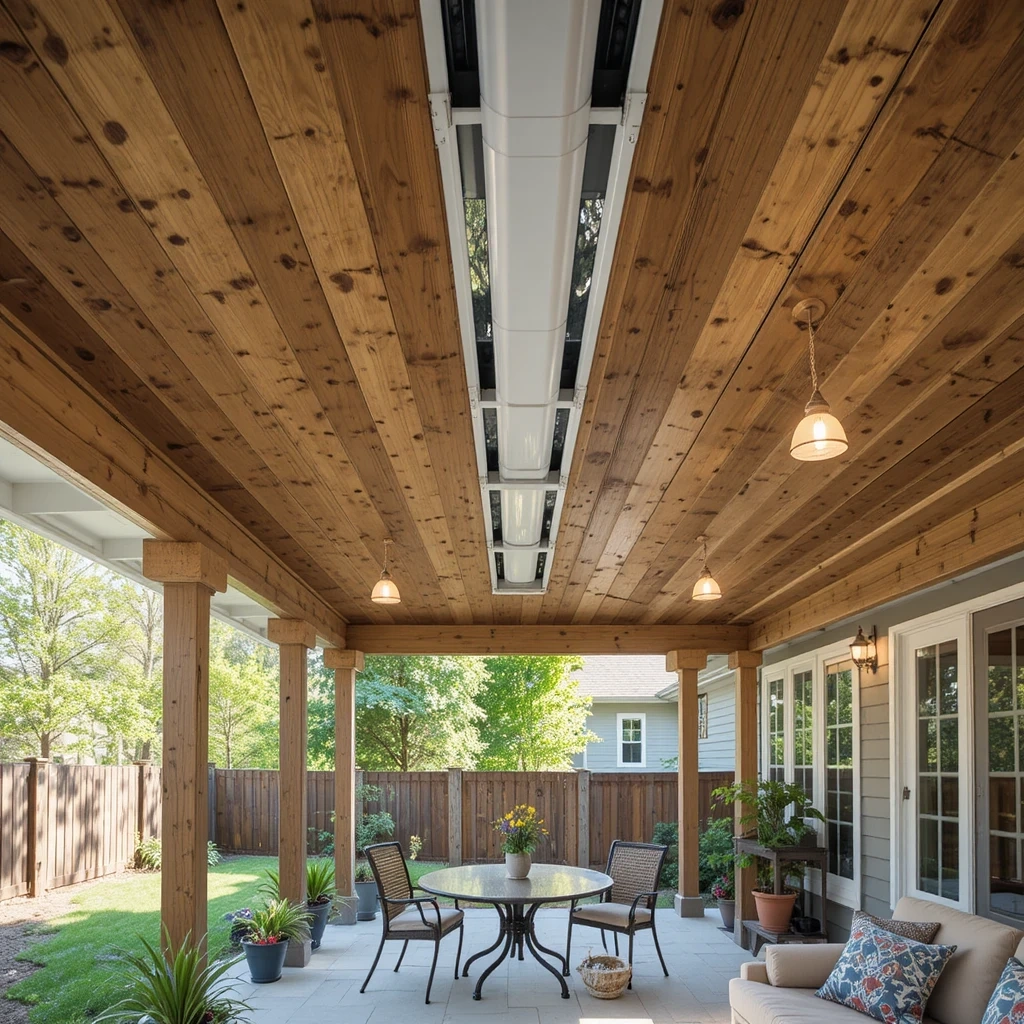
This one transforms the entire under-deck zone into a fully usable, dry outdoor room. An under-deck drainage system collects rainwater that falls between your deck boards and channels it away — turning what was wasted muddy space into a beautiful, rain-protected patio your whole family can enjoy year-round. Shop on Amazon
How to Style It:
- Hang outdoor string lights or a ceiling fan from the drainage trough framing
- Furnish with weather-resistant outdoor furniture for a second living space
- Add an outdoor rug, side tables, and plants to make it feel like a real room
- Install recessed lighting panels for cozy evening use
Where to Use It: The ultimate solution for decks with 6+ feet of clearance. Perfect for families who want an additional outdoor entertaining area that stays dry even in rain. Great for homes in rainy climates where outdoor space is precious.
💡 Pro Tip: Pair your drainage ceiling with proper side skirting (like horizontal slats or stone veneer) to fully enclose and finish the space. A ceiling without walls still looks unfinished.
7. Living Plant Walls & Trellis Screens
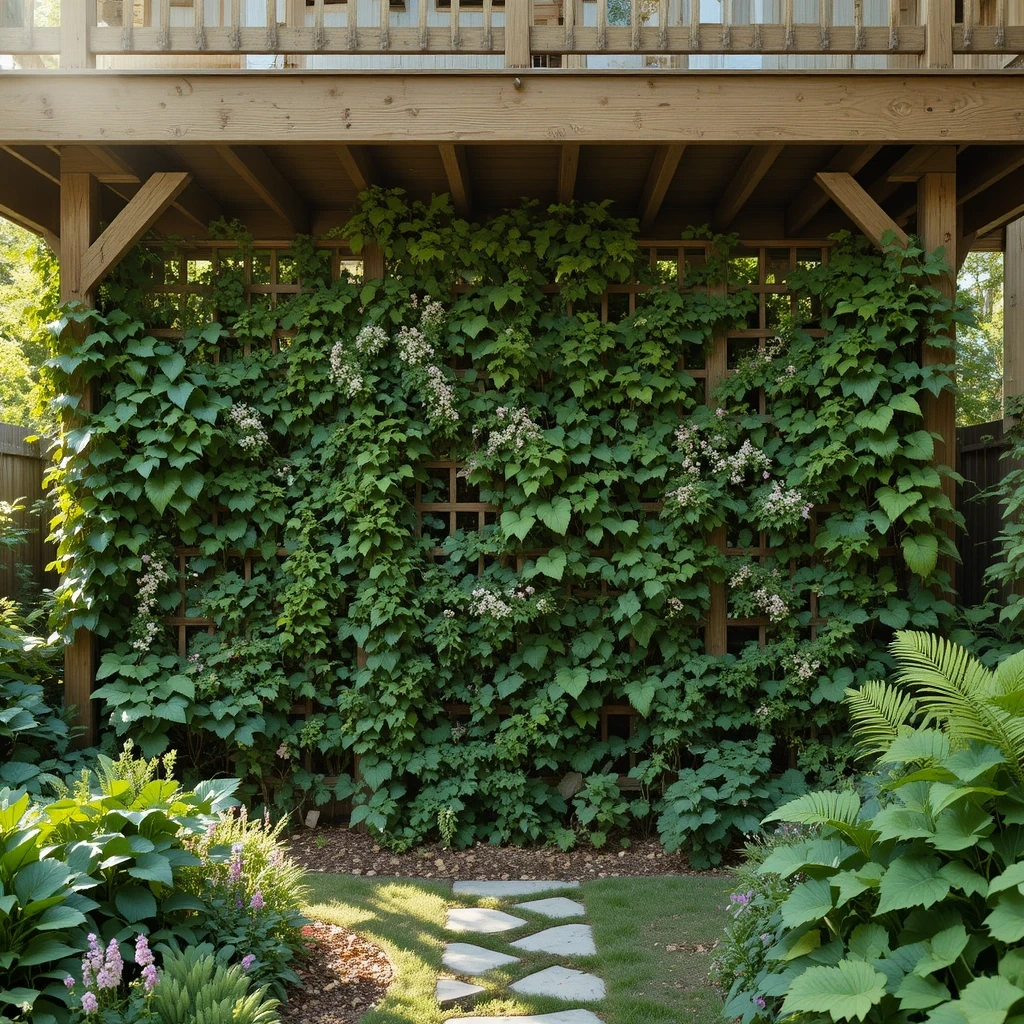
Why cover the space under your deck with a static material when you can grow something alive and beautiful? A trellis or wire framework covered in climbing plants creates a living, breathing, seasonal display that changes with the year — and the whole family loves watching it grow. Shop on Amazon
How to Style It:
- Combine different climbing plants for layered texture (ivy for evergreen coverage, clematis for flowers)
- Install a simple drip irrigation line along the base to keep plants healthy with minimal effort
- Add solar-powered fairy lights woven through the vines for magical evening lighting
- Plant in raised planter boxes at the base for cleaner, more controlled growth
Where to Use It: Ideal for shaded or partly shaded north or east-facing decks where plants can thrive. Perfect for families who garden and want to bring more nature into their yard. Also an excellent way to attract birds and butterflies — a wonderful educational experience for children.
💡 Pro Tip: Choose fast-growing but non-invasive plants like climbing hydrangea, coral honeysuckle, or black-eyed Susan vine. Avoid invasive species like English ivy or wisteria which can damage your deck’s structure over time.
8. Reclaimed Wood Plank Panels
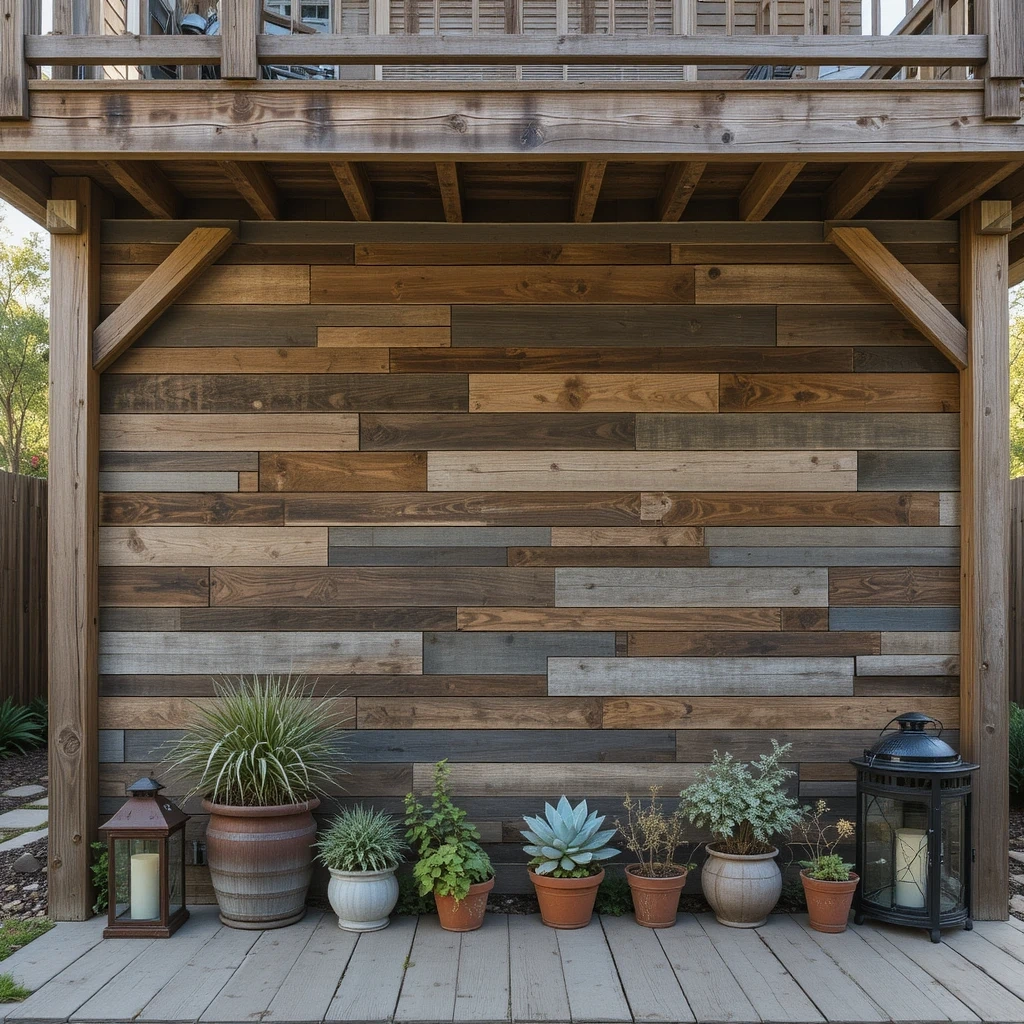
Reclaimed wood gives your deck’s underpinning a story to tell. The natural weathering, knots, and color variation of reclaimed barn wood creates a rich, one-of-a-kind look that no manufactured product can replicate — and it’s an eco-friendly choice that gives old material new purpose. Shop on Amazon
How to Style It:
- Mix plank widths for an authentic, collected-over-time look
- Leave the wood unsealed for a pure rustic aesthetic, or seal lightly for protection
- Decorate in front with vintage lanterns, galvanized metal buckets, or potted succulents
- Combine with a gravel or decomposed granite ground cover beneath the deck
Where to Use It: A natural fit for farmhouse, cottage, country, or Craftsman-style homes. Works beautifully in rural or semi-rural settings. Also an excellent choice for homeowners committed to sustainable building practices.
💡 Pro Tip: Before installing reclaimed wood outdoors, inspect every board for nails and signs of rot. Treat with a borate-based wood preservative to deter termites and fungi, even if you plan to leave the surface looking naturally weathered.
9. Corrugated Metal Panels
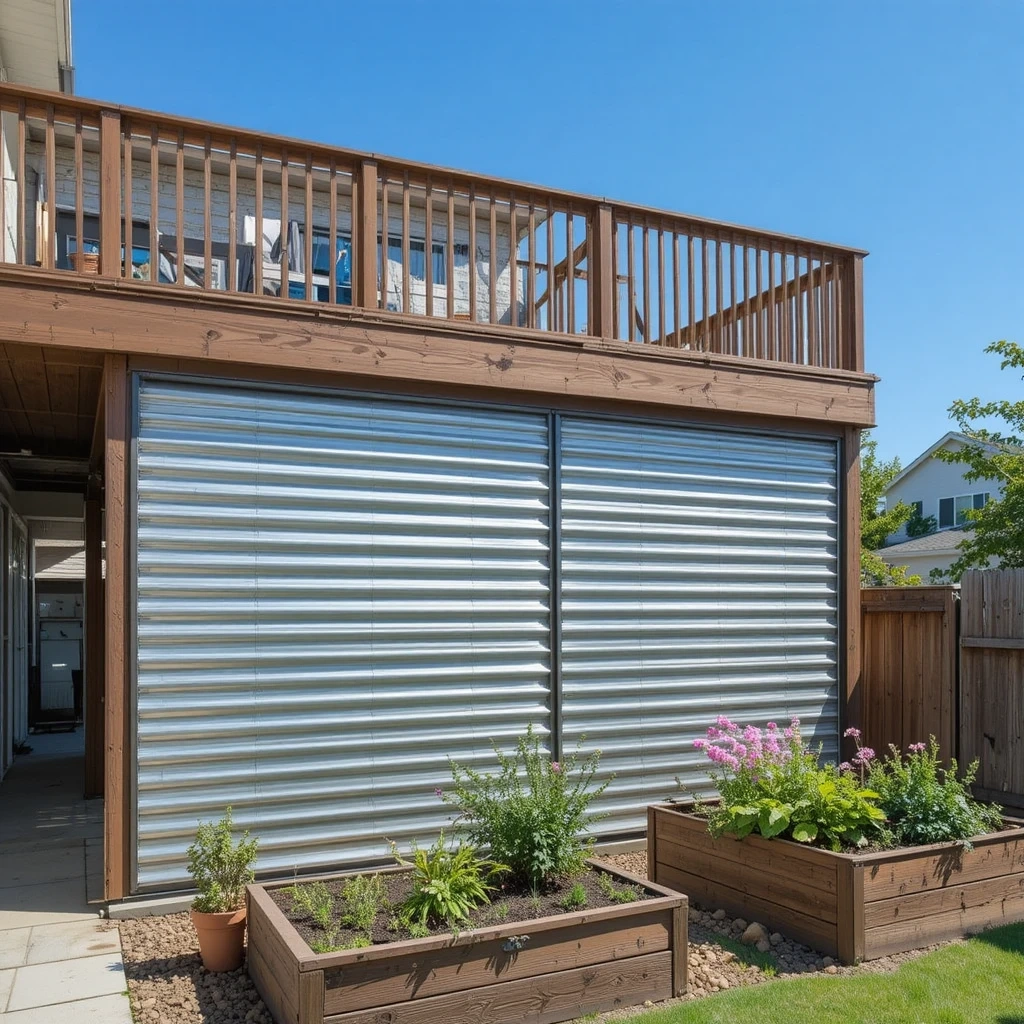
Corrugated metal panels are having a major design moment right now — and for good reason. They’re incredibly affordable, extremely durable, quick to install, and give any outdoor space a cool, modern-industrial or farmhouse vibe. You’ve probably seen them used in garden beds; under a deck they look equally stunning. Shop on Amazon
How to Style It:
- Use raw galvanized metal for a true industrial look, or paint for a farmhouse style
- Frame panels with dark wood or black steel framing for a finished, designed appearance
- Place raised garden beds or herb planters in front to soften the metal with greenery
- Add a simple wood-framed gate door on hinges for storage access
Where to Use It: Excellent for modern farmhouse, industrial, or contemporary home styles. Extremely practical for homeowners who want maximum durability with minimum maintenance. Popular in areas with high moisture or pest pressure since metal is immune to rot and insects.
💡 Pro Tip: Choose Galvalume or Corten steel over plain galvanized if you want the panels to age beautifully. Corten (weathering steel) develops a gorgeous rusty-orange patina over time that becomes a true design feature.
10. Vinyl or Composite Skirting Panels
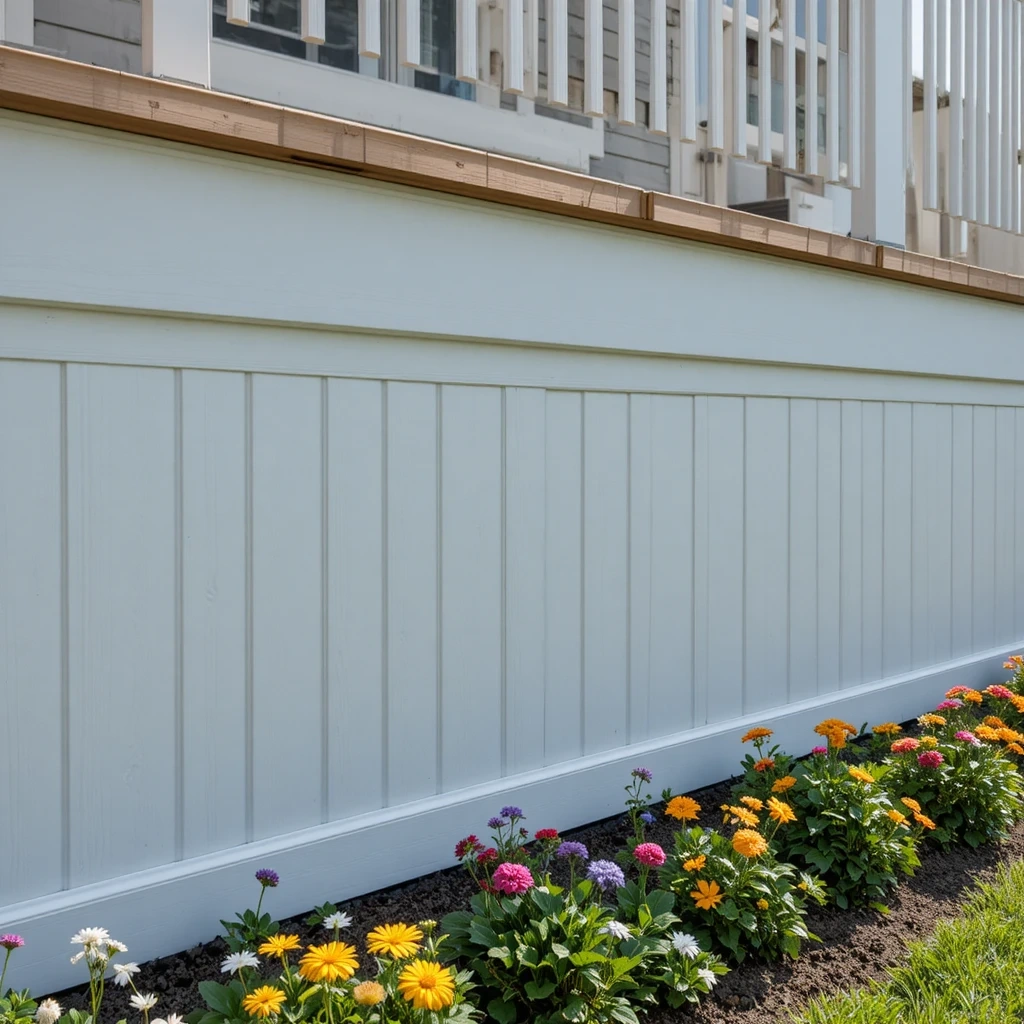
If low maintenance is your top priority, vinyl or composite skirting panels are hard to beat. They never rot, never need painting, resist insects and moisture, and look clean and crisp year after year. For busy families who want a great-looking yard without constant upkeep, this is the practical champion of the list. Shop on Amazon
How to Style It:
- Choose tongue-and-groove vinyl panels for a seamless, built-in appearance
- Opt for textured finishes (wood grain, beadboard patterns) over plain smooth for visual interest
- Plant colorful flower beds in front to add warmth and personality
- Add shutters or trim details around the access door for a custom-built look
Where to Use It: The best all-around choice for families with children or pets who need a durable, zero-maintenance solution. Works with virtually every home style. Ideal for climates with extreme temperature swings, heavy rain, or high humidity.
💡 Pro Tip: When shopping for vinyl skirting, look for panels rated for ground contact and UV stabilized. Cheaper vinyl can yellow and become brittle over time. Spend a little more on a quality brand and it will look great for 20+ years.
Bonus Idea: Mix & Match Two Materials
Don’t feel limited to just one material! Some of the most stunning under-deck treatments combine two complementary materials — for example, a stone veneer base topped with horizontal wood slats, or corrugated metal panels framed with warm cedar wood. Mixing materials adds visual depth and lets you balance aesthetics with practicality in a way that feels custom-designed.
Common Mistakes to Avoid
1. Skipping Proper Ventilation Completely sealing the underside of a deck without any airflow traps moisture, which leads to wood rot, mold, and pest problems. Always design your skirting to allow some air circulation — even if it’s just small vent grilles at each end.
2. Forgetting an Access Point You will eventually need to access the space under your deck — for plumbing, pest control, or storage retrieval. Always include at least one hinged access door or removable panel. Failing to do this is one of the most regretted under-deck mistakes.
3. Using Interior-Grade Materials Outdoors Always use exterior-grade lumber, stainless steel or galvanized fasteners, and exterior paint or sealant. Interior materials break down rapidly and can damage your deck structure.
4. Ignoring Drainage Water pooling under your deck causes rot, mold, and mosquito breeding grounds. Grade the soil slightly away from your home’s foundation before installing any skirting, and consider a gravel base to improve drainage.
5. Choosing Style Over Child Safety If you have young children, always consider safety. Avoid sharp metal edges, splinter-prone rough wood, or open gaps large enough for a child to get a hand or foot caught in. Round all exposed edges and check all panels are securely attached.
6. Not Checking Local Permit Requirements In some municipalities, permanent structural additions under a deck require a building permit. Check with your local building department before starting — especially for sealed enclosures, electrical work, or drainage systems.
Frequently Asked Questions
Q: What is the cheapest lattice alternative for under a deck? Corrugated metal panels and vinyl skirting are typically the most budget-friendly options. Corrugated metal can be purchased at most home improvement stores for a very reasonable price per panel, and installation is straightforward enough for a confident DIYer.
Q: What is the most low-maintenance option? Vinyl or composite skirting panels win on maintenance — they never need painting, staining, or sealing. Metal panels (corrugated or mesh) are a close second. Both are excellent for busy families.
Q: Is it safe to enclose the area under a deck for children to play in? Yes, with the right planning! Ensure proper ventilation, use non-toxic sealants and paints, check for sharp edges, and install a secure, child-safe door latch on the access point. Add outdoor rubber mulch or artificial turf inside for a comfortable play surface.
Q: How do I keep animals from nesting under my deck? The most effective approach is to use a solid or fine-mesh skirting that extends a few inches below grade. Steel mesh or hardware cloth buried 6–12 inches into the soil is the gold standard for animal exclusion.
Q: Can I add lighting under my deck easily? Absolutely! Solar-powered string lights are the easiest, no-wiring option. For a more permanent setup, low-voltage LED landscape lighting on a timer is a great choice. Always use fixtures rated for outdoor/wet locations.
Q: Do I need to remove existing lattice before installing an alternative? In most cases, yes — especially if the lattice is attached to a frame. However, some lightweight materials (like bamboo rolls) can be hung in front of existing lattice as a quick refresh without a full removal project.
Q: What looks best under a deck for resale value? Horizontal wood slats, stacked stone veneer, or a full under-deck drainage patio system consistently impress buyers and can meaningfully increase perceived home value. These options signal quality, intentional design, and outdoor living space — all of which buyers love.
Final Thoughts
The space under your deck doesn’t have to be an eyesore or a forgotten zone. Whether you want a quick weekend refresh with bamboo panels or a full transformation into a rain-protected outdoor room, there’s a perfect lattice alternative for your home, your family, and your budget.
The best choice is the one that fits your lifestyle — so think about how your family uses the backyard, how much maintenance you’re willing to do, and what style makes you smile every time you look out the window.
Happy building!