12+ Modern Backyard Shade Ideas to Transform Your Patio
Your backyard is more than just a patch of grass — it’s where summer memories are made, where kids run barefoot, where families gather for cookouts, and where you finally breathe after a long day. But without the right shade, even the most beautiful backyard can become unbearable under the afternoon sun.
The good news? Creating a cool, Backyard shade ideas outdoor space doesn’t have to be expensive or complicated. Whether you have a sprawling yard or a cozy patio, there’s a shade solution perfectly suited to your space, your budget, and your family’s lifestyle.
Before You Start: How to Choose the Right Shade for Your Yard
Not all shade solutions are created equal. Some are permanent investments that transform your entire backyard, while others are budget-friendly and flexible enough to move around as your needs change. Before diving in, think about where the sun hits hardest in your yard throughout the day, how much space you’re working with, and how much maintenance you’re willing to take on.
The 12+ ideas below cover everything from simple weekend projects to full landscape transformations — so there’s something here for every family, every budget, and every backyard size.
The 12+ Best Backyard Shade Ideas
1. Pergola with Climbing Plants
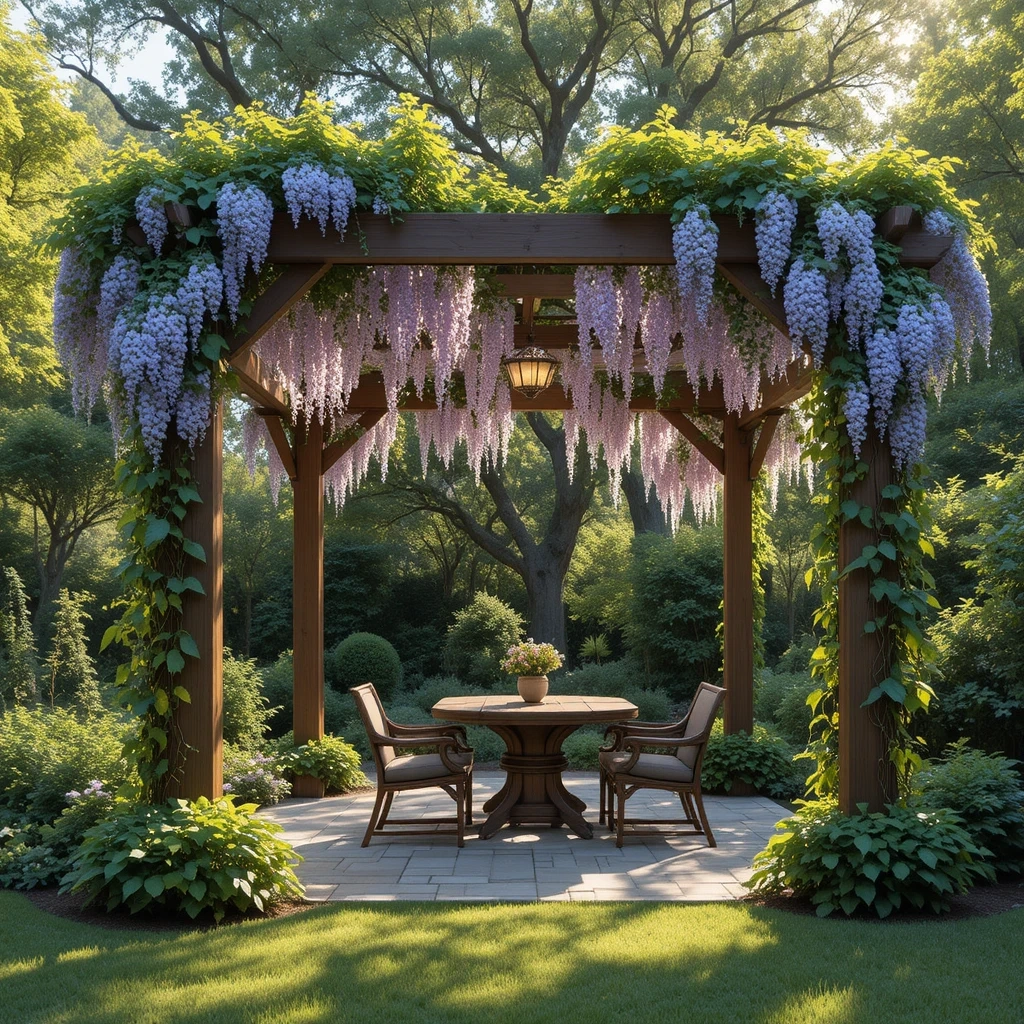
A pergola is one of the most timeless and versatile shade structures you can add to a backyard. It’s an open-roofed framework of vertical posts and crossbeams that creates a defined outdoor living area. When paired with climbing plants like wisteria, climbing roses, or jasmine, it becomes a living, breathing canopy that gets more beautiful every season — and naturally filters harsh sunlight into soft, dappled shade. Shop on Amazon
How to Style It:
- Add string lights along the beams for magical evening ambiance
- Hang flowing curtain panels on the sides for privacy and wind protection
- Place potted lavender or herbs at the base of each post
- Use weather-resistant outdoor rugs to anchor the space
Where to Use It: Over a patio, deck, or dining area; at the end of a garden path as a destination feature; connecting the house to a detached garage or garden shed.
Pro Tip: Plant fast-growing vines like Virginia creeper or hops if you want shade in the first season. For a family-friendly pergola, choose non-toxic plants and avoid thorny varieties near children’s play areas.
2. Large Patio Umbrella
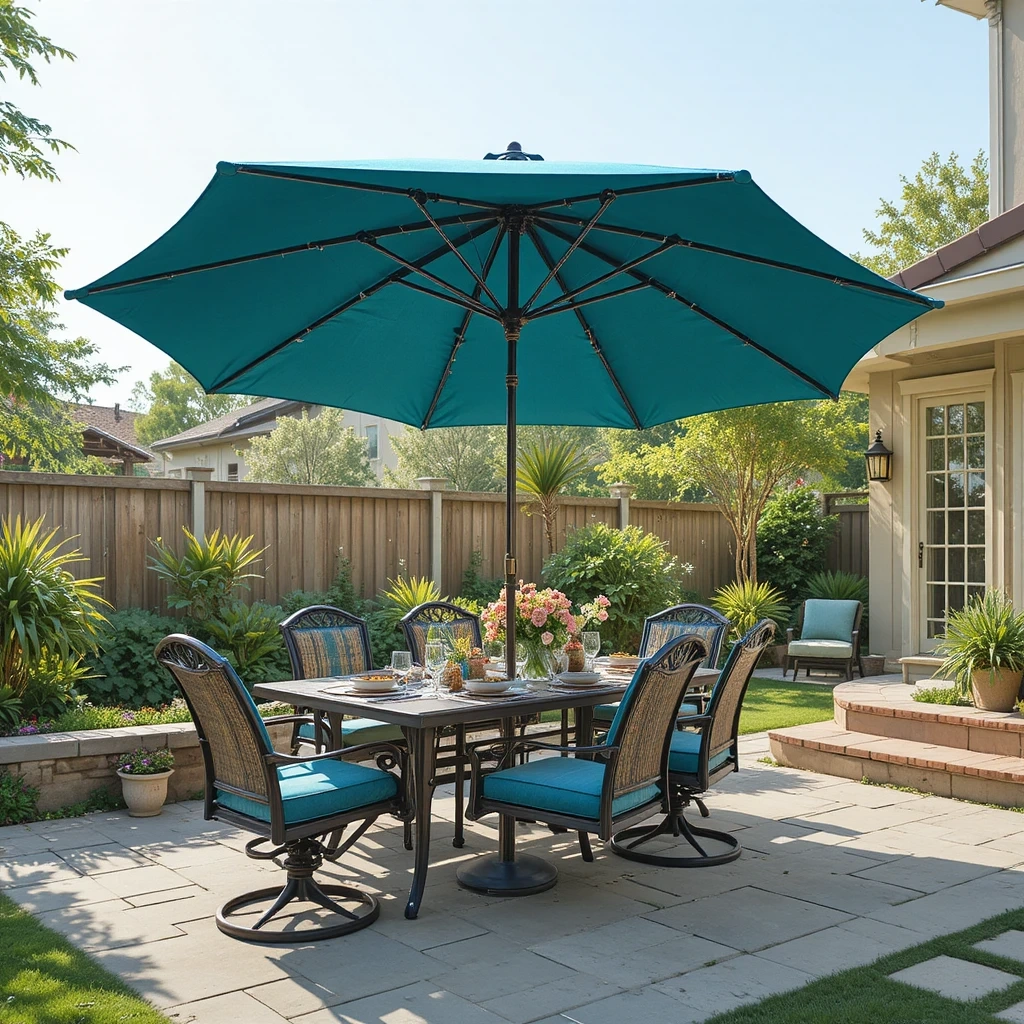
Patio umbrellas are the MVP of quick, flexible shade. Available in cantilever (side-post) or center-post styles, a quality oversized umbrella can shade a dining table, a lounge area, or a kids’ splash zone in seconds. Modern patio umbrellas come in stunning colors, UV-blocking fabrics, and smart designs that tilt and rotate to follow the sun — keeping your family cool no matter what time of day it is. Shop on Amazon
How to Style It:
- Choose a neutral sand or white umbrella for a clean, elegant look
- Go bold with a striped or solid bright color for a playful, family-friendly vibe
- Pair with matching outdoor furniture cushions in complementary tones
- Add a weighted base with decorative stones for a finished, intentional look
Where to Use It: Over patio dining tables, poolside loungers, sandbox or play areas, or anywhere you need instant portable shade.
Pro Tip: Invest in a cantilever umbrella with a 360-degree rotating canopy — it lets you reposition the shade without moving the furniture. Always anchor it securely in windy climates.
3. Shade Sail Triangle or Rectangle
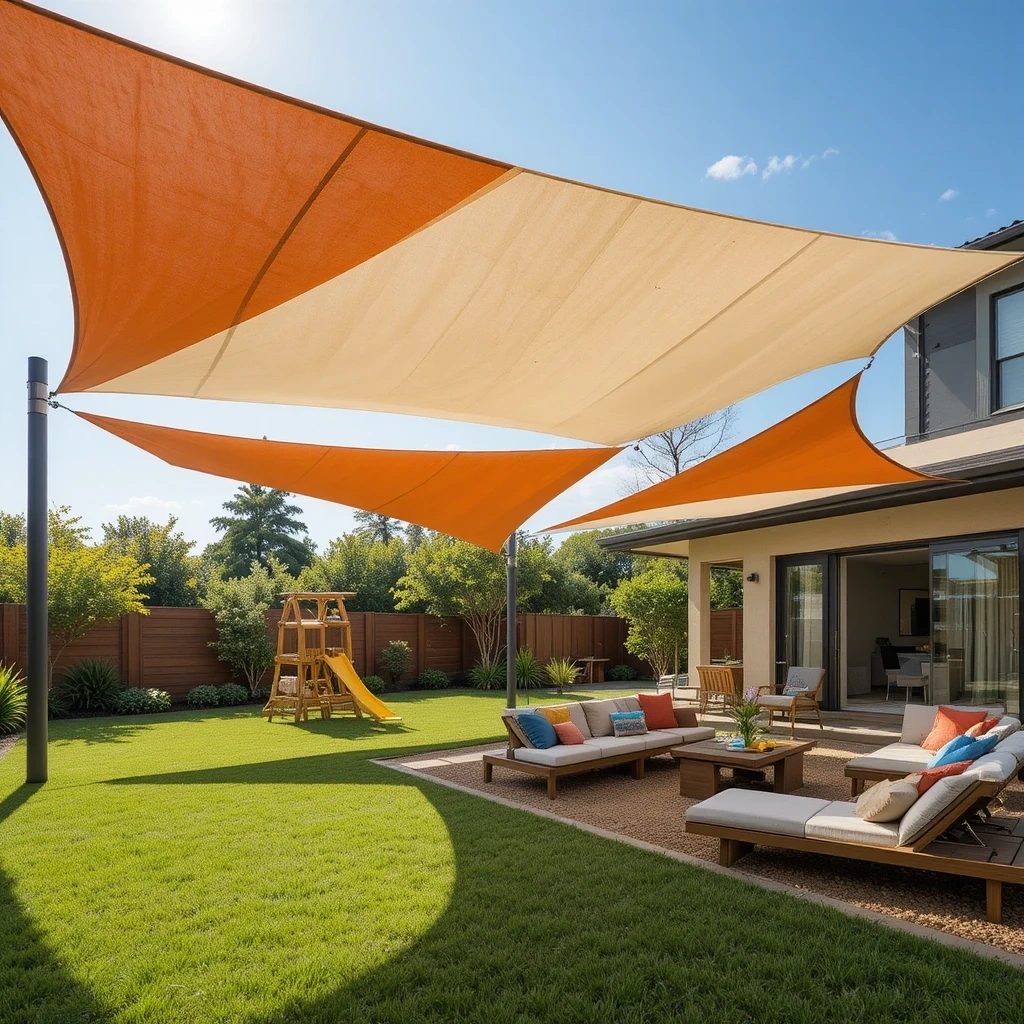
Shade sails are architectural, modern, and incredibly effective. These tensioned fabric canopies are anchored between posts, walls, or trees to create dramatic geometric shade coverage. Unlike traditional awnings, shade sails allow airflow beneath them, so the space stays cooler and feels open. They’re a favorite in contemporary backyards and family-friendly outdoor spaces because they look stunning, cover large areas, and come in a rainbow of colors. Shop on Amazon
How to Style It:
- Layer two or three overlapping sails in complementary colors for full coverage and a designer look
- Use stainless steel posts with concrete footings for a permanent, clean installation
- Combine with potted tall plants at the anchor points to soften the industrial look
Where to Use It: Over sandboxes, swing sets, outdoor kitchens, pool decks, or any large open area that needs dramatic shade coverage.
Pro Tip: Angle your shade sail at a slight slope (not perfectly flat) so rainwater runs off rather than pooling in the center. Choose a UV-blocking fabric rated at 90%+ for maximum sun protection for kids.
4. Retractable Awning
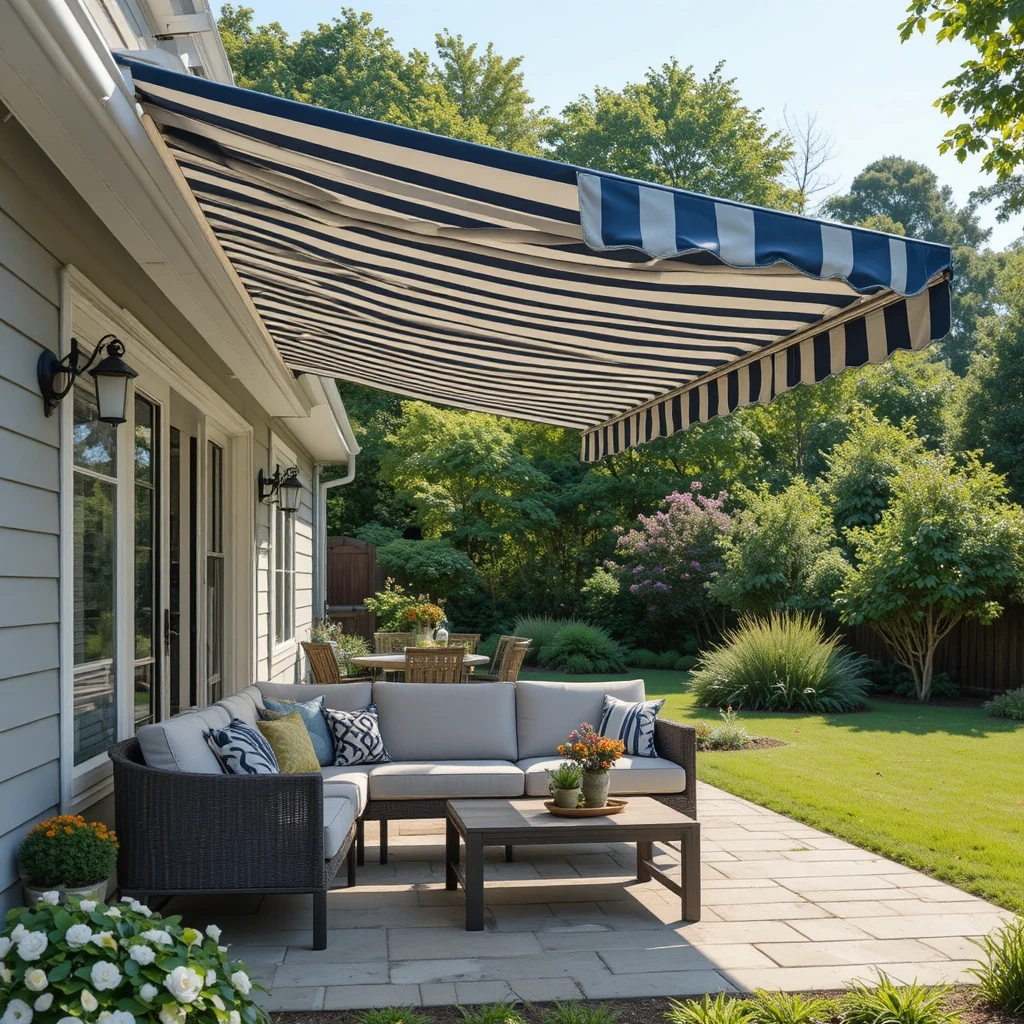
Retractable awnings are the perfect solution for homeowners who want shade when they need it and open sky when they don’t. Mounted directly to the exterior wall of your home, these motorized or manual awnings extend outward to cover a patio or deck with the press of a button.
They’re durable, weather-resistant, and can significantly reduce indoor temperatures by blocking sun from hitting your windows and doors Shop on Amazon
How to Style It:
- Choose a classic stripe pattern for a timeless resort feel
- Opt for a solid neutral color (sand, gray, charcoal) for a modern aesthetic
- Add drop shades or side screens for additional privacy and wind protection
Where to Use It: Directly off the house over a back patio, sliding glass door, or deck area. Ideal for homes with south- or west-facing backyards that get intense afternoon sun.
Pro Tip: Choose a motorized retractable awning with a wind sensor — it automatically retracts in high winds, protecting the fabric and mechanism from damage. This is especially important in areas with sudden afternoon storms.
5. Shade Trees (Strategic Planting)
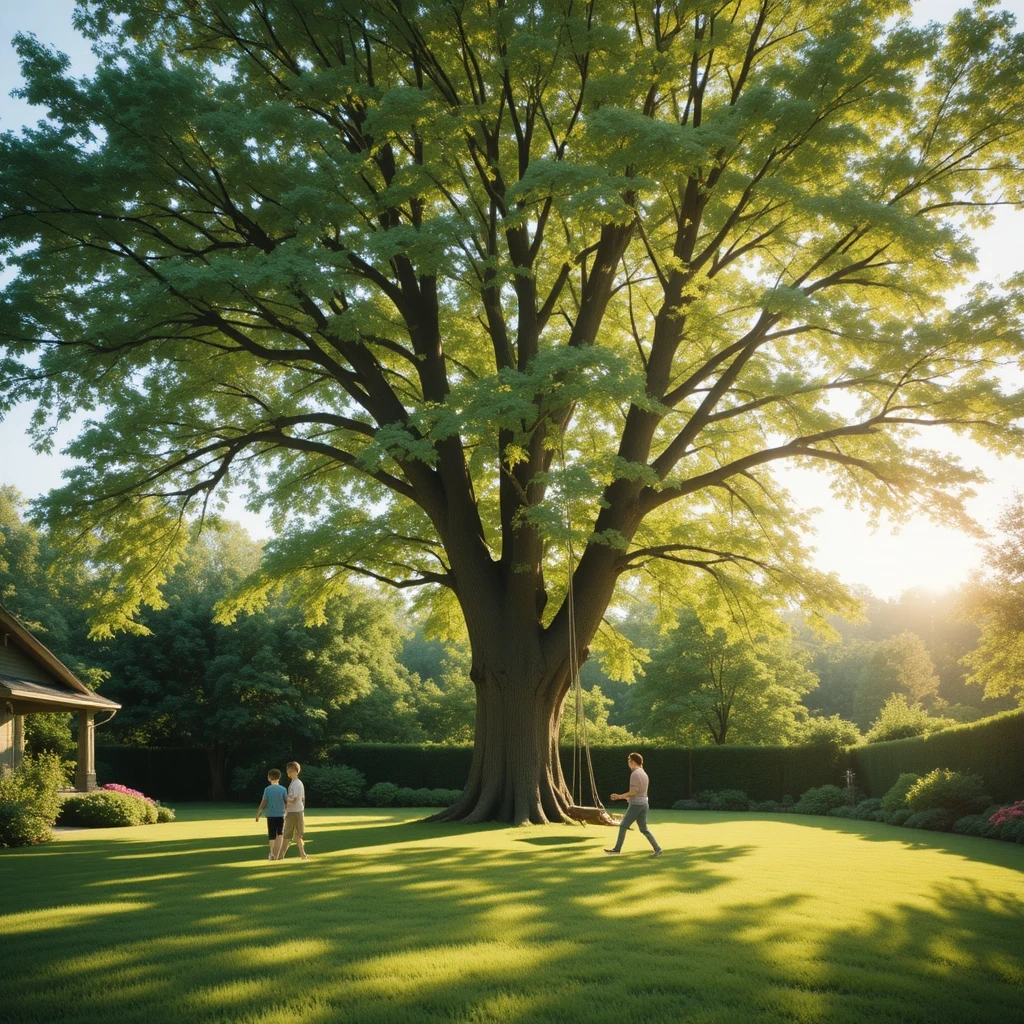
Nothing beats the natural, cooling power of a mature shade tree. Strategically planted deciduous trees — like maples, oaks, elms, or redbuds — drop their leaves in winter (letting warming sun through) and fill out with dense canopies in summer (blocking the hottest rays). It’s a long-term investment that increases your property value, reduces energy bills, cools your entire yard, and creates the kind of dappled-light backyard paradise that kids absolutely love for climbing, swinging, and playing. Shop on Amazon
How to Style It:
- Install a rope swing or tire swing on a strong horizontal branch
- Place a reading bench or hammock in the shade beneath the canopy
- Surround the base with shade-loving ground cover like hostas or ferns for a layered garden look
- Add a ring of decorative mulch around the trunk to protect roots and polish the look
Where to Use It: On the south or west side of your home for maximum summer shade and winter sun. In any open lawn area where kids play, or near a patio or outdoor seating area.
Pro Tip: Choose fast-growing shade trees like Red Maple, Tulip Tree, or Hybrid Poplar if you want results within 3–5 years. Always check mature tree height and spread before planting near fences, power lines, or foundations.
6. Gazebo or Garden Pavilion
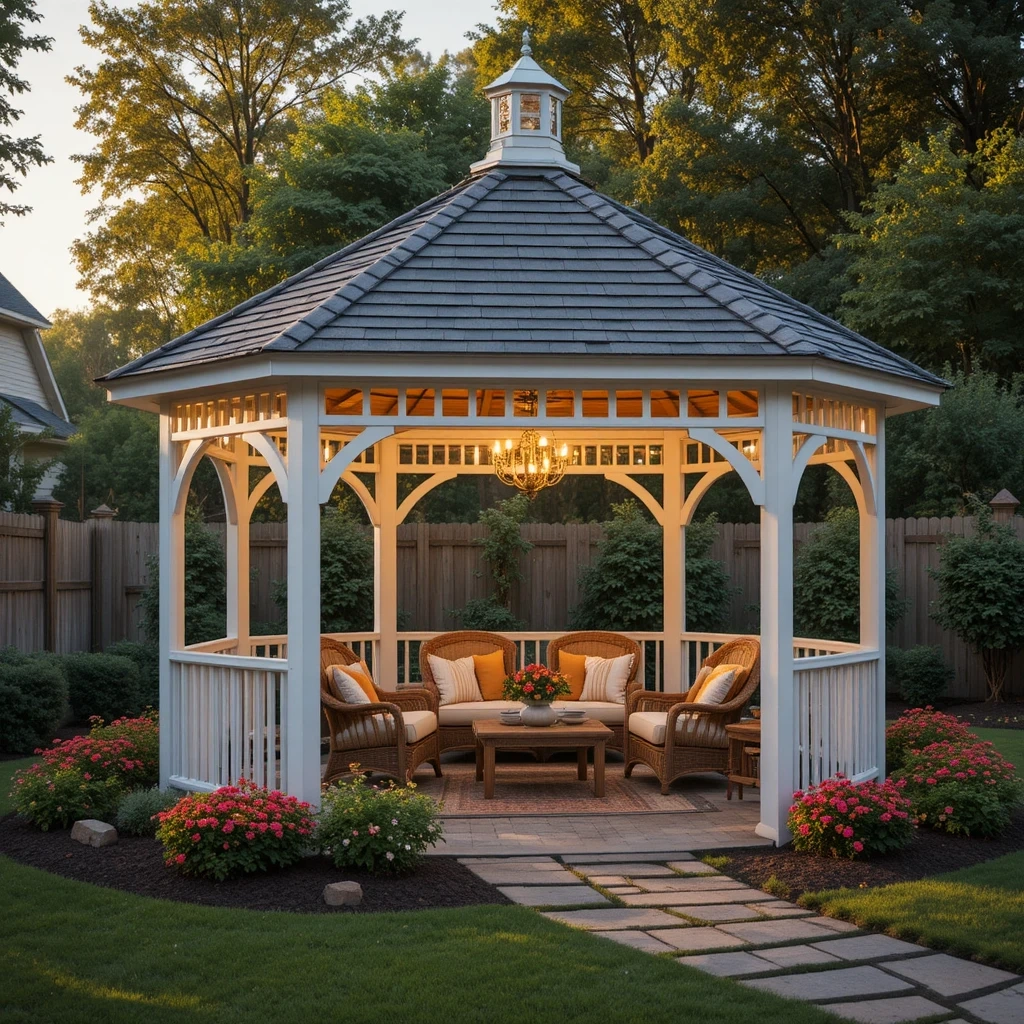
A gazebo is a freestanding, fully roofed outdoor structure that creates a dedicated shaded room in your backyard. Unlike pergolas, gazebos have a solid or screened roof that provides complete protection from both sun and light rain, making them usable even when the weather is unpredictable. They’re perfect for creating a permanent outdoor living room that the whole family can enjoy — from rainy-day board games to summer birthday parties. Shop on Amazon
How to Style It:
- Hang string lights or a chandelier from the ceiling for evening magic
- Add outdoor curtains along the sides for privacy and a cozy “room” feel
- Place a weather-resistant rug and comfortable sectional inside
- Install a ceiling fan for air circulation on hot days
Where to Use It: As a permanent outdoor entertaining space in a large backyard, over a patio area, beside a pool, or as a destination focal point at the end of a garden.
Pro Tip: Opt for a screened or curtained gazebo if you’re in a mosquito-prone area — it becomes a bug-free outdoor sanctuary that kids and adults will actually use all summer long.
7. Shade Tent or Pop-Up Canopy
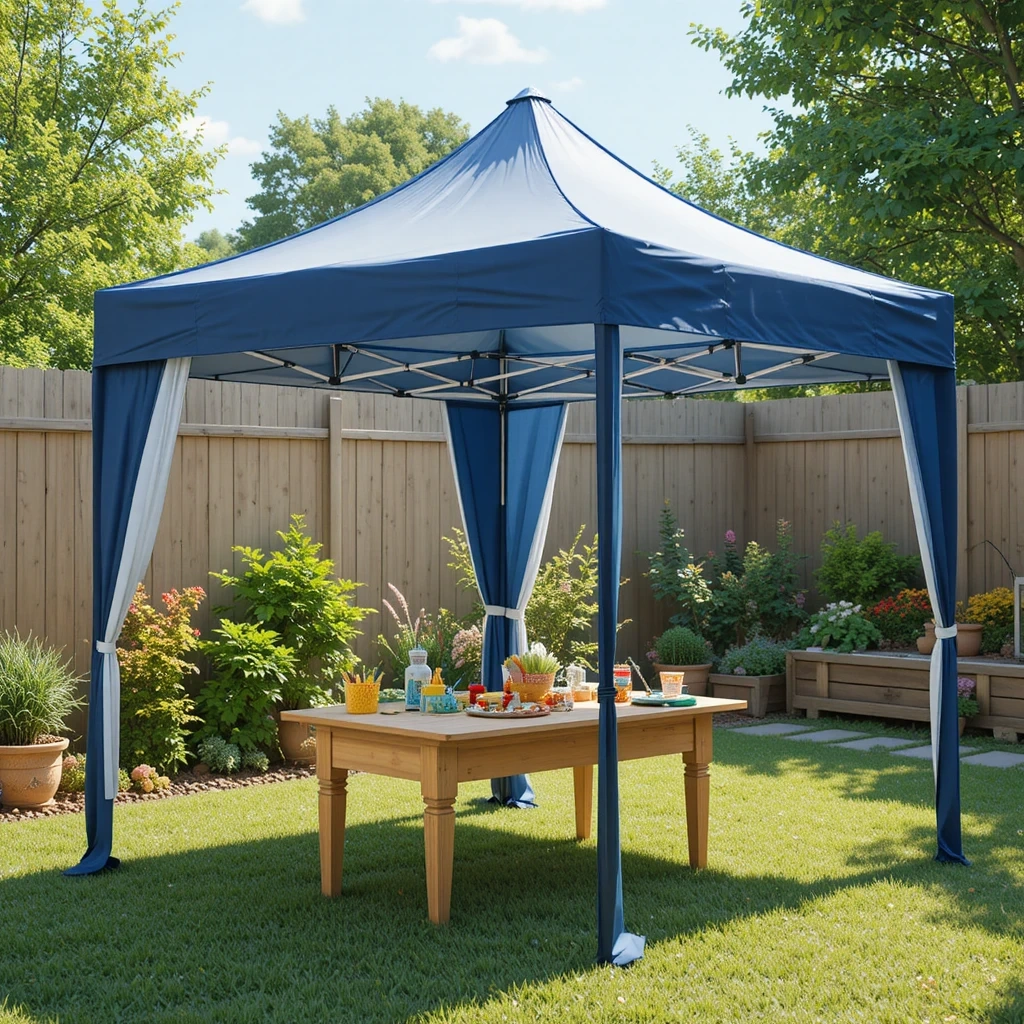
Shade tents and pop-up canopies are the ultimate flexible shade solution — set them up in minutes, fold them down just as fast. While often associated with events, a quality pop-up canopy or family shade tent is an incredibly practical backyard addition for spontaneous outdoor days:
a shaded homework zone, a cool spot for toddler play, an impromptu outdoor movie setup, or protection during kids’ birthday parties. Modern designs are far more stylish than the old-school plain white canopies. Shop on Amazon
How to Style It:
- Choose a canopy with sidewall panels for maximum shade and wind protection
- Drape fairy lights around the frame for an instant party atmosphere
- Set up a kids’ activity table, water table, or craft station underneath
- Add colorful outdoor rugs and floor cushions for a cozy ground-level hangout
Where to Use It: Anywhere in the yard — over a sandbox, on the lawn, beside the pool, or on a patio. Perfect for renters or anyone who wants shade without permanent installation.
Pro Tip: Look for canopies with a UV Protection Factor (UPF) of 50+ for the best sun protection. Stake all four corners into the ground — even on calm days — to prevent the canopy from tipping over around curious kids.
8. Bamboo or Reed Privacy Screens
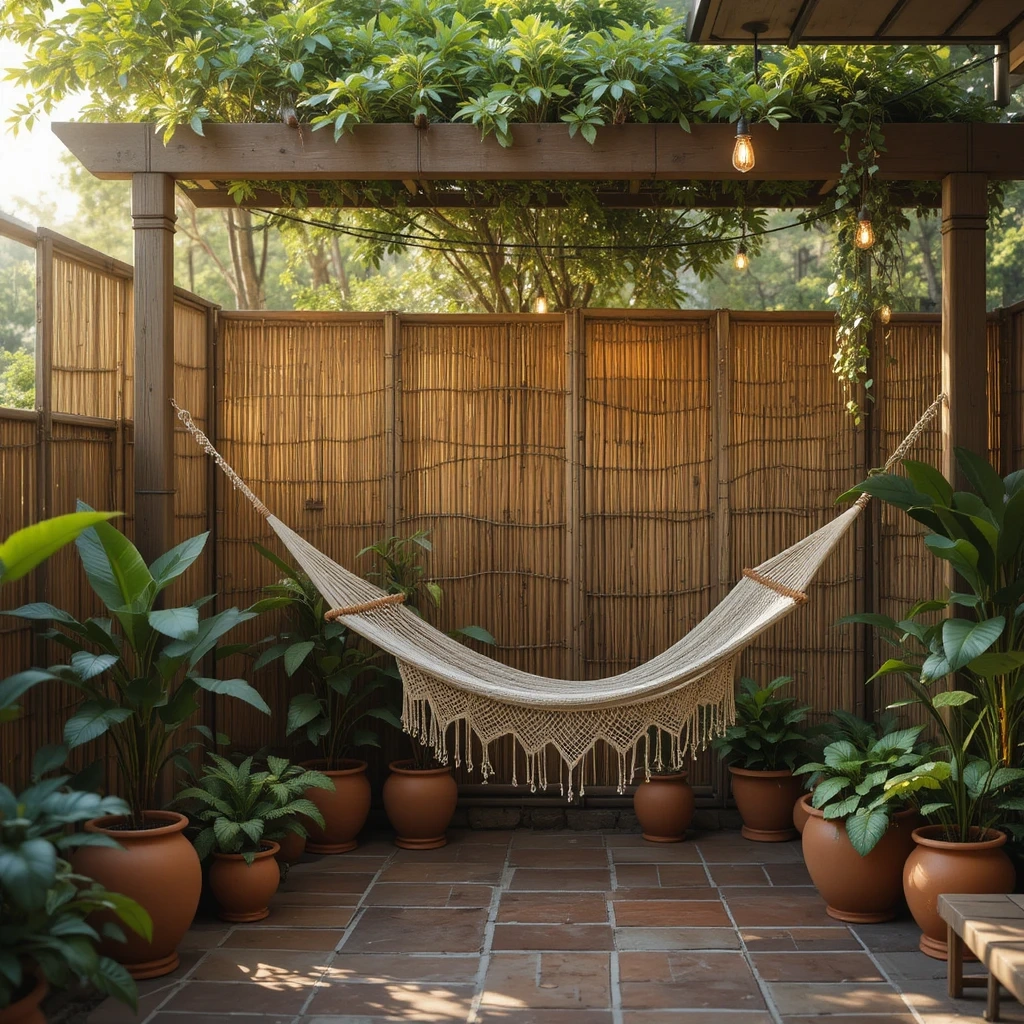
Bamboo and reed fence panels are an affordable, natural-looking way to block harsh afternoon sun while adding texture, warmth, and a relaxed tropical or bohemian feel to your backyard. These panels can be attached to existing fences, pergolas, or freestanding frames, instantly transforming a hot, exposed patio into a cool, filtered-light retreat. They’re also excellent for privacy, making your outdoor space feel like a secluded oasis. Shop on Amazon
How to Style It:
- Attach panels to a simple wooden frame for a freestanding shade wall
- Use them along the west-facing side of your patio to block brutal afternoon sun
- Pair with tropical potted plants like palms, bird of paradise, or elephant ears
- Drape outdoor string lights over the panels for warm evening ambiance
Where to Use It: Along fence lines, behind outdoor seating areas, around patios, or attached to the sides of pergolas for a natural, organic look.
Pro Tip: Treat bamboo and reed panels with a UV-resistant sealant to prevent fading and extend their lifespan. They typically last 3–5 years outdoors with minimal maintenance.
9. Raised Garden Beds with Trellises & Climbing Vegetables
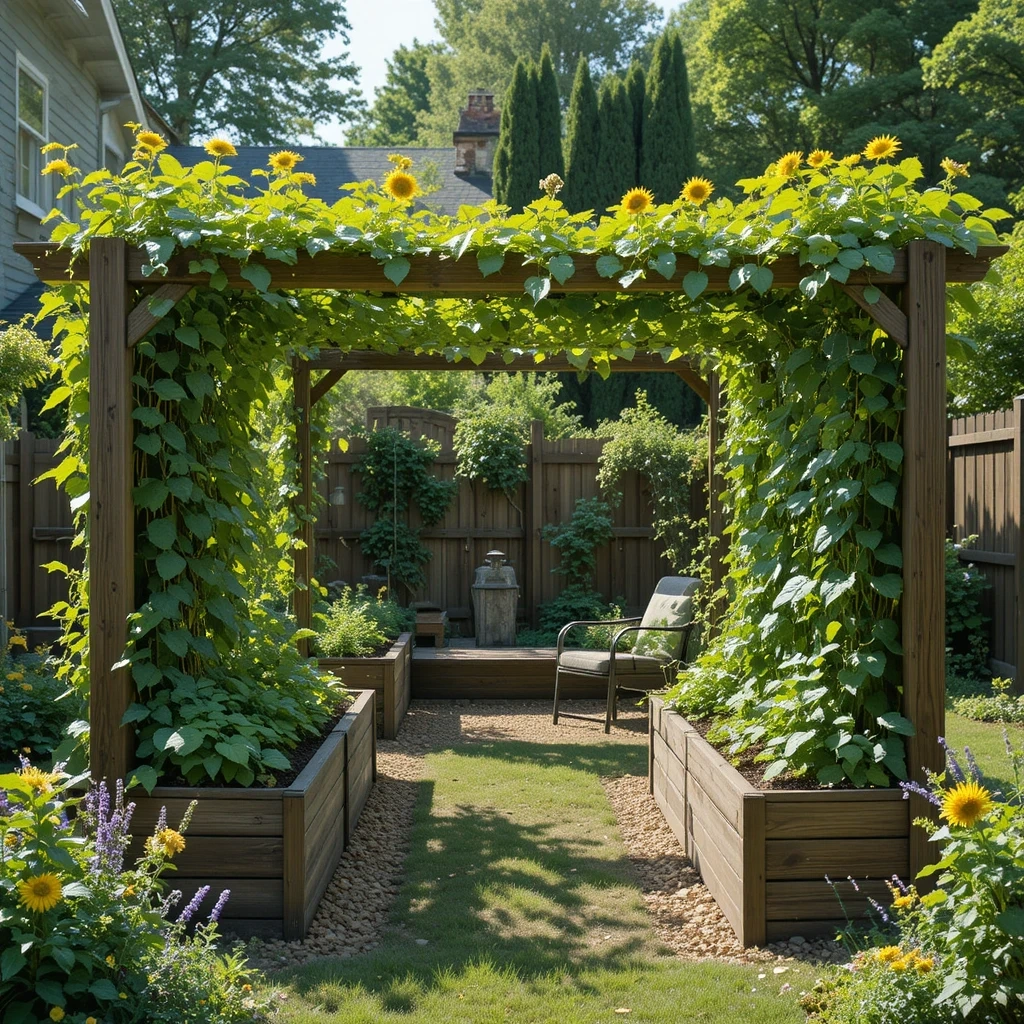
Here’s a shade idea that also feeds your family: tall raised garden beds with vertical trellises planted with climbing vegetables like pole beans, cucumbers, squash, or even sunflowers can create a surprisingly effective natural shade barrier.
This genius approach turns your shade solution into a productive, edible garden — a double win that kids absolutely love (there’s nothing more exciting than harvesting your own vegetables from a living garden wall). Shop on Amazon
How to Style It:
- Build or buy raised beds at least 18 inches tall for visual height impact
- Train climbing plants up bamboo poles or wire mesh panels attached to a sturdy frame
- Mix edible climbers with flowering vines like morning glory for beauty plus productivity
- Place a small kids’ table and chairs in the shaded area at the base
Where to Use It: Along the sunny perimeter of your backyard, beside a patio or play area, or anywhere you want to combine food production with functional shade.
Pro Tip: Grow sunflowers along the south or west edge of your yard — they grow incredibly fast, reach 6–10 feet tall, and the seed heads attract birds in late summer, creating a nature experience kids love.
10. Tiki Hut or Tropical Cabana
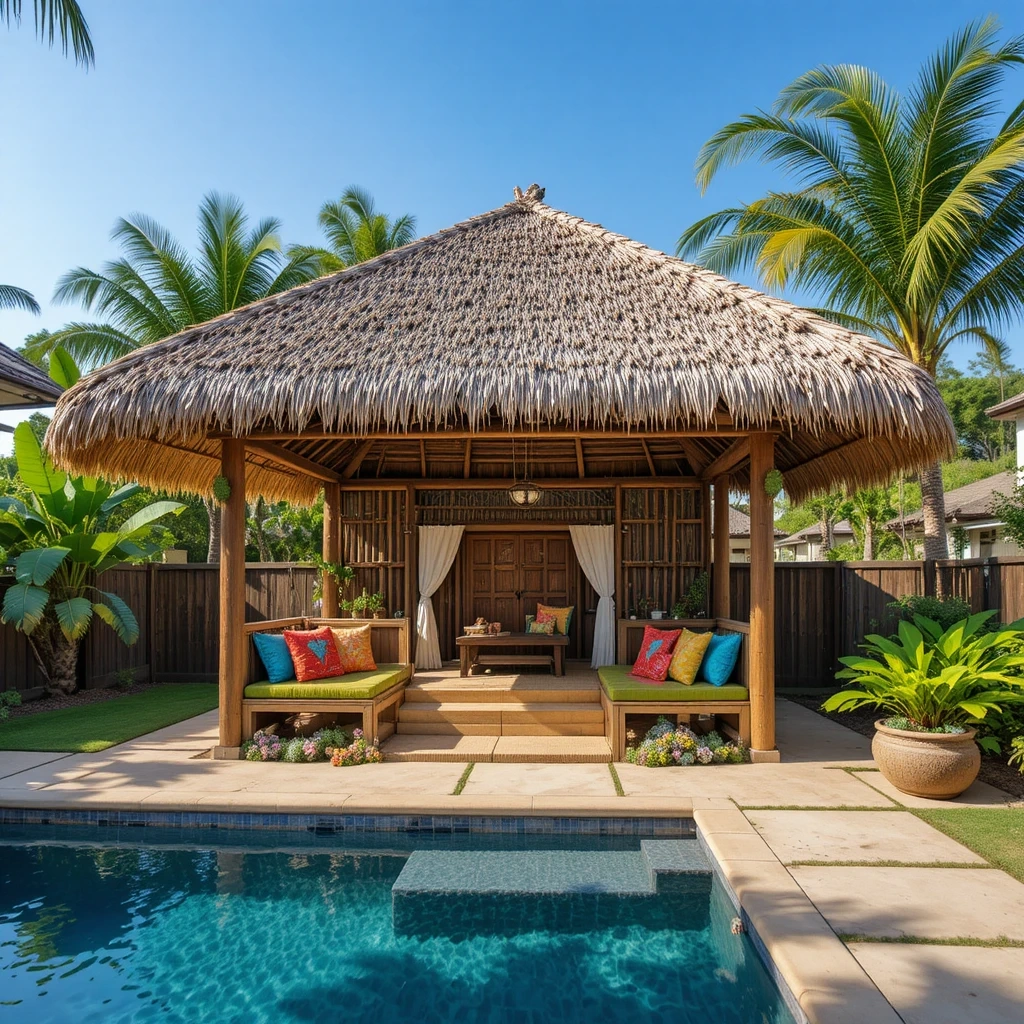
If you’re dreaming of a backyard that feels like a permanent vacation, a tiki hut or tropical-style cabana is your answer. These structures use natural thatched roofing (or synthetic thatching that looks just as beautiful) to create dense, effective shade with an undeniably fun, resort-like atmosphere.
They work equally well as a poolside cabana, simply a shaded hangout zone where kids can cool down after playing in the sun. Shop on Amazon
How to Style It:
- Hang tiki torches around the perimeter for evening atmosphere
- Decorate with tropical throw pillows in bright turquoise, coral, and yellow
- Install a portable outdoor speaker and string Edison bulbs overhead
Where to Use It: Beside a pool, hot tub, or outdoor entertaining area. Works beautifully in warm climates, but synthetic thatch versions hold up even in cooler, rainy regions.
Pro Tip: Synthetic thatched roofing looks just as beautiful as real palm thatch but is fire-resistant, UV-treated, and lasts 15–20 years without rotting, making it far more practical for family backyards.
11. Living Wall or Green Privacy Hedge
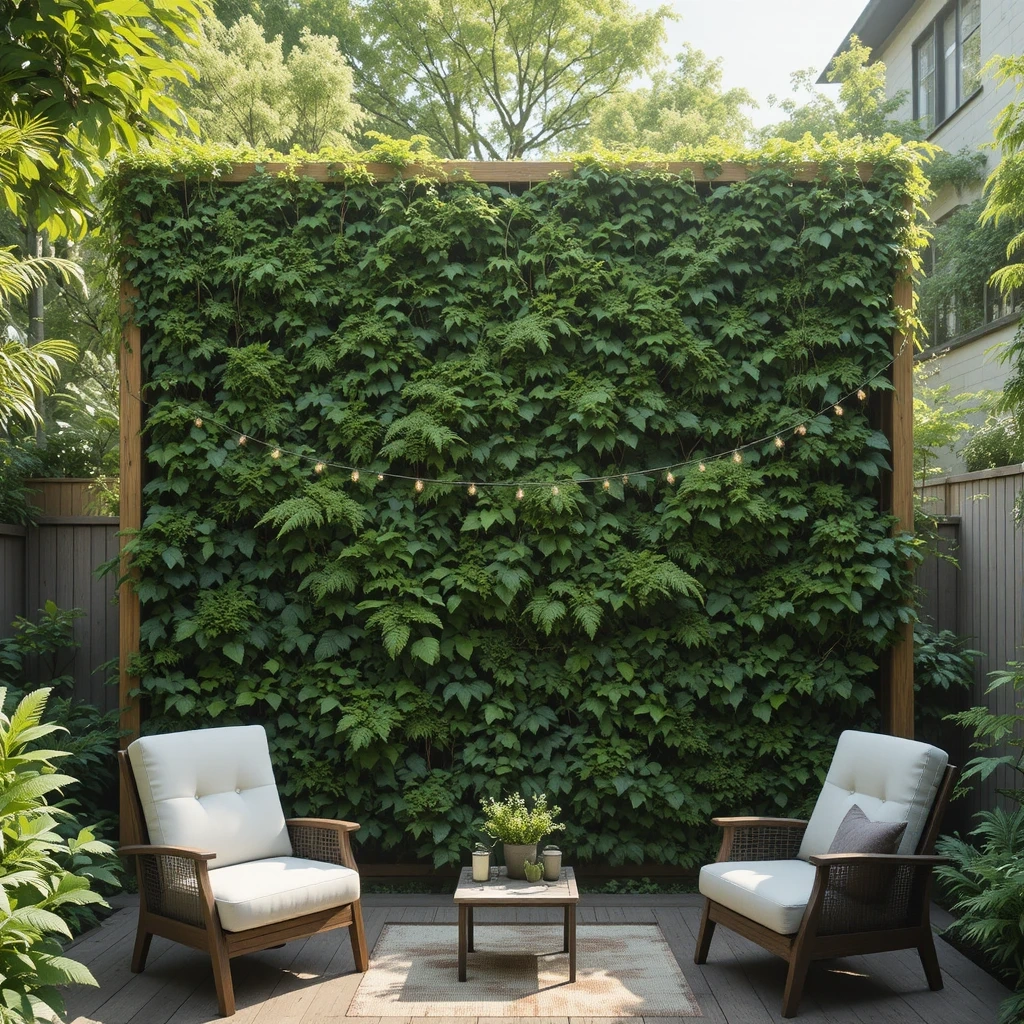
A living wall — also called a green wall or vertical garden — or a dense privacy hedge transforms a plain fence or boundary into a lush, cooling wall of greenery. Beyond their stunning visual impact, plants naturally cool the air around them through transpiration, actively lowering the temperature of the area nearby.
Tall, dense hedges of arborvitae, boxwood, or bamboo can also block harsh direct sun on the west or south side of your yard, creating soft, filtered shade across your outdoor living space. Shop on Amazon
How to Style It:
- Use modular planting panels for an instant, full-coverage green wall effect
- Choose a mix of ferns, pothos, and succulents for a textured, dimensional look
- Add wall-mounted planters at different heights for a dynamic, living art installation
- Light the wall from below with ground spotlights for a dramatic evening effect
Where to Use It: Along a fence line, on a patio wall, behind outdoor seating areas, or anywhere you want privacy AND a cooling, lush green visual.
Pro Tip: For a fast-growing privacy hedge that also provides excellent shade, plant a row of Emerald Green Arborvitae — they grow 3–5 feet per year, stay green year-round, and require minimal pruning.
12. Pool Pergola or Swim Cabana
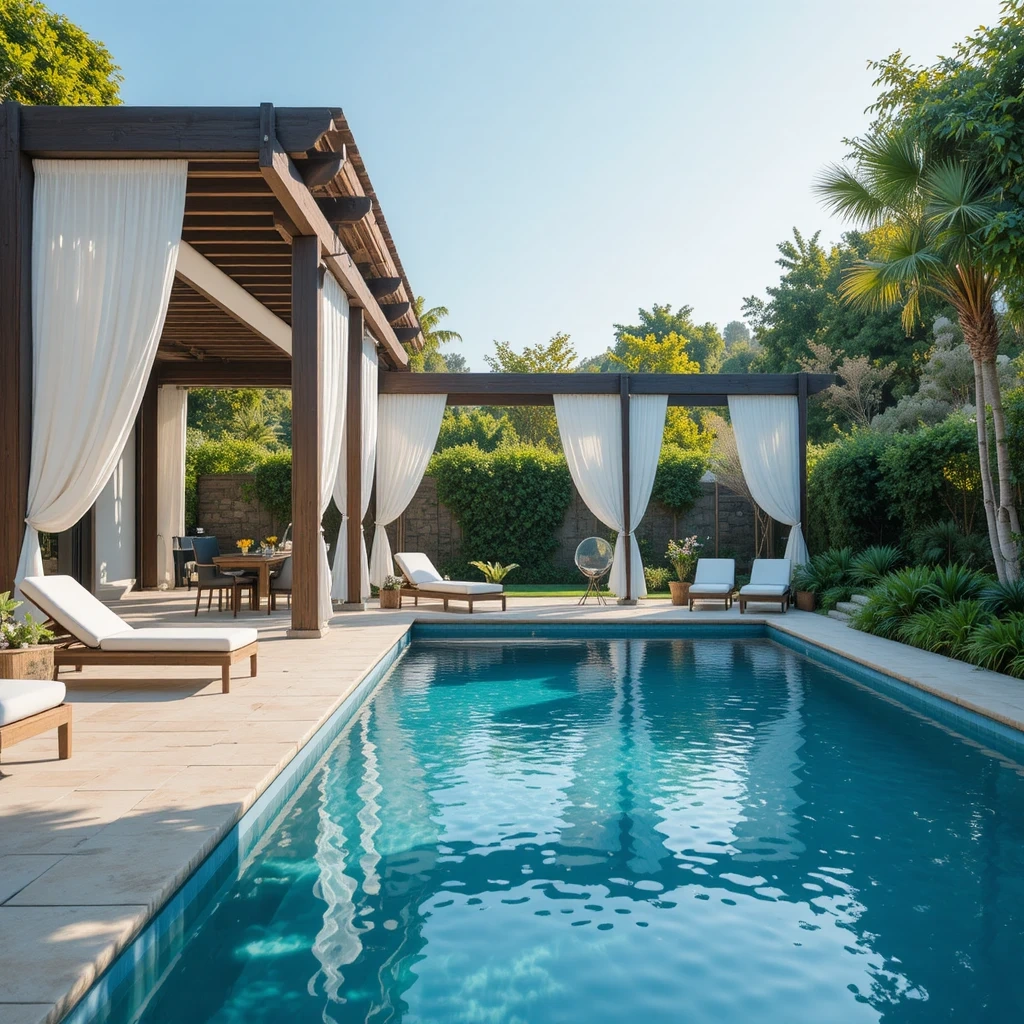
If you have a backyard pool, a dedicated pool pergola or swim cabana is arguably the most practical shade upgrade you can make. It gives swimmers a shaded spot to cool down without going inside, protects younger children from prolonged sun exposure, and creates a beautiful, resort-style focal point in your backyard.
A pool cabana can be as simple as a draped pergola or as elaborate as a fully furnished outdoor room with a mini-fridge, outdoor shower, and changing area. Shop on Amazon
How to Style It:
- Install a ceiling fan in the pergola or cabana for active airflow
- Use waterproof, quick-dry fabric cushions in ocean-inspired blues and whites
- Grow tall potted ornamental grasses or palms around the perimeter for natural framing
Where to Use It: On the long side of a pool, at one end for a diving/lounging zone, or positioned to block the harsh afternoon western sun from hitting the pool deck.
Pro Tip: Face your pool cabana toward the north if possible so it always casts shade onto the deck and pool area throughout the afternoon — the peak sun exposure hours.
BONUS: 13. Hammock Canopy Stand
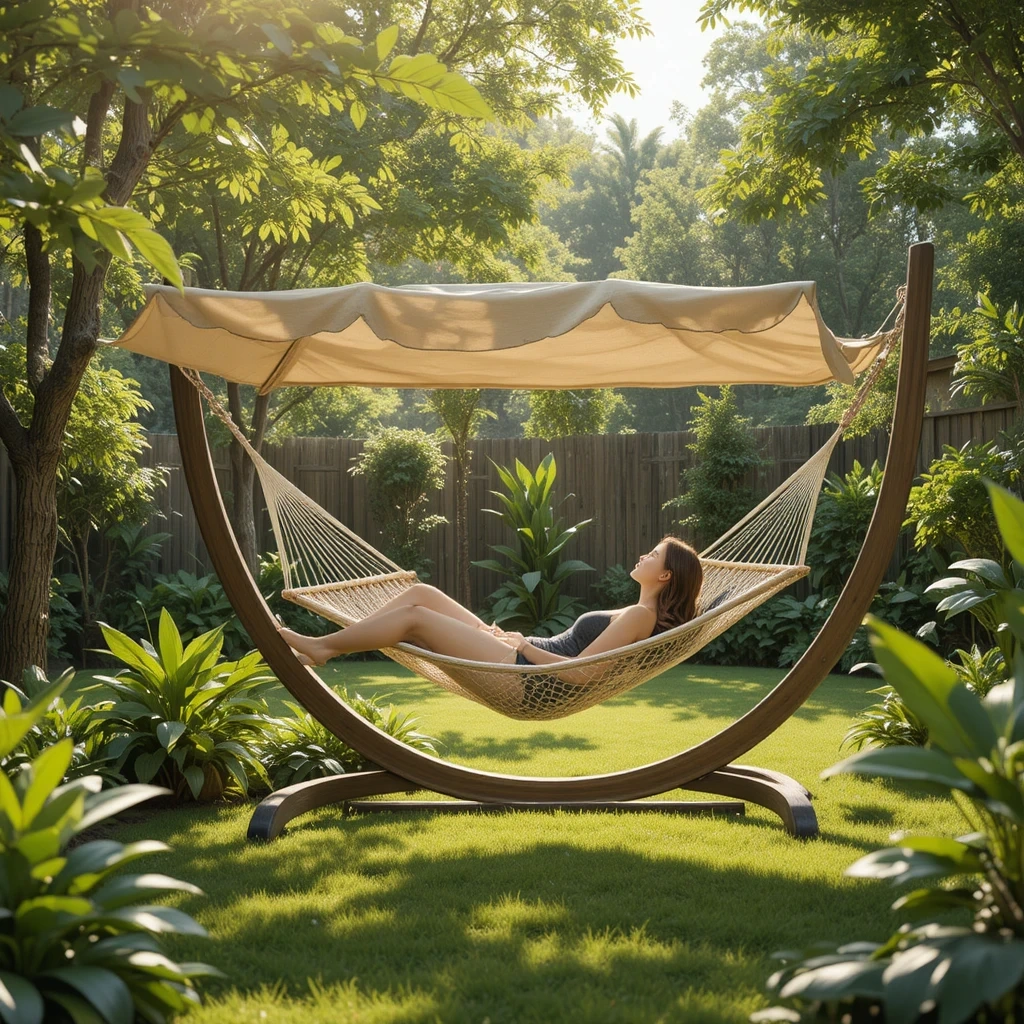
Sometimes the simplest shade idea is also the most beloved by the whole family. A freestanding hammock with its own built-in canopy shade cover combines relaxation with UV protection in one irresistible backyard feature.
Modern hammock stands come in beautiful wood, steel, and rope designs that look intentional and stylish — not like an afterthought. They’re also completely portable, so you can chase the shade around your yard as the sun moves throughout the day. Shop on Amazon
How to Style It:
- Choose a hammock in natural cotton or woven rope for a relaxed boho aesthetic
- Layer with colorful outdoor throw pillows and a soft blanket for evening use
- Place a small side table or tree stump nearby for drinks and books
- Surround with potted flowering plants for a secret garden feel
Where to Use It: Anywhere in the yard with at least 14 feet of clear space. Works beautifully under existing trees, beside a garden border, or as a standalone relaxation zone.
Pro Tip: Look for hammock canopy covers with a UPF 50+ rating and ventilation panels at the top — they provide real sun protection while still allowing a light breeze through to keep you cool.
Quick Shade Ideas Comparison Table
| Idea | Best For | Budget Range | Permanence | Kid-Friendly |
|---|---|---|---|---|
| Pergola + Climbing Plants | Dining & entertaining | $500–$5,000 | Permanent | ✅ |
| Patio Umbrella | Flexible, quick shade | $50–$800 | Portable | ✅ |
| Shade Sail | Large open areas | $80–$500 | Semi-permanent | ✅ |
| Retractable Awning | Off the house | $800–$3,500 | Permanent | ✅ |
| Shade Trees | Whole yard cooling | $50–$500 | Permanent | ✅ |
| Gazebo / Pavilion | Outdoor room | $300–$8,000 | Permanent | ✅ |
| Pop-Up Canopy | Events & play areas | $40–$300 | Portable | ✅ |
| Bamboo Screens | Privacy + shade | $30–$200 | Semi-permanent | ✅ |
| Garden Trellis + Vines | Edible + functional | $50–$400 | Semi-permanent | ✅ |
| Tiki Hut / Cabana | Tropical entertaining | $500–$5,000 | Permanent | ✅ |
| Living Wall / Hedge | Natural + cooling | $100–$2,000 | Permanent | ✅ |
| Pool Pergola | Poolside shade | $800–$6,000 | Permanent | ✅ |
| Hammock Canopy Stand | Relaxation | $80–$500 | Portable | ✅ |
Common Mistakes to Avoid
1. Ignoring the Sun’s Path The most common shade mistake is placing a structure in a spot that’s only shady for part of the day. Study where the sun hits your yard in the morning, at noon, and in the afternoon (typically the hottest period is 12 PM–4 PM). Use a free sun path app to map this before committing to any permanent installation.
2. Choosing the Wrong Size Too small, and the shade structure doesn’t actually cover your seating area. A patio umbrella that only covers two out of six chairs is practically useless. Always measure your space first and size up — you can always add curtains or screens to reduce coverage, but you can’t add square footage to a structure that’s already installed.
3. Skipping UV Protection Ratings Not all shade fabrics block UV rays equally. A decorative canopy that looks solid can still let through 30–50% of UV radiation. Look for shade structures made with UV-blocking fabrics rated UPF 30 minimum (UPF 50+ is ideal for kids). Never assume that shade alone prevents sunburn — always combine shade with sunscreen.
4. Forgetting About Airflow A fully enclosed shade structure with no ventilation can feel like an oven on a hot, still day. Choose designs with open sides, ventilation panels, or ceiling fans to ensure air can move through the shaded space. This is especially important for gazebos and enclosed cabanas.
5. Not Anchoring Properly A shade sail or umbrella that tips over in a breeze is both a safety hazard and a financial loss. Always anchor structures appropriately — use concrete footings for permanent posts, weighted bases for umbrellas, and proper stakes for canopy tents. This is especially critical in yards where children play.
6. Choosing Plants That Are Toxic to Kids or Pets If you’re adding climbing plants to a pergola or trellis, always check the toxicity of the plant first. Wisteria pods, for example, are toxic if eaten. Choose family-safe options like hops, climbing cucumbers, sweet potato vine, or climbing hydrangea near areas where children play.
7. Neglecting Maintenance Fabric shade structures need seasonal cleaning and storage in harsh winters. Wooden pergolas need periodic sealing or staining. Living hedges need trimming. Before installing any shade solution, honestly assess the maintenance commitment involved and choose something you’ll actually take care of.
Frequently Asked Questions
Q: What is the cheapest way to add shade to a backyard? A: Shade sails and patio umbrellas offer the best combination of effectiveness and affordability, with quality options starting around $50–$150. For a completely free option, strategic planting of fast-growing shade trees is a long-term investment with zero annual cost once established.
Q: Which backyard shade idea is best for kids? A: Pop-up canopies, shade sails over play areas, and pergolas with climbing plants are all excellent for families with children. Look for UPF 50+ rated fabrics and always ensure structures are properly anchored to prevent tipping accidents.
Q: How much shade do I need over a patio? A: Ideally, your shade structure should extend at least 2 feet beyond the perimeter of your seating or dining area. This prevents harsh angled sun from hitting guests’ faces and provides effective coverage as the sun moves throughout the day.
Q: Do shade trees really make a significant difference? A: Absolutely. A well-placed mature shade tree can reduce the temperature beneath its canopy by 10–15°F compared to a fully exposed area. Additionally, trees shading your home’s windows and walls can reduce air conditioning costs by up to 25%.
Q: Can I combine multiple shade solutions? A: Yes — and this is often the best approach! Many backyard designers combine a permanent structure (like a pergola or gazebo) for the primary entertaining area with portable options (like shade sails or umbrellas) for play areas and pool decks. Layering shade solutions gives you maximum flexibility.
Q: What shade solution is best for hot, sunny climates? A: In very hot climates (like the American Southwest, Southern Europe, or the Middle East), look for maximum coverage and maximum UV blocking. Solid-roofed gazebos, dense shade sails with 90%+ UV blocking, and mature shade trees all perform better than open pergolas in extreme heat. Pair with misters or evaporative coolers for additional temperature relief.
Q: How do I choose between a pergola and a gazebo? A: Choose a pergola if you want an open, airy structure that defines a space without fully enclosing it — they’re great for growing climbing plants and feel more integrated with the garden. Choose a gazebo if you want complete roof coverage and protection from light rain, making it usable in more weather conditions.
Q: Are shade sails waterproof? A: Most shade sails are water-resistant but not fully waterproof — they’re designed to block UV rays and filter sun, with small pores that allow some water through. For full rain protection, choose a waterproof gazebo, retractable awning, or solid-roofed structure.
Final Thoughts: Create Your Perfect Shaded Backyard
A shaded backyard isn’t a luxury — for families with kids, it’s a health and comfort essential. The right shade solution means more time spent outdoors, more spontaneous afternoon play sessions, more relaxed weekend gatherings, and far less worry about sun exposure.
Whether you start with a $60 shade sail this weekend or commit to a full pergola-and-climbing-plants project this season, every step toward a shadier backyard is a step toward a space your whole family will actually love spending time in.
Pick the idea that matches your budget, your style, and your family’s needs — and start creating your backyard paradise today.