10 Smart Trellis Ideas for Privacy in Beautiful Outdoor Spaces
If you’ve been dreaming of a backyard where the whole family can relax without feeling like the neighbors are watching, a privacy trellis might be the perfect solution. Unlike solid fences, trellises bring life, texture, and a natural charm to your outdoor space while still giving you the coverage you need.
The best part is that trellis Ideas for privacy screens work for yards of all shapes and sizes — whether you have a sprawling garden, a compact patio, or a cozy balcony. From climbing roses to fast-growing vines, there are so many ways to customize a trellis that fits your style, your budget, and your family’s needs.
10 Modern Trellis Ideas for Privacy for Clean Garden Design
1. Classic Wood Lattice Trellis with Climbing Vines
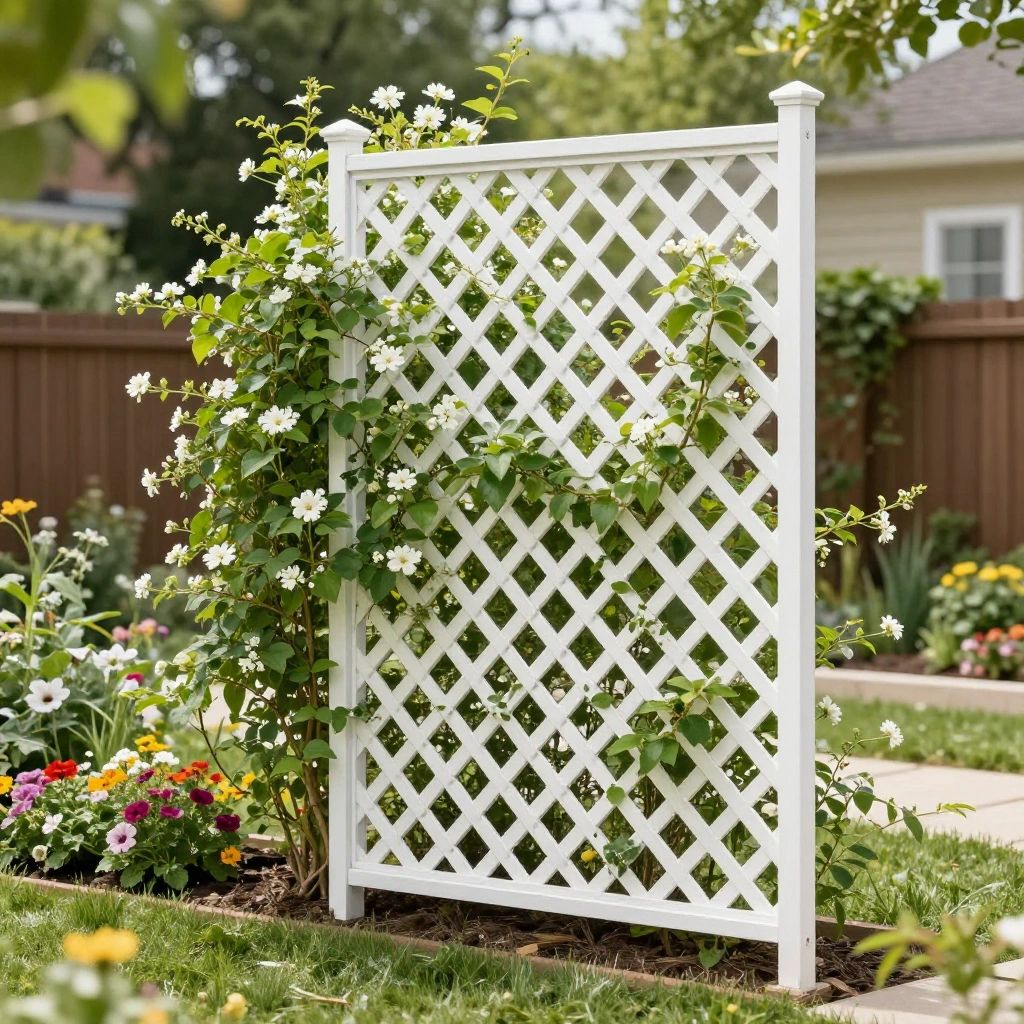
A wooden lattice trellis is the timeless go-to for backyard privacy. The crisscross pattern gives climbing plants like clematis, jasmine, or ivy the perfect structure to weave through, creating a lush living wall over time. Painted white or stained in a warm cedar tone, it instantly elevates any outdoor space. Shop on Amazon
How to Style It:
- Paint the trellis white or soft sage green to complement garden plants
- Pair with climbing jasmine or clematis for fragrant coverage
- Add a flower bed at the base to frame the bottom of the trellis
- Use fairy lights woven through the lattice for evening ambiance
Where to Use It: Along fence lines, behind a patio seating area, or as a divider between two sections of the garden.
Pro Tip: Choose cedar or pressure-treated wood for the longest lifespan outdoors — it resists rot and insects without needing constant maintenance.
2. Metal Arched Trellis Screen
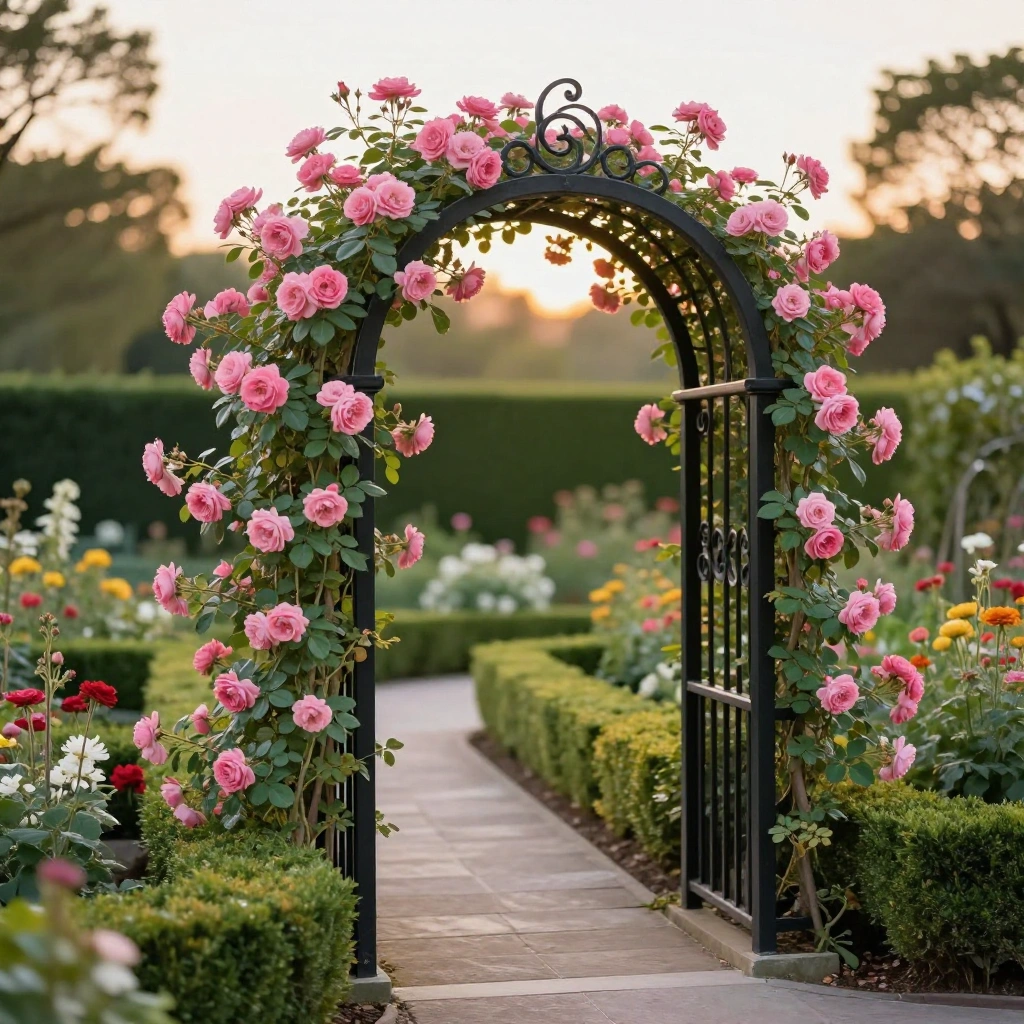
For a more modern or cottage-garden look, a curved metal trellis adds elegance and structure. Arched trellises work beautifully as standalone privacy screens or as an entrance feature that frames a garden path. Train roses or wisteria over the top and down the sides for a storybook effect the whole family will love. Shop on Amazon
How to Style It:
- Choose a matte black or antique bronze finish for a timeless look
- Plant climbing roses or wisteria at the base on both sides
- Position at garden entrances to create a sense of arrival and enclosure
- Add potted topiaries on either side to anchor the base
Where to Use It: Garden pathways, patio entrances, or as a focal point dividing front and back yard areas.
Pro Tip: Metal trellises last for decades — just apply a rust-resistant spray paint every couple of years to keep them looking sharp.
3. Bamboo Trellis Panel Wall
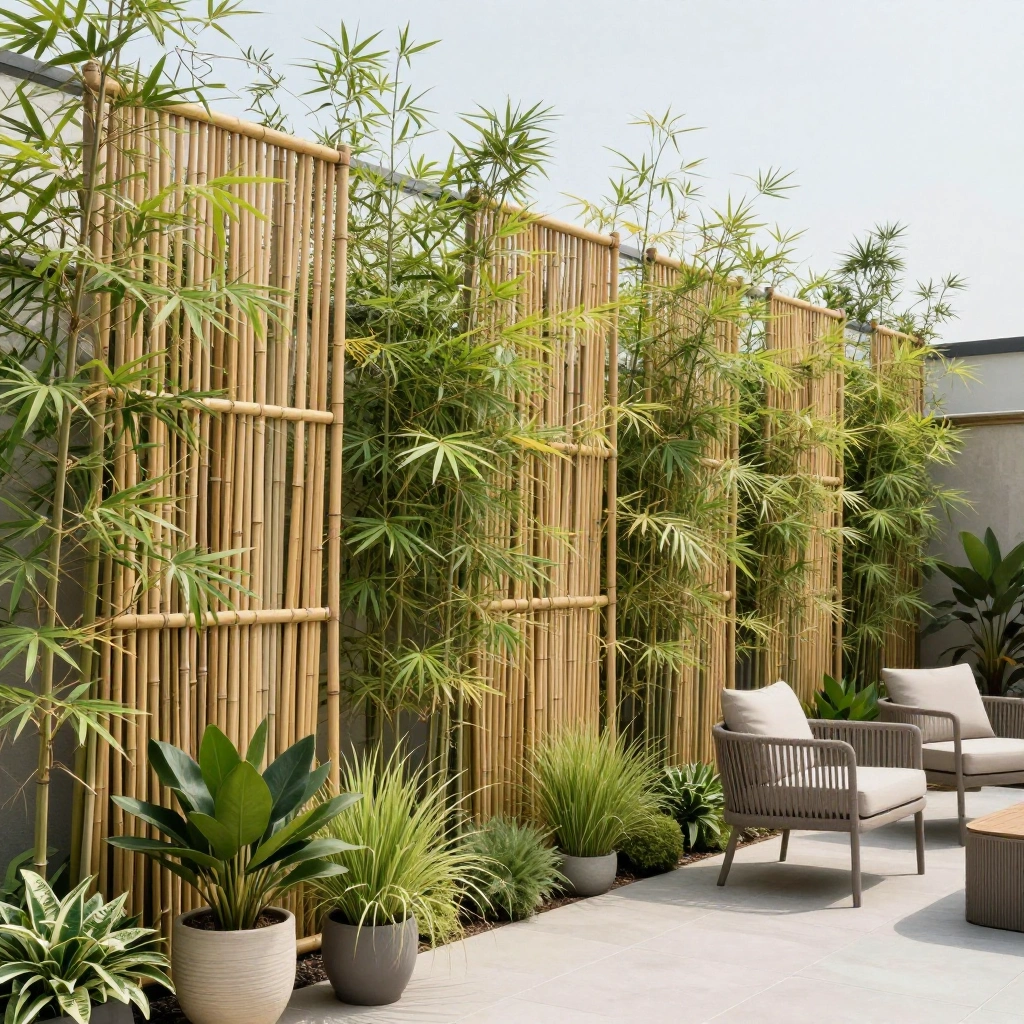
Bamboo trellis panels bring a natural, spa-like feel to any outdoor space. They work exceptionally well as freestanding privacy screens for patios, decks, or pool areas. Bamboo has a warm golden tone that pairs beautifully with tropical plants, ornamental grasses, and zen-inspired garden décor. Shop on Amazon
How to Style It:
- Line up multiple bamboo panels side by side to create a continuous privacy wall
- Place large potted tropical plants (like bird of paradise) in front for depth
- Add solar-powered lanterns along the top edge for an evening glow
- Pair with natural wood furniture to create a cohesive outdoor theme
Where to Use It: Pool surrounds, deck privacy screens, patio dividers, or balcony barriers.
Pro Tip: Treat bamboo panels with a UV-resistant sealant every season to prevent cracking and fading in direct sun.
4. Vertical Garden Trellis Wall
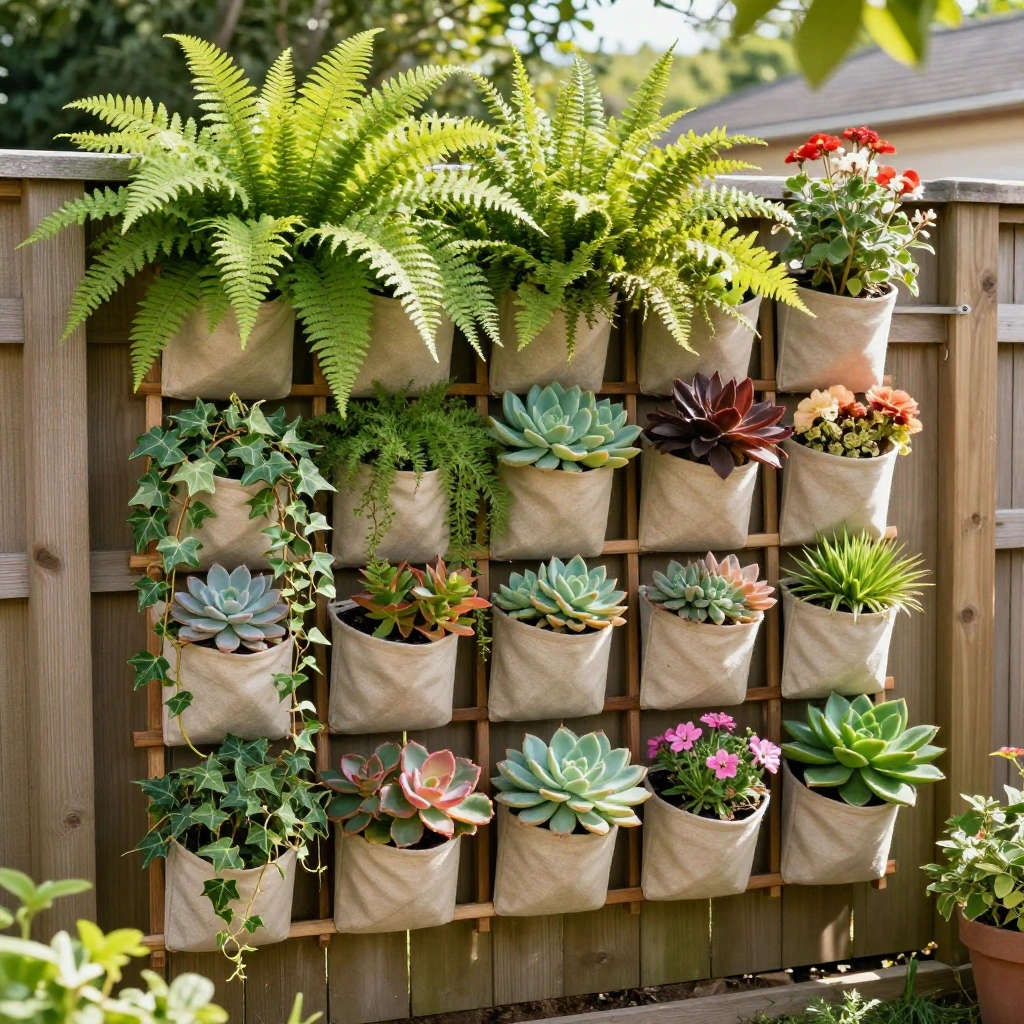
Why stop at plants growing through a trellis when you can turn the trellis itself into a vertical garden? Wall-mounted pocket planters attached to a trellis frame let you grow herbs, ferns, succulents, or trailing flowers at multiple heights — creating a dense, gorgeous privacy feature that doubles as a living work of art. Shop on Amazon
How to Style It:
- Use a mix of textures — trailing ivy, bushy ferns, and colorful blooms
- Include a row of herb planters at reachable height for a kitchen garden feel
- Choose a bold-colored trellis frame (deep green or charcoal) to make plants pop
- Incorporate drip irrigation tubing for easy, low-maintenance watering
Where to Use It: Small patios, narrow side yards, apartment balconies, or as a feature wall behind outdoor dining areas.
Pro Tip: Start with hardy, drought-tolerant plants like succulents or creeping Jenny while the structure gets established — then add more delicate plants once you’ve got the watering routine down.
5. Rustic Reclaimed Wood Trellis
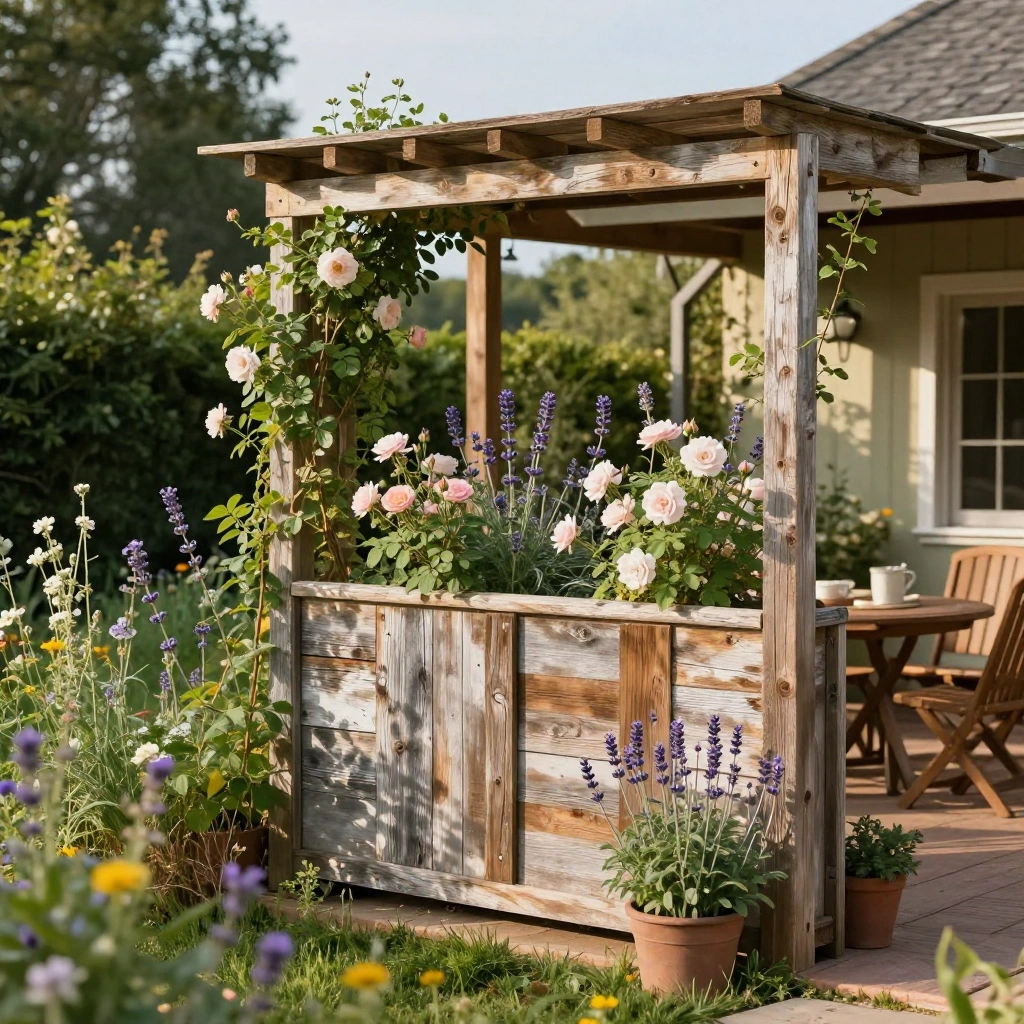
A trellis built from reclaimed or weathered wood brings a charming farmhouse-style vibe to your backyard. The naturally aged look of salvaged timber creates a warm, lived-in feel that pairs beautifully with wildflower gardens, cottage-style planting, and rustic outdoor furniture. This is a great eco-friendly option too. Shop on Amazon
How to Style It:
- Leave the wood unsealed for a naturally distressed, weathered look
- Grow cottage favorites like climbing roses, sweet peas, or morning glories
- Add vintage garden accessories like old watering cans or lanterns nearby
- Plant lavender along the base for fragrance and bee-friendly appeal
Where to Use It: Country-style gardens, cottage garden settings, backyard borders, or as a backdrop for an outdoor seating area.
Pro Tip: Even reclaimed wood benefits from a weather sealant applied to the base posts before installing — it prevents ground moisture from rotting the supports too quickly.
6. Modular Freestanding Trellis Panels
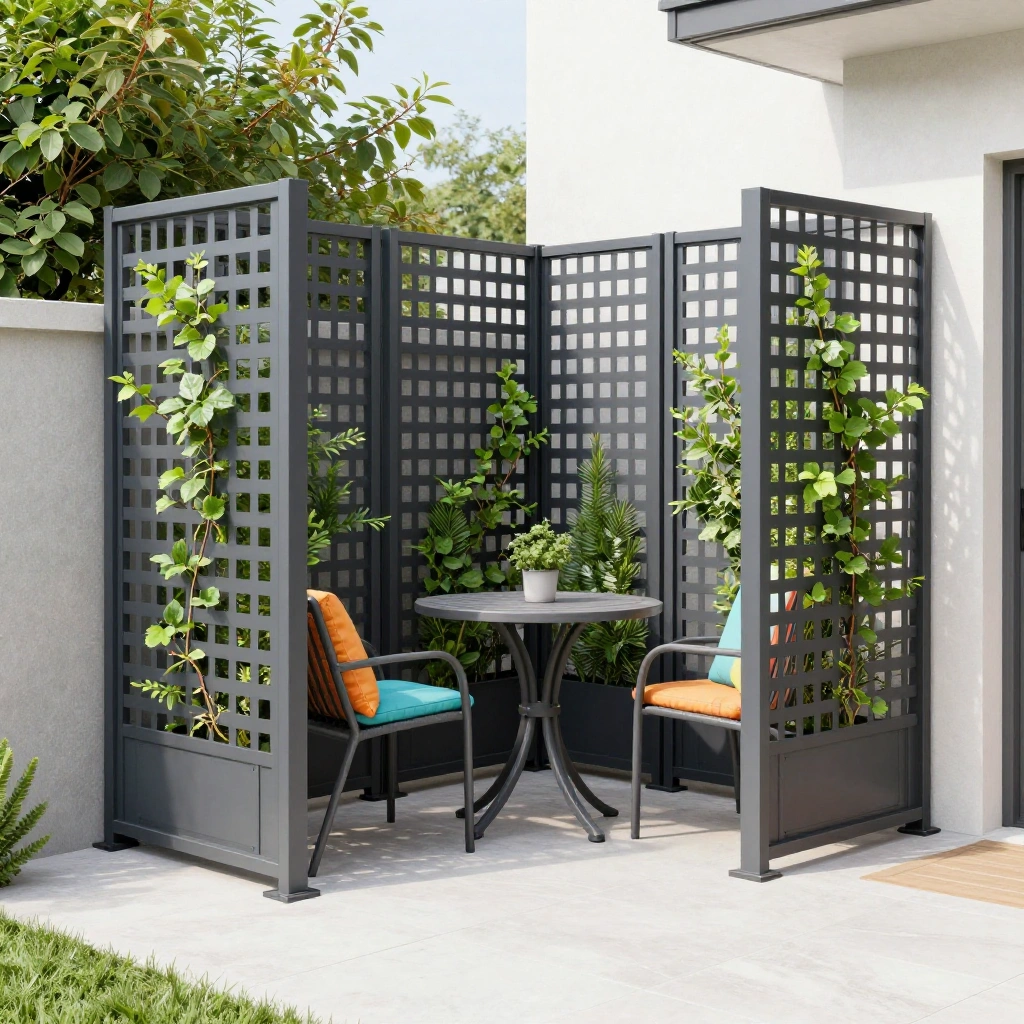
Modular trellis panels are a game-changer for renters, those who move frequently, or anyone who wants flexibility. These freestanding, connected panels can be arranged in a straight line, an L-shape, or even a U-shape to create a semi-enclosed private nook. No digging, no drilling — just set them up and enjoy. Shop on Amazon
How to Style It:
- Arrange in an L-shape or U-shape to create a semi-private outdoor room
- Grow fast-climbing annuals like morning glory or black-eyed Susan vine for quick coverage
- Use weighted bases or fill post bases with sand for stability without digging
- Mix panel heights for a layered, interesting silhouette
Where to Use It: Rental properties, apartment patios, temporary setups for outdoor events, or any space where permanent installation isn’t possible.
Pro Tip: Look for panels with interlocking connectors rather than zip ties — they’re sturdier and look much cleaner in the finished setup.
7. Espalier Fruit Tree Trellis
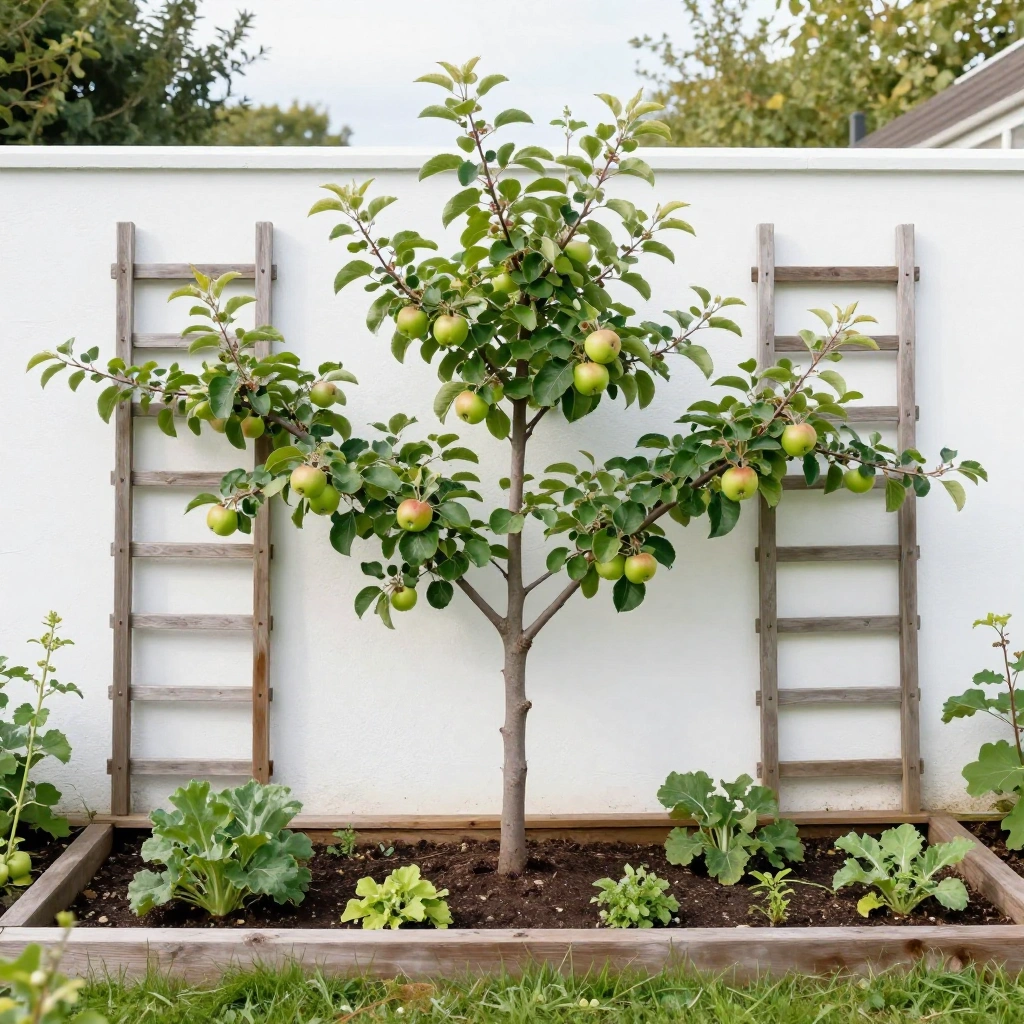
One of the most beautiful and productive privacy trellis ideas, espalier involves training fruit trees — like apple, pear, or fig — flat against a trellis framework. Over a few years, the branches fill in to create a living, fruiting privacy wall that’s completely unique to your garden. It’s a wonderful family project too! Shop on Amazon
How to Style It:
- Choose a sturdy trellis with horizontal wire or wooden rails for the branches to rest on
- Train branches gradually with soft garden ties — never force them
- Plant at least two varieties of the same fruit for cross-pollination and better harvests
- Underplant with strawberries or low-growing herbs to maximize the space
Where to Use It: Along south- or west-facing walls, kitchen garden boundaries, or as a productive divider between garden zones.
Pro Tip: This is a long-term project — expect 3–5 years before you have full coverage. Choose dwarf or semi-dwarf rootstocks to keep the tree manageable.
8. Willow Weave Trellis Screen
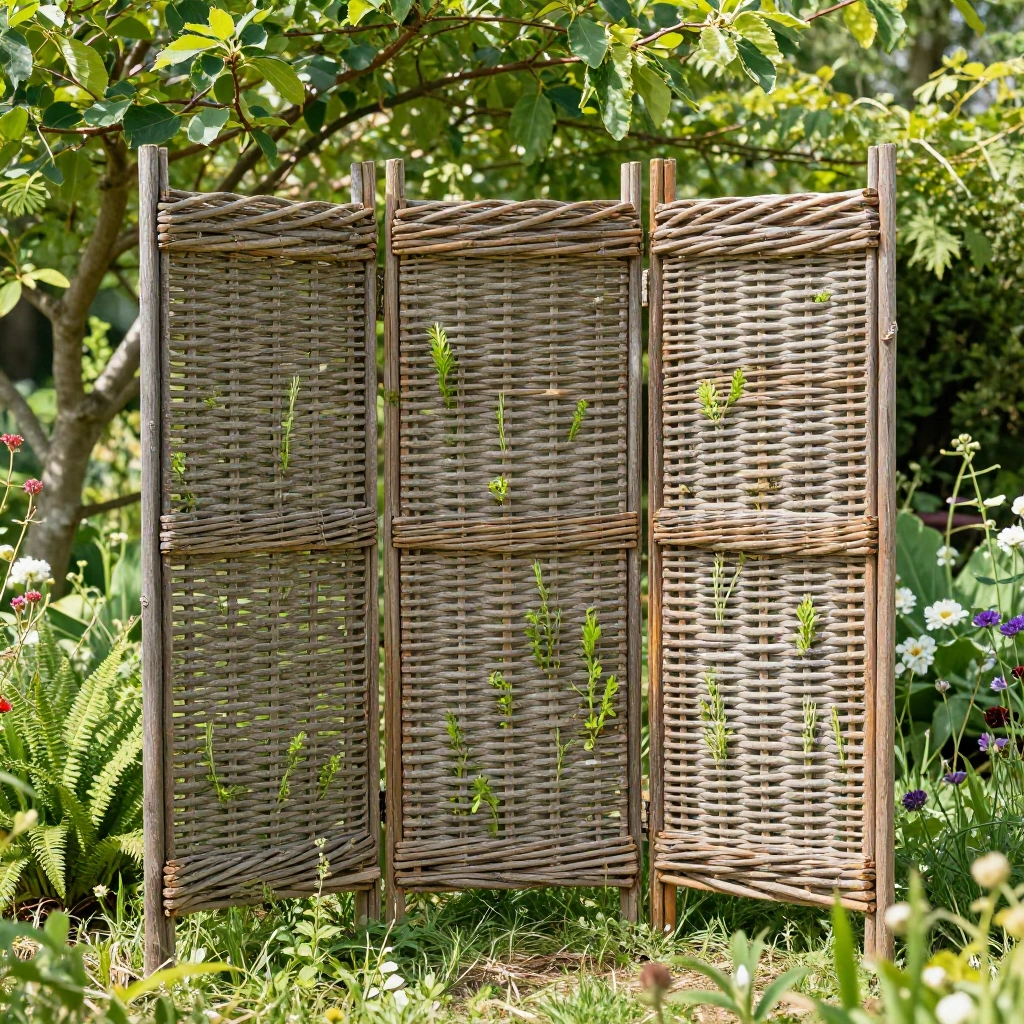
A woven willow trellis screen has a magical, fairy-tale quality that kids especially adore. Flexible willow rods are woven into stunning patterns that provide excellent privacy while looking completely at home in a natural garden setting. The great news is that live willow can actually sprout and root, turning your trellis into a living screen over time! Shop on Amazon
How to Style It:
- Use living willow rods that will sprout and grow for a truly evolving structure
- Leave space between rods to allow climbing plants to weave in naturally
- Position in a damp area of the garden where willow naturally thrives
- Add lanterns or wind chimes nearby to enhance the whimsical feel
Where to Use It: Natural wildlife gardens, children’s garden play areas, cottage garden settings, or beside a garden pond.
Pro Tip: If using live willow, harvest or purchase rods in late winter/early spring when they’re most likely to successfully take root.
9. Pergola-Style Overhead Trellis for Full Enclosure
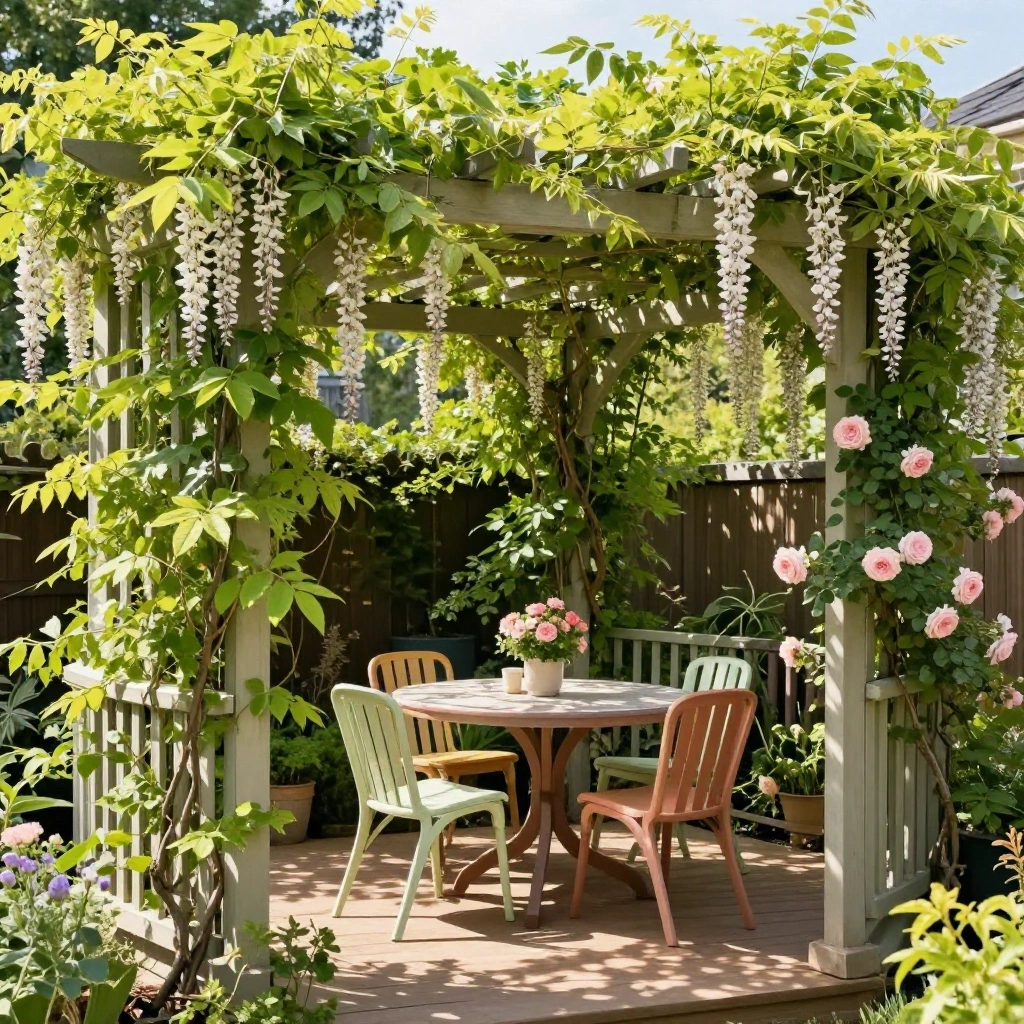
For maximum privacy — from the sides and above — a pergola-style trellis offers an incredible outdoor living experience. By adding side trellis panels to a pergola structure and growing vines over the roof, you create a naturally shaded, fully enclosed outdoor room. It’s perfect for family dining, play areas, or a quiet reading corner. Shop on Amazon
How to Style It:
- Grow wisteria or climbing hydrangea over the roof for stunning seasonal displays
- Add side panels with lattice or wire for climbing plants to screen the edges
- Hang string lights from the roof beams for magical evening ambiance
- Include outdoor rugs and cushions to make the space feel like an extension of your home
Where to Use It: Outdoor dining areas, play zones for children, backyard entertaining spaces, or as a sheltered reading or meditation nook.
Pro Tip: Ensure your pergola posts are sunk at least 2 feet into the ground (or concreted in) to support the weight of heavy climbing plants like wisteria as they mature.
10. Painted Geometric Trellis Screen
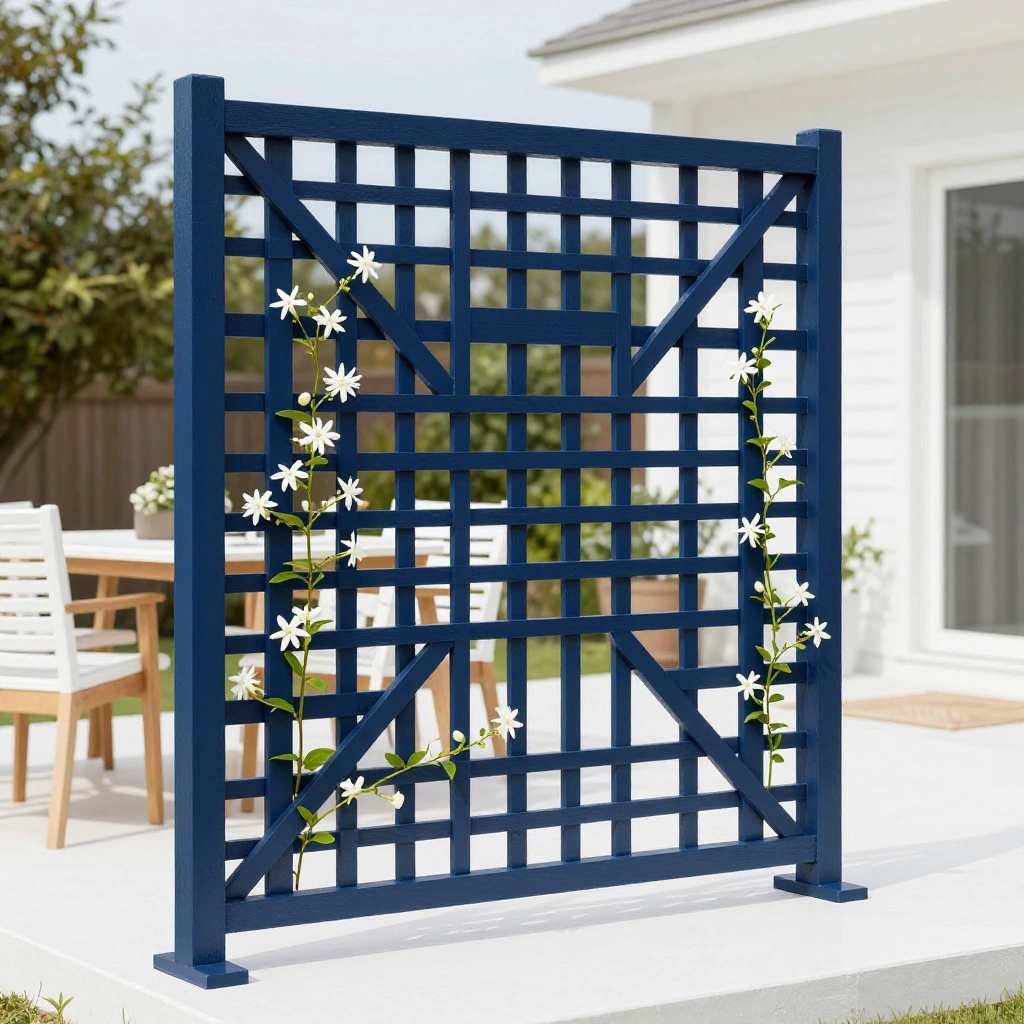
Who says a privacy trellis has to be traditional? A boldly painted trellis with a geometric pattern turns a functional privacy screen into a striking piece of garden art. Think chevron, hexagonal, or diamond patterns in colors that match your outdoor furniture or garden palette. It’s the perfect option for modern or contemporary gardens. Shop on Amazon
How to Style It:
- Choose 1–2 bold accent colors that complement your overall garden palette
- Use the trellis as a backdrop for potted plants arranged in a graduated height display
- Allow a light, delicate climber like star jasmine to grow through without hiding the pattern
- Frame the edges with sleek rectangular planters for a finished, contemporary look
Where to Use It: Modern patios, urban roof terraces, contemporary garden designs, or as a statement wall behind an outdoor sofa or lounge area.
Pro Tip: Use exterior-grade chalk paint for rich, matte color that holds up to weather — it’s easier to touch up than gloss paint and gives a beautiful artisan finish.
Quick Comparison: Which Trellis Idea Is Right for You?
| Trellis Style | Best For | Maintenance Level | Privacy Speed |
|---|---|---|---|
| Classic Wood Lattice | Traditional gardens | Medium | Medium |
| Metal Arched Screen | Cottage or modern gardens | Low | Slow |
| Bamboo Panel Wall | Patios and decks | Low–Medium | Instant |
| Vertical Garden Wall | Small spaces, balconies | Medium–High | Instant |
| Reclaimed Wood | Farmhouse/rustic gardens | Low | Medium |
| Modular Freestanding | Renters, flexible setups | Low | Instant |
| Espalier Fruit Tree | Productive gardens | High | Slow |
| Willow Weave Screen | Natural/wildlife gardens | Medium | Medium |
| Pergola-Style Enclosure | Full outdoor rooms | Medium | Medium |
| Painted Geometric | Modern/urban gardens | Low–Medium | Instant |
Common Mistakes to Avoid
Choosing the wrong plant for your trellis. Not all climbing plants are well-behaved. Wisteria and Virginia creeper are beautiful but grow aggressively — they can damage wood trellises or overwhelm smaller structures. Match the plant’s vigor to the strength of your trellis.
Skipping proper post depth. A freestanding trellis that wobbles or falls in the first strong wind is both frustrating and potentially dangerous. Always sink posts at least 18–24 inches into the ground, or use concrete for taller structures.
Planting too close to the base. It’s tempting to plant right at the foot of the trellis for fast coverage, but plants need room for their roots. Leave at least 12 inches between the wall or fence and the planting hole so roots aren’t cramped.
Forgetting about light. A solid trellis covered in dense plants can cast significant shade. Before installing, consider what’s on the other side — you don’t want to accidentally block light from a vegetable patch, flower bed, or window.
Choosing poor-quality materials. Budget trellises made from thin, untreated softwood or low-grade metal may look great initially but will warp, rot, or rust within a season or two. Investing a little more upfront means you won’t be replacing the whole thing in two years.
Not securing climbing plants early. Young climbing plants need guidance. If you don’t tie new growth loosely to the trellis in the early stages, plants can grow away from the structure rather than up it — leaving you with a sprawling mess rather than a tidy privacy screen.
Frequently Asked Questions
What is the fastest-growing climbing plant for trellis privacy? Annual climbers like morning glory and black-eyed Susan vine can cover a trellis in a single season. For perennials, fast-growing options include Virginia creeper, climbing hydrangea, and some varieties of clematis. Keep in mind that very fast-growing plants may need more regular pruning to stay manageable.
How tall should a privacy trellis be? For most backyard privacy needs, a trellis between 5 and 7 feet tall is ideal. This provides line-of-sight privacy from standard fence height while still allowing airflow and light into the garden. For pool areas or raised decks, you may want to go up to 8 feet.
Can I install a privacy trellis without digging? Yes! Freestanding modular trellis systems with weighted bases are a great option if you can’t or don’t want to dig. Wall-mounted trellis panels are another alternative for patios and decks. Just make sure freestanding options are well-secured so they don’t topple in the wind.
Are trellis privacy screens better than solid fences? It depends on your goals. Solid fences offer complete privacy immediately, but trellises with plants often look better over time and create habitat for birds and pollinators. They also tend to be more wind-resistant because they allow some airflow rather than acting as a solid barrier.
How do I keep a wooden trellis from rotting? Use cedar, redwood, or pressure-treated timber, which are naturally more rot-resistant. Seal the wood annually with an exterior wood preservative, and make sure the base posts are either set in concrete or have metal post bases that keep the wood off the ground where moisture collects.
What climbing plants are safe and family-friendly? Excellent family-friendly choices include clematis, climbing roses (choose thornless varieties if you have young children), star jasmine, sweet peas, and honeysuckle. Avoid plants like deadly nightshade or some euphorbias, which can be toxic if ingested — always check before planting in a family garden.
Can a trellis work in a small garden or on a balcony? Absolutely. Compact modular panels, wall-mounted lattice, and vertical garden trellises are all perfect for small spaces. Choose slimline posts and opt for lighter, less vigorous plants like star jasmine or small-flowered clematis that won’t overwhelm a smaller area.