10 Creative Floating Shelves Ideas for Modern Home Decor
Floating shelves are one of the most versatile and budget-friendly ways to upgrade your home’s look and organization. Whether you want to display cherished family memories, store everyday essentials, or add a touch of personality to a blank wall, floating shelves do the job beautifully — without taking up any floor space.
From minimalist modern styles to cozy farmhouse vibes, there is truly a floating shelf idea for every room and every family. In this guide, you will discover 10 creative and practical floating shelf ideas, each packed with styling tips, placement suggestions, and expert advice to help you get the most out of every inch of your wall.
1. The Classic Living Room Gallery Wall Shelf
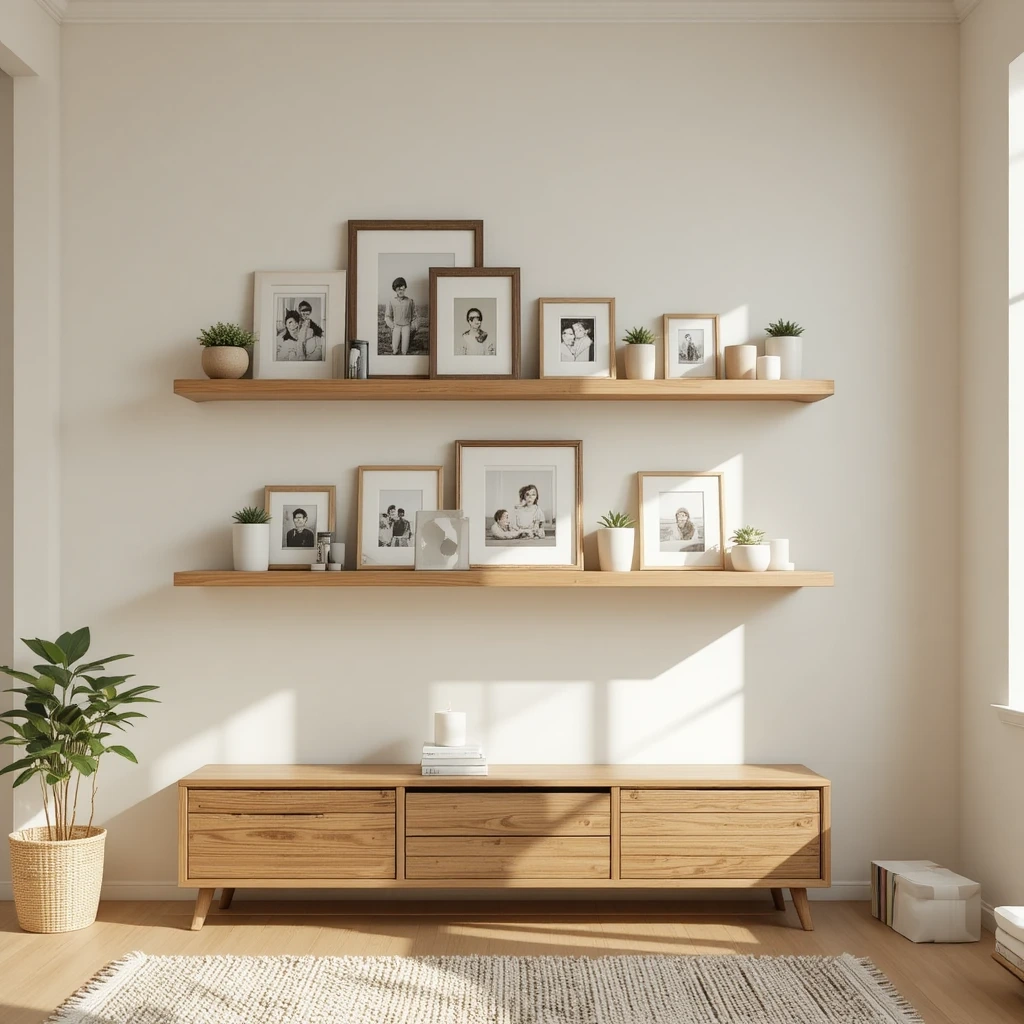
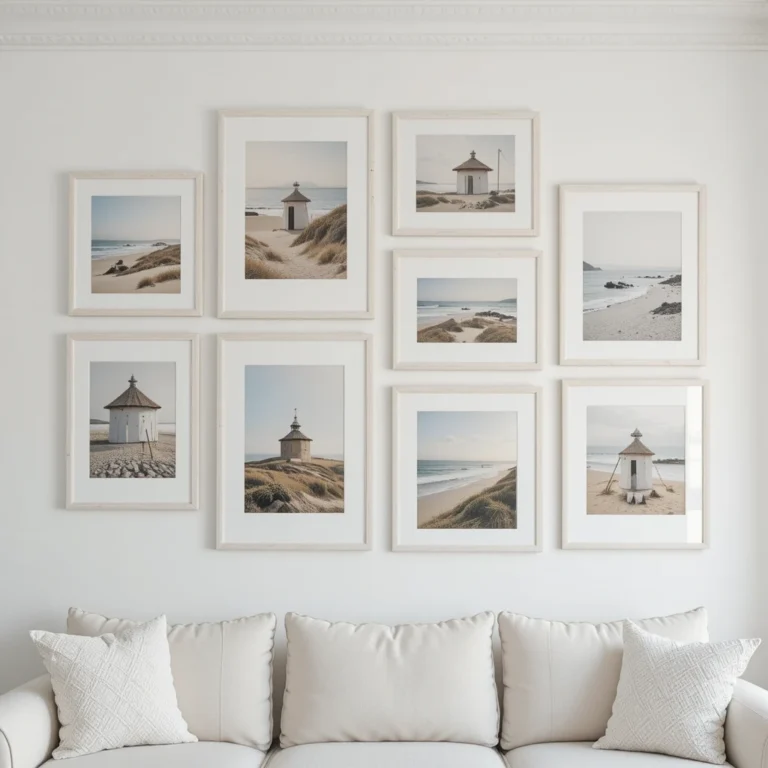
Bring your living room to life by turning an empty wall into a curated display of everything your family loves. A gallery wall shelf combines framed photos, small plants, books, and meaningful objects into one cohesive and eye-catching arrangement. It tells your family’s story at a glance and gives every guest something to talk about. Shop on Amazon
How to Style It:
- Start with one anchor piece per shelf — a framed photo or a piece of art — then build around it
- Mix heights: tall vases next to short candles create visual rhythm
- Use the rule of odd numbers — groups of 3 or 5 items look more natural than even groupings
- Add at least one trailing or draping plant (like pothos or string of pearls) for softness
- Keep a consistent color palette across all shelves for a pulled-together look
Where to Use It: The living room feature wall, behind a sofa, flanking a fireplace, or in a hallway leading into the main living area.
Pro Tip: Lay out your shelf arrangement on the floor before mounting anything. Take a photo and compare it to your wall — this saves you a lot of unnecessary nail holes!
2. The Kids’ Bedroom Book Ledge
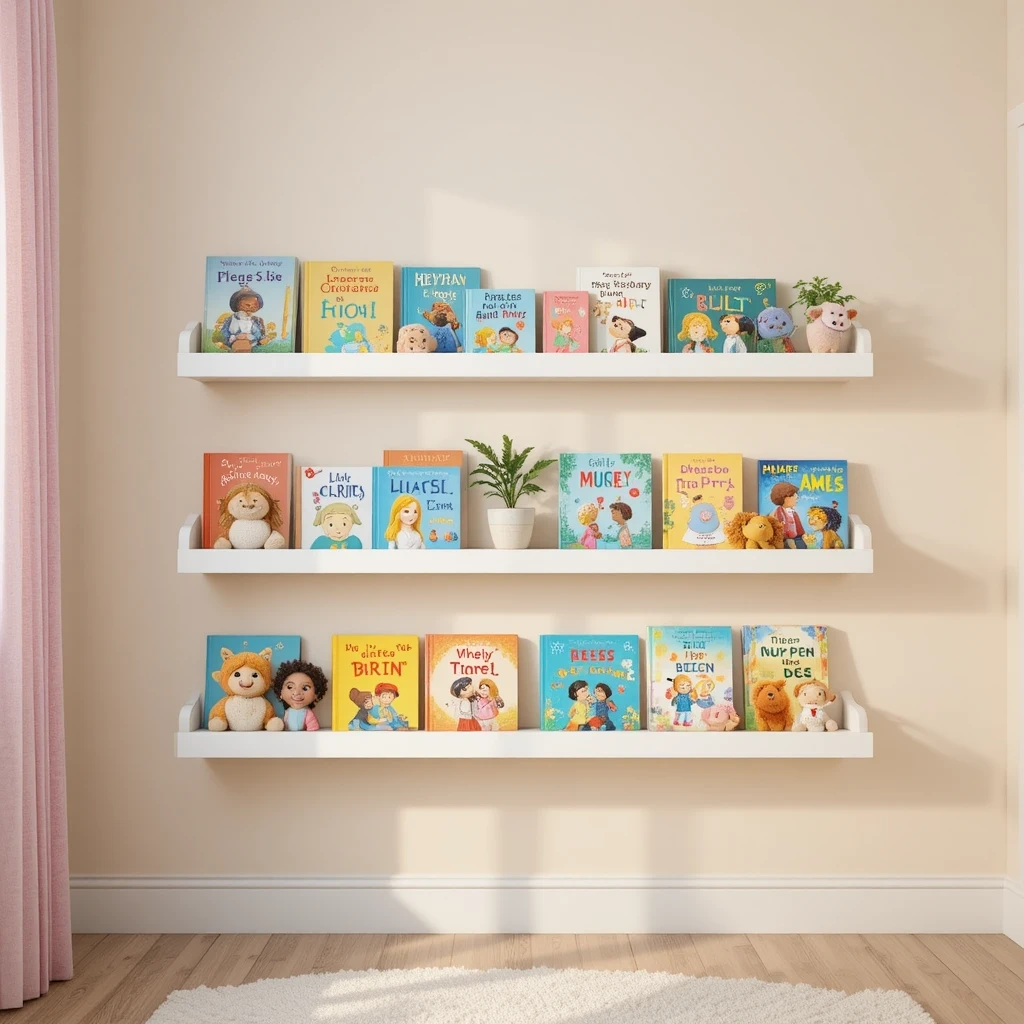
Make reading an adventure with low-mounted book ledge shelves in your child’s bedroom. These shallow shelves display books face-out so little ones can actually see the covers and pick what they want to read. It makes bedtime reading a joy rather than a hunt through a messy pile. Shop on Amazon
How to Style It:
- Mount shelves at your child’s eye level so they can reach and replace books independently
- Mix in small stuffed animals or toy figurines between books to make it feel playful
- Use bookends shaped like animals or fun characters to keep books upright
- Add a small fairy light string above the shelves for a cozy reading nook feel
- Rotate books seasonally to keep the selection fresh and exciting
Where to Use It: Children’s bedrooms, playrooms, reading nooks, or even a hallway outside a child’s room.
Pro Tip: Choose shelves with a small lip or rail at the front — this prevents books from sliding off, which is especially helpful for active little ones!
3. The Kitchen Spice & Herb Shelf
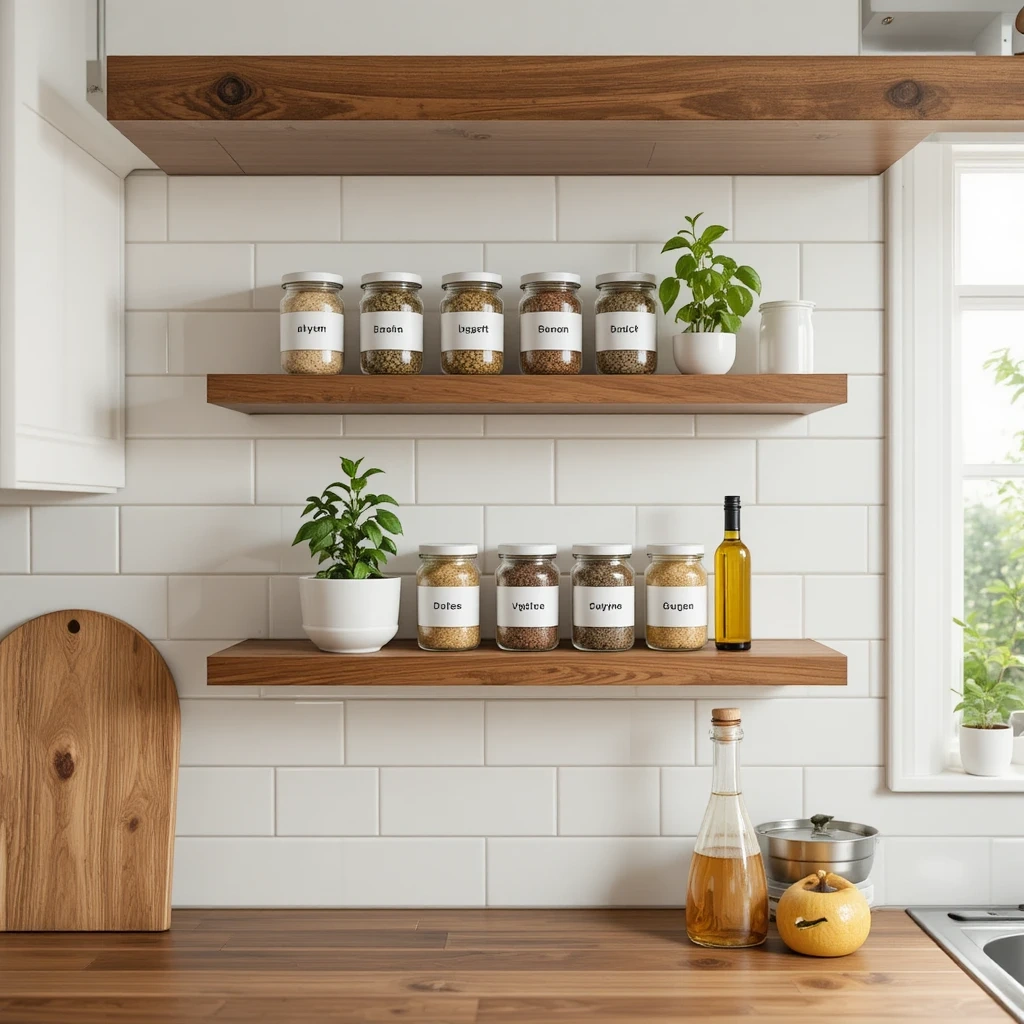
Free up your kitchen countertops and cabinet space by mounting small floating shelves above or beside your stove or prep area. A dedicated spice and herb shelf puts your most-used ingredients right at your fingertips and adds a delightful, functional charm to your kitchen. Shop on Amazon
How to Style It:
- Use matching glass jars with handwritten or printed labels for a cohesive, organized look
- Add one small potted herb plant (basil, rosemary, or mint) for freshness and function
- Keep the most frequently used spices on the lower, easier-to-reach shelf
- Place a small cutting board or cookbook leaning against the wall for style points
- Use a wooden or marble-effect shelf to contrast with a white tile backsplash
Where to Use It: Above or beside the stove, on a kitchen backsplash wall, inside a pantry door, or in a small kitchen nook.
Pro Tip: Keep heat-sensitive spices (like paprika or dried herbs) away from the stove — mount that shelf on a cooler wall to preserve flavor and color.
4. The Bathroom Spa Shelf
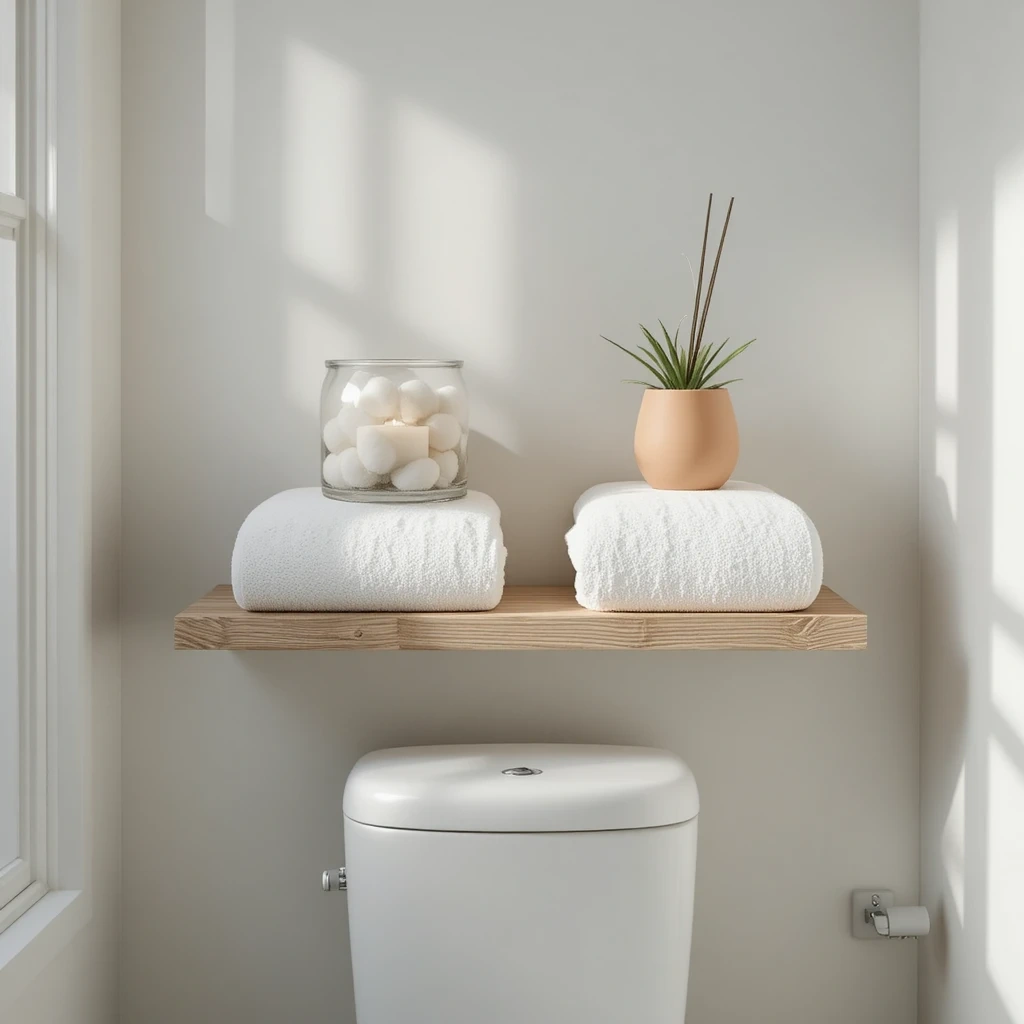
Turn your bathroom into a relaxing retreat with a beautifully styled floating shelf above the toilet or beside the sink. A spa-inspired shelf holds rolled towels, candles, plants, and your favorite products — making every day feel like a mini self-care moment. Shop on Amazon
How to Style It:
- Roll towels and stack them on one end for a hotel-like touch
- Use a small tray to group bottles, soaps, or candles — it contains the visual clutter
- Add a low-maintenance plant like an air plant, aloe vera, or small succulent
- Choose light-colored wood or white shelves to keep the feel clean and airy
- Hang a small decorative sign or print above the shelf for personality
Where to Use It: Above the toilet, beside the sink, in the shower niche, or on an empty bathroom wall.
Pro Tip: In a humid bathroom, always seal wooden shelves with a water-resistant finish and choose plants that love moisture — they will thrive without any extra effort!
5. The Nursery Cloud Shelf
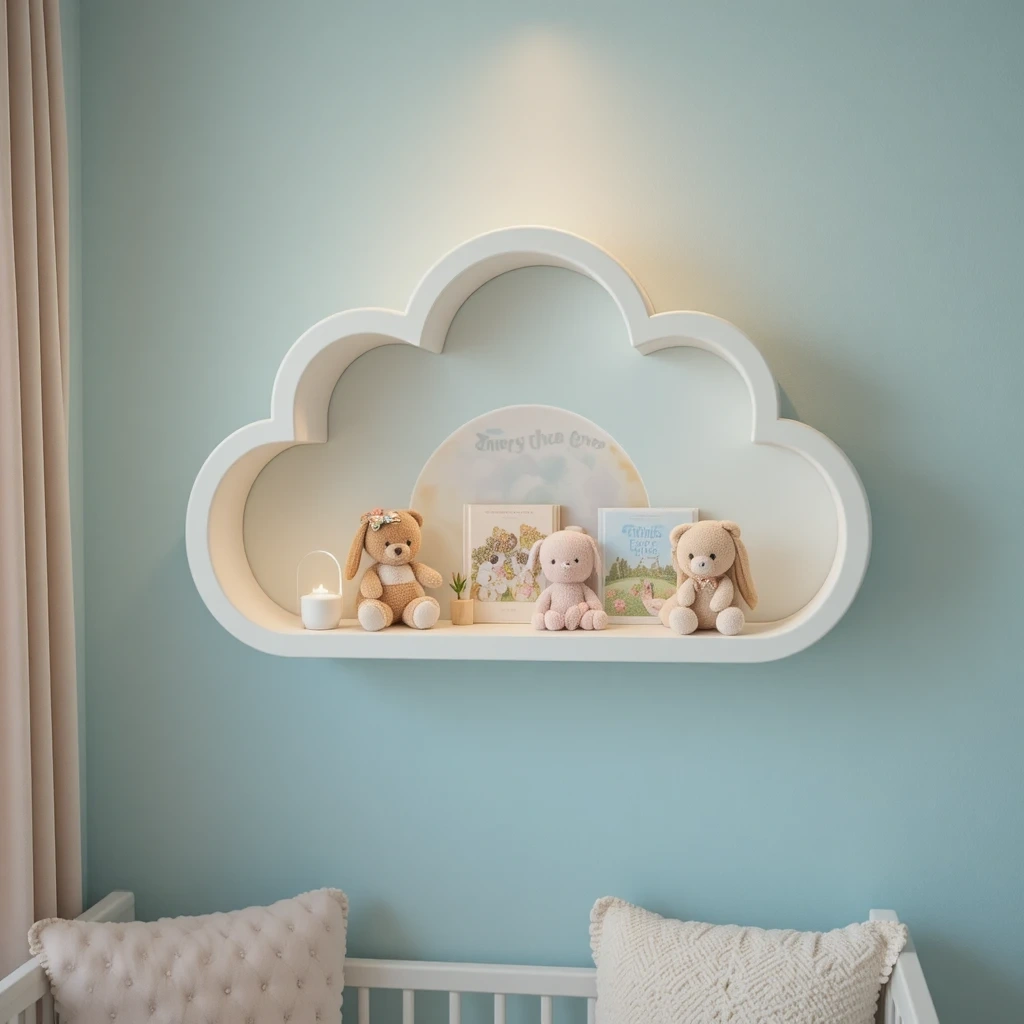
Welcome your newest family member with a dreamy, cloud-shaped floating shelf that doubles as décor and storage. These uniquely shaped shelves are safe, adorable, and perfect for displaying soft toys, board books, and nursery keepsakes — all while keeping them within easy reach for parents. Shop on Amazon
How to Style It:
- Keep items on the shelf lightweight — soft toys, board books, and small night lights are ideal
- Choose pastel colors that coordinate with the nursery’s theme
- Avoid small items with loose parts on nursery shelves — safety first, always
- Add a small battery-operated LED light underneath the shelf for a gentle night glow
- Mount it high enough to be decorative but low enough for parents to reach easily
Where to Use It: Nursery rooms, toddler bedrooms, or a shared sibling bedroom.
Pro Tip: As your child grows, repurpose the cloud shelf in a playroom or reading corner — it transitions beautifully from baby décor to a fun kids’ display shelf!
6. The Home Office Productivity Shelf
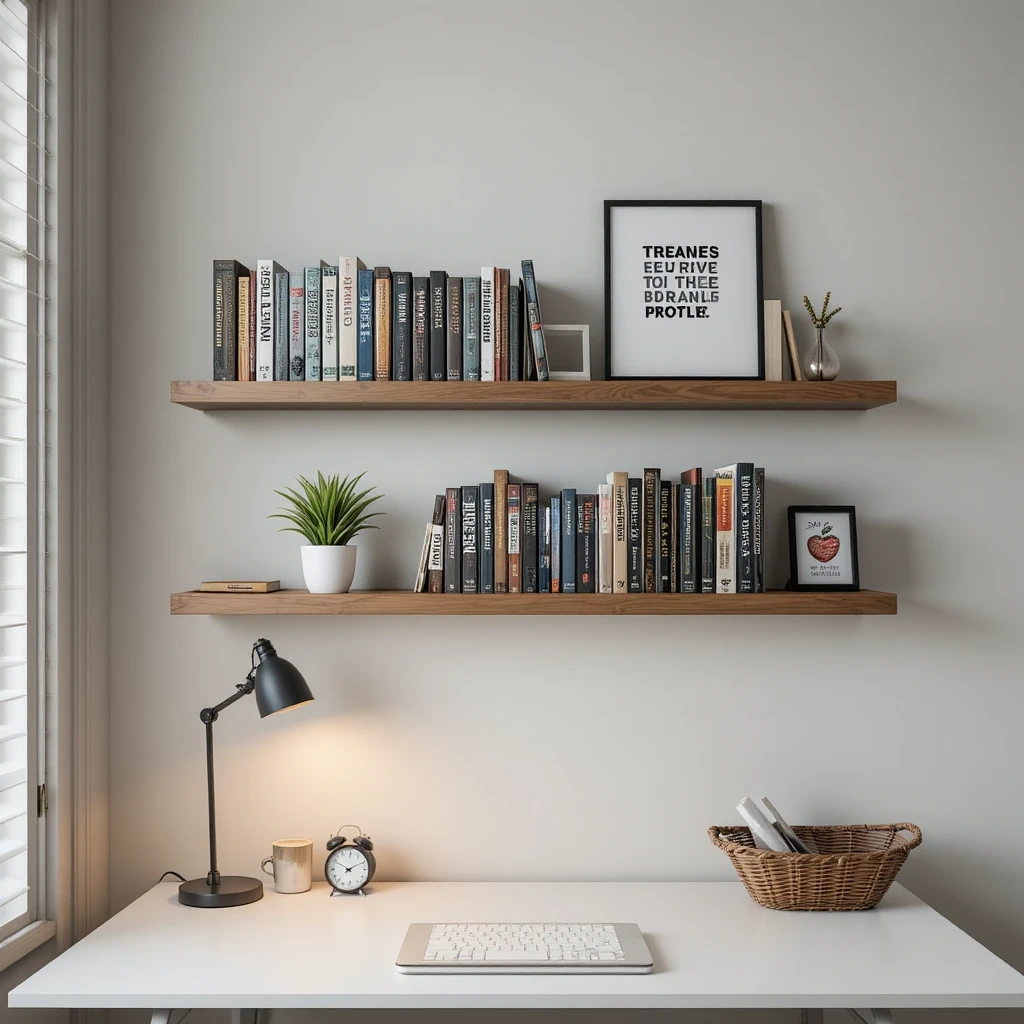
A well-organized home office shelf can completely change how you work. Floating shelves above your desk keep your workspace clutter-free while putting your most-needed tools, books, and inspiration within arm’s reach. A productive desk is a clear desk — and floating shelves make that possible. Shop on Amazon
How to Style It:
- Store books vertically and use a small decorative object as a bookend
- Add a small plant — research shows greenery improves focus and reduces stress
- Use small baskets or boxes to corral loose supplies like pens, sticky notes, and chargers
- Include one personal item (a family photo or a meaningful object) to make the space feel human
- Keep the lower shelf for everyday essentials, upper shelf for reference materials or décor
Where to Use It: Above a home office desk, in a study room, in a bedroom used for remote work, or in a shared family command center.
Pro Tip: Install a small cable clip or hook on the underside of your shelf to route charging cables neatly — it keeps your desk surface completely clear!
7. The Entryway Command Center Shelf
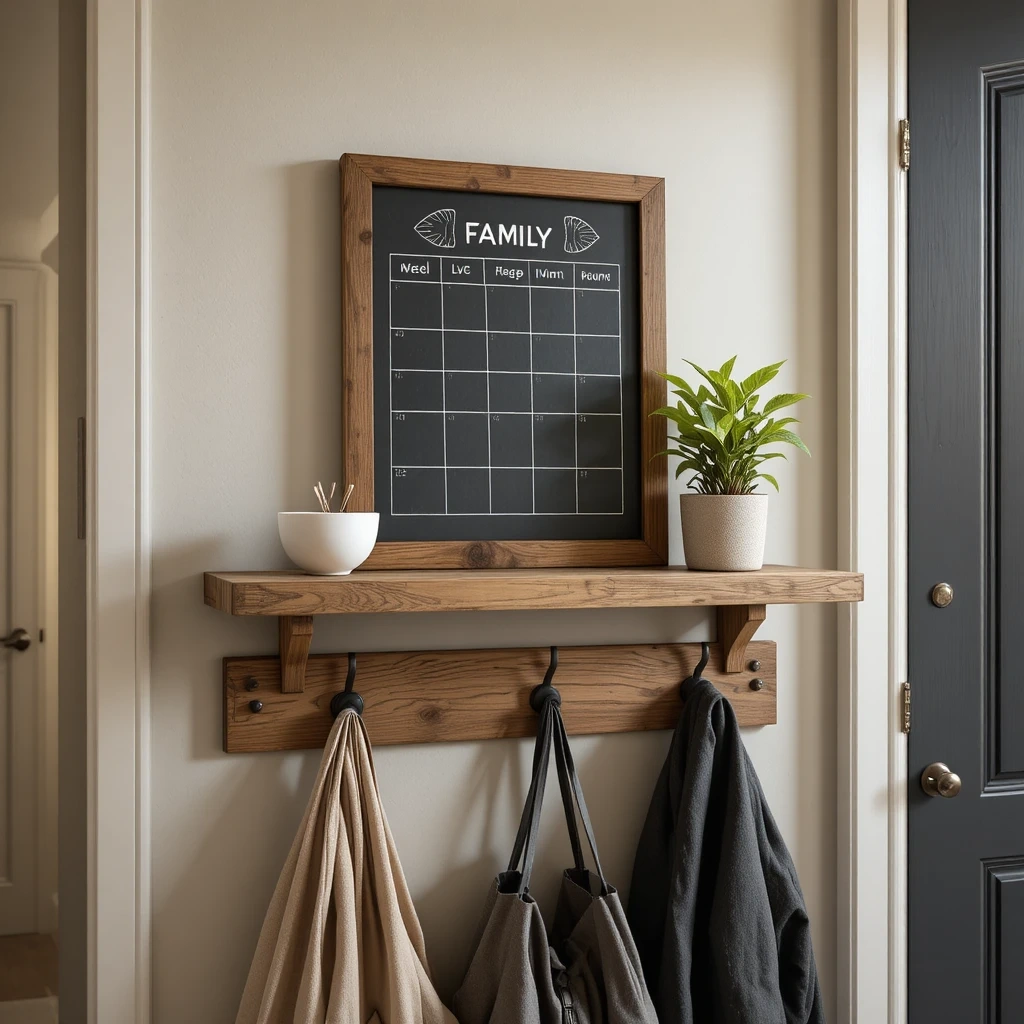
First impressions matter — and so does an organized entry. A floating command center shelf near your front door gives your whole family a place to drop keys, leave notes, check the schedule, and grab what they need before heading out. It is the unsung hero of a smooth family routine. Shop on Amazon
How to Style It:
- Mount hooks below the shelf for bags, jackets, leashes, and umbrellas
- Place a small bowl or tray on the shelf for keys and mail
- Add a small chalkboard or framed whiteboard for family notes and reminders
- Include a small plant or vase with fresh flowers for a welcoming touch
- Keep a small basket for sunglasses, sunscreen, or other grab-and-go items
Where to Use It: The entryway or foyer, mudroom, or beside the garage entrance.
Pro Tip: Label the hooks with each family member’s name — it gives everyone ownership of their spot and reduces the morning “where did I leave my keys?!” chaos!
8. The Dining Room Open Pantry Shelf
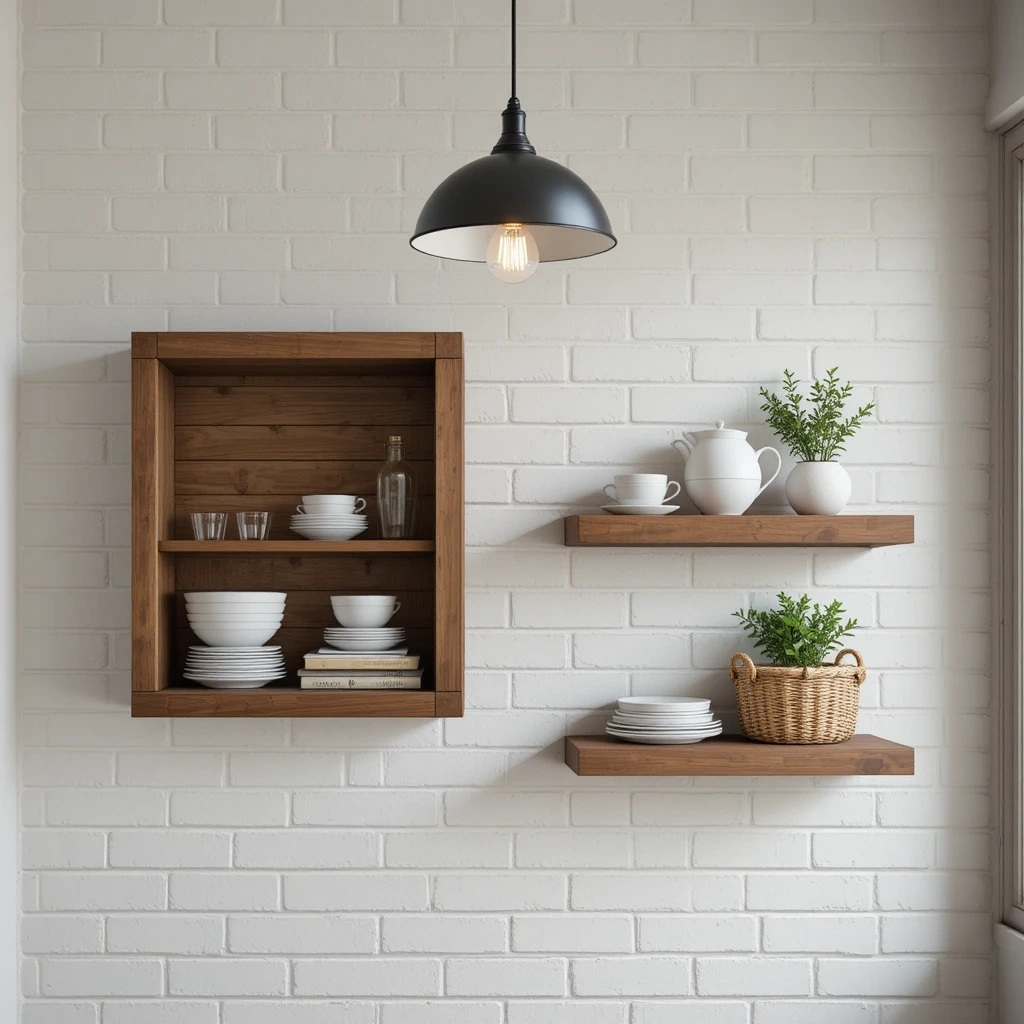
Open pantry-style shelves in or near the dining room create a warm, welcoming atmosphere and keep your everyday dishes, glasses, and table accessories beautifully accessible. This look is a favorite in farmhouse and modern rustic homes — and it makes setting the table feel effortless. Shop on Amazon
How to Style It:
- Stack dishes and bowls neatly — uniform sets look far more organized than mixed collections
- Group items by category: glassware together, plates together, accessories together
- Add height variation with a tall vase or a stack of cookbooks on one end
- Use a woven basket to hide miscellaneous items while still contributing to the aesthetic
- Display a small chalkboard sign with your family’s weekly menu for a charming personal touch
Where to Use It: Dining room walls, kitchen-dining open spaces, breakfast nook corners, or butler’s pantries.
Pro Tip: Pull out a few seasonal or colorful pieces and display them at eye level — it gives the shelf a curated, intentional look without a full redesign every season!
9. The Outdoor/Patio Shelf
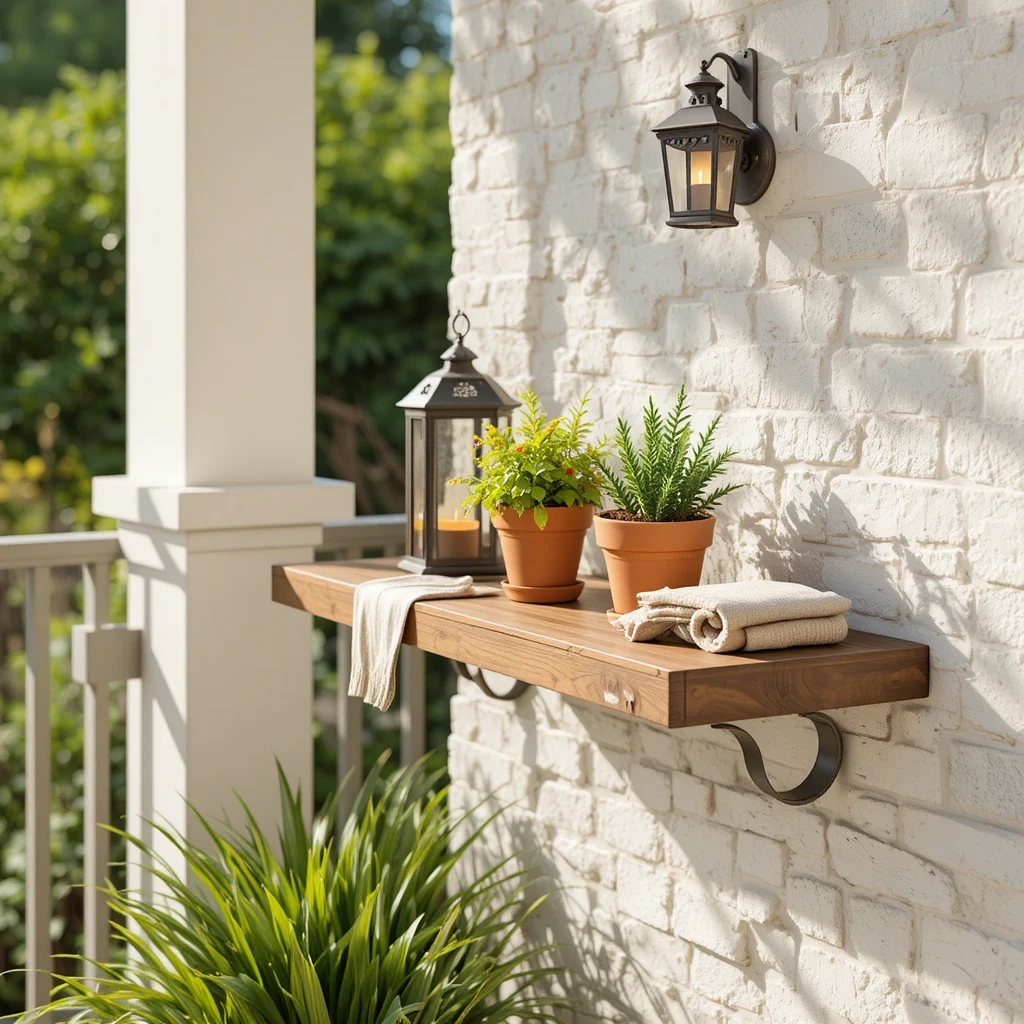
Take the floating shelf outdoors! A weather-resistant shelf on your patio, balcony, or garden wall is a game-changer for outdoor organization and style. Store potted plants, outdoor dinnerware, lanterns, or garden tools in a way that is both practical and picture-perfect. Shop on Amazon
How to Style It:
- Choose shelves made from teak, cedar, powder-coated metal, or sealed hardwood for weather resistance
- Use terracotta or ceramic pots with drought-tolerant plants like succulents, herbs, or lavender
- Add a small solar-powered lantern or string of fairy lights for evening ambiance
- Include a small watering can or garden tool holder for functional outdoor storage
- Layer plants at different heights — trailing plants that drape over the shelf add drama
Where to Use It: Covered patios, balconies, garden walls, screened porches, or beside an outdoor kitchen or grill area.
Pro Tip: Always check the wall material before mounting outdoors — use stainless steel or rust-proof hardware, and consider a wall anchor rated for exterior use to ensure long-term stability.
10. The Corner Floating Shelf
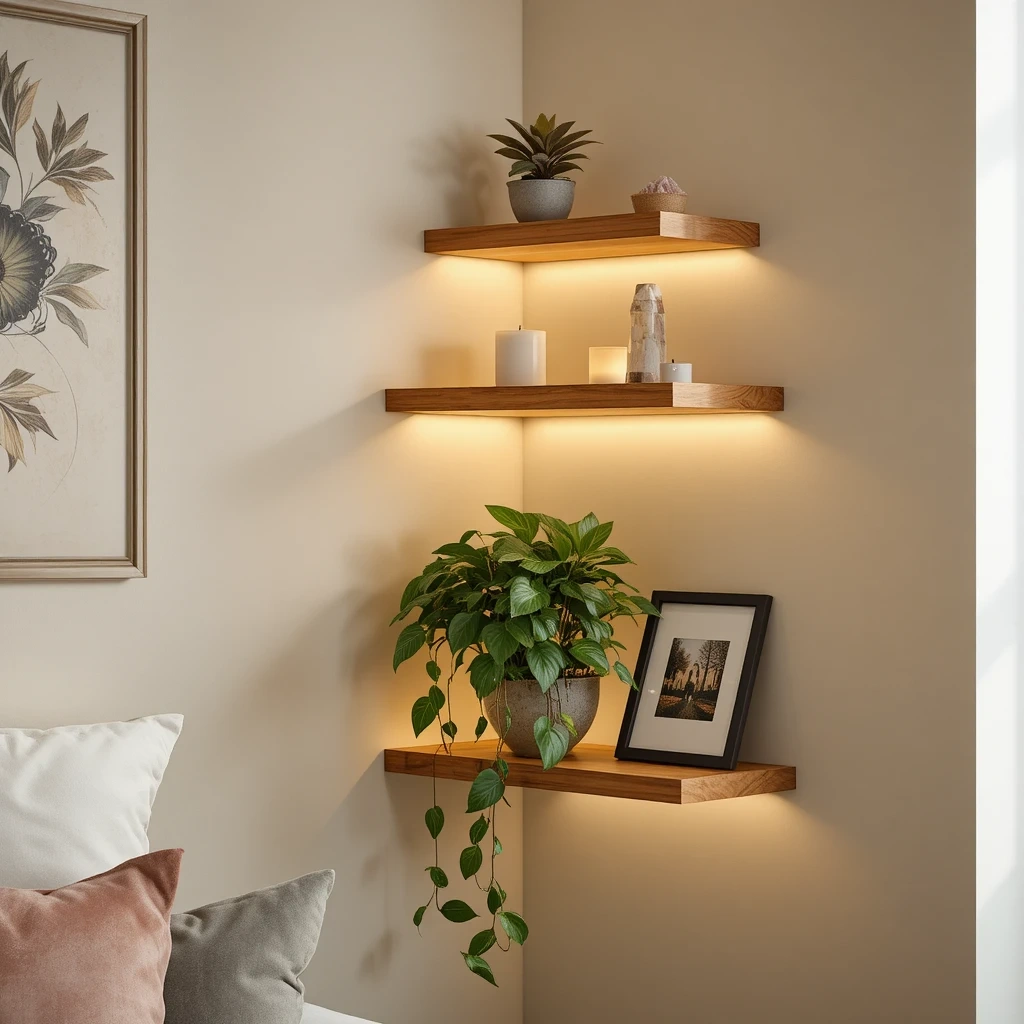
Do not let your corners go to waste! Corner floating shelves are an incredibly smart way to use dead space while adding character to any room. These shelves wrap around or sit diagonally in a corner and are perfect for plants, books, small décor collections, or kids’ toys. Shop on Amazon
How to Style It:
- Use a staggered set of 3 corner shelves at different heights for maximum visual impact
- Place the tallest or most dramatic item on the lowest shelf and smaller items higher up
- A trailing plant (like a pothos or heartleaf philodendron) looks stunning draping from a corner shelf
- Use this spot for a dedicated plant corner — it transforms unused space into a lush mini garden
- Mirror the corner shelf placement on the opposite side of the room for balanced symmetry
Where to Use It: Any room with an awkward or underutilized corner — bedrooms, living rooms, bathrooms, kids’ rooms, or home offices.
Pro Tip: Corner shelves are especially useful in small apartments or rooms where wall space is limited — they add storage and style without competing with furniture placement!
Bonus Idea: The Floating Shelf Reading Nook
Turn any small alcove, window bay, or awkward recess into a charming reading nook with a built-in floating bench shelf at seat height and a few book shelves above. Add a cushion, a throw blanket, and good lighting — and you have the coziest spot in the house that the whole family will fight over.
Common Mistakes to Avoid
Even the most beautiful floating shelf idea can go wrong without a little planning. Here are the most frequent pitfalls — and how to sidestep them entirely:
1. Not anchoring into studs or using proper wall anchors The most common (and most dangerous) mistake. Floating shelves need to be anchored into wall studs or fitted with heavy-duty drywall anchors rated for the shelf’s intended load. A shelf loaded with books or ceramic pieces and mounted only into drywall will eventually pull free from the wall.
2. Overloading the shelf Every floating shelf has a weight limit — always check the manufacturer’s specifications. Distribute weight evenly rather than piling everything on one side. As a general rule, lighter decorative items belong on floating shelves, not heavy collections of hardback books or dense ceramics.
3. Mounting all shelves at the same height Rows of shelves at identical heights can look flat and uninspiring. Vary the spacing between shelves and consider a staggered or asymmetrical layout for a more dynamic, designer look.
4. Cluttering the shelf with too many items More is not more when it comes to shelves. Overcrowded shelves look messy and stressful rather than curated. Follow the interior designer’s golden rule: remove one item after you think you are done. Negative space is just as important as what you display.
5. Ignoring the room’s lighting A beautifully styled shelf in a dark corner will go unnoticed. Consider adding a small LED puck light, an under-shelf strip light, or positioning your shelf where it receives natural light to make your display truly shine.
6. Using the wrong mounting hardware for the wall type Concrete, brick, plaster, and drywall all require different anchors and drill bits. Using drywall anchors on brick — or vice versa — can result in a shelf that will not hold. Always identify your wall type before purchasing hardware.
7. Forgetting about dust Horizontal surfaces collect dust fast — especially open shelves with lots of small items. Keep your shelf styling simple enough that dusting is quick and easy. Avoid overly intricate arrangements that require moving 20 objects just to wipe down the shelf.
Frequently Asked Questions
How much weight can a floating shelf hold? It depends on the shelf material, its bracket system, and how it is mounted. A basic decorative floating shelf anchored properly into studs can typically hold between 20–50 lbs. Heavy-duty floating shelves mounted with through-bolts into studs can support 75–100 lbs or more. Always check the manufacturer’s load rating before styling your shelf.
What is the best height to mount a floating shelf? For living rooms and general display shelves, eye level (around 57–65 inches from the floor) is the most comfortable viewing height. In kitchens, aim for 18–24 inches above the countertop. In children’s rooms, mount shelves at your child’s eye level so they can interact with the contents independently.
Are floating shelves safe in a home with young children? Yes — with a few precautions. Mount shelves securely into studs so they cannot be pulled down. Avoid placing sharp, breakable, or heavy items at low heights within reach of small children. Opt for soft toys, books, and lightweight décor on lower shelves. Cloud shelves and book ledges designed for children’s rooms are specifically built with these safety needs in mind.
Can floating shelves be used in a rental apartment? Yes, though you should check your lease first. Many landlords permit mounting shelves if you use proper anchors and patch the holes when you leave. Some renters opt for adhesive floating shelves rated for light-duty use (up to about 10–15 lbs) — these are a great no-damage option for lighter décor displays.
What is the difference between a floating shelf and a regular shelf? A traditional shelf has visible brackets or supports underneath it. A floating shelf uses a hidden bracket system (typically metal rods or a concealed French cleat) that inserts into the shelf itself, giving it the appearance of “floating” on the wall with no visible support. This creates a cleaner, more modern look.
How do I style a floating shelf without it looking cluttered? Use the “trio rule” — group items in threes of varying heights. Choose a simple color palette (2–3 colors maximum). Include at least one living element (a plant), one functional element (a book or candle), and one personal element (a photo or memento). Leave at least 20–30% of the shelf surface empty so each item has breathing room.
How far apart should I space multiple floating shelves? For general display shelves, 12–14 inches of vertical space between shelves works well for most décor items. For bookshelves, allow at least 10–12 inches. For kitchen shelves, 15–18 inches gives enough clearance for taller bottles and appliances. Always mock up the spacing with painter’s tape on the wall before drilling.
What materials are best for floating shelves? Solid wood (oak, pine, walnut) offers the most durability and a natural warm look. MDF (medium-density fiberboard) is a budget-friendly option that takes paint well but is heavier and less moisture-resistant. For bathrooms or outdoor spaces, sealed hardwood, teak, or powder-coated metal are the best choices for humidity and weather resistance.
Transform your home one shelf at a time — and remember, the best floating shelf is the one that reflects your family’s personality, supports your daily life, and makes you smile every time you walk into the room.