10 Inspiring Japanese Garden Ideas for Small and Large Space
Japanese gardens are some of the most peaceful and thoughtful outdoor spaces in the world. Rooted in centuries of tradition, they bring together natural elements like water, stone, plants, and light to create a sense of harmony and calm that everyone in the family can enjoy. Whether you have a large backyard or a small balcony, there is always a way to bring a little Japanese-inspired beauty into your life.
In this guide, we explore 10 stunning Japanese garden ideas that are easy to adapt for any home. From classic koi ponds to bamboo pathways, each idea comes with practical styling tips, placement advice, and a pro tip to help you get the most out of your design. Get ready to be inspired and transform your outdoor space into a tranquil retreat your whole family will love.
1. Classic Zen Rock Garden (Karesansui)
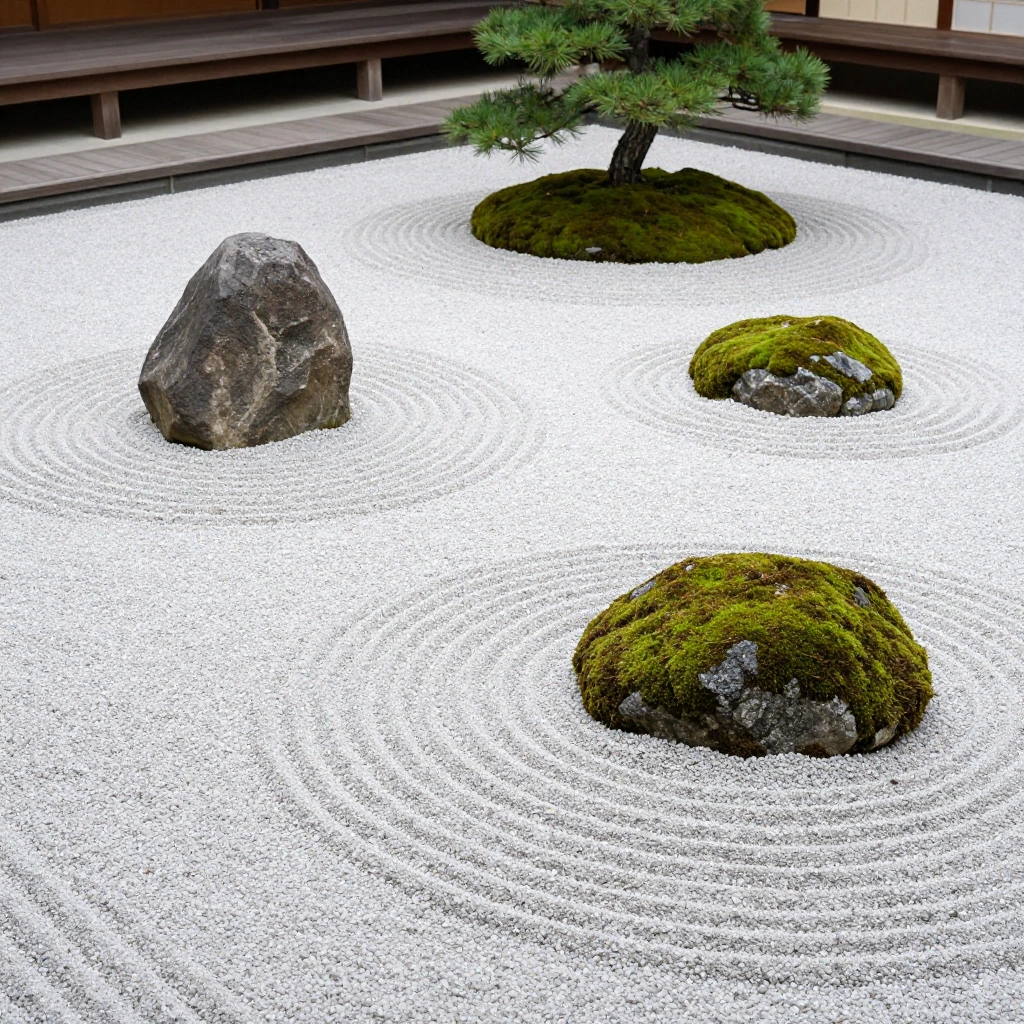
A Zen rock garden, or karesansui, uses raked gravel or sand to mimic the flow of water, paired with carefully placed rocks that represent mountains or islands. This minimalist style creates a deeply calming atmosphere and is one of the most iconic symbols of Japanese garden design. It requires very little maintenance, making it a great choice for busy families. Shop on Amazon
How to Style It:
- Use white or grey fine gravel or decomposed granite as the base
- Place 3, 5, or 7 stones in asymmetric groupings (odd numbers feel more natural)
- Rake the gravel in wave, circular, or straight-line patterns around the stones
- Add a low bamboo fence or wooden border to define the garden area
- Keep it simple — less is always more in Zen design
Where to Use It:
A Zen rock garden works beautifully in a front yard as a welcoming focal point, in a side yard as a quiet meditation corner, or even on a large patio or deck in a contained raised bed.
Pro Tip:
Involve your kids in the raking! It is a wonderfully calming activity that teaches patience and focus. Use a simple wooden rake with wide teeth for the best pattern results.
2. Koi Pond with Stone Edging
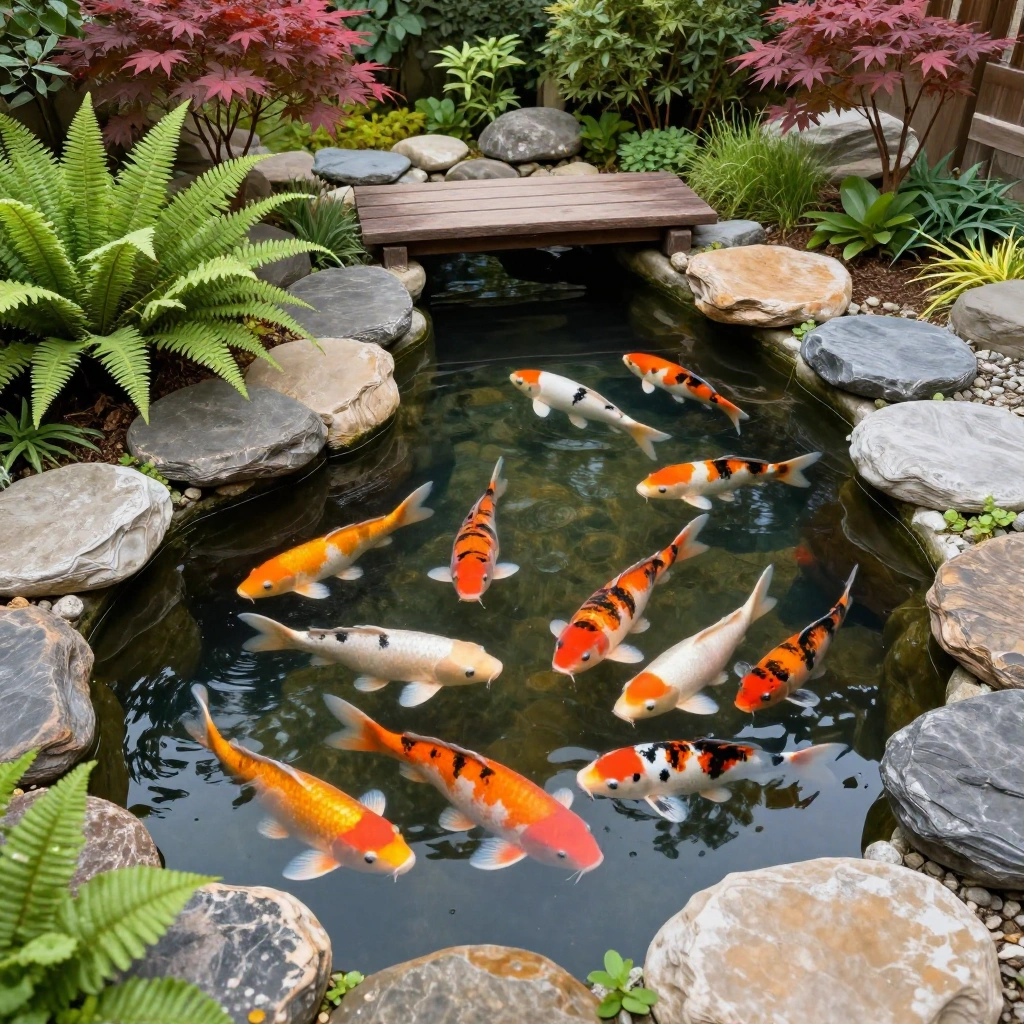
A koi pond is the heart of many Japanese gardens, bringing movement, color, and the gentle sound of water to your outdoor space. Watching koi swim gracefully beneath the surface is relaxing for adults and endlessly fascinating for children. With the right setup, a koi pond can become the most beloved feature of your entire garden. Shop on Amazon
How to Style It:
- Use large, flat natural stones to edge the pond for a clean, organic look
- Add water lilies and aquatic plants to provide shade and oxygen for the fish
- Install a small waterfall or fountain feature to keep the water aerated and add soothing sound
- Place smooth river rocks along the bottom for a natural aesthetic
- Light the pond with soft underwater or perimeter lighting for evening beauty
Where to Use It:
Koi ponds are ideal as a backyard centerpiece, positioned where they can be viewed from a patio, dining area, or living room window. Ensure the location gets partial shade to keep algae growth in check.
Pro Tip:
If you have young children, install a shallow shelf around the pond edge and add a sturdy low fence or grid cover for safety — this lets kids enjoy the fish up close without any worry.
3. Bamboo Garden Path
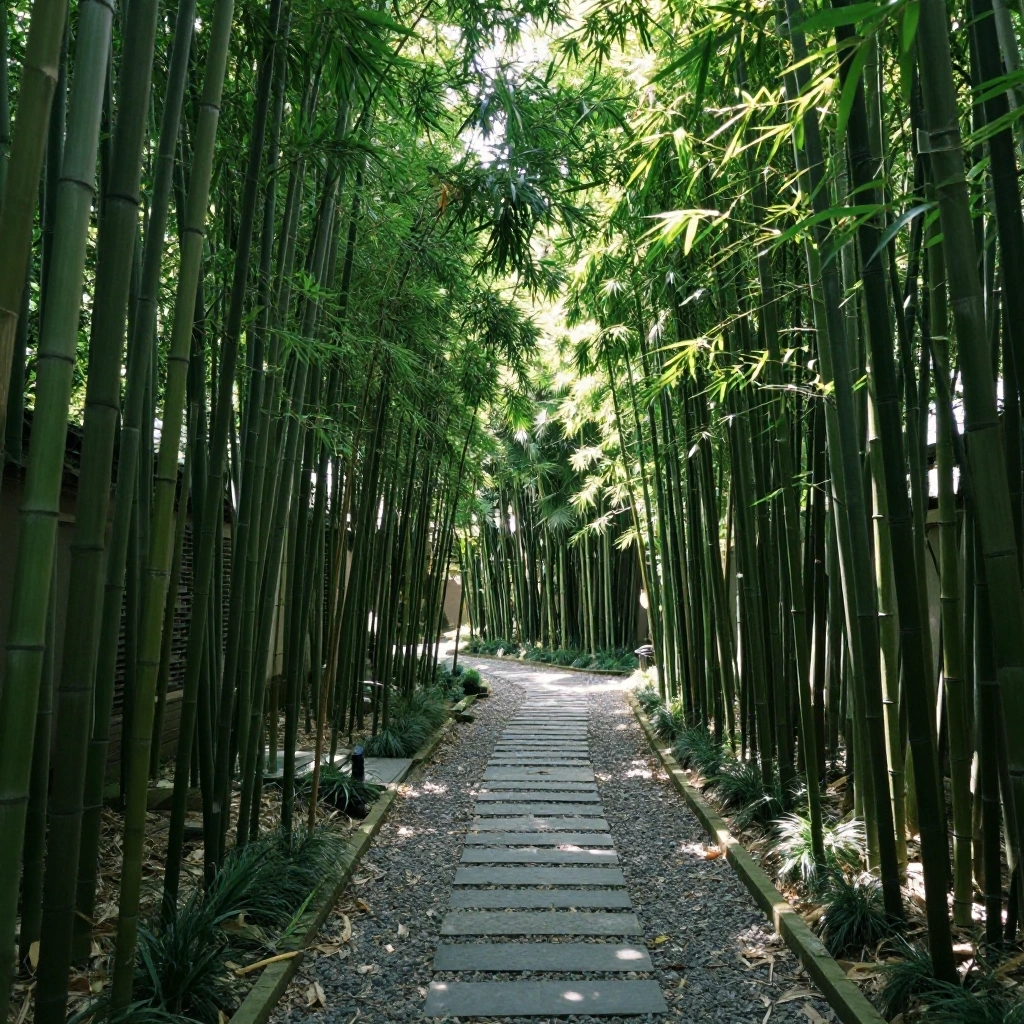
A bamboo-lined pathway instantly evokes the feeling of walking through a traditional Japanese forest. The tall, swaying stalks create natural privacy screens while the path itself guides visitors through your garden in a mindful, unhurried way. It is one of the most affordable and impactful Japanese garden ideas you can add. Shop on Amazon
How to Style It:
- Plant clumping bamboo varieties (not running bamboo) on both sides of the path for a tunnel effect
- Use irregular flagstone, slate, or stepping stone pavers for the walkway surface
- Fill gaps between stones with moss, pebbles, or creeping ground cover
- Add a simple bamboo water fountain (shishi-odoshi) nearby for extra ambiance
- Keep the path slightly curved rather than straight for a more natural feel
Where to Use It:
Bamboo paths work wonderfully connecting different garden zones — from your back door to a seating area, from a gate to a front entrance, or along the side of a house to create a private green corridor.
Pro Tip:
Always plant clumping bamboo varieties like Fargesia in contained root barriers to prevent spreading. Running bamboo can quickly overtake a garden if left unchecked!
4. Japanese Maple Tree Focal Point
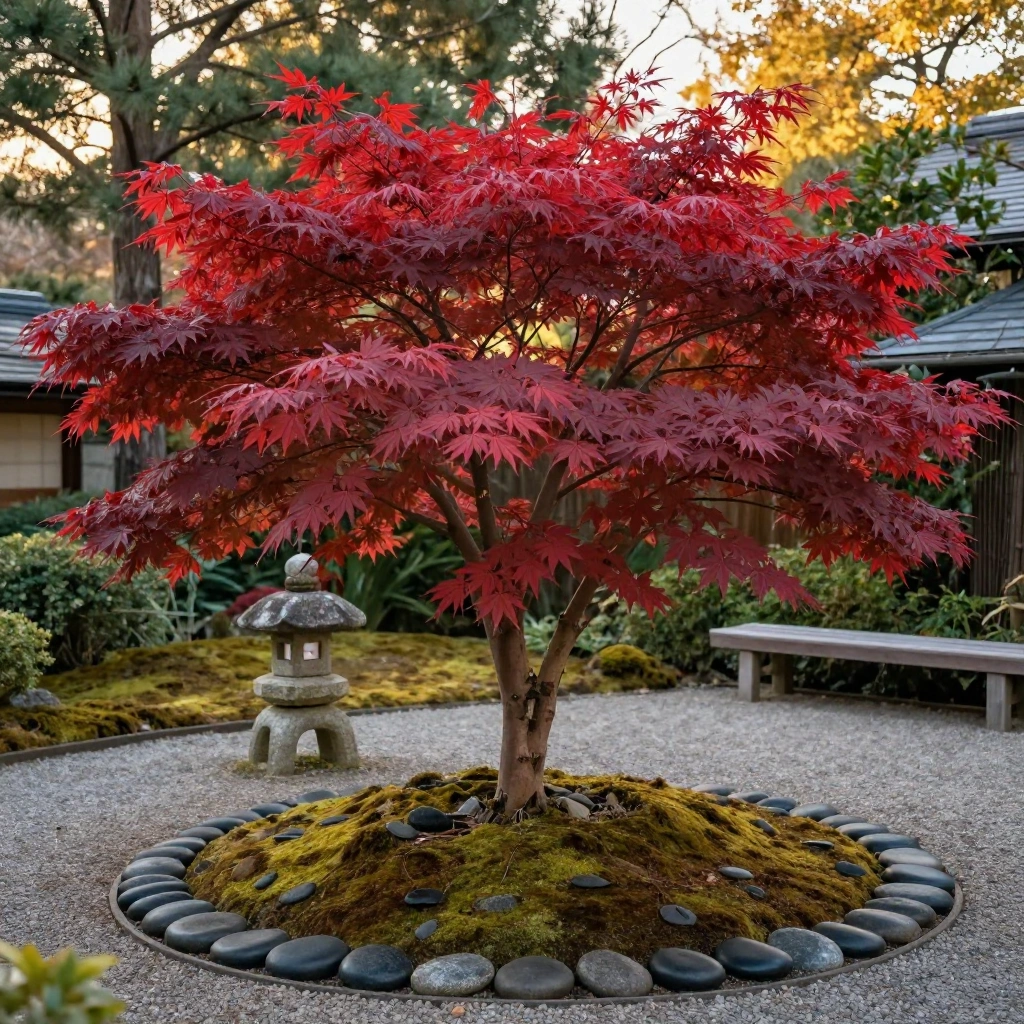
The Japanese maple (Acer palmatum) is arguably the most beautiful tree in the garden world. With its delicate, lace-like leaves that shift from vivid green in spring to fiery reds and oranges in autumn, it creates a living centerpiece that changes with the seasons. Even a single well-placed Japanese maple can completely transform the feel of an outdoor space. Shop on Amazon
How to Style It:
- Plant the maple as a standalone specimen in a circular bed of dark river stones or moss
- Place a traditional stone lantern (tōrō) nearby to complement the tree
- Underplant with low ferns, mondo grass, or creeping moss for a lush base
- Use a contrasting background (white wall, bamboo fence) to make the foliage pop
- Choose a cascading or weeping variety for an especially dramatic silhouette
Where to Use It:
A Japanese maple works as a front yard statement tree, a backyard centerpiece, or in a large container on a patio or deck. It thrives in partial shade with protection from harsh afternoon sun.
Pro Tip:
In autumn, collect the fallen leaves with your kids and use them for nature crafts — they make beautiful pressed-leaf bookmarks and art projects!
5. Wooden Tea House or Garden Pavilion
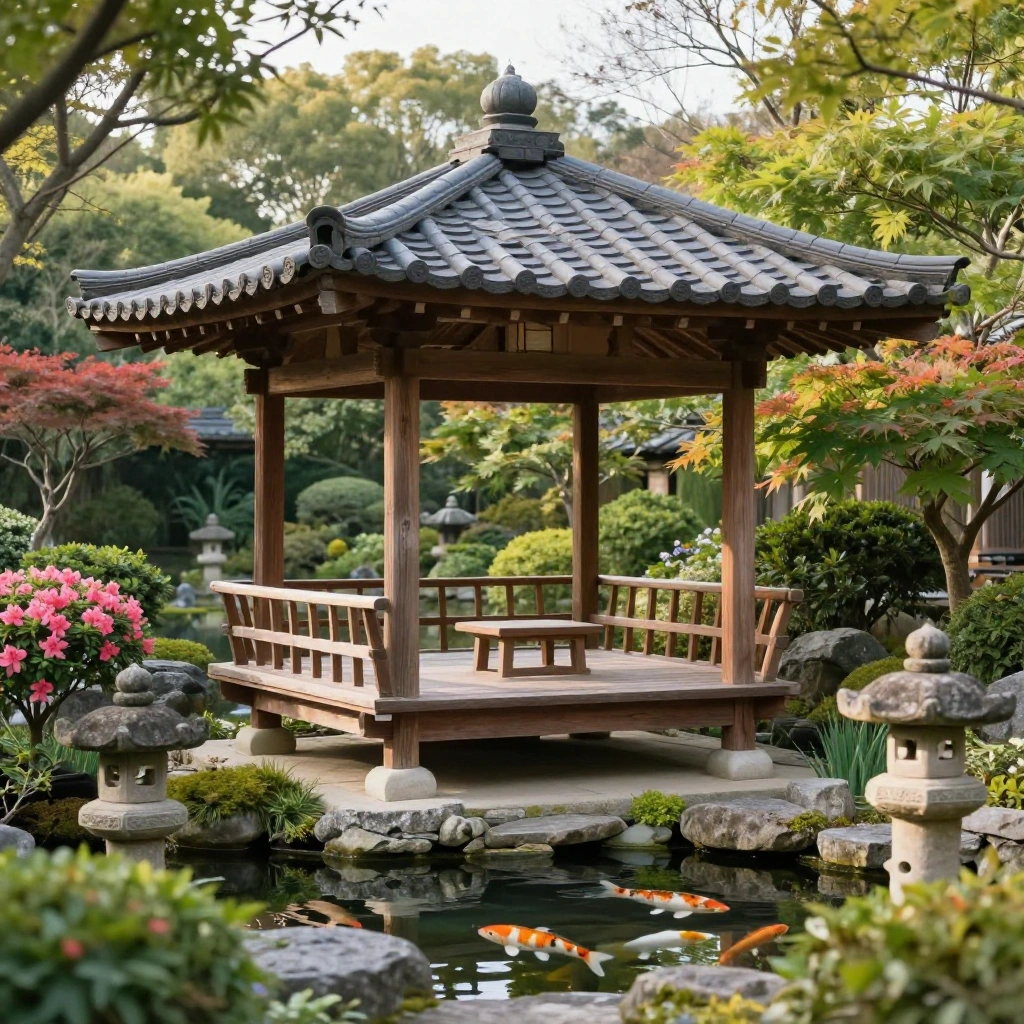
A small wooden tea house or open garden pavilion creates a dedicated space for rest, reflection, and family gatherings in your Japanese garden. Inspired by traditional Japanese architecture, these structures feature clean lines, natural wood, and a deep connection to the surrounding landscape. Even a simple pergola styled with Japanese elements can capture this spirit beautifully. Shop on Amazon
How to Style It:
- Use natural cedar, redwood, or pine with a dark stain or natural finish
- Add a low-profile roof with curved or gabled ends in dark grey or green tile
- Furnish with low wooden benches, floor cushions, or a simple wooden table
- Hang a simple wind chime and place a small tea set inside for authenticity
- Surround with stepping stones, moss, and trimmed shrubs
Where to Use It:
Position the pavilion at the far end of the garden to create a destination to walk toward, or place it beside a pond or stream for the most serene view. It also works beautifully as a shaded reading nook or outdoor play space for children.
Pro Tip:
Make Saturday morning tea in the pavilion a family ritual. Children love having their own special outdoor “room,” and it encourages them to spend more time in nature.
6. Moss Garden Carpet
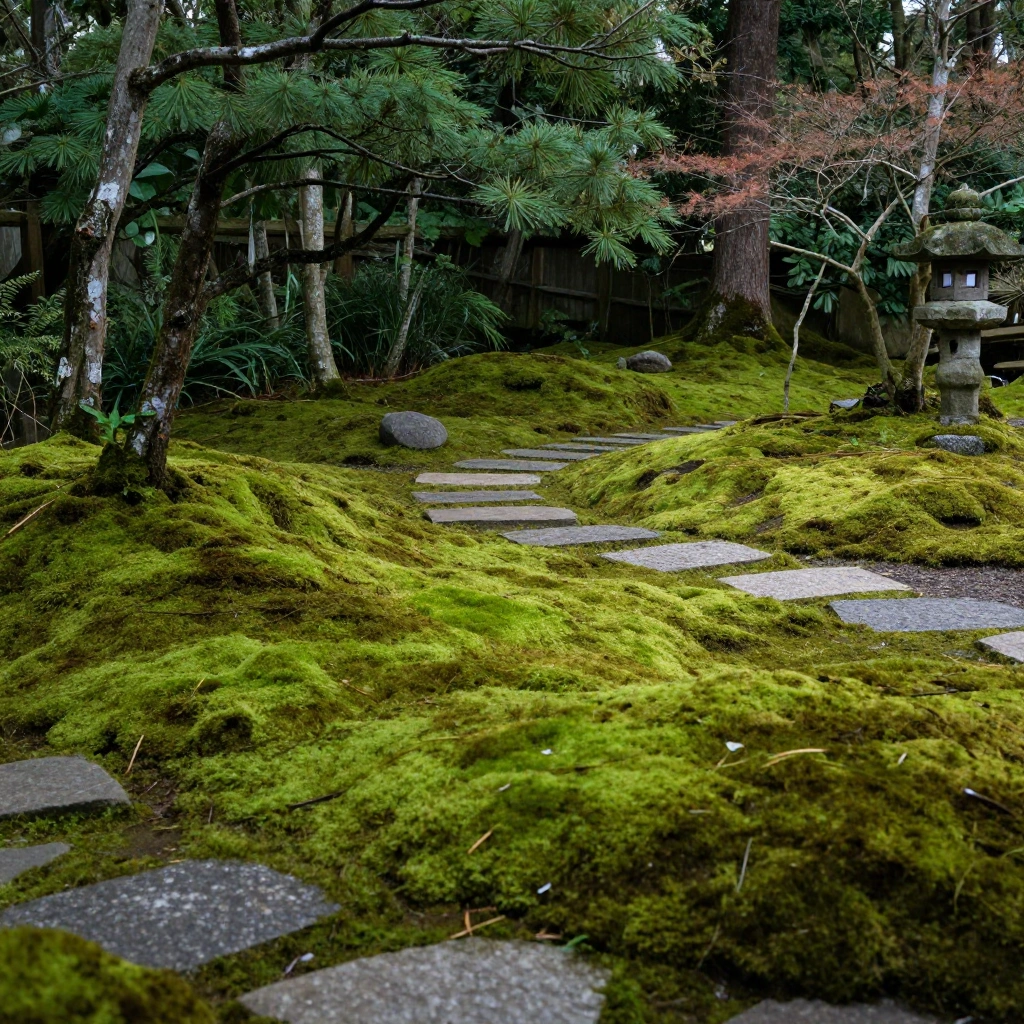
Moss gardens are among the most ancient and revered forms of Japanese garden design. A lush carpet of green moss creates a velvety, almost magical landscape that feels soft underfoot and visually rich. Moss thrives in shady, moist conditions — making it a perfect solution for difficult garden areas where grass won’t grow. Shop on Amazon
How to Style It:
- Combine multiple moss varieties (sheet moss, cushion moss, fern moss) for texture variation
- Set stepping stone paths through the moss so visitors can walk without damaging it
- Remove all weeds thoroughly before planting and keep the area moist while moss establishes
- Add stone lanterns, small boulders, or gnarled tree roots as accent pieces
- Mist regularly in dry weather to maintain the vivid green color
Where to Use It:
Moss gardens excel under tree canopies, in shaded courtyards, along the north side of a house, or in any naturally damp and shaded garden area. They also work beautifully in Japanese-style container gardens.
Pro Tip:
Avoid walking on moss when it is dry — it bruises easily. Set out stepping stones from the very beginning so that children and adults alike always have a clear path to follow.
7. Stone Lanterns and Lighting
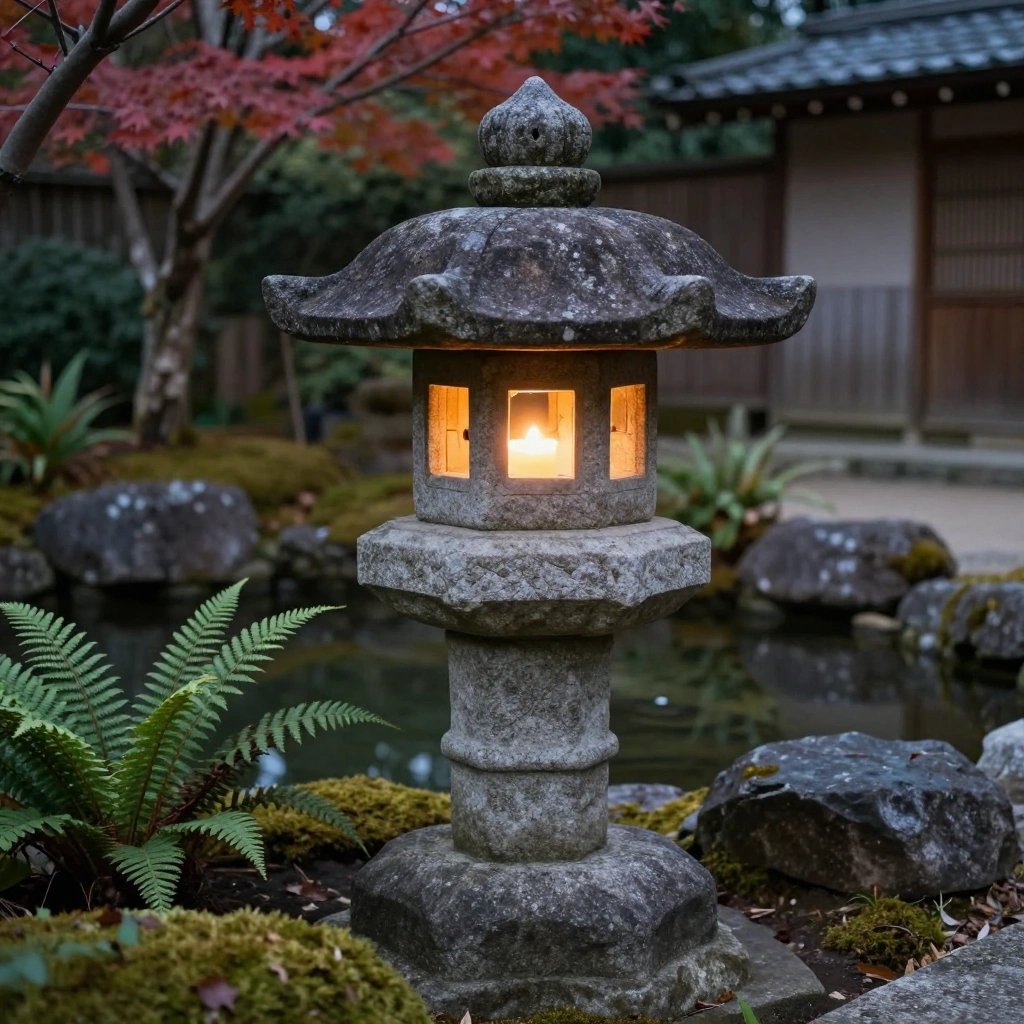
Stone lanterns (tōrō) are one of the most recognizable elements of Japanese garden design. Originally used to light temple pathways, they now serve as elegant decorative accents that add vertical interest, cultural authenticity, and a warm glow to any garden after dark. Even unlit, their sculptural presence transforms a space. Shop on Amazon
How to Style It:
- Choose from pedestal lanterns (tall, formal) or snow-viewing lanterns (low, wide — great near water)
- Position lanterns at path entrances, beside water features, or under trees
- Surround the base with moss, small river stones, or low ground cover planting
- Use solar candle inserts for an eco-friendly warm glow in the evenings
- Pair with a matching stone basin (tsukubai) for a cohesive traditional look
Where to Use It:
Stone lanterns suit virtually every part of a Japanese garden — at a garden gate, beside a koi pond, along a pathway, or as a standalone accent in a rock garden. They look equally beautiful in large gardens and small courtyard spaces.
Pro Tip:
Place a lantern at the junction of two paths — it serves both as a decorative focal point and as a practical visual marker that helps guide guests through your garden at night.
8. Bamboo Water Fountain (Shishi-Odoshi)
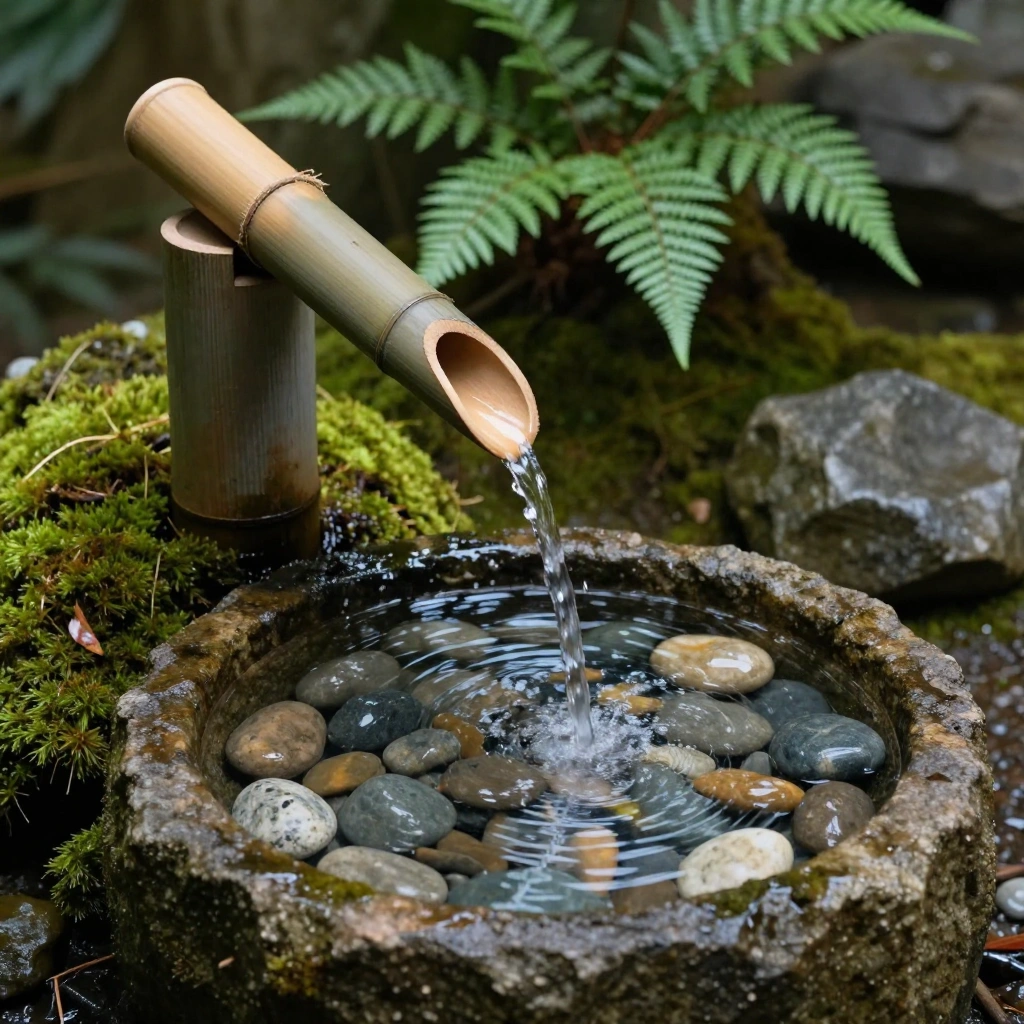
The shishi-odoshi, or deer scarer, is a traditional Japanese water feature made from bamboo that fills with water, tips over to release it with a gentle knock, then resets. The rhythmic sound it creates is both meditative and mesmerizing. Modern versions make wonderful garden water features that children find utterly captivating. Shop on Amazon
How to Style It:
- Set the bamboo spout over a stone basin, ceramic bowl, or shallow pond
- Fill the basin base with smooth river pebbles for a clean, polished look
- Surround with ferns, moss, and low-growing plants to integrate it naturally
- Use a small recirculating pump hidden beneath the pebbles to keep water flowing
- Add a flat stepping stone nearby so visitors can pause and watch
Where to Use It:
A shishi-odoshi is perfect as a corner accent beside a fence, under a tree, or adjacent to a seating area where its gentle sound can be heard and appreciated. It also works beautifully beside a koi pond or moss garden.
Pro Tip:
The sound of the bamboo “clack” can actually help deter birds and squirrels from digging in nearby garden beds — a charming, natural, and completely family-friendly garden solution!
9. Arched Wooden Bridge Over a Stream or Pond
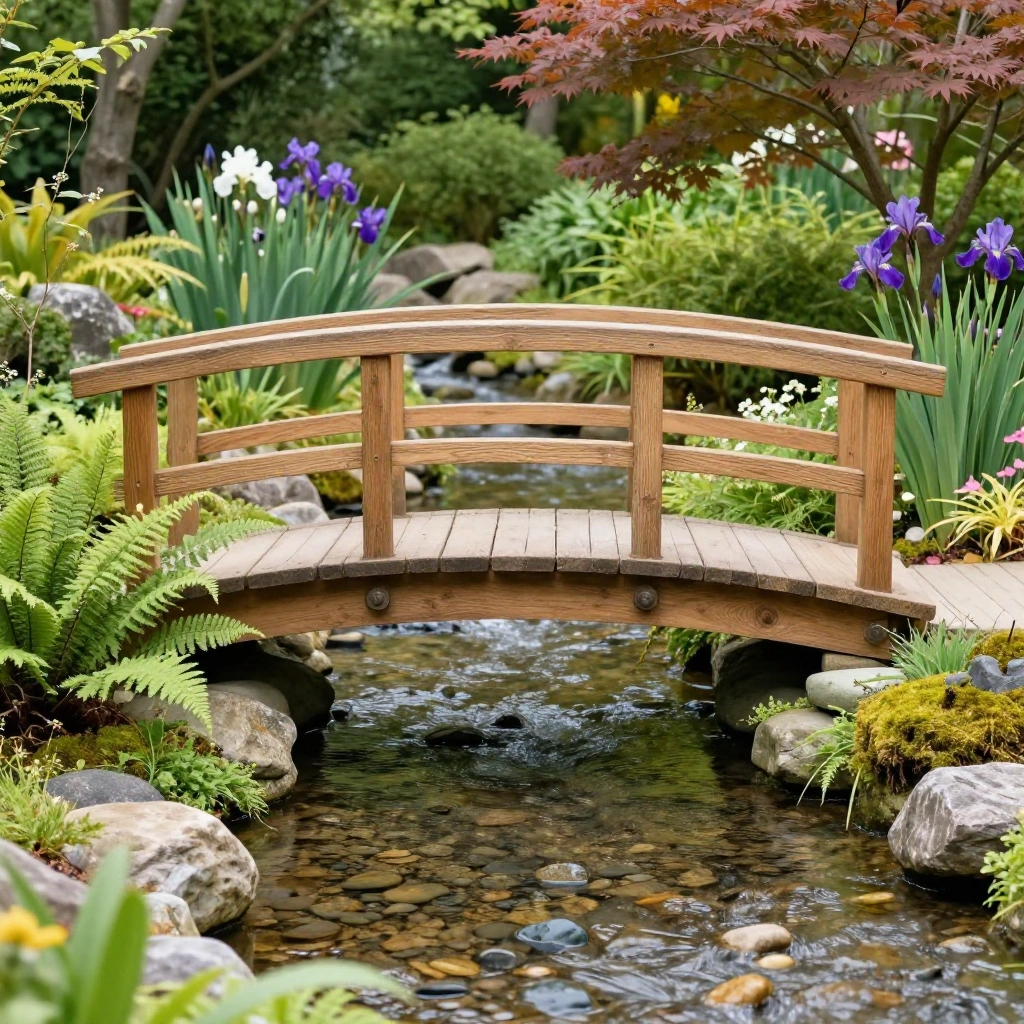
A graceful arched wooden bridge is both functional and deeply symbolic in Japanese garden design, representing the journey between two worlds. Even a small decorative bridge over a dry stream bed or narrow garden pond creates an immediate focal point and adds a sense of adventure and discovery that children absolutely love. Shop on Amazon
How to Style It:
- Use cedar or teak for the bridge structure with a natural or dark stain finish
- Keep the arc gentle and walkable — no steeper than a comfortable step
- Line the stream banks with irises, ferns, hostas, and low ornamental grasses
- Add stepping stones leading up to both ends of the bridge
- Plant water-loving plants in the stream bed if using a dry stream for a lush look
Where to Use It:
Bridges work best over actual garden ponds, small streams, or decorative dry stream beds. Even a 1.5-metre bridge over a shallow gravel “stream” creates an impressive visual effect in a compact garden.
Pro Tip:
A dry stream bed (using gravel and river rocks to simulate water flow) is a budget-friendly alternative to a real water feature and requires zero maintenance — yet looks just as beautiful with the right bridge above it.
10. Clipped Azalea and Topiary Shrub Design (Karikomi)
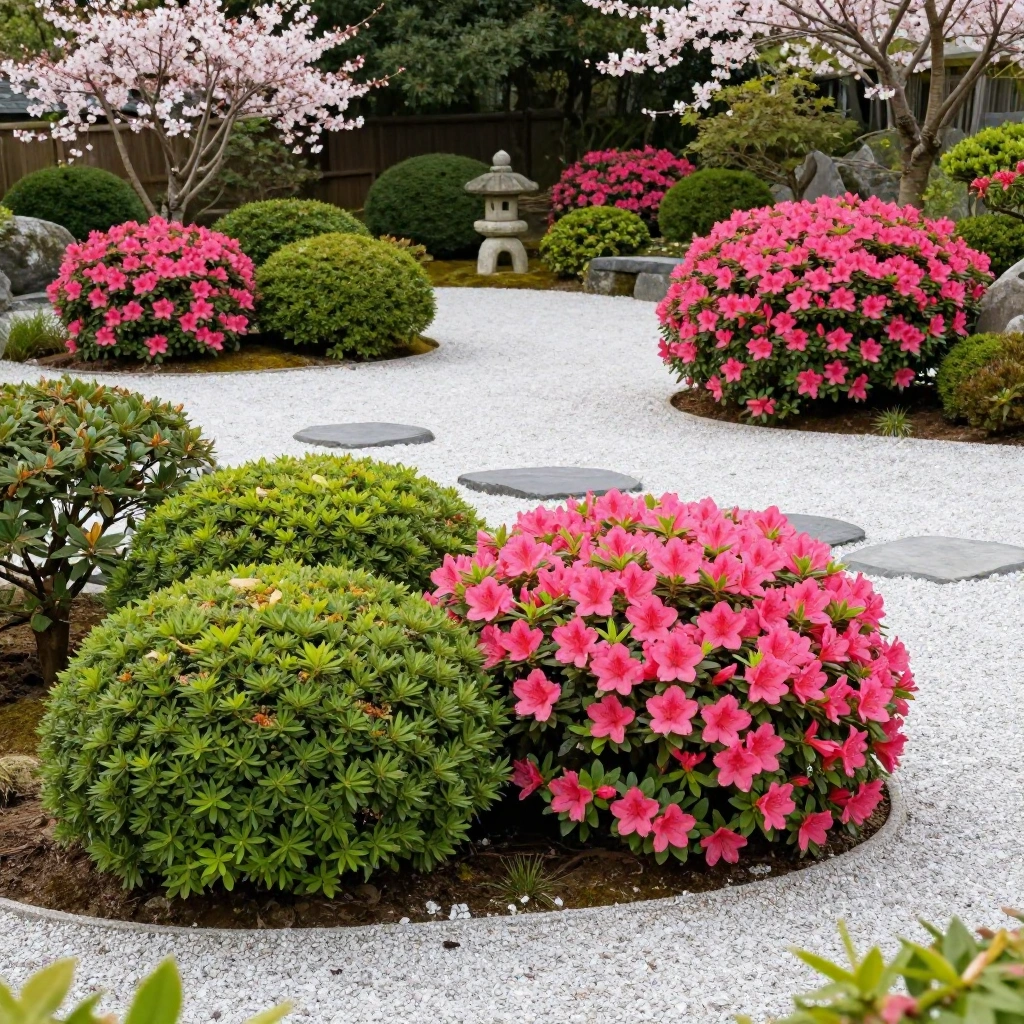
Karikomi is the Japanese art of clipping shrubs into rounded, organic cloud-like forms that mimic rolling hills or distant mountains. Using azaleas, boxwood, or Japanese holly, this technique creates a sculpted, painterly landscape that looks incredible year-round and bursts into vibrant color when the azaleas bloom in spring. Shop on Amazon
How to Style It:
- Combine three or more shrub varieties for varied color, texture, and bloom time
- Clip into smooth dome or cloud shapes using sharp hedge shears
- Set the shrubs in a sea of fine gravel or moss with stone accents between groups
- Alternate flowering azaleas with evergreen boxwood for year-round structure
- Use low edging or raked gravel to define the planting areas cleanly
Where to Use It:
Karikomi shrub designs work beautifully as a garden backdrop, along a boundary wall or fence, as a front garden display, or as the central planting feature of a larger Japanese garden composition.
Pro Tip:
Trim your azaleas immediately after they finish blooming (usually late spring) — pruning later in the season risks cutting off next year’s flower buds. Use this as a great opportunity to teach kids about plant care and the seasons.
Common Mistakes to Avoid
Creating a Japanese garden is deeply rewarding, but a few common missteps can undermine the serene effect you are aiming for. Here is what to watch out for:
1. Overcrowding the Space Japanese garden design thrives on simplicity and negative space. Resist the urge to fill every inch — allow breathing room between elements so each one can be appreciated on its own.
2. Mixing Too Many Styles Combining Zen rock garden elements with a lush tropical planting scheme creates visual conflict. Stick to one or two complementary themes and let them shine.
3. Using Running Bamboo Without Barriers Running bamboo species can spread aggressively and become very difficult to remove. Always use clumping varieties or install deep root barriers.
4. Neglecting Maintenance Japanese gardens look effortless but require consistent, mindful upkeep — regular raking, pruning, and moss misting keep the design looking intentional rather than neglected.
5. Choosing the Wrong Plants for Your Climate Many traditional Japanese plants like certain maples and azaleas have specific climate needs. Always research whether a plant suits your local conditions before purchasing.
6. Ignoring Scale A massive stone lantern in a small courtyard overwhelms the space just as much as a tiny lantern gets lost in a large garden. Match the scale of every element to the size of your space.
Frequently Asked Questions
Q: Do I need a large garden to create a Japanese garden? Not at all! Many Japanese garden principles — like a Zen rock garden, a bamboo water feature, or a moss container garden — work beautifully in very small spaces, including balconies and courtyards. It is all about proportion and intention.
Q: Are Japanese gardens safe for young children? Yes, with a few simple adjustments. Avoid deep open water without protective edging or covers, choose non-toxic plants, and ensure pathways are stable and slip-resistant. Many features like rock gardens, bamboo paths, and stone lanterns are completely child-safe.
Q: What are the easiest Japanese garden elements to start with? Stone lanterns, a simple bamboo water feature, and a Japanese maple tree are all relatively affordable and low-effort starting points that immediately create an authentic Japanese garden feel.
Q: How much does it cost to build a Japanese garden? Costs vary enormously depending on scale. A basic Zen rock garden can be created for under $200, while a full koi pond with water features and professional landscaping can cost several thousand dollars. Starting small and adding elements over time is a perfectly valid and enjoyable approach.
Q: What is the best low-maintenance Japanese garden idea? A Zen rock garden (karesansui) is the most low-maintenance option — it requires no watering, no fertilizing, and only occasional raking. A moss garden comes second for low-effort beauty once fully established.
Q: Can I mix Japanese garden elements with my existing garden style? Absolutely. Many homeowners successfully blend Japanese elements — like a stone lantern, a bamboo screen, or a clipped shrub arrangement — into Western-style gardens for a beautiful East-meets-West aesthetic. The key is to introduce elements thoughtfully rather than all at once.
Q: Which plants are most commonly used in Japanese gardens? Classic Japanese garden plants include Japanese maple (Acer palmatum), black pine (Pinus thunbergii), bamboo, azaleas, cherry blossom trees, ferns, hostas, mondo grass, and various mosses. These plants are widely available and offer outstanding seasonal interest.
Transform your outdoor space one element at a time — even a single stone lantern or a small moss patch is the beginning of your own peaceful Japanese garden story.