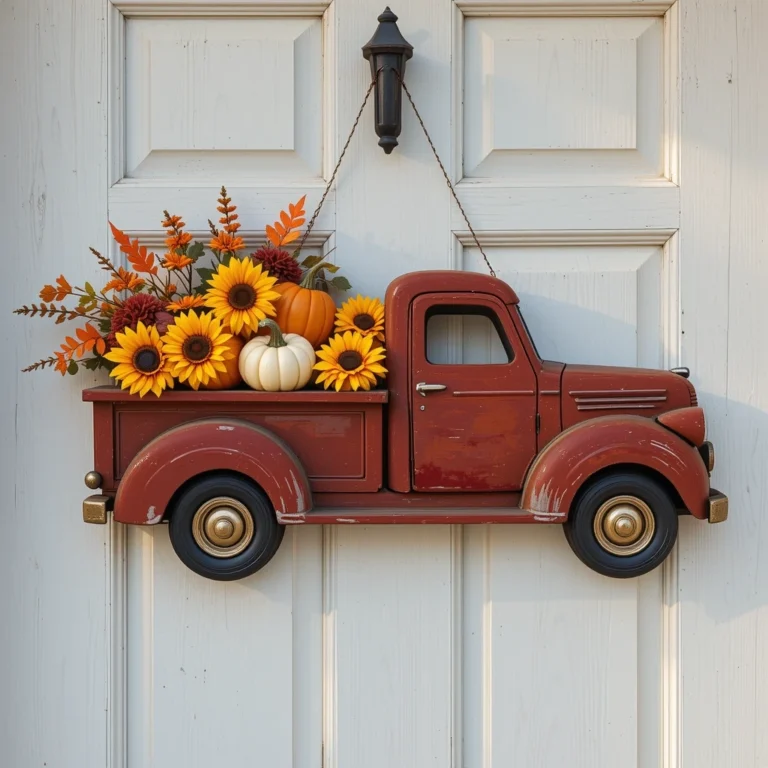
12 Small Garden Ideas That Make Every Inch Count
You don’t need a huge backyard to grow something beautiful. Small gardens can be just as lush, colorful, and inviting as large ones — sometimes even more so, because every plant and corner gets the attention it deserves. Whether you have a tiny patio, a narrow side yard, or just a few square feet of soil, there are smart, creative ways to turn that space into a garden you’ll love spending time in.
In this guide, we’re sharing 12 fresh and practical small garden ideas perfect for families, beginners, and anyone who wants to make the most of a compact outdoor space. From vertical planters to cozy reading nooks surrounded by greenery, these ideas work with your space — not against it. Let’s dig in!
1. Vertical Herb Garden Wall
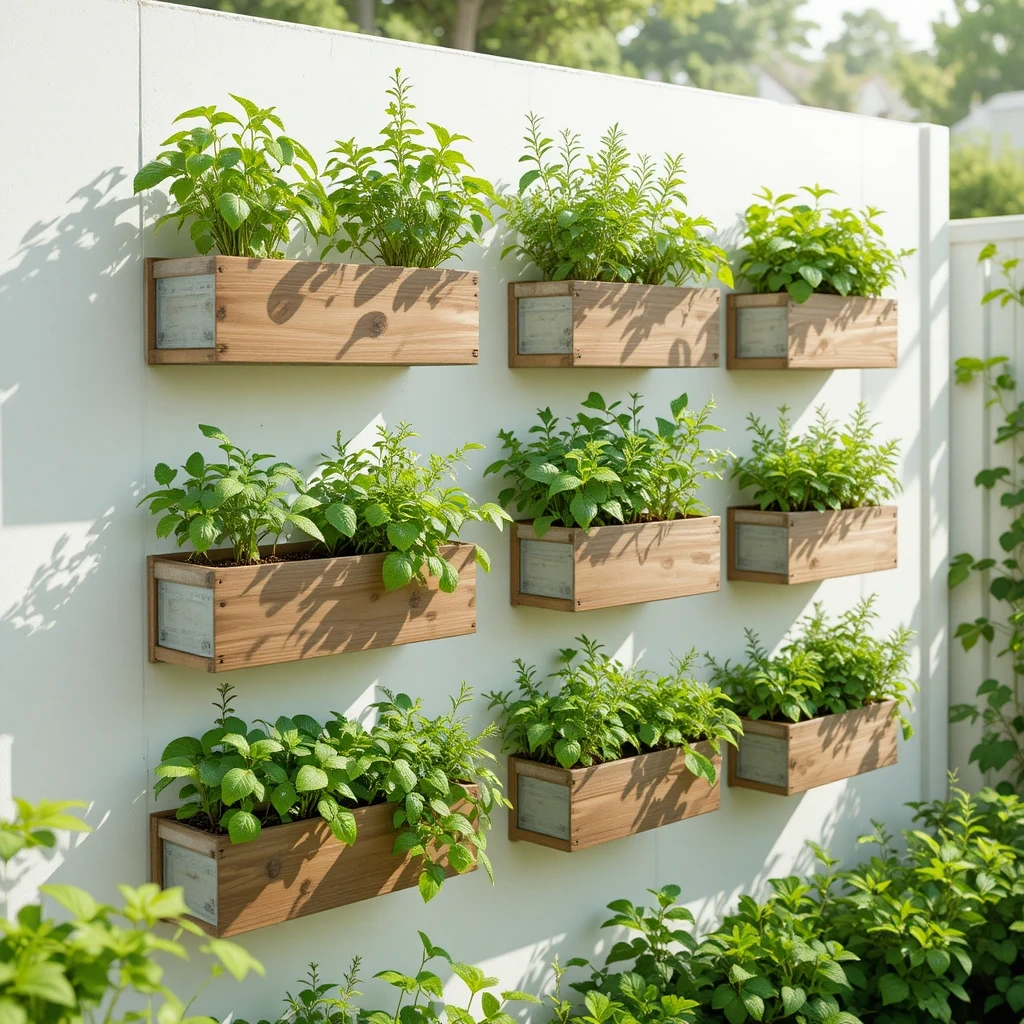
A vertical herb garden turns a bare fence or wall into a living, fragrant feature. By growing upward instead of outward, you save precious ground space while keeping your favorite cooking herbs close at hand. Shop on Amazon
How to Style It:
- Use a wooden pallet or wall-mounted pocket planters for a rustic look
- Label each plant with small chalkboard tags for a charming, organized touch
- Mix textures — feathery dill next to broad-leafed basil adds visual interest
- Keep color variety by including purple basil or variegated sage
Where to Use It: On a kitchen-facing fence, a sunny balcony wall, or a brick garden wall near the back door.
Pro Tip: Plant mint in its own separate pocket — it spreads aggressively and will crowd out other herbs if given the chance.
2. Raised Bed Vegetable Garden
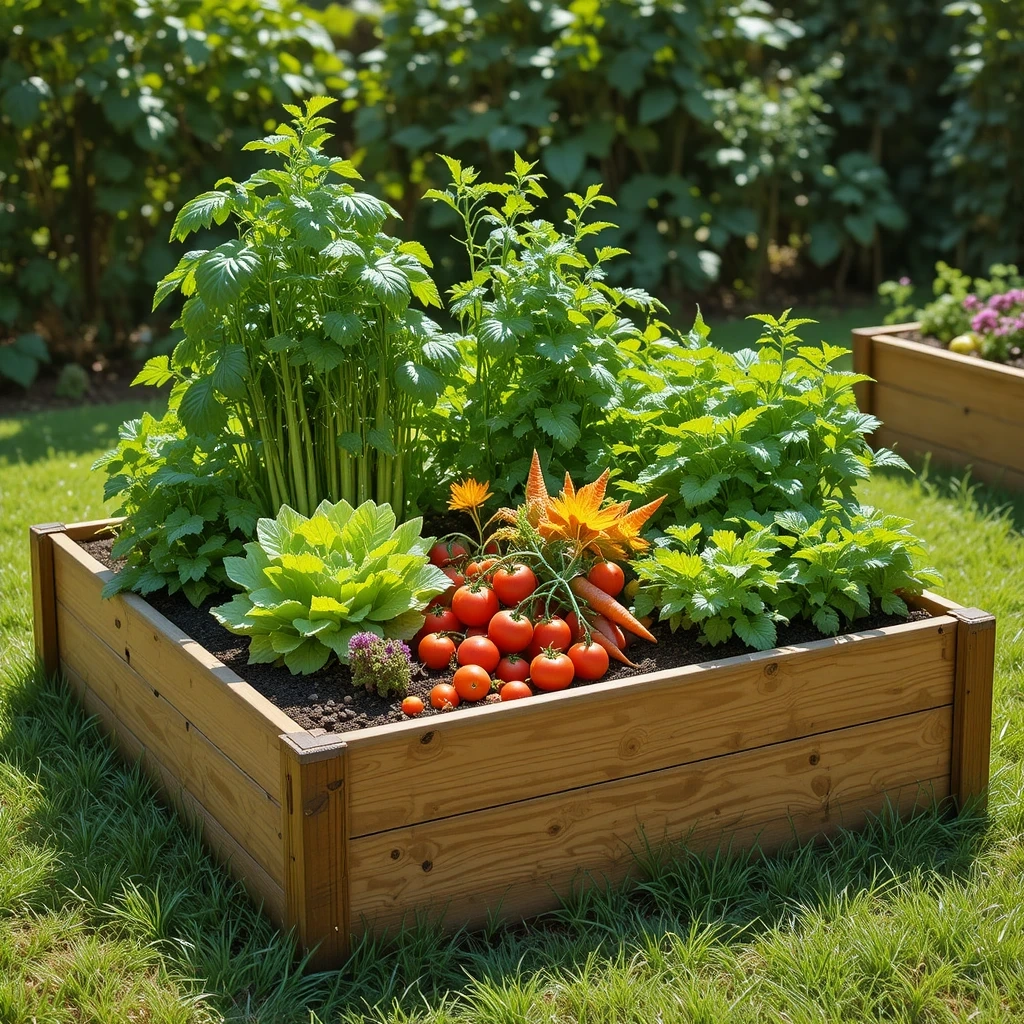
Raised beds are one of the most efficient ways to grow vegetables in a small garden. They warm up faster in spring, drain better than ground soil, and keep weeds at bay — meaning more harvest with less effort. Shop on Amazon
How to Style It:
- Build or buy a cedar or pine bed at least 30 cm deep for root vegetables
- Arrange plants in a square-foot gardening pattern to maximize yield
- Add a simple bamboo trellis at the back for climbing plants like beans or peas
- Paint the bed frame in a soft green or natural wood tone to blend into the garden
Where to Use It: In a sunny corner of a small backyard, on a paved patio (with a deep base), or along a garden path.
Pro Tip: Place your tallest plants (tomatoes, trellised beans) on the north side of the bed so they don’t shade shorter plants.
3. Fairy Garden Corner for Kids
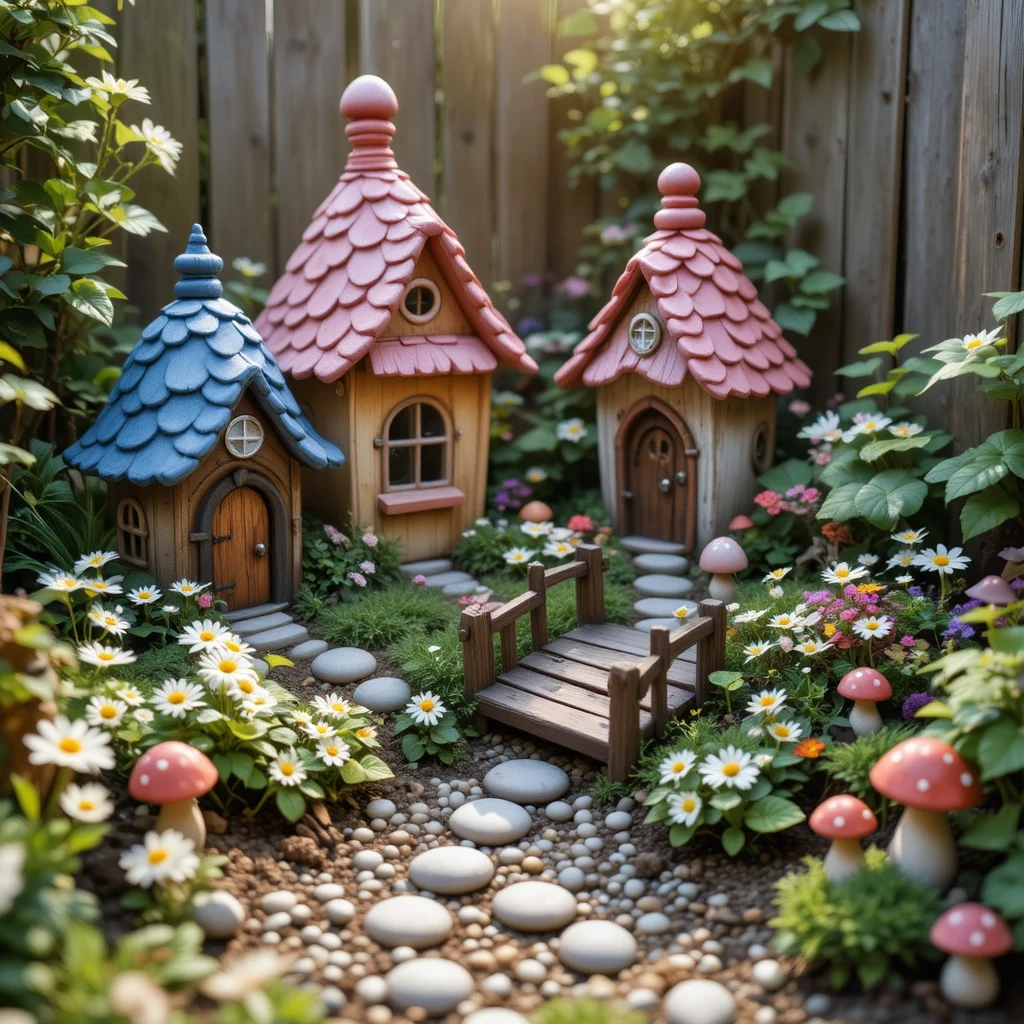
A fairy garden is one of the most magical ways to get children excited about gardening. These tiny, imaginative worlds tuck perfectly into a small corner and become a space kids will visit again and again. Shop on Amazon
How to Style It:
- Use a large terracotta pot, a wooden crate, or a small garden corner as the base
- Add miniature figurines — tiny cottages, little fences, and whimsical creatures
- Plant low-growing flowers like alyssum, thyme, or tiny succulents around them
- Include a pebble path and a mini birdbath for storytelling detail
Where to Use It: Tucked under a tree, along a garden edge, or inside a large container on a patio or balcony.
Pro Tip: Let your children choose one new fairy garden piece each season — it gives them a reason to tend and visit their garden regularly.
4. Container Flower Garden
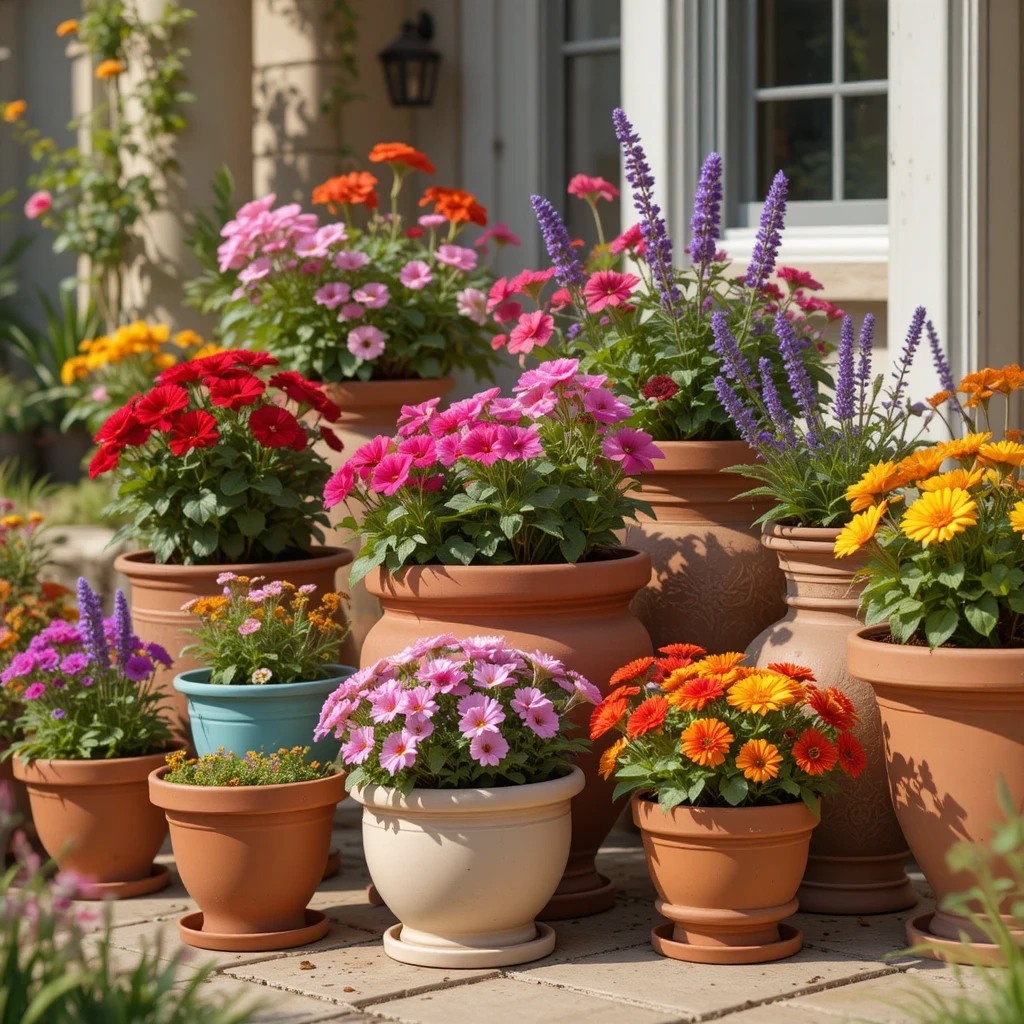
Container gardening is the ultimate solution for small spaces. Pots and planters let you rearrange your garden whenever you like, change out seasonal blooms, and grow on hard surfaces where planting in the ground isn’t possible. Shop on Amazon
How to Style It:
- Group containers in odd numbers (3, 5, or 7) at varying heights for a dynamic display
- Use a “thriller, filler, spiller” formula — one tall plant, one mounding plant, one trailing plant per pot
- Coordinate pot colors or keep them earthy and neutral to let the flowers shine
- Add one fragrant plant like lavender or sweet alyssum near a seating area
Where to Use It: On patios, doorsteps, balconies, around garden benches, or lining a garden path.
Pro Tip: Place a layer of gravel at the bottom of each pot before adding soil — it improves drainage and prevents root rot.
5. Cozy Garden Seating Nook
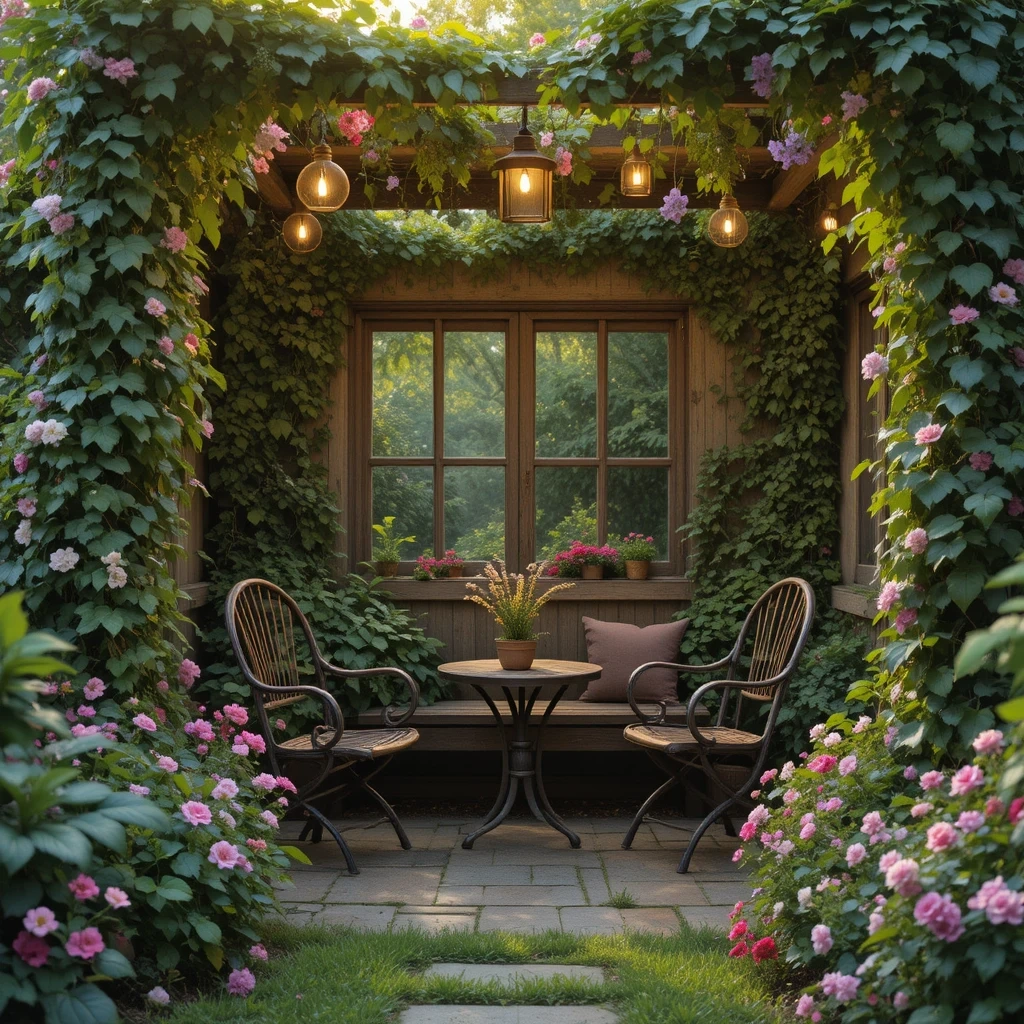
Every garden — no matter how small — deserves a place to sit and enjoy it. A well-designed seating nook creates a sense of destination and makes your garden feel like an outdoor room. Shop on Amazon
How to Style It:
- Choose compact furniture: a bistro set or a single garden bench with cushions
- Frame the nook with climbing plants on a trellis or arch — jasmine, roses, or clematis
- Hang solar fairy lights above for warm evening ambiance
- Add a small side table for books, drinks, or a potted plant
Where to Use It: In a sheltered corner of the garden, against a fence, or under a pergola or garden arch.
Pro Tip: Position your seating to face the most beautiful part of your garden — a flower border, a pond, or a view — so sitting there always feels rewarding.
6. Stepping Stone Pathway
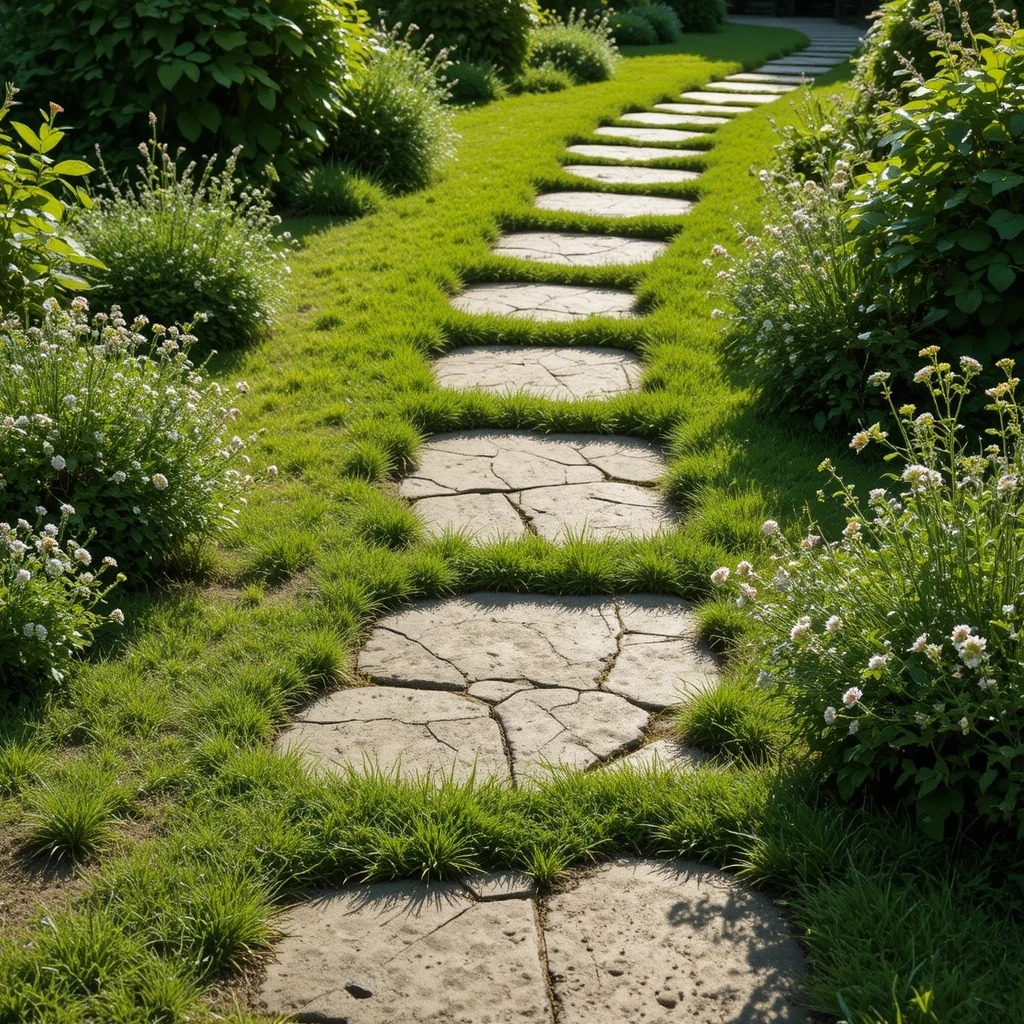
A stepping stone path adds structure and charm to even the smallest garden. It draws the eye forward, makes the space feel larger, and protects your grass and soil from foot traffic. Shop on Amazon
How to Style It:
- Use natural flat stones, poured concrete rounds, or decorative mosaic pavers
- Space stones 40–50 cm apart — a comfortable walking stride
- Plant low creeping herbs like thyme or chamomile between stones to fill gaps beautifully
- Curve the path gently — straight paths feel abrupt in small spaces
Where to Use It: Leading from a patio to a raised bed, connecting two garden zones, or winding through a flower border.
Pro Tip: Press each stone into the ground slightly so it sits flush with the soil — this prevents tripping and creates a cleaner finish.
7. Butterfly and Bee Pollinator Garden
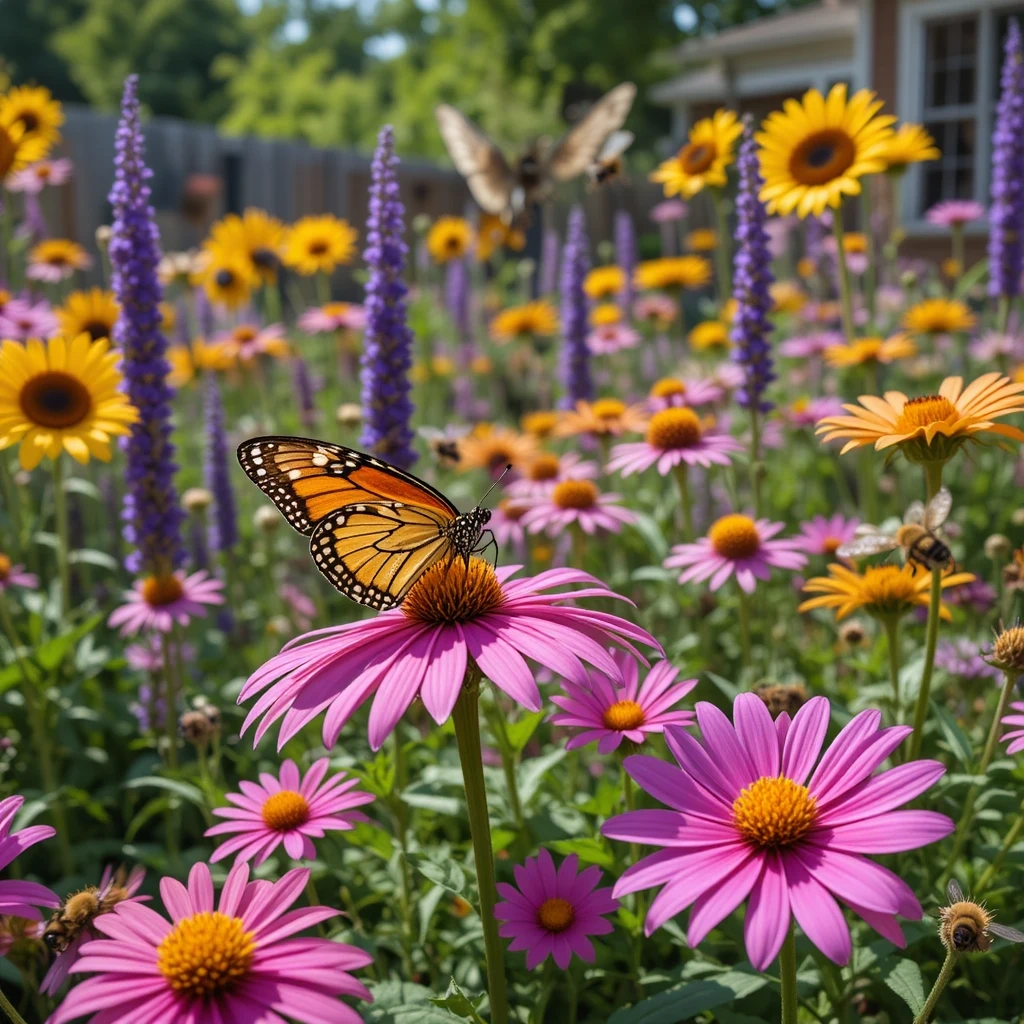
A pollinator garden is as beautiful as it is beneficial. By choosing the right flowers, you invite butterflies, bees, and other helpful insects into your garden — which is a wonderful, educational experience for children. Shop on Amazon
How to Style It:
- Choose a mix of flowering plants that bloom at different seasons for continuous attraction
- Include flat-topped flowers like echinacea, yarrow, and cosmos — easy landing pads for butterflies
- Add lavender and borage for bees
- Avoid overly manicured or double-petaled flowers — bees can’t access their pollen easily
Where to Use It: In a sunny raised bed, a dedicated border, or a cluster of containers in a bright spot.
Pro Tip: A shallow dish of water with a few pebbles for landing makes a simple bee and butterfly watering station — kids love setting this up.
8. Compact Fruit Tree Patio Garden
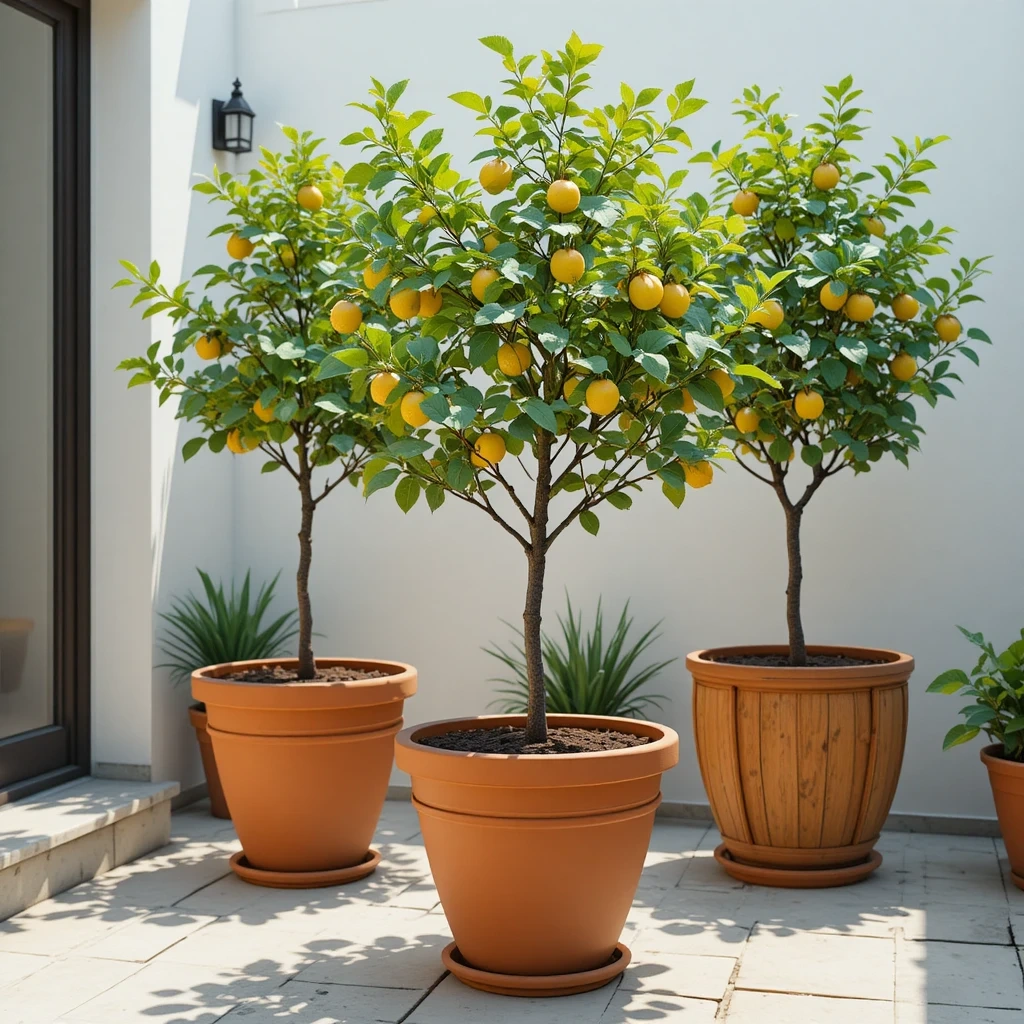
You don’t need an orchard to grow your own fruit. Dwarf and patio varieties of apple, lemon, fig, and cherry trees grow happily in large containers and produce a real harvest from even the smallest outdoor space. Shop on Amazon
How to Style It:
- Choose self-fertile dwarf varieties — they don’t need a second tree for pollination
- Plant in large containers (at least 40–50 cm wide) with quality potting compost
- Group two or three fruiting containers together for a lush, abundant look
- Underplant with strawberries or low herbs around the base of each pot
Where to Use It: On a sunny patio, terrace, or balcony — anywhere that gets at least 6 hours of direct sunlight.
Pro Tip: Feed your patio fruit trees with a high-potassium fertilizer (like tomato feed) from spring through to harvest — they need extra nutrition in containers.
9. Mini Water Feature Garden
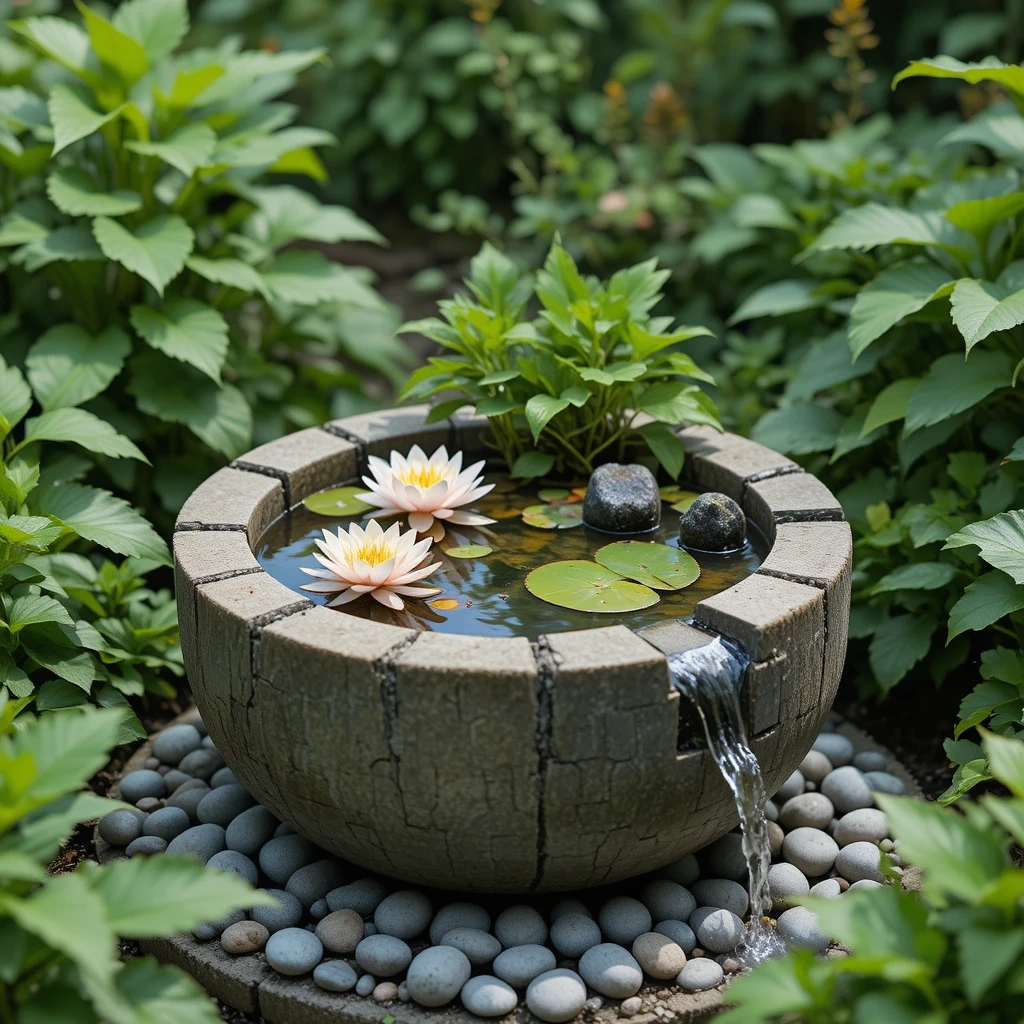
The sound of moving water transforms a small garden. A mini water feature — even a single large ceramic pot with a small pump — adds a calming, luxurious quality to any outdoor space. Shop on Amazon
How to Style It:
- Use a large glazed pot, a half-barrel, or a stone trough as your container pond
- Add a small solar-powered pump for gentle movement
- Float water plants like water hyacinth or dwarf water lilies on the surface
- Surround with smooth river pebbles and moisture-loving plants like hostas
Where to Use It: In a shaded garden corner, on a patio, or as a focal point in a small courtyard garden.
Pro Tip: Add a few small aquatic snails to your container pond — they eat algae naturally and keep the water clearer without chemicals.
10. Colorful Balcony Garden
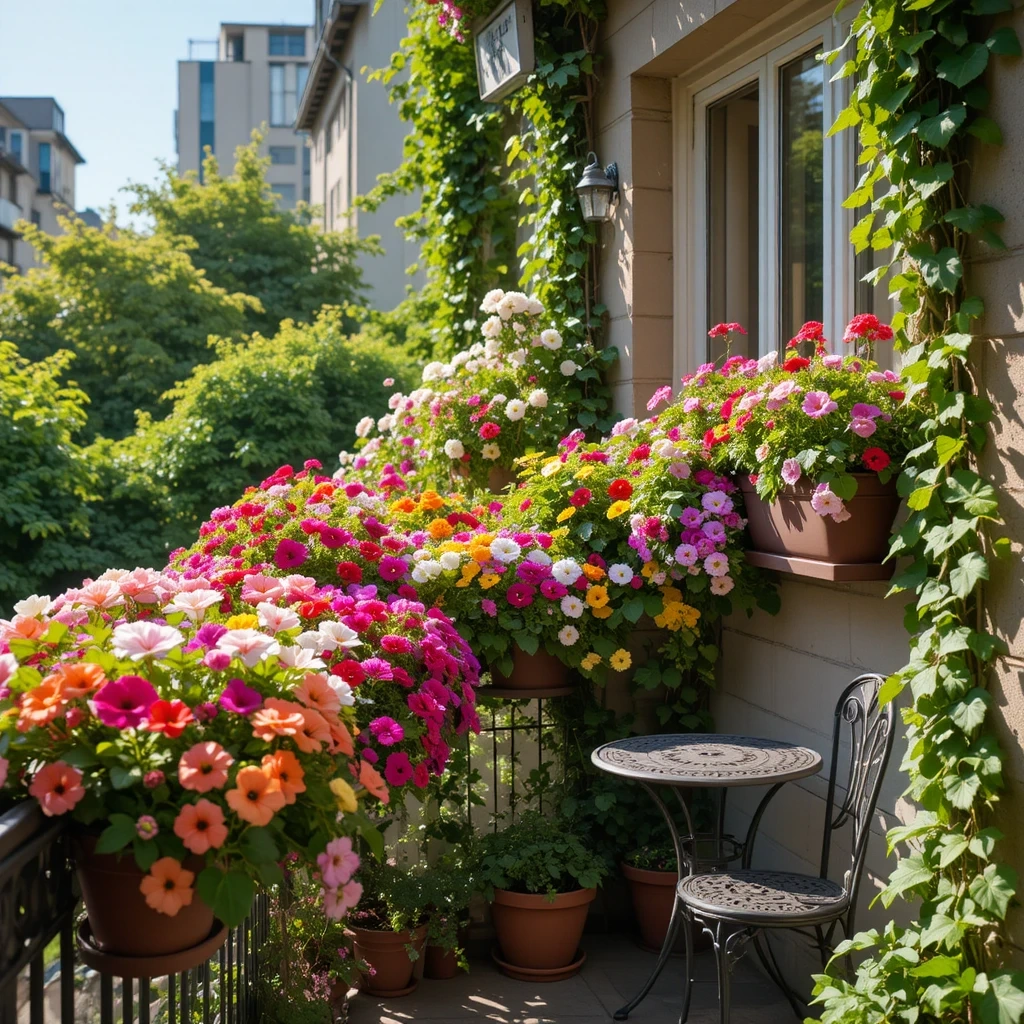
A balcony garden brings life, color, and nature to city living. With the right plants and smart use of vertical and railing space, even a small balcony becomes a flourishing outdoor retreat. Shop on Amazon
How to Style It:
- Attach railing planters along the edge for trailing flowers like petunias and bacopa
- Use a tiered plant stand to stack multiple pots without taking up floor space
- Hang a wall-mounted planter or two for herbs or trailing succulents
- Choose wind-tolerant plants for high-rise balconies — geraniums, lavender, and ornamental grasses handle wind well
Where to Use It: Any balcony, terrace, or rooftop with access to sunlight for at least a few hours a day.
Pro Tip: Water balcony plants more frequently than ground-level gardens — containers dry out faster, especially on hot or windy days.
11. Shaded Fern and Foliage Garden
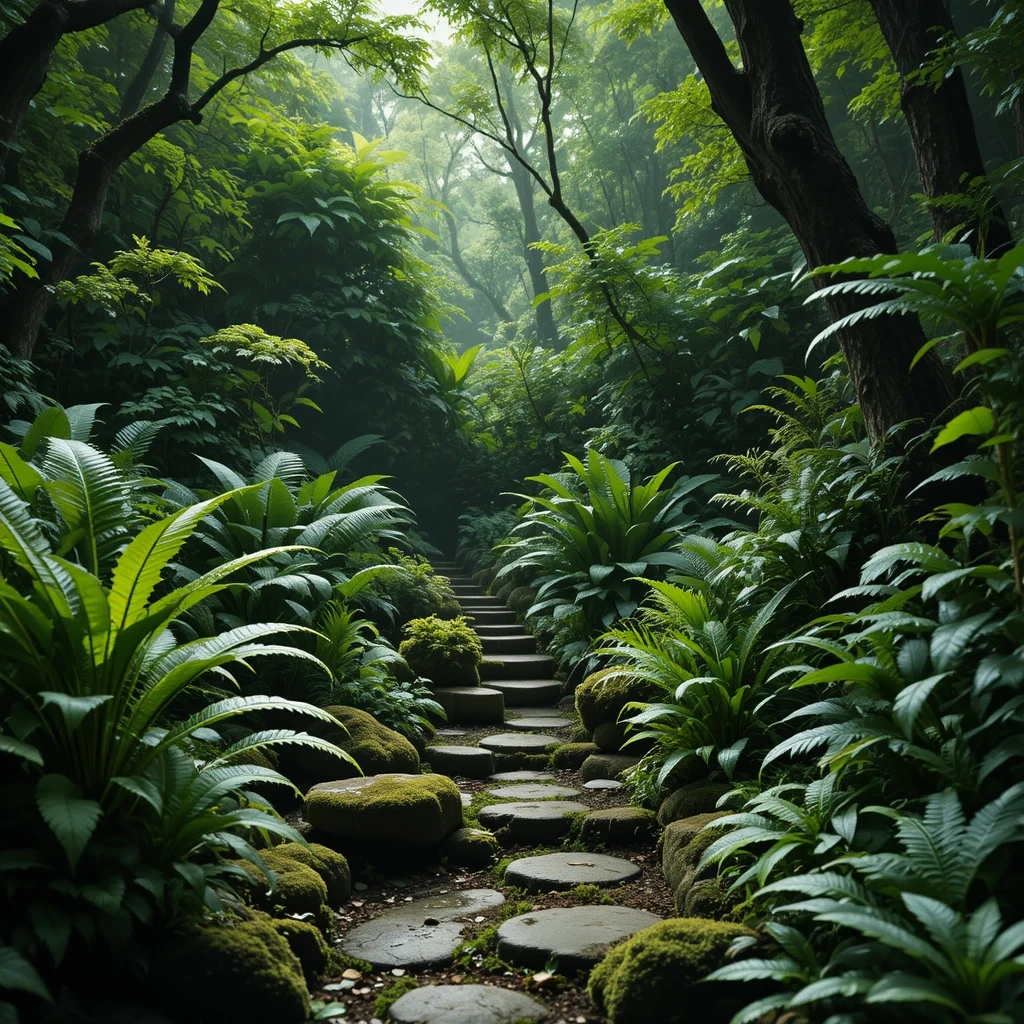
Not every garden gets full sun — and that’s perfectly fine. A shaded fern and foliage garden leans into lower light and creates a cool, tranquil green sanctuary that feels like a private woodland corner.
How to Style It:
- Layer ferns, hostas, and hellebores for varying heights and textures
- Add large smooth stones or mossy logs for a natural woodland feel
- Use plants with variegated or contrasting foliage — cream-edged hostas next to deep green ferns
- Include a single shade-tolerant flowering plant like astilbe for seasonal color
Where to Use It: Under trees, along north-facing fences, in shadowed courtyards, or in a basement garden well.
Pro Tip: Hostas are a slug magnet — place copper tape around pot rims or use crushed eggshell around the base of plants as a natural deterrent.
12. Sensory Garden for Children
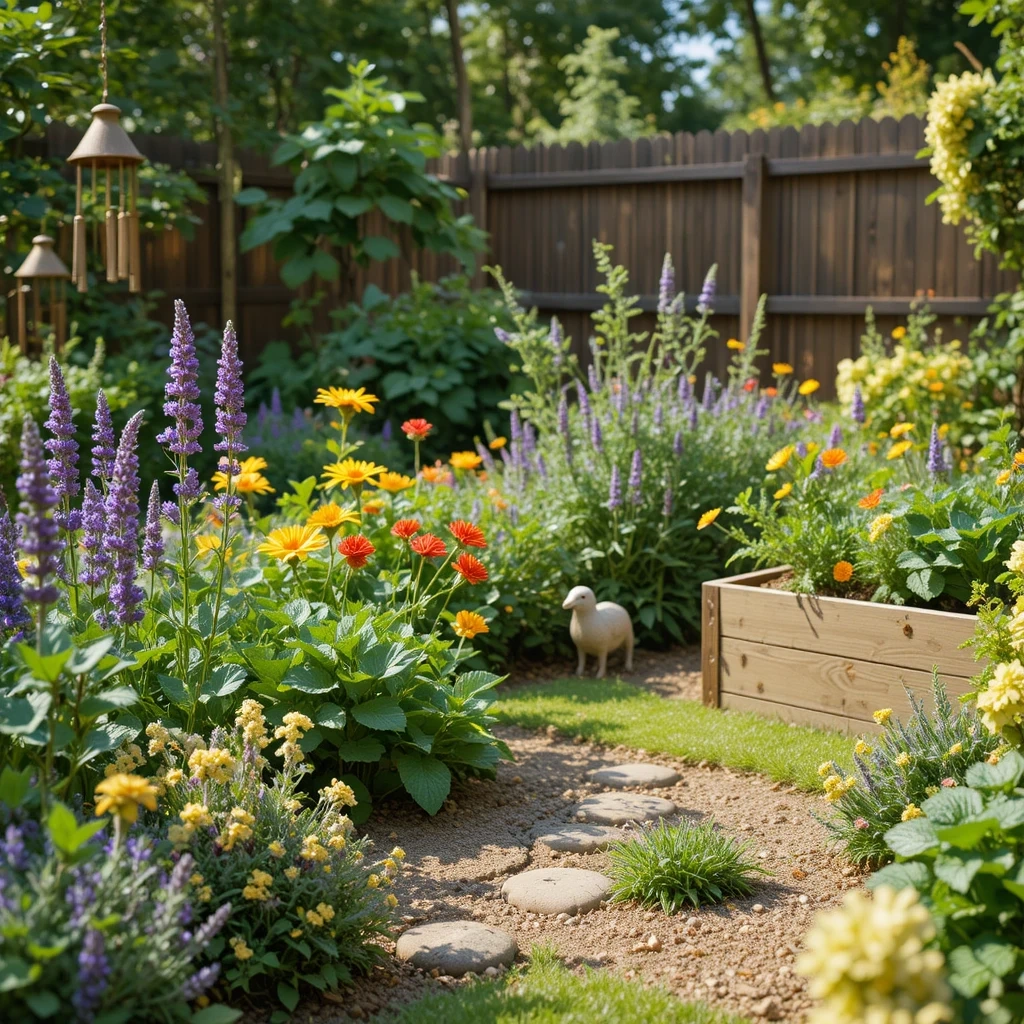
A sensory garden engages all five senses — touch, smell, sight, hearing, and even taste — making it the perfect learning environment for young children. It encourages curiosity, outdoor play, and a love of nature from an early age. Shop on Amazon
How to Style It:
- Plant soft, touchable plants like lamb’s ear and ornamental grasses for the sense of touch
- Include fragrant herbs and flowers — lavender, mint, chamomile, and sweet peas
- Add a wind chime or bamboo water feature for sound
- Grow edible treats kids can pick and taste: cherry tomatoes, strawberries, or snap peas
- Use bold, bright flowers for vivid visual stimulation
Where to Use It: In any family garden, along a low raised bed children can reach easily, or in a dedicated corner of a school or community garden.
Pro Tip: Give each child their own small pot or garden patch — ownership of a plant dramatically increases how much children engage with and care for it.
Quick Comparison: Which Small Garden Idea Is Right for You?
| Garden Idea | Best For | Sunlight Needed | Difficulty |
|---|---|---|---|
| Vertical Herb Wall | Cooking families | Full sun | Easy |
| Raised Bed Vegetables | Productive gardens | Full sun | Easy–Medium |
| Fairy Garden Corner | Families with young kids | Part shade | Easy |
| Container Flowers | Patios & balconies | Full–part sun | Easy |
| Seating Nook | Relaxation | Any | Easy |
| Stepping Stone Path | Garden structure | Any | Medium |
| Pollinator Garden | Wildlife & education | Full sun | Easy |
| Patio Fruit Trees | Edible gardens | Full sun | Medium |
| Mini Water Feature | Tranquil atmosphere | Part shade | Medium |
| Balcony Garden | Urban homes | Full–part sun | Easy |
| Fern & Foliage Garden | Shaded spaces | Shade–part shade | Easy |
| Sensory Garden | Families with children | Full–part sun | Easy |
Common Mistakes to Avoid in Small Garden ideas
Overcrowding Plants It’s tempting to fill every gap, but overcrowded plants compete for light, water, and nutrients — and often all suffer as a result. Give each plant the space listed on its label and be patient while it grows.
Ignoring Vertical Space Many small garden owners only think horizontally. Walls, fences, and trellises are free growing space — use them for climbers, hanging baskets, and wall-mounted planters to triple your planting area.
Choosing the Wrong Plant for the Spot Always check a plant’s sunlight and soil requirements before buying. A sun-loving lavender in a shaded corner, or a moisture-loving fern in a dry spot, will struggle no matter how well you care for it.
Skipping Drainage Poor drainage is one of the most common causes of plant failure. Always use pots with drainage holes, add grit to heavy soil, and never let pots sit in standing water for extended periods.
Neglecting Scale Large, bulky furniture or oversized pots can make a small garden feel cramped and cluttered. Choose furniture and features proportional to your space — compact, slim-legged pieces work best.
Forgetting Seasonal Interest A garden that’s beautiful in summer but bare in winter or spring can be disappointing. Choose a mix of plants that offer interest across different seasons — spring bulbs, summer flowers, autumn berries, and evergreen foliage year-round.
Frequently Asked Questions
What is the easiest small garden idea for beginners? Container flower gardening is the most beginner-friendly option. Pots are forgiving, easy to manage, and you can start with just two or three containers. Geraniums, marigolds, and petunias are nearly foolproof choices that bloom for months.
How do I make my small garden look bigger? Use vertical space with climbing plants and wall planters. Curved paths and layered planting depths create a sense of journey and depth. Light colors (whites, creams, pale pinks) recede visually and make a space feel more open, while mirrors placed against garden walls can also create an illusion of extra space.
What vegetables grow best in a small garden? Salad leaves, radishes, spring onions, cherry tomatoes, dwarf courgettes, and herbs are all excellent choices for small spaces. They grow quickly, produce reliably, and most can be grown in raised beds or containers.
Can I have a garden on a small balcony? Absolutely. Balcony gardens thrive with the right plant selection and smart use of railing planters, tiered stands, and wall-mounted pots. Choose wind-tolerant varieties if you’re on a higher floor and use lightweight compost to reduce load.
How do I garden with young children? Give children their own small space or container, choose fast-growing plants like sunflowers or radishes that reward quickly, and make it sensory and fun. A fairy garden corner or a simple sensory bed with fragrant herbs is a wonderful starting point for young gardeners.
Do small gardens need as much maintenance as large ones? Small gardens are generally quicker to maintain, but they can require more frequent watering (especially containers) and more careful plant selection. Because every plant is visible, a small garden can look untidy more quickly — but it also takes far less time to tidy up.
How can I attract wildlife to a small garden? Plant pollinator-friendly flowers, add a shallow water dish, avoid pesticides, and leave a small wild corner with some leaf litter. Even the smallest garden can support bees, butterflies, birds, and beneficial insects with the right planting choices.
Transform your small outdoor space one idea at a time — and remember, the best garden is the one that brings your family joy, fresh air, and a little bit of nature every single day.