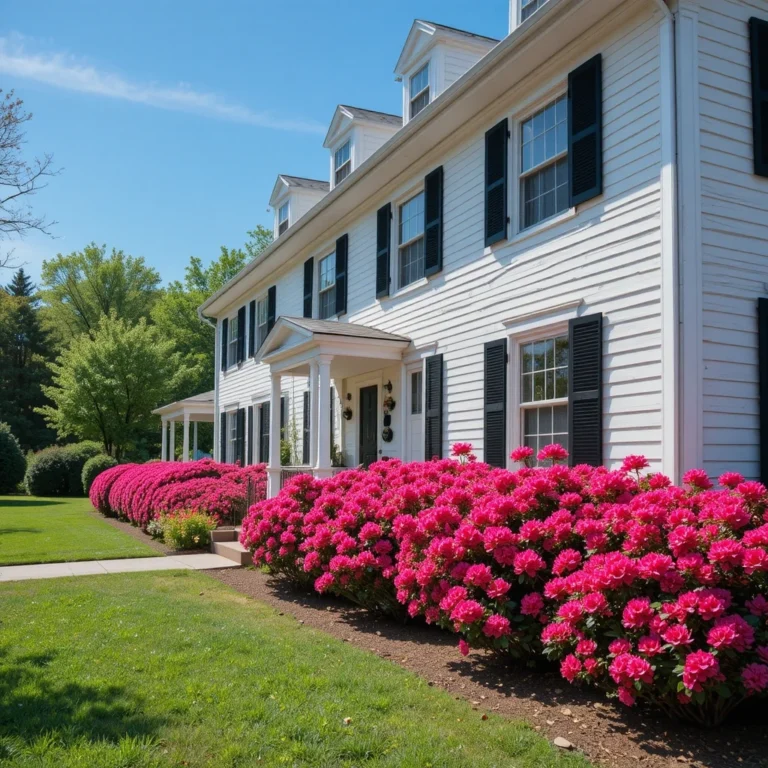
10 Creative Parking Spot Ideas to Make Your Space Stand Out
Most families walk past their parking spot every single day without giving it a second thought. But here’s the thing — that humble stretch of concrete, gravel, or asphalt is prime real estate just waiting to work harder for you. Whether you have a single driveway, a double garage, or a shared parking area, the right design can make it safer for kids, more welcoming for guests, and a whole lot easier on the eyes.
From clever storage tricks to lush green borders, the ideas below are proof that parking areas don’t have to be boring. You don’t need a massive budget or a professional contractor to get started — just a little inspiration and a weekend of family fun.
Before You Begin: A Quick Word on Planning
Before picking up a paintbrush or ordering materials, take five minutes to think about how your household actually uses the space. Do the kids ride bikes through the driveway? Does your family need room for a basketball hoop? Is there a muddy patch that always seems to flood? Answering these questions first will help you choose the ideas that are genuinely right for your home — and avoid costly do-overs later.
A great parking spot design balances three things: function (it works for your cars and your lifestyle), safety (especially important for little ones), and curb appeal (because a tidy, attractive exterior makes the whole home feel better). Keep those three pillars in mind as you explore the ideas below.
10 Parking Spot Ideas for Every Home & Family
1. Green Border Parking — The Garden-Edged Driveway
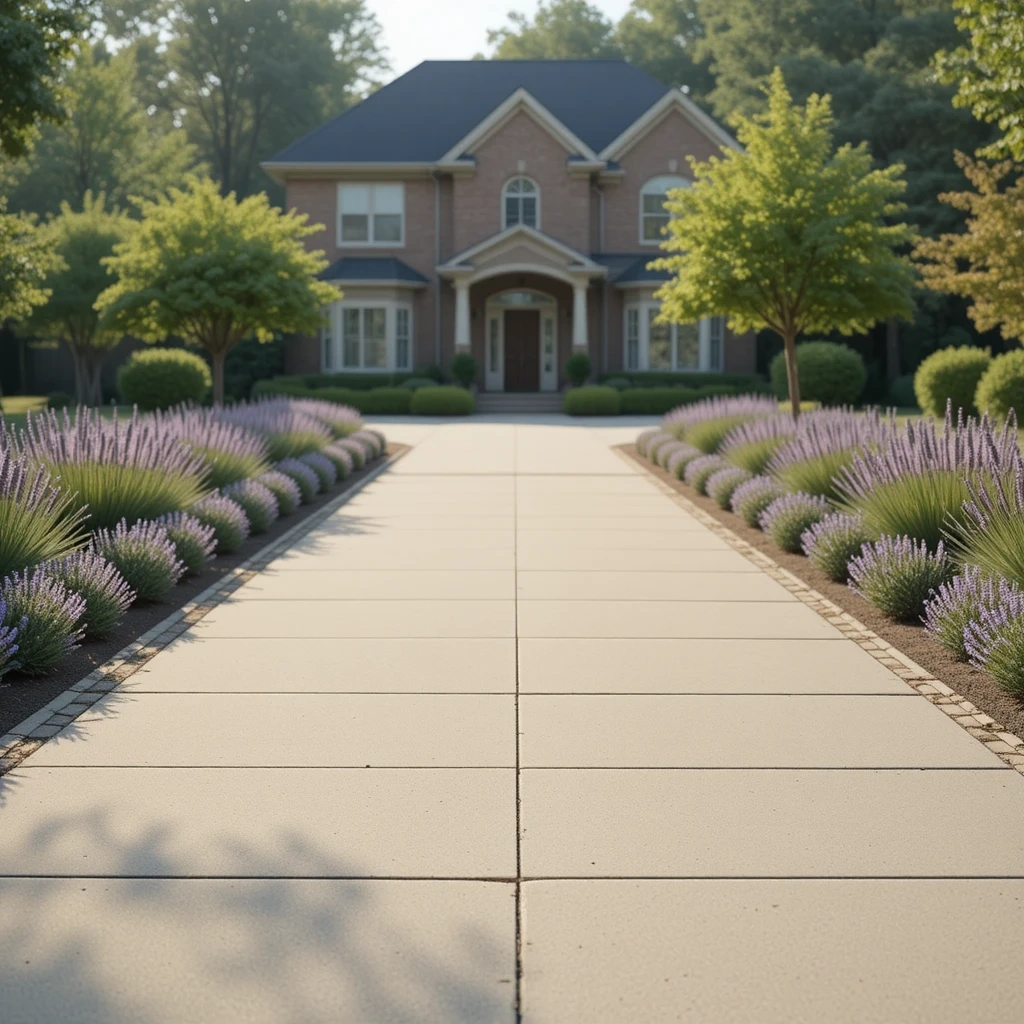
There’s something magical about a driveway that feels like it belongs in a garden. By adding low-growing plants, ornamental grasses, or flowering ground covers along both sides of your parking area, you soften hard edges and bring life to an otherwise flat surface. It’s one of the easiest, most family-friendly upgrades you can make — and kids love having a little nature right at the doorstep. Shop on Amazon
How to Style It:
- Choose low-maintenance plants like lavender, ornamental thyme, or creeping phlox for sunny spots
- Use dwarf boxwood or ornamental grasses for a structured, tidy border
- Add solar-powered stake lights along the plant line for nighttime safety
- Install a simple edging strip (metal or rubber) to keep plants from creeping onto the driveway
- Opt for non-toxic, pet-safe plants if you have dogs or cats
Where to Use It: Suburban homes with straight driveways, homes with garden-style landscaping, family homes where kids play outdoors regularly.
Pro Tip: Plant in raised timber or stone bed borders — it keeps roots from cracking your driveway surface over time and looks intentional and polished.
2. Painted Parking Bays — Fun, Functional Markings
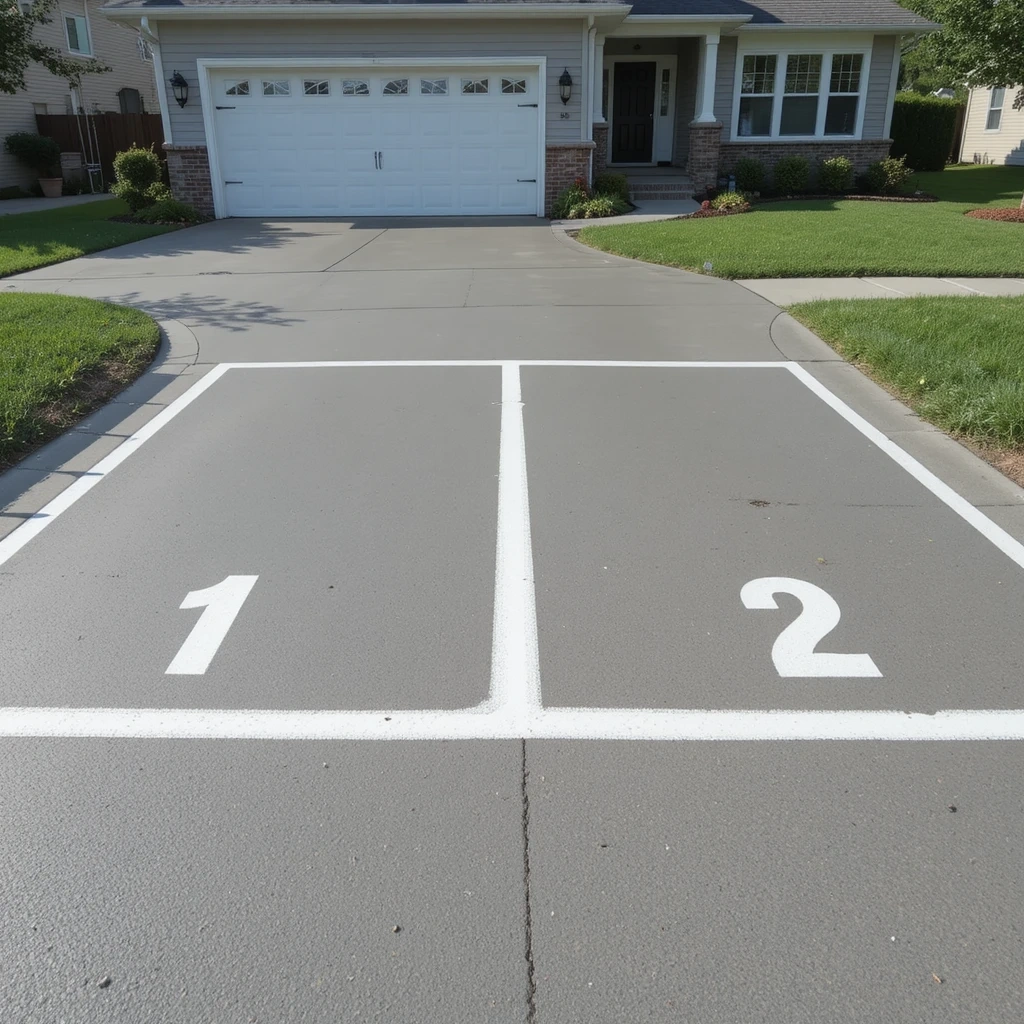
Painted parking bays aren’t just for parking lots — they’re a brilliant way to bring order, safety, and personality to your home driveway. You can define exactly where each car goes, mark out a safe kids’ play zone beside the car, or even add cheerful numbered spots for a touch of playful character. This works especially well for families with teenagers learning to park or homes with multiple vehicles. Shop on Amazon
How to Style It:
- Use exterior-grade line-marking paint in white, yellow, or a bold accent colour
- Add numbers or family initials to each bay for a fun personal touch
- Mark a clearly defined “safe zone” area in a contrasting colour for children
- Consider thermoplastic stencils for clean, professional-looking lines that last longer
- Add small arrow or directional guides to help less experienced drivers
Where to Use It: Wide driveways with space for two or more cars, shared family driveways, homes with young or novice drivers.
Pro Tip: Use glow-in-the-dark or reflective paint on edge lines — it’s a game-changer for safe reversing at night and looks surprisingly cool during the day.
3. Gravel & Stepping Stone Combo — Rustic Meets Practical
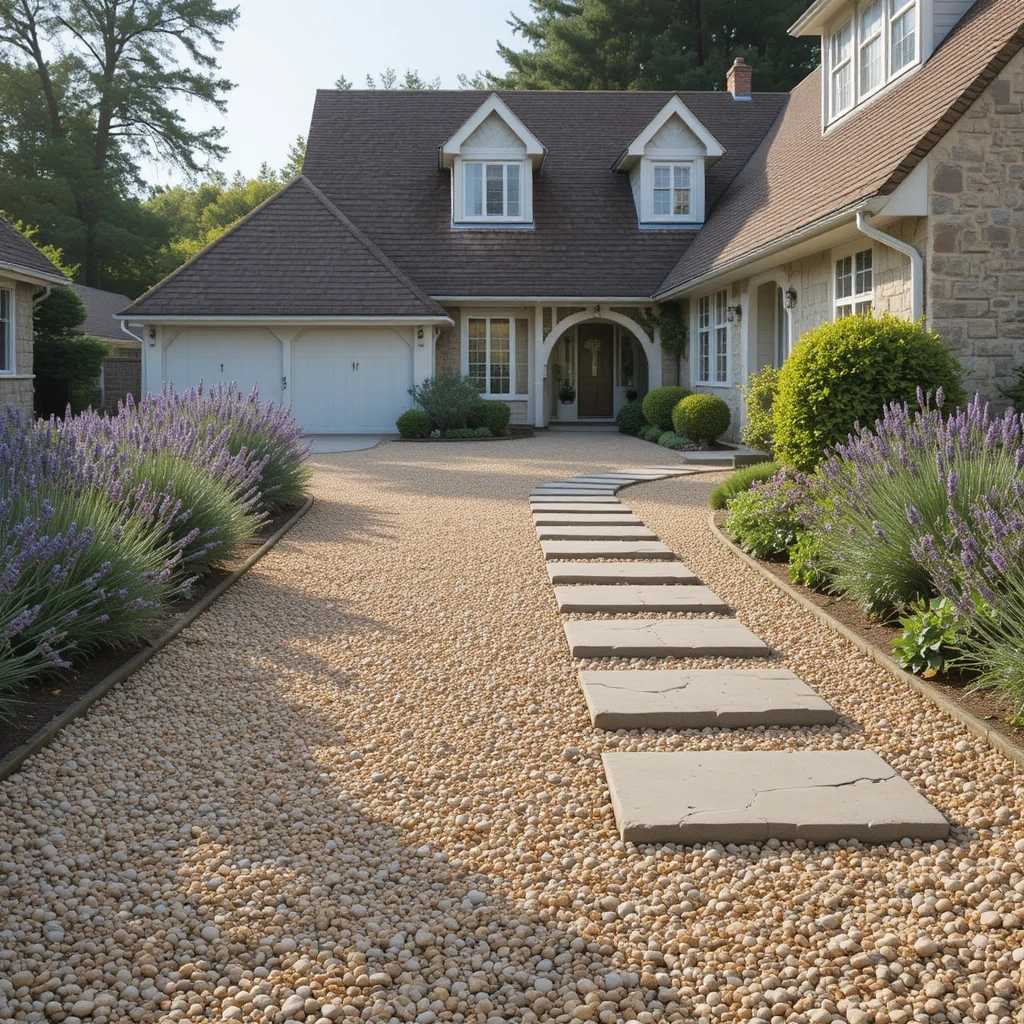
Gravel is one of the most cost-effective and versatile materials for parking areas — and when you pair it with large stepping stones or concrete pavers, it becomes both beautiful and practical.
This combination allows rainwater to drain naturally (great for the environment and for avoiding puddles!), while the stepping stones give clean footpaths so no one is trudging through loose gravel in nice shoes. Shop on Amazon
How to Style It:
- Use pea gravel or crushed granite for a clean, neutral base
- Lay large flat stepping stones or concrete pavers in two lines — one for each side of the car
- Add a weed membrane under the gravel to keep maintenance low
- Border the whole area with railway sleepers or stone edging for definition
- Plant clumping grasses or lavender at the corners for a natural finish
Where to Use It: Country-style or cottage homes, sloped driveways with drainage issues, homes where a paved driveway isn’t in the budget.
Pro Tip: Choose stepping stones at least 40–50cm wide so they’re comfortable for kids and adults with bags or prams — narrower than that and they become more frustrating than helpful.
4. Shade Tree Canopy Parking — Nature’s Own Car Port
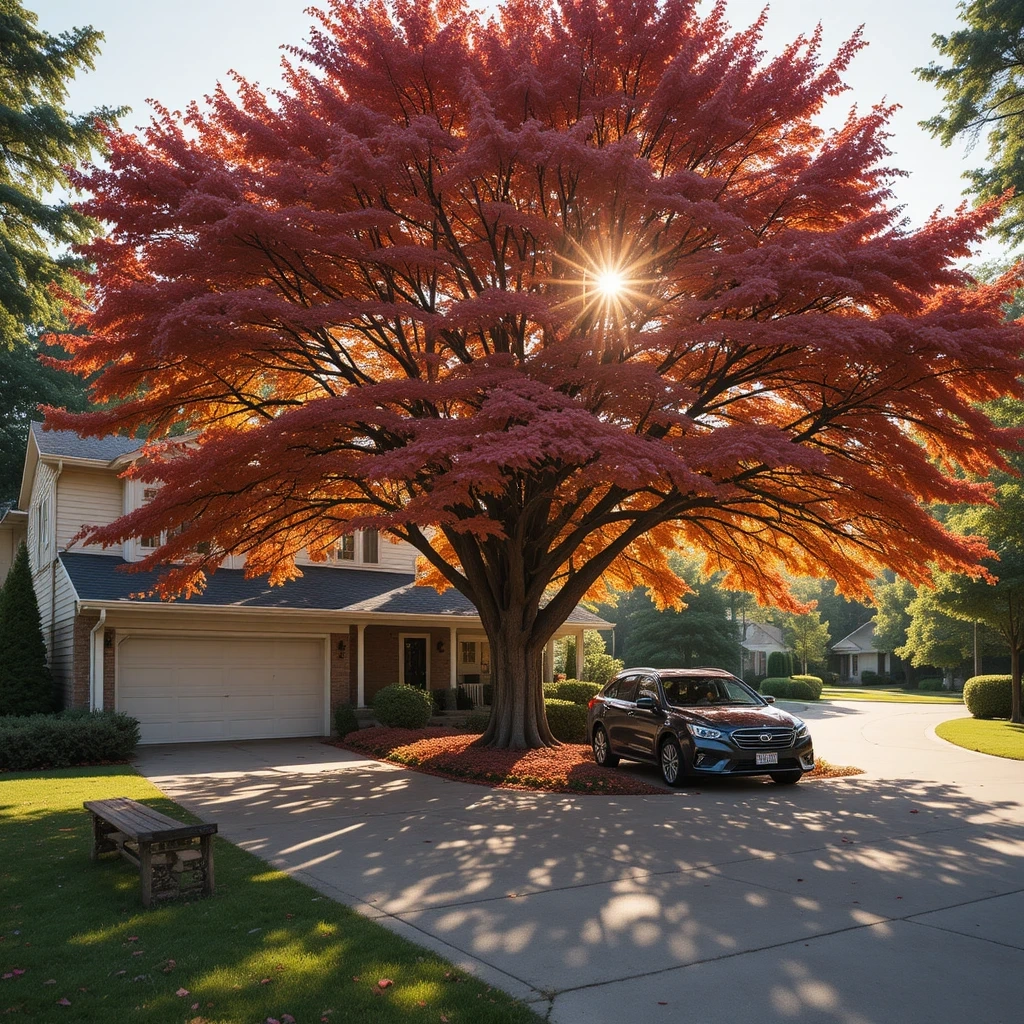
Parking under a beautiful tree canopy is one of life’s simple pleasures — your car stays cooler in summer, the kids have a natural play space nearby, and your property looks absolutely stunning. Strategically planting shade trees beside or behind your parking area transforms it from a utilitarian slab into a genuine outdoor destination for the whole family. Shop on Amazon
How to Style It:
- Choose non-invasive tree varieties: Japanese maple, crepe myrtle, or ornamental pear are excellent
- Position trees at least 3–4 metres from the driveway edge to protect against root damage
- Add a simple timber bench or swing beneath the canopy for a family gathering nook
- Use mulched circles around each tree base for a tidy, water-wise finish
- Install solar fairy lights in the branches for magical evening ambience
Where to Use It: Properties with larger driveways, homes in hot climates where car cooling matters, families who want an outdoor seating area near the front of the home.
Pro Tip: Avoid trees that drop sticky sap, heavy fruit, or excessive leaves directly onto the car — beautiful doesn’t mean low-maintenance! Ask your local nursery for “clean” tree varieties.
5. Paver Pattern Driveway — Artisan Style Underfoot
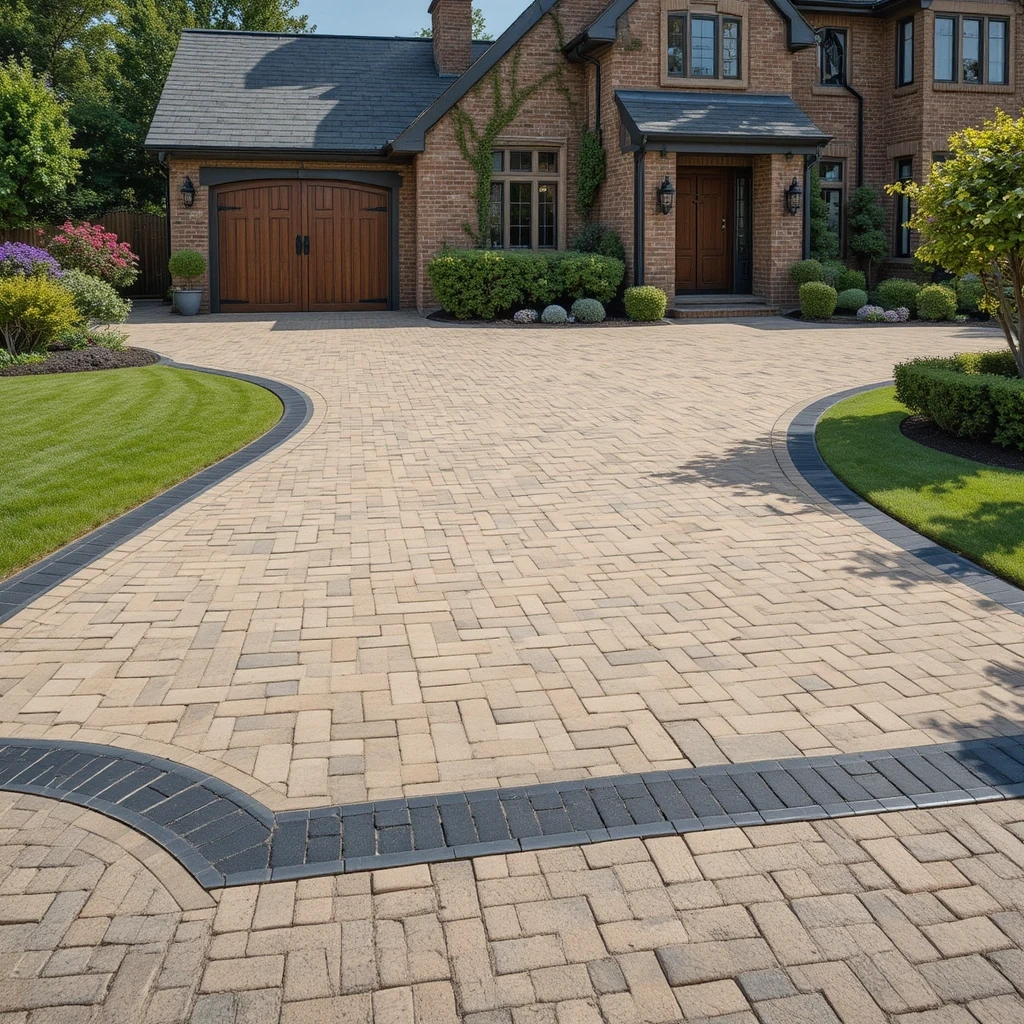
Patterned paving turns the most ordinary driveway into something genuinely eye-catching. From herringbone and basketweave to running bond and circular fan patterns, the design possibilities are enormous — and the result is a parking area that looks like it belongs on a home renovation show. This is one of the best long-term investments you can make, as quality pavers last for decades with minimal upkeep. Shop on Amazon
How to Style It:
- Choose from concrete, clay brick, or natural stone pavers depending on your budget and style
- Mix two complementary colours (e.g. cream and charcoal) for a pattern that really pops
- Use a herringbone or basketweave layout for maximum visual interest
- Frame the design with a contrasting border row to give it a finished, intentional look
- Seal the pavers every 2–3 years to protect against staining and weathering
Where to Use It: Federation, colonial, or period-style homes, anyone upgrading a tired concrete driveway, properties where kerb appeal matters for resale value.
Pro Tip: Hire a professional to lay the first metre at the kerb/street edge — it’s the most visible section and sets the tone for the entire design. You can sometimes DIY the rest if you’re handy.
6. EV Charging Station Integration — Future-Ready Parking
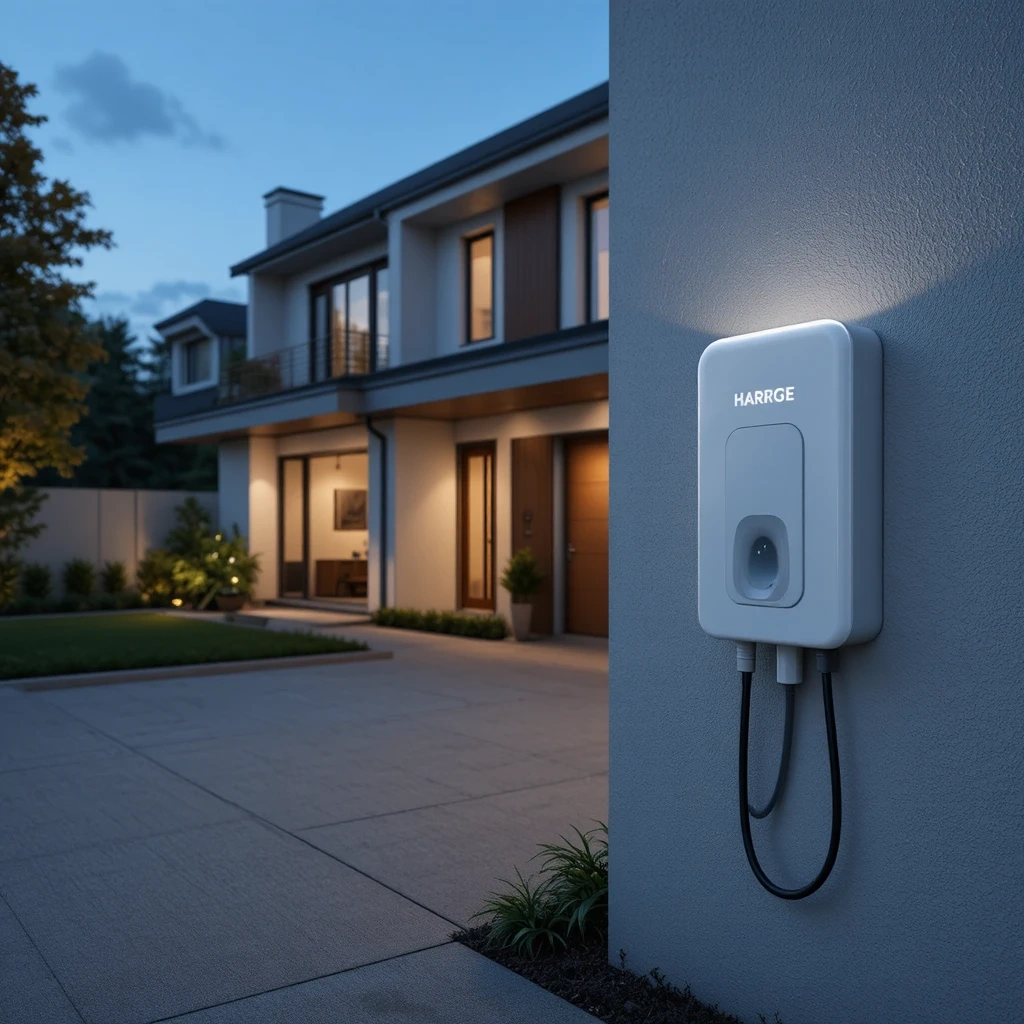
As electric vehicles become more common in family driveways, integrating a home EV charger into your parking setup isn’t just smart — it’s fast becoming essential. A well-designed EV charging station can be neat, unobtrusive, and even become a stylish focal point of your parking area. It also adds real, measurable value to your home. Shop on Amazon
How to Style It:
- Mount a wall-box charger on the garage wall or on a freestanding post beside the parking bay
- Run cable management conduits to keep cords tidy and out of reach of little hands
- Choose a charger with a sleek, compact design in white, black, or grey to match your home
- Add a weatherproof cover or small shelter overhead to protect the connection point
- Label the bay with a small “EV Charging” sign or stencil for a polished, organised look
Where to Use It: Any home with an electric or plug-in hybrid vehicle, new builds planning ahead, families wanting to future-proof their property.
Pro Tip: Have a licensed electrician assess your home’s electrical panel before installation — many older homes need a panel upgrade first, and it’s far cheaper to do it once than to retrofit later.
7. Carport With Storage — Double-Duty Shelter
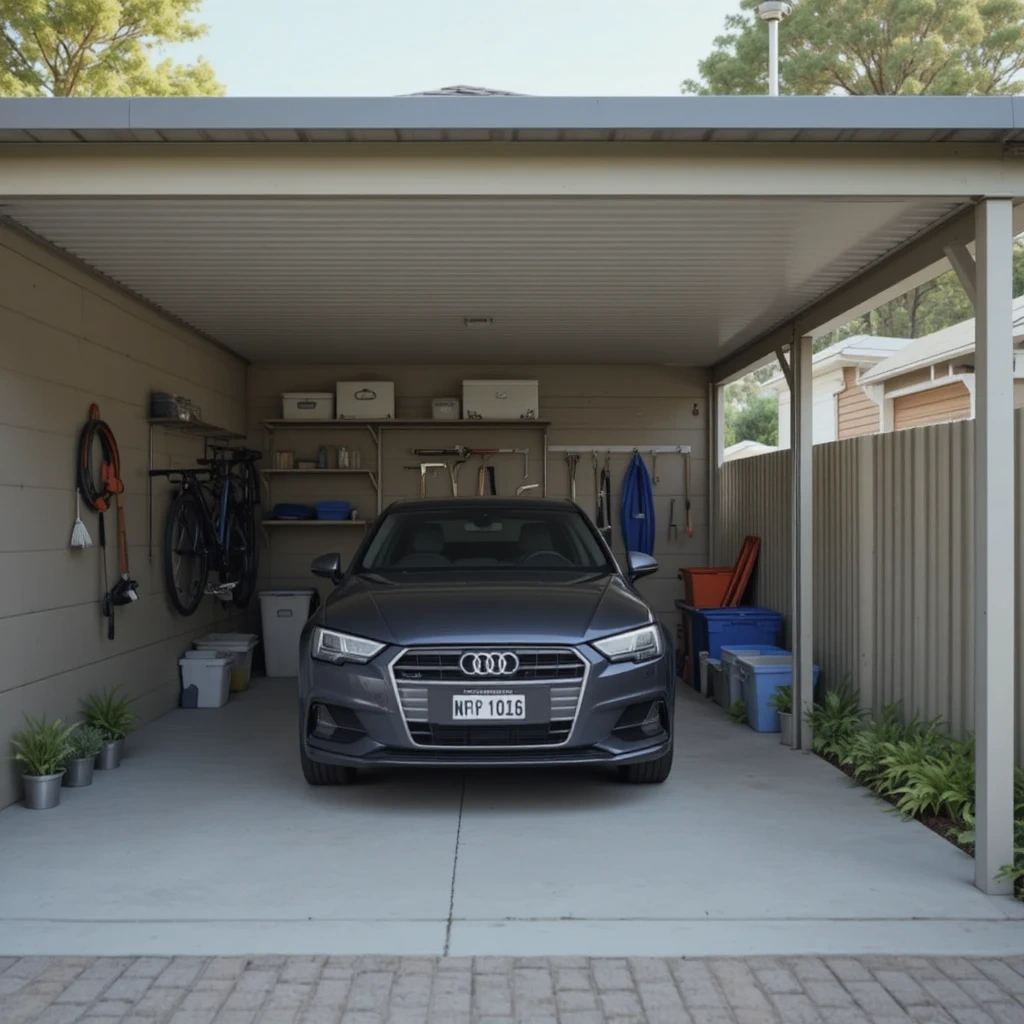
A carport gives your vehicle protection from the elements while doubling as one of the most useful outdoor storage spaces in your home. For families, this is a dream combination — park the car, store bikes, sporting equipment, garden tools, and the kids’ outdoor toys, all in one dedicated, weatherproof space. It keeps the garage (if you have one) tidy and the driveway clutter-free. Shop on Amazon
How to Style It:
- Choose a freestanding or attached carport with a corrugated or Colorbond steel roof
- Add a back or side wall with built-in shelving, pegboards, or overhead storage racks
- Install hooks for bikes, scooters, and helmets at varying heights for kids and adults
- Use clear plastic storage bins on shelves so kids can easily find (and put back!) their gear
- Add a garden hose reel holder and a small cabinet for chemicals stored up high and out of reach
Where to Use It: Homes without a garage, families with lots of outdoor equipment, homes in high-rainfall areas, anyone wanting to free up interior storage space.
Pro Tip: Ensure the carport roof slope directs rainwater away from both the car and the storage area — poor drainage planning is the most common (and easily avoided) carport mistake.
8. Permeable Paving — Eco-Friendly and Beautiful
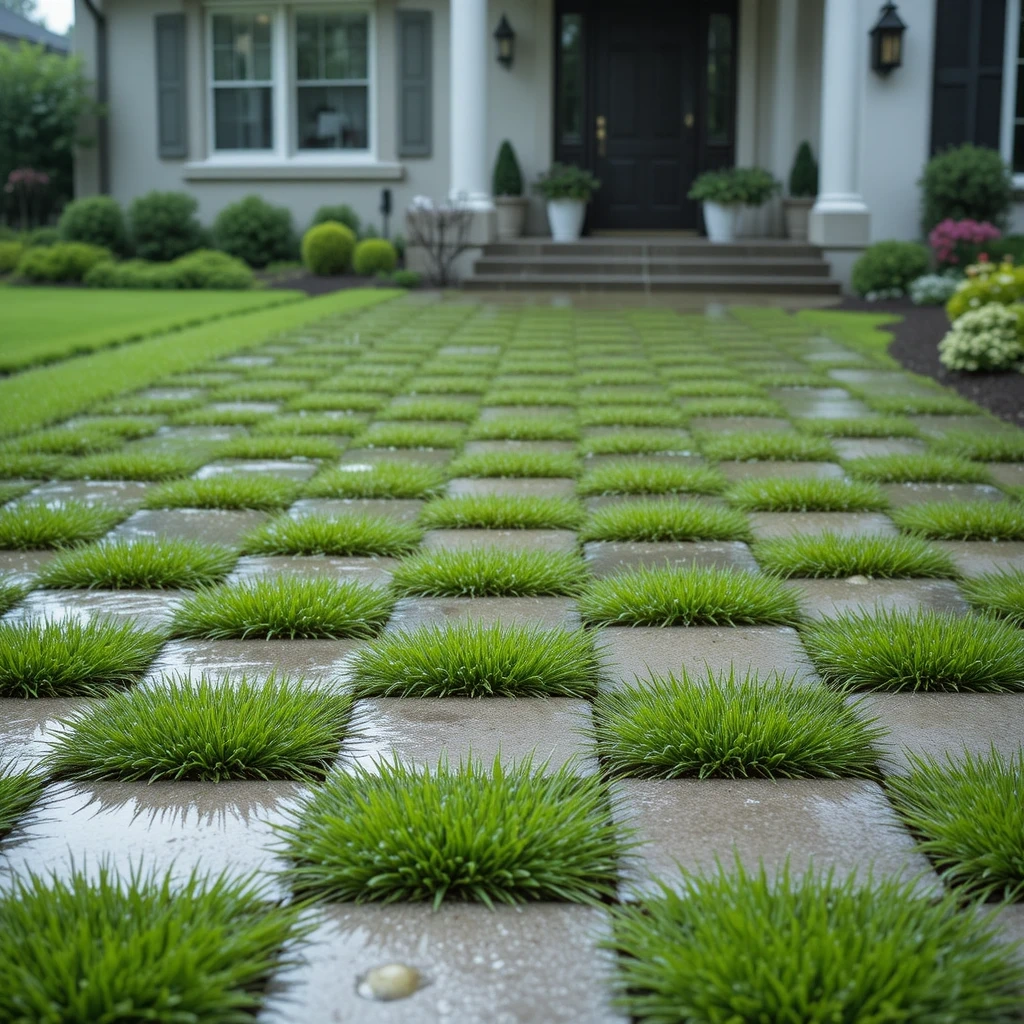
Permeable paving is one of the smartest innovations in modern driveway design. Unlike solid concrete or asphalt, permeable surfaces allow rainwater to soak through into the ground below — reducing runoff, preventing puddles, and supporting healthier soil and plant roots nearby. For families with kids who love playing outside, a driveway that dries quickly after rain is genuinely life-changing. Shop on Amazon
How to Style It:
- Choose from permeable concrete, resin-bound gravel, grass pavers, or interlocking permeable pavers
- Use a mix of materials: permeable paving in the car tracks with grass or ground cover in between
- Keep the palette natural — sandy beige, grey, or terracotta tones look beautiful and timeless
- Edge with timber, steel, or stone to give the design structure and definition
- Plant low-growing clover or sedum between grass paver cells for a lush, living texture
Where to Use It: Homes in areas with heavy rainfall or water restrictions, eco-conscious families, properties where council regulations require permeable surfaces.
Pro Tip: Check your local council regulations before installing — many areas now require a minimum percentage of permeable surface for new driveways, and this design often qualifies for green building incentives.
9. Tandem Parking With Smart Organisation — Making Two Fit Like One

Tandem parking (one car behind the other) is a practical necessity for many urban and semi-urban families — but it can quickly become frustrating if not set up thoughtfully. With the right markings, a logical parking order system, and clever storage around the edges, tandem parking can be genuinely smooth and even something the whole family manages without drama. Shop on Amazon
How to Style It:
- Paint clear front and rear parking limits with lines or tyre stop blocks
- Agree on a household “parking order” system: whoever leaves first parks last (at the front)
- Add a small whiteboard or chalkboard on the garage wall for leaving parking notes
- Use the side wall space for slim vertical storage — brooms, rakes, sports equipment
- Install motion-sensor lighting so both parking positions are visible and safe at night
Where to Use It: Narrow driveways, garages designed for tandem use, urban homes with limited street parking, townhouses and terraces.
Pro Tip: Fit a rubber tyre stopper at the back of each position — it gives each driver a clear physical signal of when to stop, prevents wall dings, and removes the guesswork completely.
10. Smart Lighting Design — Safety, Security & Ambience
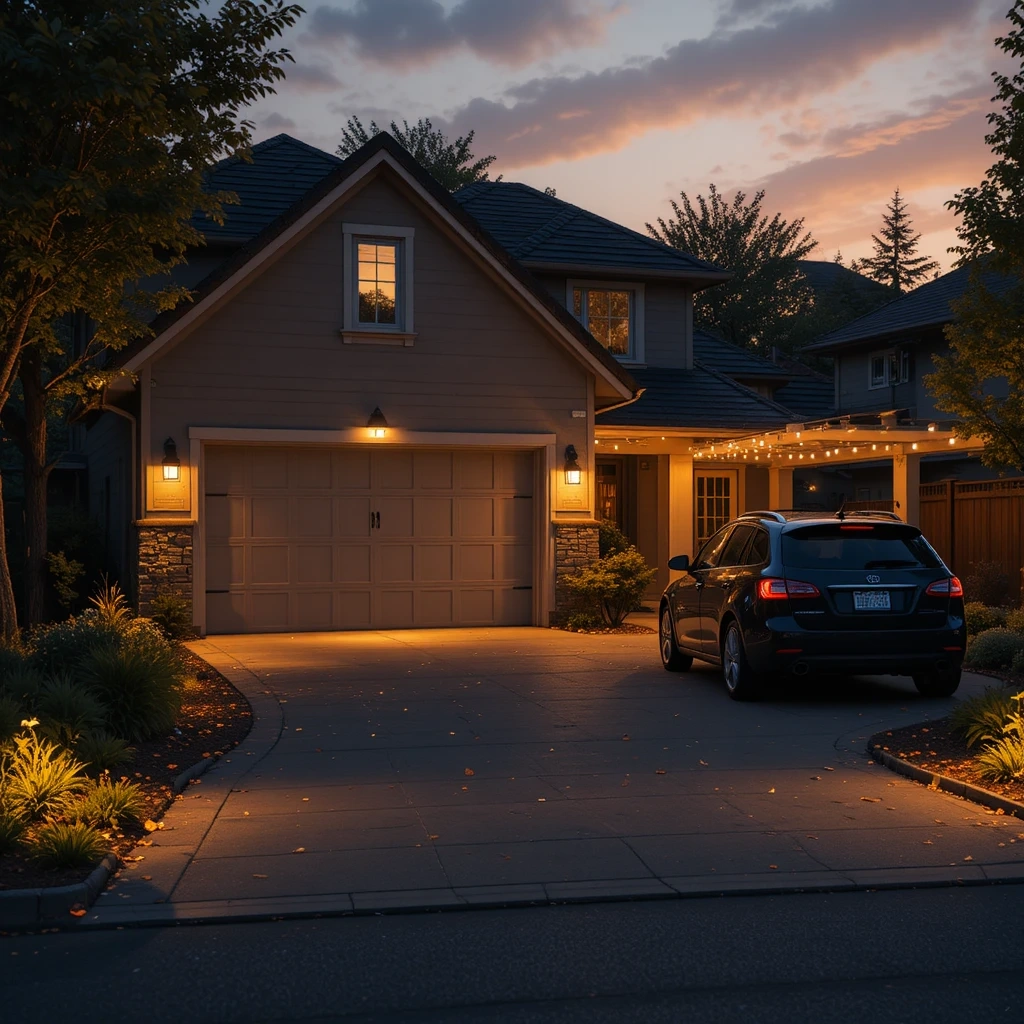
Thoughtfully designed lighting transforms a parking area from a shadowy hazard into a welcoming, safe space for the whole family. Whether it’s guiding the kids safely from the car to the front door, deterring unwanted visitors, or simply making your home look spectacular at night, parking area lighting is one of the highest-return improvements you can make — and much of it can be done without an electrician. Shop on Amazon
How to Style It:
- Install solar-powered pathway lights along the driveway edges at 1–1.5 metre intervals
- Use a motion-sensor floodlight above the garage or carport for security and convenience
- Add low-voltage LED bollard lights for a sleek, modern feel along long driveways
- String festoon lights or cafe lights across a carport roof for a warm, festive atmosphere
- Choose warm white (2700–3000K) bulbs rather than harsh cool white for a welcoming glow
Where to Use It: Every home — lighting improvements suit all property types, budgets, and parking configurations.
Pro Tip: Layer your lighting: combine ambient (overall glow), task (functional bright spots near the car and door), and accent (decorative bollards or path lights) for a truly professional result that looks amazing and works perfectly.
Bonus Idea: The Family Welcome Zone
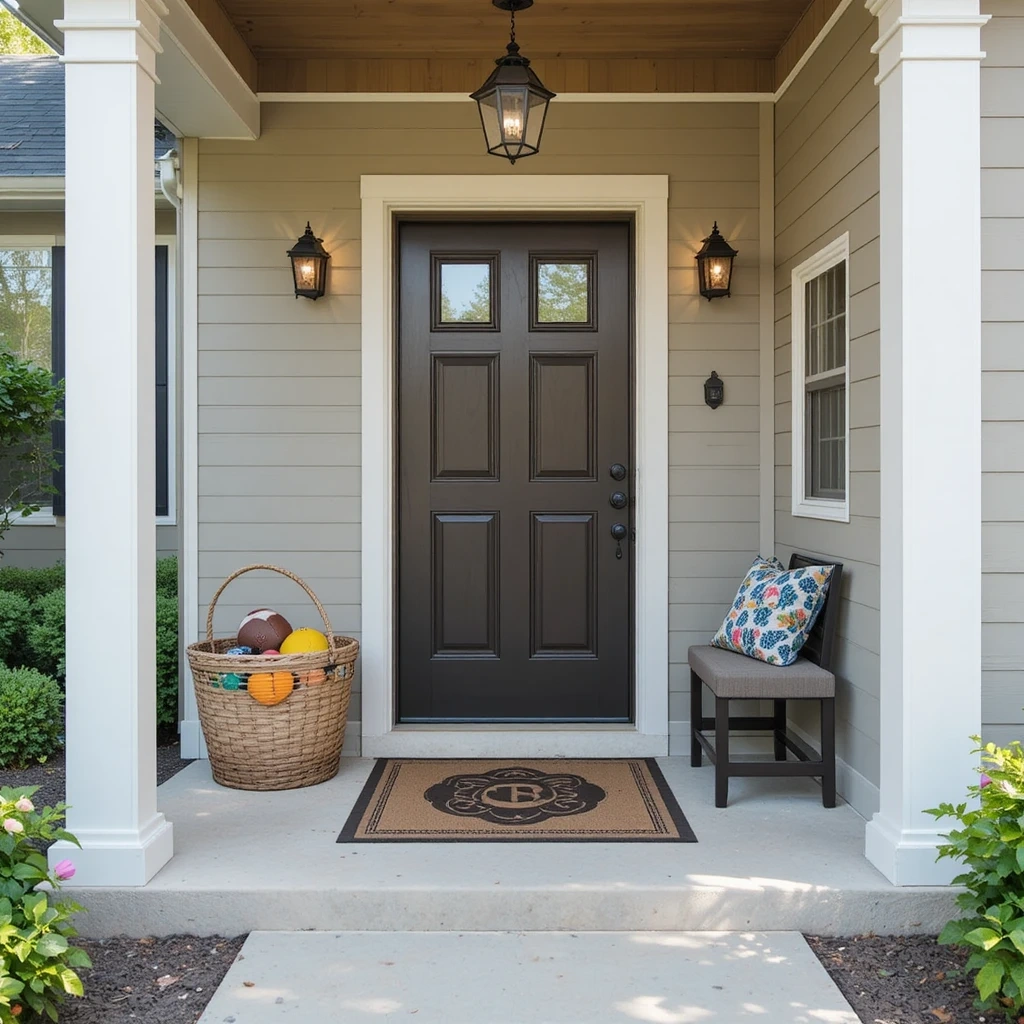
Consider designating a small section at the end of the driveway near the front door as a “Family Welcome Zone” — a defined space with a boot brush mat, a weatherproof basket for sports balls and outdoor toys, a small bench for sitting while taking shoes off, and good overhead lighting.
It sounds simple, but a clearly defined transition space between the car and the home is one of those upgrades that families consistently say they wish they’d done sooner.
Common Mistakes to Avoid
1. Choosing style over function. A beautiful paved surface that floods every time it rains or a gorgeous gravel driveway that your kids track inside the house will quickly become a frustration. Always test materials against your actual usage before committing.
2. Ignoring drainage from day one. Poor drainage is the most common — and most expensive — mistake in parking area design. Before any material is laid, check where water runs when it rains and plan your drainage accordingly.
3. Planting trees too close to the surface. Tree roots are patient and powerful. Even “slow-growing” trees planted too close to a driveway will crack and lift pavers, concrete, and asphalt within 5–10 years.
4. Using the wrong paint or sealant. Interior paint, standard exterior paint, and even some “outdoor” products are not rated for vehicle traffic. Always use products specifically designed for driveways and car parks.
5. Underestimating lighting. A single bulb above the garage is rarely enough. Poor lighting creates blind spots that are unsafe for children and makes reversing much harder. Layer your lighting properly.
6. Forgetting the kids’ perspective. When designing family parking spaces, get down to a child’s eye level and walk through the space. Can they be seen between parked cars? Are there trip hazards? Is there a safe path from the car to the front door? These questions matter enormously.
7. Skipping council approvals. Many driveway and carport modifications require a planning permit or council approval — particularly for impermeable surfaces in water-sensitive areas or structures above a certain height. Always check first.
Frequently Asked Questions
Q: What is the cheapest way to improve a parking spot? Paint and lighting offer the highest visual impact for the lowest cost. A tin of driveway line-marking paint and a set of solar path lights can transform a tired parking area for well under $100.
Q: How do I make a parking spot safer for young children? Define clear “safe zones” with paint, install motion-sensor lighting, fit physical barriers like bollards or garden edges to separate the car from foot traffic areas, and establish a household rule that children always exit on the footpath side of the car.
Q: Can I install a carport myself? Prefabricated carport kits are available and can be installed by confident DIYers — however, most areas require a building permit and some jurisdictions require a licensed builder for structural elements. Always check your local regulations first.
Q: What’s the best driveway material for a family with kids? Concrete pavers or exposed aggregate concrete are ideal — they’re durable, non-slip, easy to clean, and provide a firm, even surface for bikes, scooters, and chalk drawings. Avoid loose gravel if you have young children or mobility considerations.
Q: How long does a painted driveway design last? Standard exterior driveway paint typically lasts 1–3 years depending on traffic and weather. Thermoplastic markings (used for road markings) last significantly longer — up to 5–7 years — and are worth the higher upfront cost for permanent designs.
Q: Will adding EV charging to my parking spot increase my home’s value? Yes — increasingly so. As electric vehicle ownership grows, home EV charging is becoming a valued feature for buyers. It also signals a modern, future-ready home, which supports overall property appeal.
Q: Is permeable paving suitable for all climates? Generally yes, though the best material choice varies by climate. In freezing climates, some permeable paving types can crack through freeze-thaw cycles. Consult a local landscaper or driveway specialist for the best option in your region.
Q: How do I maintain a gravel driveway? Rake it level every few months, top up with fresh gravel every 1–2 years, and ensure your edging stays intact to prevent spreading. A weed membrane underneath significantly reduces ongoing maintenance.
Final Thoughts
Your parking spot is the very first thing you and your family see when you arrive home — and the last thing you see when you leave. With a little thought and the right ideas, it can be so much more than a place to leave the car. It can be safe, beautiful, organised, and even a little bit fun.
Pick one idea from this list to start with — just one. Make it your weekend project. Snap a before-and-after photo. You might be surprised how much a single change transforms the feeling of coming home.
Looking for more family-friendly home improvement ideas? Explore our guides on backyard makeovers, garage organisation, and budget-friendly kerb appeal upgrades.