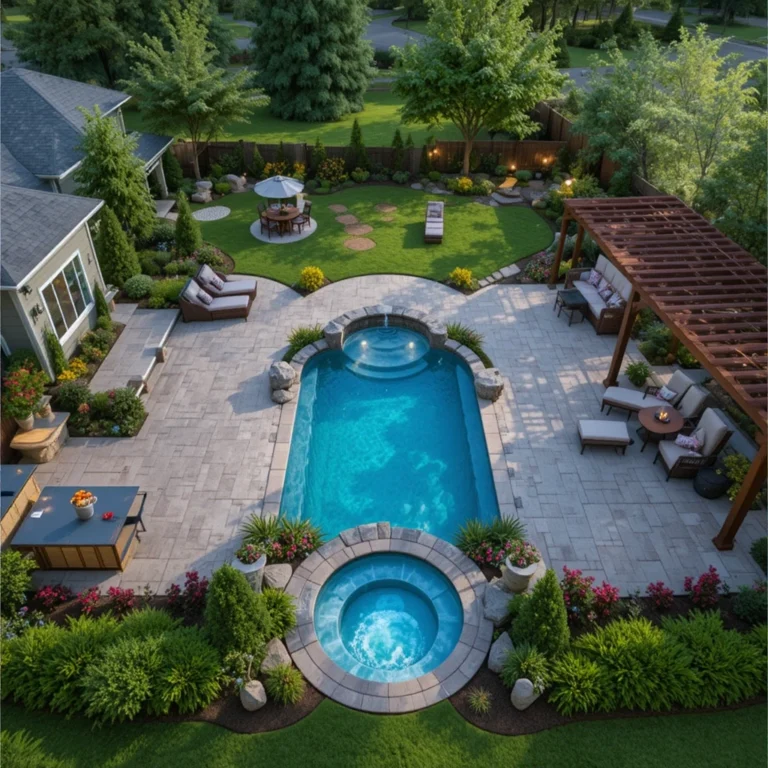
12 Stunning Natural Pools Backyard Swimming Ponds
Imagine stepping outside on a warm summer morning and diving into a crystal-clear pool surrounded by lush plants, smooth stones, and the gentle sound of a waterfall — no harsh chemicals, no artificial blue tiles, just pure nature at your doorstep. Natural pools backyard swimming ponds are one of the fastest-growing trends in outdoor living, and for very good reason.
Whether you have a sprawling yard or a cozy suburban lot, there is a natural water feature design that fits your space, your budget, and your family’s lifestyle. From rustic wildlife ponds to sleek modern natural swimming pools, the options are breathtaking.
Why Families Are Choosing Natural Pools
Natural pools and swimming ponds are not just beautiful — they are safer, smarter, and more sustainable than traditional chlorine pools. Kids can splash freely without worrying about irritated eyes or skin, and parents love knowing the water is filtered naturally by plants and beneficial microorganisms.
Beyond the health benefits, these spaces become living ecosystems that teach children about nature, attract butterflies and dragonflies, and grow more beautiful with every passing season. A natural pool is not just a place to swim — it is a place where families make memories that last a lifetime.
12 Natural Pool & Backyard Swimming Pond Ideas
1. The Classic Natural Swimming Pond
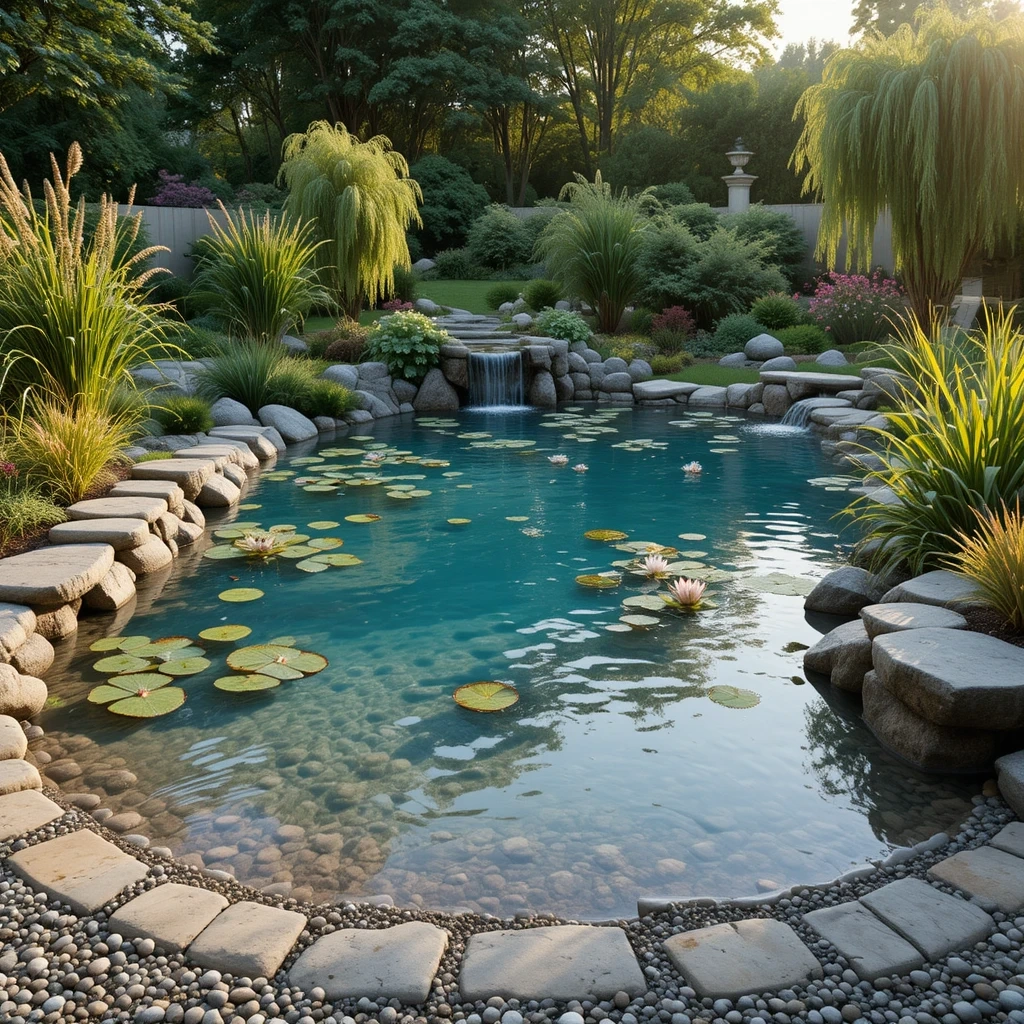
The classic natural swimming pond is the gold standard of eco-friendly backyard water features. It combines a dedicated swimming zone with a separate regeneration zone filled with aquatic plants that filter the water naturally — no chemicals needed.
The result is a pond that looks like it was carved out of a woodland landscape, with pebbled beaches, shallow edges for little ones to wade, and deep clear water for adults to swim. Shop on Amazon
How to Style It:
- Use large flat boulders along one edge to create a natural diving area
- Plant native water irises and rushes in the regeneration zone (the shallow plant-filled area)
- Add a pebble beach slope entry on one side for easy, safe child access
- Use warm-toned river stones on the pool floor for a natural look
- Frame the pond with ornamental grasses and ferns for privacy
Where to Use It: Best suited for medium to large backyards (at least 500 sq ft of total space). Ideal for families who want a full swimming experience with the aesthetic of a natural lakeside retreat.
Pro Tip: Keep the swimming zone and the plant regeneration zone at roughly a 50/50 ratio. The plants do the heavy lifting of water filtration, so skimping on the plant zone leads to murky water. Consult a natural pool specialist to size both zones correctly for your climate.
2. The Rocky Mountain Plunge Pool
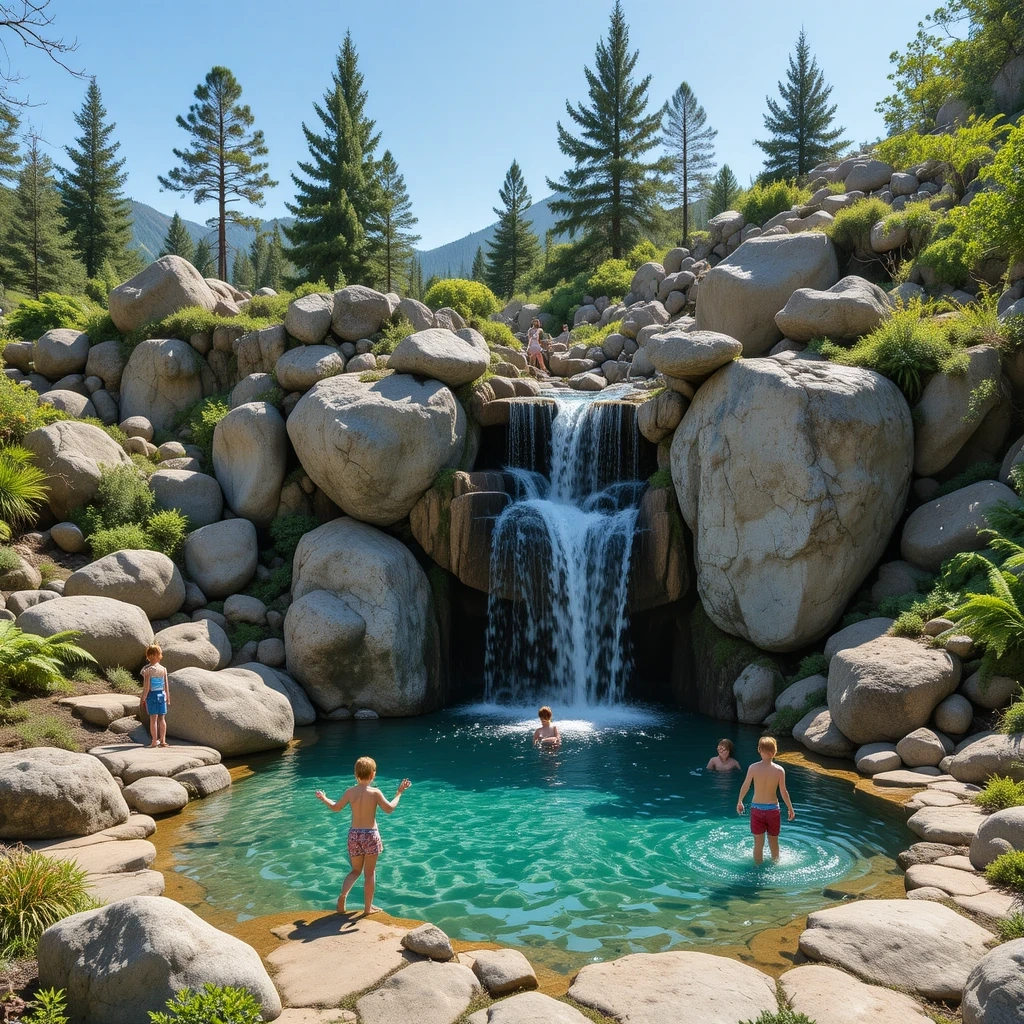
Inspired by mountain streams and natural rock formations, the rocky plunge pool is a compact, dramatic water feature that packs a huge visual punch. Oversized boulders are stacked and arranged to create a waterfall that cascades into a deep plunge pool below — perfect for jumping, cooling off, and play. This design works beautifully in smaller yards where a full natural pond is not feasible. Shop on Amazon
How to Style It:
- Stack varying sizes of granite or sandstone boulders to build the waterfall structure
- Plant low-growing creeping thyme and sedum in the rock crevices for a weathered look
- Add underwater LED lighting for evening glow effects
- Use a dark pond liner under the rocks to deepen the color of the water
- Incorporate a flat jumping rock at a safe height above the pool
Where to Use It: Perfect for sloped yards where the natural grade can be used to build height for the waterfall. Also excellent for smaller urban backyards where a compact, high-impact feature is desired.
Pro Tip: Have a structural engineer or experienced landscaper assess your boulder placement if the waterfall is taller than 3 feet. Safety first — make sure all climbing rocks are stable and no sharp edges are accessible to young children.
3. The Cottage Garden Swimming Pond
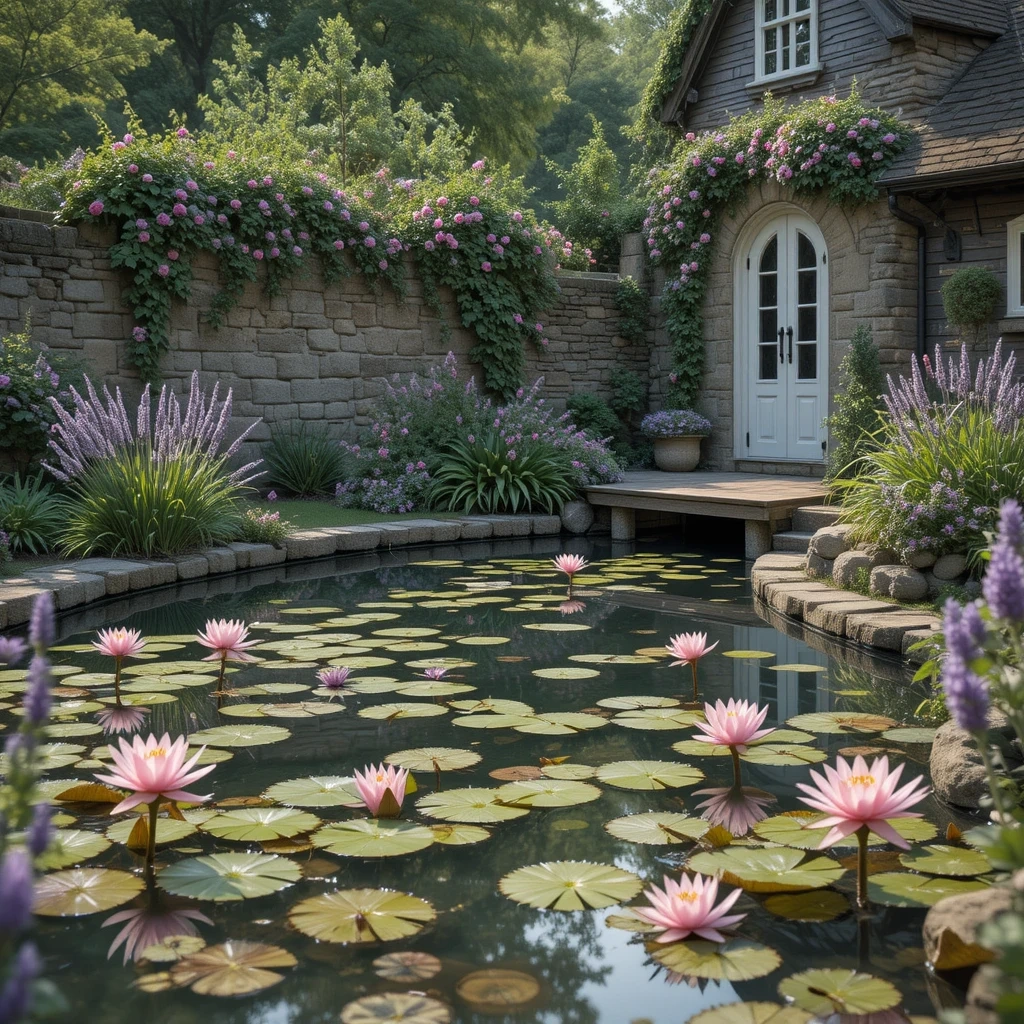
For those who love English garden aesthetics, the cottage garden swimming pond blends romantic florals with functional swimming space. Imagine swimming surrounded by blooming water lilies, purple pickerel rush, and trailing roses draping over a rustic stone wall.
This style feels like something out of a storybook and is incredibly welcoming for families who love gardens. Shop on Amazon
How to Style It:
- Plant a mix of water lilies, pickerel rush, and water iris in the regeneration zone
- Use a rustic stone or brick border around the pond perimeter
- Add a small wooden dock or jetty for sitting and dangling feet
- Include a vintage-style water pump as a decorative fountain element
- Hang solar string lights in surrounding trees for magical evening atmosphere
Where to Use It: Suits rectangular or kidney-shaped pond layouts. Ideal for yards that already have an established cottage garden aesthetic or those who want to create one.
Pro Tip: Choose native flowering aquatic plants over exotic species. Native plants are more resilient, require less maintenance, support local wildlife, and won’t become invasive. Ask your local nursery for region-specific recommendations.
4. The Infinity-Edge Natural Pool
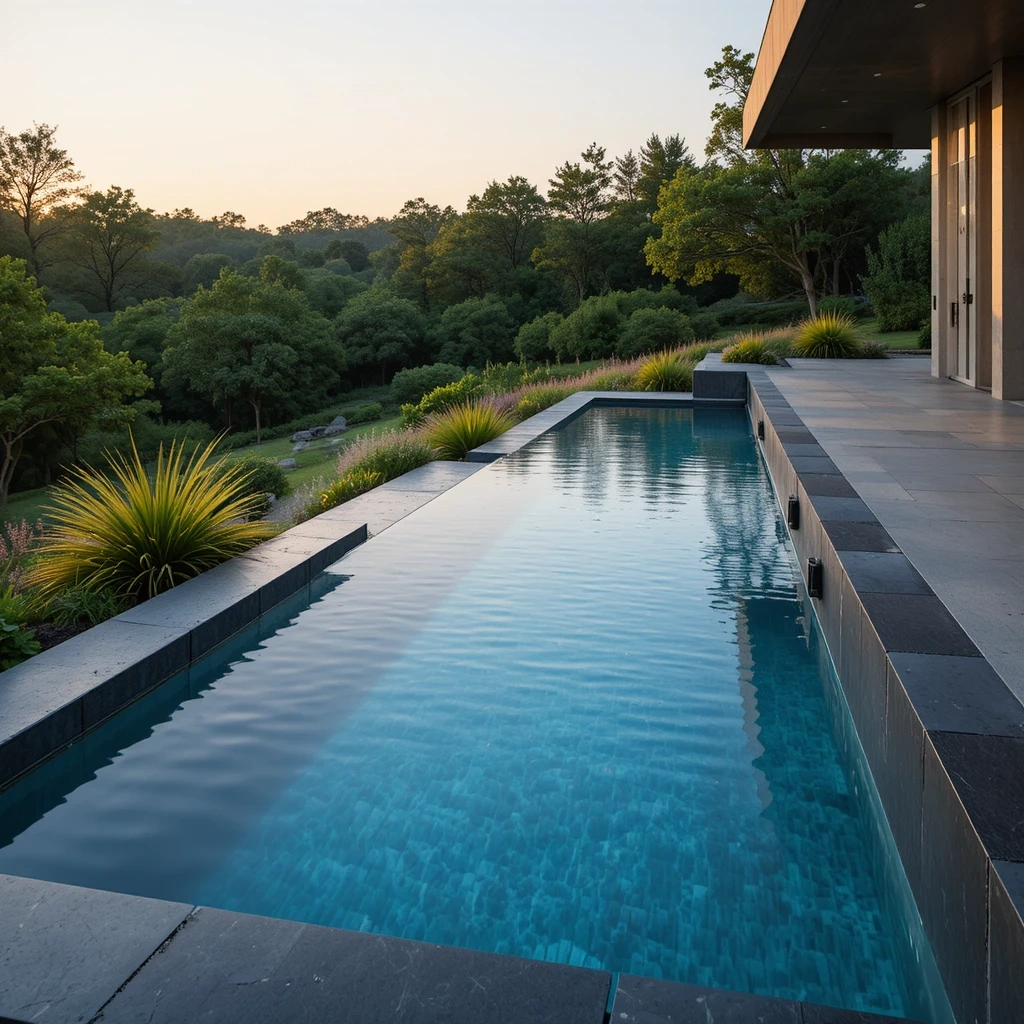
Who says natural pools can’t be luxurious? The infinity-edge natural pool merges the clean architectural lines of a modern infinity pool with the organic beauty of a chemical-free swimming environment. One edge appears to dissolve into the surrounding landscape — often overlooking a valley, garden, or hillside — while native plantings soften the perimeter. This is the pinnacle of sophisticated outdoor living. Shop on Amazon
How to Style It:
- Use dark basalt or slate coping stones for a sleek, modern finish
- Plant architectural grasses like Karl Foerster or Blue Oat Grass at the edges
- Keep plantings minimal and structured — this is about drama, not cottage romance
- Install a hidden overflow channel on the infinity edge for safe water management
- Use uplighting on surrounding specimen trees for evening ambiance
Where to Use It: Best for elevated yards with a view. The visual effect requires a meaningful “drop” on at least one side to create the vanishing-edge illusion.
Pro Tip: The infinity edge catchment basin (the reservoir that collects overflow water) needs to be sized correctly for your pool volume. Too small and the pump runs dry during heavy use. Work with a pool engineer to size it properly.
5. The Prairie Meadow Pond
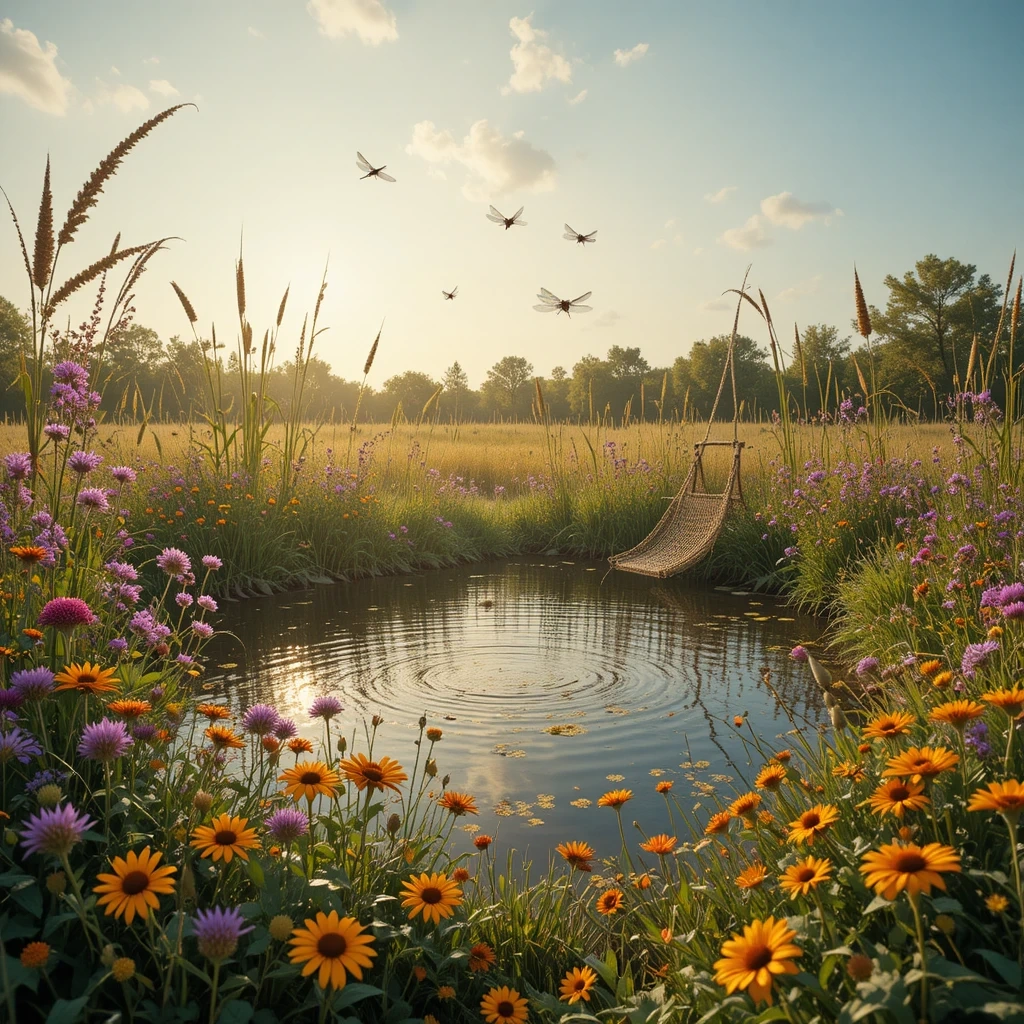
The prairie meadow pond celebrates wildflower beauty and is one of the most wildlife-friendly designs on this list. The swimming area is surrounded by a meadow of native wildflowers, grasses, and butterfly-attracting plants that turn your backyard into a buzzing, colourful ecosystem. Children will be endlessly entertained by the dragonflies, butterflies, and frogs that call this space home. Shop on Amazon
How to Style It:
- Seed the surrounding area with a native wildflower and grass mix
- Keep pond edges irregular and naturalistic — avoid straight lines
- Add a simple rope swing attached to a sturdy tree branch for kids
- Install a simple wooden bench amid the meadow for quiet sitting
- Avoid mowing the surroundings — let the meadow grow freely with seasonal trimming
Where to Use It: Ideal for large, open backyards in temperate climates. Particularly stunning in rural or semi-rural settings where the meadow can truly expand.
Pro Tip: Seed your meadow in autumn for best results. The seeds need a cold stratification period over winter before germinating in spring. Use a professional seed mix designed for your hardiness zone.
6. The Zen Japanese Garden Pool
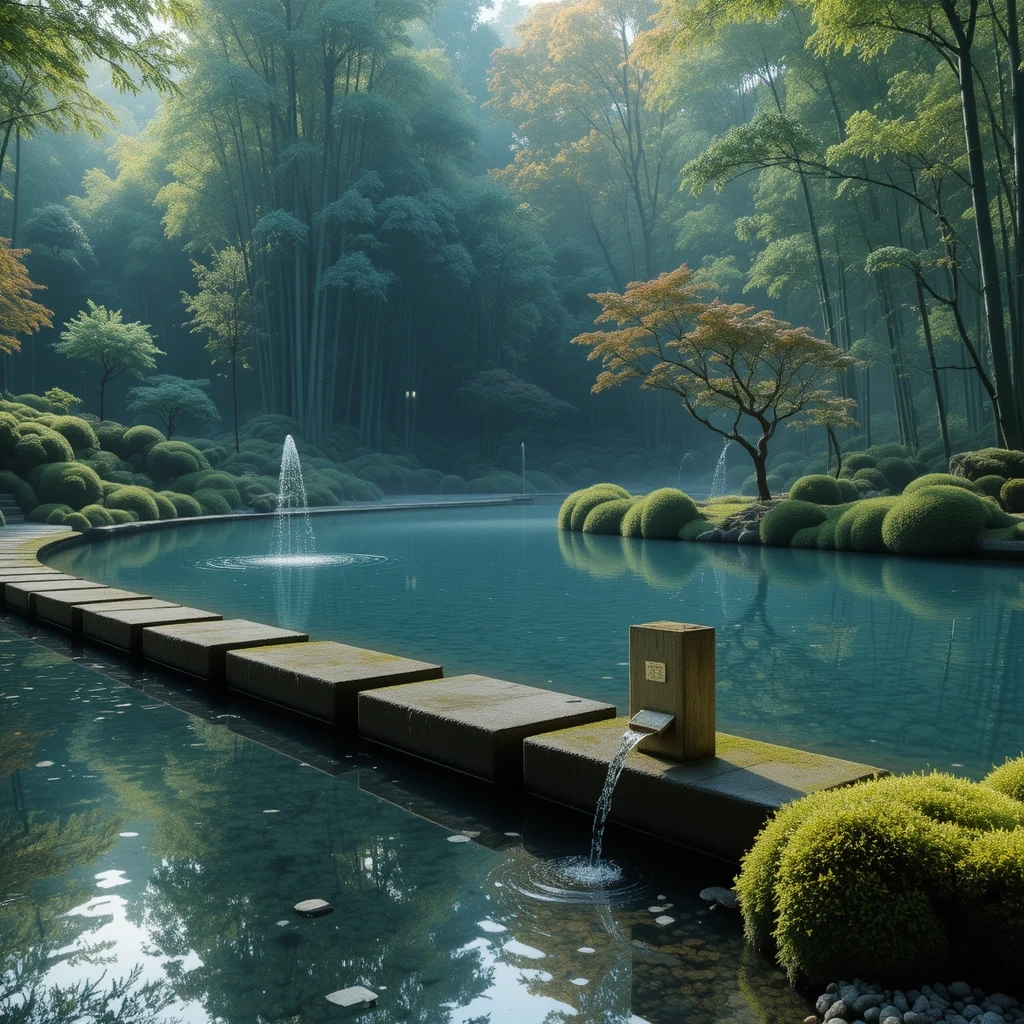
Serenity, simplicity, and beauty — the Japanese garden pool is a masterpiece of restraint. Inspired by traditional Japanese water gardens, this design uses smooth stones, bamboo, Japanese maples, and mossy banks to create a meditation-worthy retreat. The water is still and glassy, reflecting the sky and surrounding trees. This is the perfect space for morning swims followed by quiet contemplation. Shop on Amazon
How to Style It:
- Use smooth, uniform river pebbles for the pool surround and entry beach
- Plant bamboo screens for privacy on at least two sides
- Add a traditional tsukubai (stone basin) with a bamboo spout as an entry water feature
- Incorporate a Japanese maple or two for seasonal colour — spring pink and autumn red
- Use stepping stones across a shallow area for a mindful entry experience
Where to Use It: Works well in any size yard. The minimalist approach means you can create this effect in a relatively compact space with careful plant selection.
Pro Tip: Bamboo is beautiful but can be aggressively invasive. Always use clumping bamboo varieties (not running bamboo) in a backyard setting, or plant running bamboo inside a deep root barrier.
7. The Sandy Beach Entry Pool
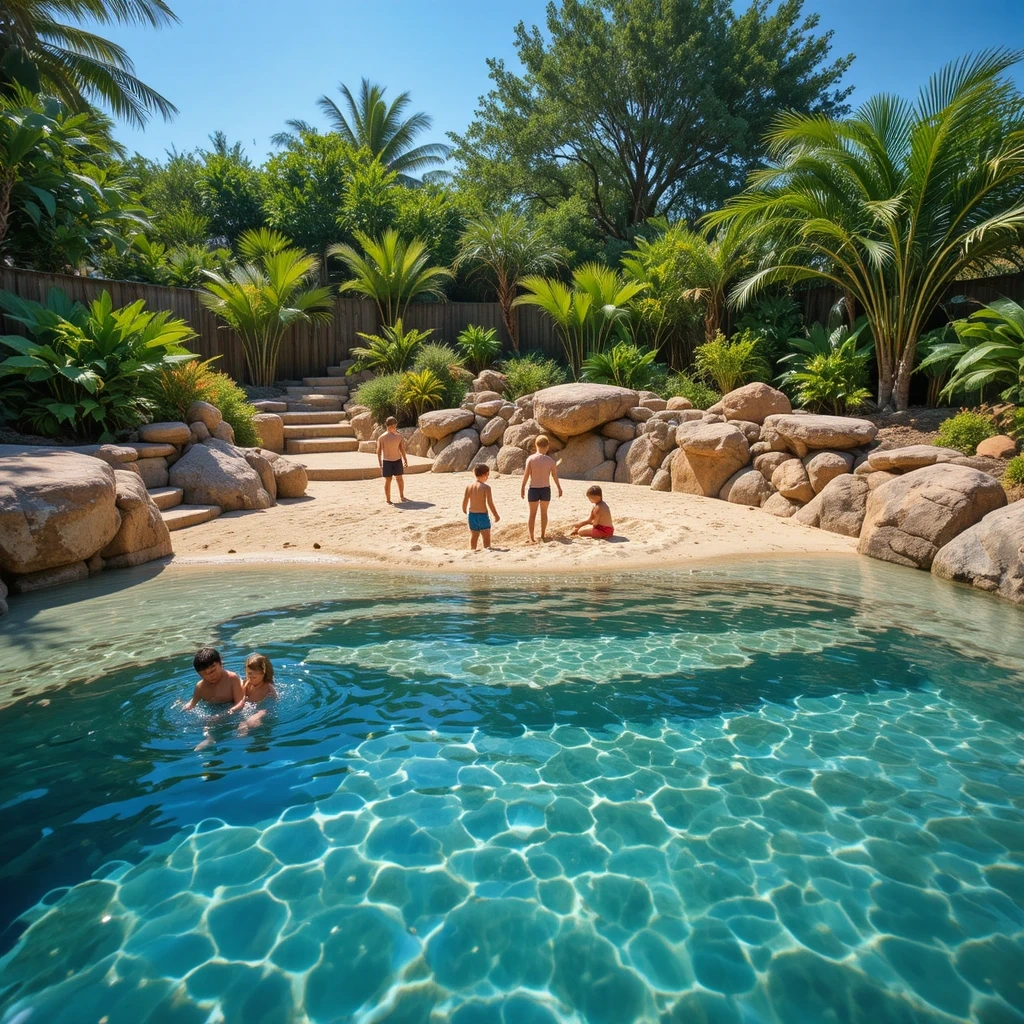
Every family loves the beach — so why not bring the beach home? The sandy beach entry natural pool features a genuine sand beach that slopes gently into the water, mimicking the feel of a lakeside or ocean shore.
Kids can build sandcastles at the water’s edge, wade in the shallows safely, and splash freely. It is one of the most family-friendly natural pool designs available, and it looks absolutely spectacular. Shop on Amazon
How to Style It:
- Use washed, fine-grain natural sand for the beach zone (not play sand, which clouds water)
- Install a gentle slope from the beach into the swimming zone — no drop-off
- Plant tall ornamental grasses and palms or tropical species behind the beach
- Add beach umbrella anchoring points in the sand for shade on hot days
- Include a freshwater rinse shower at the pool edge to rinse sand before re-entry
Where to Use It: Best for families with young children. Requires a slightly larger footprint than a standard pool due to the beach entry zone. Suits modern, resort-style backyards.
Pro Tip: Sand at the entry needs periodic raking and refreshing — about once per season. Install a coarse filter screen between the sand zone and swimming zone to prevent excessive sand migration into the water.
8. The Tropical Lagoon Pool
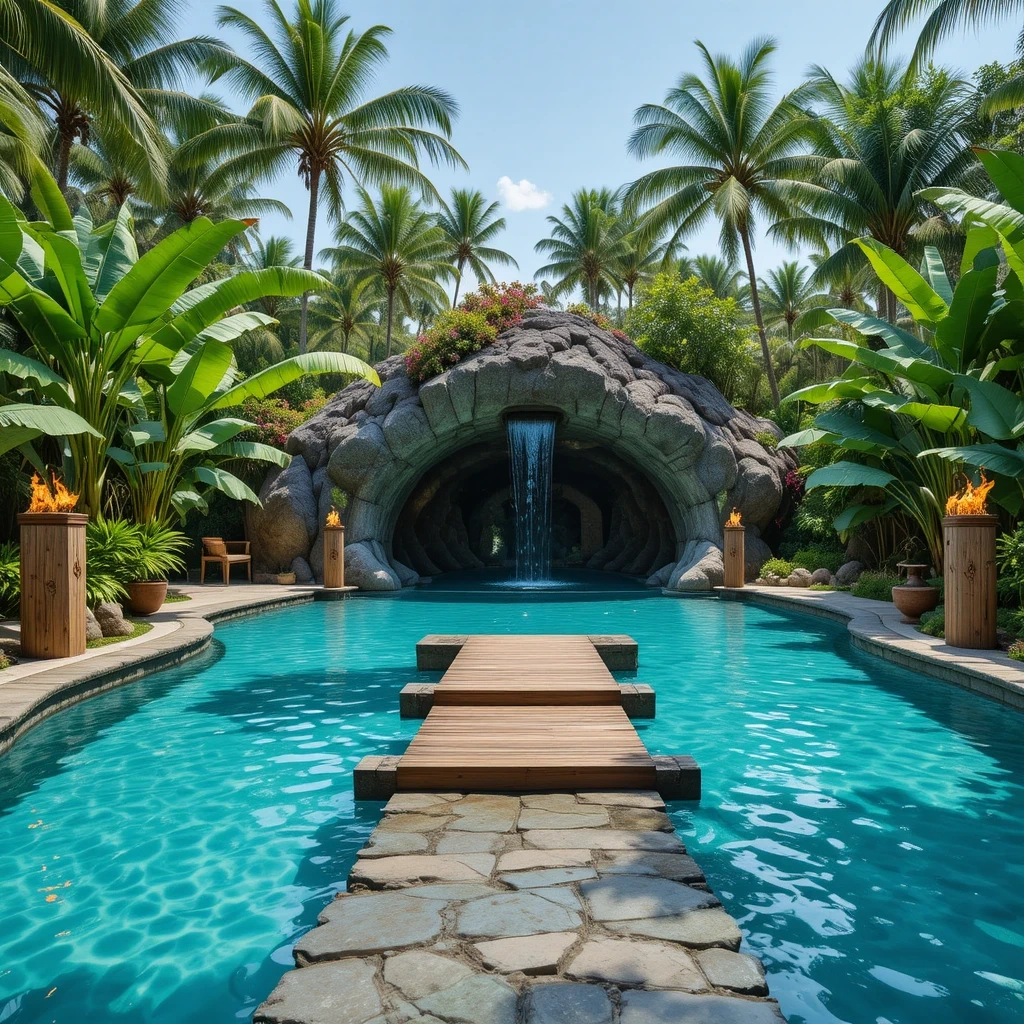
Transport your family to the tropics without leaving home. The tropical lagoon natural pool is lush, dramatic, and wildly fun — featuring dense tropical plantings, overhanging palms, a hidden cave waterfall, and water so clear it glows turquoise. This design is a complete backyard vacation destination and creates the kind of magical outdoor space kids dream about. Shop on Amazon
How to Style It:
- Plant banana trees, elephant ears, cannas, and bird-of-paradise around the perimeter
- Build a small rock cave or grotto behind the waterfall for adventurous kids to swim through
- Add a simple wooden bridge over the shallow plant zone
- Use tiki-style torches around the perimeter for evening entertaining
- Install coloured underwater LED lighting for a tropical glow after dark
Where to Use It: Best for warm or subtropical climate zones. Can be adapted for cooler climates using hardy tropical-look plants like gunnera, bamboo, and large-leafed hostas.
Pro Tip: In cooler climates, plant tropical species in large containers that can be brought indoors during winter. This gives you the look without the plant losses every year.
9. The Natural Lap Swimming Pond
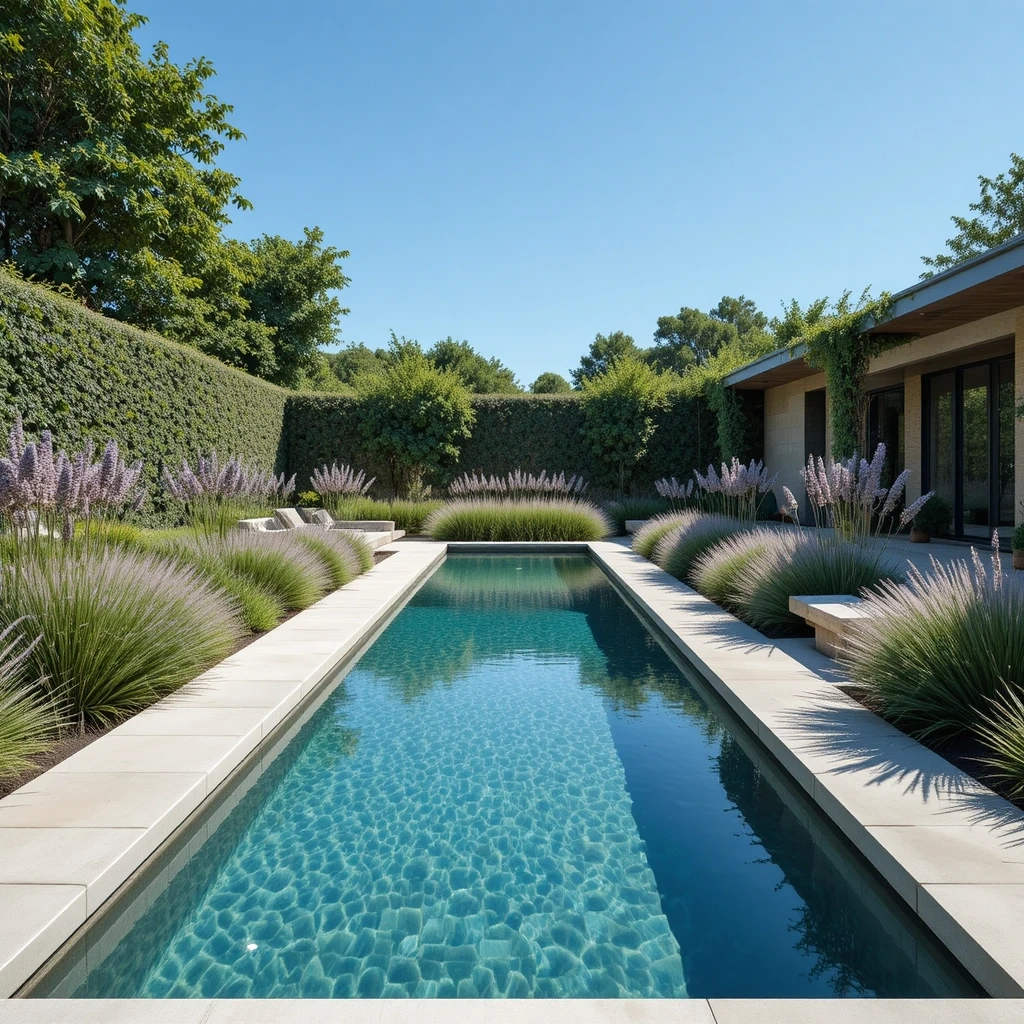
For fitness-focused families, the natural lap pool delivers the best of both worlds — a full 25-metre swim lane in a naturalistic, chemical-free water environment. Long, narrow, and elegant, this design proves that function and beauty can coexist perfectly.
Native plantings line both long edges, the water is filtered by plants at one end, and the clean lane stretches beautifully toward a garden focal point at the far end. Shop on Amazon
How to Style It:
- Use a strict rectangular layout with clean stone or timber coping for a modern look
- Plant lavender, ornamental grasses, or boxwood hedging along the long sides for structure
- Add lane markers along the bottom using natural stone patterns instead of painted lines
- Place a stunning focal point sculpture or specimen tree at the far end as a visual anchor
- Install a simple ladder and handrail in brushed stainless steel to complement the natural materials
Where to Use It: Ideal for narrow, long backyards. Also great for fitness-enthusiast homeowners who still want a natural water aesthetic.
Pro Tip: For lap swimming, water clarity is especially important. Size your plant filtration zone generously and consider adding a biological filter unit alongside the plant zone to maintain pristine clarity year-round.
10. The Forest Bathing Pool
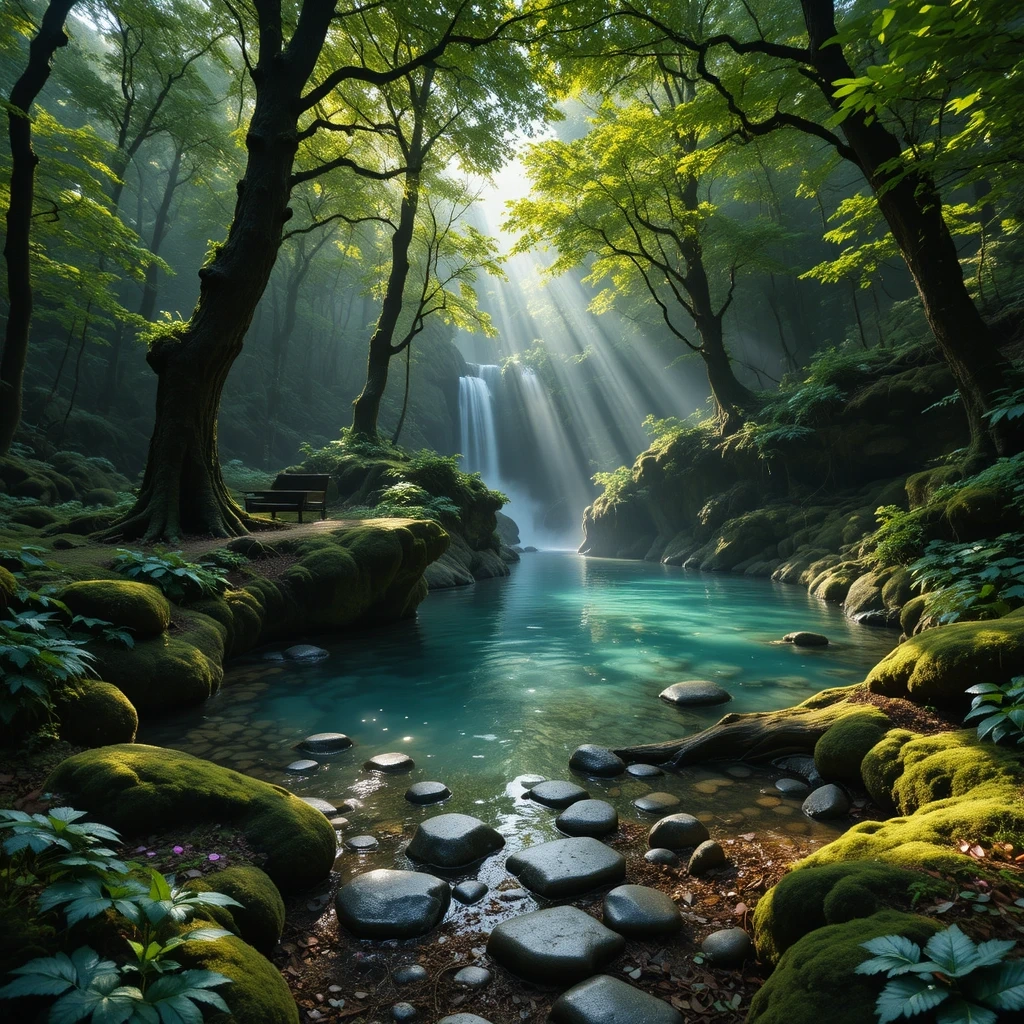
Deeply inspired by the Japanese concept of “shinrin-yoku” (forest bathing), this natural pool design places you completely inside a wooded canopy experience. Tall trees, ferns, mossy banks, and dappled light create a spa-like forest retreat in your own backyard. Swimming here feels like bathing in a secret woodland spring — utterly peaceful, completely restorative, and endlessly enchanting for children. Shop on Amazon
How to Style It:
- Plant or leverage existing mature trees to create a natural canopy overhead
- Use moss, creeping phlox, and native ferns to carpet the banks
- Add large, flat stepping-stone entry with irregular edges
- Install a small wooden sauna or changing shed in the same style nearby
- Use simple rope lighting strung through the tree canopy for evening ambiance
Where to Use It: Perfect for wooded or partially shaded backyards. If you lack mature trees, this design can be built with fast-growing species like silver birch planted first, then the pool added as they mature.
Pro Tip: Falling leaves are the main maintenance challenge for forest pools. Install a fine mesh skimmer net on an automatic timer to collect leaves before they decompose in the water. A robust biofilter plant zone is also essential.
11. The Wildlife Pond with Swimming Zone
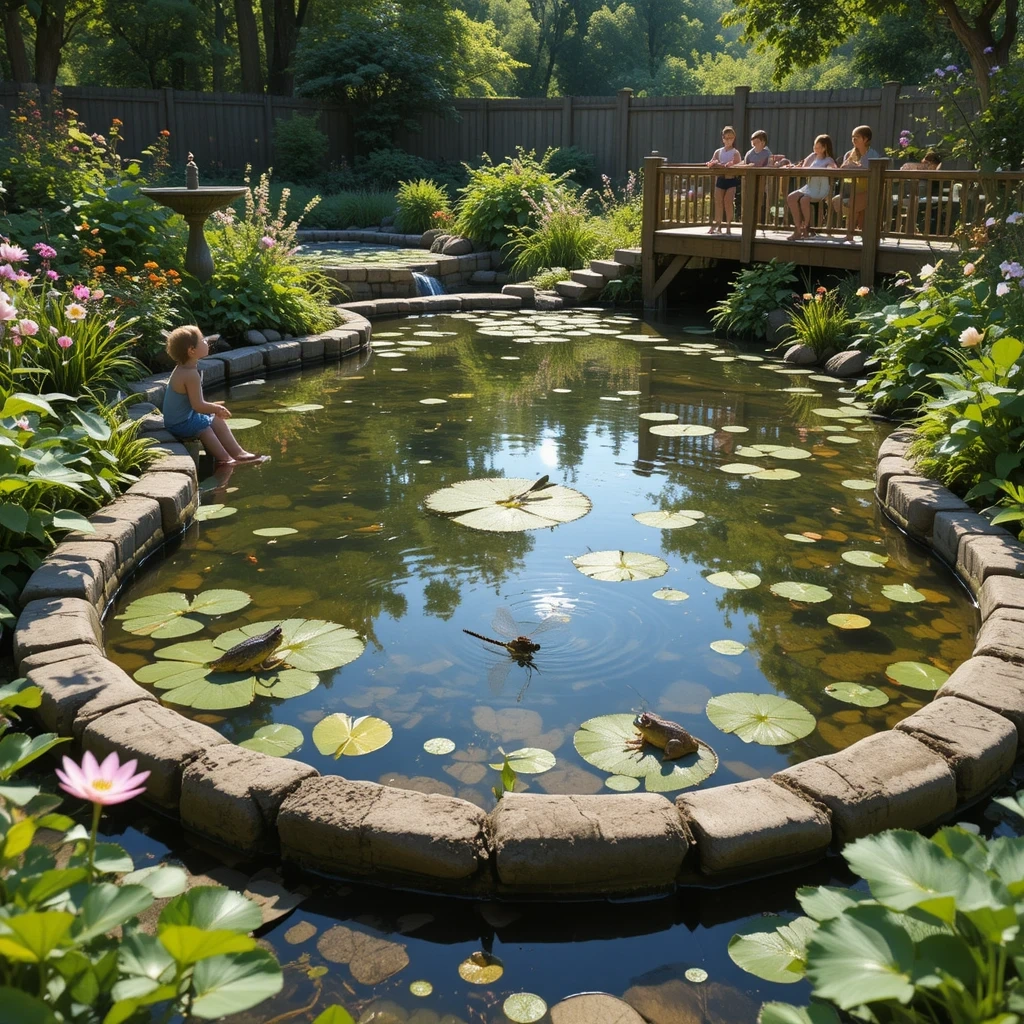
Some families want more than a pool — they want a thriving mini-ecosystem that doubles as a swimming spot. The wildlife pond with swimming zone is deliberately designed to attract frogs, newts, dragonflies, birds, and beneficial insects while still providing a clean, safe area for family swims. It is the ultimate educational backyard feature and a living classroom for curious children. Shop on Amazon
How to Style It:
- Design a deep swimming zone (at least 5 feet) clearly separated from the shallow wildlife habitat zone
- Plant a diverse mix of native aquatic plants — water mint, yellow flag iris, bulrush, and water forget-me-not
- Add a shallow beach entry on the wildlife side at just 2-4 inches deep for frogs and birds
- Install a wooden observation platform over the shallow zone for close-up wildlife watching
- Place flat rocks at the water’s edge for reptiles and amphibians to bask
Where to Use It: Excellent for families with nature-curious children. Works in any garden size but benefits from having at least 60% of the pond perimeter as a wildlife habitat zone.
Pro Tip: Never stock a wildlife pond with fish if you want amphibians — fish eat frog and newt eggs. Let wildlife colonise naturally. Within one to two seasons, nature will move in on its own.
12. The Modern Courtyard Swimming Pond
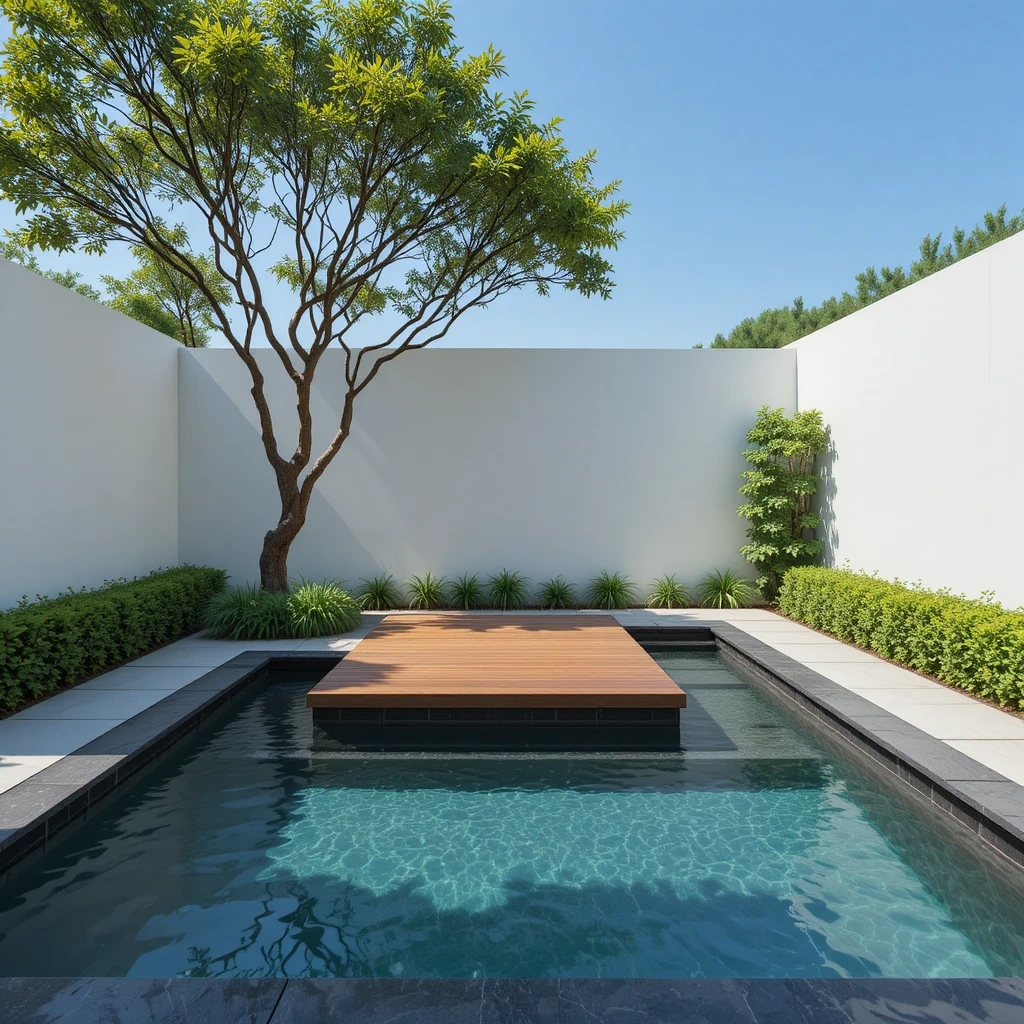
Proof that natural pools belong in urban and contemporary settings too, the modern courtyard swimming pond takes natural water into a structured architectural space. Clean geometric lines, premium natural stone, minimalist plantings, and glass-clear water create a stunning focal point for modern homes with courtyard layouts. This design is sophisticated, low-maintenance, and extraordinarily beautiful year-round. Shop on Amazon
How to Style It:
- Use a strict square or rectangular form with seamless coping at terrace level
- Select one premium natural stone for coping and surround — slate, travertine, or basalt
- Plant a single dramatic architectural tree — Japanese maple, olive, or multi-stem birch
- Add a floating teak platform at water level as a sunbathing deck
- Use sleek, recessed lighting in the coping for evening illumination
Where to Use It: Ideal for urban homes, townhouses, and modern properties with enclosed courtyard spaces. The structured layout suits restricted spaces and creates a high-end resort aesthetic.
Pro Tip: In a courtyard setting, evaporation can be significant due to sun exposure and heat retention from walls. Install an auto-fill valve connected to your water supply to maintain water levels during summer without manual topping up.
Common Mistakes to Avoid
Building a natural pool or swimming pond is an exciting project — but several common mistakes can turn your dream into a headache. Here is what to watch out for:
1. Skimping on the Plant Zone The filtration plant zone must be large enough to process the swim zone water. Many homeowners reduce it to add more swim space, then wonder why their water turns green. Follow the 50/50 rule as a minimum.
2. Choosing the Wrong Plants Exotic aquatic plants may look beautiful but can become invasive and take over your pond within a few seasons. Always use native or non-invasive species suited to your specific climate zone.
3. Ignoring Sun Exposure Natural pools need some sun for aquatic plants to thrive, but too much direct sun causes algae blooms. Aim for a site that gets 4–6 hours of sun daily, with some afternoon shade.
4. Insufficient Depth in the Swim Zone The swimming zone should be at least 4.5 to 5 feet deep for safe diving and a comfortable swim experience. A pond that is too shallow feels more like a wading pool than a swimming space.
5. No Safety Measures for Children Even with a gentle beach entry, always install a pool fence meeting local safety codes around any swimming pond accessible to young children. Shallow shelves and gradual entries reduce risk but do not eliminate it.
6. DIY Without Professional Consultation Natural pools involve hydrology, filtration biology, soil engineering, and plant ecology. While there are DIY approaches, consulting a natural pool specialist before you dig saves you from expensive corrections later.
7. Expecting Zero Maintenance Natural pools require less chemical maintenance than traditional pools, but they are not maintenance-free. Plan for seasonal plant management, skimming, and occasional silt removal from the pond floor.
Frequently Asked Questions
Q: Are natural pools safe for children? Absolutely — in fact, many families choose natural pools specifically because they are safer for children. With no chlorine or harsh chemicals, kids can swim without irritated skin or red eyes. The key is ensuring the swimming zone has appropriate depth markings, a gentle entry slope, and a proper perimeter fence for very young children.
Q: How do natural pools stay clean without chemicals? Natural pools are filtered through a combination of aquatic plants, beneficial bacteria, and sometimes a biological filter unit. The plants absorb nutrients that would otherwise fuel algae growth. Beneficial microorganisms break down organic material. The result is naturally balanced, clean water — the same process lakes and rivers use.
Q: What is the cost difference between a natural pool and a traditional chlorine pool? Initial installation costs for natural pools are comparable to, or slightly higher than, a traditional pool of similar size — typically ranging from $50,000 to $150,000+ depending on size and complexity. However, long-term running costs are significantly lower since there are no chemical purchases, less energy-intensive filtration, and lower maintenance overheads.
Q: Can natural pools be used year-round? In warm climates, yes. In cooler climates, the swimming season is seasonal (typically spring through early autumn). However, the pond remains beautiful year-round as a garden feature, and aquatic plants simply go dormant in winter before returning in spring.
Q: Do natural pools attract mosquitoes? A well-designed and maintained natural pool with good water circulation does not attract mosquitoes significantly more than any other garden water feature. Moving water discourages mosquito breeding. Additionally, frogs, dragonflies, and birds that are attracted to natural pools are natural mosquito predators.
Q: How big does my yard need to be? As a general rule, you need at least 350–500 square feet of total space for a functional small natural pool, including both the swimming zone and plant filtration zone. Compact designs like the rocky plunge pool or modern courtyard pool can work in smaller spaces. Larger designs like the prairie meadow pond benefit from 1,000+ square feet.
Q: How long does it take for the water to become clear after installation? Patience is key with a new natural pool. Most ponds take one full growing season (about 3–6 months) for the plant filtration zone to become fully established and for water clarity to stabilise. Many pool owners see murky or greenish water initially — this is completely normal. By the second season, water clarity is typically excellent.
Q: Can I convert my existing chlorine pool into a natural pool? Yes — this is increasingly popular and can be more cost-effective than building from scratch. The conversion involves draining the existing pool, removing chemical systems, building a separate plant zone (sometimes in an adjacent area), and re-establishing a biological filtration system. A natural pool specialist can assess your existing structure and recommend the best approach.
Wrapping Up
A natural pool or backyard swimming pond is one of the most transformative investments you can make in your outdoor living space. It is a place where your family swims together, where children discover the wonders of nature, where mornings begin with a quiet dip in clean, living water. Unlike a traditional pool, a natural pool grows more beautiful every single year — more established, more vibrant, more alive.
Whether you are drawn to the romance of a cottage garden pond, the adventure of a tropical lagoon, or the zen of a Japanese forest pool, there is a natural water design waiting to become the heart of your family’s outdoor life. Start with the ideas that speak to you, consult with a natural pool professional in your area, and take that first beautiful step toward your own backyard paradise.
Loved this article? Share/Save it with a friend who dreams of a natural backyard pool. And if you have already built yours, we would love to see it — tag us on social media!